Top 20 Natural Monuments around Muldenhammer
Natural monuments around Muldenhammer showcase the unique geology and natural beauty of the Vogtland region. This area features a diverse landscape of forests, reservoirs, and distinctive rock formations. Muldenhammer is situated on the border between the Erzgebirge and Vogtland, offering varied terrain for exploration. The region provides opportunities to experience ancient forests and significant geological sites.
Best natural monuments around Muldenhammer
- The most popular natural monuments is Devil's Stones, a natural monument that features granite rock formations. This site…
Last updated: June 26, 2026
Blauenthal Waterfall
Highlight • Waterfall
"After the First World War, the owner of the Toellische paper factory had a new …
Translated by Google •
Tip by

Falkenstein Reservoir
Highlight • Lake
Translated by Google •
Tip by

Sign up now to discover places like this
Get recommendations on the best single tracks, peaks, & plenty of other exciting outdoor places.
Sign up for free
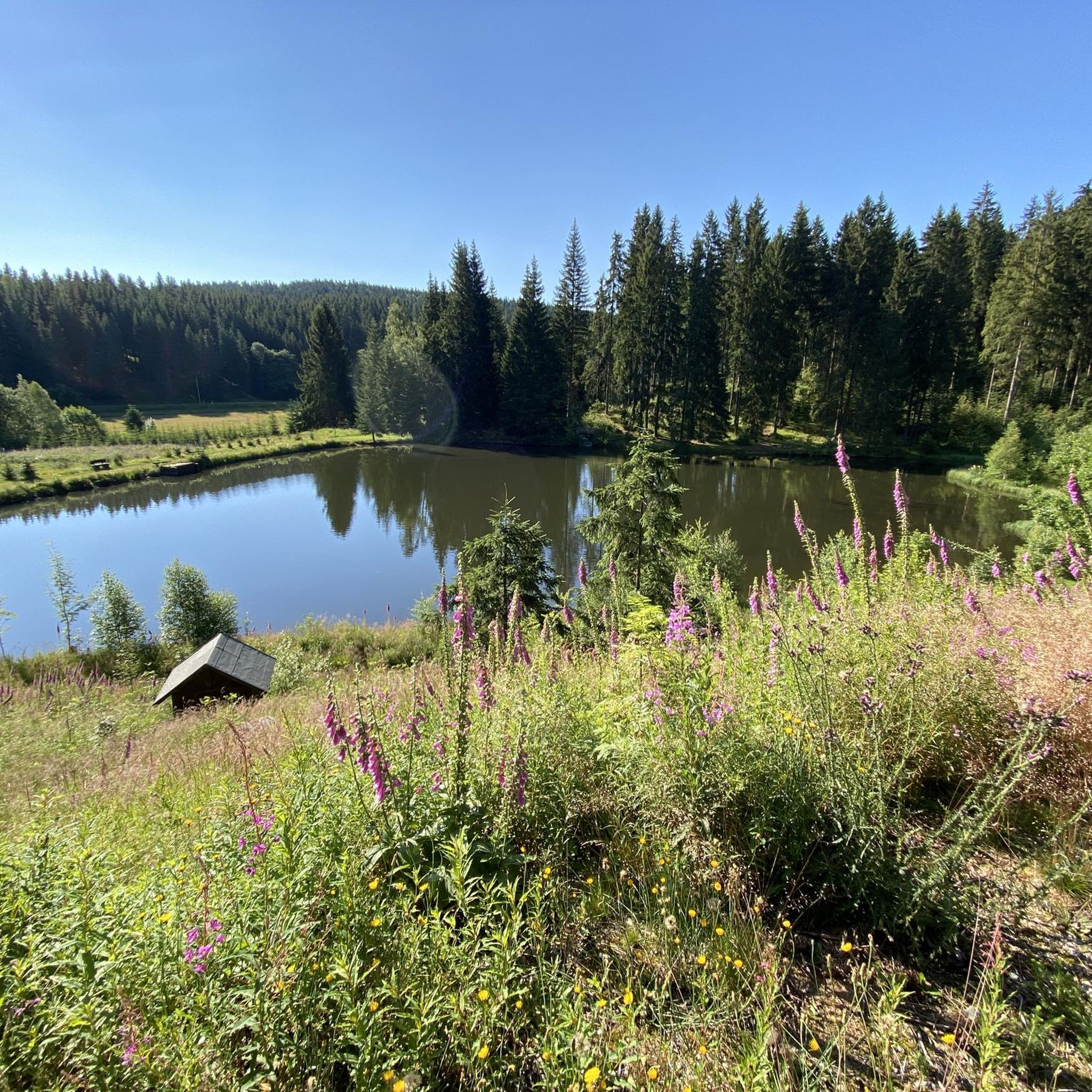
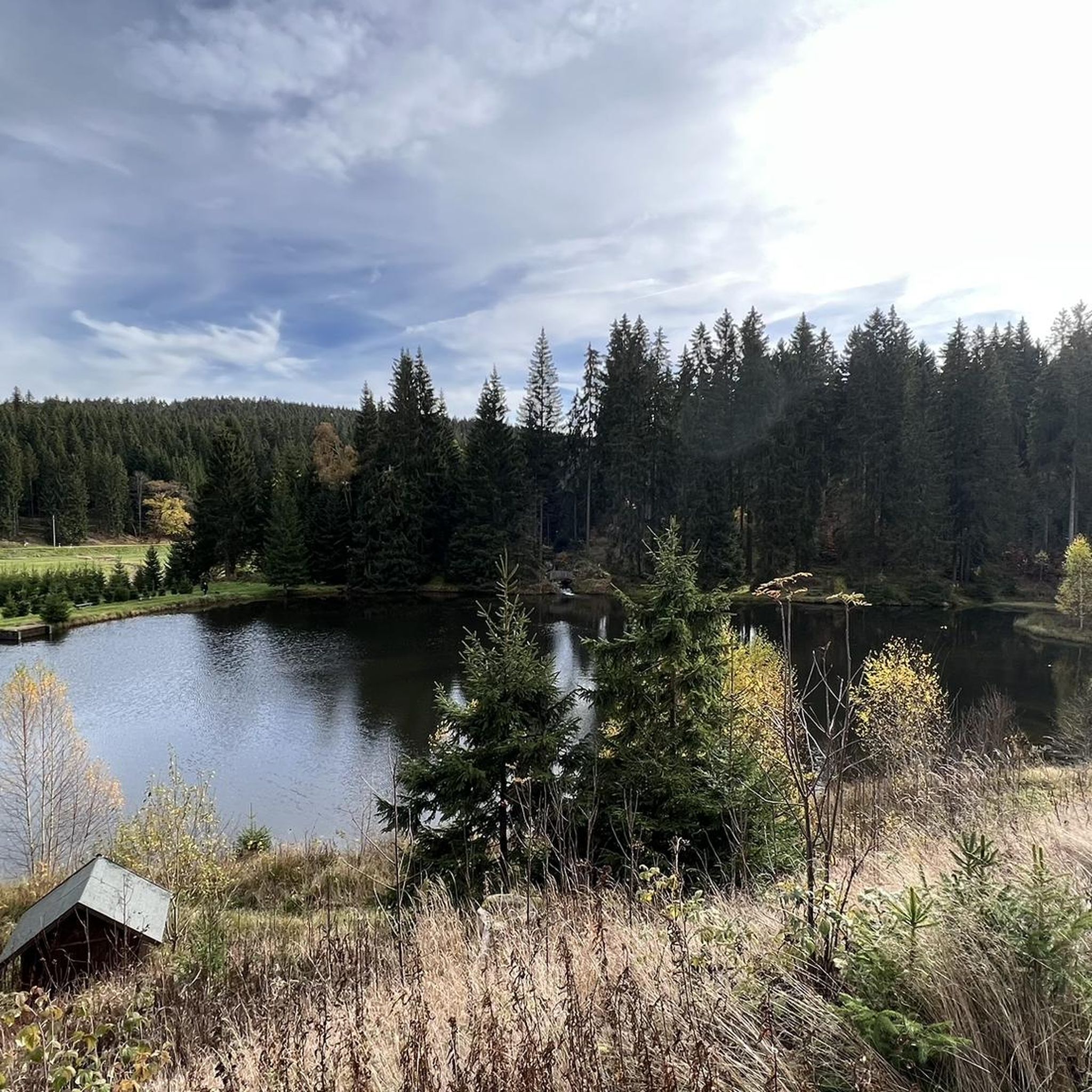
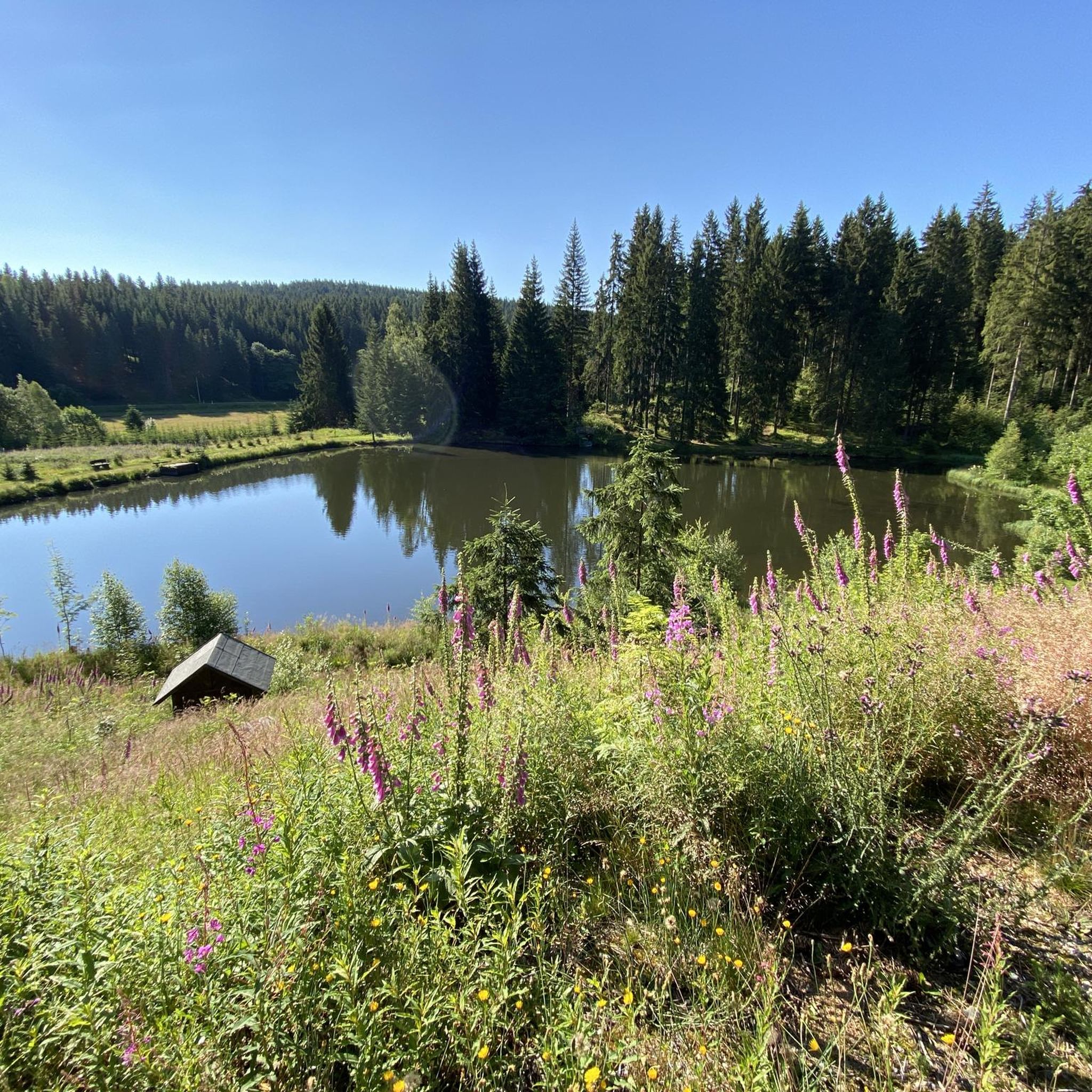
South shore of Lake Vogtland
Highlight • Lake
Translated by Google •
Tip by

Carlsfeld Reservoir (Wilzsch Reservoir)
Highlight • Lake
Translated by Google •
Tip by

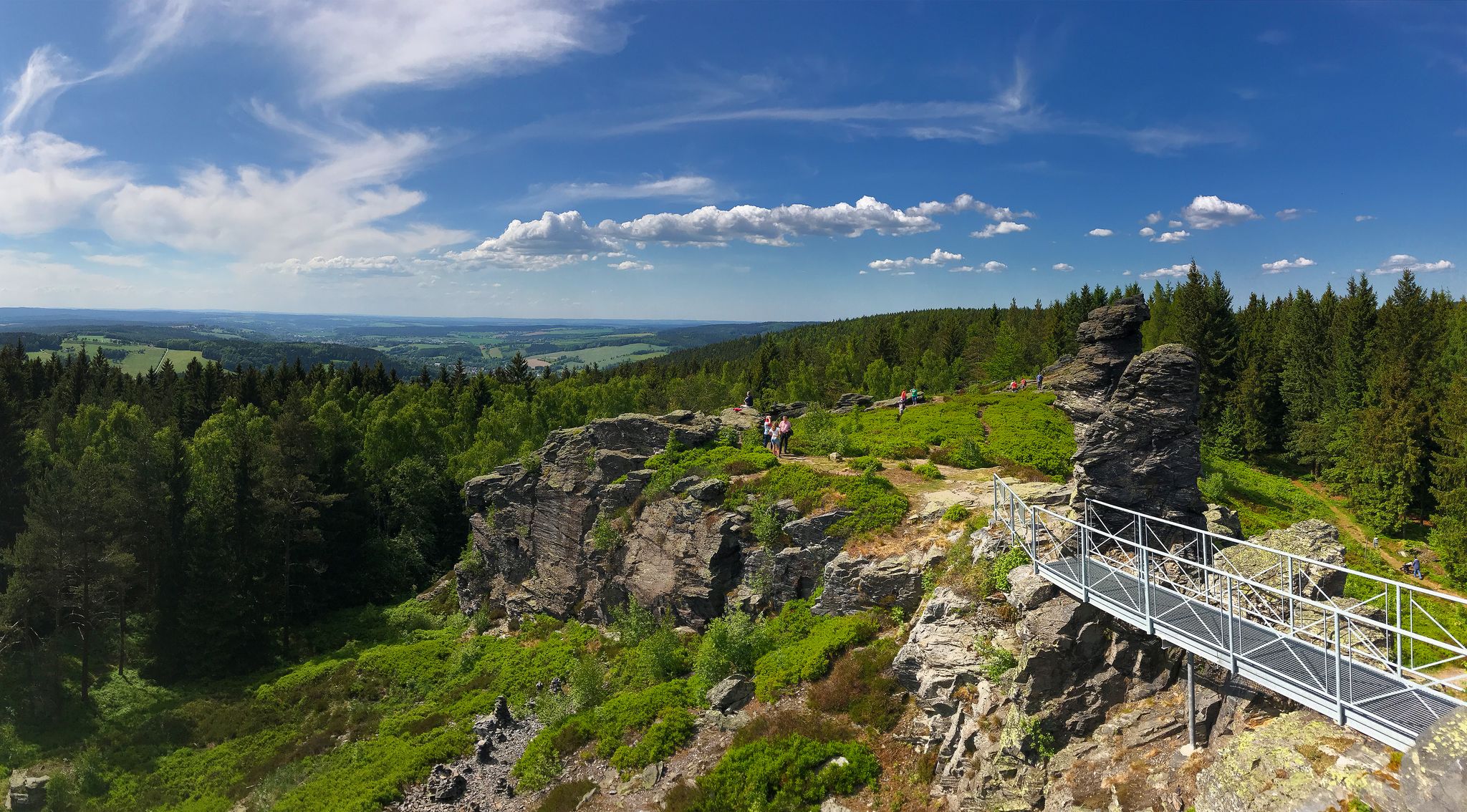
Devil's Stones
Highlight • Natural Monument
Translated by Google •
Tip by

Sign up for free to discover even more natural monuments around Muldenhammer.
Sign up for free
Already have an account?
Start today with a free account
Your next adventure awaits.
Login or Signup
Popular around Muldenhammer

A snowy paradise – winter hiking and cross-country skiing in Germany’s Vogtland
Experience the sounds of nature — hikes in the Vogtland Region
Hiking around Muldenhammer
Road Cycling Routes around Muldenhammer
Cycling around Muldenhammer
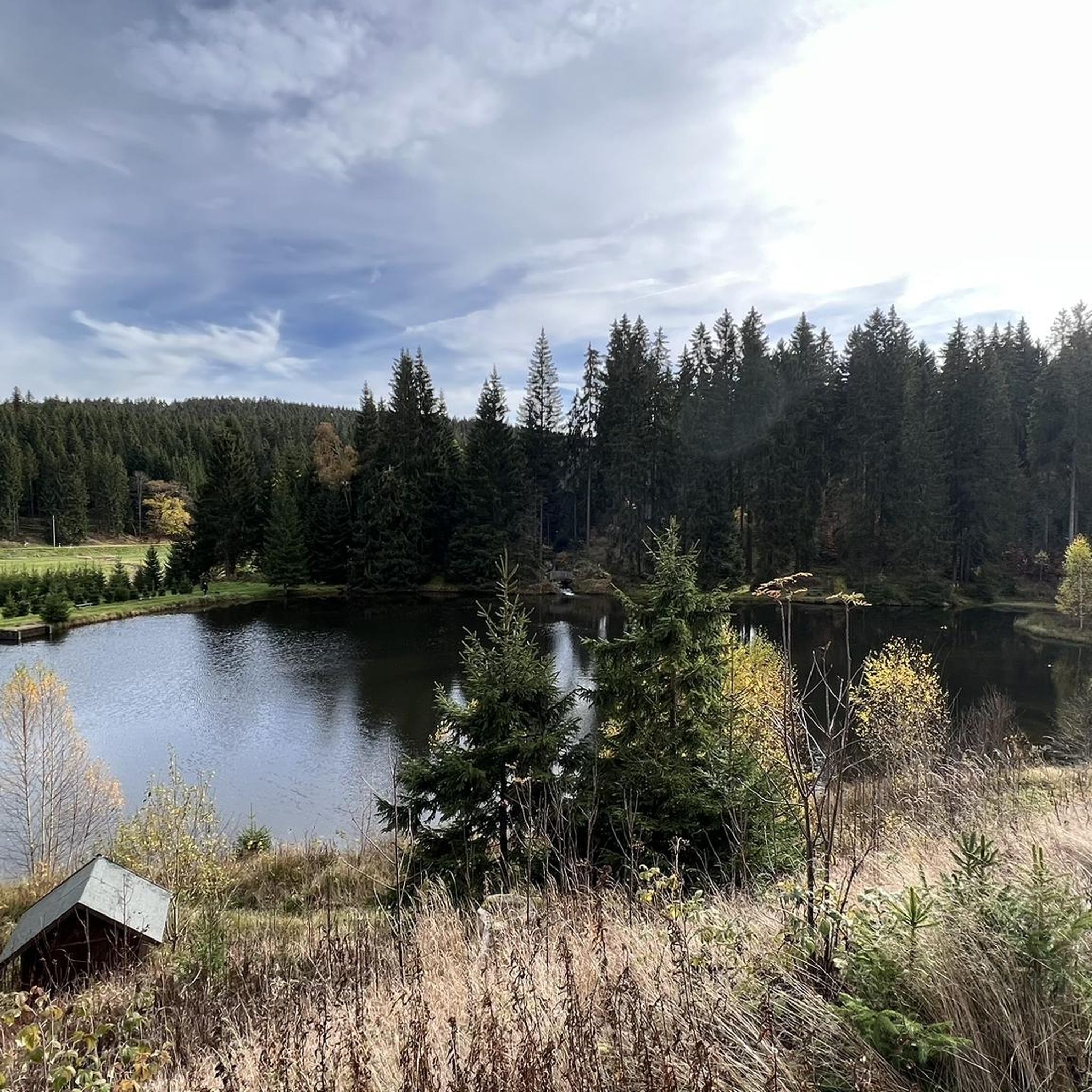
Running Trails around Muldenhammer
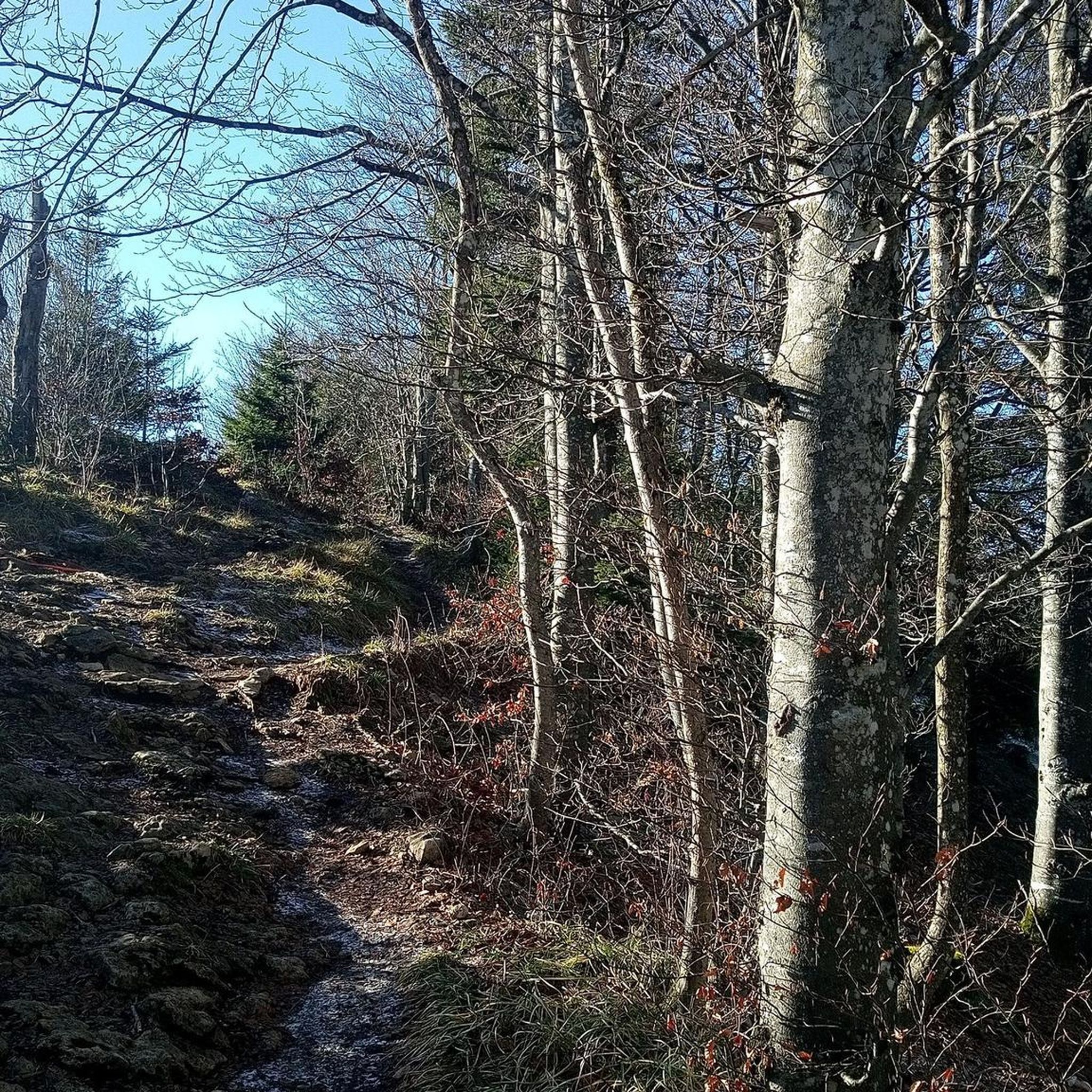
Gravel biking around Muldenhammer
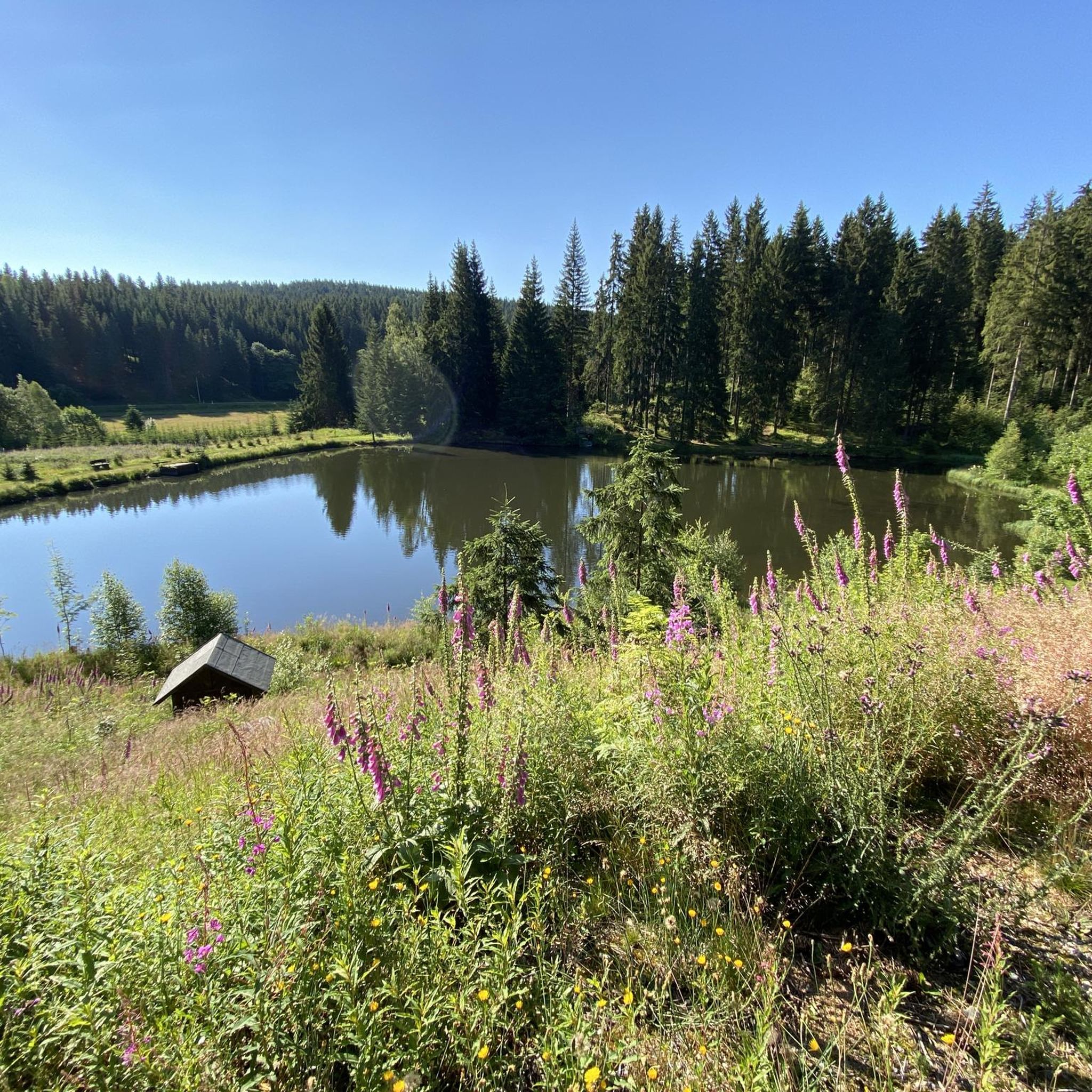
MTB Trails around Muldenhammer

Tips from the Community

☆ The construction time is remarkable... 👍
4
0
☆ With a small island and a small ferry to pull you to the other shore.
3
1

One of the most beautiful waterfalls I know 😍. If you continue the hike to the right, you can see the waterfall from above 😊.
14
2

The largest waterfall in Saxony and one of the highest German waterfalls outside the Alps is located in the immediate vicinity of Blauenthal. This former site of a flour and board mill was bought by Andreas Blau around 1530 and converted into a hammer mill. After the First World War, the owner of the paper factory had a new ditch dug above a steep rock face in order to use the water to drive his turbines. On Sundays and public holidays, the machines stood still and the water rushed down into the valley.
10
1

In, on, and around the dam. There's something for everyone. The kiosk/bistro is highly recommended.
2
0

The dam wall of the Carlsfeld dam is a listed building. The curved gravity dam wall made of rubble stone is 195 meters long and up to 20 meters wide at the base. Its height above the foundation base is almost 32 meters. The dam axis has a radius of 160 meters. Source: https://www.wasserwirtschaft.sachsen.de/TS_Carlsfeld.html?_cp=%7B%22accordion-content-13266%22%3A%7B%222%22%3Atrue%2C%223%22%3Atrue%7D%2C%22previousOpen%22%3A%7B%22group%22%3A%22accordion-content-13266%22%2C%22idx%22%3A3%7D%7D
4
0

The Carlsfeld Dam is located on the ridge of the Ore Mountains at a height of around 905 meters above sea level. This makes it the highest drinking water dam in Germany. Its catchment area extends into the Vogtland and the Czech Republic. The Carlsfeld Dam is sometimes also called the "Wilzsch Dam" or "Weiterwiese Dam". The first name refers to the Wilzsch River, whose water it dams. Weiterswiese was the name of a small forest settlement that had to make way for the dam to be built.
4
0

Frequently Asked Questions
What are some of the most popular natural monuments to visit around Muldenhammer?
Visitors frequently enjoy the unique granite rock formations of Devil's Stones, which is also a significant climbing spot. The South shore of Lake Vogtland, also known as the Great Moorteich, offers a pleasant circular route. Another favorite is the Carlsfeld Reservoir (Wilzsch Reservoir), known for its open-air exhibition about the dam.
What kind of natural features can I expect to see among Muldenhammer's natural monuments?
Muldenhammer's natural monuments showcase a diverse landscape. You can find impressive waterfalls like the Blauenthal Waterfall, serene reservoirs such as the Muldenberg Reservoir and Sosa Reservoir, and unique geological formations like the Topasfelsen Schneckenstein. The region also features ancient forests and high elevations like Schneehübel.
Are there any unique geological formations in Muldenhammer?
Yes, Muldenhammer is home to the Devil's Stones, which are notable granite rock formations popular for climbing. Another geological rarity is the Irrgarten Schneckenstein, also known as Topasfelsen Schneckenstein, which is the only topaz rock formation in the Northern Hemisphere.
Are there family-friendly natural monuments around Muldenhammer?
Many natural monuments in Muldenhammer are suitable for families. The Blauenthal Waterfall is easily accessible and visually impressive. The Falkenstein Reservoir offers a beach and facilities, making it great for a family outing. The Devil's Stones area is also considered family-friendly, with various climbing routes and paths.
What is the best time of year to visit the natural monuments in Muldenhammer?
The natural monuments in Muldenhammer offer different experiences throughout the year. Spring and autumn are ideal for hiking through the forests and around the reservoirs, enjoying the vibrant colors. In winter, the frozen Blauenthal Waterfall attracts ice climbers, and areas around Schneehübel and the Carlsfeld Reservoir offer well-groomed cross-country ski trails.
Where can I see ancient forests in Muldenhammer?
For ancient forests, visit the Naturschutzgebiet Drei Bächel (Three Brooks Nature Reserve). This reserve is home to the oldest spruce stand in Saxony, with trees up to 235 years old and 48 meters tall. There's an 800-meter educational path to explore these impressive trees. You can find more information about this significant ecological site on Vogtland Tourismus.
Are there any impressive waterfalls in the Muldenhammer area?
Yes, the Blauenthal Waterfall is a prominent feature in Muldenhammer. Often cited as the highest waterfall in Saxony, this man-made cascade plunges 30 meters down a steep rock face. It's a popular spot for hiking and, in winter, for ice climbing.
What makes the Schneckenstein Labyrinth a unique natural monument?
The Irrgarten Schneckenstein, also known as Topasfelsen Schneckenstein, is geologically unique as the only topaz rock formation in the Northern Hemisphere. Visitors can often climb the rock in dry weather and explore nearby attractions like the "Grube Tannenberg" visitor mine to learn about the region's mining history and minerals.
What is the highest point in the Vogtland region within Muldenhammer?
Schneehübel, at 974.2 meters above sea level, is the highest elevation in the Vogtland region, located within the municipality of Muldenhammer. While the summit is forested, it features a summit cross and a summit book for hikers. Numerous trails lead through dense forests around Schneehübel, especially within the Erzgebirge/Vogtland Nature Park.
Are there any circular walks around the reservoirs in Muldenhammer?
Yes, the Muldenberg Reservoir features a 7-kilometer circular hiking trail that offers picturesque views of the dam and the surrounding idyllic forest landscape. Additionally, the South shore of Lake Vogtland has a 3 km circular route with many resting places, though some parts can be wilder and less signposted.
What outdoor activities, besides hiking, can I do near Muldenhammer's natural monuments?
Beyond hiking, Muldenhammer offers various outdoor activities. You can enjoy road cycling on routes like the "Muldenberg Dam – Vogtland Arena Ski Jump loop" (Road Cycling Routes around Muldenhammer). There are also running trails, such as the "Muldenberg Dam – Muldenberg Reservoir loop" (Running Trails around Muldenhammer), and gravel biking routes like the "Zwickauer Mulde River Trail" (Gravel biking around Muldenhammer).
What do visitors particularly enjoy about the natural monuments in Muldenhammer?
Visitors frequently praise the dramatic visual of the Blauenthal Waterfall and the unique climbing experience at the Devil's Stones. The peaceful circular routes around reservoirs like the South shore of Lake Vogtland are also highly appreciated for their natural beauty and numerous resting spots.
Most popular routes around Muldenhammer
Most popular attractions around Muldenhammer

Get inspired with the komoot mobile app


Explore more
Extend your search for the best caves by checking out these guides of the top ones around Muldenhammer:
