Attractions and Places To See around Moimenta Da Beira - Top 7
Best attractions and places to see around Moimenta Da Beira include a blend of historical, cultural, and natural sites. Situated between the Douro Valley and the Beira Alta highlands in Portugal, the municipality features diverse landscapes. Visitors can explore ancient landmarks, river parks, and cultural institutions. The region is also known for its wine production and apple orchards.
Best attractions and places to see around Moimenta Da Beira
- The most popular attractions is Ucanha Tower and Bridge, a bridge…
Last updated: June 24, 2026
Ucanha Tower and Bridge
Highlight • Bridge
Translated by Google •
Tip by

Pedestrian Bridge of Ribeira de Ferreirim
Highlight • Bridge
Translated by Google •
Tip by

Sign up now to discover places like this
Get recommendations on the best single tracks, peaks, & plenty of other exciting outdoor places.
Sign up for free
Sanctuary of Nossa Senhora da Lapa
Highlight • Religious Site
Translated by Google •
Tip by
Start of the Passadiços do Távora
Highlight • Trail
Translated by Google •
Tip by
Vila da Ponte River Beach
Highlight • Beach
Translated by Google •
Tip by
Sign up for free to discover even more attractions around Moimenta Da Beira.
Sign up for free
Already have an account?
Start today with a free account
Your next adventure awaits.
Login or Signup
Tips from the Community

Sad UPDATE: Unfortunately, the area around Vila da Ponte was hit by a severe forest fire on August 15, 2025. The bridge and footbridge are destroyed—nothing is as it was. We wish the residents strength (and sources of funding) to rebuild!
0
0

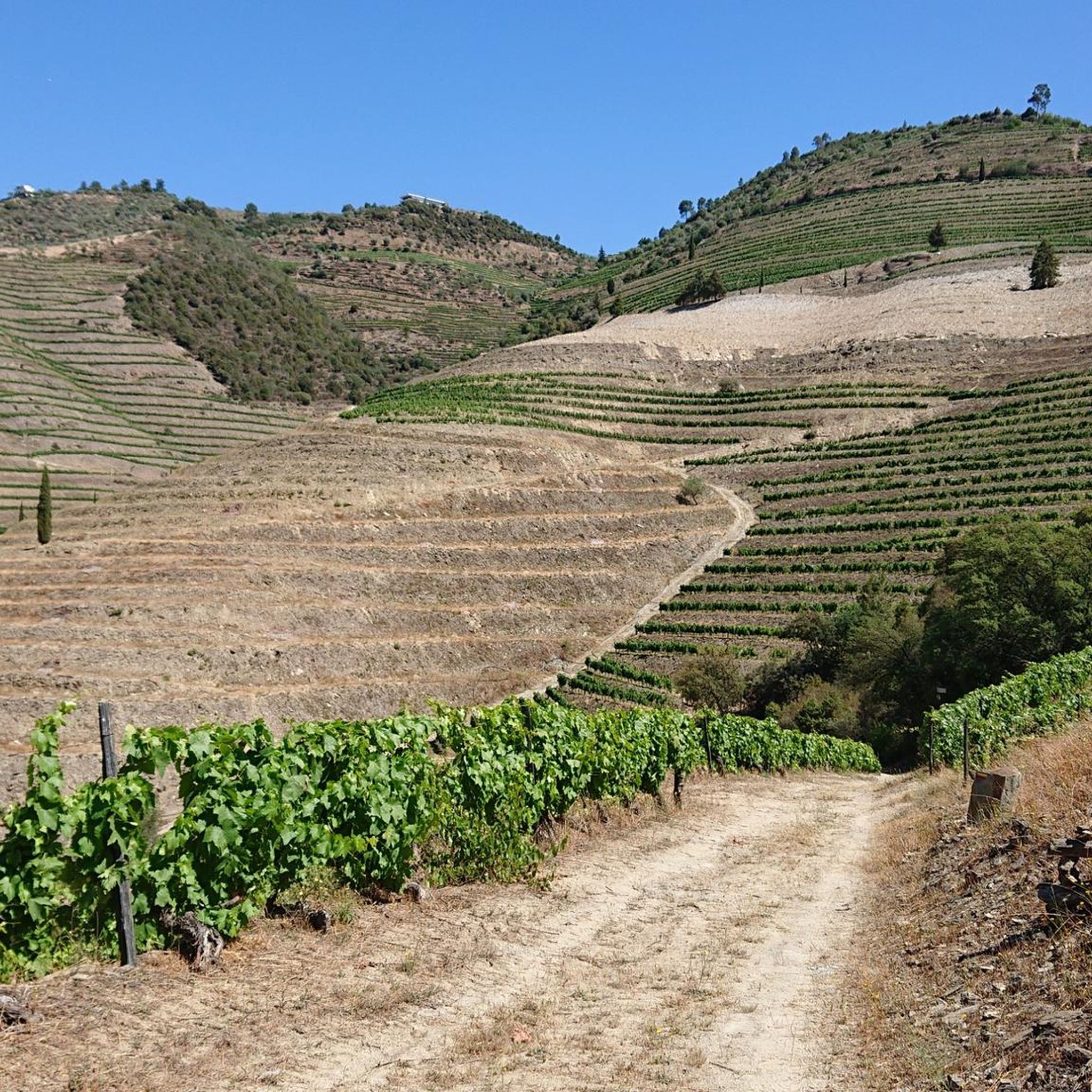
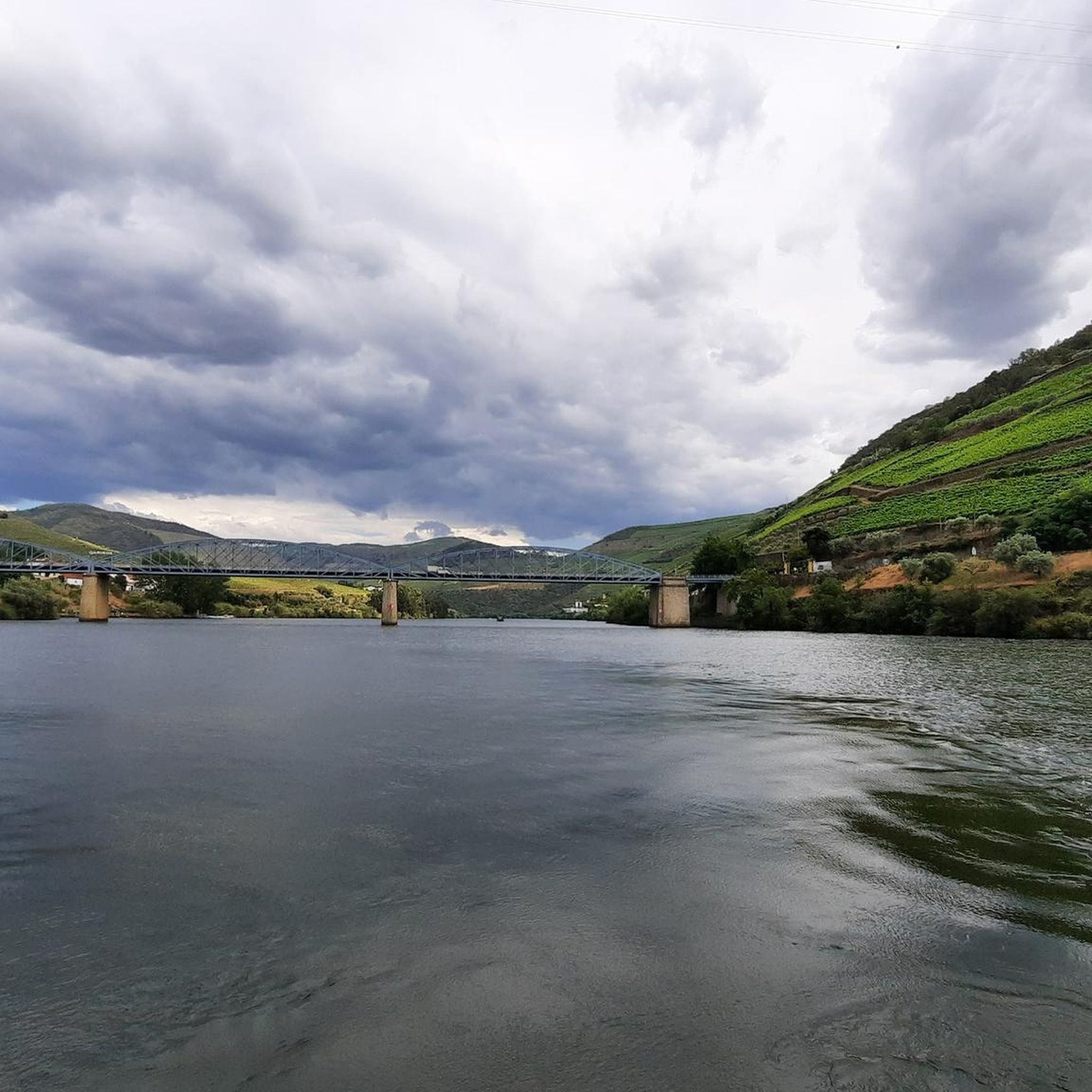
A charming village with a typically medieval feel, the town still consists of a small, romantic line of houses stretching along a narrow path, Rua Principal, Rua Direita, or simply Rua, since it is the only street in the village. Winemaking, particularly elderberry, a strong presence in the village, continues to be the main source of livelihood. The village's two landmarks stand proudly at the entrance to the old Couto de Salzedas. They are the Tower and the Ucanha Bridge, two rare gems of the Douro Heritage. Some scholars suggest that the Ucanha Bridge, a National Monument, was built on an earlier Roman structure, while others suggest that it already existed in the 12th century. In any case, the current structure, in Gothic style, was built in the 15th century. Next to it stands a robust, square-shaped tower, formerly intended not only to guard the entrance to Couto de Salzedas, but also to allow the collection of tolls to which the Monastery was entitled.
1
0
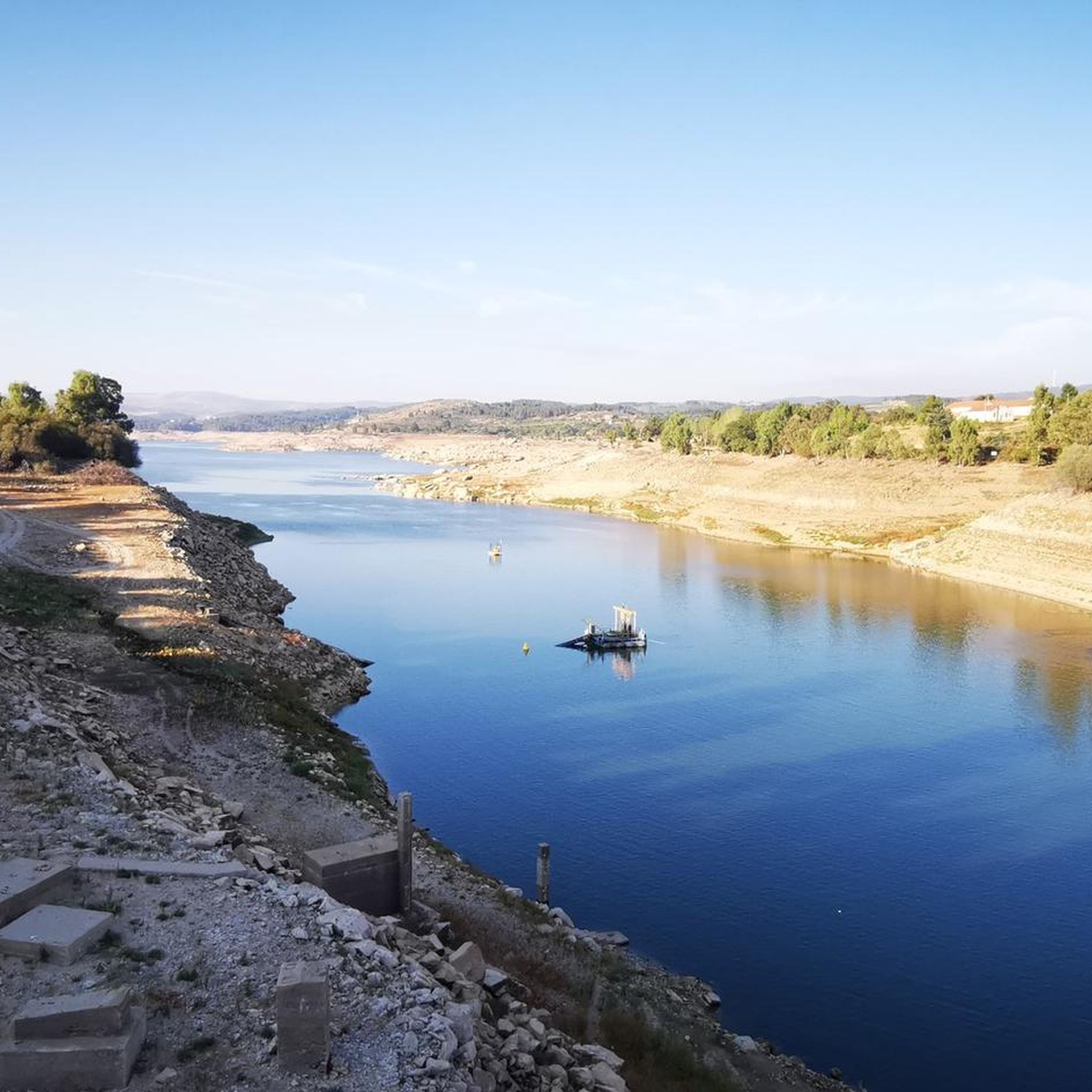
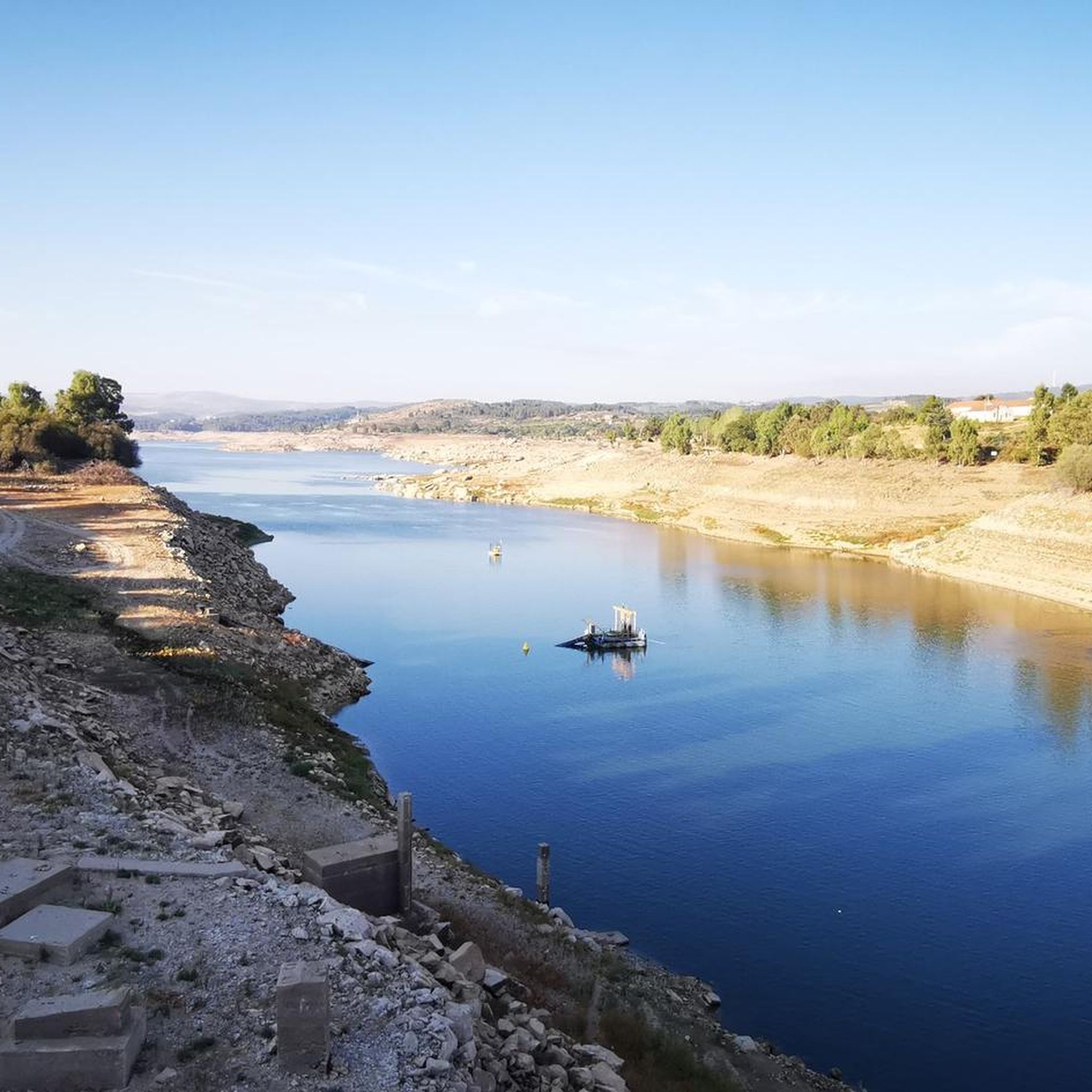
The river Távora, dammed to form the lake, is the ideal starting point. Vila da Ponte is the ideal starting point. Swimming is possible at various spots.
1
0

The Távora walkways have been given a new lease of life with the bridge that now spans the Ferreirim river, connecting the villages of Freixinho and Ferreirim for the first time. With it, new possibilities emerge, creating circular routes that make longer walks a possibility.
3
0
The Távora walkways create a fascinating route along the banks of the Távora River and the Vilar Reservoir, a body of water that has transformed this landscape into a true natural refuge. In summer, the perfect plan is to get up early, walk the trails before the heat sets in and, at the end, cool off with a dip in one of the river beaches, a simple pleasure that feels so good on hot days.
1
0
The river beach of Vila de Ponte is one of the most beautiful secrets in the North of Portugal. With stunning views over the immense lake, it is the perfect refuge on hot days. At the end of May, the waters invite you to swim in the floating pools — one for adults, one for children. Ideal for families, the area also offers numerous spots for a pleasant picnic by the river.
1
0

The medieval bridge over the Varosa River with its tower is a rare example of civil Gothic architecture in Portugal.
1
0
Usually open daily from 9 a.m. to 7 p.m. The pilgrimage site has its origins in the time when Al-Mancor killed many nuns on his campaign in 982. Some managed to escape and hid a statue of the Madonna under a huge rock. Only 515 years later did a shepherd girl discover the Madonna and bring her home. However, the mother threw her into the fire and the girl, who had never been able to speak since birth, suddenly found her voice, protested loudly and took the Madonna out of the fire again. Subsequently, Lapa developed into a place of pilgrimage. Lapa and Santiago were once the two most important pilgrimage sites on the Iberian Peninsula.
0
0
Frequently Asked Questions
What historical sites can I explore in Moimenta da Beira?
Moimenta da Beira is rich in history. You can visit the Ucanha Tower and Bridge, a rare example of civil Gothic architecture. Other significant sites include the Convent of N.ª Sr.ª da Purificação, classified as a Public Interest Monument, and the Sanfins Fortress in Passô. The municipality also features several historical Pelourinhos (pillories) in various villages like Castelo and Leomil.
Are there any ancient Roman or prehistoric sites in the region?
Yes, the region has a deep history. You can find vestiges of Roman occupation, such as the Roman Pavement of Aldeia de Nacomba. For prehistoric insights, explore the Megalithic Necropolis and Menir Statue in Pêra Velha, with the Menir de Alvite being one of the best-preserved examples in the Iberian Peninsula. The Serra de Leomil also holds abundant prehistoric vestiges, including dolmens and castros.
Where can I find scenic viewpoints in Moimenta da Beira?
For breathtaking views, visit the Miradouro da Nossa Senhora da Conceição, which offers a sensation of 'floating in nature' with immense scenic beauty. The Pedestrian Bridge of Ribeira de Ferreirim also offers scenic views, connecting villages and facilitating circular routes along the Távora walkways.
Are there river beaches or swimming spots in Moimenta da Beira?
Absolutely. The Barragem do Vilar (Vilar Dam) on the Távora River has created a large reservoir with a beautiful river beach and a camping park. Another excellent spot is the Vila da Ponte River Beach, known as one of the most beautiful secrets in Northern Portugal, offering floating pools and picnic spots. The Parque Fluvial de Segões also features dark-colored waters from the Paiva River, sought after for their mineral properties.
What cultural experiences does Moimenta da Beira offer?
Moimenta da Beira celebrates its cultural heritage. You can visit the Aquilino Ribeiro Foundation, dedicated to the renowned Portuguese writer. The municipality also boasts the Biblioteca Municipal Aquilino Ribeiro and the Auditório Municipal Padre Bento da Guia. The Rural Ecomuseum in Segões provides insight into traditional rural life with its water mills, granaries, and threshing floors.
Can I visit local wineries in Moimenta da Beira?
Yes, Moimenta da Beira is known for its excellent wines, particularly the 'Terras do Demo' sparkling wine. Several adegas and wineries in the region welcome visitors, offering a chance to explore local production and taste the regional specialties.
What outdoor activities or trails are available near Moimenta da Beira?
The region offers diverse outdoor activities. You can explore the Passadiços do Távora, a fascinating route along the Távora River and Vilar Reservoir. For more extensive adventures, there are numerous hiking, mountain biking, and road cycling routes. You can find detailed guides for these activities at Hiking around Moimenta Da Beira, MTB Trails around Moimenta Da Beira, and Road Cycling Routes around Moimenta Da Beira.
Are there family-friendly attractions in Moimenta da Beira?
Many attractions in Moimenta da Beira are suitable for families. The Vila da Ponte River Beach is ideal, with floating pools for adults and children, and numerous picnic spots. The Pedestrian Bridge of Ribeira de Ferreirim and the Passadiços do Távora offer pleasant walks. The Sanctuary of Nossa Senhora da Lapa is also considered family-friendly.
When is the best time to visit Moimenta da Beira for outdoor activities?
The summer months are popular, especially for enjoying the river beaches and cooling off after morning walks on trails like the Passadiços do Távora. However, the region's natural beauty can be enjoyed throughout the year, with spring and autumn offering milder temperatures ideal for hiking and cycling.
Are there any notable annual events in Moimenta da Beira?
Yes, Moimenta da Beira hosts Expodemo annually in mid-September. This event celebrates the region's renowned apple production, often considered some of the best in the world, and offers a vibrant cultural experience.
Are there any unique art installations or hidden gems to discover?
A truly unique feature of the region is found on the Leomil mountain range, where wind turbines feature urban art by Portuguese artists Joana Vasconcelos and Vhils. These are considered the largest urban art pieces in the world, standing at around 100 meters tall, offering an unexpected blend of nature and contemporary art.
What do visitors particularly enjoy about the attractions in Moimenta da Beira?
Visitors appreciate the blend of historical significance and natural beauty. The Ucanha Tower and Bridge is praised for its medieval charm and historical importance. The Sanctuary of Nossa Senhora da Lapa is valued for its deep historical roots as a pilgrimage site. The river beaches, like Vila da Ponte River Beach, are loved for their stunning views and refreshing swimming opportunities, especially on hot days.

Get inspired with the komoot mobile app


Explore more
Still not found the Highlight you’re looking for? See guides of the top attractions in other regions:
