Top 19 Castles around Pavullo Nel Frignano
Castles around Pavullo Nel Frignano are situated in a region characterized by its historical significance and varied landscape. The area features a mix of medieval architecture and natural beauty, with castles often positioned on strategic elevated points. These locations provide views of the surrounding Pavullo plateau, valleys, and the Apennine mountains. The region offers opportunities to explore historical sites and the local environment.
Best castles around Pavullo Nel Frignano
- The most popular castles is Levizzano Rangone Castle, a castle…
Last updated: June 29, 2026
Levizzano Rangone Castle
Highlight • Castle
Translated by Google •
Tip by

Santa Maria Church and Denzano Tower
Highlight • Religious Site
Translated by Google •
Tip by
Sign up now to discover places like this
Get recommendations on the best single tracks, peaks, & plenty of other exciting outdoor places.
Sign up for free
Montecuccolo Castle
Highlight • Castle
Its history begins at the time of Matilda of Canossa, when a family of her vassals obtained …
Translated by Google •
Tip by

Castello di Pompeano
Highlight • Castle
Tip by

Castellino delle Formiche
Highlight • Castle
Translated by Google •
Tip by

Sign up for free to discover even more castles around Pavullo Nel Frignano.
Sign up for free
Already have an account?
Start today with a free account
Your next adventure awaits.
Login or Signup
Popular around Pavullo Nel Frignano
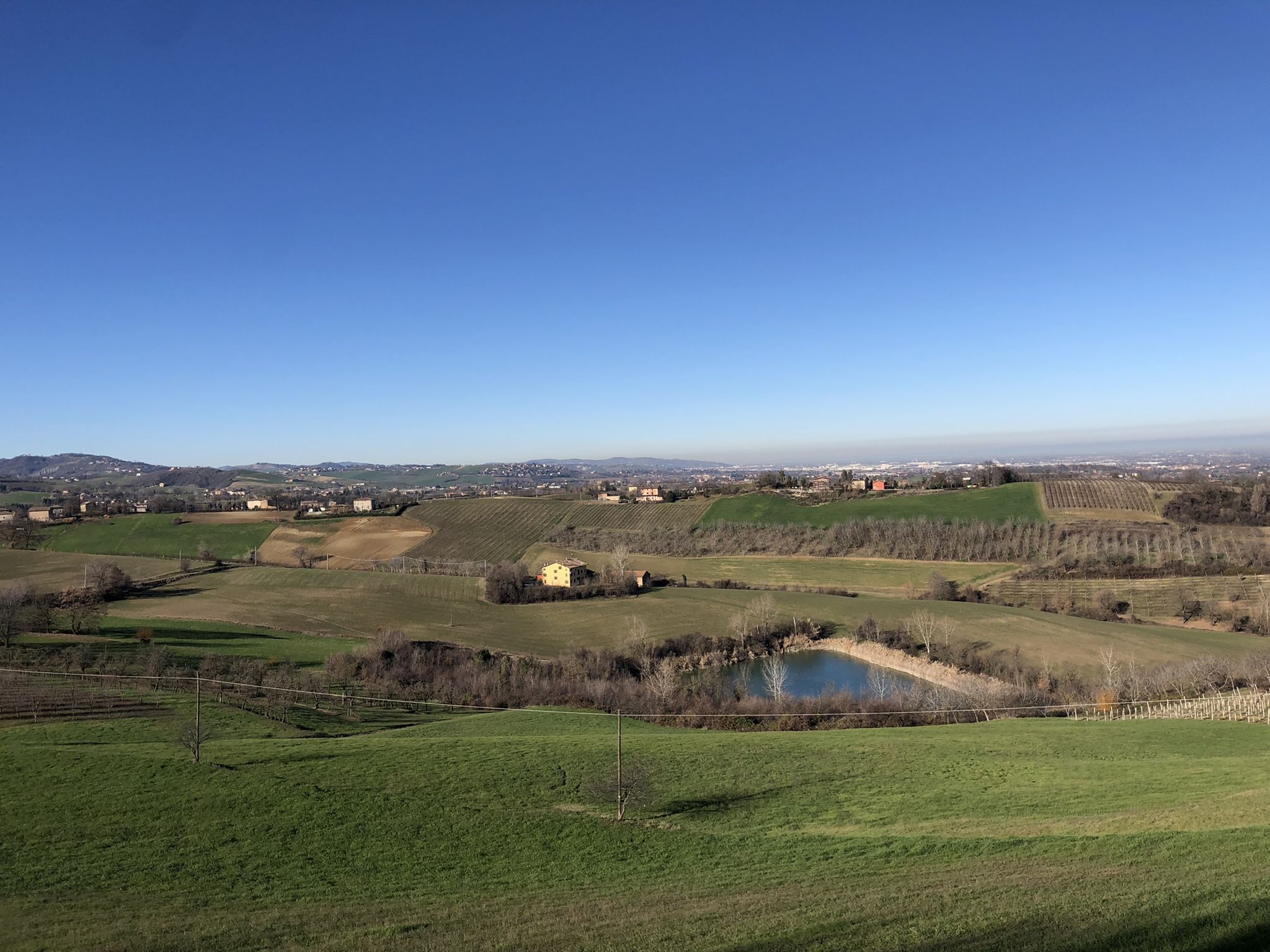
Walking in the Modena area – Via Romea Nonantolana
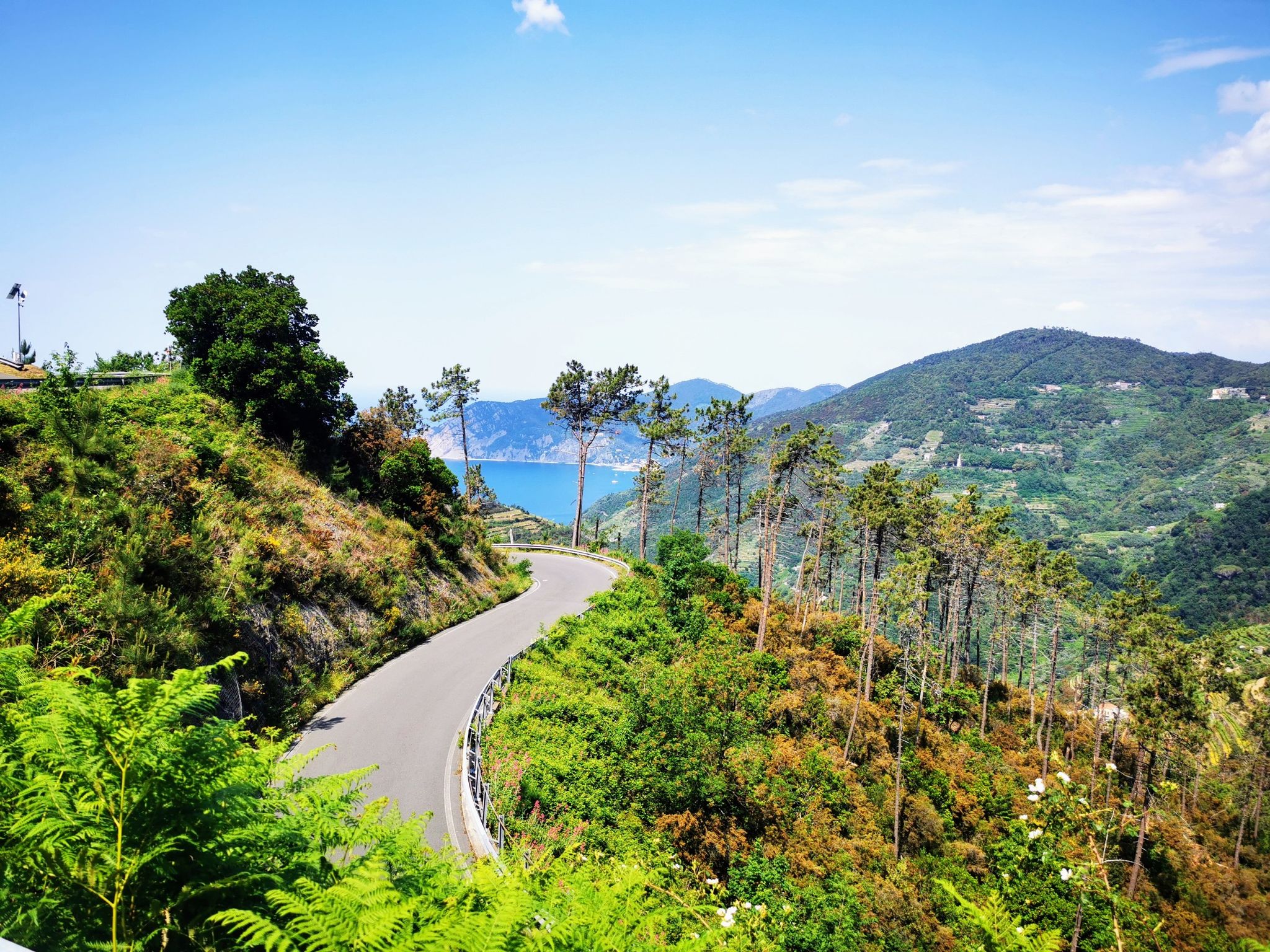
Bike rides to the Italian coast – 10 ways to take a dip
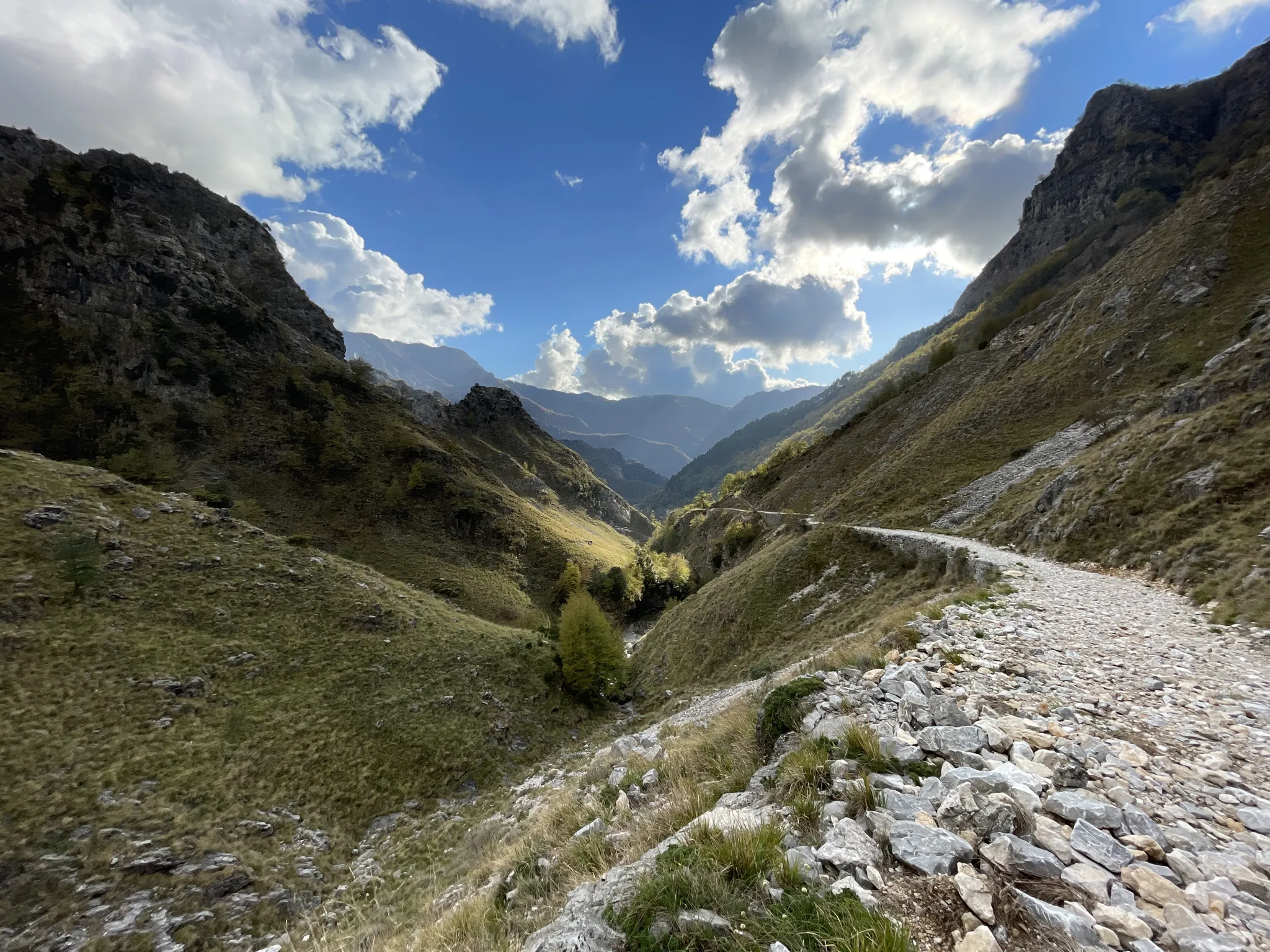
18th-century route from Modena to Massa – Via Vandelli
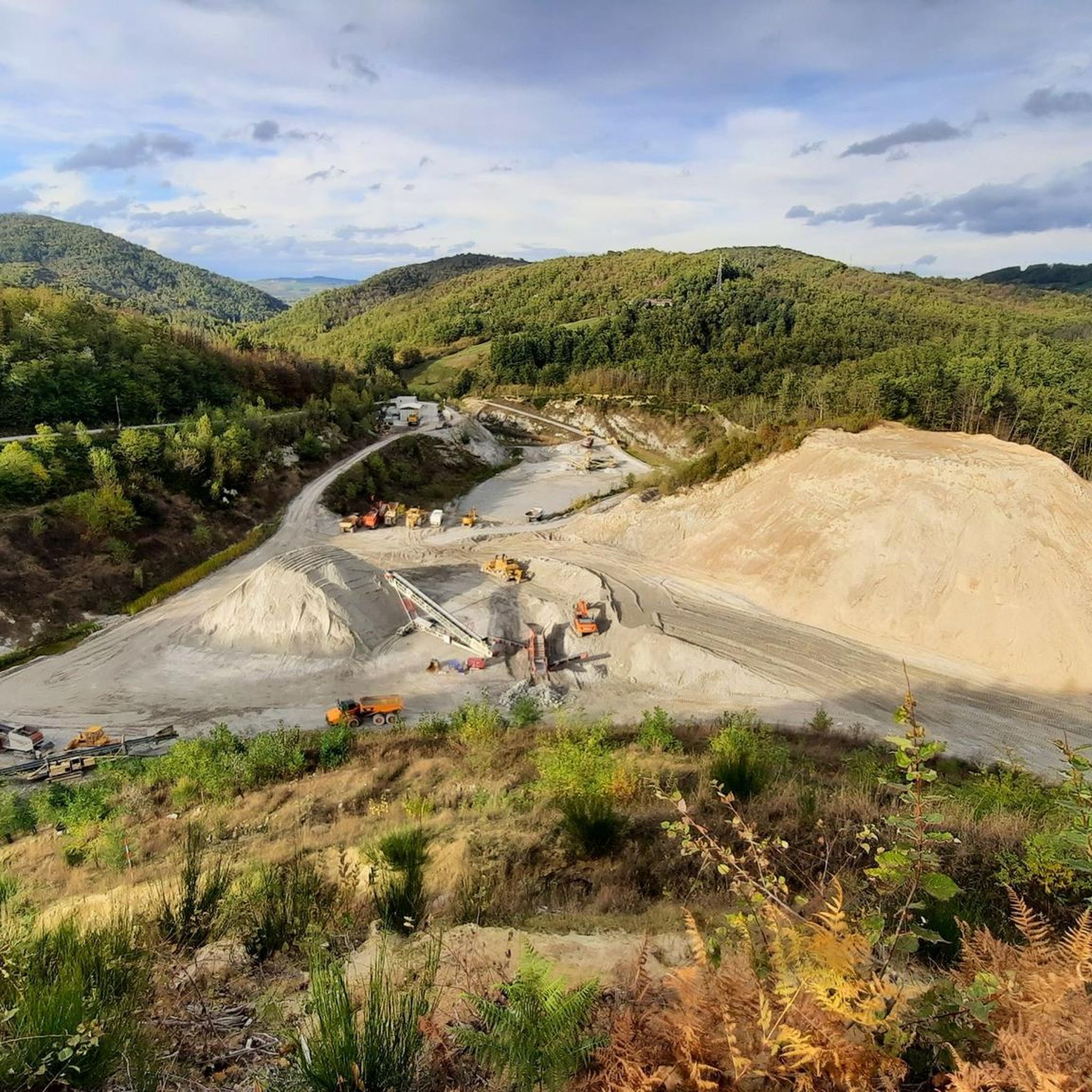
Hiking around Pavullo Nel Frignano
Road Cycling Routes around Pavullo Nel Frignano
MTB Trails around Pavullo Nel Frignano
Cycling around Pavullo Nel Frignano
Running Trails around Pavullo Nel Frignano

Gravel biking around Pavullo Nel Frignano
Other adventures around Pavullo Nel Frignano


Tips from the Community

The name of Castellino delle Formiche can be traced back to the popular translation of the medieval Latin expression Castrum Formigis (formidable castle). The fort was the residence of a branch of the Malatigni family, coming from the area of the Sassi fortresses of Roccamalatina. In the 14th century, the castle was acquired by the Montecuccoli; in 1623 it was added to the Podesteria of Guiglia, which in turn was ceded in 1630 as a fief to the Montecuccoli.[2] The church of Santo Stefano was built inside the castle, near the oratory of San Lorenzo already documented in the 13th century; the rectory has a 15th century portal, made with powerful sandstone ashlars arranged in a pointed arch. Inside the building of worship, there is a baptismal font from 1662 in sculpted sandstone, 17th century paintings and terracotta tiles depicting the Via Crucis.
1
0

Montecuccolo Castle is a wonderful and majestic well-preserved castle that is worth visiting. Its history begins at the time of Matilda of Canossa, when a family of her vassals obtained the investiture of the fiefdom in 1116 from Emperor Henry V and built a tower and a first palace on this hill at the beginning of the 12th century. After a long struggle with other local feudal lords, the Montecuccoli, who emerged victorious, expanded the fortress which took on its current appearance between the 15th and 17th centuries, with the addition of the new palace, the square tower and the podesteria. The castle offers a beautiful view of the sunset from its terrace located in the rear entrance, where the restaurant is also located. A curious fact about the castle is that it houses the highest balsamic vinegar cell in the world, at an altitude of 873 metres.
2
0

The castle of Pompeano (fraction of Serramazzoni) is a building perched on a stone of volcanic origin. A steep stairway climb leads to the portal with a pointed arch. From a window of the portal you can admire the Church of San Geminiano al Sasso with the bell tower, the square-based watchtower and the feudal palace. The wall is present only on the side of the entrance, while the remaining sides are protected by overhanging walls. Visits by reservation. For more information: http://www.comune.serramazzoni.mo.it/territorio/bellezze_visitare/default.aspx
0
0

A very small village now abandoned. Despite this however, if you arrive hungry just below the bell tower you will find an excellent inn, ideal for a good hot, typical and homemade meal!
0
0

The tower of the Montecuccoli castle
1
1

Suggestive route that leads near the 3 crosses, the very challenging route not recommended for beginners
1
0

Dirt road downhill, stop and visit the church of Denzano and its small village.
8
0
Just 7 km away, on a hillock covered with gorse, is Denzano. In ancient times it was the seat of a castle of which, unfortunately, only a square tower remains which dates back to the year 1000. The tower is about 15 meters high and is built with mixed material from local resources, rich in clay deposits. The territory, in fact, can reserve surprises for mineralogy enthusiasts: on the two sides of the hill there are also gypsum crystals with an almost perfect conformation.
8
0
Frequently Asked Questions
What are some of the most notable castles to visit around Pavullo Nel Frignano?
Beyond the popular Levizzano Rangone Castle, which dates back to the 12th century and includes a small village, you should also explore Montecuccolo Castle. This well-preserved site offers panoramic views and houses cultural institutions like the Frignano Natural Museum. Another historical site is Santa Maria Church and Denzano Tower, where only a square tower remains from a castle dating back to the year 1000.
Which castles are best for history enthusiasts?
For history buffs, Montecuccolo Castle is a must-see. Its history dates back to 1027, and it was the noble dwelling and military garrison of the Montecuccoli family, including the legendary general Raimondo de' Montecuccoli. The castle also houses the CEM - Centro Museale Montecuccolo, offering deep insights into the region's past. Levizzano Rangone Castle also provides a rich historical experience with its ancient structure and village.
Are there family-friendly castles to visit in the area?
Yes, Levizzano Rangone Castle is categorized as family-friendly. Its small village and surrounding natural area offer a pleasant experience for all ages. Exploring the ancient walls and grounds can be an engaging activity for families.
What kind of panoramic views can I expect from the castles?
Many castles in the region are strategically located on elevated points, offering stunning vistas. Montecuccolo Castle, perched on a rocky relief, provides panoramic views of the Pavullo plateau, the Scoltenna valley, and a wide stretch of the Apennines up to Mount Cimone. Castello di Pompeano also offers a dominant position overlooking the valley of Rio Cervaro.
What outdoor activities can I do near these castles?
The region around Pavullo Nel Frignano offers various outdoor activities. You can find numerous MTB trails, cycling routes, and road cycling routes. For example, there's a 'Montecuccolo Castle – Devil's Bridge loop' for mountain biking and several cycling routes that pass by or near the castles, allowing you to combine historical exploration with active outdoor pursuits.
What is the best time of year to visit the castles in Pavullo Nel Frignano?
The castles are generally enjoyable throughout the year. However, for the most pleasant weather for exploring the castle grounds and enjoying the panoramic views, spring (April-June) and autumn (September-October) are ideal. During these seasons, the temperatures are mild, and the natural scenery is particularly beautiful. Some castles may have reduced hours or closures in winter, so it's advisable to check ahead.
Are there any lesser-known or 'hidden gem' castles worth exploring?
While not as widely known as Montecuccolo, Castello di Pompeano is a fascinating medieval rock fortress perched on an ophiolitic rock. It retains much of its medieval structure, which is rare for the region. Another less prominent but historically rich site is Castellino delle Formiche, which was once a residence of the Malatigni family and later acquired by the Montecuccoli.
What amenities, like cafes or restaurants, are available near the castles?
Montecuccolo Castle features a restaurant on its terrace, offering a beautiful view, especially at sunset. For Castello di Pompeano, there's a snack bar located right in the square in front of the castle. Many of the castles are near small villages where you can often find local cafes or eateries.
How long should I plan for a visit to a castle?
The duration of a visit can vary. For a comprehensive exploration of a major site like Montecuccolo Castle, including its museums and art collections, you might want to allocate 2-3 hours. Smaller sites or those with fewer internal exhibits, such as Santa Maria Church and Denzano Tower, might only require 30 minutes to an hour. If you plan to explore the surrounding villages or natural areas, allow extra time.
Is public transport available to reach the castles?
While specific public transport routes directly to every castle entrance might be limited, Pavullo Nel Frignano itself is accessible by local bus services. From the town, you may need to rely on local taxis, car rentals, or walking/cycling to reach some of the more secluded castle locations. It's recommended to check local transport schedules and options in advance for specific destinations.
What makes Montecuccolo Castle particularly significant?
Montecuccolo Castle is highly significant due to its deep historical roots dating back to 1027, its role as the ancestral home of the influential Montecuccoli family, and its strategic location offering exceptional scenic beauty. It also houses the Frignano Natural Museum and a pictorial cycle by local artist Gino Covili, making it a cultural hub. A curious fact is that it houses the highest balsamic vinegar cellar in the world.
Can I find any unique architectural features at the castles?
Yes, the castles showcase distinct medieval architecture. Montecuccolo Castle features an architectural layout characteristic of medieval castles, with ancient walls and a fortified village, including a unique tower slightly set apart from the main structure. At Santa Maria Church and Denzano Tower, you can observe a square tower built from local materials, dating back to the year 1000.
Most popular routes around Pavullo Nel Frignano
Most popular attractions around Pavullo Nel Frignano

Get inspired with the komoot mobile app


Explore more
Looking for the best castles somewhere else? Discover other guides around Pavullo Nel Frignano:
