Attractions and Places To See around Haleakala - Top 20
Best attractions and places to see around Haleakala encompass a diverse range of natural and cultural landscapes on Maui. This region features a significant dormant volcanic crater, lush coastal rainforests, and unique ecosystems. Haleakala is a sacred site for Native Hawaiians, revered for over a thousand years. The area offers varied terrain from alpine desert near the summit to dense forests on the windward slopes.
Best attractions and places to see around Haleakala
- The most popular attractions is Waimoku Falls…
Last updated: July 6, 2026
Waimoku Falls
Highlight • Waterfall
Translated by Google •
Tip by

Haleakalā Visitor Center
Highlight • Rest Area
Translated by Google •
Tip by

Sign up now to discover places like this
Get recommendations on the best single tracks, peaks, & plenty of other exciting outdoor places.
Sign up for free
Keonehe‘ehe‘e Trail (Sliding Sands) Middle Segment
Highlight (Segment) • Trail
Translated by Google •
Tip by
Summit Building
Highlight • Summit
Translated by Google •
Tip by
Pīpīwai Trail Bamboo Forest and Waterfalls
Highlight (Segment) • Trail
Translated by Google •
Tip by
Split Rock (Keoneheʻeheʻe Trail, Haleakalā Wilderness)
Highlight • Natural Monument
Translated by Google •
Tip by
Banyan Tree — Pīpīwai Trail
Highlight • Natural Monument
Translated by Google •
Tip by
Bamboo Forest, Haleakalā National Park
Highlight • Forest
Translated by Google •
Tip by
Kūloa Point
Highlight • Viewpoint
Tip by

First Falls
Highlight • Waterfall
Translated by Google •
Tip by
Sign up for free to discover even more attractions around Haleakala.
Sign up for free
Already have an account?
Start today with a free account
Your next adventure awaits.
Login or Signup


Tips from the Community

A short walk to the water is highly recommended.
0
0

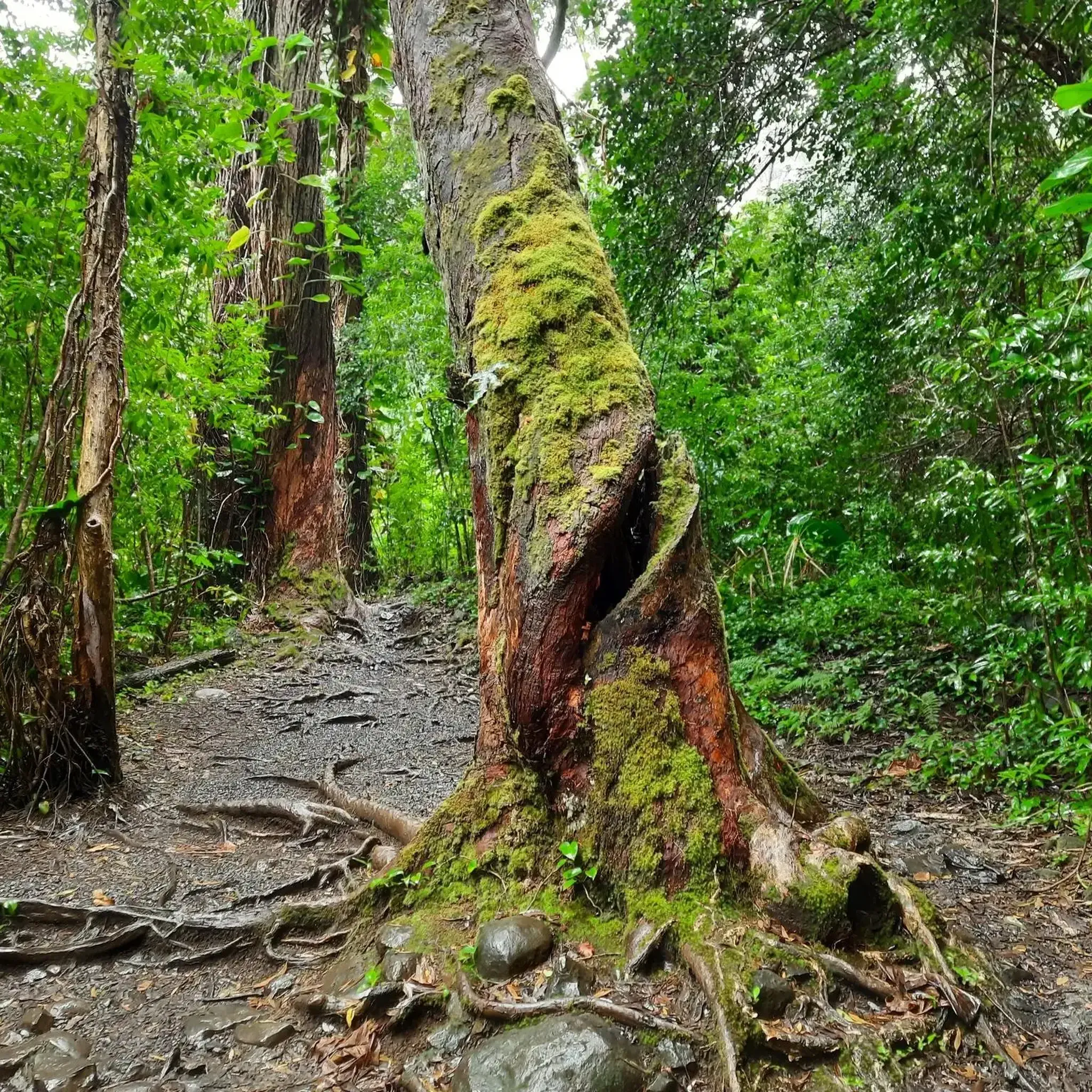
Be sure to bring swimming shoes, there is a ford on the way that you have to wade through,
0
0

A remarkable natural spectacle, accessible via an easy hike, partly along wooden plank paths. Direct access is prohibited.
0
0

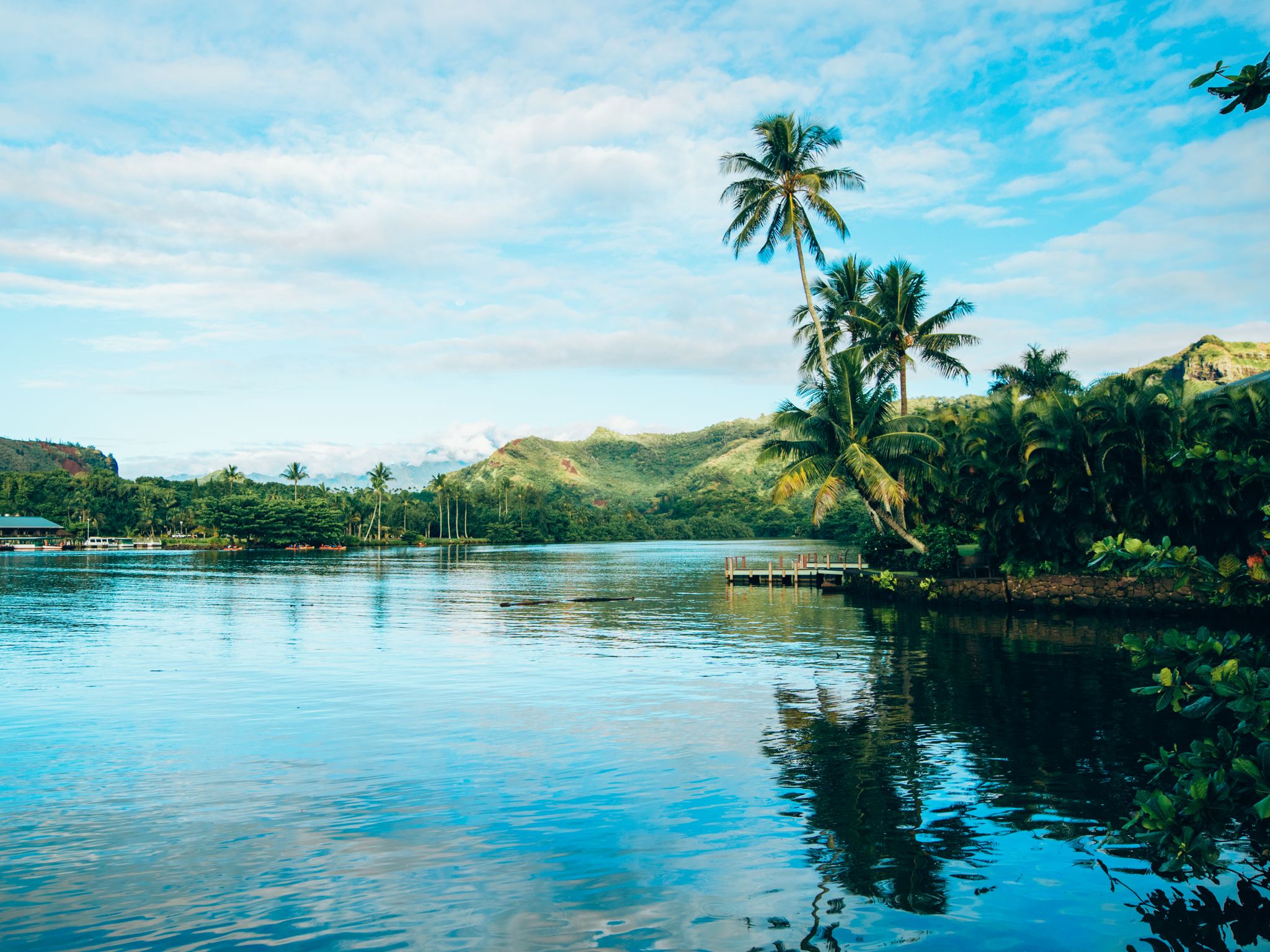
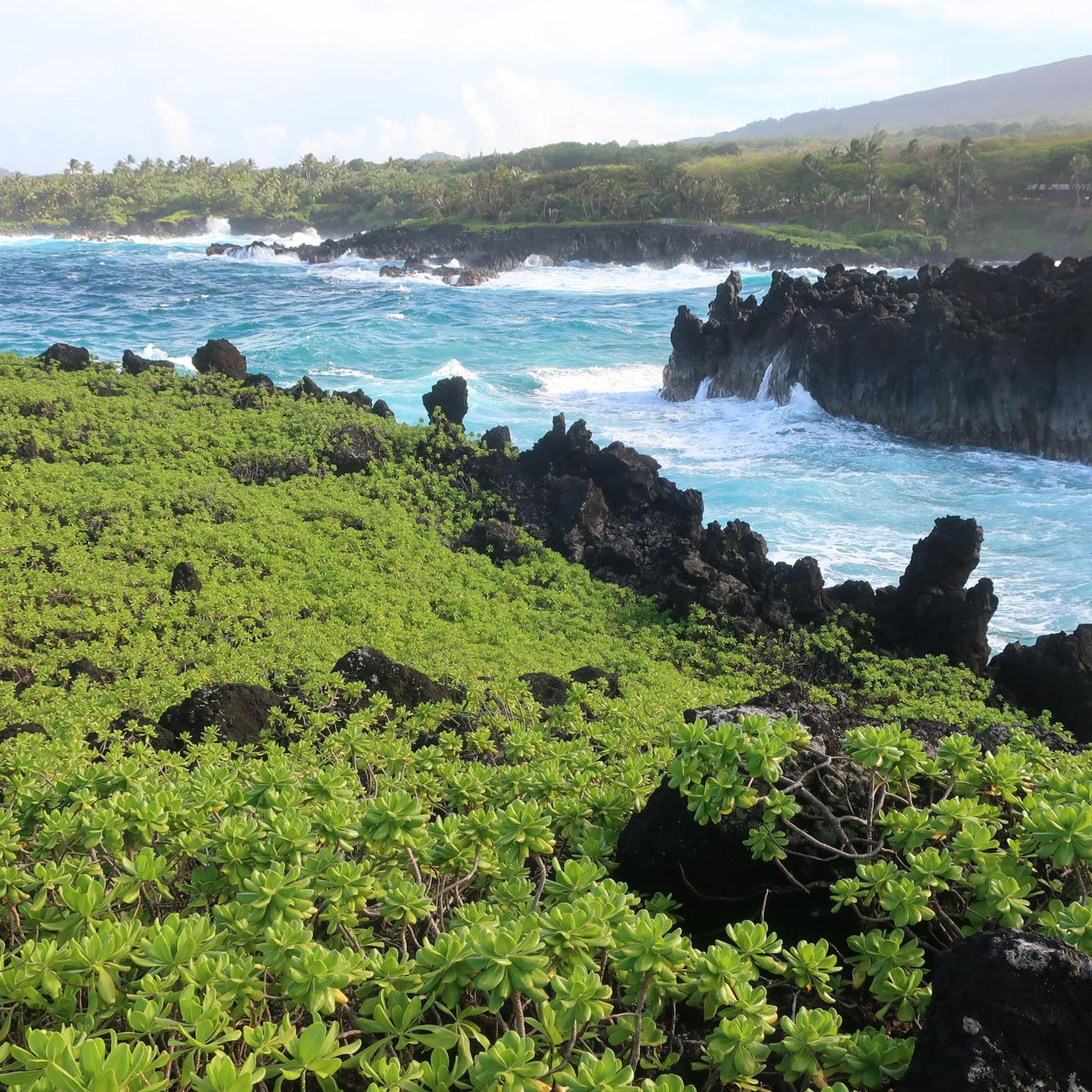
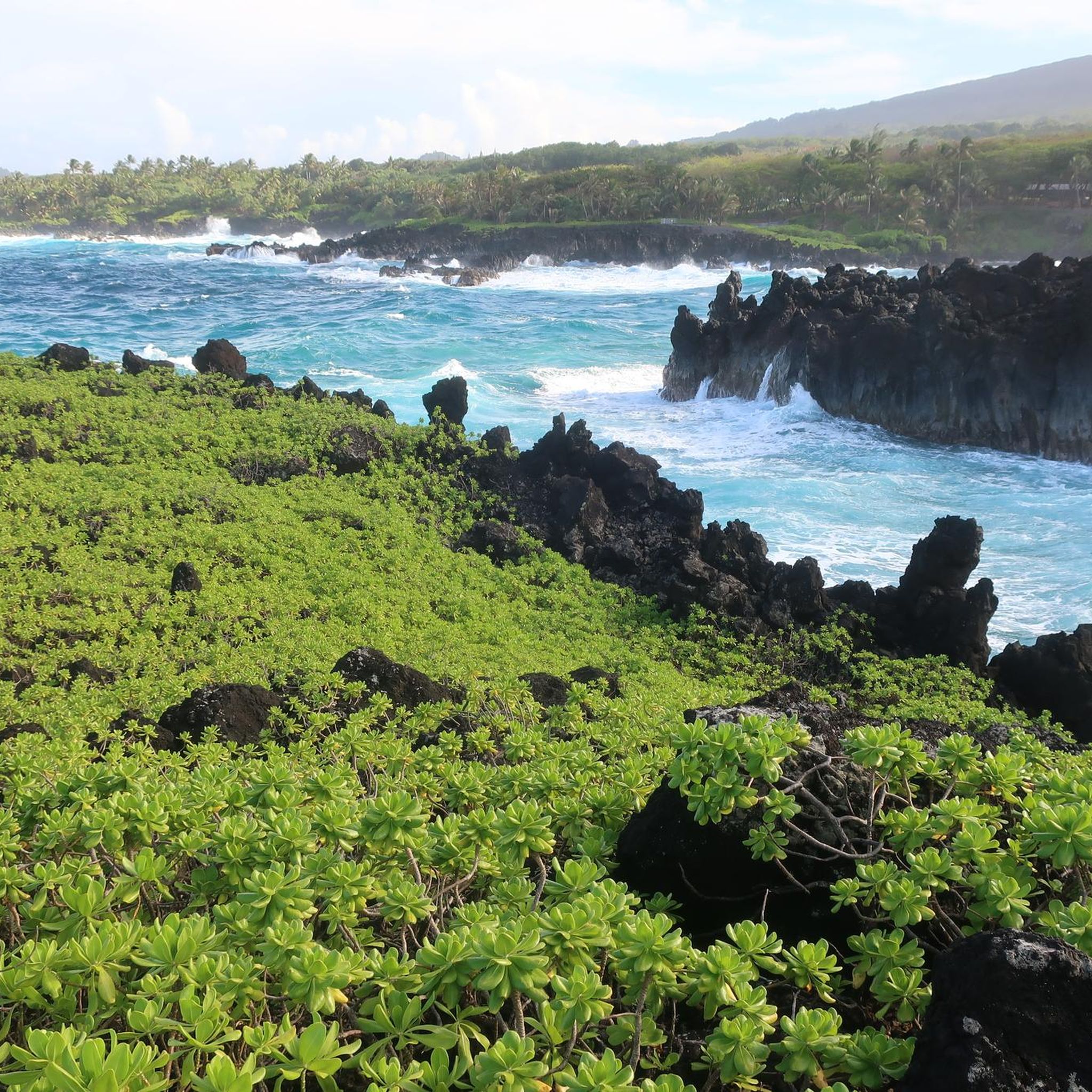
Kūloa Point Trail runs along the coast; visitors can explore cultural sites that showcase the history and culture of Kīpahulu. Kūola Point is a sea cliff with black rocks and amazing ocean views. Although the low elevation of this area features many non-native and invasive plants, the National Park Service manages the area by planting native species. Visitors can see native Hawaiian plants such as Naupaka, Wiliwili, Hau, Hala, Milo, and Niu along the trail.
1
0

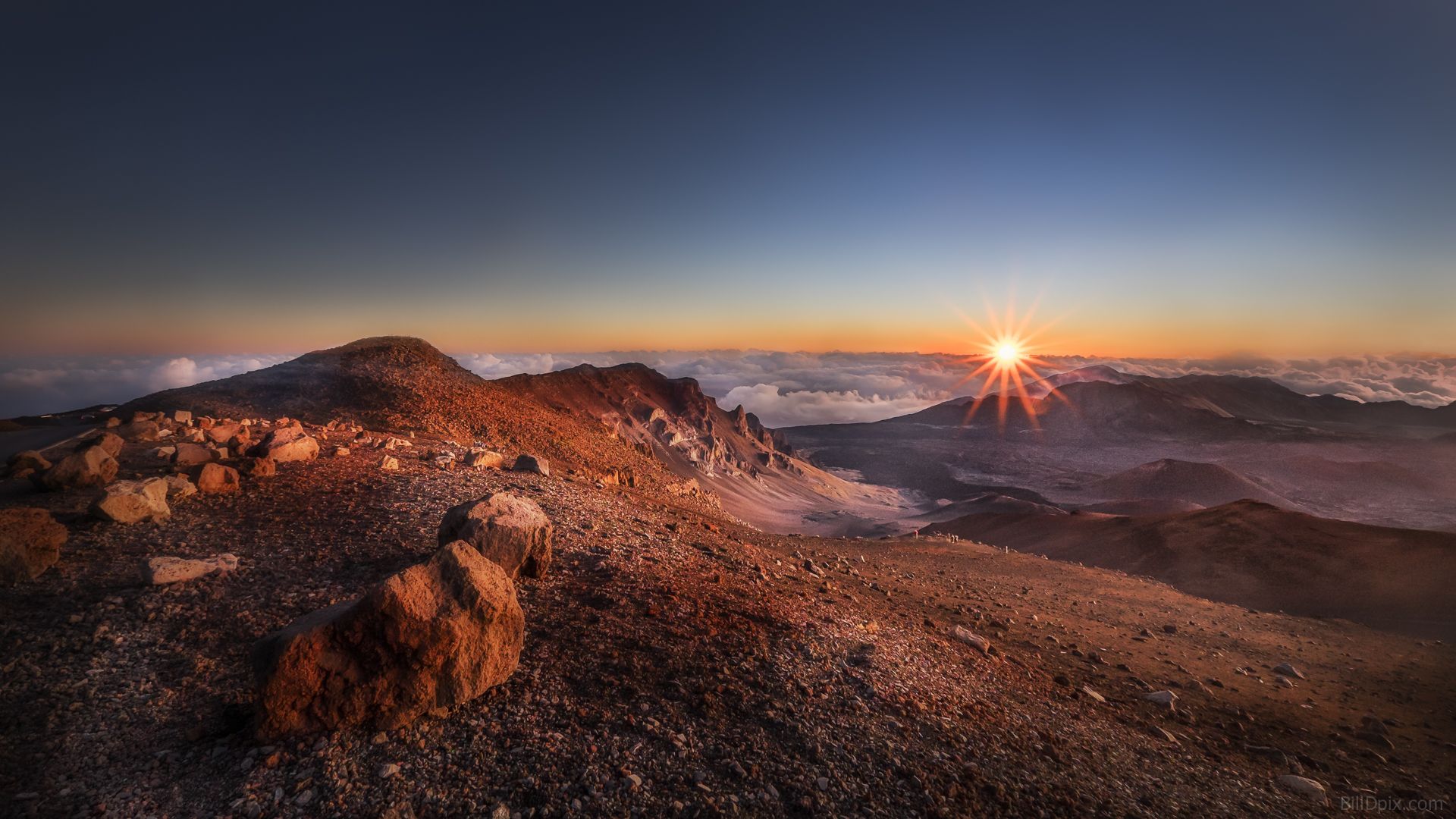
This is a wonderful drive on an excellent road up to 3060 m altitude. We drove partly through clouds and short before the summit it cleared up and we got awarded with an outstanding view around the island.
0
0

This majestic waterfall cascades down a sheer lava rock wall for 400 feet, creating a boulder-strewn pool at its base. It is one of the tallest waterfalls on Maui and boasts breathtaking views of the surrounding landscape. You will be greeted with mist, wind, and a vast jungle rock face that will leave a lasting impression. While you may be tempted to take a dip in the pool below, it's important to note that getting too close to the waterfall can be dangerous due to the risk of falling rocks from its 400-foot drop.
0
0
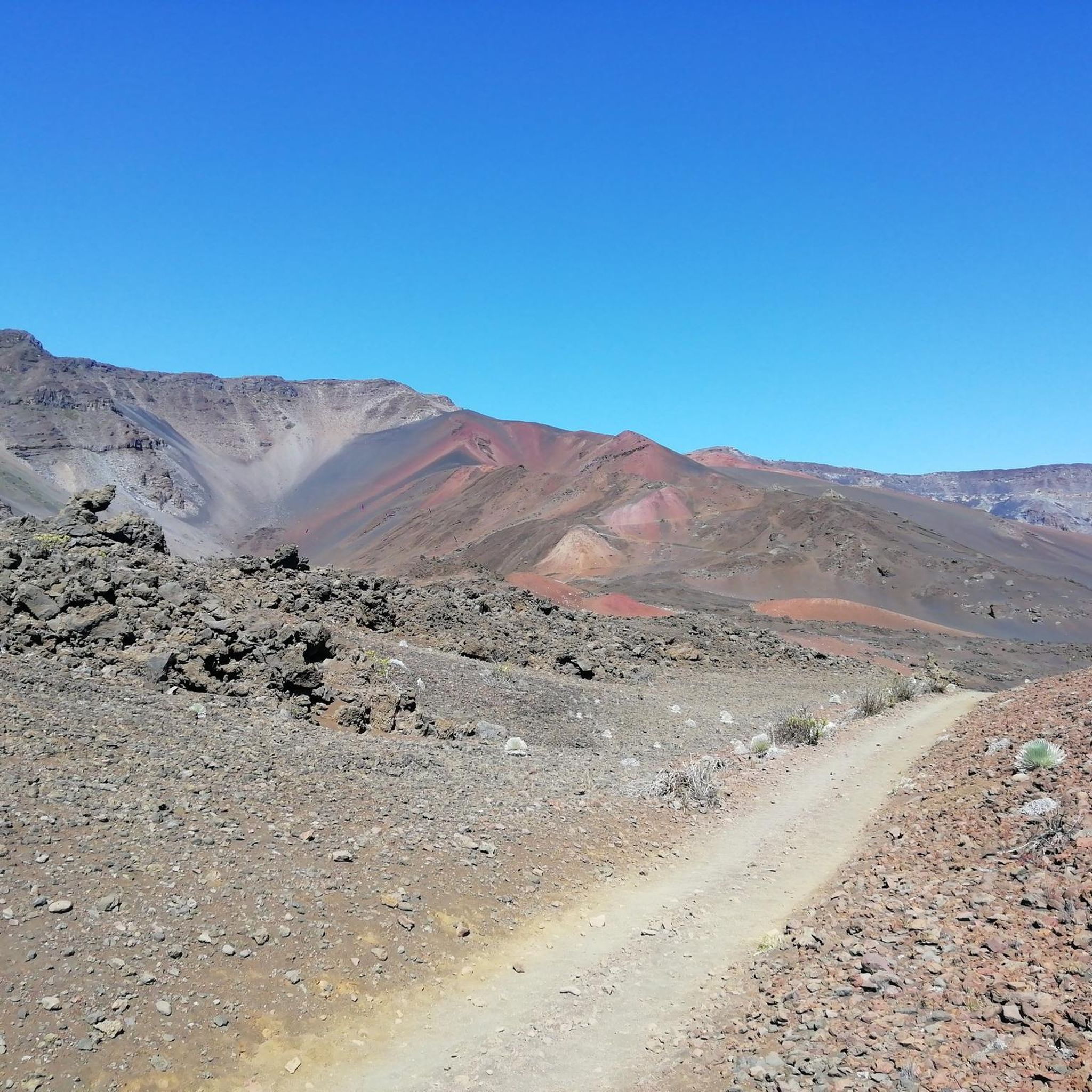
Split Rock is a large rock cut in half, and the Keonehe'ehe'e trail passes between the two parts. Here, the endangered Haleakala silverswords grow, and it's crucial to avoid touching them. These delicate 'ahinahina live for 3-90 years, producing a stunning flowering stalk before scattering their seeds. Park staff protect them by fencing out silversword-munching ungulates, removing non-native plants, and educating visitors to stay on trails and avoid stepping on fragile seedlings.
0
0

Twin Falls Park is names after the two waterfalls that can be found close together here. One important thing to note is on the first saturday of every month, non-Hawaii resident are not allowed. They will turn you away even if you try to walk in.
0
0
Frequently Asked Questions
What are some of the most unique natural features to explore around Haleakala?
Haleakala offers a diverse range of natural wonders. You can explore the unique, Mars-like landscape of the Haleakala Crater, which is a massive dormant volcanic crater. Another highlight is the Pīpīwai Trail Bamboo Forest and Waterfalls, where you can hike through an extensive bamboo forest leading to multiple waterfalls, including the majestic Waimoku Falls.
Are there any challenging hiking trails for experienced adventurers?
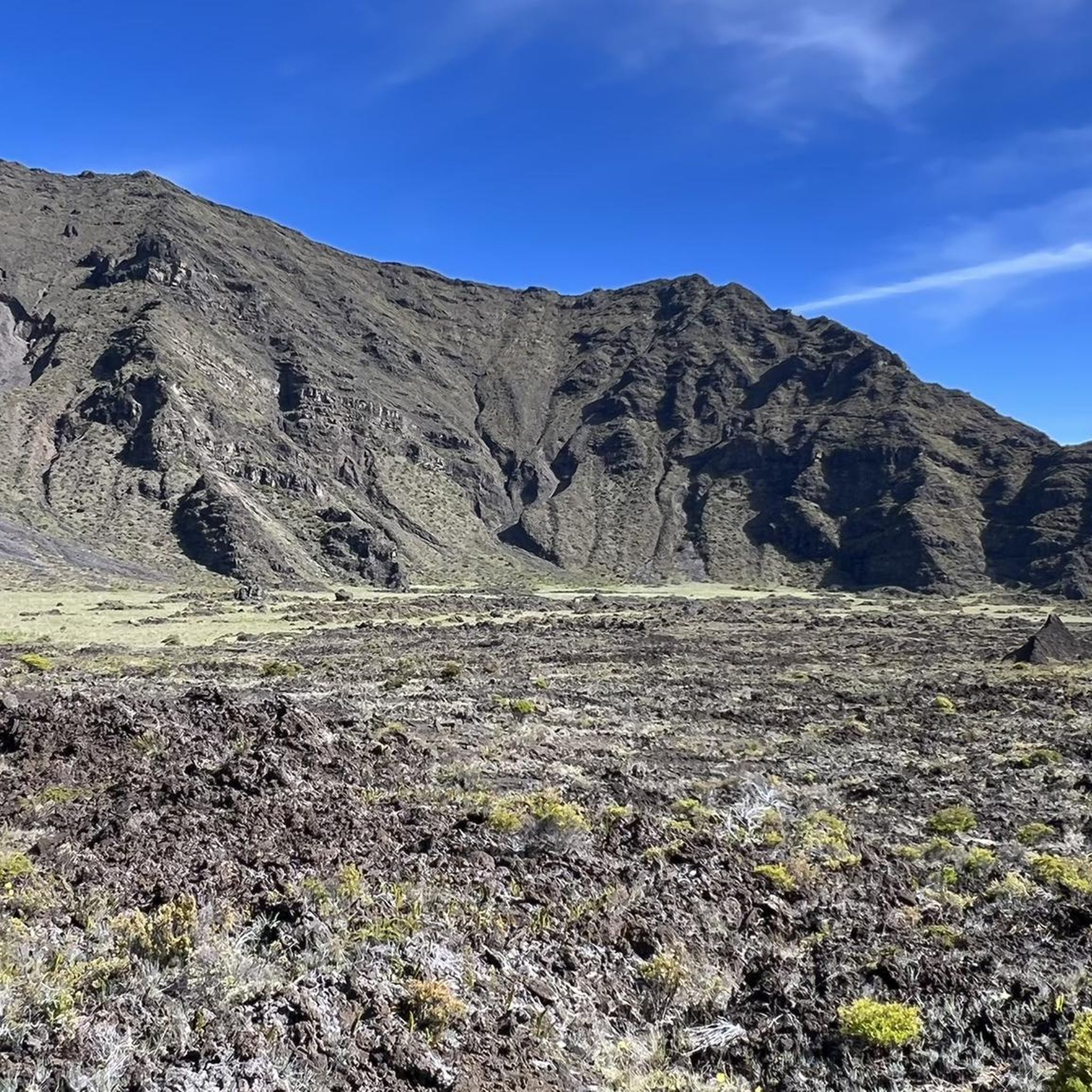
Yes, for experienced hikers, the Keonehe‘ehe‘e Trail (Sliding Sands) Middle Segment offers a challenging descent into the Haleakala crater, providing expansive views of its varied colors and unique geological features. The full Sliding Sands Trail is a popular and unique experience, often described as 'Mars-like'.
What are some family-friendly activities or places to visit around Haleakala?
Families can enjoy several spots. The Pīpīwai Trail Bamboo Forest and Waterfalls is considered family-friendly, offering an engaging hike through a bamboo forest. The Banyan Tree — Pīpīwai Trail is another impressive natural monument suitable for families. Additionally, the Haleakalā Visitor Center is a good starting point for families to learn about the park.
What is the best time of day to visit Haleakala for scenic views?
Haleakala is renowned for its spectacular sunrise and sunset views from the summit. Watching the sunrise is a highly popular experience, though reservations are required for the Summit District. Sunsets are equally stunning and often less crowded. For general scenic views, clear mornings often provide the best visibility.
What kind of cultural or historical significance does Haleakala hold?
Haleakala is a deeply sacred place for Native Hawaiians, revered for over a thousand years. It holds spiritual significance, with legends such as the demigod Maui lassoing the sun from its summit. The Kipahulu District, in particular, was once a thriving ancient Hawaiian settlement, and visitors can explore cultural sites along the Kuloa Trail, which may include ancient temples (heiau), burial sites, and petroglyphs.
Are there opportunities for stargazing at Haleakala?
Yes, due to its high elevation and clear skies, Haleakala is an exceptional location for stargazing. The park is open 24 hours, making it accessible for night sky viewing. Stargazing programs are also offered during the summer months.
What outdoor activities, besides hiking, can I do near Haleakala attractions?
Beyond hiking, the region around Haleakala offers various outdoor activities. You can find numerous cycling routes, including challenging road cycling options like 'The Road to Hāna' or 'Haleakalā via the Park Headquarters Visitor Center'. For more cycling ideas, explore the Cycling around Haleakala guide or the Road Cycling Routes around Haleakala guide.
What are some of the most popular hiking trails in Haleakala National Park?
Popular hiking trails include the Pīpīwai Trail Bamboo Forest and Waterfalls, which leads to Waimoku Falls. Another highly regarded trail is the Keonehe‘ehe‘e Trail (Sliding Sands) Middle Segment, offering a unique descent into the crater. For more hiking options, check out the Hiking around Haleakala guide.
What kind of wildlife or unique plants can I see in Haleakala National Park?
Haleakala National Park is home to diverse ecosystems and unique species. Keep an eye out for the endangered and endemic Silversword plants (ʻāhinahina), found only on the upper slopes and crater. You might also spot native Hawaiian geese (nēnē) and various Hawaiian honeycreepers, especially in areas like Hosmer Grove.
Is there a visitor center at Haleakala, and what facilities does it offer?
Yes, the Haleakalā Visitor Center is available. While specific facilities are not detailed, visitor centers typically offer restrooms, information, and sometimes small gift shops or exhibits. It serves as a key point for visitors to gather information and prepare for their exploration of the park.
What is the Summit Building and what can I expect there?
The Summit Building is located at the highest point of Haleakala, Pu'u 'Ula'ula (Red Hill), at 10,023 feet. It offers expansive views of the crater and the island, making it a prime location for watching sunrise or sunset, and for general panoramic sightseeing.
Are there any specific viewpoints that offer exceptional photographic opportunities?
Many locations offer stunning photographic opportunities. The Summit Building and Pu'u 'Ula'ula provide panoramic vistas. The Split Rock (Keoneheʻeheʻe Trail, Haleakalā Wilderness) is a notable natural monument and viewpoint within the crater. Additionally, the Kūloa Point in the Kipahulu District offers beautiful coastal views.
Most popular routes around Haleakala
Most popular attractions around Haleakala

Get inspired with the komoot mobile app


Explore more
Still not found the Highlight you’re looking for? See guides of the top attractions in other regions:
