Top 20 Natural Monuments around Diepenbeek
Best natural monuments around Diepenbeek encompass a variety of expansive nature reserves and wetlands in the Belgian province of Limburg. The region is characterized by its diverse landscapes, including vast pond areas, rare grasslands, and marsh forests. These natural areas serve as significant ecological landmarks, providing habitats for diverse flora and fauna. Diepenbeek offers numerous opportunities for outdoor recreation, particularly walking and birdwatching, across its well-preserved natural environments.
Best natural monuments around Diepenbeek
- The most popular natural monuments is De…
Last updated: June 26, 2026
De Teut and Tenhaagdoornheide Nature Reserve
Highlight • Natural
Translated by Google •
Tip by

De Platwijers-Wijvenheide Nature Reserve
Highlight • Lake
Translated by Google •
Tip by

Sign up now to discover places like this
Get recommendations on the best single tracks, peaks, & plenty of other exciting outdoor places.
Sign up for free
Herkenrode Abbey Site
Highlight • Historical Site
Translated by Google •
Tip by

Ponds at Natuurdomein Klaverberg
Highlight • Lake
Translated by Google •
Tip by

Picnic area by the pond at De Teut Nature Reserve
Highlight • Rest Area
Translated by Google •
Tip by

Sign up for free to discover even more natural monuments around Diepenbeek.
Sign up for free
Already have an account?
Start today with a free account
Your next adventure awaits.
Login or Signup

Tips from the Community

The Teut gives you colorful fun...
5
0

The Herkenrode Abbey site is an interesting combination of culture, history, nature and an ideal starting point for walks.
9
0

Breathtaking panorama in good weather
1
0

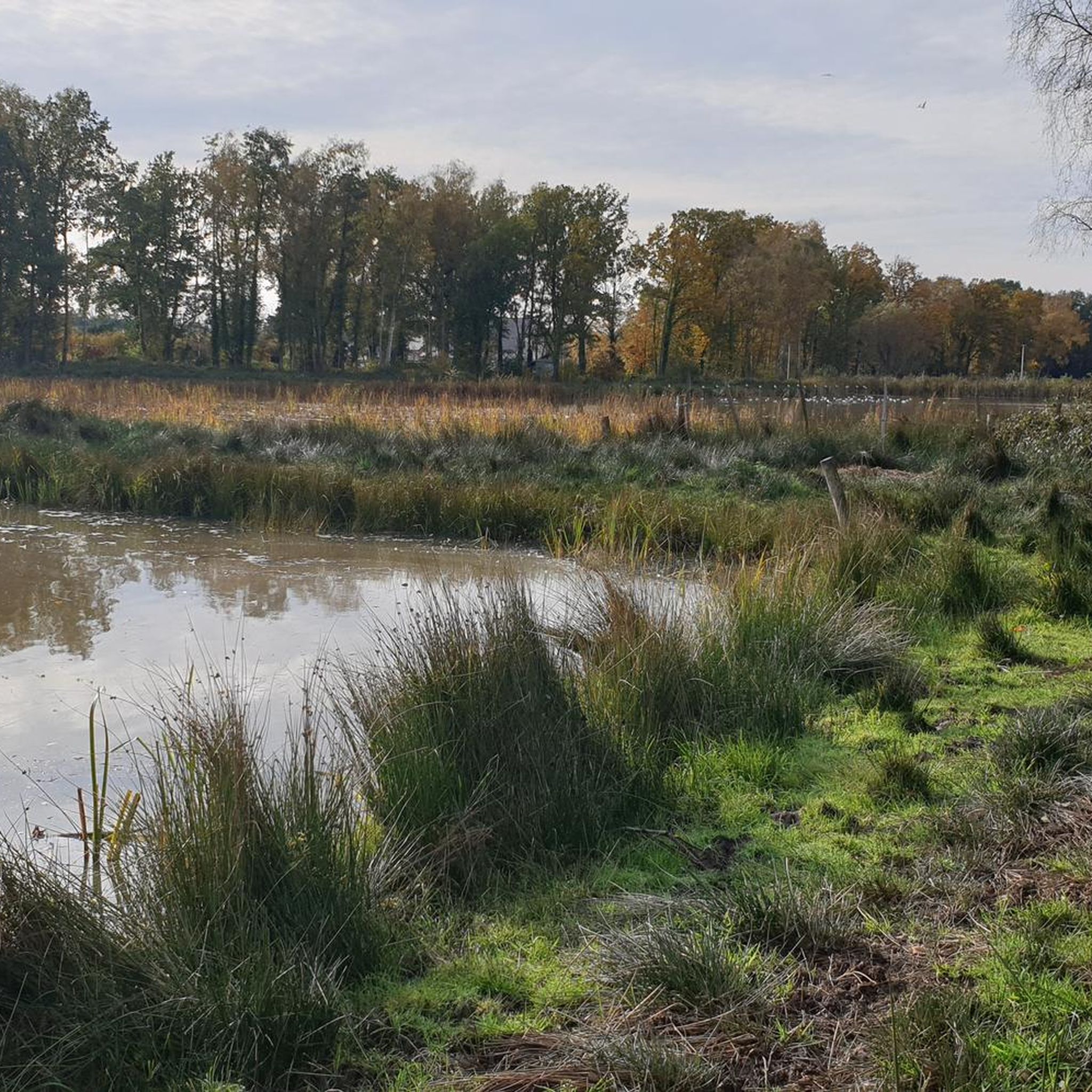
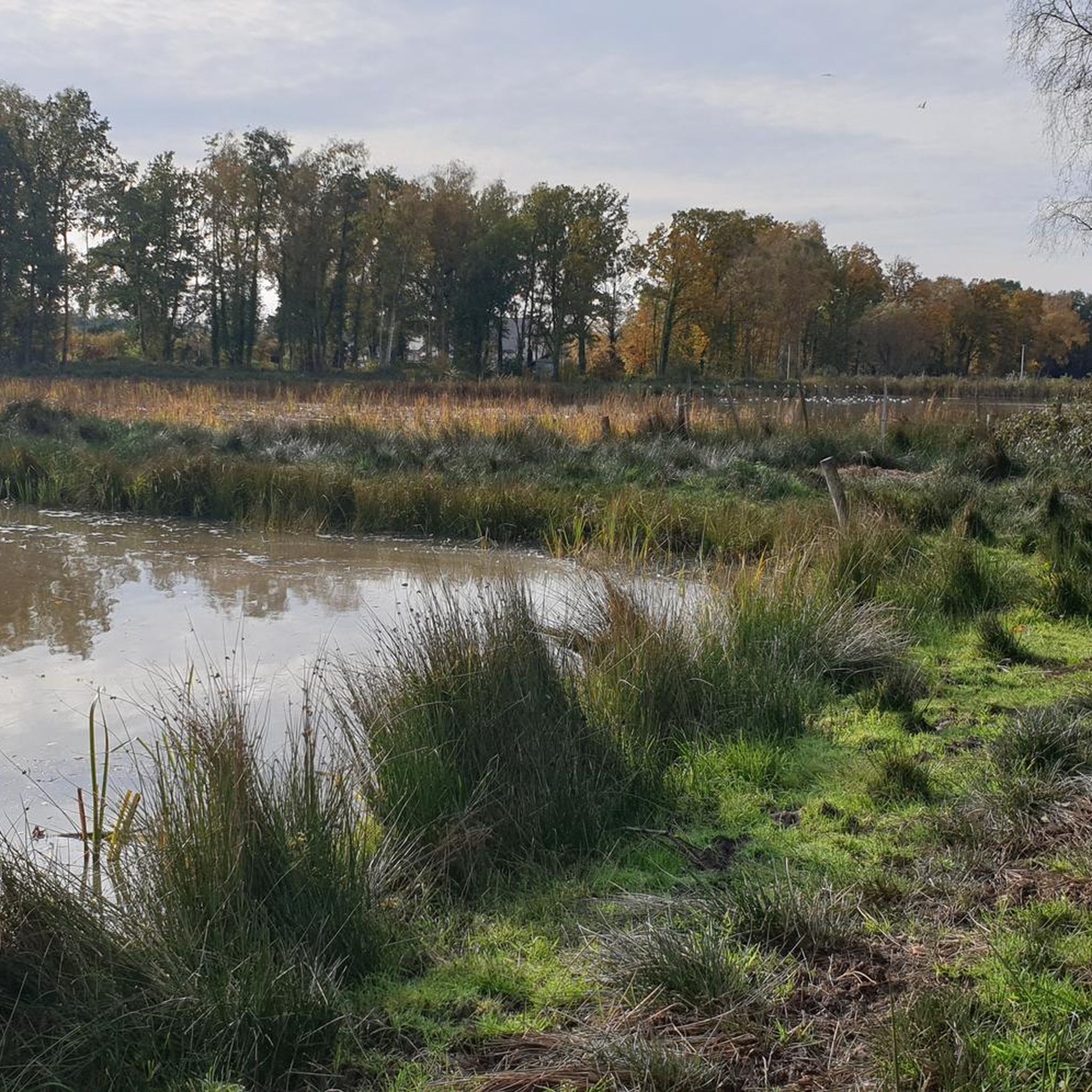
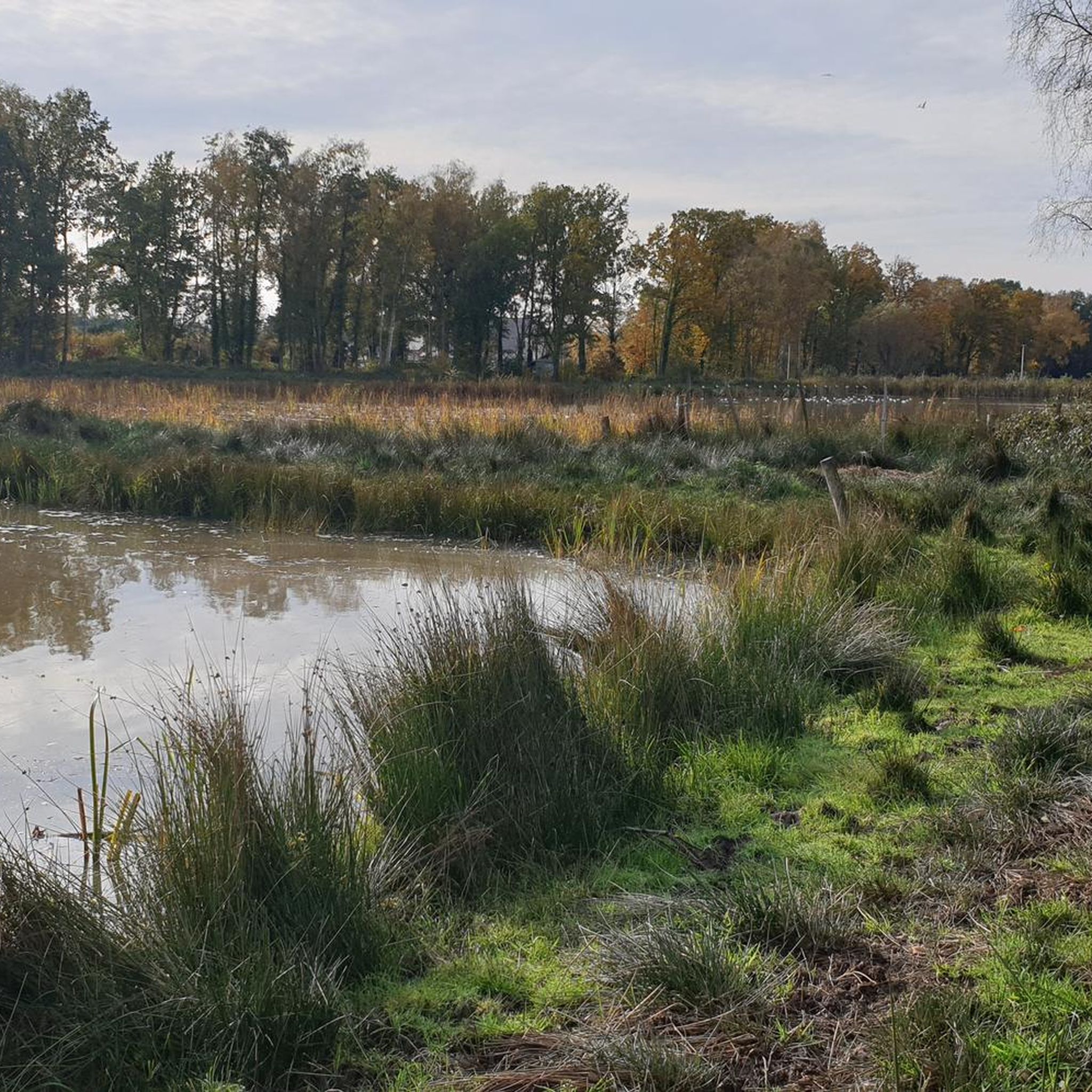
The Teut is an extensive heathland area, which probably owes its name to the Zonhoven dialect word ‘Toot’, which means a point or protruding part. This could refer to the high Teutheuvel that protrudes above the surrounding landscape. The Teut also houses a star spot. However, this is located at the foot of the hill, with a view of a beautiful natural fen. It has not always been like this: in the 1960s this pond was a water sports centre, but that did not last long. Later, people wanted to use the pond for fish farming, but the water turned out to be much too acidic for economically viable fish species. That is why the pond was allowed to evolve into a completely natural fen, which actually also belongs better in this heathland area.
5
2

The main entrance to the abbey is located to the south of the complex. It is a late Gothic gatehouse, built in 1531 by order of Abbess Mechtildis of Lechy. There are two storeys under two intersecting slate saddle roofs with a spire with a pear-shaped crowning at the intersection, dated 1531 (coat of arms on the rear facade) and restored in 1907 (architect G. Rypens) and 1973. Inventory of Immovable Heritage: Herkenrode Abbey, https://id.erfgoed.net/erfgoedobjecten/22246
8
0
The Herkenrode abbey site is located in the Demer valley, in a transitional area between the Lage Kempen and Haspengouw, south of the village centre of Stokrooi (Hasselt). It is an extensive historical domain that dates back to the former abbey complex of the Cistercian nuns. To the north of the Demer are the meadows, to the south the old abbey with its appurtenances, the farmyard, the eastern castle park and the other, higher agricultural lands. In addition to unirrigated hay and pasture land, there were also large flood meadows here until the 20th century. The latter were supplied with water via the Tuilterdemer. The abbey was founded in 1182, when Geeraard, Count of Loon, donated his estate Herkenrode to a certain brother Henricus to build a monastery for women. In 1271 the monastic community joined the order of Cîteaux. It became a flourishing enterprise that over the years acquired numerous possessions. The religious purpose came to an end with the departure of the sisters in 1796. At the beginning of the 19th century, the new abbess wing, built in 1768 to the south of the old abbess quarters, was converted into a castle. In the same period, an English garden was laid out on the east side and a front garden on the west side. The 14th-century church burned down in 1826 and was demolished together with the monastery building and the convent buildings in 1843. The buildings and the surrounding grounds formed a single differentiated whole for a long time. Over time, however, they fell into the hands of different owners. In 1972, 11 ha of the former abbey site became the property of the canonesses of the Holy Sepulchre. The property includes the actual remaining abbey buildings with the sisters' quarters, the old abbess quarters, the sacristy, the infirmary, the 18th-century abbess wing and the adjoining landscaped park. Inventory of Immovable Heritage: Herkenrode Abbey Site, https://id.erfgoed.net/erfgoedobjecten/135252
9
0
At the end of June 2024, it was announced that architects Arnout Van Vaerenbergh and Pieter-Jan Gijs will resurrect the church and other disappeared buildings on the Herkenrode site. Not quite as fully-fledged buildings, but with the interplay of lines that they are known for and that many have already seen in their see-through church in Borgloon. It should bring the total experience of Herkenrode more closely into line with historical reality and should work perfectly with the buildings that are still there today, making Herkenrode already a tourist attraction. This should be ready in 2026 and you can discover more about it at https://www.vrt.be/vrtnws/nl/2024/06/27/clausura-herkenrode/
10
0

Beautiful view (open air) from the platform.
1
0
Frequently Asked Questions
What kind of natural features can I expect to see in Diepenbeek's natural areas?
Diepenbeek is rich in diverse natural landscapes. You'll find vast pond areas, often referred to as the 'land of 1001 ponds,' particularly in De Platwijers-Wijvenheide Nature Reserve and the wider De Wijers region. There are also rare, unfertilized grasslands, marsh forests, heathlands, and dune ridges. These areas are characterized by their unique ecosystems, supporting a variety of flora and fauna.
Are there family-friendly natural monuments or activities in Diepenbeek?
Yes, several natural areas in Diepenbeek are very family-friendly. For instance, the Demerstrand, which is Diepenbeek's gateway to De Wijers, offers a playground and a play forest. Children can also enjoy a 1.5 km purple route designed as a 'tree frog safari' in the Dauteweyers section of De Wijers. Herkenrode Abbey Site also offers a combination of history and nature that can be engaging for families.
What wildlife can I observe in Diepenbeek's nature reserves?
Diepenbeek's natural areas are havens for wildlife. In De Wijers, especially the Dauteweyers, you can spot amphibians like the tree frog and great crested newt, and various bird species, including kingfishers. De Platwijers-Wijvenheide Nature Reserve is particularly known for its abundance of birds. In De Maten Nature Reserve, birdwatchers might even catch a glimpse of a bittern from the viewing walls.
What are the best times to visit Diepenbeek's natural monuments?
The best time to visit depends on what you wish to experience. Spring is particularly beautiful in Nietelbroeken Nature Reserve, when the wildflowers are in full bloom, including yellow archangel and wood anemone. For birdwatching, many species are active throughout spring and summer. The heathlands, such as those in De Teut and Tenhaagdoornheide Nature Reserve, are stunning when the heather is in bloom, typically in late summer (August-September).
Are there hiking trails available in Diepenbeek's natural areas?
Absolutely. Diepenbeek offers numerous signposted walking routes. De Wijers has six signposted routes, and the Nietelbroeken Nature Reserve features a 4.7 km walk. De Maten Nature Reserve provides four walking routes ranging from 2.2 km to 10.3 km. You can find more details and routes for hiking around Diepenbeek on our dedicated guide page: Hiking around Diepenbeek.
What is the difficulty level of hiking trails in Diepenbeek's natural monuments?
Many of the trails in Diepenbeek's natural areas are considered easy, making them suitable for a wide range of visitors. For example, routes like the 'Pomperik Pond – Dorpsbemden boardwalk loop' are rated as easy. There are also moderate options, such as the 'Kaatsbeek Walking Path – Bridge Over the Stiemerbeek loop.' You can explore various routes and their difficulty levels in our Hiking around Diepenbeek guide.
Can I bring my dog to the natural monuments in Diepenbeek?
While many natural areas in Belgium welcome dogs, specific rules can vary by reserve. It's generally advisable to keep dogs on a leash to protect wildlife and ensure a pleasant experience for all visitors. Always check local signage or official websites for the most current regulations regarding dogs in specific nature reserves like De Wijers, Nietelbroeken, or De Maten.
What other outdoor activities can I do near Diepenbeek's natural monuments?
Beyond hiking, Diepenbeek offers excellent opportunities for cycling and gravel biking. The region's diverse landscapes, including pond areas and forests, provide scenic routes for all skill levels. You can find detailed routes and guides for these activities, such as Gravel biking around Diepenbeek and Cycling around Diepenbeek, on komoot.
Are there any historical sites combined with natural beauty in the Diepenbeek area?
Yes, the Herkenrode Abbey Site is a prime example. This 800-year-old abbey features restored historic buildings and is surrounded by a nature reserve that includes a botanical garden with over 500 different plant species. It offers a unique blend of cultural heritage and natural splendor, allowing visitors to explore both history and nature in one location.
What should I wear when visiting marshy areas like Nietelbroeken Nature Reserve?
Due to the marshy terrain in areas like Nietelbroeken Nature Reserve, appropriate footwear is highly recommended. Wearing waterproof boots will ensure your comfort and allow you to fully enjoy the walking experience, especially during wetter seasons or after rainfall. Boardwalks are present in some sections, but boots are still advisable for exploring off the main paths.
Where can I find parking when visiting Diepenbeek's nature reserves?
Parking facilities are typically available near the main access points of the larger nature reserves. For instance, a 4.7 km walk in Nietelbroeken Nature Reserve starts from Netelbroekstraat, where parking is usually available. Similarly, starting points for routes in De Maten and De Wijers often have designated parking areas. It's always a good idea to check specific reserve information for precise parking locations.
What makes De Platwijers-Wijvenheide Nature Reserve special for birdwatchers?
De Platwijers-Wijvenheide Nature Reserve is a 200-hectare area primarily known for its exceptional abundance of birds. It consists mainly of fish farming ponds and meadows, forming the heart of De Wijers, the largest contiguous pond area in the Benelux. This unique habitat attracts a wide variety of bird species, making it an ideal spot for birdwatching, often with dedicated hides and watchtowers.
Are there any viewpoints to enjoy panoramic scenery in Diepenbeek's natural areas?
Yes, several natural areas offer scenic viewpoints. In Nietelbroeken Nature Reserve, boardwalks lead through marshy sections to picturesque viewpoints. In De Platwijers-Wijvenheide Nature Reserve, there are watchtowers that provide elevated views over the ponds, allowing you to observe the landscape and birdlife from above. Additionally, the extensive heathlands of De Teut and Tenhaagdoornheide Nature Reserve offer wide, open vistas.
Most popular routes around Diepenbeek
Most popular attractions around Diepenbeek

Get inspired with the komoot mobile app


Explore more
Extend your search for the best caves by checking out these guides of the top ones around Diepenbeek:
