Attractions and Places To See around Cerdedo - Top 8
Best attractions and places to see around Cerdedo encompass historical landmarks, natural beauty, and cultural experiences. The region, now part of Cerdedo-Cotobade, is characterized by its tranquil natural landscapes and historical architecture. Visitors can explore medieval bridges, traditional granaries, and scenic viewpoints. The area offers opportunities for outdoor activities amidst its natural features.
Best attractions and places to see around Cerdedo
- The most popular attractions is Ponte da Misarela and Waterfall, a bridge that crosses the Rio Rabagão. This…
Last updated: August 30, 2026
Ponte da Misarela and Waterfall
Highlight • Bridge
Translated by Google •
Tip by

Porto d'Olho Viewpoint
Highlight • Viewpoint
Translated by Google •
Tip by

Sign up now to discover places like this
Get recommendations on the best single tracks, peaks, & plenty of other exciting outdoor places.
Sign up for free
Hórreo (Traditional Granary)
Highlight • Monument
Translated by Google •
Tip by
Vila da Ponte
Highlight • Settlement
Translated by Google •
Tip by
Negrões Village
Highlight • Settlement
Translated by Google •
Tip by

Sign up for free to discover even more attractions around Cerdedo.
Sign up for free
Already have an account?
Start today with a free account
Your next adventure awaits.
Login or Signup
Popular around Cerdedo
Tips from the Community

A beautiful walk starting along the levadas, the king's windmills, and then climbing up to the magnificent viewpoint with the miradouro! 🇵🇹👌
0
0

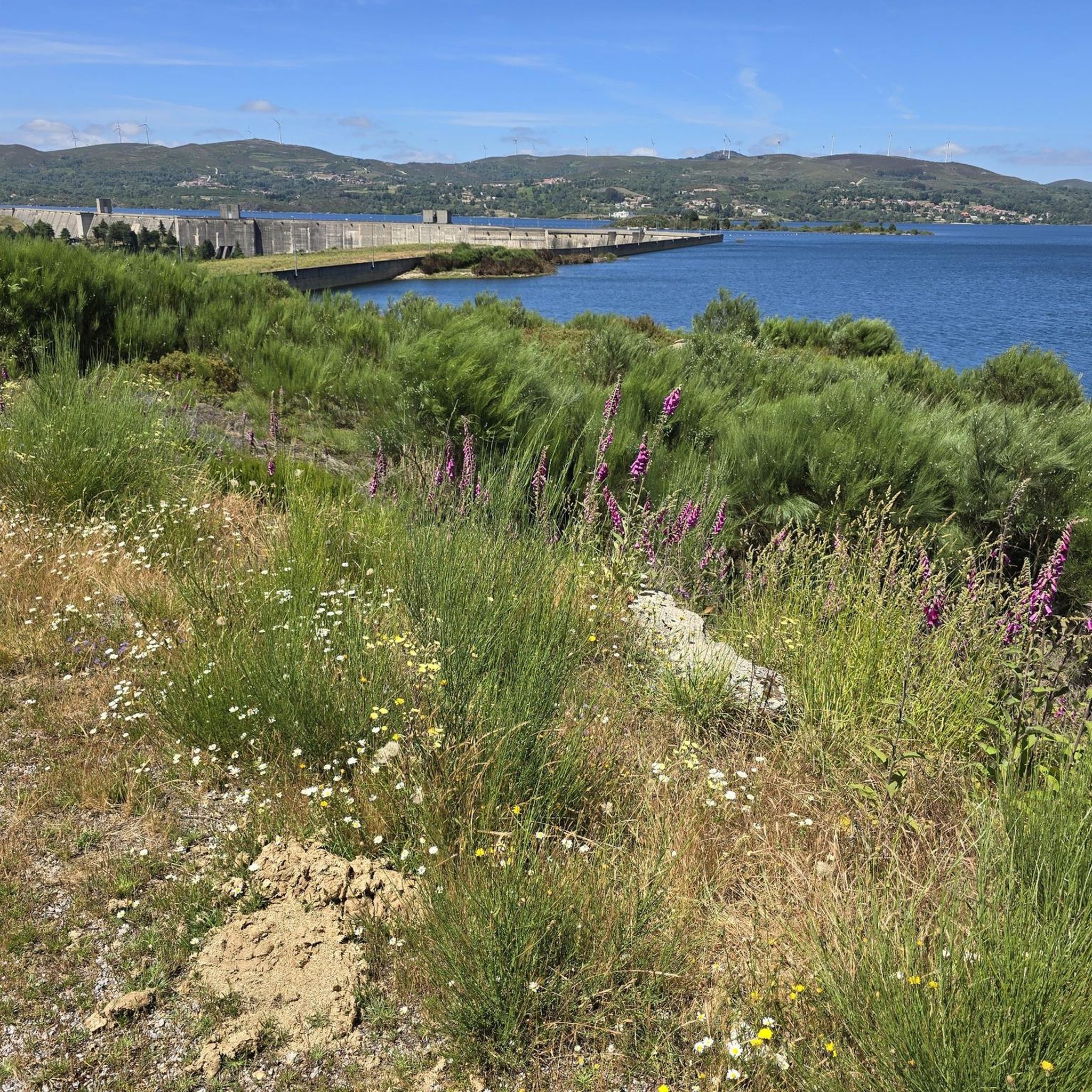
The granite village stretches along a peninsula formed by the Alto Rabagão Dam reservoir. This body of water, intense blue or pitch black, depending on the mood of the sky, is surrounded by mountains covered in rocks and vegetation.
1
0
The Misarela Bridge, also known as the Devil's Bridge or the Bridge of Hell (we'll explain why below), is one of the most interesting monuments in the North of Portugal. Whether because of the legends, its historical importance or the beautiful landscape in which it is located. The Misarela Bridge is a trestle bridge over a slightly pointed arch, 13 metres high. This was originally a medieval bridge, which was rebuilt in the early 19th century (before the French Invasions) and which gave rise to two famous popular legends and ancient rituals. It has been a property of public interest since 1957 and in this article we will explore all of this, as well as the best ways to get there.
1
0

The hórreos or espigueiros are hardly used as storage facilities anymore, but they are maintained and preserved because they represent important cultural assets for the population of the region and also serve as a tourist attraction.
3
0
Small picturesque village with a medieval bridge from Roman times. Lots of old granaries, a beautiful church and absolute peace and quiet.
3
0

Beautiful old arched bridge with waterfall. Accessible by a short hike.
3
1
The old bridge with waterfall is one of the must-sees when traveling in northern Portugal. The Bridge of Mizarela (Portuguese: Ponte da Mizarela) is a medieval bridge that crosses the Rio Rabagão, between the municipality of Ruivães and the municipality of Ferral. It was built in the Middle Ages and reconstructed in the early 19th century. According to local legend, it was built by the devil himself.
3
1
A must-visit if you're in the area! There are two ways to reach the bridge (about 30 minutes). In the early morning, you'll be alone here. It's a real treat, especially in spring when the gorse is in bloom all around.
3
2
Frequently Asked Questions
What historical landmarks can I explore around Cerdedo?
The region is rich in history. You can visit medieval bridges like the Ponte da Misarela and Waterfall, which was reconstructed in the early 19th century and is steeped in local legend. Other notable historical sites include the Ponte de Pedre and Puente de San Antón, both medieval bridges crossing the Lérez River. The area also features ancient petroglyphs on its mountains, reflecting its prehistoric past.
Are there any traditional architectural sites to visit?
Yes, traditional architecture is a significant part of the region's charm. You can see Hórreos (Traditional Granaries), which are preserved as important cultural assets. The nearby village of Combarro is particularly known for its numerous horreos. Additionally, the small picturesque village of Vila da Ponte features a medieval bridge and many old granaries, offering a glimpse into traditional life.
Where can I experience the natural beauty of the Cerdedo area?
Cerdedo offers diverse natural beauty. The Ponte da Misarela and Waterfall is a must-see, especially in spring. For panoramic views, head to the Porto d'Olho Viewpoint after a short climb, or the Mirador de San Xusto, a modern viewpoint offering vistas over the Lérez valley. The Barosa Waterfalls and the Fervenza do Regueiro das Penices are also beautiful natural scenery attractions. The Río Lérez, part of the Natura 2000 network, is recognized for its biodiversity and native forest formations.
What kind of outdoor activities are available near Cerdedo?
The mountainous terrain and extensive natural landscapes make Cerdedo-Cotobade ideal for outdoor enthusiasts. You can enjoy hiking and mountain biking on various trails, including a homologated trail (PRG-68) in Viascón. For road cycling, there are several routes available, such as the Igreja de Morgade loop or the Montalegre Castle loop. You can find more details on these routes in the Road Cycling Routes around Cerdedo guide.
Are there any unique natural formations or viewpoints to discover?
Absolutely. On Monte Seixo within A Serra do Cando, you'll find the unique megalithic complex known as Porta do Alén (Portalén). This site features granite rocks shaped by nature, forming a 'doorway' with a large irregular rock. Additionally, the Mirador de las Tres Rías offers spectacular views, though it also features wind turbines.
What are some family-friendly attractions in the region?
Families can enjoy visiting the Hórreo (Traditional Granary), which are cultural assets often enjoyed by all ages. The picturesque village of Vila da Ponte with its medieval bridge and old granaries is also a pleasant family outing. For recreation, the area offers well-maintained fluvial beaches like Playa Fluvial de A Chan and Playa Fluvial de Cabanelas y Muíño da Ponte, perfect for swimming and relaxation.
Can I go stargazing near Cerdedo?
Yes, the Cerdedo-Cotobade area is excellent for stargazing due to minimal light pollution. The Observatorios Astronómicos de Cotobade and Forcarei provide opportunities for observing the night sky, with guided visits sometimes available.
What is the best time of year to visit Cerdedo attractions?
While many attractions can be enjoyed year-round, spring is particularly beautiful, especially when the gorse is in bloom around sites like the Ponte da Misarela and Waterfall. Warmer months are generally ideal for outdoor activities like hiking, mountain biking, and visiting fluvial beaches. Stargazing at the observatories can be enjoyed during clear nights throughout the year.
Are there any cultural centers or museums in the area?
The municipality boasts modern cultural centers, including the Centro Cultural de Cerdedo and the Centro Cultural e Turístico Antonio Fraguas. The latter, established in 2021, features an auditorium, multi-purpose rooms, and a permanent exhibition dedicated to Antonio Fraguas Fraguas, a notable figure in Galician literature.
What do visitors enjoy most about the attractions around Cerdedo?
Visitors frequently praise the fantastic views from viewpoints like Porto d'Olho Viewpoint after a short climb. The historical charm of sites like the Ponte da Misarela and Waterfall and the traditional Hórreos are also highly appreciated. Many enjoy the tranquility and the opportunity for peaceful walks through picturesque villages and natural landscapes.
Are there any significant religious or spiritual sites?
Yes, the region has several sites of spiritual heritage. The Monasterio de San Pedro de Tenorio, located in Cotobade, showcases a mix of architectural styles, including Romanesque and Baroque elements. The Ermita Santa Mariña do Seixo, a small hermitage of unknown origin, is situated at the top of A Serra do Cando, offering a glimpse into the region's spiritual past amidst high mountain nature.
Can I find ancient settlements or villages with historical significance?
Beyond specific landmarks, the region is characterized by its charming small villages. Vila da Ponte is a picturesque village with a medieval bridge and old granaries. Negrões Village, a granite village, stretches along a peninsula formed by the Alto Rabagão Dam reservoir, offering a unique historical setting surrounded by nature.
Most popular routes around Cerdedo

Get inspired with the komoot mobile app


Explore more
Still not found the Highlight you’re looking for? See guides of the top attractions in other regions:
