The best cycling routes around Couço
4.0
(3)
24
riders
3
rides
Touring cycling around Couço, located within Portugal's Alentejo region, offers diverse landscapes characterized by plains and gentle rolling hills. The area features extensive cycling infrastructure, including dedicated road cycling routes and gravel paths. Cyclists can expect quiet roads, ecological parks, and serene river systems.
Best touring cycling routes around Couço
- The most popular touring cycling route is Vale do Sorraia Gravel Route loop from Foros do Ameixial, an 19.0 miles (30.5 km) trail that takes 2 hours 24 minutes…
Last updated: May 15, 2026
5.0
(2)
6
riders
30.5km
02:24
270m
280m
Moderate bike ride. Good fitness required. Mostly paved surfaces. Suitable for all skill levels.
3
riders
37.1km
03:00
350m
350m
Moderate bike ride. Good fitness required. Mostly paved surfaces. Suitable for all skill levels.

Sign up for free
3.0
(1)
4
riders
35.6km
02:29
250m
250m
Moderate bike ride. Good fitness required. Mostly paved surfaces. Suitable for all skill levels.
6
riders
129km
10:48
690m
690m
Hard bike ride. Very good fitness required. Mostly paved surfaces. Suitable for all skill levels.
3
riders
41.2km
03:26
340m
340m
Moderate bike ride. Good fitness required. Mostly paved surfaces. Suitable for all skill levels.
Our route recommendations are based on thousands of hikes, rides, and runs completed by other people on komoot.
Start today with a free account
Your next adventure awaits.
Login or Signup
Popular around Couço
Tips from the Community

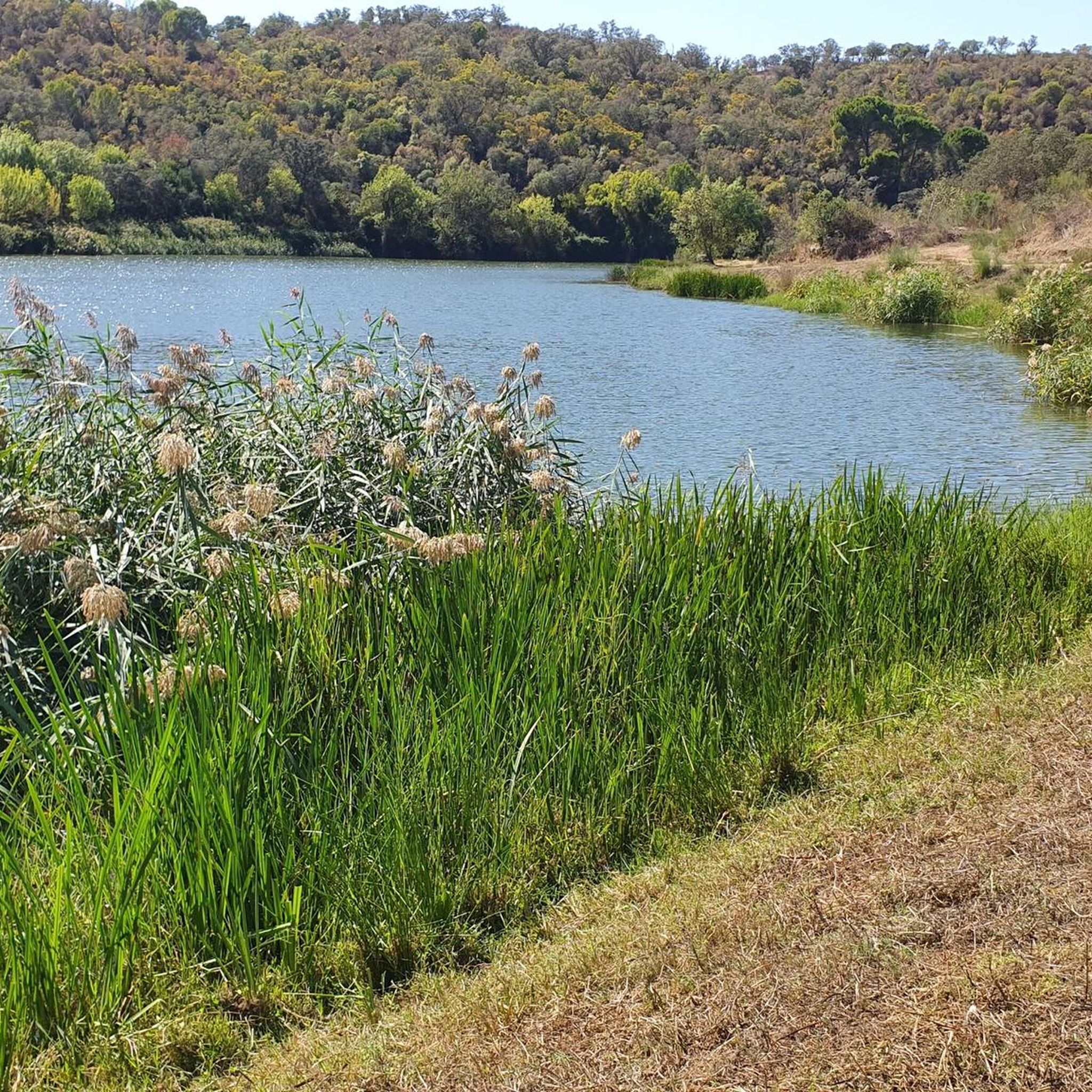
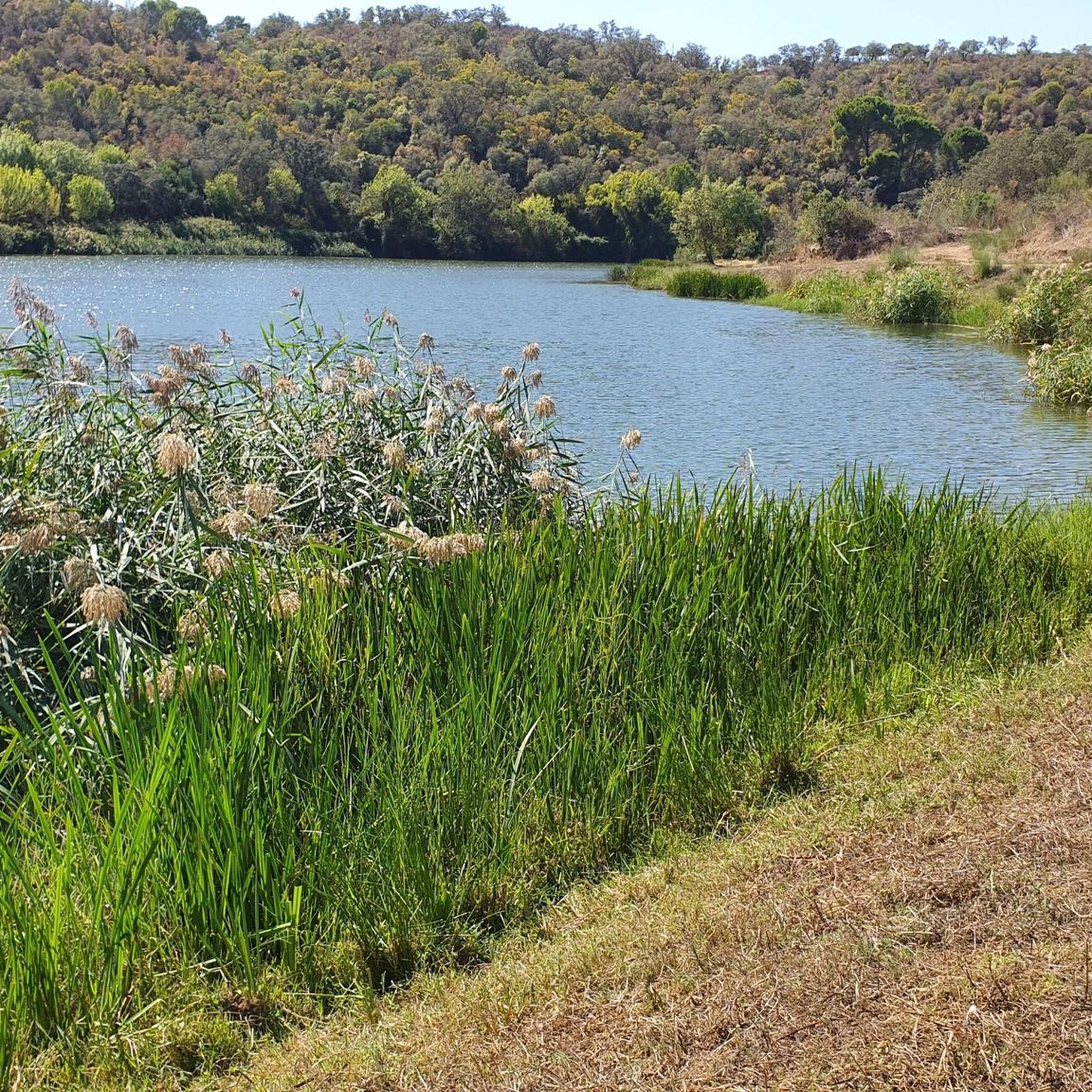
Coruche is a quiet Portuguese municipality with over 20,000 inhabitants, located in the district of Santarém, internationally renowned as the "World Capital of Cork". Strategically positioned along the Sorraia River in a transitional area between Ribatejo and Alentejo, the territory produces about 8% of the world's cork and around 5 million corks per day. In addition to the forestry industry, the town stands out for its traditional low white houses, fertile agricultural fields, horse breeding, and a strong imprint linked to nature tourism.
0
0

Coruche is a peaceful town in Portugal, located between Ribatejo and Alentejo, known for its white traditional houses by the Sorraia River. Surrounded by fertile fields, it's a hub for agriculture, horse breeding, and cork production. The town features historic sites like the Roman-era Ponte da Corôa, a medieval aqueduct, and 17th-century churches. Nearby, the Agolada and Monte da Barca weirs are popular summer recreation spots.
3
0

Not recommended at the moment. The wet, sandy ground is often completely under water. A parallel, higher route is already partially under construction.
4
0

The path is a bit sandy, but still easy to drive; the path also seems to be popular with motocross riders.
0
0
Here was invested in a great bike path
0
0

Small quiet and pleasant village. This village has a beautiful church, a restaurant "o cortiço", the post office and a working public telephone. The "o cortiço" is a simple little restaurant where everything is fresh and homemade and where the prices are very affordable. The local economy is based on the exploitation of cork, eucalyptus, pine nuts, fruit growing and vineyards. The Lamarosa region lends itself to cycling as there are good roads with little traffic. The region is flat, but with nice short coasts but some coasts have good percentages.
20
0
Frequently Asked Questions
What kind of terrain can I expect when touring cycling around Couço?
The touring cycling routes around Couço primarily feature plains and gentle rolling hills, offering a less rugged experience compared to some other parts of Portugal. You'll encounter quiet roads with minimal traffic, passing through groves, olive groves, and fields of wildflowers, with iconic cork oak trees providing natural shade.
What are the best times of year for touring cycling in Couço?
The most enjoyable times for touring cycling in Couço are during spring and autumn. It's advisable to avoid the intense summer heat, which can frequently exceed 30°C (90°F) and sometimes even reach 40°C (100°F).
Are there any gravel routes available for touring cyclists in Couço?
Yes, Couço offers gravel routes for touring cyclists. A notable option is the Vale do Sorraia Gravel Route loop from Foros do Ameixial, which explores the terrain around the Sorraia River. Be aware that some sections of gravel routes in the region may be wet and sandy, depending on recent weather conditions.
What natural attractions can I explore along the cycling routes in Couço?
You can discover several natural attractions. The Gameiro Ecological Park Boardwalk offers a picturesque 1.5-kilometer wooden path along the Raia River, featuring local flora and the Gameiro River Beach. You can also experience the Raia Stream and the Sorraia River system, which are central to the local ecosystem.
Are there any historical landmarks to visit while cycling in the Couço area?
Yes, the region around Couço offers historical sites. You can visit the Sanctuary of Our Lady of the Castle of Coruche, which is perched on a former castle site and provides expansive views. Another significant site is the Our Lady of Brotas Sanctuary and Fountain, with a devotion dating back to the 15th century.
What is the general difficulty level of touring cycling routes in Couço?
The touring cycling routes in Couço are generally considered moderate in difficulty. They feature gentle rolling hills and varied landscapes, making them accessible for a range of cyclists. For example, the Vale do Sorraia Gravel Route loop from Erra is a moderate 37.2 km path offering open horizons.
What do other touring cyclists say about the routes in Couço?
The touring cycling routes in Couço are highly rated by the komoot community, with an average score of 4.0 stars from more than 3 reviews. Cyclists often praise the diverse landscapes, quiet roads, and the opportunity to explore the region's natural beauty.
Is there a longer, more challenging touring cycling route in the Couço region?
For those seeking a more challenging ride, the Scenic Dirt Road – Vale do Sorraia Gravel Route loop from Coruche is a difficult route spanning approximately 129.4 kilometers. This route offers an extended exploration of the region's diverse terrain.
Can I find routes that pass through varied landscapes, including agricultural areas?
Yes, many routes in the Couço area offer varied landscapes. For instance, the São José de Lamarosa – Old Wooden Barn loop from Coruche is a 35.6 km trail that leads through diverse scenery, often including agricultural fields and traditional Alentejo landscapes.
Are there any nearby natural parks suitable for other outdoor activities besides cycling?
Yes, the Serra de São Mamede Natural Park is located nearby and is an excellent location for hiking and other outdoor pursuits. It features lush forests, varied wildlife, and panoramic vistas, with well-marked trails for all skill levels. Birdwatching and more challenging mountain biking trails are also available within the park.
What kind of trees and vegetation are prominent along the cycling routes?
The cycling routes in Couço are characterized by groves, ancient trees that provide natural shade, and the iconic cork oak trees that are prominent throughout the Alentejo region. You'll also see fields of wildflowers, especially in spring, and olive groves.
Where can I find more information about cycling in the broader Alentejo region?
The Alentejo region is renowned for its extensive network of cycling routes, boasting over 3,000 kilometers of pathways certified by the Portuguese Cycling Federation. For more general information about cycling in the Alentejo, you can visit the official tourism website: visitalentejo.pt.
Most popular routes around Couço
Most popular attractions around Couço

Get inspired with the komoot mobile app


Explore more
Browse the best Cycling routes in other regions.
