The best road cycling routes around Cidadelhe
45
riders
9
rides
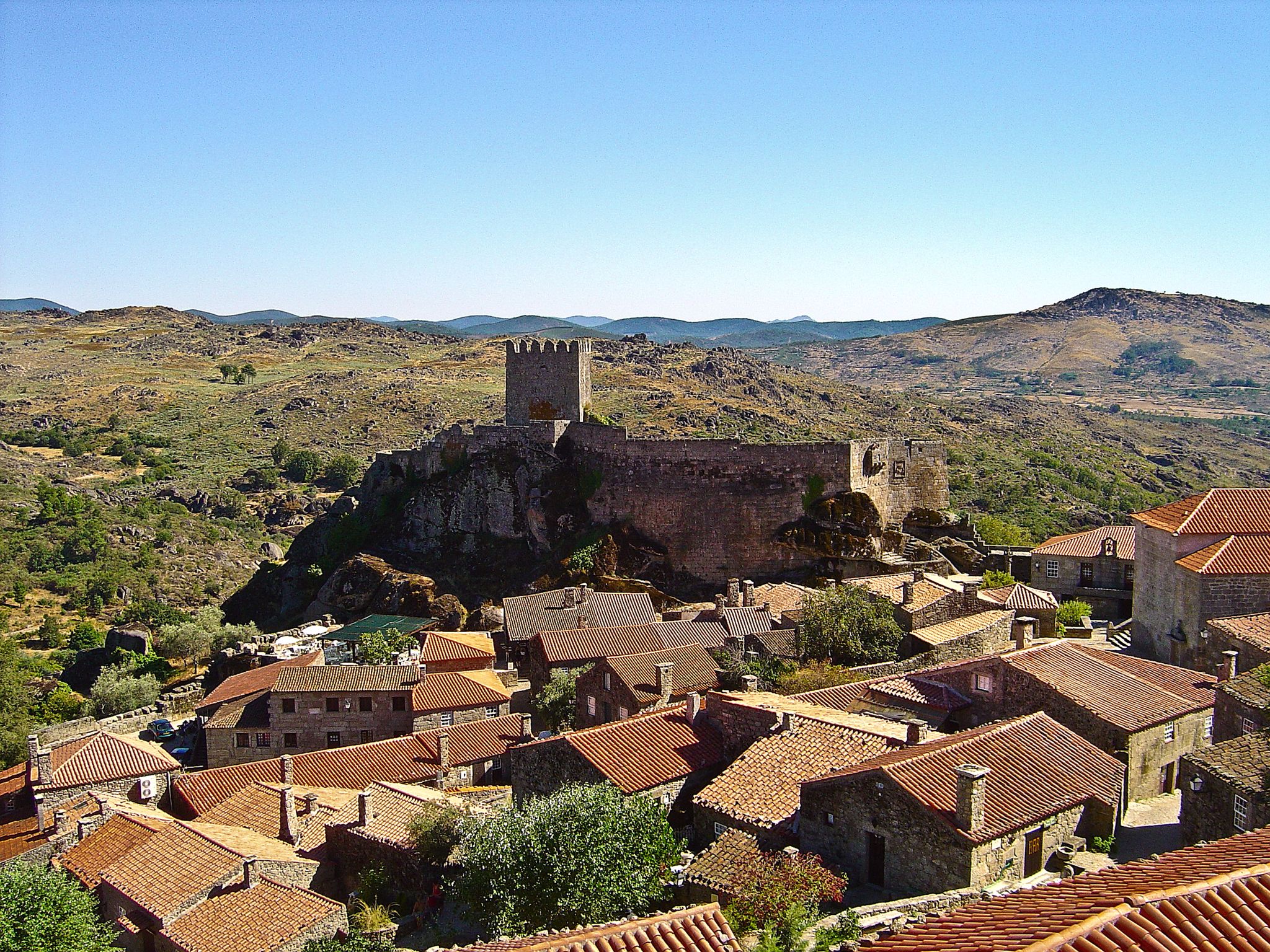
Road cycling around Cidadelhe features elevated and undulating terrain, characterized by significant climbs and descents. The region offers expansive views over the Côa Valley, a UNESCO World Heritage site known for its granitic landscape. Situated between the Massueime and Côa rivers, the area provides a challenging and varied riding experience for road cyclists. This part of Northern Portugal is recognized for its demanding climbs and scenic routes.
Best road cycling routes around Cidadelhe
- The most popular road cycling route is…
Last updated: June 27, 2026
7
riders
Hard road ride. Very good fitness required. Mostly well-paved surfaces and easy to ride.
7
riders
66.4km
03:27
1,160m
1,160m
Hard road ride. Very good fitness required. Some segments of this route may be unpaved and difficult to ride.

Sign up for free
7
riders
66.9km
03:28
1,160m
1,160m
Hard road ride. Very good fitness required. Some segments of this route may be unpaved and difficult to ride.
7
riders
54.5km
02:36
720m
720m
Moderate road ride. Good fitness required. Mostly well-paved surfaces and easy to ride.
5
riders
79.8km
04:06
1,310m
1,310m
Hard road ride. Very good fitness required. Some segments of this route may be unpaved and difficult to ride.
Get access to more routes and recommendations from other explorers.
Sign up for free
Already have an account?
Our route recommendations are based on thousands of hikes, rides, and runs completed by other people on komoot.
Start today with a free account
Your next adventure awaits.
Login or Signup
Popular around Cidadelhe
Other adventures around Cidadelhe

Tips from the Community

Vila Nova de Foz Côa is a jewel of northern Portugal, located in the Guarda district of the Alto Douro region. It is known for its unique archaeological heritage, spectacular wine-growing landscapes, and its deep connection to history and nature.
3
0

Amid granite boulders and echoes of ancient battles, Moreira de Rei rises, an eagle's nest crowned by ruins that still whisper stories of fleeing kings, noblemen, and armies that passed through here. A good example is its name, which dates back to the time when Moreira welcomed King Sancho II on his way to exile from Toledo. Beneath the old Romanesque church lies a proto-Christian necropolis, witness to centuries of faith. Between worn walls, Roman pavements, and Visigothic memories, the town preserves, in stone and silence, the grandeur of a past that has never ceased to pulse.
2
0
With its source near Guarda, the Massueime Stream flows through valleys and municipalities until it empties its waters into the Côa River, which in turn flows into the Douro. At the edge of this bridge, a bench invites you to stop: sit, take a deep breath, and let yourself be lulled by the serenity of the current.
2
0
The trail here merges with the Great Côa and Historic Villages Route, leading you down a steep descent to the river. After crossing, the hillside challenges you with its demanding climb, but the reward lies in each new look: ever-changing perspectives of the Côa Valley. Both directions offer incredible views: remember to look back!
2
0
Nestled in the Serra da Marofa valley, Freixeda do Torrão holds centuries of history. Its name dates back to 1190, and since then, time has left its mark. Among its treasures stands the Parish Church, with Romanesque roots, rebuilt after the devastating fire of 1908 but still faithful to the 16th-century portal that saw its birth. In the heart of the parish, the Solar dos Metelos stands tall with its medieval tower and stately coat of arms, a testament to times of power and distinction.
2
0
In the heart of the Côa Valley, Faia Brava is a wildlife sanctuary where griffon vultures, eagles, and black storks soar through the skies. Between imposing cliffs and the largest cork oak forest in the region, this 600-hectare protected area preserves rare habitats, ancient trails, and local traditions. Managed by the ATN, it invites you to discover nature through guided tours that reveal one of Guarda's most authentic and vibrant corners.
2
0
Castelo Rodrigo holds millennia of history, from Paleolithic and Roman remains to the Muslim presence in the castle. Conquered and reconquered between the 12th and 13th centuries, it became a town and municipality under King Alfonso IX of León and passed definitively to Portugal in 1297, when King Dinis rebuilt and repopulated the castle. Marked by wars, charters, and restorations, it welcomed pilgrims on their way to Santiago and remains today one of the twelve Historic Villages of Portugal.
3
0
Castelo Rodrigo is a village with a medieval soul, where time has left its deep marks: walls, stone streets and remains of an ancient community of New Christians. Surrounded by magnificent landscapes, from the Douro International Natural Park to the Côa Valley, passing through the Serra da Marofa and the Faia Brava Reserve, this village is an invitation to contemplation and to taste. Here, history is served at the table: Marofa lamb, octopus in migas or rice are flavors that count as much as the books.
2
0
Frequently Asked Questions
What kind of terrain can I expect when road cycling around Cidadelhe?
Road cycling around Cidadelhe is characterized by elevated and undulating terrain, featuring significant climbs and descents. The region offers expansive views over the Côa Valley, a UNESCO World Heritage site known for its granitic landscape. This part of Northern Portugal provides a challenging and varied riding experience.
How many road cycling routes are available in the Cidadelhe area?
There are 9 road cycling routes detailed for the Cidadelhe area. These routes primarily cater to experienced cyclists, with 7 classified as difficult and 2 as moderate.
Are there any moderate road cycling routes for less experienced riders?
Yes, while most routes are challenging, there are options for moderate difficulty. For example, the Historic Village of Trancoso – Moreira de Rei loop from Quinta de Falhas is a moderate 54.5 km route that offers a less strenuous experience compared to the more difficult trails in the Côa Valley.
What are some notable landmarks or viewpoints I can see along the road cycling routes?
The routes often provide stunning views of the Côa Valley. You can also pass by or near historical sites and viewpoints. For instance, the São Gabriel Viewpoint offers panoramic vistas, and routes may take you close to the End of N222 in Almendra, a significant point along a famous Portuguese road.
What is the best time of year for road cycling in Cidadelhe?
Portugal generally offers a mild climate, making it suitable for cycling for much of the year. Given the region's challenging terrain, spring and autumn are often ideal, providing comfortable temperatures for tackling climbs and enjoying the scenic views without the intense heat of summer.
Are there any circular road cycling routes around Cidadelhe?
Yes, many of the routes in the area are loops, allowing you to start and finish in the same location. An example is the Cidadelhe – Steep terrain in the Côa Valley loop from Figueira de Castelo Rodrigo, which is a 66.9 km circular route.
What kind of historical attractions can I explore while cycling in the Cidadelhe region?
The region is rich in history. Cidadelhe itself is a historic village with ancient streets and traditional stone houses. The broader Côa Valley is a UNESCO World Heritage site known for prehistoric rock carvings. You might also encounter sites like the 'Castelo dos Mouros' (Moorish Castle) and 'Poio do Gato', adding a cultural dimension to your ride. The Historic Village of Marialva is another nearby point of interest.
What is the longest road cycling route available in the Cidadelhe area?
The longest road cycling route is the End of N222 in Almendra – Steep terrain in the Côa Valley loop from Figueira de Castelo Rodrigo, covering 93.7 km. This difficult route navigates the steep terrain of the Côa Valley and typically takes around 4 hours and 42 minutes to complete.
Is Cidadelhe suitable for family-friendly road cycling?
Given the elevated and undulating terrain with significant climbs and descents, most road cycling routes around Cidadelhe are classified as difficult or moderate. This makes them more suitable for experienced cyclists rather than families with young children or those seeking very easy, flat rides.
What makes the Côa Valley a significant feature for road cyclists in this region?
The Côa Valley is a prominent feature due to its immense green and granitic landscape, offering expansive and breathtaking views. It's also a UNESCO World Heritage site, adding cultural significance. For cyclists, it presents demanding climbs and scenic routes, making for a visually rewarding and challenging journey.
Are there any routes that pass through other historic villages besides Cidadelhe?
Yes, some routes will take you through or near other historic locations. For example, the Steep terrain in the Côa Valley – Castelo Rodrigo Village loop from Pinhel offers challenging climbs and passes by Castelo Rodrigo Village, another charming historic settlement.
What is the typical elevation gain on road cycling routes around Cidadelhe?
The routes around Cidadelhe are known for significant elevation changes. For instance, the End of N222 in Almendra – Steep terrain in the Côa Valley loop from Figueira de Castelo Rodrigo involves over 1500 meters of ascent, reflecting the region's elevated and undulating landscape.
Most popular attractions around Cidadelhe

Get inspired with the komoot mobile app


Explore more
Browse the best Road cycling routes in other regions.
