Attractions and Places To See in West Flanders - Top 20
Best attractions and places to see in West Flanders include medieval cities, historical sites, and a diverse coastline. This province in northwest Belgium features both flat landscapes and rolling hills, offering varied terrain for exploration. It is known for its well-preserved historical centers and significant natural reserves. The region provides a range of experiences from urban exploration to coastal and rural activities.
Best attractions and places to see in West Flanders
- The most popular attractions is Market Square, Bruges,…
Last updated: October 9, 2026
Market Square, Bruges
Highlight • Historical Site
Translated by Google •
Tip by

Bruges Town Hall
Highlight • Historical Site
Translated by Google •
Tip by

Sign up now to discover places like this
Get recommendations on the best single tracks, peaks, & plenty of other exciting outdoor places.
Bonifacius Bridge
Highlight • Bridge
Translated by Google •
Tip by
Bruges Canals (Brugse Reien)
Highlight • River
Translated by Google •
Tip by
Old Civil Registry
Highlight • Historical Site
Translated by Google •
Tip by
Schellemolen Windmill, Damme
Highlight • Monument
Translated by Google •
Tip by

Zwin Nature Reserve
Highlight • Natural Monument
Translated by Google •
Tip by

Veurne Market Square
Highlight • Historical Site
Translated by Google •
Tip by

King Albert I Monument and the Ganzepoot Locks
Highlight • Monument
Translated by Google •
Tip by

Yser Estuary, Nieuwpoort
Highlight • River
Translated by Google •
Tip by

Sign up for free to discover even more attractions in West Flanders.
Already have an account?
Start today with a free account
Your next adventure awaits.
Popular around West Flanders
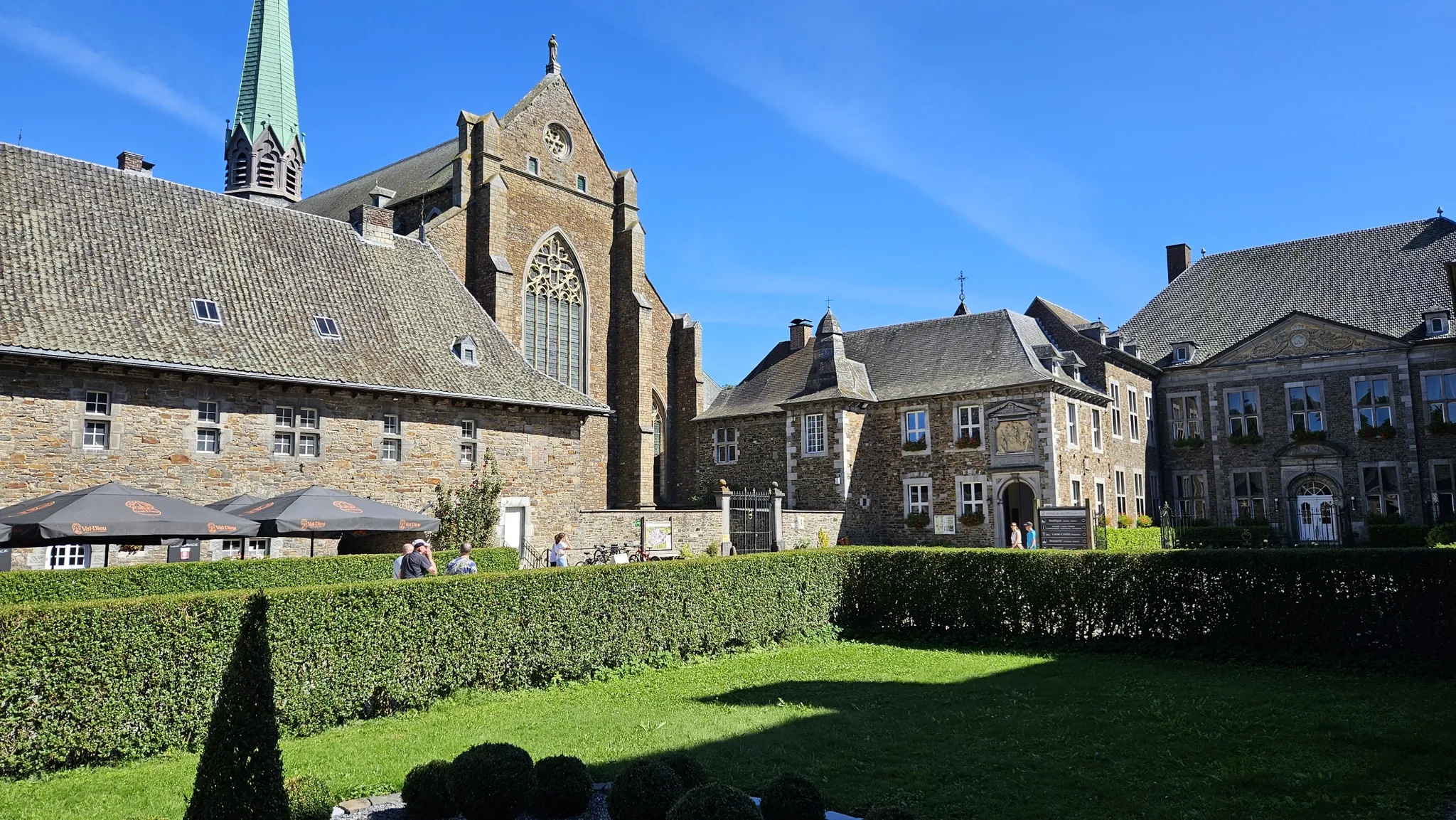
Trappist abbeys cycle route – Between beers and heritage
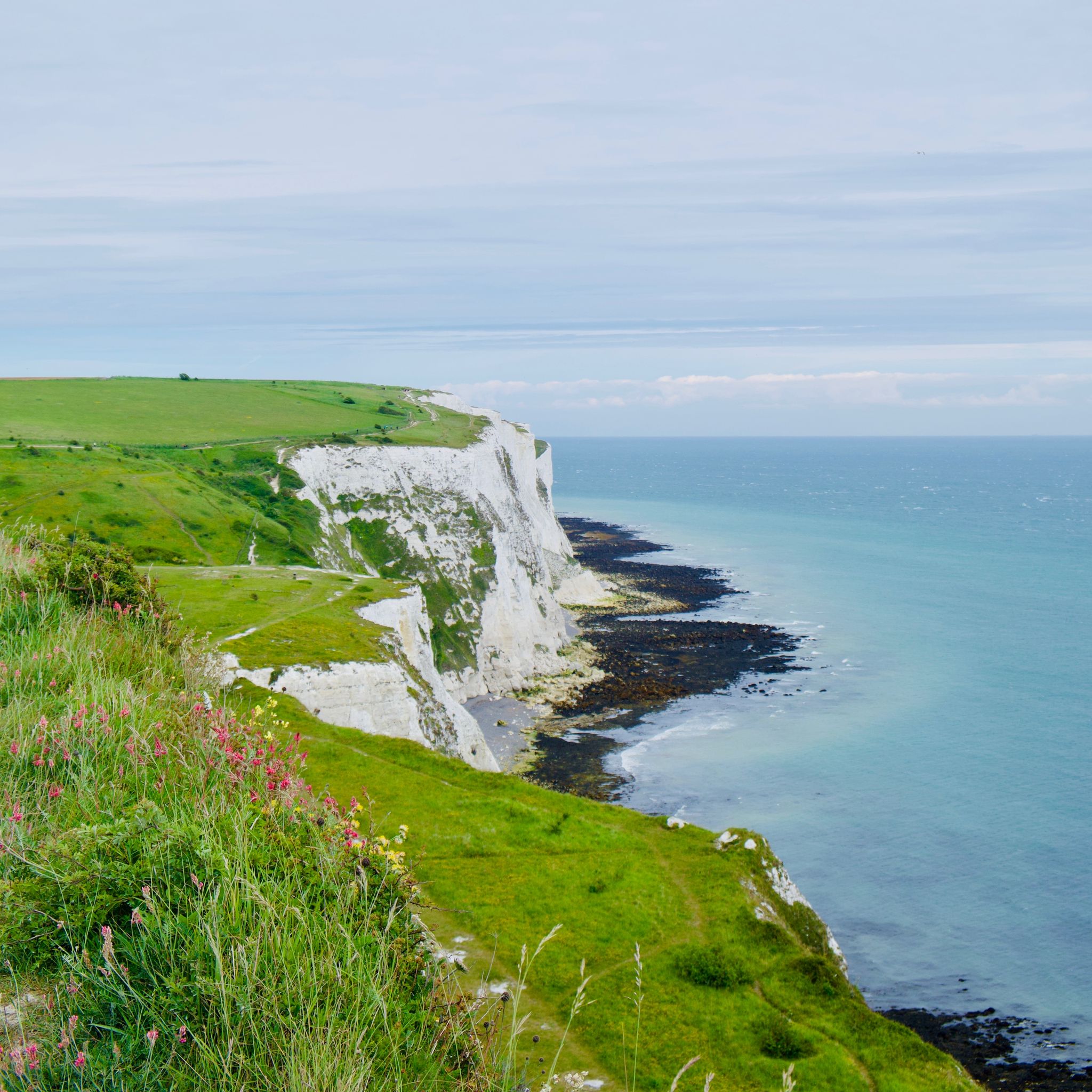
From Amsterdam to London - along the North Sea and across the water
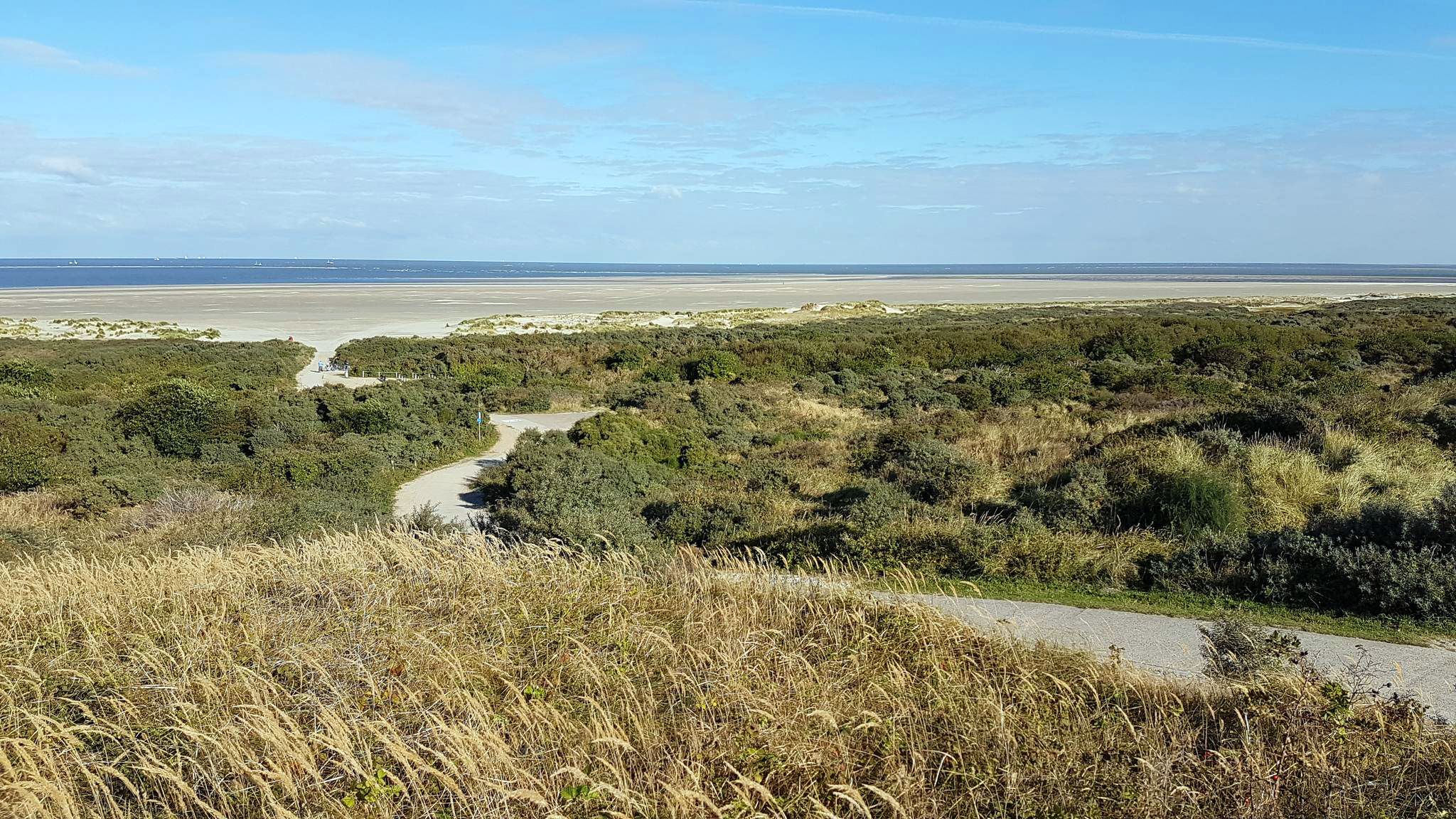
The North Sea Coast Cycle Route — Netherlands and Belgium
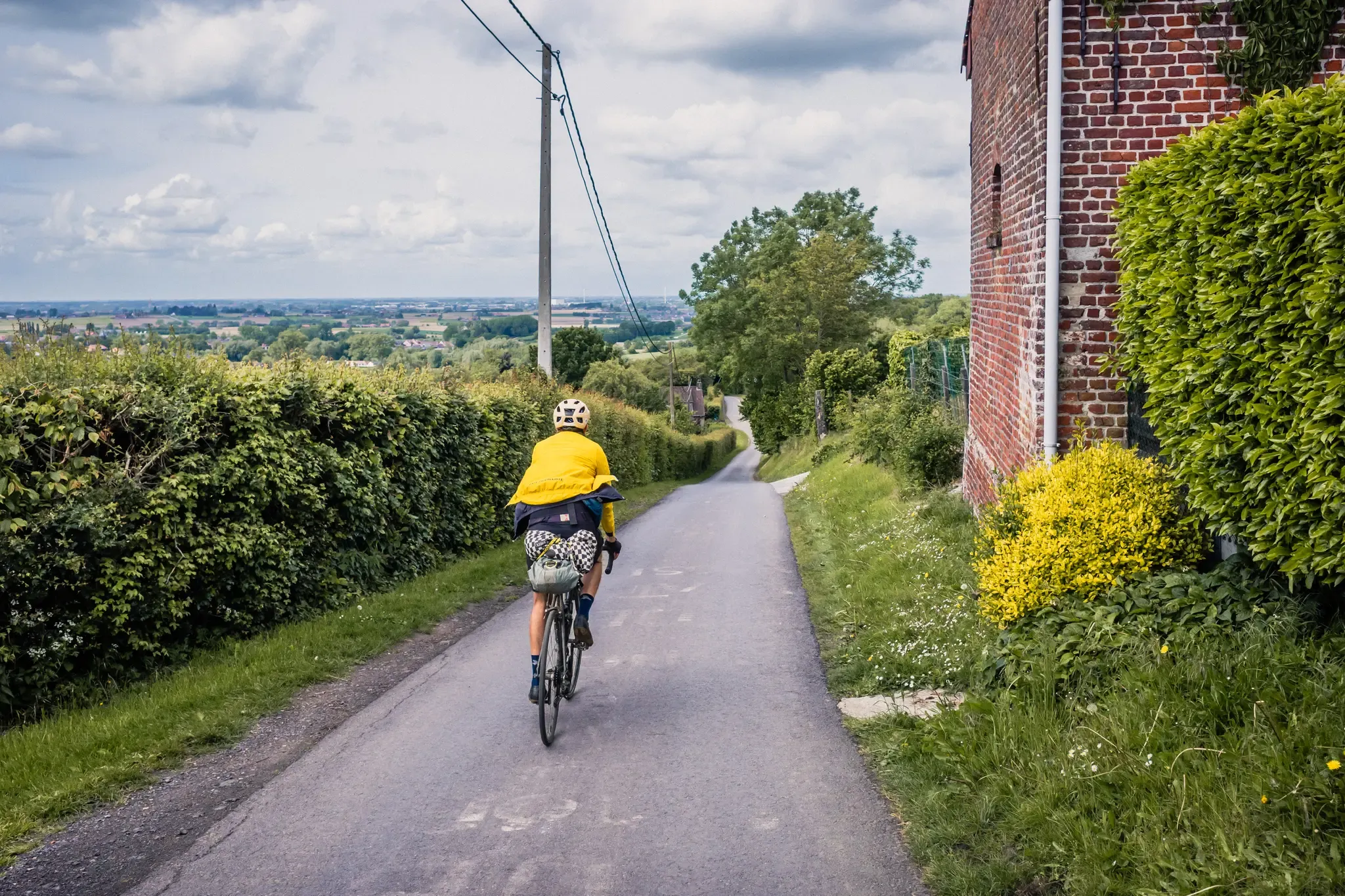
The Hilly Route from Brussels to Poperinge – bikepacking in Flanders
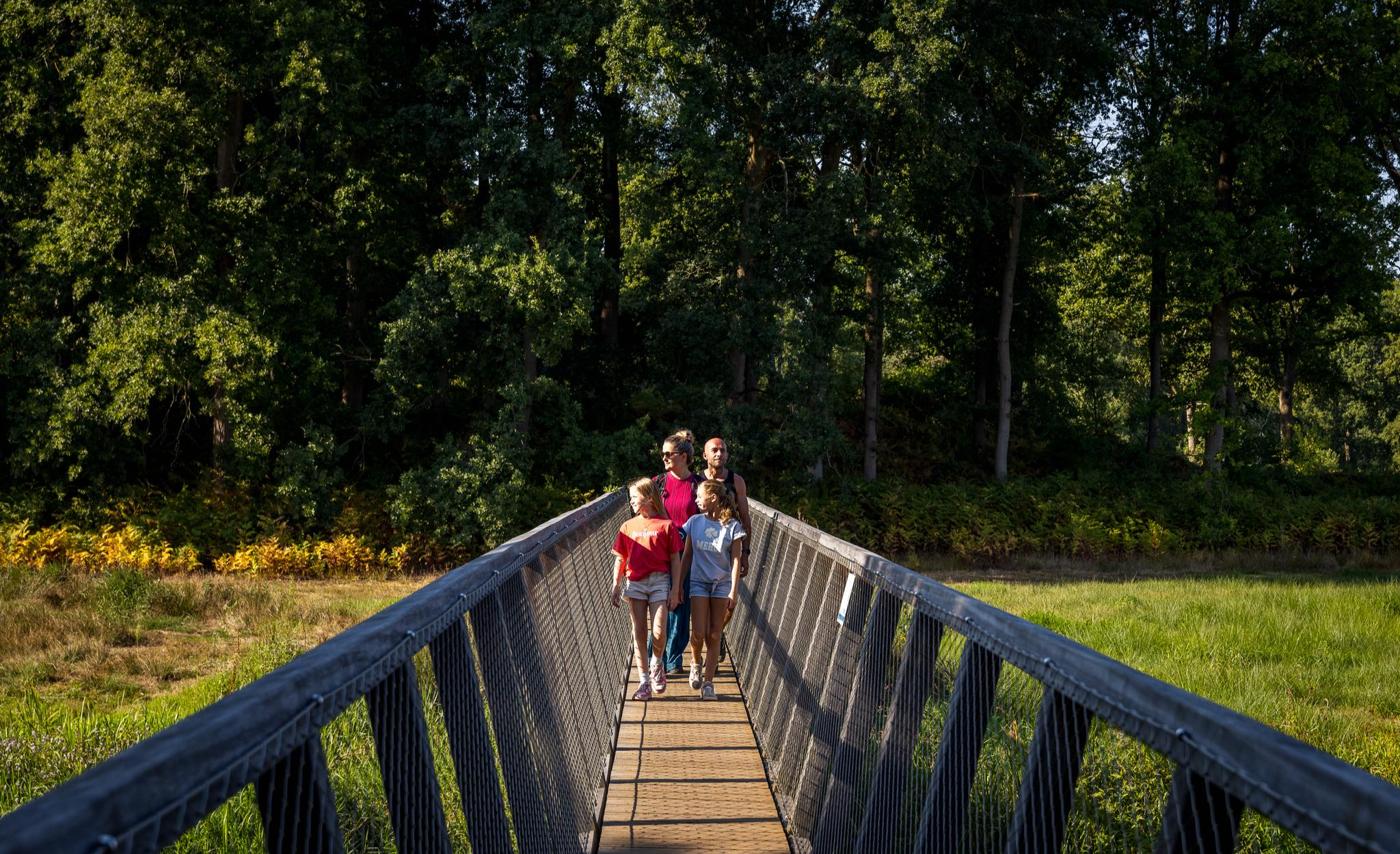
Flanders’ Finest Hiking Routes
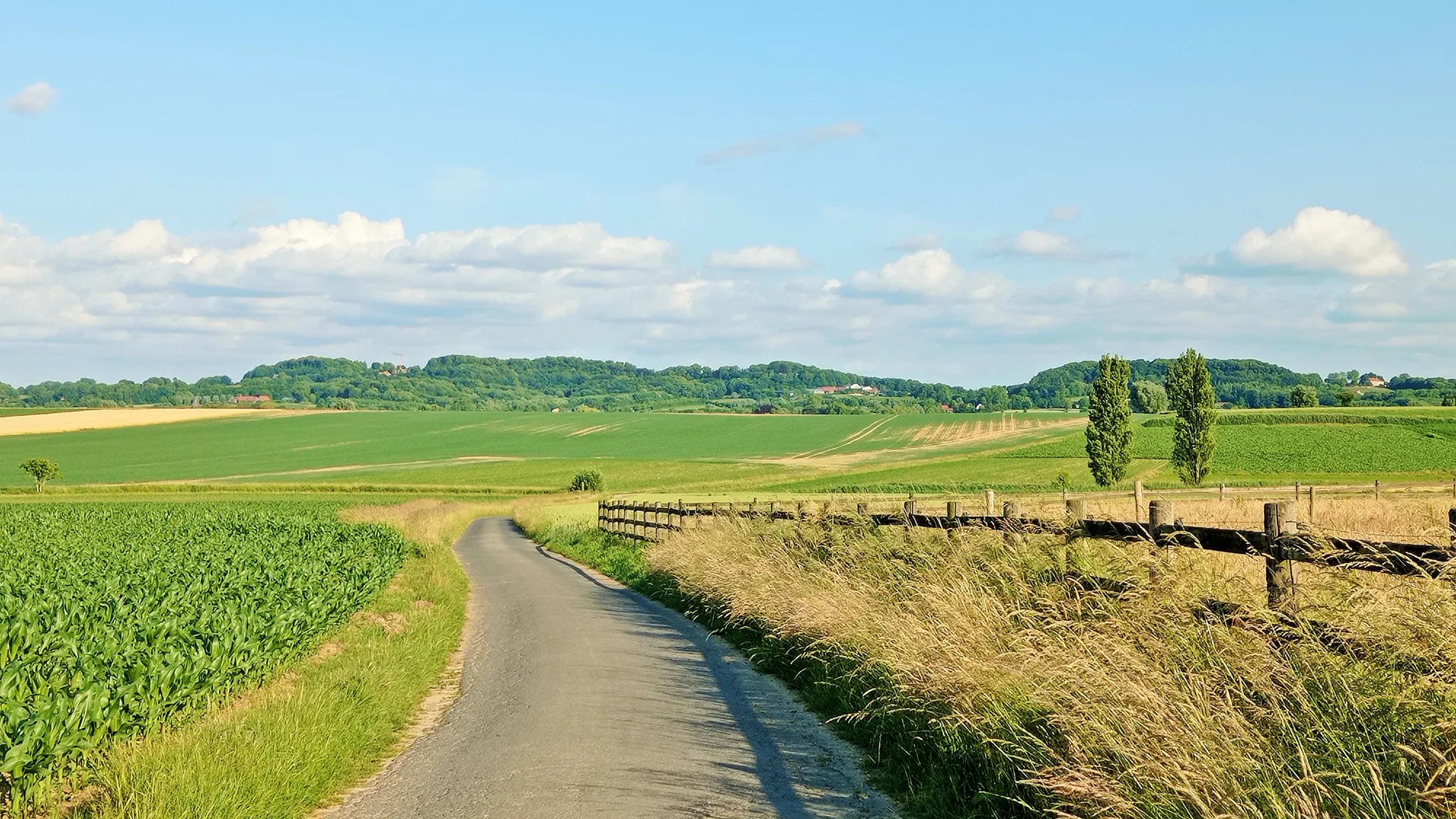
Seven-day Cycling tour through the South-Flemish hills – Hilly Route
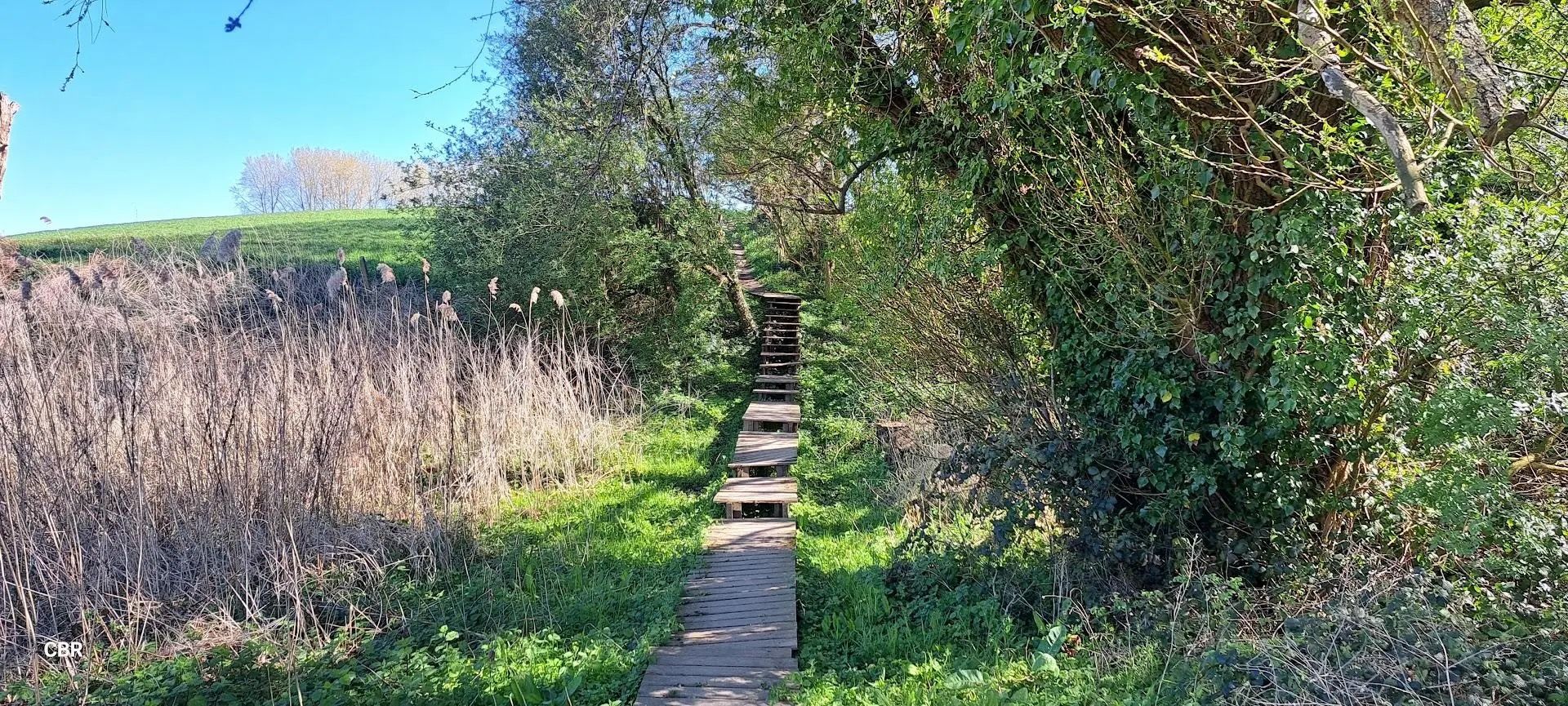
At the pace of the Westhoek - Streek-GR Heuvelland
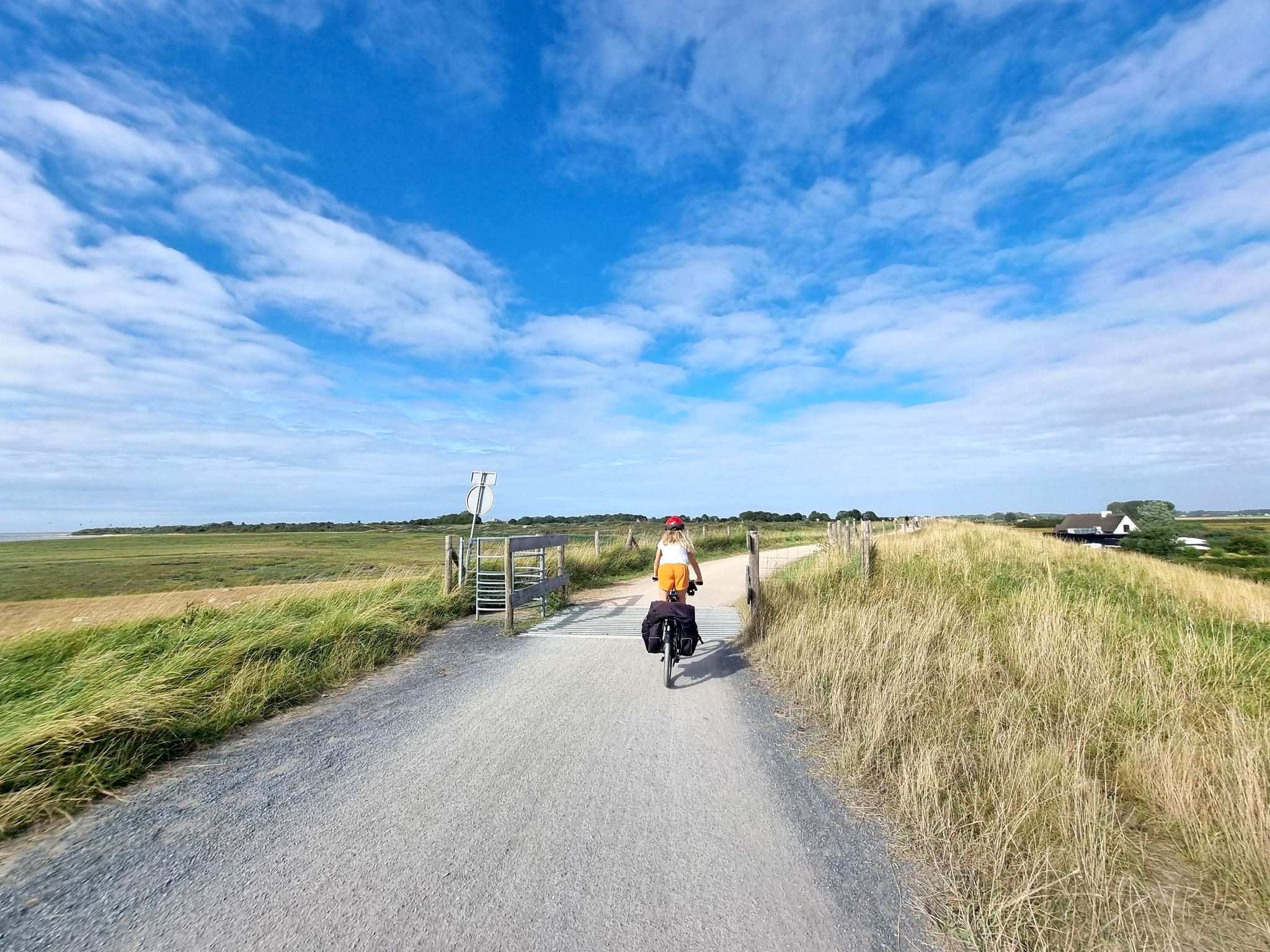
Sea, sand, and saddle – Coastal Route
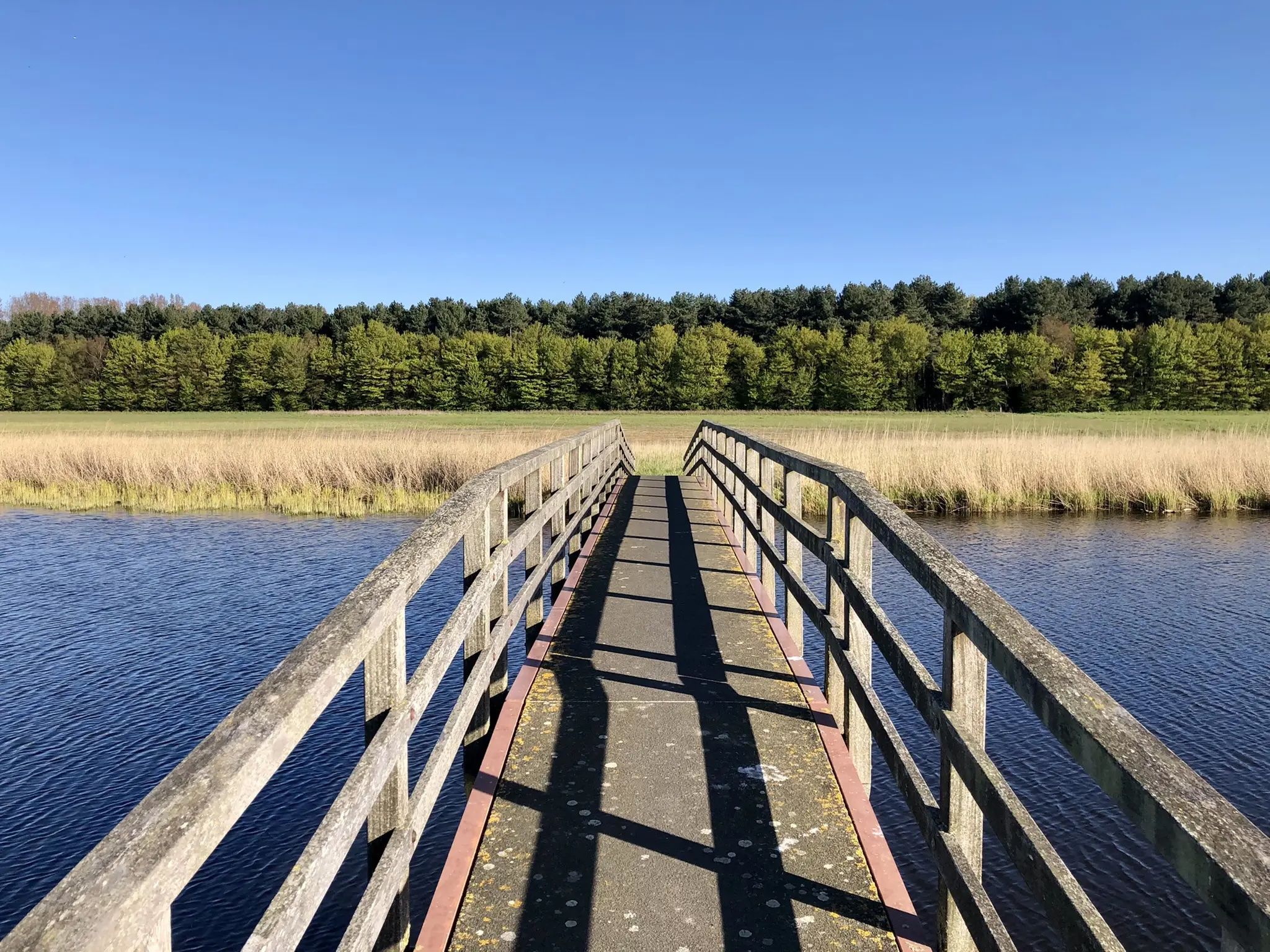
By West, East and Zeeuws-Vlaanderen — GR Uilenspiegel
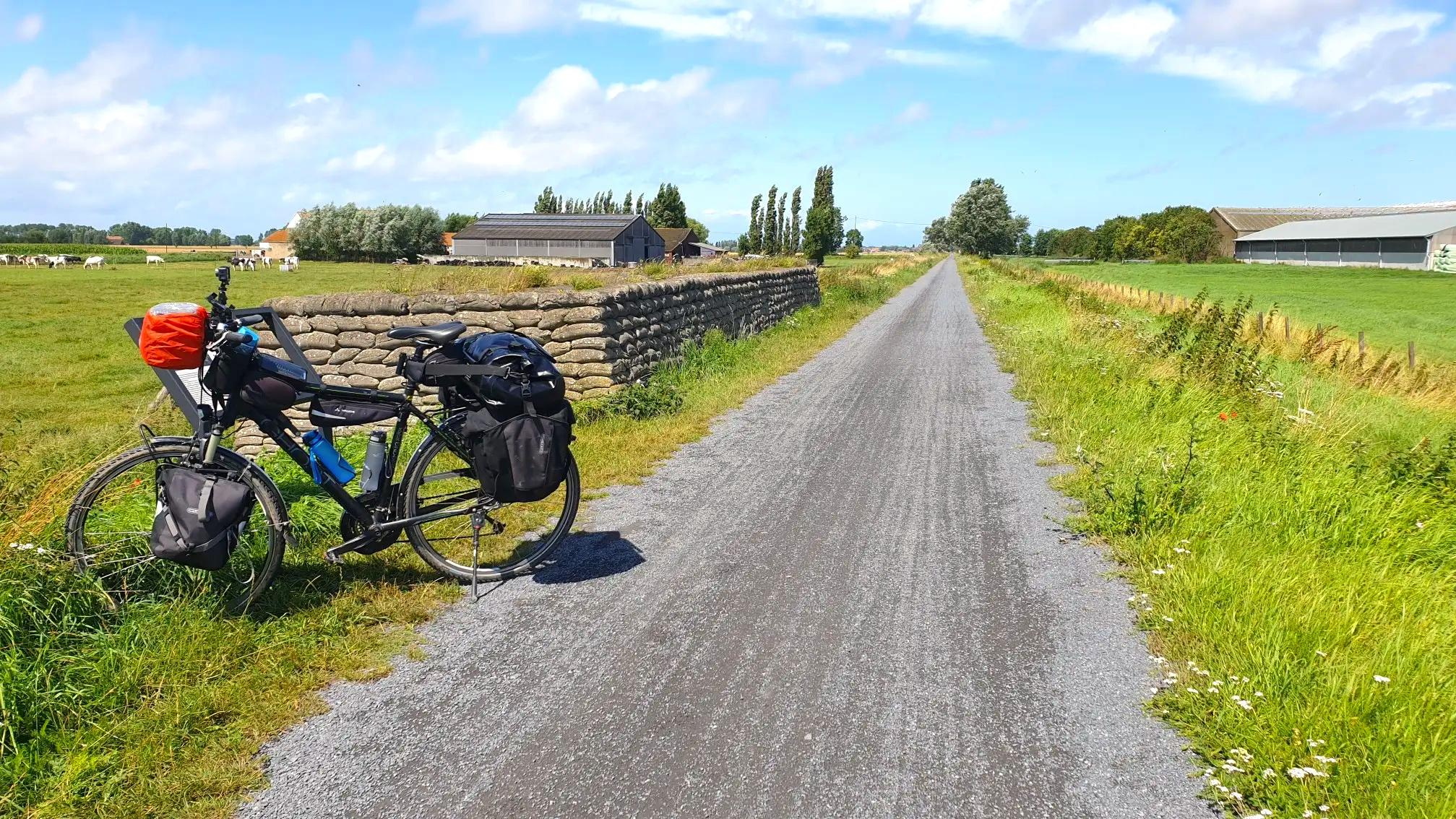
Cycling along the Belgian front - 14-18 Western Front Route
Other adventures in West Flanders


Tips from the Community

Den Ijzer, always beautiful!
0
0

An incredible number of canals intersect here.
4
0

Very nice view of the monument dedicated to King Albert.
1
0

The Ganzepoot in Nieuwpoort played a crucial role during the First World War. This lock complex, where six waterways meet, was used to stop the German advance by flooding the surrounding areas. On 29 October 1914, Hendrik Geeraert and Fernand Ume opened the locks, flooding the IJzervlakte and stopping the German troops. The lock complex was completely destroyed during the war, but was rebuilt in a slightly modified form after the hostilities. Today, there are several memorials at the Ganzepoot, including a monument for King Albert I and a memorial plaque for the military lock keepers.
9
0
The Yser is historically important because of the role it played during the First World War. The river formed a natural defense line and was the scene of fierce fighting. Today, you can find various monuments and memorials along the Yser that commemorate this period, such as the Yser Monument at the Ganzepoot. Here on the left bank of the Yser estuary, the cycle route "cycling along the front line of the First World War" also begins. (Nieuwpoort - Bazel)
5
0

The Schellemolen is a stone windmill in Damme, Belgium. The white-painted mountain mill dates from 1867 and replaced an earlier standard mill. There has been a mill on this spot along the Damse Vaart since 1479. The mill is equipped with two pairs of stones and an oil mill in the basement. The mill operation was stopped in 1963, after which the Schellemolen fell into disrepair. In 1971 the province of West Flanders bought the mill and had it restored. In 1977 it was able to grind again. The mill can be visited every weekend from April 1 to September 20.
3
0

Windmills, just as you would imagine in this area.
6
1

Impressive buildings, cafes and parks invite you to linger
5
1
Frequently Asked Questions
What historical sites are a must-see in West Flanders?
West Flanders is rich in history. Beyond the iconic Market Square, Bruges, with its impressive Belfry, you should visit the Bruges Town Hall, one of the oldest in the Low Countries. For a poignant look into World War I, explore Ypres, home to the Menin Gate Memorial and the In Flanders Fields Museum. Diksmuide also offers significant WWI sites like the Yser Tower and the Trench of Death.
Are there any natural attractions or reserves to explore in West Flanders?
Absolutely! The region boasts diverse natural beauty. The Zwin Nature Reserve near Knokke-Heist is a haven for seabirds and unique salt plants, where you can even spot storks in spring. You can also explore the sandy dunes of De Westhoek Nature Reserve near De Panne or the serene rolling hills of Heuvelland, which includes Kemmelberg, the province's highest point.
What are some family-friendly attractions in West Flanders?
Many attractions in West Flanders are suitable for families. The medieval charm of Bruges, with its Bruges Canals boat tours and museums like Choco-Story and Frietmuseum, is always a hit. Coastal towns like Ostend offer sandy beaches and promenades. The Zwin Nature Reserve provides an engaging outdoor experience for all ages.
Where can I experience the unique atmosphere of Bruges' canals?
The Bruges Canals (Brugse Reien) are central to the city's charm. You can take a boat tour to discover hidden gardens and historic facades, or simply stroll along the waterways. The Bonifacius Bridge offers a particularly picturesque spot with views of the canals and historic buildings, perfect for photos.
What outdoor activities are popular in West Flanders?
West Flanders is excellent for outdoor enthusiasts. The generally flat landscape, with some hilly exceptions in Heuvelland, is ideal for cycling and hiking. You can find numerous routes along the coast and through the countryside. For specific cycling routes, explore the Road Cycling Routes in West Flanders or MTB Trails in West Flanders. There are also many Running Trails in West Flanders, including nature trails in areas like Het Zwin.
Are there any notable windmills or traditional structures to see?
Yes, the charming medieval town of Damme, easily accessible by bike from Bruges, features the historic Schellemolen Windmill. This stone windmill is a beautiful example of traditional architecture in the region.
Which towns offer a less crowded historical experience than Bruges?
If you're looking for historic charm with fewer crowds, consider visiting towns like Veurne, De Haan, or Poperinge. Veurne Market Square, for instance, offers an impressive skyline of pointed towers and decorated gables, providing a peaceful glimpse into the region's past.
What is the best time to visit West Flanders for outdoor activities?
The spring and summer months (May to September) are generally ideal for outdoor activities in West Flanders, offering pleasant weather for cycling, hiking, and enjoying the coast. Specifically, May and June are excellent for birdwatching, especially to see storks at the Zwin Nature Reserve.
Are there any wheelchair-accessible attractions in West Flanders?
Several key attractions in West Flanders offer wheelchair accessibility. The Market Square, Bruges, and Veurne Market Square are generally accessible, allowing visitors to experience the historic city centers. While specific routes vary, many urban areas and some coastal promenades are designed for easier access.
What is the significance of the King Albert I Monument?
The King Albert I Monument and the Ganzepoot Locks in Nieuwpoort commemorate King Albert I's role during World War I. It's a significant historical site that highlights the strategic importance of the locks in flooding the Yser plain to halt the German advance, a pivotal moment in Belgian history.
Where can I find information about the textile industry heritage in West Flanders?
Kortrijk, the largest city in the south of West Flanders, has a rich history tied to the textile industry. While specific highlights are not listed, the city itself offers insights into this heritage through its long history and architectural sites.
What kind of cycling experiences can I have in West Flanders?
West Flanders offers diverse cycling experiences, from leisurely rides along the coast to more challenging routes through the rolling hills of Heuvelland. You can explore medieval towns like Damme by bike or tackle longer distances on dedicated road cycling routes. For detailed options, check out the Road Cycling Routes in West Flanders guide.
Most popular routes in West Flanders
Most popular attractions in West Flanders

Get inspired with the komoot mobile app


Didn’t find what you were looking for?
Are you keen on exploring more awesome places nearby? Browse our guides:
Explore more
Still not found the Highlight you’re looking for? See guides of the top attractions in other regions:
