The best gravel rides around Frossos
26
riders
5
rides
Gravel biking around Frossos, situated in Portugal's Braga district, offers diverse terrain for cycling. The region features a mix of river valleys, historical ecopistas, and hilly landscapes. Riders can expect varied surfaces, from packed earth to loose gravel and forest paths, providing a dynamic experience. The area's extensive network of unpaved roads allows for exploration away from traffic.
Best gravel bike trails around Frossos
- The most popular gravel bike trail is Barcelos Historic Centre – Fão Bridge loop from Braga…
Last updated: July 11, 2026
7
riders
84.9km
06:00
1,140m
1,140m
Hard gravel ride. Very good fitness required. Mostly paved surfaces. Suitable for all skill levels.
6
riders
42.3km
03:13
510m
510m
Hard gravel ride. Very good fitness required. Mostly paved surfaces. Suitable for all skill levels.

Sign up for free
7
riders
43.6km
03:13
460m
460m
Hard gravel ride. Very good fitness required. Mostly paved surfaces. Suitable for all skill levels.
3
riders
48.4km
03:46
800m
800m
Hard gravel ride. Very good fitness required. Mostly paved surfaces. Suitable for all skill levels.
3
riders
49.4km
03:27
650m
650m
Hard gravel ride. Very good fitness required. You may need to push your bike for some segments of this route.
Our route recommendations are based on thousands of hikes, rides, and runs completed by other people on komoot.
Start today with a free account
Your next adventure awaits.
Login or Signup
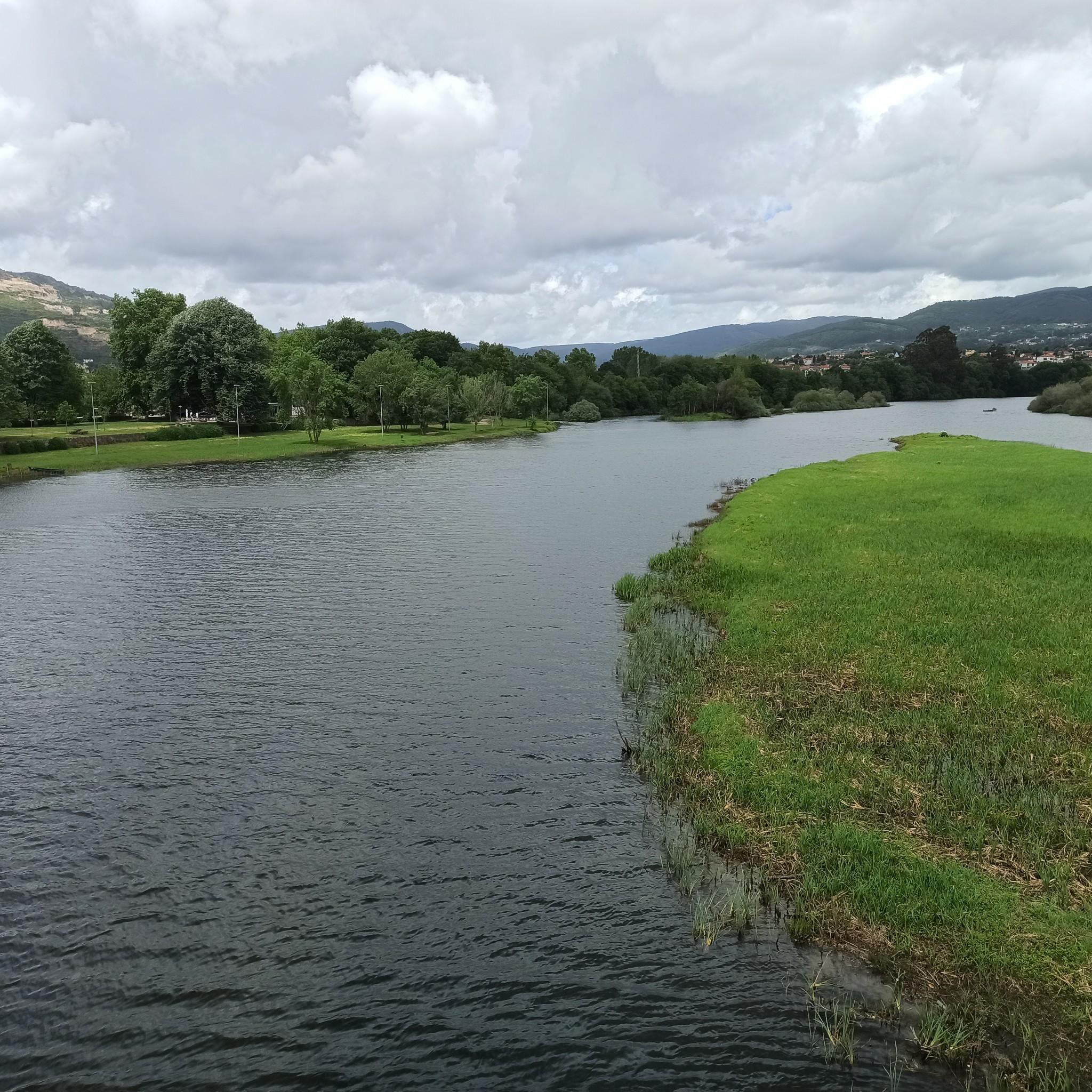
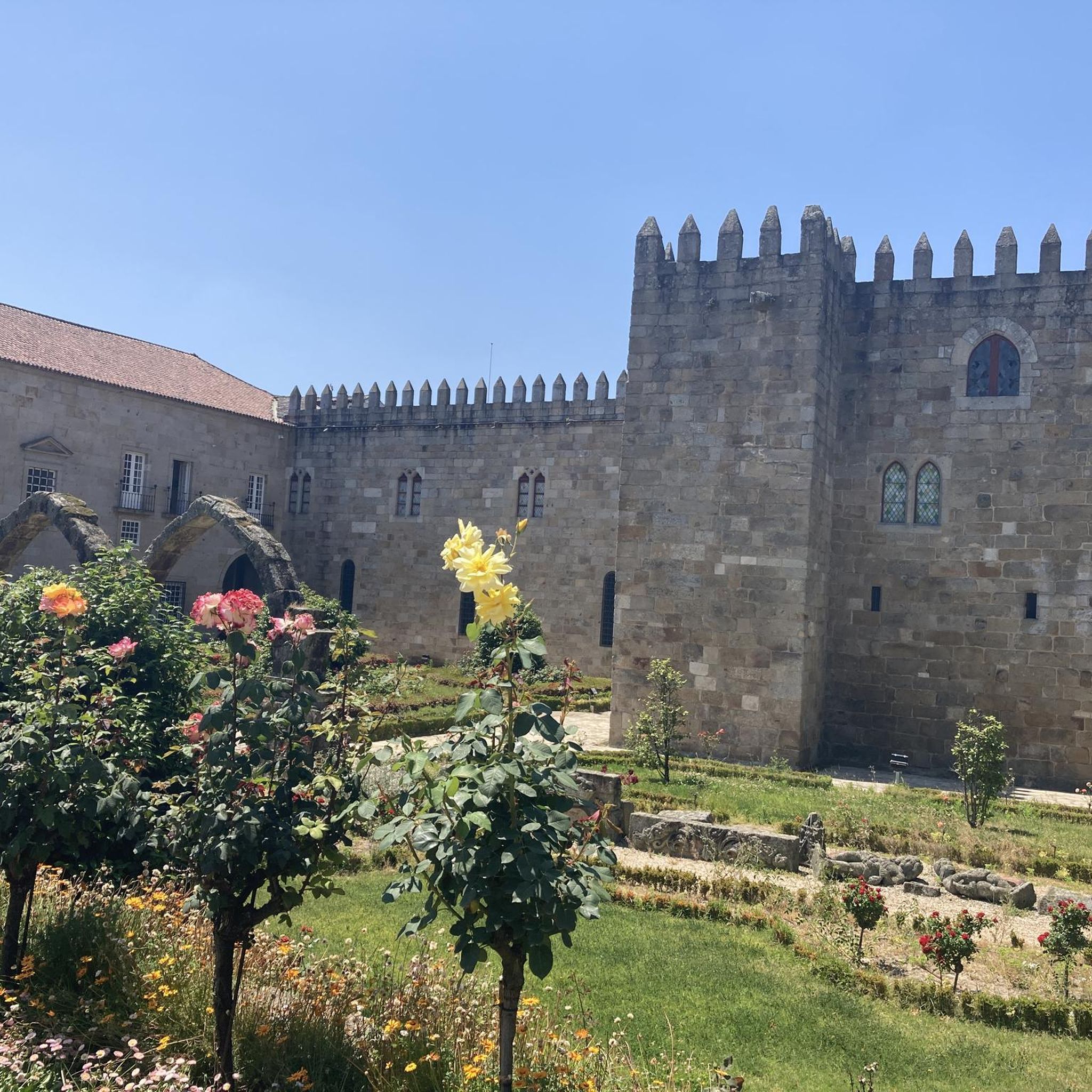
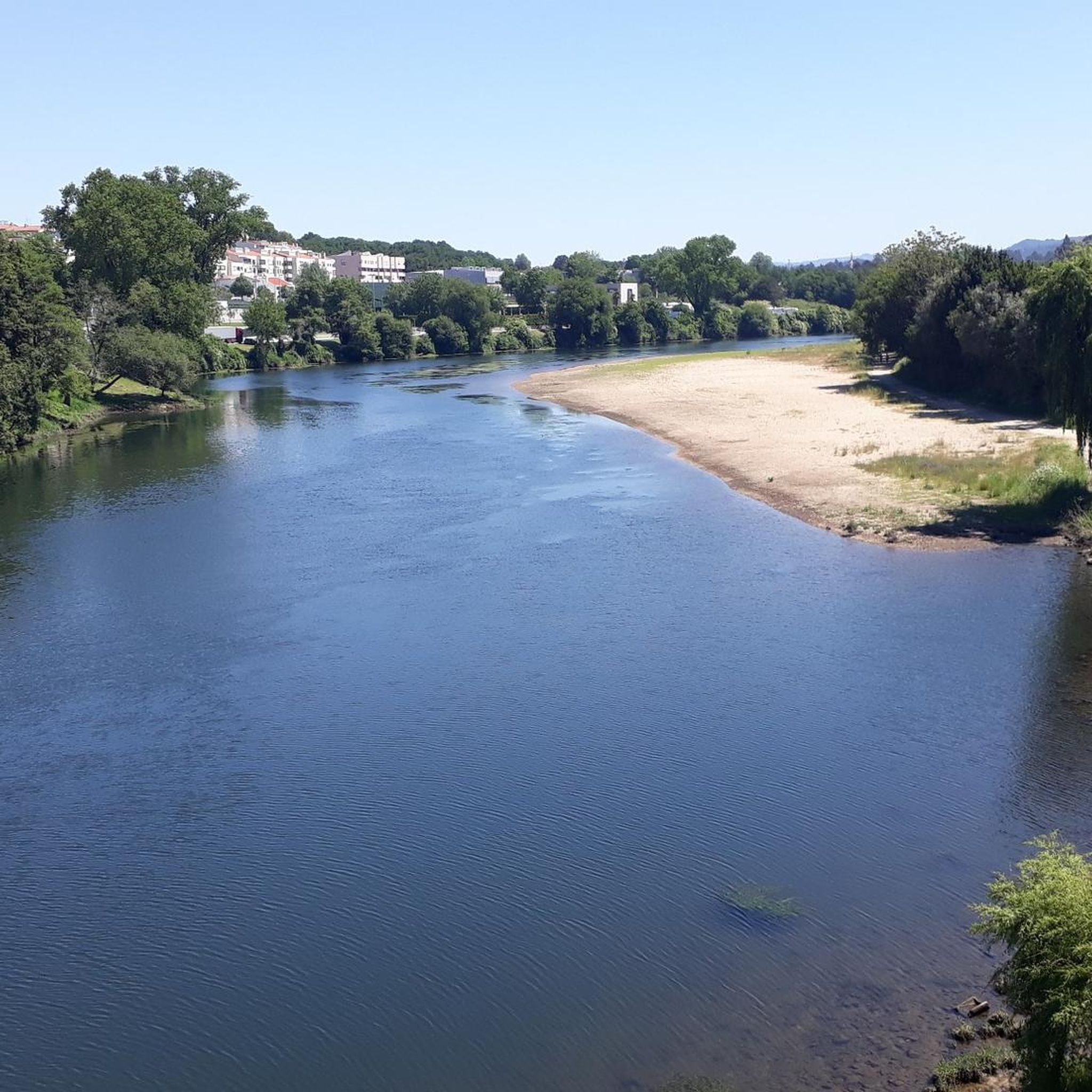

Tips from the Community

The Metal Bridge of Fão (Esposende) Location: It crosses the Cávado River, on National Road 13 (EN13), in the parish of Fão, in Esposende. Alternative Name: It is frequently referred to as the D. Luís Filipe Bridge. History: It is a significant example of iron architecture in Portugal, inaugurated on August 7, 1892. Characteristics: The bridge, which is a Property of Public Interest, has an extensive metal structure and has recently been rehabilitated.
2
0
In Esposende, the main historical bridge that crosses the Cávado River is the Ponte Metálica de Fão, also known locally as Ponte D. Luís Filipe.
2
0
Architecture and Highlights The building is an example of local religious architecture, with a T-shaped floor plan and a single nave, resulting from expansions of the original chancel. Style: Combines Baroque, Rococo, and Neoclassical elements. Facade: The main facade has a gable, flanked by a quadrangular bell tower. The main portal with a segmental arch is topped by an aedicule that houses the image of the patron saint. Interior: The interior, although simple, is well preserved and inviting to prayer, as noted by visitors.
1
0
The Parish Church of Santa Maria de Martim, located in the parish of Martim, in the municipality of Barcelos, is a remarkable religious building with architectural elements ranging from Baroque to Neoclassical.
1
0
The church is open for visitation and prayer most days, with specific times for Masses. Opening Hours: Monday to Sunday: 10:00–12:00 and 15:00–19:30. Mass Times (subject to change, please check the official website): Tuesday: 7:00 PM. Thursday: 7:00 PM. Saturday: 5:30 PM. Sunday: 11:00 AM.
1
0
The church was built in the 14th century in a transitional style between Romanesque and Gothic, on the foundations of an earlier 11th-century church. Main Features: Style: Transitional Gothic and Romanesque, with Renaissance and Baroque additions throughout the centuries. Interior: It has three naves, notably featuring 14 blue and white tile panels that cover much of the walls, dating from the 17th and 18th centuries. Notable Elements: The chancel vault is a Manueline work (early 16th century), and the main façade features a Neo-Gothic rose window, the result of a 20th-century restoration. Heritage: The church houses notable altarpieces and funerary monuments of important families, such as the Pinheiro family. The Parish Church of Santa Maria de Barcelos is a point of historical and architectural interest for tourists and pilgrims traveling the Camino de Santiago.
1
0
The Parish Church of Santa Maria de Barcelos, also known as the Collegiate Church, is the main religious temple in the city of Barcelos and a National Monument of Portugal.
1
0

Frequently Asked Questions
What kind of terrain can I expect on gravel bike trails around Frossos?
Gravel biking around Frossos, located in Portugal's Braga district, offers a diverse mix of landscapes. You'll encounter river valleys, historical ecopistas (converted railway lines), and hilly terrain. The surfaces vary significantly, from smooth packed earth to loose gravel, rocky sections, and forest paths, providing a dynamic riding experience.
Are there any easy gravel bike routes suitable for beginners in Frossos?
The gravel routes directly around Frossos, as listed in this guide, are generally considered challenging due to their distances and elevation gains. For example, routes like the Barcelos Historic Centre – Fão Bridge loop from Braga are over 50 miles long. While the region offers varied terrain, many routes present challenging ascents and descents, making them more suitable for experienced gravel bikers.
Can I find circular gravel bike routes in the Frossos area?
Yes, several routes in the Frossos area are designed as loops. For instance, the Parque Perez – Riverside Path loop from Braga and the Riverside Path – Parque Perez loop from Vila de Prado are excellent examples of circular routes that allow you to start and finish in the same location.
What are some notable viewpoints or places to explore along the gravel routes?
While riding, you'll pass through picturesque landscapes including lush forests and agricultural lands. The region is also rich in history and culture. You might consider extending your ride to visit attractions like the Sanctuary of Bom Jesus do Monte or the Raio Palace, which are significant landmarks in the broader Braga district.
Are there any riverside gravel paths in the Frossos region?
Absolutely. The region is known for its river valleys. You'll find tranquil gravel paths, such as those along the Vouga River, which offer a pleasant riding experience alongside the water. Routes like the Parque Perez – Riverside Path loop from Braga specifically highlight scenic riverside sections.
What is the best time of year for gravel biking in Frossos?
The Braga district, where Frossos is located, generally offers pleasant conditions for cycling for much of the year. Spring and autumn typically provide mild temperatures and less rainfall, making them ideal. Summers can be warm, so early morning or late afternoon rides are recommended, while winters are generally mild but can have more rain.
How many gravel bike trails are available in this guide for Frossos?
This guide features 5 distinct gravel bike trails around Frossos. These routes are curated to showcase the best of the region's diverse terrain, offering challenging and rewarding experiences for gravel bikers.
What do other komoot users say about gravel biking in Frossos?
Dozens of komoot users have explored the gravel trails around Frossos. They often praise the varied terrain, which includes river valleys, historical ecopistas, and hilly sections, providing a dynamic and engaging riding experience away from traffic.
Are there any routes that combine historical sites with natural landscapes?
Yes, the region's routes often blend natural beauty with cultural heritage. For example, the Barcelos Historic Centre – Fão Bridge loop from Braga explores historical areas while following a scenic river path, allowing you to combine physical activity with cultural exploration.
What kind of natural beauty can I expect to see on the trails?
The Frossos area is characterized by lush forests, agricultural lands, and river valleys. You'll ride through picturesque landscapes, enjoying the tranquility of nature, especially along the unpaved roads that follow rivers like the Vouga.
Are there any routes that start from or pass through Braga?
Yes, several routes are accessible from or pass through Braga. The Barcelos Historic Centre – Fão Bridge loop from Braga and the Parque Perez – Riverside Path loop from Braga both originate from Braga, offering convenient starting points for exploring the surrounding gravel trails.
What is the typical difficulty level of gravel routes near Frossos?
The gravel routes highlighted in this guide for the Frossos area are generally classified as difficult. They feature significant distances, such as the Barcelos Historic Centre – Fão Bridge loop from Braga at 52.6 miles, and considerable elevation gains, making them suitable for experienced riders seeking a challenge.
Most popular attractions around Frossos

Get inspired with the komoot mobile app


Explore more
Browse the best Gravel rides in other regions.
