The best gravel rides around Espinho
5.0
(1)
27
riders
3
rides
Gravel biking around Espinho offers diverse landscapes, from coastal paths to dune systems. The region is characterized by extensive beaches, protected dune landscapes, and coastal lagoons, providing varied terrain for gravel bikers. While the immediate Espinho area features mostly flat terrain, the broader region includes routes with significant elevation changes. This mix allows for both accessible rides along the Atlantic coast and more challenging inland explorations.
Best gravel bike trails around Espinho
- The most popular gravel bike trail is Barcelos…
Last updated: September 30, 2026
5.0
(1)
8
riders
84.0km
05:58
1,130m
1,130m
Hard gravel ride. Very good fitness required. Mostly paved surfaces. Suitable for all skill levels.
6
riders
42.1km
03:12
510m
510m
Hard gravel ride. Very good fitness required. Mostly paved surfaces. Suitable for all skill levels.

5
riders
43.6km
03:13
460m
460m
Hard gravel ride. Very good fitness required. Mostly paved surfaces. Suitable for all skill levels.
3
riders
44.9km
03:27
700m
700m
Hard gravel ride. Very good fitness required. Mostly paved surfaces. Suitable for all skill levels.
3
riders
49.4km
03:28
650m
650m
Hard gravel ride. Very good fitness required. You may need to push your bike for some segments of this route.
Our route recommendations are based on thousands of hikes, rides, and runs completed by other people on komoot.
Start today with a free account
Your next adventure awaits.
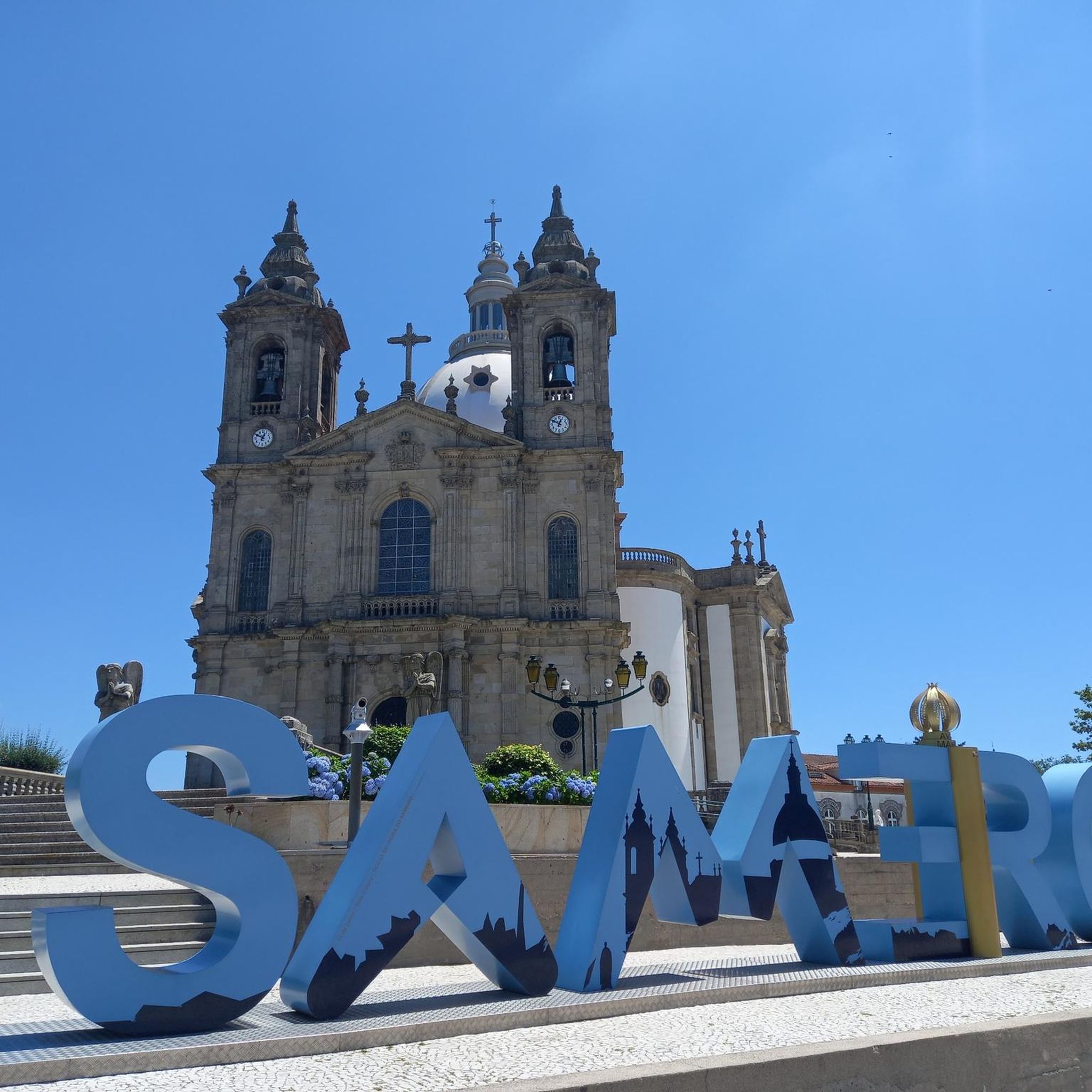
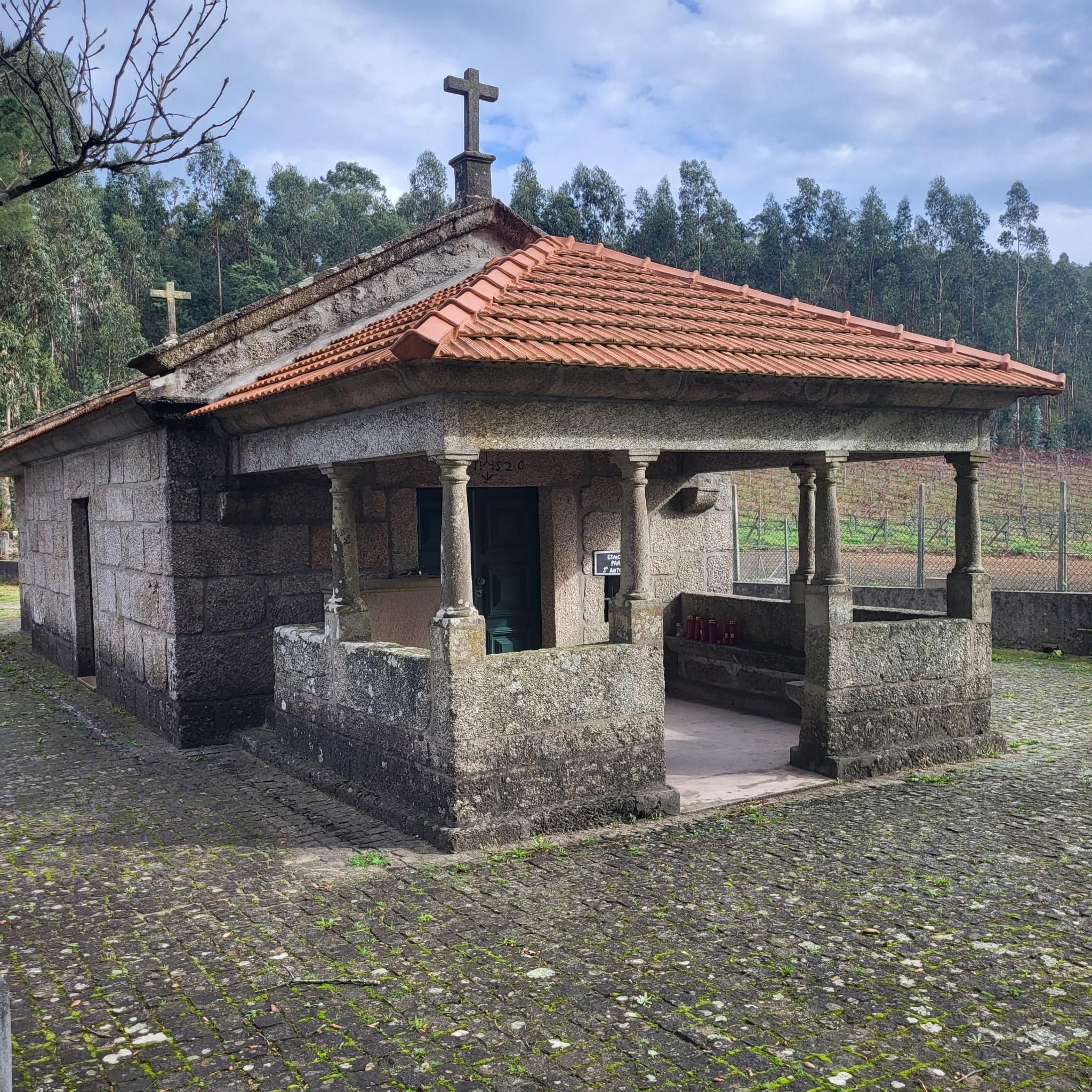
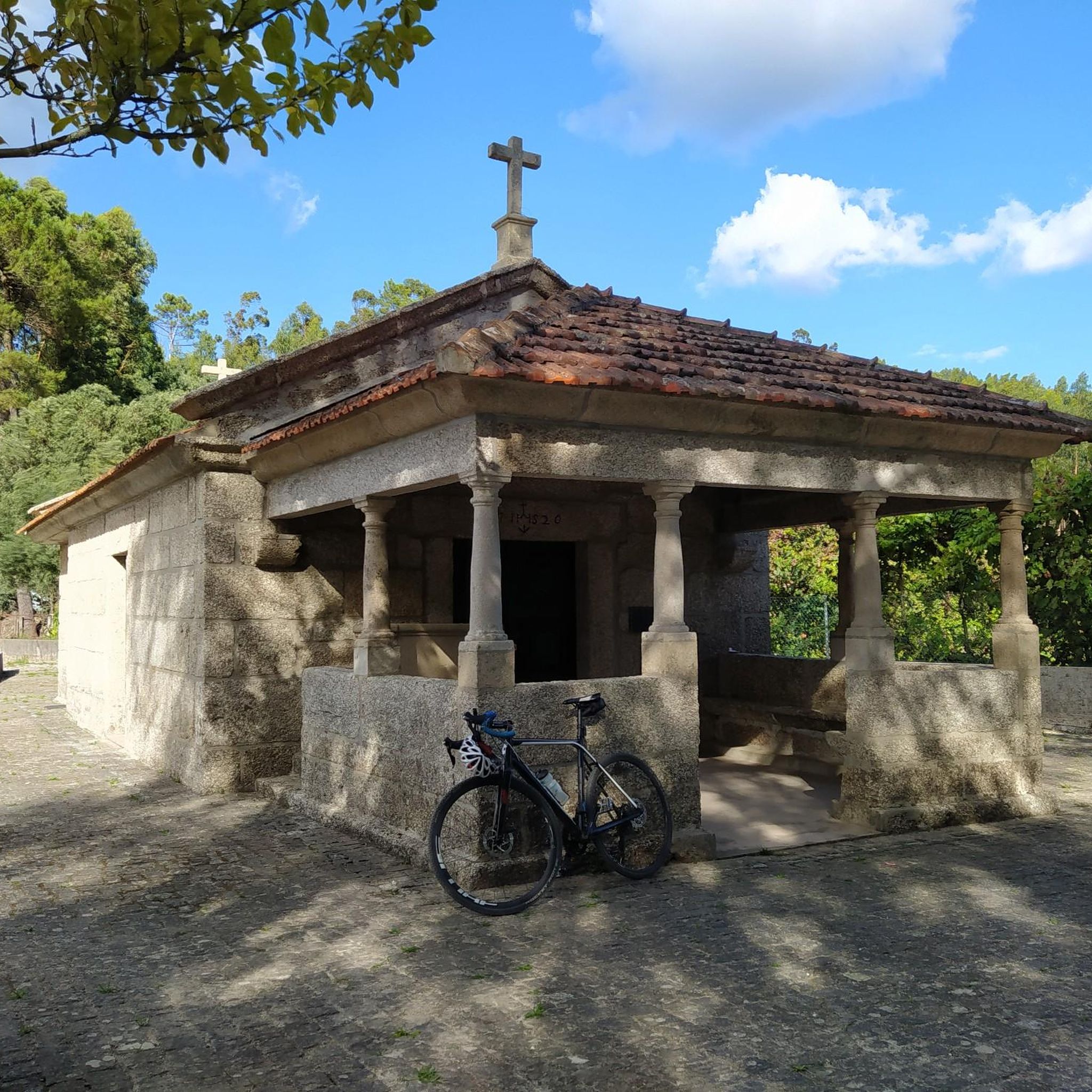
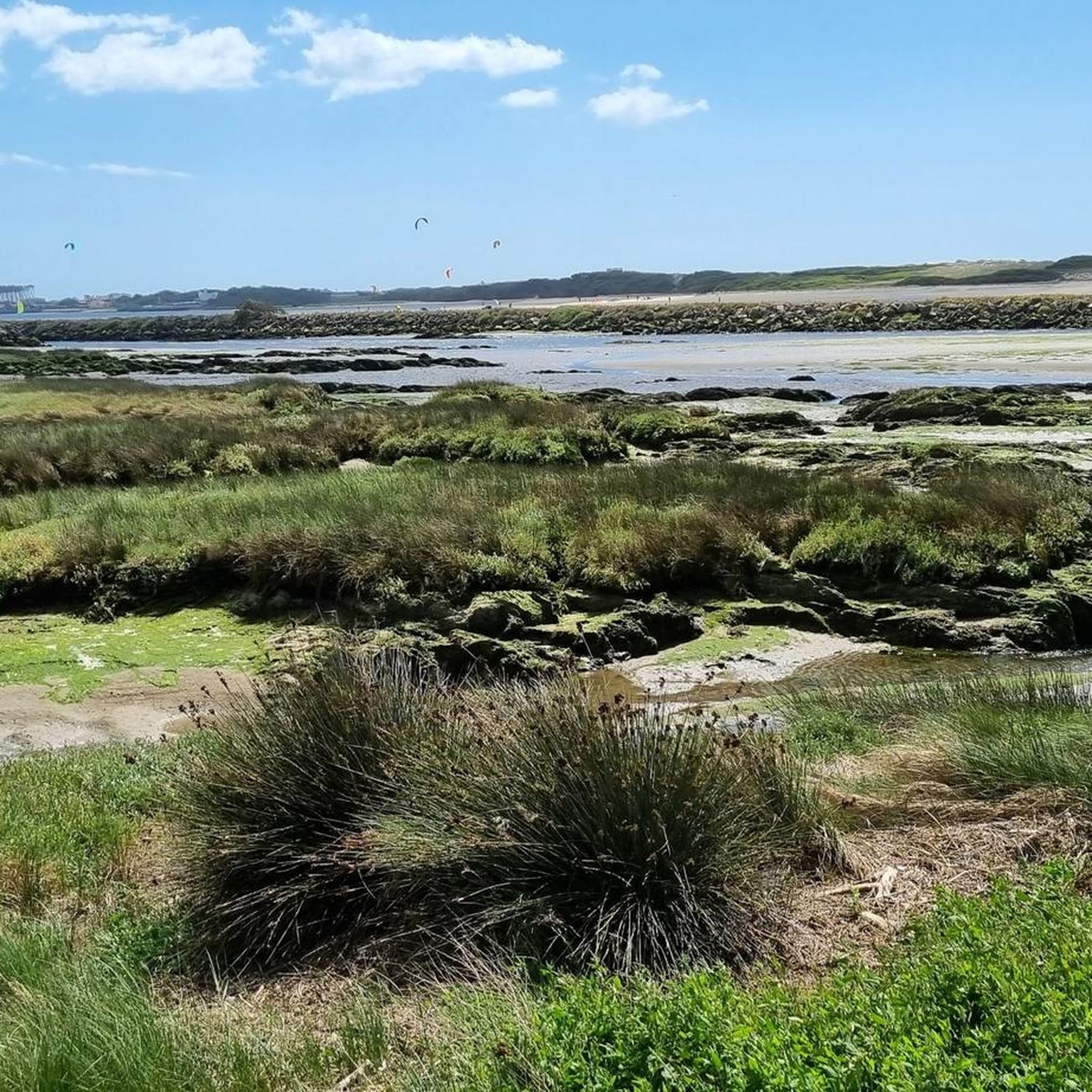

Tips from the Community

The Metal Bridge of Fão (Esposende) Location: It crosses the Cávado River, on National Road 13 (EN13), in the parish of Fão, in Esposende. Alternative Name: It is frequently referred to as the D. Luís Filipe Bridge. History: It is a significant example of iron architecture in Portugal, inaugurated on August 7, 1892. Characteristics: The bridge, which is a Property of Public Interest, has an extensive metal structure and has recently been rehabilitated.
2
0
In Esposende, the main historical bridge that crosses the Cávado River is the Ponte Metálica de Fão, also known locally as Ponte D. Luís Filipe.
2
0
Architecture and Highlights The building is an example of local religious architecture, with a T-shaped floor plan and a single nave, resulting from expansions of the original chancel. Style: Combines Baroque, Rococo, and Neoclassical elements. Facade: The main facade has a gable, flanked by a quadrangular bell tower. The main portal with a segmental arch is topped by an aedicule that houses the image of the patron saint. Interior: The interior, although simple, is well preserved and inviting to prayer, as noted by visitors.
1
0
The Parish Church of Santa Maria de Martim, located in the parish of Martim, in the municipality of Barcelos, is a remarkable religious building with architectural elements ranging from Baroque to Neoclassical.
1
0
The church is open for visitation and prayer most days, with specific times for Masses. Opening Hours: Monday to Sunday: 10:00–12:00 and 15:00–19:30. Mass Times (subject to change, please check the official website): Tuesday: 7:00 PM. Thursday: 7:00 PM. Saturday: 5:30 PM. Sunday: 11:00 AM.
1
0
The church was built in the 14th century in a transitional style between Romanesque and Gothic, on the foundations of an earlier 11th-century church. Main Features: Style: Transitional Gothic and Romanesque, with Renaissance and Baroque additions throughout the centuries. Interior: It has three naves, notably featuring 14 blue and white tile panels that cover much of the walls, dating from the 17th and 18th centuries. Notable Elements: The chancel vault is a Manueline work (early 16th century), and the main façade features a Neo-Gothic rose window, the result of a 20th-century restoration. Heritage: The church houses notable altarpieces and funerary monuments of important families, such as the Pinheiro family. The Parish Church of Santa Maria de Barcelos is a point of historical and architectural interest for tourists and pilgrims traveling the Camino de Santiago.
1
0
The Parish Church of Santa Maria de Barcelos, also known as the Collegiate Church, is the main religious temple in the city of Barcelos and a National Monument of Portugal.
1
0

Frequently Asked Questions
What kind of terrain can I expect on gravel bike trails around Espinho?
Gravel biking around Espinho offers a diverse mix of terrain. You'll find extensive coastal paths, often flat with minimal elevation changes, making them accessible for various skill levels. The
Ecovia Litoral
is a prime example, offering dedicated paths along the Atlantic coast. Further inland, routes may traverse through protected dune systems and areas around theBarrinha de Esmoriz Nature Reserve
, which can include paths over wooden planks. While generally flat, some sections might involve gentle climbs over dunes, providing varied surfaces for gravel bikes.Are there any family-friendly gravel biking options in Espinho?
Yes, Espinho's predominantly flat coastal terrain and dedicated eco-paths make it very suitable for family-friendly gravel biking. The
Ecovia Litoral
is an excellent choice, offering nearly 12 kilometers of scenic, mostly flat paths along the coast, away from traffic. The wooden walkways around theBarrinha de Esmoriz Nature Reserve
also provide a safe and enjoyable environment for families to cycle and explore nature.Can I bring my dog on gravel bike trails in Espinho?
Many of the coastal paths and natural areas around Espinho are dog-friendly, especially if your dog is well-behaved and kept on a leash. Areas like the
Ecovia Litoral
and paths around theBarrinha de Esmoriz Nature Reserve
are popular for walks and cycling with pets. Always ensure you carry water for your dog and clean up after them to maintain the natural beauty of the trails.What are some natural attractions or viewpoints along gravel routes in Espinho?
Espinho's gravel routes are rich with natural beauty. Along the
Ecovia Litoral
, you'll enjoy stunning Atlantic ocean views, passing through dune systems and observing traditional fishing scenes. TheBarrinha de Esmoriz Nature Reserve
(Lagoa de Paramos) is a significant highlight, offering opportunities for birdwatching with over 100 bird species. The extensive beaches and protected dune landscapes themselves provide continuous scenic viewpoints.When is the best time of year for gravel biking in Espinho?
The best time for gravel biking in Espinho is generally during the spring (April to June) and autumn (September to October) months. During these periods, the weather is typically mild and pleasant, with less intense heat than summer and fewer crowds. Winter can also be suitable, but be prepared for cooler temperatures and a higher chance of rain, which might affect trail conditions on unpaved sections.
Are there any long-distance gravel cycling routes connecting Espinho to other areas?
Yes, Espinho serves as a great starting point for longer gravel cycling adventures. You can cycle along the coast towards Cortegaça and Furadouro, connecting to other ecopistas. The
Atlantic Cycle Path
(part of EuroVelo 1) offers paved sections through pine trees, and it's possible to extend rides towards Porto, such as the touring route from Espinho to Vila Nova de Gaia, or even longer loops like Espinho-Porto-Pedorido-Espinho.Are there circular gravel routes available around Espinho?
Many of the coastal paths and eco-routes around Espinho can be combined to form circular routes, allowing you to explore different sections of the coastline and natural reserves. For instance, you can combine sections of the
Ecovia Litoral
with inland paths or return via a different route to create a varied loop. Planning your route with a map or a GPS device will help you discover these possibilities.What are the public transport options for accessing gravel bike trails in Espinho?
Espinho is well-connected by public transport, making it easy to access the gravel bike trails. The town has a train station with regular connections, including to Porto, which can be convenient for reaching the starting points of various coastal and inland routes. Many of the coastal eco-paths, like the
Ecovia Litoral
, are easily accessible directly from the town center or nearby train stops.Where can I find parking for gravel biking in Espinho?
Espinho offers various parking options, especially near the beachfront and along the main avenues. Many of the coastal paths, including the
Ecovia Litoral
, are easily accessible from these parking areas. Look for public parking lots or street parking in the town center or near the beaches. Always check local signage for any parking restrictions or fees.Are there cafes or bike shops along the gravel routes in Espinho?
Espinho is a vibrant coastal town with plenty of amenities. You'll find numerous cafes, restaurants, and shops along the seafront promenade and in the town center, perfect for a break before or after your ride. While dedicated bike shops might be more concentrated in larger cities like Porto, there are usually local shops that can assist with basic repairs or supplies in Espinho.
Most popular attractions around Espinho

Get inspired with the komoot mobile app


Explore more
Browse the best Gravel rides in other regions.
