The best gravel rides around Santana De Cambas
13
riders
5
rides
Gravel bike trails around Santana De Cambas are situated within the Guadiana Valley Natural Park, offering diverse landscapes for cycling. The region features extensive Montado woodlands and Mediterranean scrubland, providing varied backdrops for routes. Cyclists can expect unpaved segments and dirt roads that traverse former mining landscapes and follow the Guadiana River, contributing to a mix of terrain. This area provides a natural environment suitable for gravel biking, with undulating paths and scenic riverine views.
Best gravel bike trails around…
Last updated: June 27, 2026
4
riders
Hard gravel ride. Very good fitness required. Mostly paved surfaces. Suitable for all skill levels.
4
riders
64.3km
04:27
710m
710m
Hard gravel ride. Very good fitness required. Mostly paved surfaces. Suitable for all skill levels.

Sign up for free
2
riders
29.3km
02:11
280m
280m
Moderate gravel ride. Good fitness required. Mostly paved surfaces. Suitable for all skill levels.
2
riders
41.7km
02:38
470m
470m
Hard gravel ride. Very good fitness required. Mostly paved surfaces. Suitable for all skill levels.
1
riders
62.3km
03:59
630m
630m
Hard gravel ride. Very good fitness required. Mostly paved surfaces. Suitable for all skill levels.
Our route recommendations are based on thousands of hikes, rides, and runs completed by other people on komoot.
Start today with a free account
Your next adventure awaits.
Login or Signup
Tips from the Community

The ruins of the Minas de São Domingos, located in the municipality of Mértola, Alentejo, constitute one of the most impressive and enigmatic abandoned industrial settings on the Iberian Peninsula. With origins dating back to Roman times, the complex experienced its peak under British management by the company Mason & Barry from 1854 onwards, becoming a true industrial enclave focused on the massive extraction of copper pyrite and sulfur until its closure in 1966. The abandonment gave way to an almost apocalyptic landscape, where reddish soils, acidic waters, and old degraded masonry structures attract photographers, the curious, and industrial tourism enthusiasts.👍🥾🚲
0
0
Mértola is a historic Portuguese border village located in the district of Beja, in the Baixo Alentejo sub-region. Popularly known as a "Museum Village", the settlement rises strategically on a rocky outcrop at the confluence of the Oeiras stream with the Guadiana River. As this is the last navigable post of the river, the village has played a crucial commercial and military role for various civilizations over the centuries.👍🥾🚲
0
0
Mértola is a beautiful Alentejo village, bathed by the Guadiana River. It has a walking trail that I did and really enjoyed. 👍🥾
1
0

The Hermitage of Our Lady of La Peña in Puebla de Guzmán (Huelva) is one of the most emblematic sanctuaries in the Andévalo region of Huelva province, with a deep spiritual, artistic, and cultural tradition. Location: On Cerro del Águila (Eagle Hill), about 4 km from the town center. Origin: Probably built in the 16th century, with significant renovations in the 17th century, 1960, and 1992. Founding legend: According to tradition, the Virgin Mary appeared to the shepherd Alonso Gómez in the 15th century, who was instructed to build a hermitage on that site.
4
0


On the south bank of the Guadiana, before crossing into the city, you have a beautiful view of Mértola, especially with its castle at the top of the hill and the rest of the city spread out over the hill.
2
0
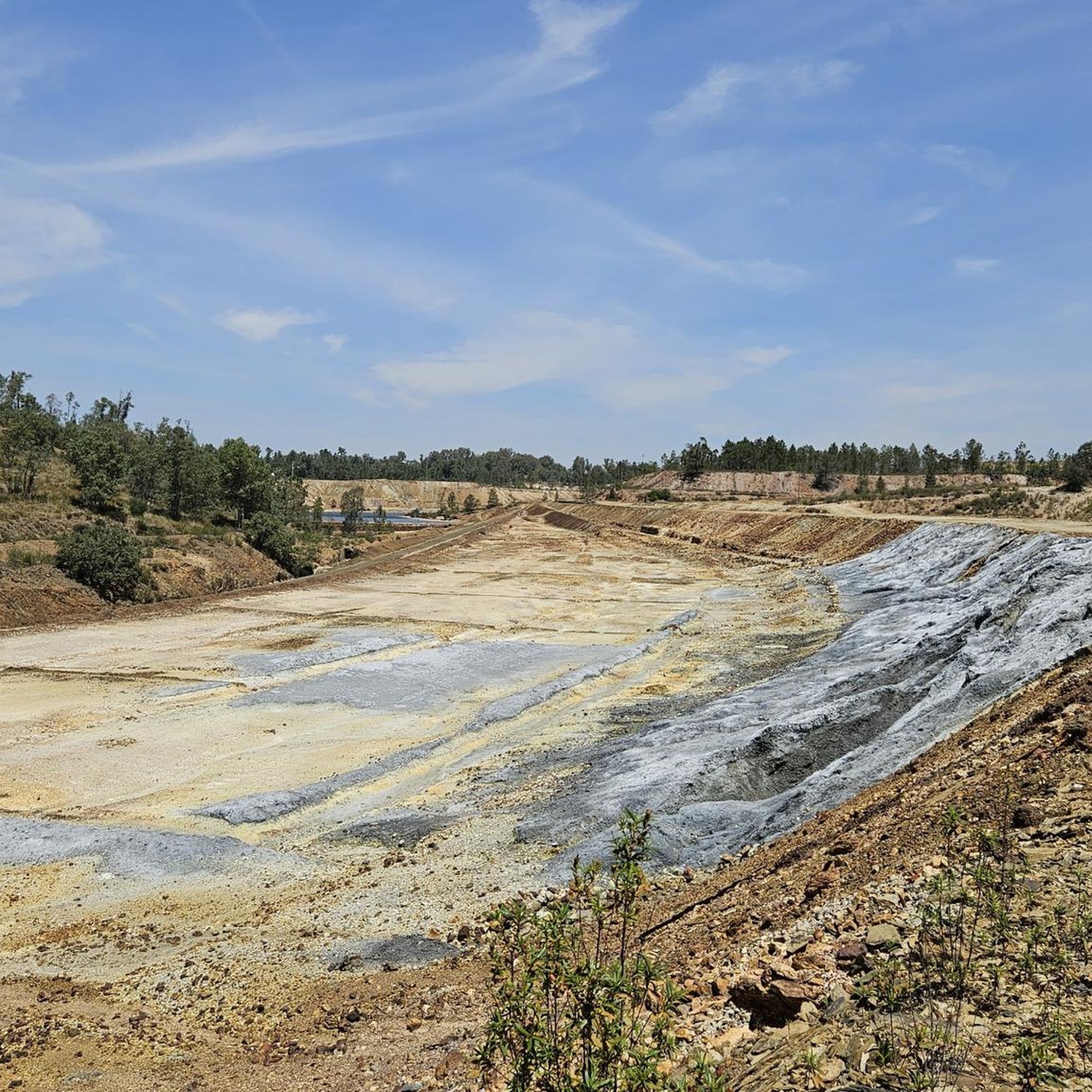
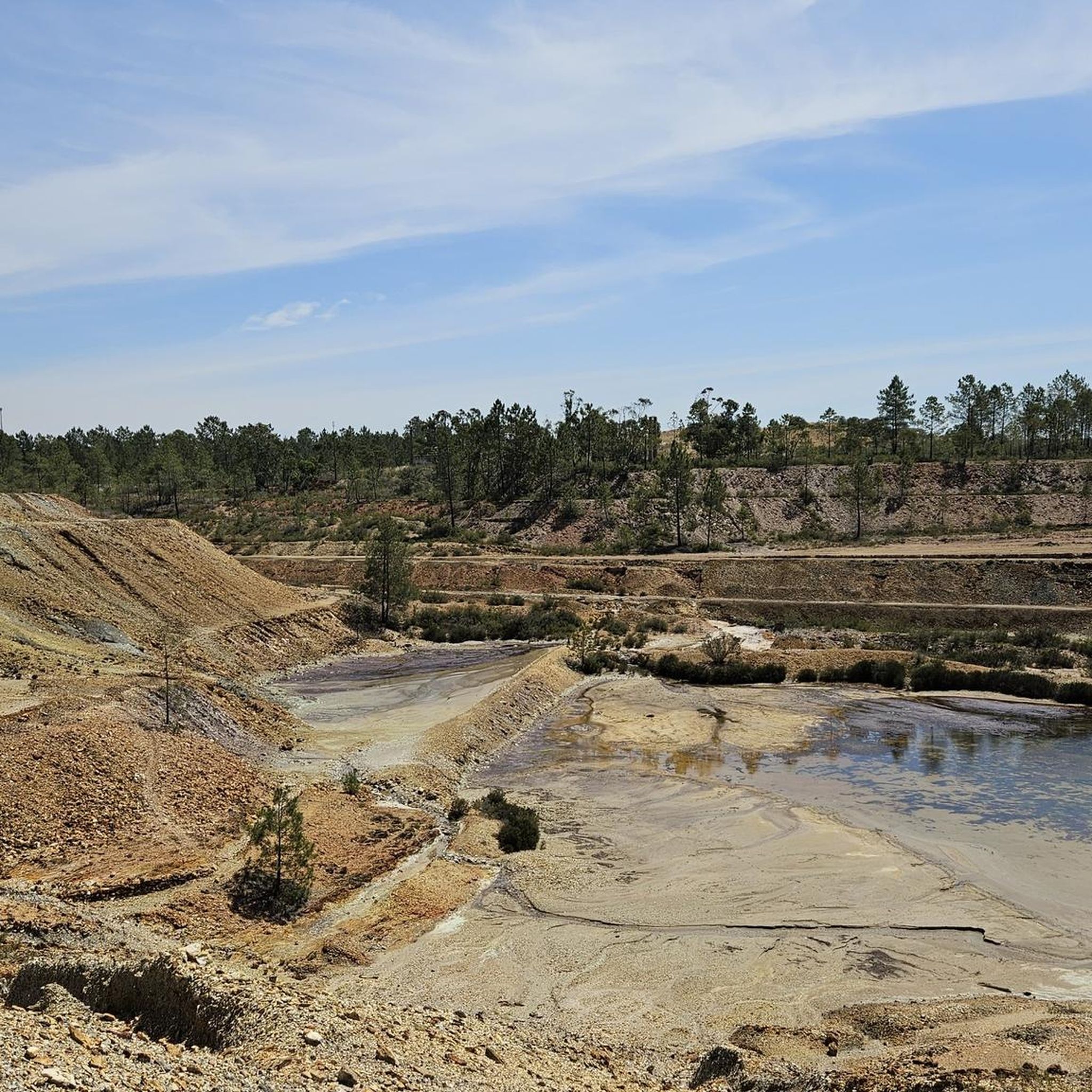
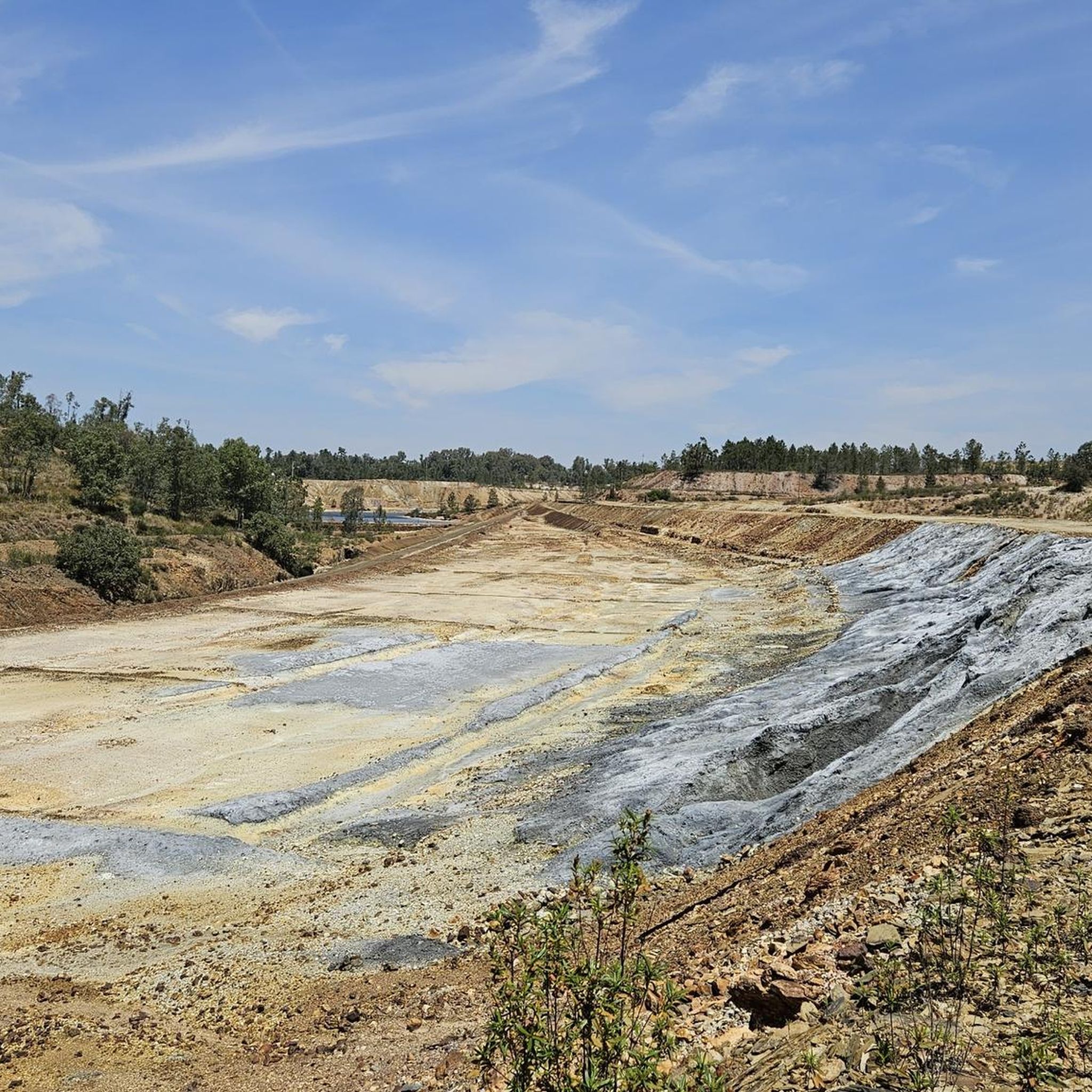
The old, abandoned copper mines resemble a lunar landscape: a strange and fascinating stage, illuminated by the reflections of copper-hued lakes. A road cuts through the landscape, guiding you along dirt roads. Streams and wells glow in unlikely colors, from copper to green to deep black. Signs warn of the dangers of the water, but nothing prevents your gaze from losing itself in the dramatic and unsettling beauty of the place.
2
0

Great panoramic view over the historic village of Mértola.
4
1
Frequently Asked Questions
What kind of terrain can I expect on gravel bike trails around Santana De Cambas?
The gravel bike trails in the Santana De Cambas area, situated within the Guadiana Valley Natural Park, offer a diverse mix of terrain. You'll encounter extensive Montado woodlands, Mediterranean scrubland, and unpaved segments and dirt roads that traverse former mining landscapes. Routes also follow the Guadiana River, providing scenic riverine views and undulating paths.
Are there options for less experienced gravel bikers in the area?
While many routes are challenging, there are options for varying ability levels. For example, the Rest area by the lake – Dirt road through the mines loop from Moreanes is a moderate 18.2-mile (29.3 km) trail that explores former mining landscapes, offering a less strenuous experience compared to longer, more difficult routes.
How challenging are the more difficult gravel routes around Santana De Cambas?
The more difficult gravel routes in the region feature significant elevation changes and cover substantial distances. For instance, the Rest area by the lake – Dirt road through the mines loop from Parque Estacionamento da Praia fluvial da Tapada Grande is a demanding 75.5-mile (121.5 km) trail with over 1350 meters of elevation gain, requiring good fitness and endurance.
Are there any long-distance gravel biking options available?
Yes, the area offers several long-distance routes. The longest route in this guide is the Rest area by the lake – Dirt road through the mines loop from Parque Estacionamento da Praia fluvial da Tapada Grande, which spans 75.5 miles (121.5 km) and takes approximately 9 hours and 39 minutes to complete, exploring historical mining areas and the natural park.
Are there circular gravel bike routes in Santana De Cambas?
Yes, many of the gravel bike routes in the area are designed as loops, allowing you to start and finish at the same point. Examples include the View of Mértola – Mertola loop from Mértola and the Mina de Sabores Restaurant – Corte do Pinto Church loop from Mina de São Domingos, which offer varied terrain and scenic views.
What natural landmarks can I see while gravel biking in the Guadiana Valley Natural Park?
While gravel biking, you can encounter several impressive natural landmarks. The most notable is the Pulo do Lobo Waterfall, the largest waterfall in southern Portugal, located on the Guadiana River. You can also enjoy views of the Guadiana River itself, such as at Guadiana Riverside at Bombeira or from the Beautiful path along the Guadiana.
Are there historical sites or cultural points of interest accessible by gravel bike?
Absolutely. The region is rich in history. You can explore the unique landscapes of the former Mina de São Domingos mining complex, which has left a significant mark on the area. Additionally, routes can lead you to ancient sites like the Lavajo Menhirs or the ruins of Castelo Velho de Alcoutim, offering a blend of natural beauty and cultural exploration.
Can I find scenic viewpoints along the gravel bike routes?
Yes, the undulating terrain and riverine proximity provide numerous opportunities for scenic viewpoints. Many routes offer panoramic views of the Guadiana Valley Natural Park and the Guadiana River. Look out for spots like the Beautiful path along the Guadiana or the View of the Guadiana River in the Guadiana Site of Community Importance for breathtaking vistas.
Is parking available near the gravel bike trails?
Yes, parking is generally available, especially at common starting points for routes. For example, the Rest area by the lake – Dirt road through the mines loop starts from Parque Estacionamento da Praia fluvial da Tapada Grande, indicating dedicated parking facilities near the river beach.
What is the best time of year for gravel biking in Santana De Cambas?
The region is generally suitable for gravel biking outside of the peak summer heat. Spring (March to May) and Autumn (September to November) offer pleasant temperatures and lush landscapes, making them ideal for exploring. Winter can also be an option, but be prepared for cooler, potentially wetter conditions.
Are there any family-friendly gravel biking options?
While many routes involve challenging terrain, some segments or shorter loops might be suitable for families with older children or those comfortable with unpaved roads. The area's river beaches, like Tapada Grande at Mina de São Domingos, can serve as pleasant stops on a family outing, but always check the specific route difficulty and length before heading out with children.
What do other gravel bikers enjoy most about gravel biking in Santana De Cambas?
Gravel bikers frequently praise the diverse landscapes, from the Montado woodlands to the dramatic former mining areas and the scenic Guadiana River. The unique blend of natural beauty and historical sites, such as the Pulo do Lobo Waterfall and ancient menhirs, also makes for a highly engaging and memorable riding experience.
Most popular attractions around Santana De Cambas

Get inspired with the komoot mobile app


Explore more
Browse the best Gravel rides in other regions.
