The best cycling routes around Pajaroncillo
13
riders
5
rides
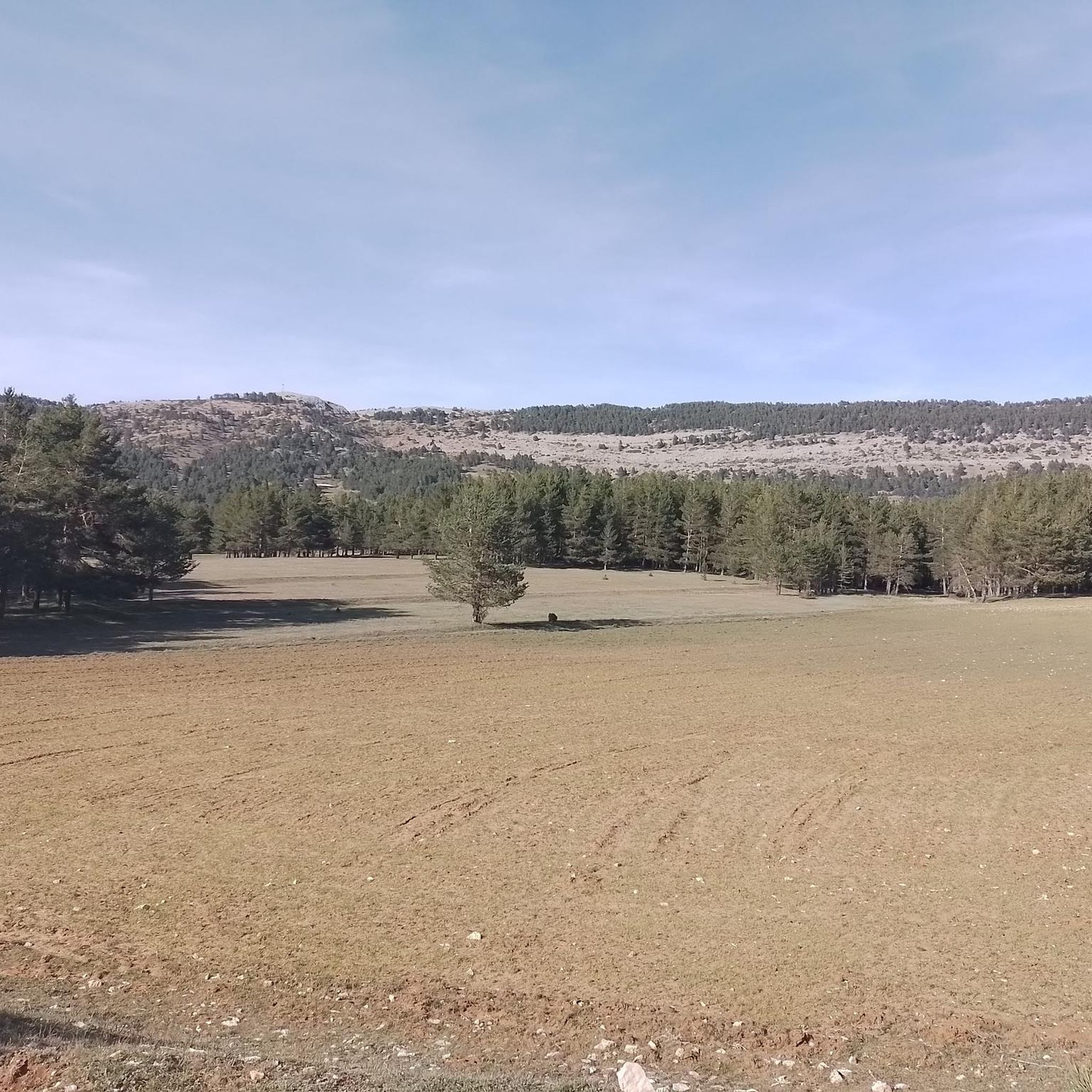
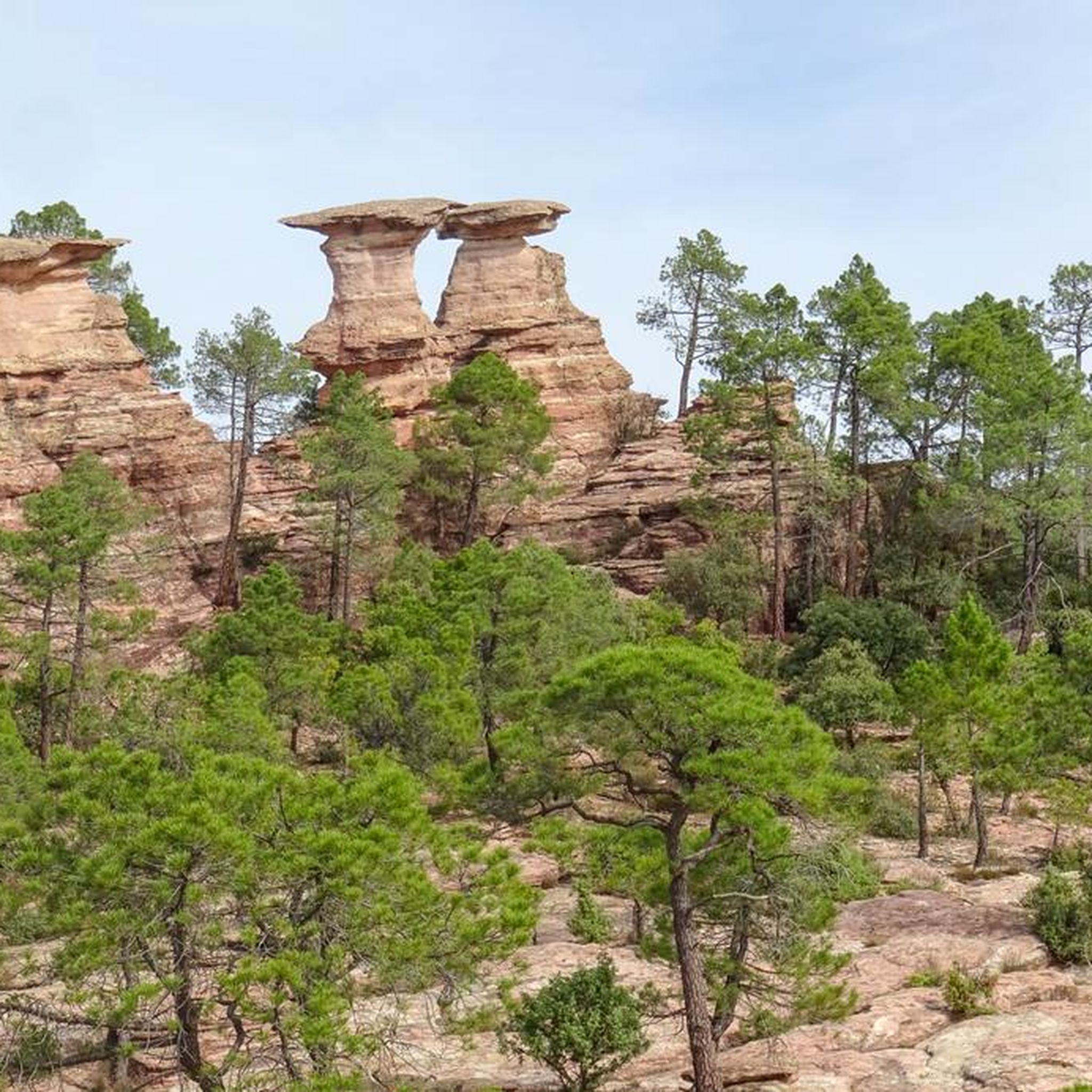
Touring cycling around Pajaroncillo offers routes through the undulating relief of the Serranía Baja de Cuenca, characterized by extensive pine forests and Mediterranean scrubland. The region features diverse terrain, including both paved and unpaved surfaces, suitable for various skill levels. Proximity to the Cabriel River valley provides scenic routes along fluvial spaces. Unique geological formations, such as "Las Corbeteras de Pajaroncillo," add visual interest to the landscape.
Best touring cycling routes around Pajaroncillo
- The most popular touring cycling route is…
Last updated: August 23, 2026
4
riders
31.2km
02:49
370m
370m
Moderate bike ride. Good fitness required. Mostly paved surfaces. Suitable for all skill levels.
2
riders
37.4km
03:12
450m
450m
Hard bike ride. Good fitness required. You may need to push your bike for some segments of this route.

Sign up for free
3
riders
38.8km
03:56
750m
750m
Hard bike ride. Very good fitness required. Mostly paved surfaces. Suitable for all skill levels.
2
riders
38.5km
03:01
500m
500m
Hard bike ride. Very good fitness required. Mostly paved surfaces. Suitable for all skill levels.
2
riders
50.0km
03:23
820m
820m
Hard bike ride. Very good fitness required. Mostly paved surfaces. Suitable for all skill levels.
Our route recommendations are based on thousands of hikes, rides, and runs completed by other people on komoot.
Start today with a free account
Your next adventure awaits.
Login or Signup


Tips from the Community

Worthwhile detour through this picturesque gorge. The fully packed touring bike just barely fit (see photo), short pushing sections. Respect for the amount of work that went into these wooden walkways!
0
0

Roman-era bridge over the Zafrilla River. Inscription on the plaque: The passage of the Romans through this municipality has left us with numerous magnificent buildings. The materials used are always from Roman times, and in this case, ashlar from the nearby La Hoz quarry. The magnificent bridge over the Zafrilla River has been completely preserved since its construction; the Roman road above it is still visible. Unfortunately, the passage of time has destroyed part of its structure. ERDF European Regional Development Fund EUROPEAN UNION "A Way to Build Europe" GOVERNMENT OF SPAIN MINISTRY OF INDUSTRY, TOURISM AND TRADE
0
0
Former public washhouse in Huerta del Marquesado. Everything about our drinking water, especially access to clean drinking water, is explained in great detail.
0
0
Sculpture commemorating the victims of the plane crash on April 29, 1959. An Iberia Douglas DC-3 aircraft flying from Barcelona to Madrid deviated from its route due to a storm and crashed into the Pico del Telégrafo (peak of Collado Bajo) between the towns of Valdemeca and Huerta del Marquesado. On this flight, along with the 27 other people traveling on the plane, Spanish gymnast Joaquín Blume lost his life. He was one of Spain's most popular athletes of his time, world champion in 1957 and winner of several consecutive Spanish championships. His wife also died. The rescue of the victims proved extremely difficult. It was snowing when the first people arrived at the scene, some reforestation workers. During the lengthy operation to recover the bodies, it snowed intermittently throughout the night and into the next day. Chronicles describe Dantesque scenes, as almost all of the victims of the accident were scattered over a vast and completely forested area. The notoriety of the prominent victim, Joaquín Blume, made it impossible for the Franco dictatorship to cover up the accident. An interesting fact surrounding this event is that a certain Antonio Fraguas de Pablo (1942–2018) missed the plane, fortunately for him and for us. The then 17-year-old later became very famous as a Spanish graphic humorist/cartoonist under the pen name Forges. He was awarded the Gold Medal for Merit to His Work in 2007, the Gold Medal for Merit to Fine Arts in 2011, and the Ondas Mediterráneas Award in 2011. www.forges.com
0
0

The Vencherque River River Walk is a charming route located in Villar del Humo, in the province of Cuenca. It is a flat and easy route, suitable for all ages. Enjoy a quiet walk along the river, surrounded by diverse vegetation such as walnut trees, cattails and poplars.
6
0

After the bar La Pulga in the previous location closed on Wednesdays, this bar saved us - great food, great coffee and a very friendly owner!
0
0
wir hatten leider Pech: Closed Wednesday :(
0
0

Road on the banks of the Laguna river, very quiet, with perfect asphalt.
2
0
Frequently Asked Questions
How many touring cycling routes are available in Pajaroncillo?
Pajaroncillo offers a selection of 5 touring cycling routes. These routes vary in difficulty, with one moderate option and four more challenging rides, providing diverse experiences across the region's unique landscapes.
What kind of terrain can I expect on touring cycling routes in Pajaroncillo?
The terrain around Pajaroncillo is characterized by an undulating relief, featuring extensive pine forests and well-preserved Mediterranean scrubland. You'll encounter a mix of paved and unpaved surfaces, with some routes including demanding segments that might require good fitness. The region's varied topography ensures a scenic and engaging ride.
Are there any circular touring cycling routes in the area?
Yes, several routes in Pajaroncillo are designed as loops, perfect for starting and ending your ride in the same location. Examples include the Cañete loop from Cañete, the Vencherque River Entrance loop from Villar del Humo, and the Bar La Pulga – Roman Bridge of Zafrilla loop from Cañete.
What natural features or landmarks can I see along the touring cycling routes?
Pajaroncillo is rich in natural beauty and unique geological formations. You can explore the striking rock formations of Las Corbeteras, often compared to the 'Ciudad Encantada'. The region is also close to the Cabriel River valley, offering routes along river gorges and past waterfalls like Cascada El Pozo de La Horca and Cascada de La Balsa. The Vencherque Riverside Walk is another notable natural highlight.
Are there any family-friendly touring cycling options in Pajaroncillo?
While many routes in Pajaroncillo are rated as difficult due to significant elevation gain, the region's quiet roads and paths, coupled with minimal urban development, can be suitable for families seeking a tranquil experience. For a moderate option, consider the Cañete loop from Cañete, which covers 31.2 km with a manageable elevation gain of 375 meters.
What is the best time of year for touring cycling in Pajaroncillo?
The preserved natural environment and varied terrain make Pajaroncillo appealing for cycling across seasons. Spring and autumn generally offer the most pleasant temperatures for touring, avoiding the peak heat of summer while still enjoying the region's scenic beauty. Always check local weather conditions before heading out.
Where can I find parking for touring cycling routes in Pajaroncillo?
Given the small population and minimal urban development in Pajaroncillo and surrounding villages like Cañete and Villar del Humo, you can typically find parking in or near these settlements. Routes often start from these points, making it convenient to park your vehicle before beginning your ride.
Are there any archaeological sites or historical points of interest to visit?
Yes, Pajaroncillo has documented archaeological sites from the Bronze Age, adding a historical dimension to your outdoor excursions. Additionally, its proximity to the medieval town of Moya offers opportunities to explore cultural itineraries through the eastern Serranía region, complementing your cycling adventure.
What is the most challenging touring cycling route in Pajaroncillo?
Among the difficult routes, the Bar La Pulga – Roman Bridge of Zafrilla loop from Cañete stands out as the longest at 50 km and features the highest elevation gain of 824 meters, making it a significant challenge for experienced touring cyclists.
Can I find places to eat or stay near the cycling routes?
While Pajaroncillo itself is small, the region's minimal urban development contributes to a tranquil experience. Nearby towns like Cañete, which serves as a starting point for several routes, offer basic amenities including places to eat and stay. It's advisable to check availability in advance, especially during peak seasons.
What makes touring cycling in Pajaroncillo unique?
Touring cycling in Pajaroncillo offers a unique blend of serene, preserved natural landscapes, including undulating hills, extensive pine forests, and picturesque river valleys. The quiet roads and paths, combined with fascinating geological formations like Las Corbeteras, provide an immersive natural environment for cyclists seeking both adventure and tranquility away from urban sprawl.
Most popular routes around Pajaroncillo
Most popular attractions around Pajaroncillo

Get inspired with the komoot mobile app


Explore more
Browse the best Cycling routes in other regions.
