Top 20 Natural Monuments in South Corsica
Natural monuments in South Corsica showcase a diverse landscape, ranging from dramatic coastlines to rugged mountain ranges. The region features unique geological formations, including granite peaks, limestone cliffs, and river-carved natural pools. These natural features offer varied environments for outdoor exploration and provide insights into the island's geological history. South Corsica's natural monuments are characterized by their distinct rock formations and water features.
Best natural monuments in South Corsica
- The most popular natural monuments is Piana Calanques via the Old…
Last updated: May 14, 2026
Bavella Pass
Highlight • Mountain Pass
Translated by Google •
Tip by

Trou de la Bombe Rock Arch
Highlight • Natural Monument
Translated by Google •
Tip by

Sign up now to discover places like this
Get recommendations on the best single tracks, peaks, & plenty of other exciting outdoor places.
Sign up for free
Piana Calanques via the Old Mule Track
Highlight (Segment) • Gorge
Translated by Google •
Tip by

Point of the Dead Cow
Highlight • Summit
Translated by Google •
Tip by

Spelunca gorges
Highlight • Gorge
Translated by Google •
Tip by

Cliffside Path to Bonifacio
Highlight (Segment) • Trail
Translated by Google •
Tip by

Plage Saint Antoine
Highlight • Beach
Translated by Google •
Tip by

Piscia di Gallo Waterfall
Highlight • Waterfall
Translated by Google •
Tip by
Natural Pools in Parc Naturel Régional de Corse
Highlight • Natural Monument
Translated by Google •
Tip by

Punta di Campomoro Rock Formations
Highlight • Natural Monument
Translated by Google •
Tip by
Sign up for free to discover even more natural monuments in South Corsica.
Sign up for free
Already have an account?
Start today with a free account
Your next adventure awaits.
Login or Signup
Popular around South Corsica
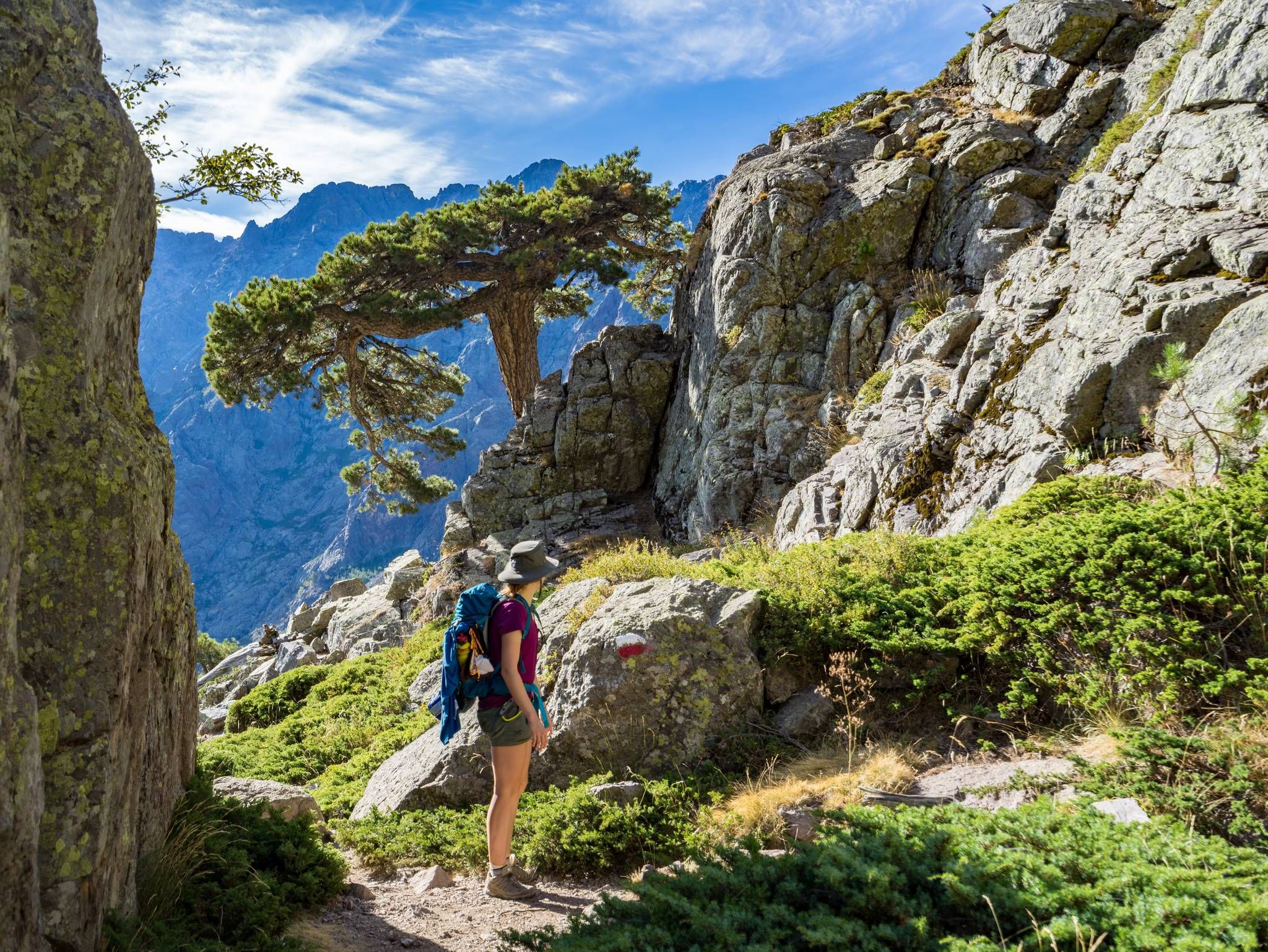
GR20 – Europe's toughest long-distance hiking trail through Corsica
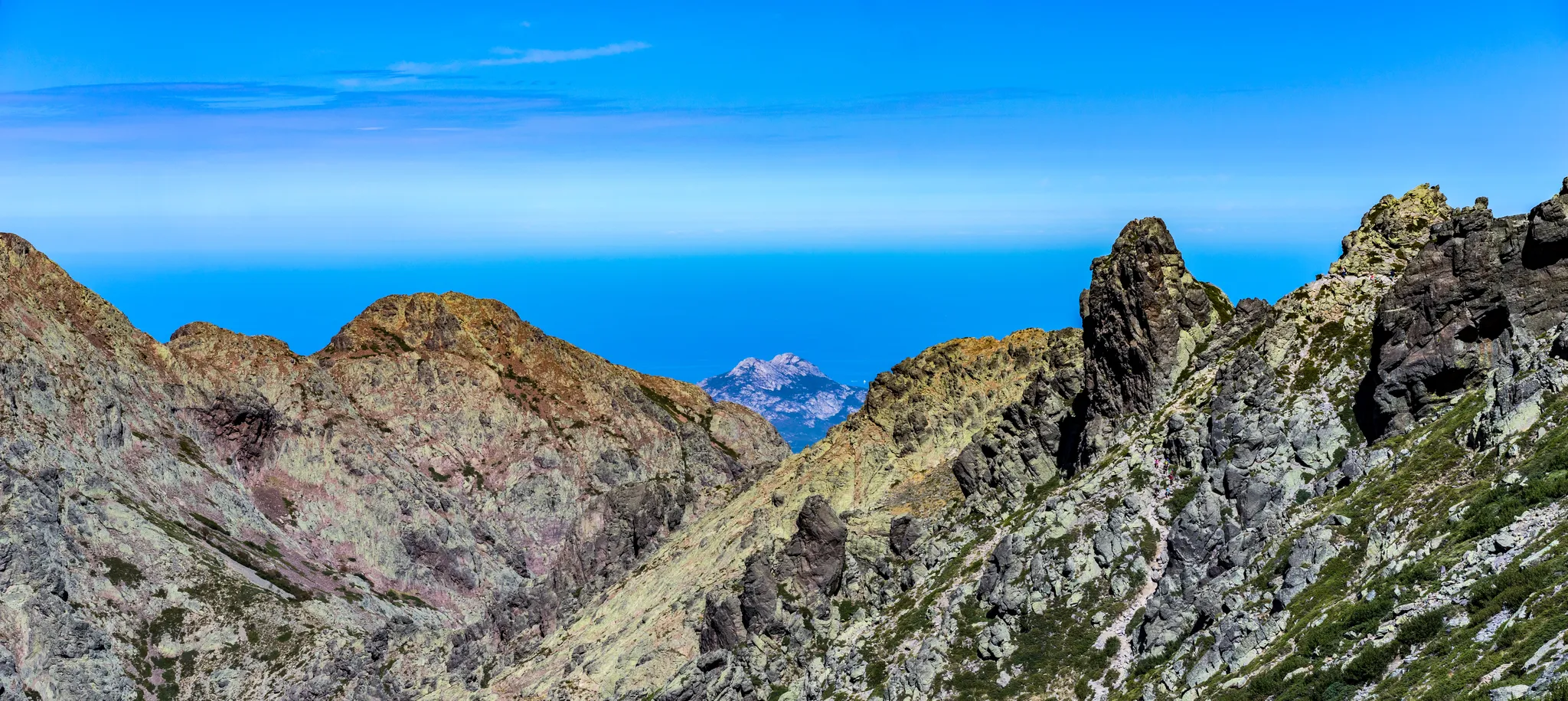
Mare è Monti north – From the mountains to the sea
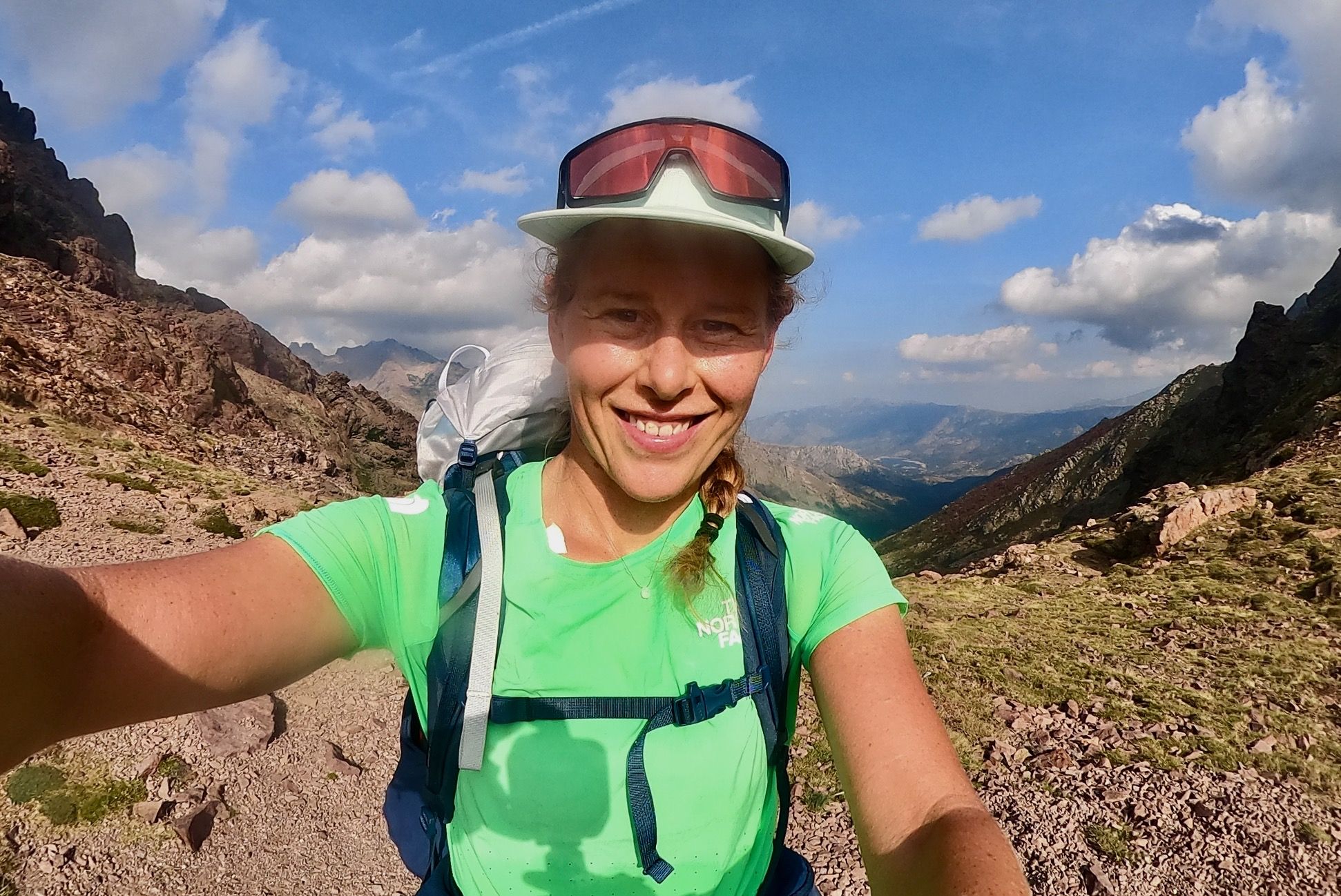
GR 20 – Six days backpacking the peaks and refuges of Corsica
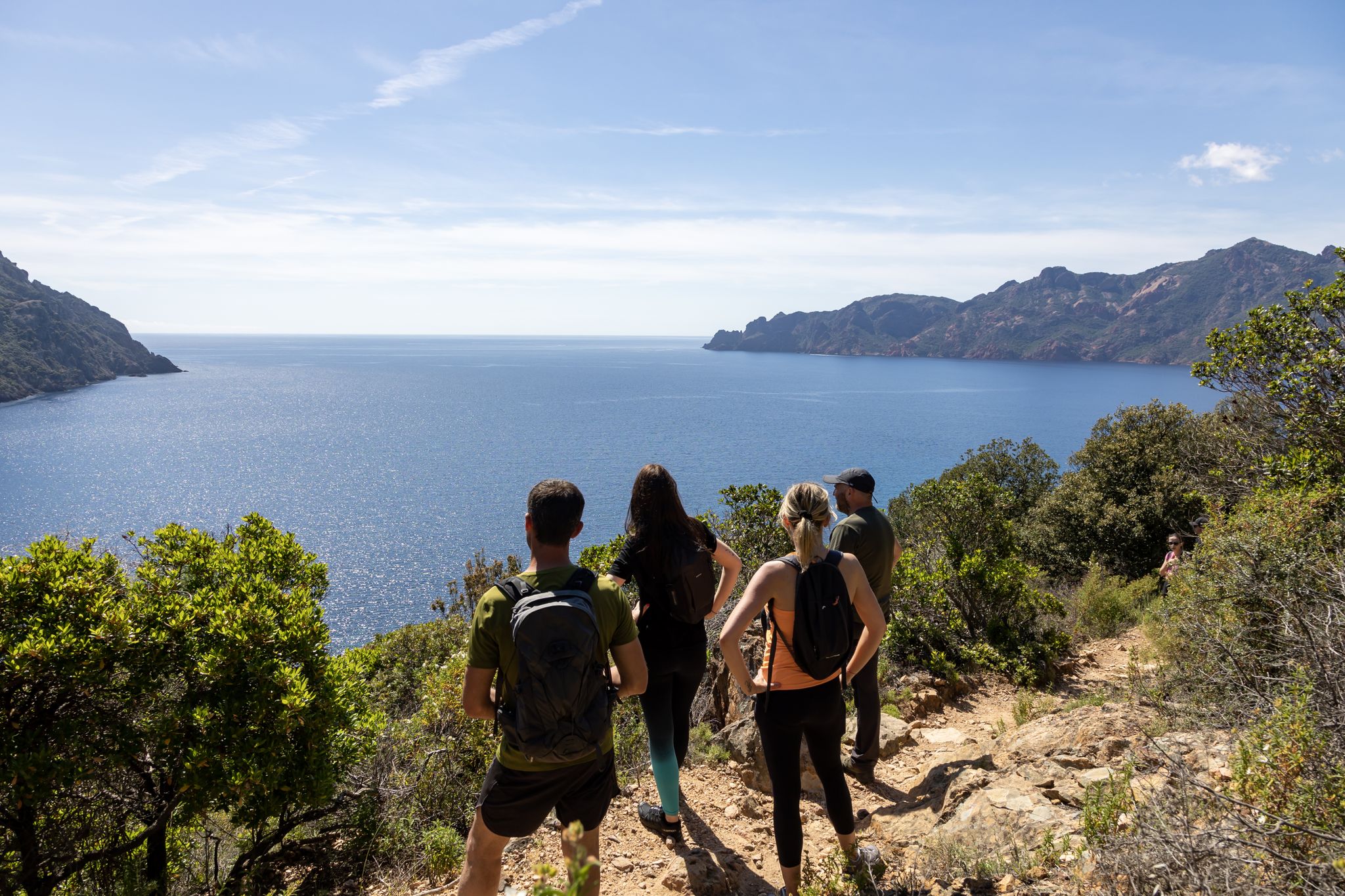
Corsica's discovery hikes — between sea and mountains
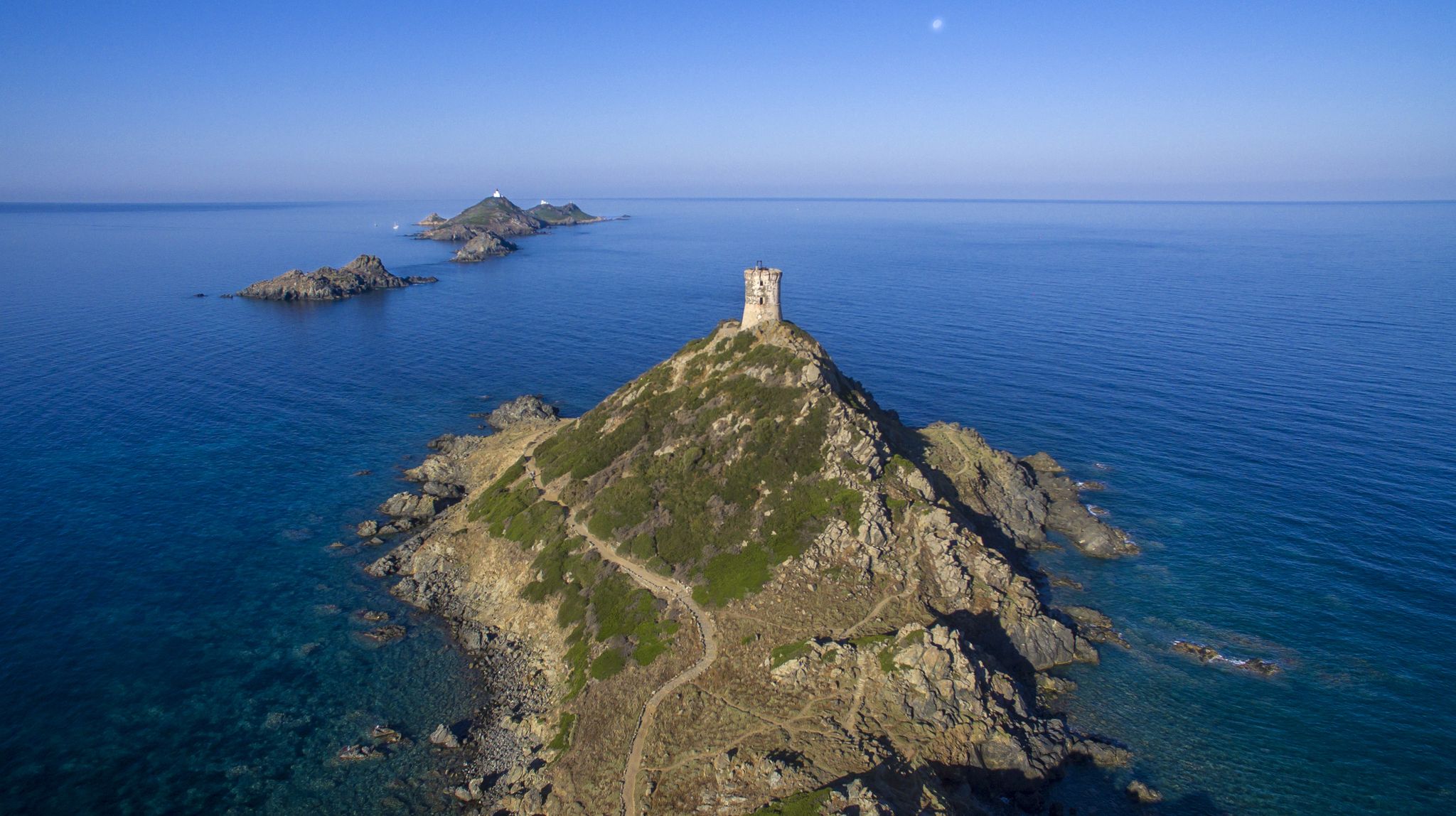
The Ajaccio region on foot and by bike – loops between sea and mountain
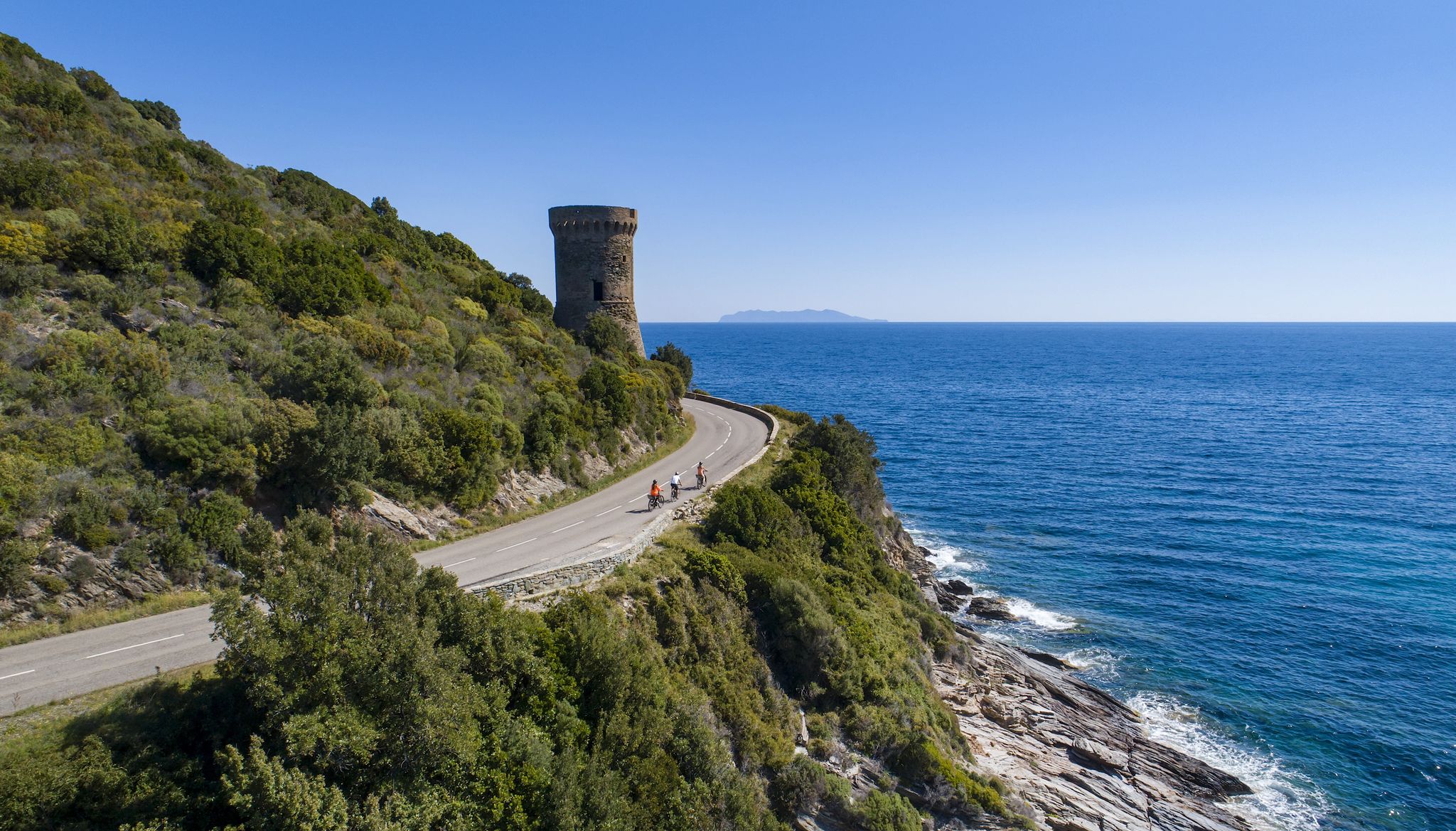
The Great Crossing of Corsica by bike – GT 20
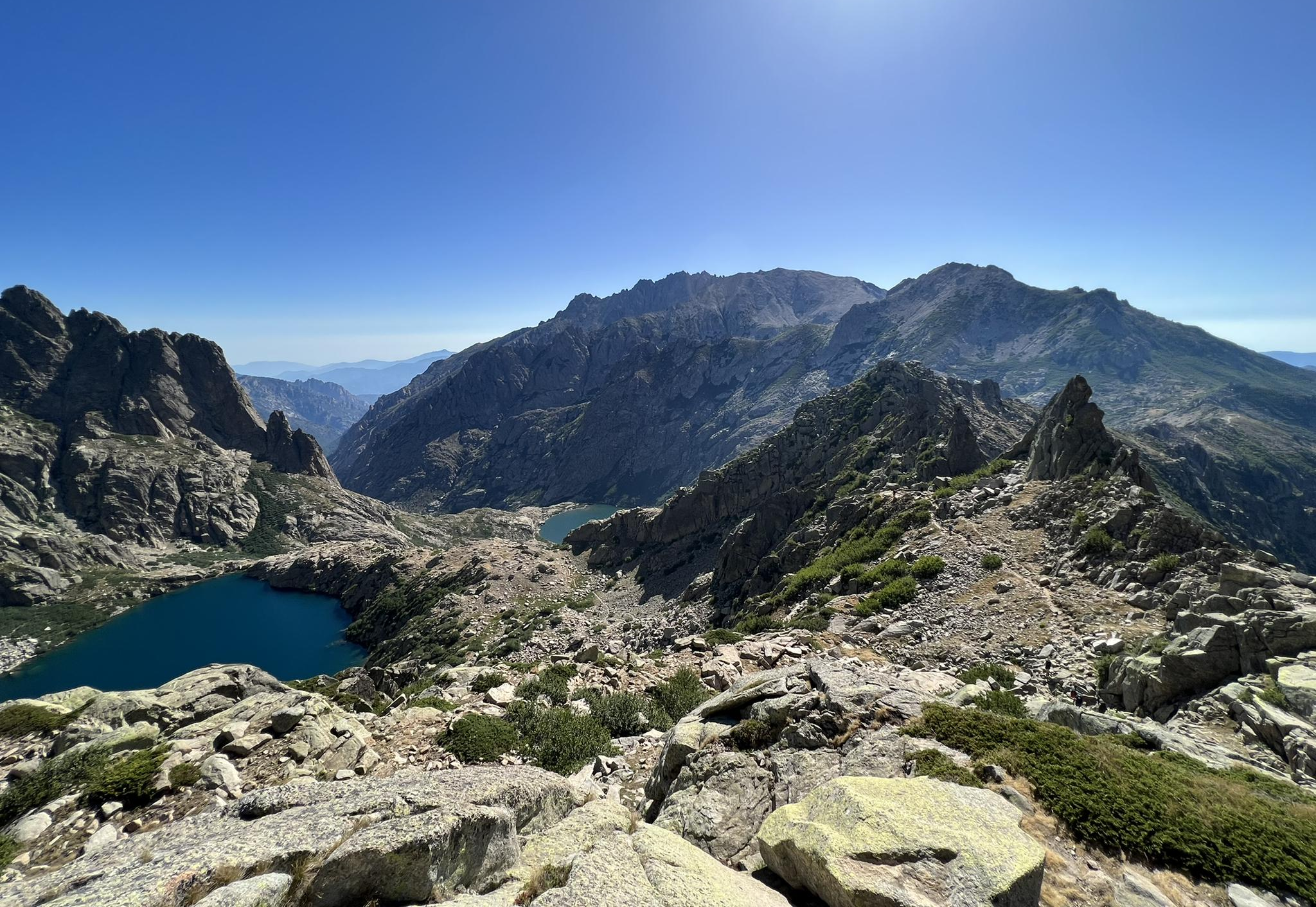
Great hikes of Corsica – Terre de nature
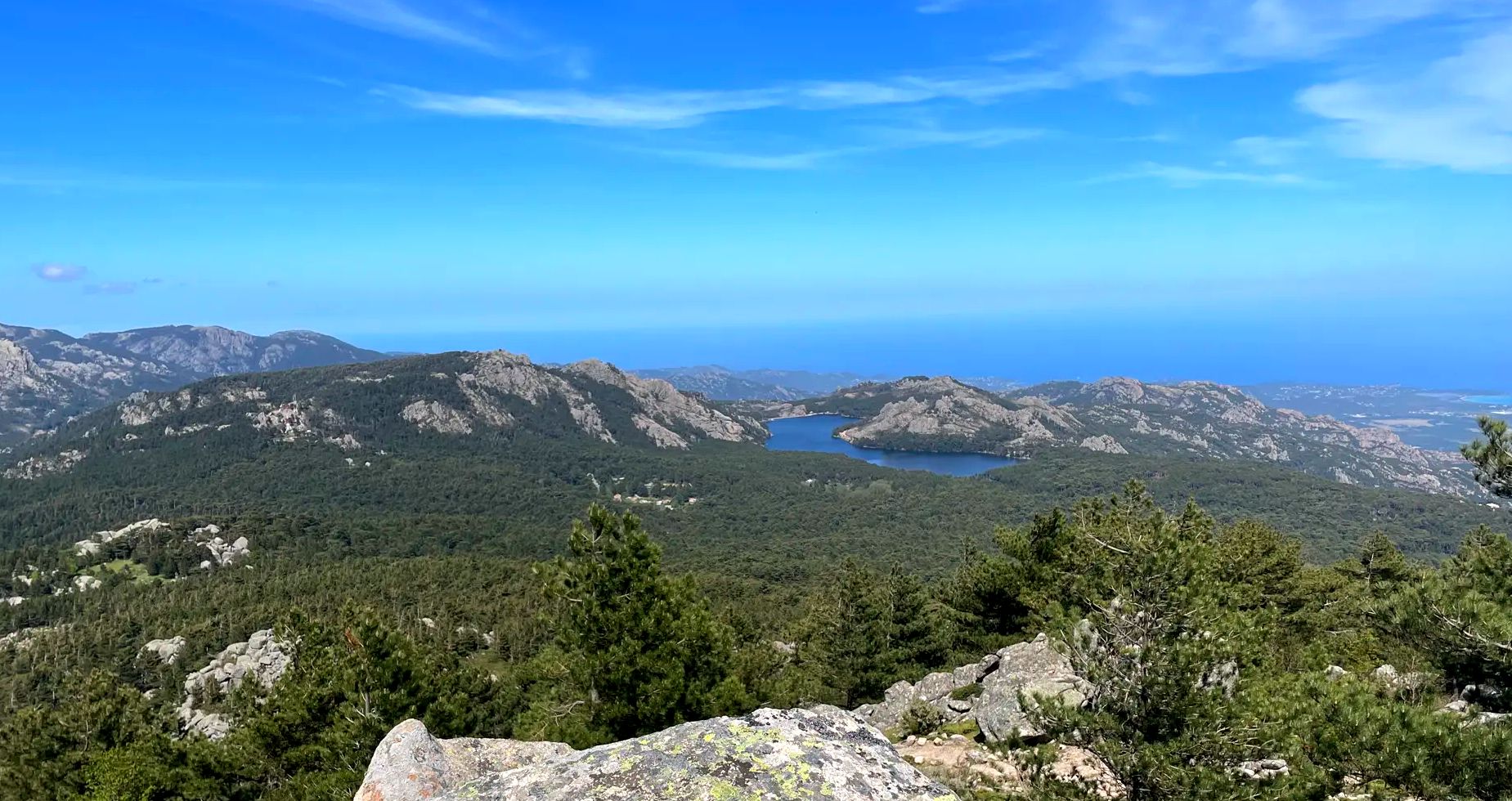
In the heart of the Alta Rocca – Mare a Mare Sud (Corsica)
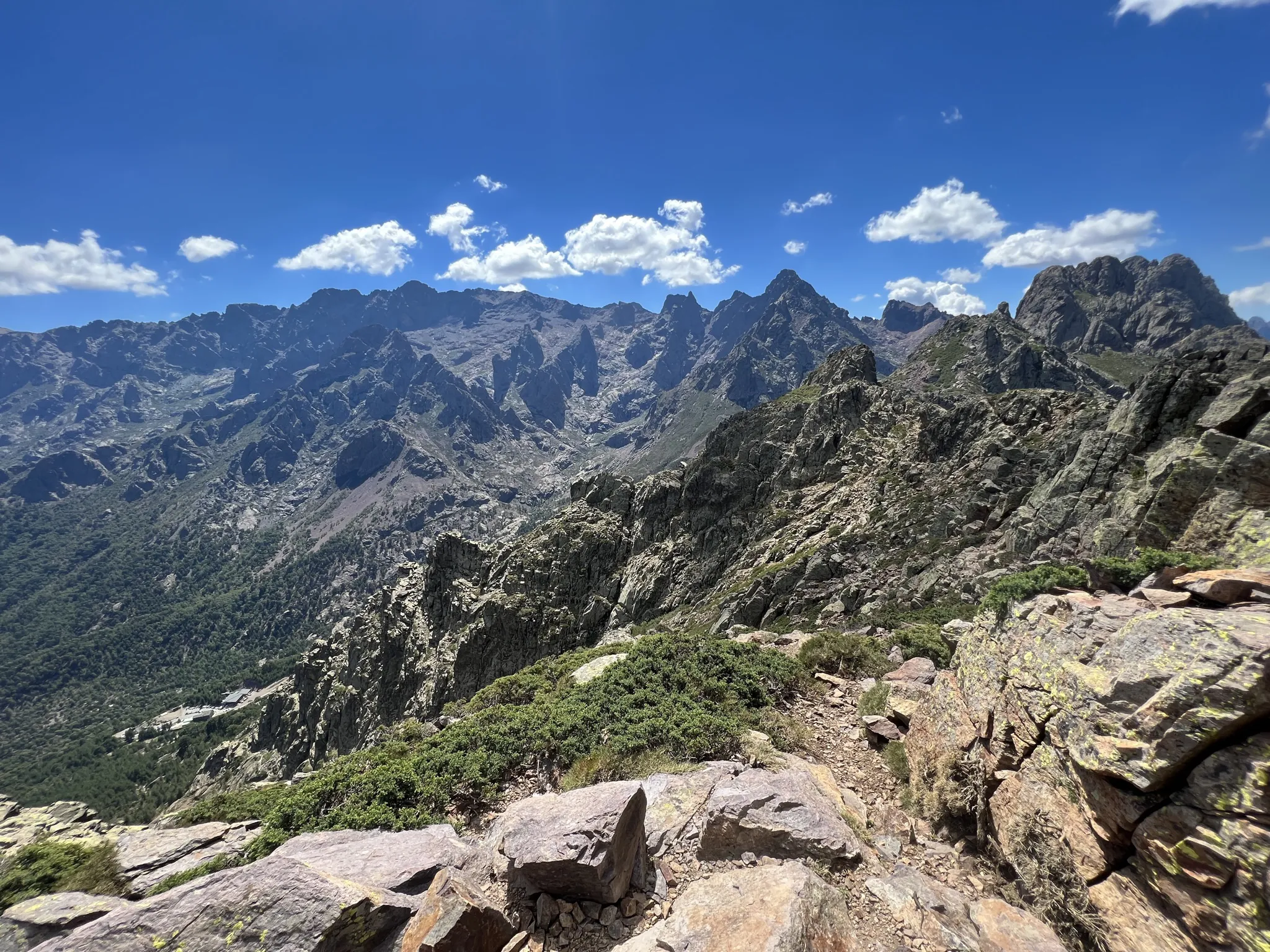
Running the toughest trail in Europe – GR 20 in Corsica
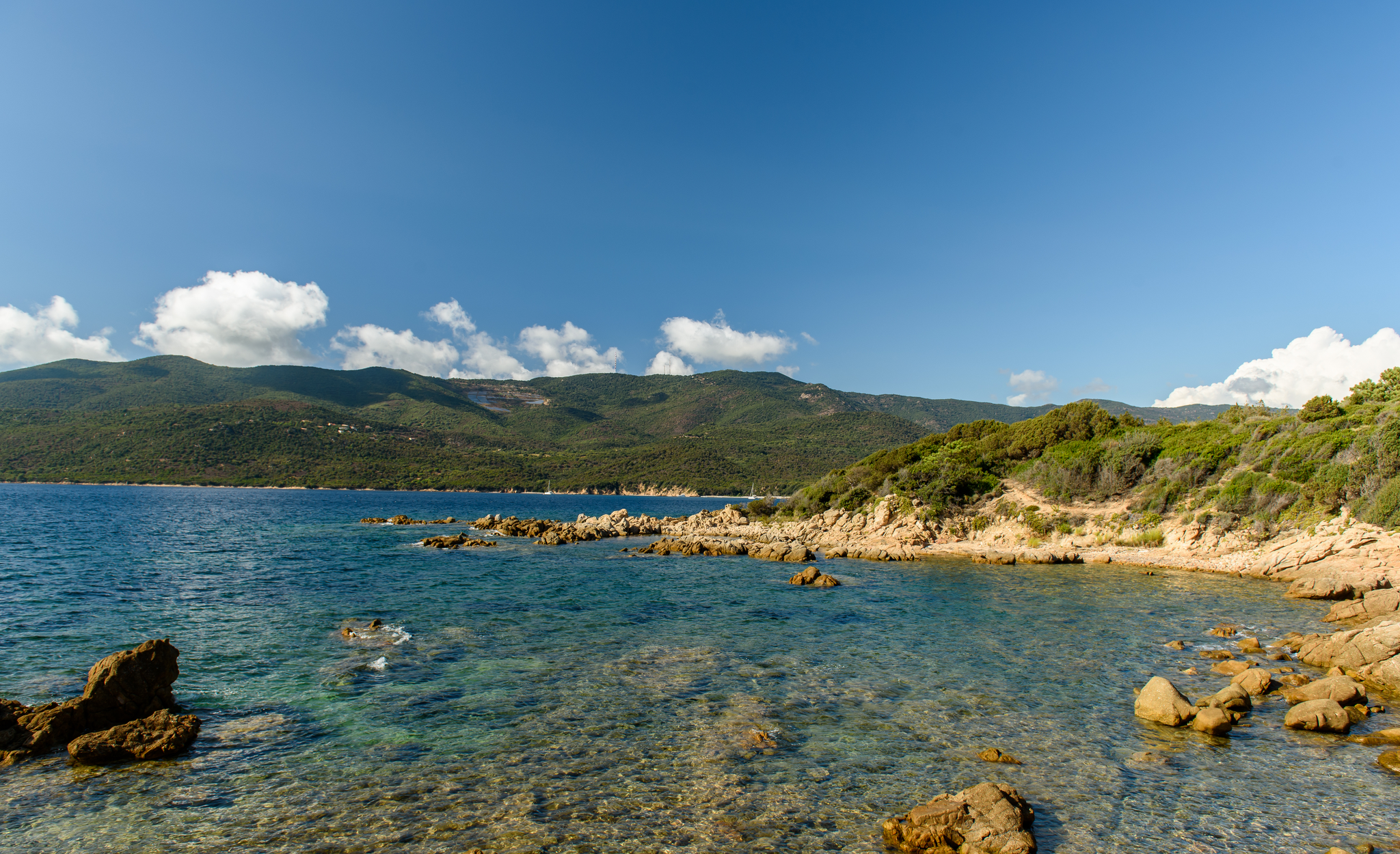
Beaches and ridges on Corsica – Mare è Monti sud
Other adventures in South Corsica


Tips from the Community

Capo Pertusato - A pirate beach like something out of a picture book! In the very south of Corsica, with a view of Sardinia, lies a scenic highlight of the island that is not only adventurous for children. A trip to Capo Pertusato is really extremely worthwhile. This can be done either on foot or partly by car. From Bonifacio (Chapelle Saint-Roch) a wide footpath leads along the cliffs to the cape and offers magnificent views of the city and the Strait of Bonifacio with Sardinia on the other side. The path is shadeless and should therefore be walked in the morning or evening in summer. It takes 3 hours there and back.
2
0
Belvédère-Campomoro (Corsican: Belvidè è Campumoru; Italian: Belvedere-Campomoro) is a French commune with 195 inhabitants (as of January 1, 2022) on the Mediterranean island of Corsica. It belongs to the department of Corse-du-Sud, the arrondissement of Sartène and the canton of Sartenais-Valinco. The inhabitants are called Belvédérais and Belvédéraises.
1
0
Capo Pertusato is the southernmost point of Corsica. It is located 5 km southeast of Bonifacio, in southern Corsica and is accessible by a pedestrian access from Bonifacio. The path runs along the cliffs. A very easy route of less than 6 km
1
0
This hike is located in the extreme south of Corsica, in the Bouches de Bonifacio. It allows you to see the Lavezzi Islands and Sardinia, and you'll enjoy breathtaking views of Bonifacio. It allows you to reach two white sandy beaches, the deserted beach of Cala Sciumara and the beautiful beach of Saint-Antoine. You'll cross the maquis and walk along the limestone cliffs, offering breathtaking views of the coast and cliffs.
1
0

Walk down to the river about 200 m before that, there is a very nice bathing area with a deep pool and two small slides
2
1

⚠️ watch out eel ⚠️
1
1

The cliffs of Bonifacio seen from the sky: https://youtu.be/rmZqSHIEGbo?si=7G6ULLLzpjh8imOH
0
1

The gorges of the Spelunca are crossed by the stream of Tavulella which takes the name of Porto port in the Corsican language at the exit of the gorges. In its crossing, the Tavulella is fed by the waters of the Aïtone stream, the point of confluence being located downstream of the Genoese bridge of Zaglia. The gorges offer vertiginous landscapes, dominated by a huge rock at the top of which is said to have existed in the place called U Castellu, the Leca castle destroyed in the 17th century according to local legend.
8
1
Frequently Asked Questions
What are some of the most striking natural features in South Corsica?
South Corsica boasts diverse natural features, from the dramatic granite needles of the Bavella Pass and the Point of the Dead Cow, offering alpine landscapes, to the spectacular red rock cliffs of the Piana Calanques. You'll also find deep canyons like the Spelunca gorges and unique rock formations such as the Punta di Campomoro Rock Formations.
Where can I find dramatic coastal scenery and unique rock formations?
For dramatic coastal scenery, the Piana Calanques are a must-see, with their spectacular red rock cliffs plunging into crystalline waters. Further south, the Bouches de Bonifacio Nature Reserve features dramatic limestone cliffs and the unique, eroded granite islands of the Lavezzi Islands. You can also explore the Cliffside Path to Bonifacio for stunning views.
Are there natural monuments suitable for hiking and climbing?
Absolutely. The Massif de Bavella, accessible via the Bavella Pass, is renowned for hiking and climbing, with trails catering to various levels. The Spelunca gorges also offer an impressive hiking experience along an old mule track. For more challenging routes, consider trails like the 'Secured Climbing Passage – Iron Chain Climbing Route loop from Col de Bavella' found in the Mountain Hikes in South Corsica guide.
What are the best places for swimming in natural pools?
South Corsica's rivers offer refreshing natural pools. The Natural Pools in Parc Naturel Régional de Corse are popular for their clear, crystalline water and natural slides. The Cavu River also features a succession of emerald pools, and Purcaraccia, near the Aiguilles de Bavella, has two 40-meter-high waterfalls and basins perfect for swimming, with some areas suitable for canyoning.
Can I visit natural monuments with my family?
Many natural monuments are family-friendly. The 'Trou de la Bombe' rock arch, located near Bavella, is accessible via an easy family hike. The Natural Pools in Parc Naturel Régional de Corse are also a great spot for families to cool off and enjoy natural slides. When hiking, always check the difficulty ratings; many trails are intermediate, but easier options exist.
What kind of marine life can I expect to see in the coastal natural reserves?
The Bouches de Bonifacio Nature Reserve, including the Lavezzi Islands, is a sanctuary for Mediterranean biodiversity. It's an exceptional place for snorkeling and diving where you can encounter groupers, shoals of sars, and other marine life amidst seagrass meadows in exceptionally clear waters.
Are there any impressive waterfalls to visit?
Yes, the Piscia di Gallo Waterfall in the Ospedale massif is an impressive sight, with water gushing 70 meters down a rock face. The walk to the waterfall is considered rewarding, allowing visitors to admire the natural beauty of the site.
What is the 'Trou de la Bombe' and how can I see it?
The Trou de la Bombe Rock Arch is a striking geological formation near the Bavella Massif, a gigantic hole approximately 6 meters in diameter in a granite rock, created by natural weathering. It's a highlight of a hike in the Bavella area and is accessible via an easy family-friendly trail.
What is the best time of year to explore South Corsica's natural monuments?
The best time to visit depends on your preferred activities. Spring (April-May) and autumn (September-October) offer pleasant temperatures for hiking and exploring, with fewer crowds. Summer is ideal for swimming in natural pools and coastal activities, though popular spots can be busy. Some mountain areas might have limited access in winter due to snow.
What outdoor activities can I do near these natural monuments?
Beyond exploring the monuments themselves, South Corsica offers a wealth of outdoor activities. You can find numerous hiking trails, such as 'The Cascade de Piscia du Gallu' or 'Aiguilles de Bavella and the Bocca Pargulu' in the Hiking in South Corsica guide. For more challenging adventures, consider mountaineering routes like 'Secured Climbing Passage' from the Mountain Hikes in South Corsica guide, or running trails like 'Capu di Muru Coastal Loop' from the Running Trails in South Corsica guide.
Are there any hidden gems or lesser-known natural monuments worth visiting?
While many natural monuments are popular, exploring areas slightly off the main routes can reveal quieter spots. For instance, while the Piana Calanques are well-known, exploring them by boat can offer different perspectives and access to less crowded coves. Similarly, some of the smaller, unnamed natural pools along the Cavu River can feel like hidden gems compared to the more frequented ones.
What should I wear when visiting natural monuments in South Corsica, especially in summer?
In summer, lightweight, breathable clothing is recommended. For hiking, sturdy walking shoes or boots are essential, especially on rocky or uneven terrain like the Piana Calanques via the Old Mule Track. If you plan to visit natural pools, bring water shoes as surfaces can be slippery. Always carry sun protection (hat, sunscreen) and plenty of water, regardless of the season.
Most popular routes in South Corsica
Most popular attractions in South Corsica

Get inspired with the komoot mobile app


Explore more
Extend your search for the best caves by checking out these guides of the top ones in South Corsica:
