Top 20 Castles in Faro
Castles in Faro are found both within the city's ancient walls and across the wider district. Faro's historic core, Vila Adentro, is fortified by ancient walls and gateways, forming a defensive citadel. The wider Faro District is home to several notable castles that are significant historical sites. These fortifications offer insights into the region's past and provide panoramic views.
Best castles in Faro
- The most popular castles is Silves Castle, a castle that is one of the best-preserved medieval castles in the Algarve. Visitors can enjoy peace and panoramic views from its fully accessible walls and towers.
- Another must-see spot is Castelo de Tavira Gardens, a fortification originally from the Moorish period. Inside the castle, visitors can explore a small botanical garden and enjoy views of the old town.
- Visitors also love Aljezur Castle and the Old Town, a medieval ruin perched on a hill above the old town of Aljezur. Visitors can explore the remains of its walls, towers, and a cistern, while enjoying views over the valley and coast.
- Faro is known for its ancient city walls, Moorish fortresses, and medieval castles. The region offers a variety of historical sites, from well-preserved structures to impressive ruins, showcasing different periods of its history.
- The castles in Faro are appreciated by the komoot community, with 415 upvotes and 154 photos shared by visitors.
Last updated: June 25, 2026
Old/Roman Bridge 🌉 Tavira
Highlight • Bridge
The bridge was a fundamental element of the medieval defence of Tavira and its associated main road, limited with towers in both sides. It had houses on it in the Middle Ages. By 1550 it had apparently a movable wooden floor which could be removed for security reasons. The old bridge collapsed in 1655, then completely rebuilt in its present form. tavira.algarvetouristguide.com/attractions/the-old-roman-bridge
Tip by

Silves Castle
Highlight • Castle
Translated by Google •
Tip by

Sign up now to discover places like this
Get recommendations on the best single tracks, peaks, & plenty of other exciting outdoor places.
Sign up for free
Sagres Fortress
Highlight • Historical Site
Tip by

Aljezur Castle and the Old Town
Highlight • Castle
Whether you are roaming on the Trilho dos Pescadores or the Caminho Histórico, which both pass through Aljezur, you will find all the necessary amenities for eating and resting.
Translated by Google •
Tip by

Castelo de Tavira Gardens
Highlight • Castle
A few sections of the defensive wall, part of the medieval palace and an archway, the Arco da Misericórdia, have remained.
Translated by Google •
Tip by

Ponta da Bandeira Fort
Highlight • Historical Site
Tuesday to Sunday
10:00 am - 12:30 pm
14:00 - 17:30
Closed on Mondays
Translated by Google •
Tip by

Almádena Fort
Highlight • Historical Site
Translated by Google •
Tip by
Fort of Santo António de Belixe
Highlight • Castle
Nearby, the chapel of Santa Catarina, commissioned by Prince Henry the Navigator, serenely watches over the abyss. The views? Breathtaking: the Atlantic and the cliffs merge in a spectacle of pure grandeur.
Translated by Google •
Tip by

Silves Cathedral
Highlight • Religious Site
Translated by Google •
Tip by

Cacela Velha — Historic Village and Fortress
Highlight • Historical Site
Translated by Google •
Tip by
Sign up for free to discover even more castles in Faro.
Sign up for free
Already have an account?
Start today with a free account
Your next adventure awaits.
Login or Signup
Popular around Faro
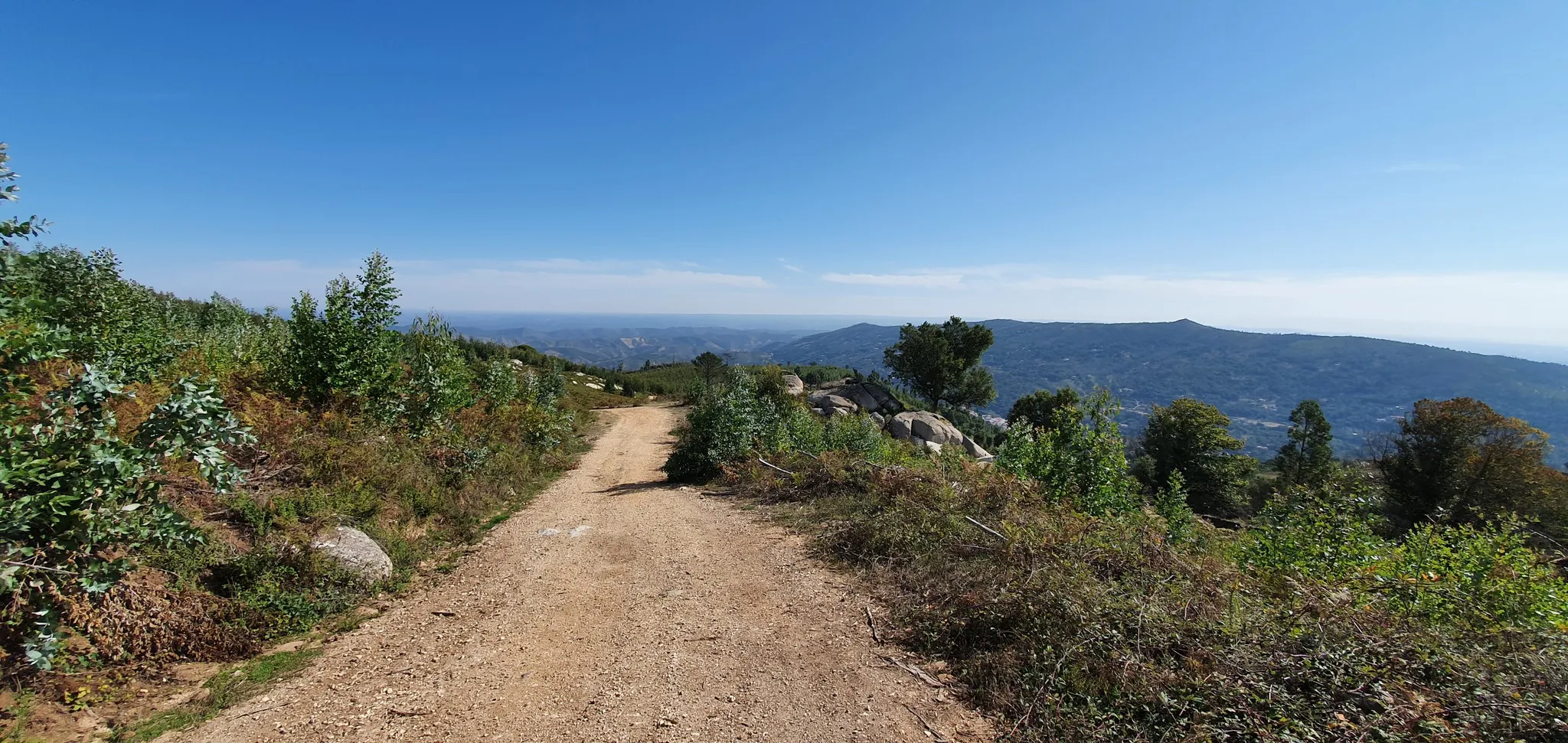
Via Algarviana (GR 13) - hidden corners of the south
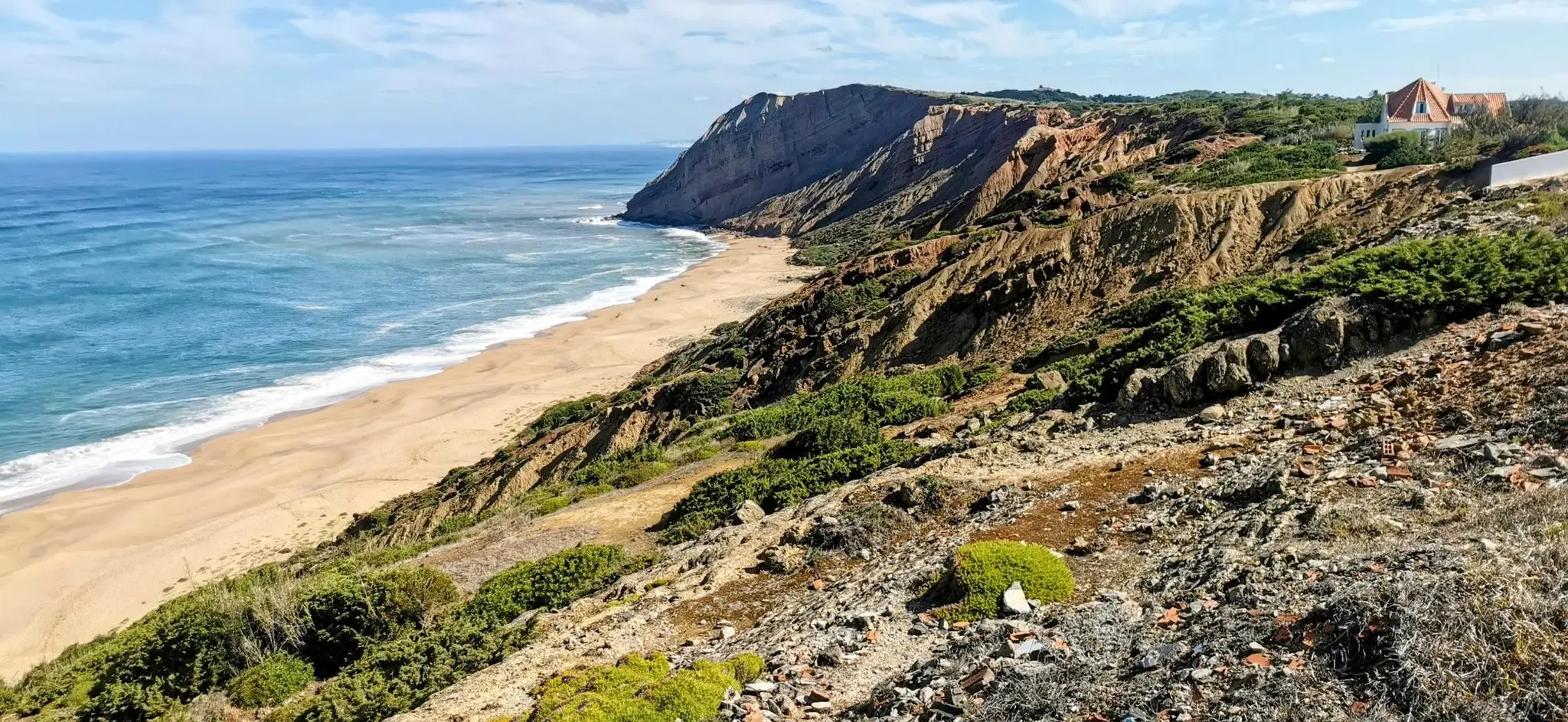
EuroVelo 1 Portugal – Cycle the Atlantic Coast
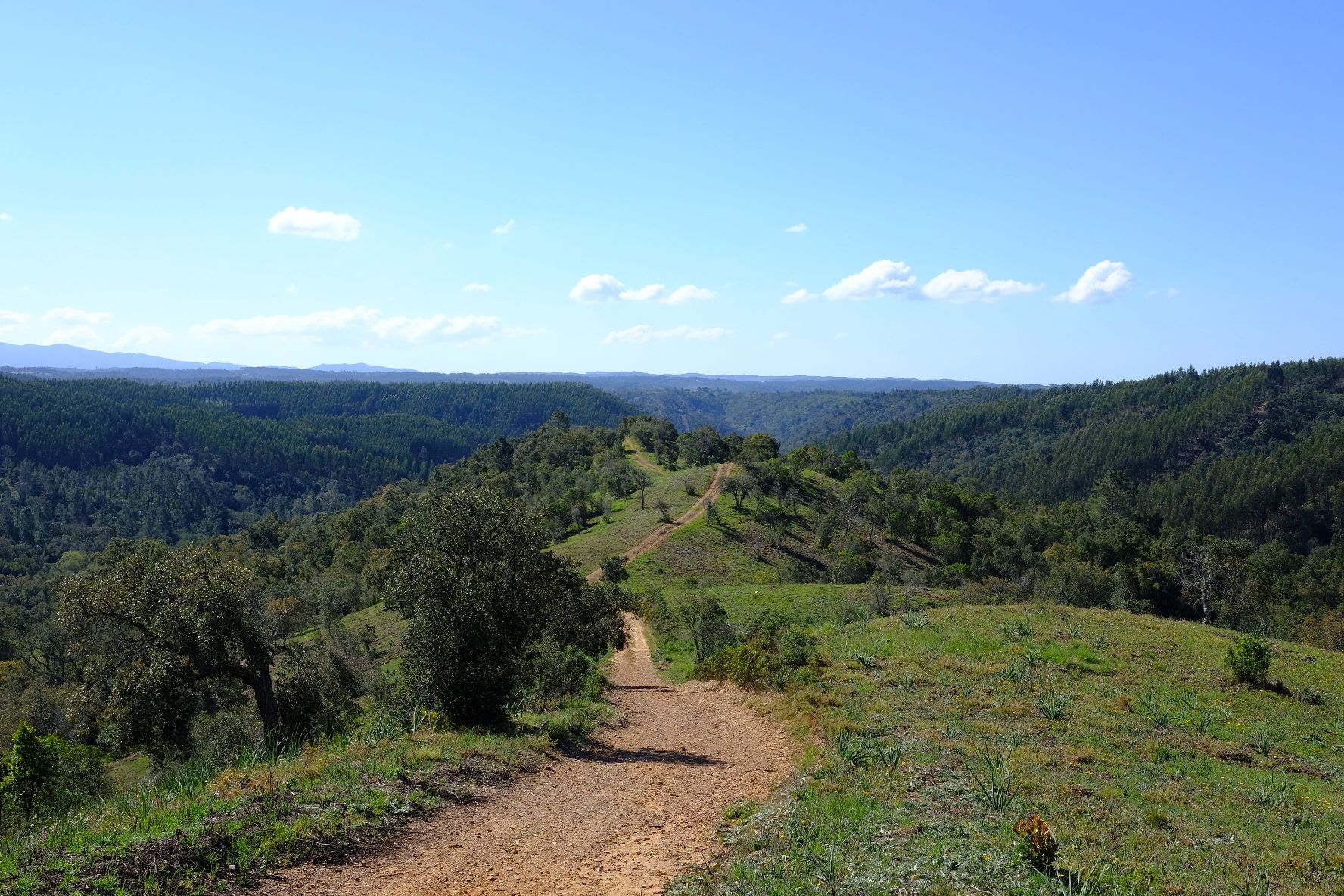
Caminho Histórico – Discover Portugal's beauty and history
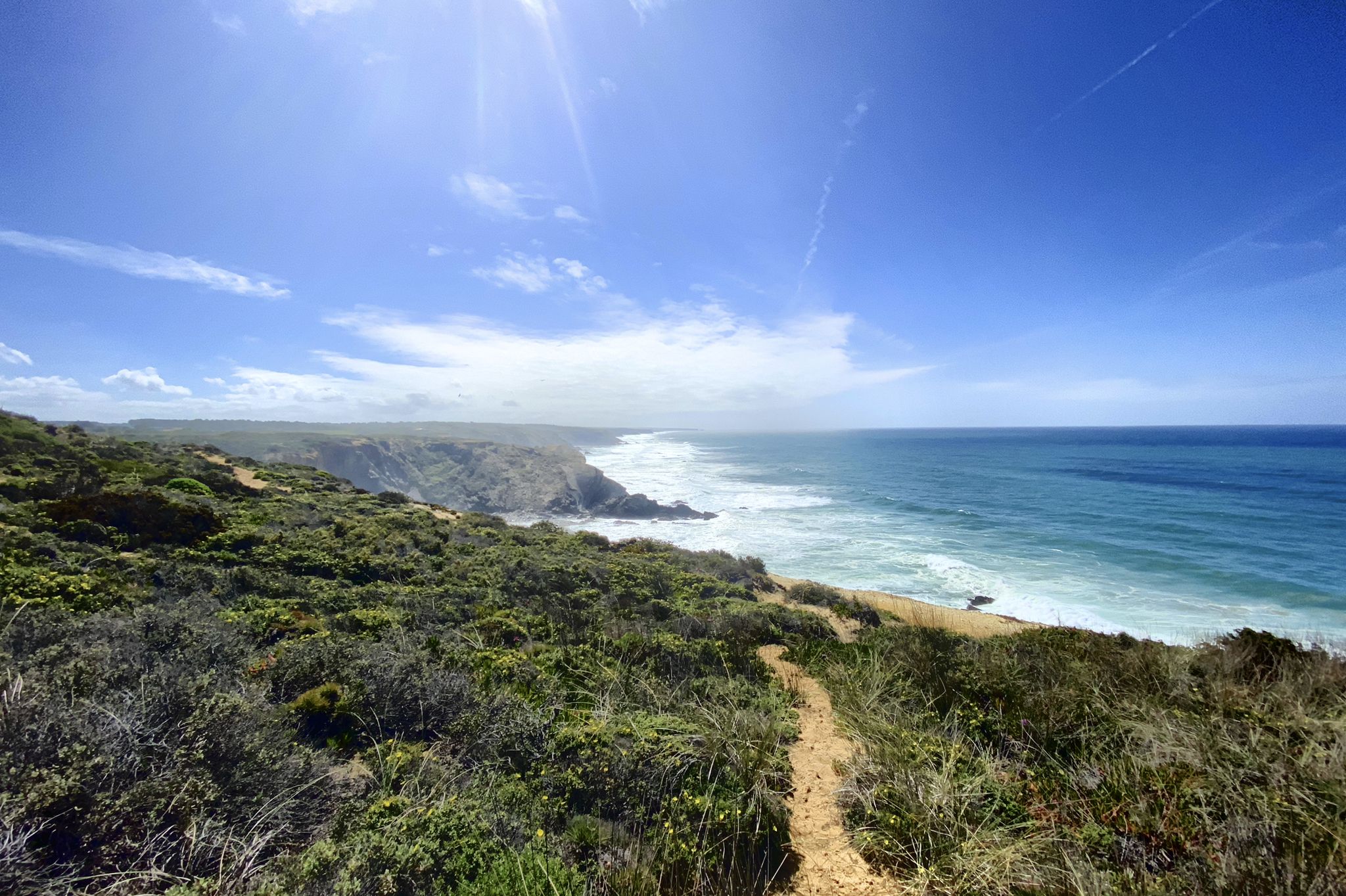
Trilho dos Pescadores – Portugal's Fishermen's Trail
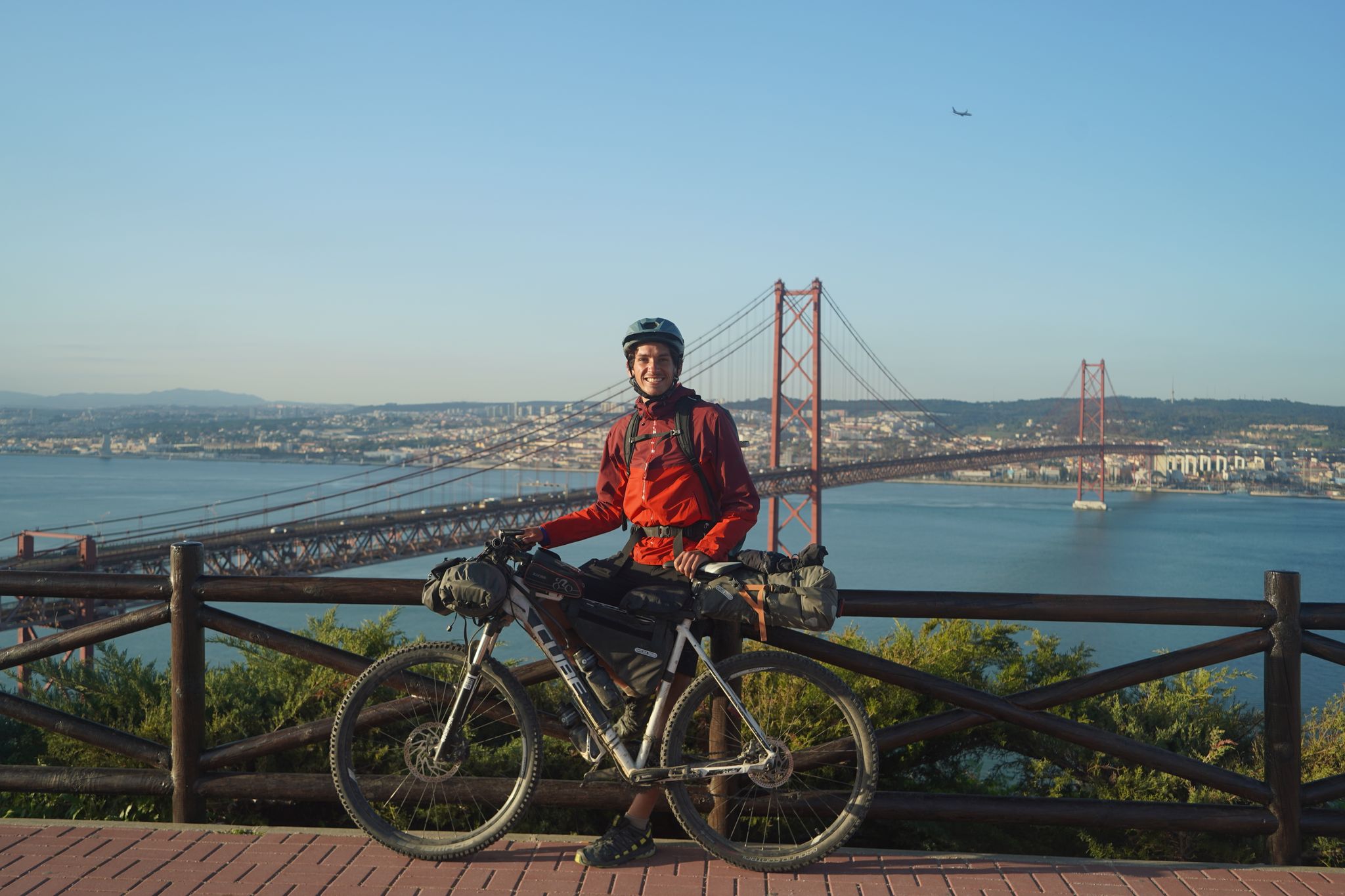
Road to Lisbon – bikepacking the Alps, Pyrenees and Picos de Europa
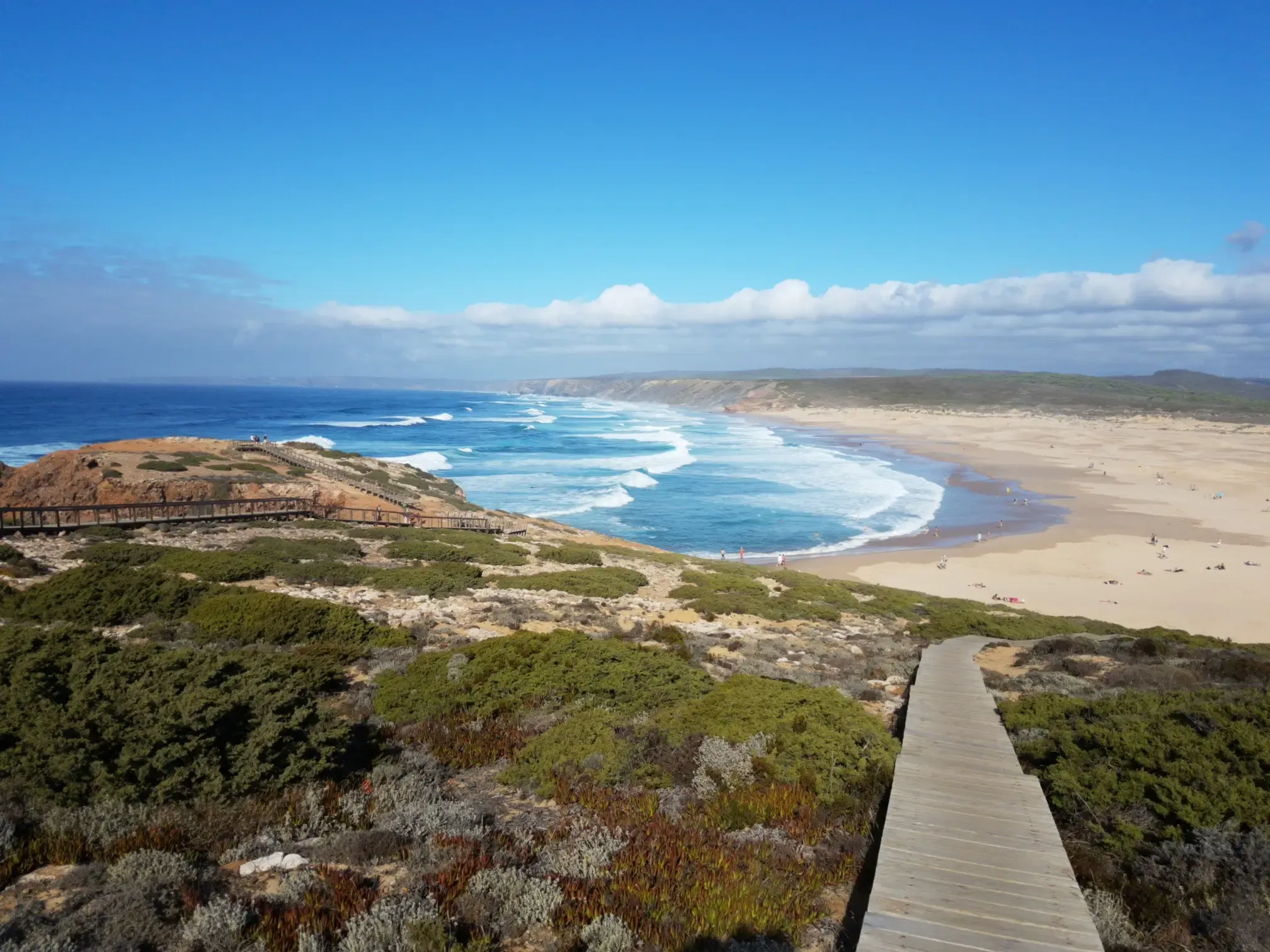
Lisbon to Santo António – The Atlantic Coast of Portugal (south)
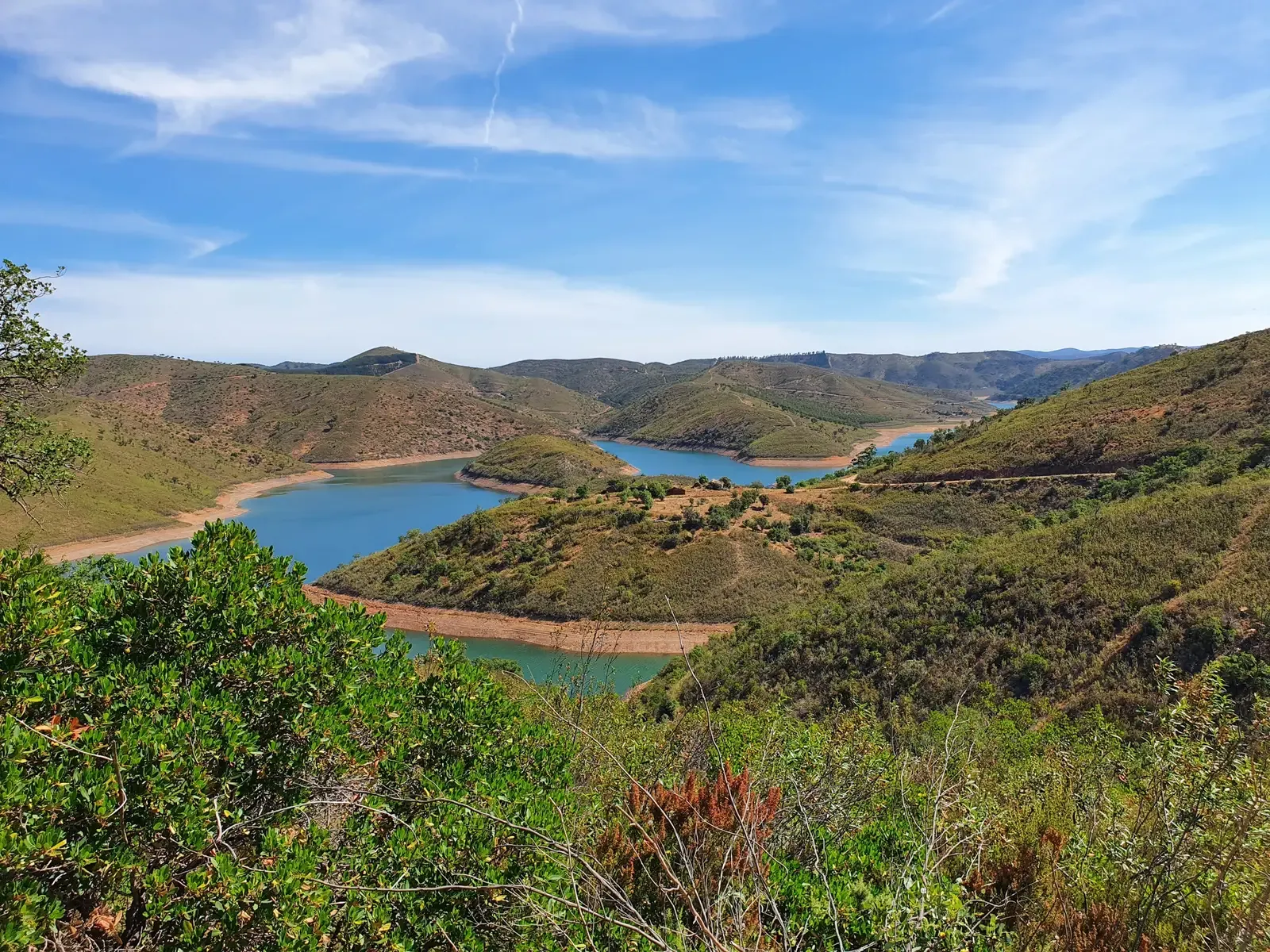
The secret Algarve – Algarviana Way
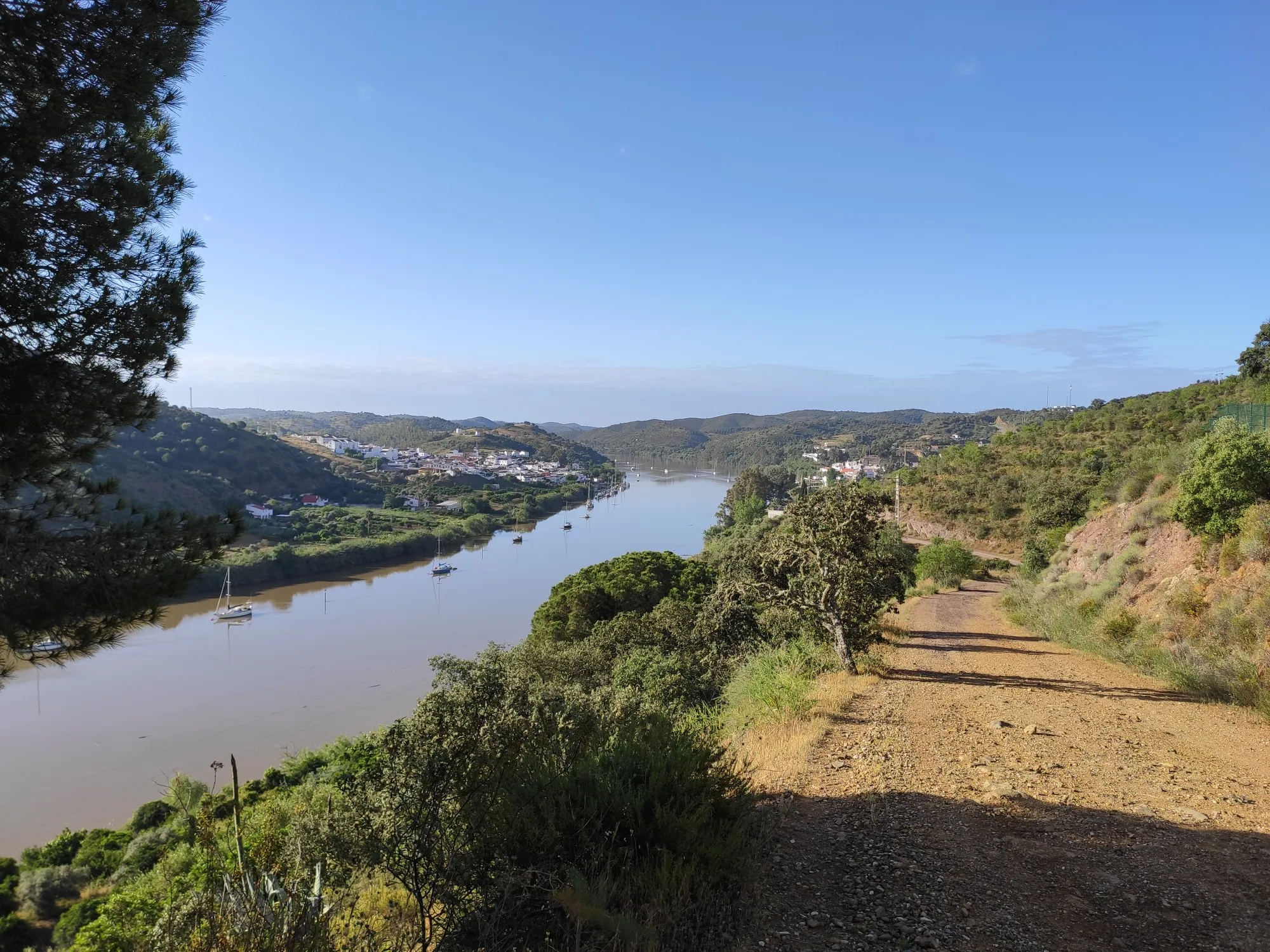
Stories of a river - Great Guadiana Route (GR 15)
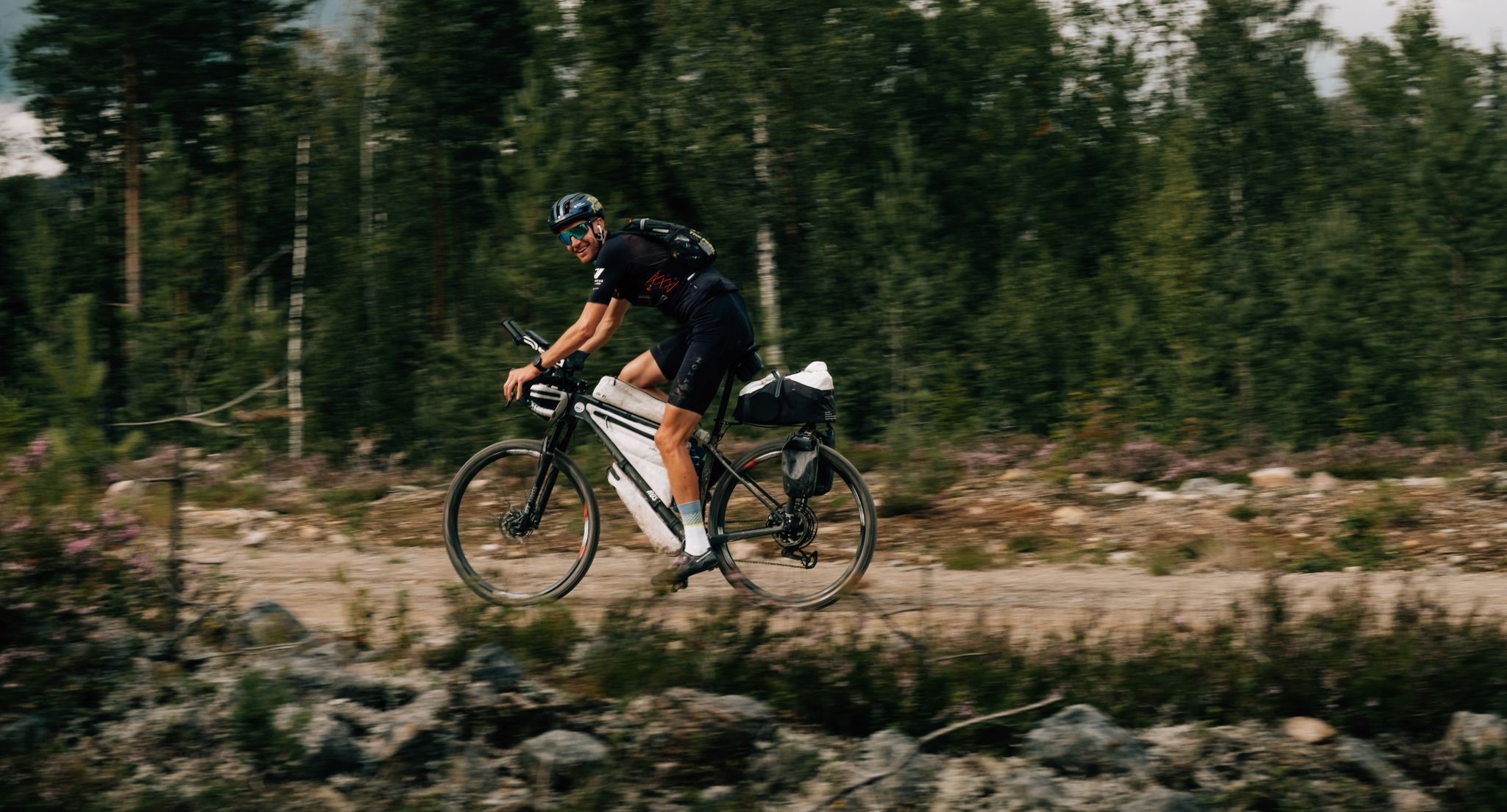
European D̶I̶V̶I̶D̶E̶ Connect Trail Project – a journey across Europe
European Divide Trail across the Iberian Peninsula – south
Other adventures in Faro


Tips from the Community

The formal gardens are very pretty and there are also free public toilets there. From the battlements there are good views over Tavira.
1
0

Tavira is a beautiful coastal town on Portugal's Algarve coast. It lies on the Gilão River, which flows into the sea via estuaries and lagoons in the Ria Formosa Natural Park. Tavira Island boasts a long sandy beach and salt flats that attract flamingos, spoonbills, and other wading birds. The medieval Castelo de Tavira is located in the town center and offers panoramic views. The Church of Santa María do Castelo houses the tombs of seven knights killed by the Moors. The town has many charming restaurants, bars, cafes, and shops!
3
0

Beliche cove marks the meeting point between southern and western Portugal, a setting where the sea and cliffs seem to clash. High above stands the Fort of Santo António de Belixe, a guardian of centuries and storms. Built before the 16th century, it survived attacks, reconstructions, and the 1755 earthquake, later being reborn as an inn. Nearby, the chapel of Santa Catarina, commissioned by Prince Henry the Navigator, serenely watches over the abyss. The views? Breathtaking: the Atlantic and the cliffs merge in a spectacle of pure grandeur.
4
0

Silves is a charming, historic town in the Algarve, Portugal, known for its imposing medieval castle and rich Moorish past. Situated on the Arade River, Silves offers narrow cobbled streets, ancient churches, traditional markets, and a peaceful, authentic atmosphere. It's a perfect destination for those who appreciate culture, history, and a tranquil setting away from the hustle and bustle of the coast.
4
0
The Sé Cathedral of Silves is an impressive Gothic building in the historic center of Silves, Algarve. It was once a mosque during the Moorish period, but was converted into a cathedral after the Reconquest. It features thick, reddish brick walls and a simple yet powerful appearance. Inside, you'll find beautiful medieval details, and it's an important symbol of the Christian Reconquest of the region.
4
0
Silves is a charming, historic city in the Algarve, Portugal, known for its impressive medieval castle that towers over the town. Situated on the Arade River, the city boasts a rich Moorish past, with narrow streets, ancient churches, and traditional markets. Quieter than the coastal towns, Silves offers an authentic Portuguese atmosphere, perfect for those seeking to explore culture and history.
3
0
Fortaleza de Sagres is a 15th-century fortress located on a cliff at the southwestern tip of Portugal, near Sagres. It was built by order of Prince Henry the Navigator and played a key role in the Portuguese voyages of discovery. The fortress offers impressive views of the Atlantic Ocean and includes an old compass and a small chapel.
3
0
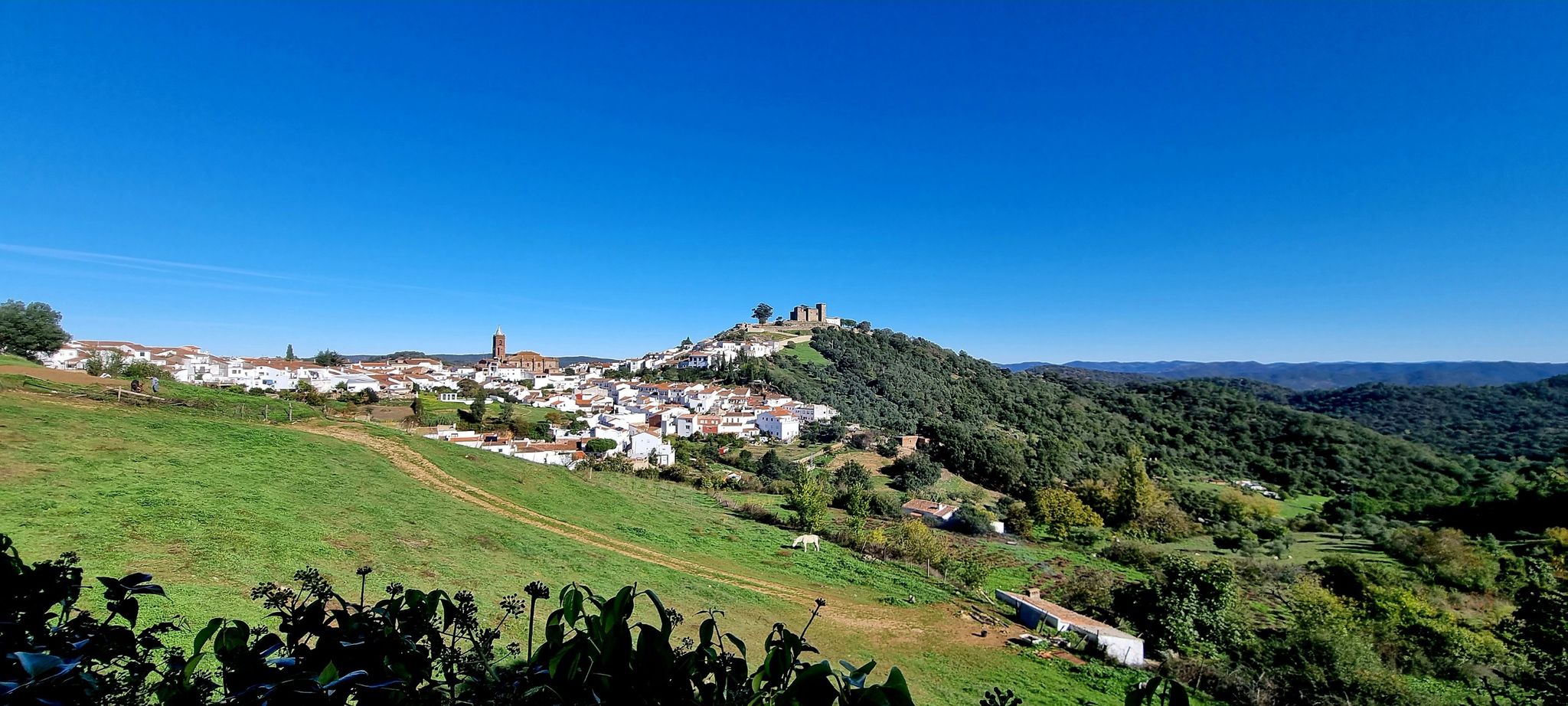
Aljezur Castle (Castelo de Aljezur) is a medieval ruin located on a hill above the old town of Aljezur in the Algarve, Portugal. It was originally built by the Moors in the 10th century and later conquered by the Christians in 1249. Today, you can see the remains of walls, towers, and a cistern, with stunning views over the valley and coast.
3
0
Frequently Asked Questions
What is unique about Faro's city walls compared to other castles in the region?
Faro's historic core, known as Vila Adentro, is fortified by ancient walls and gateways that form a defensive citadel. These walls have a long history, predating the Roman conquest and later rebuilt during the Muslim invasion. They are an integral part of the city's identity, with remnants of Moorish architecture and defining the labyrinthine streets of the historic quarter. Unlike standalone castles, these walls are woven directly into the urban fabric of Faro.
Are there any family-friendly castles or historical sites in the Faro district?
Yes, several sites are suitable for families. Silves Castle is highly recommended, offering fully accessible walls and towers with panoramic views. The Castelo de Tavira Gardens provides a pleasant botanical garden within its ruins, and Sagres Fortress offers a great walk around its coastal cliffs, which can be enjoyed by all ages.
What historical periods do the castles in the Faro region represent?
The castles and fortifications in the Faro region showcase a rich history spanning various periods. Many, like the Faro City Walls, have origins predating Roman times, with significant rebuilds during the Muslim invasion and the Christian Reconquest. Castles such as Silves Castle and Aljezur Castle date back to the Moorish period (10th-13th centuries) and were later reinforced or rebuilt after the Christian reconquest.
What outdoor activities can I do near the castles in Faro?
The Faro region offers various outdoor activities near its historical sites. For hiking, you can explore routes like the Seven Hanging Valleys Trail or the Pontal da Carrapateira loop. Mountain biking enthusiasts can find trails such as the Salt Pans Fuseta loop or the Cabo de São Vicente Lighthouse loop. You can find more details on these and other routes in the Hiking in Faro and MTB Trails in Faro guides.
Are there any lesser-known historical sites or fortifications worth visiting in the Faro district?
Beyond the prominent castles, the Faro district holds several other significant fortifications. The Ponta da Bandeira Fort in Lagos and the Almádena Fort offer historical insights and coastal views. Additionally, the historic village of Cacela Velha features a fortress and provides a charming glimpse into the region's past.
What is the best time of year to explore the castles and historical sites in Faro?
The best time to explore the castles and historical sites in Faro is typically during the spring (April-May) and autumn (September-October). During these months, the weather is pleasant, with comfortable temperatures for walking and exploring, and the crowds are generally smaller than in the peak summer season. Summer can be very hot, which might make extensive outdoor exploration less comfortable.
Can I find cafes or restaurants near Faro's old city walls?
Yes, Faro's old town, Vila Adentro, is rich with cafes and restaurants. As you explore the ancient city walls and gateways like the Arco da Vila, you'll find numerous establishments offering local cuisine and refreshments within easy walking distance. This allows visitors to combine historical exploration with culinary experiences.
Are there any viewpoints overlooking Faro's old city walls?
Yes, walking along parts of the ancient Faro City Walls themselves offers charming views of the old town. Additionally, areas around the Arco do Repouso and the Arco da Vila provide excellent vantage points to appreciate the fortifications and the historic architecture of Faro.
Are there guided tours available for the historical castles in the Faro region?
While specific guided tours for every castle may vary, many of the major historical sites, such as Silves Castle, often have information available on-site or can be explored with local guides. For Faro's city walls, walking tours of the old town (Vila Adentro) are commonly available and provide historical context for the fortifications.
What are the opening hours for Faro's main historical sites?
Opening hours for historical sites and castles in the Faro region can vary by season and specific location. It is always advisable to check the official websites or local tourist information for the most up-to-date schedules for sites like Silves Castle, Castelo de Tavira Gardens, and Aljezur Castle before your visit.
Are there any dog-friendly historical walks in Faro?
Exploring the outdoor areas around Faro's city walls and the wider district's castles can often be dog-friendly, especially for walks along the exterior paths or in open-air ruins. However, access policies for dogs inside specific historical buildings or enclosed castle grounds may vary. It's best to check individual site regulations beforehand.
What can I expect when visiting Faro's castles in summer?
Visiting Faro's castles in summer means experiencing warm to hot weather, especially from July to August. Expect longer daylight hours, but also larger crowds, particularly at popular sites. It's advisable to visit early in the morning or late in the afternoon to avoid the midday heat and bring plenty of water, sunscreen, and a hat.
Most popular routes in Faro
Most popular attractions in Faro

Get inspired with the komoot mobile app


Didn’t find what you were looking for?
Explore Faro’s best castles region by region:
Explore more
Looking for the best castles somewhere else? Discover other guides in Faro:
