Top 5 Gorges around Jujols
Canyons around Jujols are primarily found in the broader Pyrénées-Orientales department, offering diverse gorge exploration opportunities. While Jujols itself is known for natural reserves and hiking, the nearby region features notable canyon-like experiences. These include the Gorges de la Carança, which provides adventurous hiking with equipped paths, and the Saint-Vincent Canyon, a challenging route for experienced canyoners. The area is characterized by deep gorges carved into the Pyrenean massif, offering varied natural landscapes.
Best canyons around Jujols
- The most popular…
Last updated: November 24, 2026
Carança Corniche
Highlight • Gorge
Translated by Google •
Tip by

The Footbridges of the Carançà Gorge
Highlight • Gorge
Translated by Google •
Tip by

Sign up now to discover places like this
Get recommendations on the best single tracks, peaks, & plenty of other exciting outdoor places.
Chemin de la Corniche
Highlight (Segment) • Trail
Translated by Google •
Tip by

Roc de la Foradada
Highlight • Natural Monument
Showing Translation
Tip by

Carança Gorge
Highlight • Gorge
The gorges can be explored on foot, via walkways and ledges dug in 1943 …
Translated by Google •
Tip by
Start today with a free account
Your next adventure awaits.
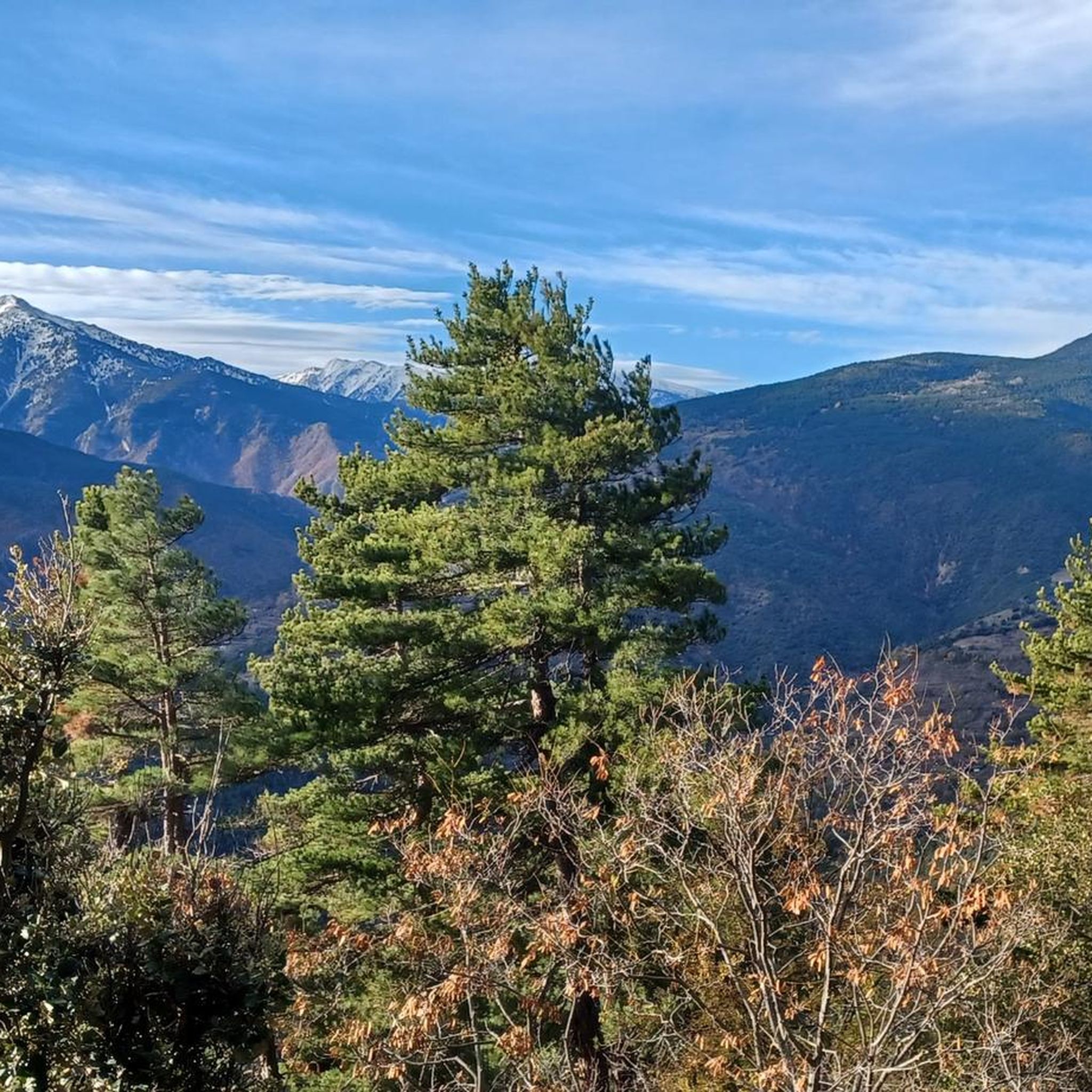
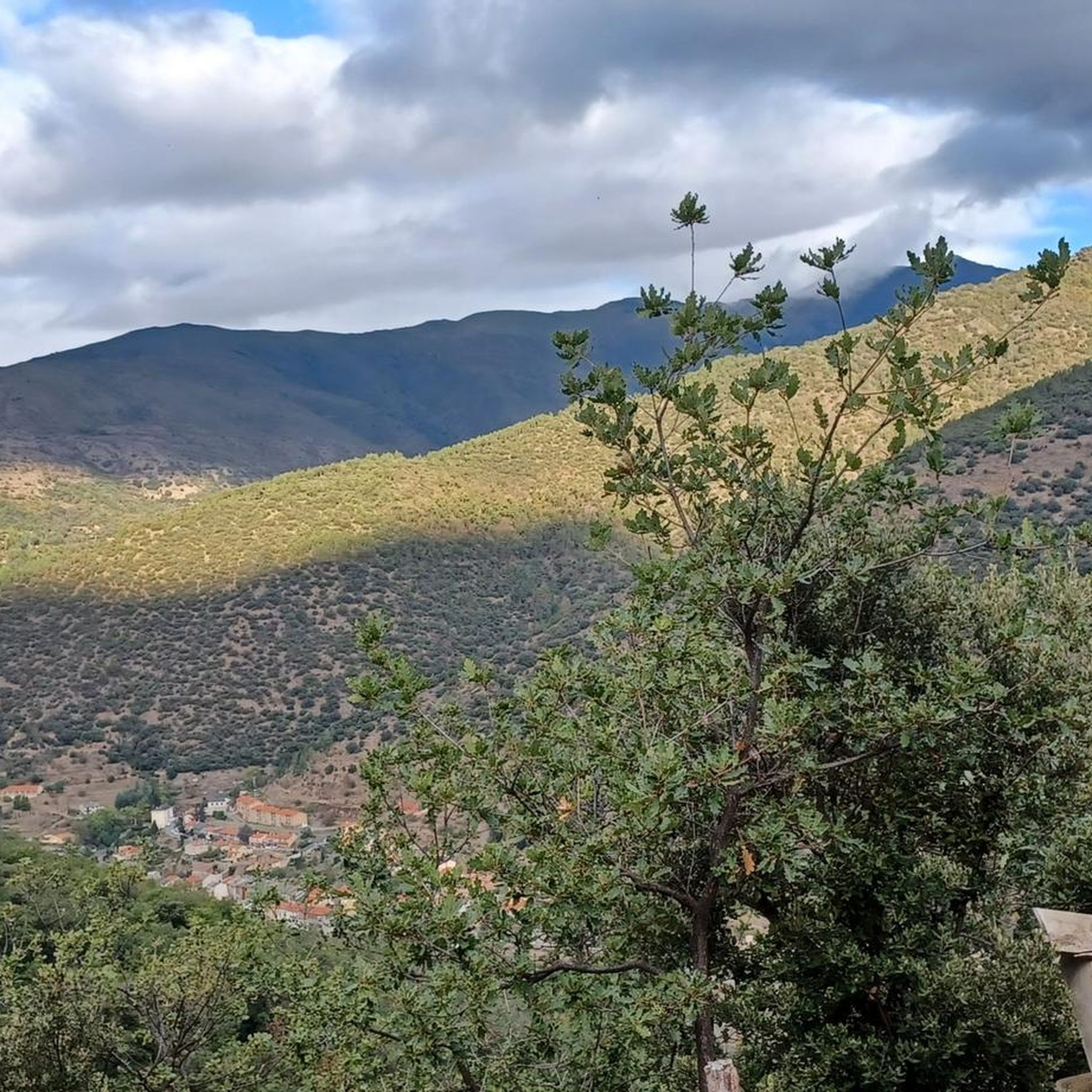
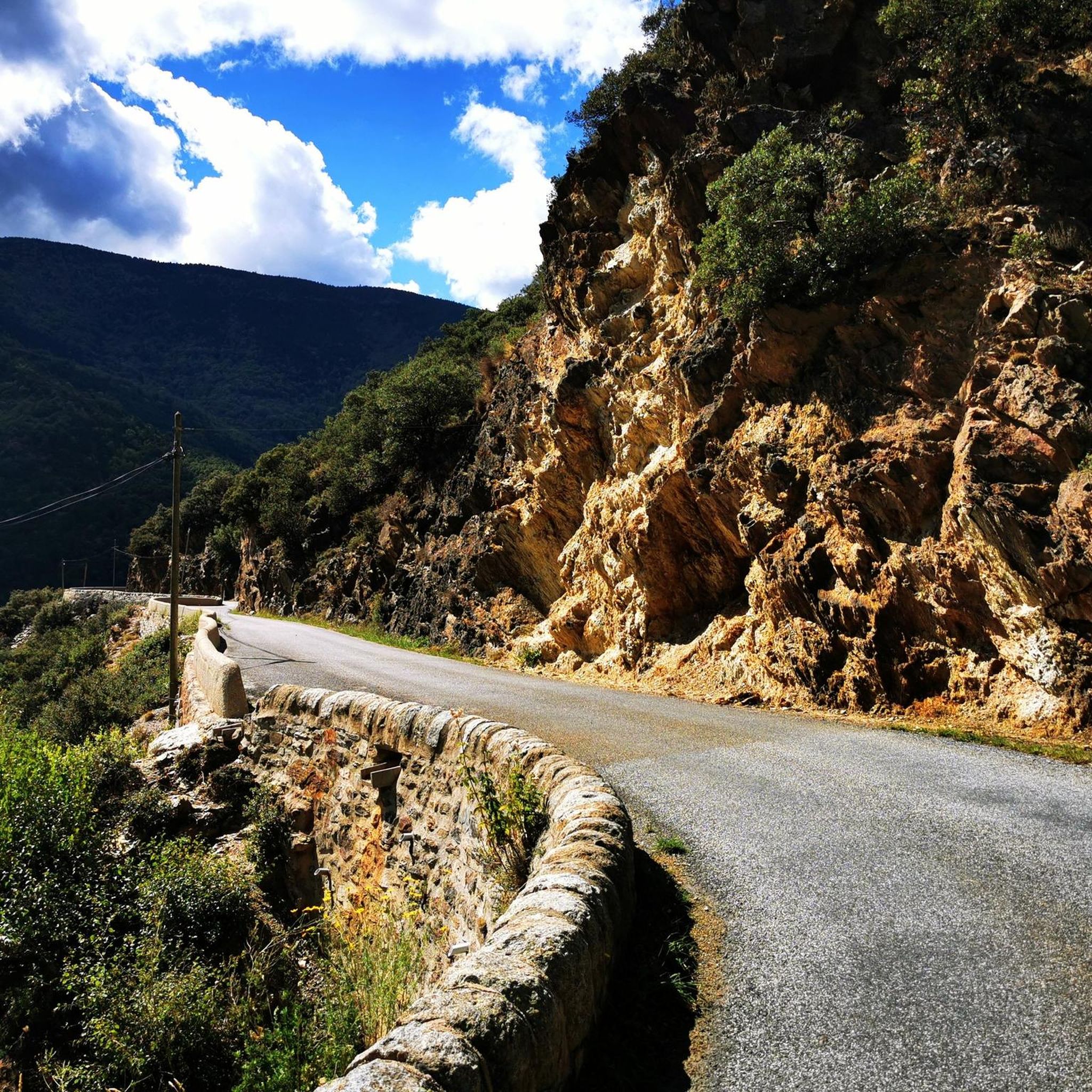
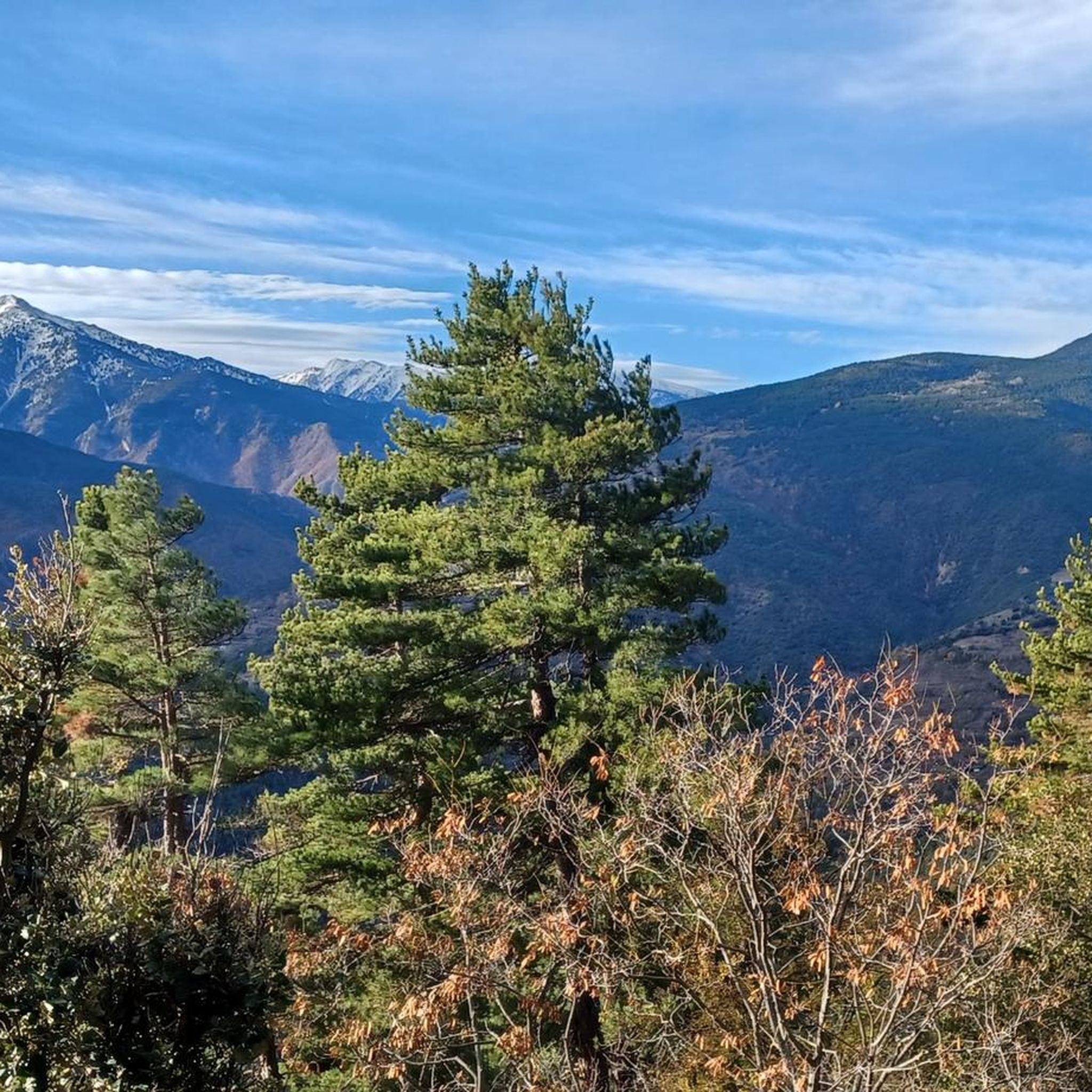

Tips from the Community

It is a path carved into the rock, hence its name. If you have a bit of courage, you will enjoy an exciting adventure walking through here.
1
0

Take your time and respect the two-person-at-a-time rule.
0
0

These dizzying gorges are the starting point for hikes to the lake of the same name. The gorges can be explored on foot, via walkways and ledges dug in 1943 to serve the construction site during the drilling of the tunnel that collected water from the Carança River for the Thuès hydroelectric power plant.
14
0
Beautiful point to look around and let each other pass
15
0
Beautiful point, but watch your head because of the rock points and where you put your feet. Here you can easily pass each other
20
0
Breathtaking gorge, great parking 5 euros, just follow komoot for the most beautiful route, fear of heights? Do not look into the depths, but especially where you put your feet. If you are Dutch tall, then also pay attention to the rocky points at head height. What a great trip😀
22
0

When the path joins the river and next to a small dam, we connect with the path that comes from the ledge. Here begins the most exciting part of the excursion! Ahead of us are ten bridges, numbered in yellow paint, as well as walkways built with metal panels from which we see the river slide between the rocks beneath our feet. All steps are aerial but well secured with cables and railings. Of course: we have to pay special attention if we go with children. This area, in addition to being a real adventure, is ideal for contemplating the small waterfalls from the front row and listening to the murmurs of the river. Here you can enjoy the grandeur of an overflowing nature… After the bridge marked with a 10, the path widens and we pass over a small stone bridge that crosses the Roig stream, a tributary of the Tet river. We pass a stone hut without a roof and arrive at the last footbridge, located at a point where the river is enclosed by a rock wall. At this point, most walkers turn around and those who continue do so thinking of reaching the refuge of the Ras de Carançà, still far away. The last time I did this stretch (see excursion: https://www.komoot.com/es-es/tour/994475321/ ) it was just the other way around, coming from the refuge of Ras de Carançà.
1
0
When we reach the fork in the road, we will continue on the left that goes across the river over a suspension bridge. Here we will find the last footbridge of the route. We enter the Camí de la Corniche (Chemin de la Corniche), which runs along the cliff and is a luxury balcony: Roc de la Madrieu, Serrat del Cortal, Thuès and its church of Sant Genís, the Tet valley... It is a narrow and vertiginous path dug into the rock, similar to the Ruta del Cares, which follows the cliff formed by the river. It seems that it was built to have access to the hydroelectric plant that we left a little above and that produces the energy that moves the yellow train. That is why during the tour we will find access doors to the company's facilities almost hidden among the rocks. The road to the ledge produces vertigo, seen from the other side it looks like a small scratch in the rock, but once inside we see that this is not the case. It is wide enough to walk without problems and it also has a safety cable, as a handrail. There is nothing to fear, but if one wants to admire the abyss it is better to stop and thus avoid a possible trip with dramatic consequences.
5
0
Frequently Asked Questions
What types of canyon experiences are available near Jujols?
Near Jujols, you can find two main types of canyon experiences. For experienced canyoners seeking a challenging aquatic adventure, the Saint-Vincent Canyon offers a long descent with numerous rappels and waterfalls. If you prefer adventurous hiking with a canyon-like feel, the Gorges de la Carança provides equipped paths, suspension bridges, and ledges carved into the rock.
Are there any family-friendly canyoning options around Jujols?
While the Saint-Vincent Canyon is reserved for experienced individuals, the Gorges de la Carança offers different levels of hikes, some of which can be enjoyed by families. However, certain sections with suspension bridges and ledges are not recommended for children under 8 years old or those with severe vertigo. It's more of an adventurous hiking experience than technical canyoning.
What makes the Gorges de la Carança a unique experience?
The Gorges de la Carança is renowned for its unique 'equipped path' experience. It features winding trails, ladders, suspension bridges, and footbridges that traverse the torrent, along with ledges carved directly into the rock face. The Carança Corniche and The Footbridges of the Carançà Gorge are particularly popular sections, offering breathtaking natural landscapes and a thrilling adventure.
What level of experience is required for the Saint-Vincent Canyon?
The Saint-Vincent Canyon is considered one of the longest and most challenging canyoning routes in the Pyrénées-Orientales. It requires prior canyoning experience and is best suited for sporty individuals due to its technical, aquatic nature, significant elevation drop, and numerous rappels. The approach hike alone involves nearly 1000 meters of elevation gain.
What natural features can I expect to see in the canyons near Jujols?
The canyons in the region are characterized by deep gorges carved into the Pyrenean massif, with rock walls reaching almost 1000 meters high. You'll encounter impressive waterfalls, natural slides, and unique rock formations like the Roc de la Foradada. The Gorges de la Carança also boasts rich flora and fauna, including Pyrenean chamois and golden eagles.
What are some notable sections within the Gorges de la Carança?
Within the Gorges de la Carança, key sections include the Carança Corniche, known for its dizzying passages along the rock face. Another highlight is The Footbridges of the Carançà Gorge, an adventurous section with bridges, ladders, and suspension bridges. You can also find the Section of rock path at el Fornàs, which is a path cut directly into the rock offering views over Thuès-Entre-Valls.
What is the best time to visit the canyons around Jujols?
The best time to visit the canyons and gorges around Jujols generally depends on the activity. For technical canyoning in Saint-Vincent, summer months are typically preferred when water levels are more manageable. For hiking in the Gorges de la Carança, spring and autumn offer pleasant temperatures, though summer is also popular. Always check local conditions and weather forecasts before your visit.
Are there any historical aspects to the canyon trails?
Yes, the Gorges de la Carança features a path built in 1943, originally for transporting materials. This historical aspect adds a unique dimension to the trail, particularly along sections like the Chemin de la Corniche, which was likely constructed to access hydroelectric plant facilities.
What do visitors enjoy most about the canyons around Jujols?
Visitors frequently praise the breathtaking landscapes and the adventurous nature of the trails. Many highlight the unique experience of navigating equipped paths with bridges, ladders, and ledges. The immersive mountain adventure and the wild, technical aspects of the Saint-Vincent Canyon are also highly appreciated by experienced enthusiasts.
What outdoor activities can I do near these canyons?
Beyond canyon exploration, the region around Jujols offers a variety of outdoor activities. You can find numerous road cycling routes, including challenging ascents like Mont-Louis and Col de la Llose. There are also extensive MTB trails and general cycling routes available. For more details on these activities, you can explore the Road Cycling Routes around Jujols, MTB Trails around Jujols, and Cycling around Jujols guides.
Is parking available for accessing the Gorges de la Carança?
Yes, parking is available for visitors to the Gorges de la Carança. Some visitor tips mention a parking fee, for example, 5 euros. It's advisable to check current parking conditions and fees upon arrival.
Are there any specific safety considerations for the Gorges de la Carança?
Yes, while an adventurous hike, sections of the Gorges de la Carança, particularly the Carança Corniche and Chemin de la Corniche, feature dizzying and spectacular passages. These are not recommended for those with severe vertigo or young children. Always pay attention to where you place your feet and watch for rocky points at head height. Some paths have safety cables as handrails.
Most popular attractions around Jujols

Get inspired with the komoot mobile app


Explore more
Already discovered everything in this region? See additional gorges around Jujols for your next adventure:
