Top 6 Gorges around La Cabanasse
Best canyons around La Cabanasse are characterized by deep gorges and dramatic rock formations in the Pyrénées-Orientales region. The area features natural sites with significant geological structures and a turbulent mountain stream. These canyons offer diverse terrain, including paths carved into cliffs and routes with engineered crossings. The landscape is shaped by the Carança river, providing a setting for outdoor exploration.
Best canyons around La Cabanasse
- The most popular canyon is Carança Corniche, a gorge that features challenging sections…
Last updated: June 27, 2026
Carança Corniche
Highlight • Gorge
Translated by Google •
Tip by

The Footbridges of the Carançà Gorge
Highlight • Gorge
Translated by Google •
Tip by

Sign up now to discover places like this
Get recommendations on the best single tracks, peaks, & plenty of other exciting outdoor places.
Sign up for free
Chemin de la Corniche
Highlight (Segment) • Trail
Translated by Google •
Tip by

Gorges de la Carança
Highlight • Gorge
Translated by Google •
Tip by
Roc de la Foradada
Highlight • Natural Monument
Translated by Google •
Tip by
Sign up for free to discover even more gorges around La Cabanasse.
Sign up for free
Already have an account?
Start today with a free account
Your next adventure awaits.
Login or Signup
Popular around La Cabanasse
Other adventures around La Cabanasse

Tips from the Community

Take your time and respect the two-person-at-a-time rule.
0
0

Beautiful point to look around and let each other pass
15
0

Difficult hike, lack of markings in some places.
1
1

@daniel: There's no dam in the gorge, though. Was the project scrapped again?
3
0

It looks spectacular, but it's not that bad. The footbridges and suspension bridges in the gorge offer similar "thrills".
2
1

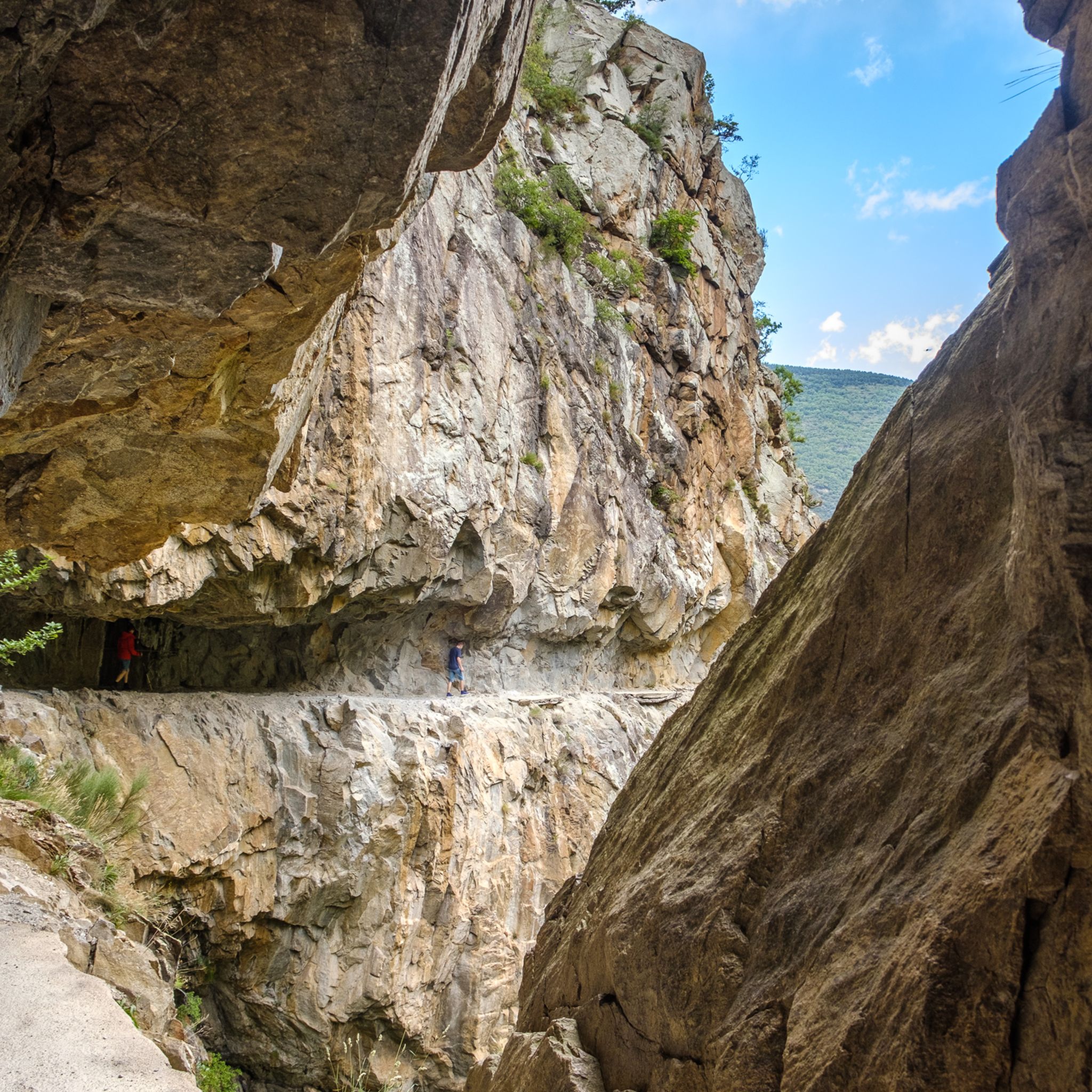
Here a breathtaking path was cut into the rock for the construction of a dam.
1
0
Beautiful point, but watch your head because of the rock points and where you put your feet. Here you can easily pass each other
20
0
Look at your feet, watch the rocks in front of your head if you are tall, don't look into the depths but enjoy the views far ahead.
20
1
Frequently Asked Questions
What makes the canyons around La Cabanasse unique?
The canyons near La Cabanasse, particularly the Gorges de la Carança, are renowned for their dramatic mountain scenery and adventurous pathways. You'll find unique features like suspension bridges, metal walkways, and ladders traversing the turbulent Carança river. A significant highlight is the "chemin de balcon," a narrow path carved directly into the steep rock face, offering breathtaking views.
Are there any historical aspects to the canyon trails?
Yes, the paths and ledges within the Gorges de la Carança have a historical background. They were originally dug in 1943 to facilitate the construction of a hydroelectric plant, adding an interesting historical layer to the natural wonder.
What kind of wildlife can be observed in the Gorges de la Carança?
The Gorges de la Carança is home to diverse wildlife unique to the Pyrenees. Keep an eye out for species such as the Pyrenean chamois, the majestic golden eagle, and the elusive desman of the Pyrenees, offering opportunities for nature observation during your visit.
What are some of the most adventurous sections in the canyons?
For an adventurous experience, explore The Footbridges of the Carançà Gorge, which features exciting routes with bridges, ladders, and a suspension bridge. Another thrilling section is the Carança Corniche, known for its challenging passages and panoramic views along the cliffside.
Are the canyon trails suitable for families with children?
The Gorges de la Carança can be enjoyed by families, but it's generally advised for children aged 8 and older who are accustomed to walking for several hours. Some sections, like the Carança Corniche and Chemin de la Corniche, can be dizzying, so consider this for younger children or those with a fear of heights.
What is the best time to visit the Gorges de la Carança?
The Gorges de la Carança is generally best visited during spring, summer, and early autumn when the weather is mild and the trails are clear. Always check local conditions before your visit, especially after heavy rain or during colder months when some sections might be less accessible.
How can I access the Gorges de la Carança from La Cabanasse?
The starting point for the Gorges de la Carança is in Thuès-entre-Valls, which is easily accessible from La Cabanasse. Paid parking is available at the trailhead. You can also reach Thuès-entre-Valls via the famous Yellow Train, a scenic railway line that offers a unique approach to the area.
What should I wear or bring for a hike in the canyons?
Appropriate footwear, such as sturdy hiking shoes, is essential for navigating the varied terrain, including rocky paths and metal structures. It's also advisable to bring water, snacks, and layers of clothing, as weather conditions can change in the mountains. If you have vertigo, be aware that some sections are exposed.
What other outdoor activities can I do near the canyons around La Cabanasse?
Beyond canyon exploration, the area around La Cabanasse offers a variety of outdoor activities. You can find numerous cycling routes, including challenging loops like the Col de la Perche. There are also MTB trails, such as the Pla de Barrès to Lac des Bouillouses loop, and scenic road cycling routes for different skill levels.
What do visitors enjoy most about the canyons near La Cabanasse?
Visitors consistently praise the spectacular scenery and the unique adventure offered by the canyons. Many highlight the exhilarating experience of traversing suspension bridges and paths carved into cliffs, like the Chemin de la Corniche, which provides a "luxury balcony" view of the Tet valley. The combination of natural beauty and thrilling trails makes for a memorable outdoor experience.
Are there any sections of the canyon that are particularly challenging or require caution?
Yes, sections like the Carança Corniche and the Section of rock path at el Fornàs are known for being quite dizzying and spectacular. While safety cables are often in place, individuals with severe vertigo should exercise caution. Always pay attention to your footing and watch for rocky points, especially if you are tall.
Can I extend my hike in the Gorges de la Carança beyond the main loop?
Absolutely. While a popular circular route of about 8 km exists, there are options for longer, more challenging treks. These routes can lead to the Ras de la Carança refuge and the high-altitude Estany de Carançà (Carança Lake), offering opportunities for two-day adventures with bivouac options for experienced hikers.
Most popular routes around La Cabanasse
Most popular attractions around La Cabanasse

Get inspired with the komoot mobile app


Explore more
Already discovered everything in this region? See additional gorges around La Cabanasse for your next adventure:
