The best cycling routes around Torrebaja
5.0
(1)
43
riders
8
rides
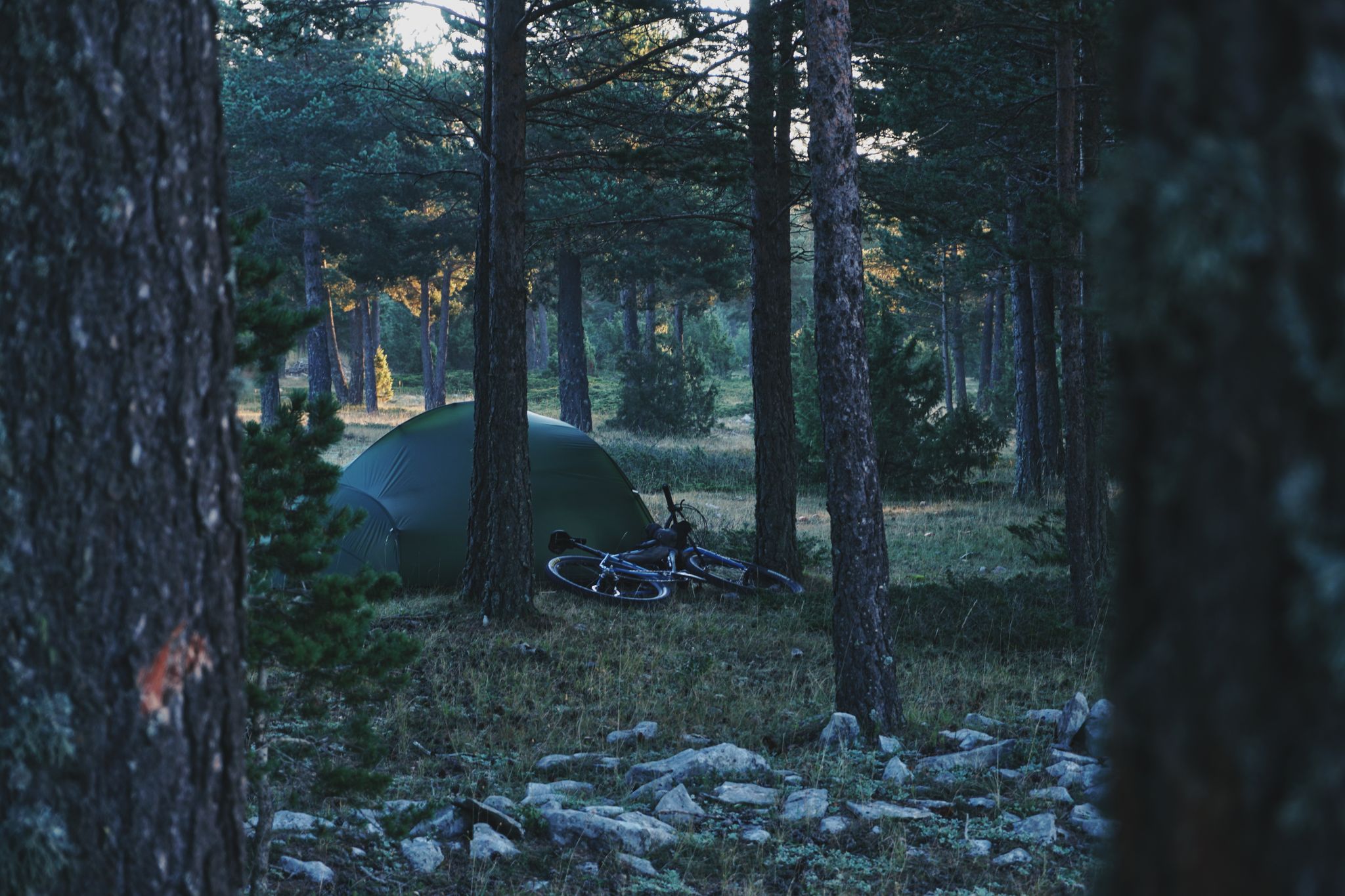
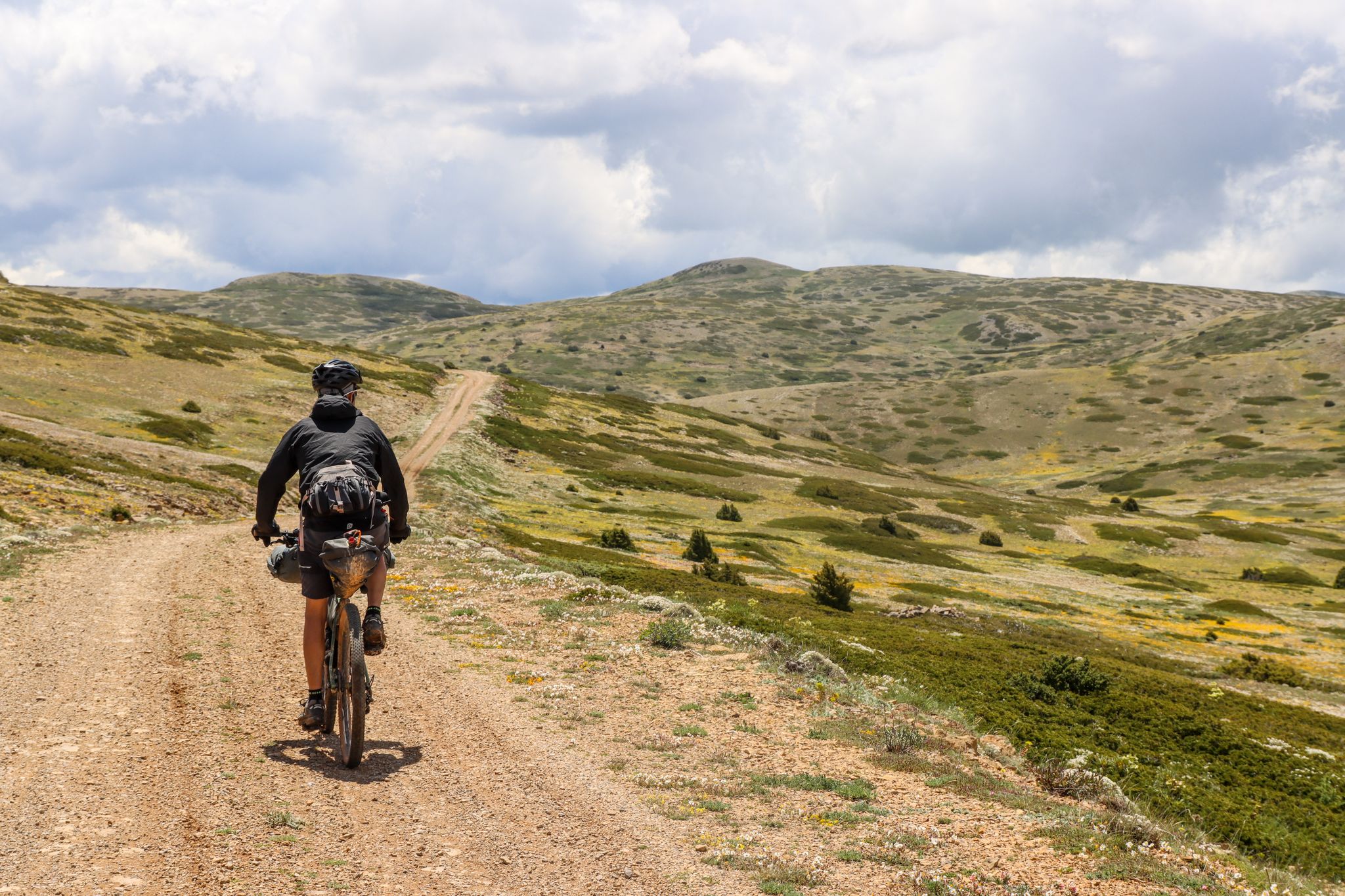
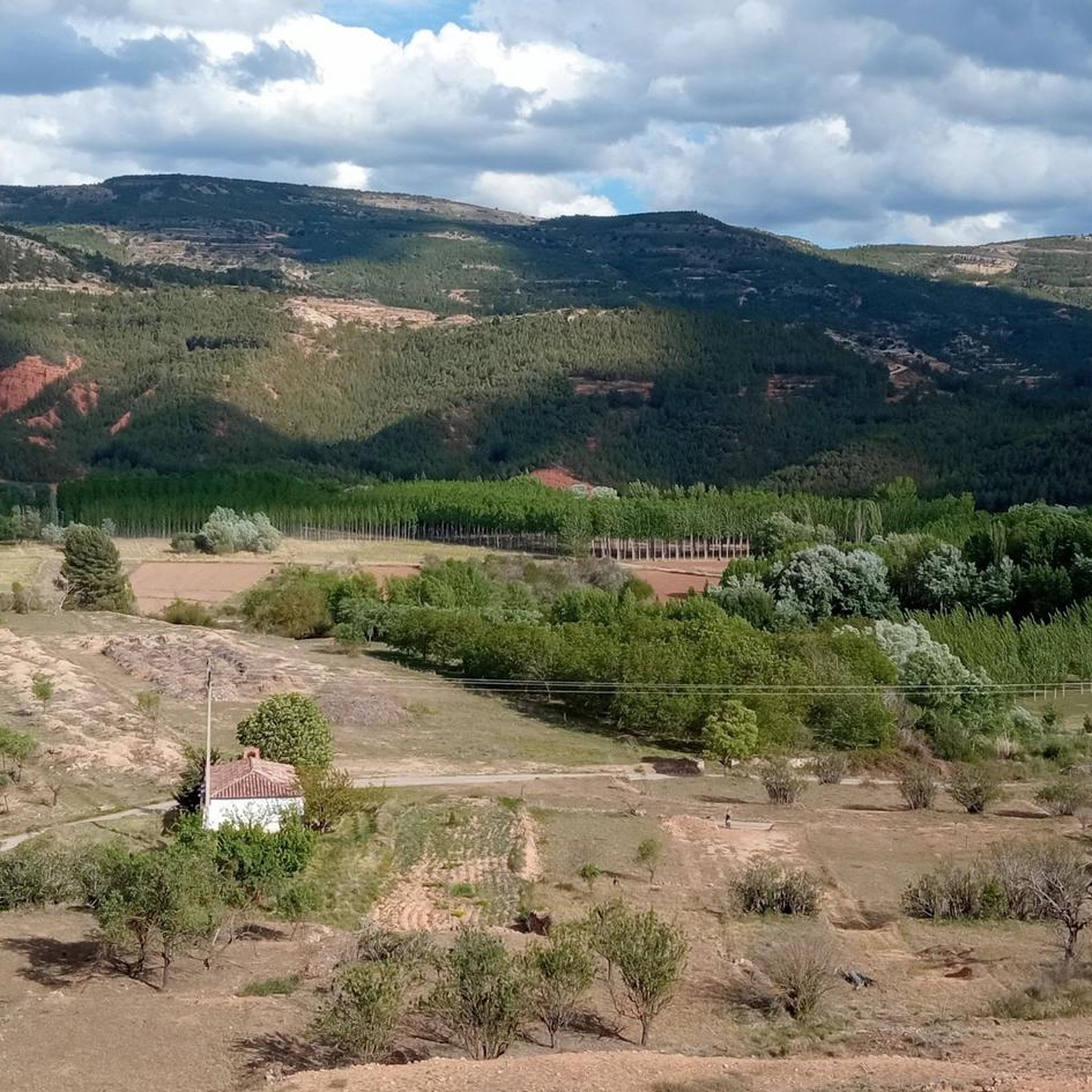
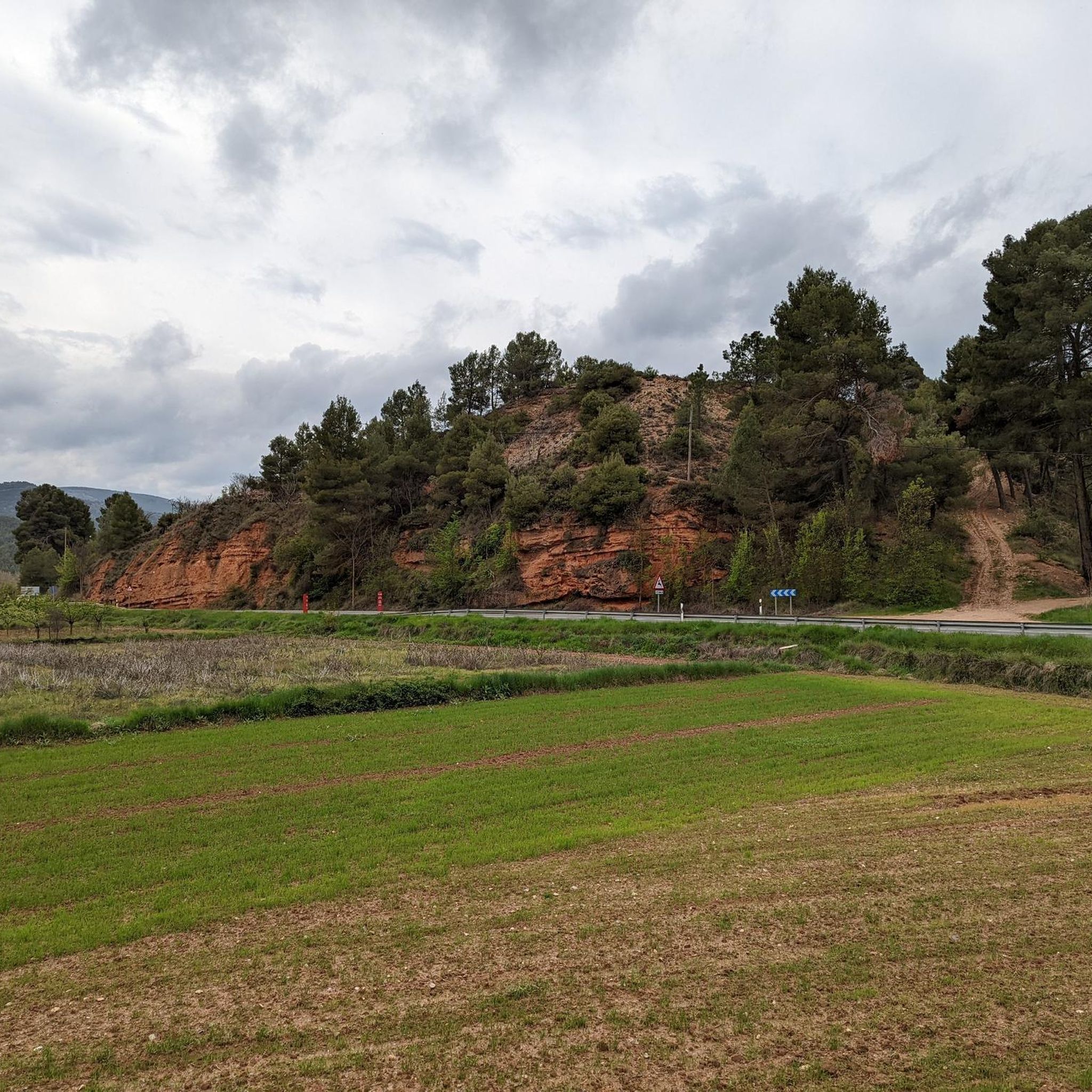
Touring cycling routes around Torrebaja traverse a landscape characterized by mountainous terrain, significant elevation changes, and remote natural areas. The region features river valleys carved by the Turia and Ebrón rivers, offering varied terrain including farmlands and forested sections. Cyclists encounter passes and high-altitude trails, providing a challenging environment. Panoramic viewpoints, such as those near San Roque Chapel, offer extensive views of the surrounding countryside.
Best touring cycling routes around Torrebaja
- The most popular touring cycling route is Empty Mountains…
Last updated: October 11, 2026
57.5km
05:31
1,270m
1,280m
This difficult 35.7-mile touring cycling route from Castielfabib explores the remote "Empty Mountains" with 4169 feet of elevation gain.
10
riders
85.7km
05:08
570m
570m
Hard bike ride. Very good fitness required. Mostly paved surfaces. Suitable for all skill levels.

8
riders
21.9km
01:43
160m
160m
Moderate bike ride. Good fitness required. Mostly paved surfaces. Suitable for all skill levels.
5.0
(1)
8
riders
33.2km
03:46
1,040m
1,030m
Hard bike ride. Very good fitness required. Mostly paved surfaces. Suitable for all skill levels.
4
riders
29.9km
02:39
610m
610m
Hard bike ride. Very good fitness required. Mostly paved surfaces. Suitable for all skill levels.
Get access to more routes and recommendations from other explorers.
Already have an account?
Our route recommendations are based on thousands of hikes, rides, and runs completed by other people on komoot.
Start today with a free account
Your next adventure awaits.



Tips from the Community

The entrance fee of €5 combined with the Museum of Sacred Art is definitely worth it.
1
0

What to see in Teruel (must-sees) Oval Staircase Monumental entrance to the historic center in Neo-Mudéjar style, with reliefs of the Lovers of Teruel. Plaza del Torico The heart of the city, surrounded by Modernist buildings and bars. Mudéjar Towers Torre del Salvador (open to visitors, with a viewpoint). San Martín and San Pedro Churches. Cathedral of Santa María de Mediavilla Spectacular Mudéjar roof and unique dome. Mausoleum of the Lovers Romantic and tragic story, next to the Church of San Pedro. Los Arcos Aqueduct Historical walk along the Renaissance aqueduct. Teruel Provincial Museum To discover local archaeology and art. Dinópolis Dinosaur theme park, ideal if you are traveling with children.
8
0
Visiting Teruel is a highly recommended experience if you enjoy history, architecture, and charming villages. It's a small city, easy to explore on foot, and is renowned for its Mudéjar art, a UNESCO World Heritage Site, and for the famous legend of the Lovers of Teruel.
7
0
The Los Arcos Aqueduct is located in Teruel, on Calle Bajo los Arcos (also known as Camino Bajo los Arcos), and is one of the city's most emblematic monuments. Construction: Between 1537 and 1554, designed by the French architect Quinto Pierres Vedel. Function: It served as both an aqueduct and a viaduct, supplying water to the city and allowing passage over the ravine.
4
0

This aqueduct is also a viaduct, as the piers of the second section are open to traffic. It is a work by the Frenchman Quinto Pierres Vedel, begun in 1537 and completed by the end of the 16th century. It consists of two tiers of arches. This bridge compensates for the difference in elevation between medieval and modern Teruel.
2
0
The Plaza del Torico is the heart of Teruel, a city in Aragon, Spain. This square is famous for its small statue of a bull, known as “El Torico,” which sits atop a column in the center of the square. The square has an oval shape and is surrounded by historic and modernist buildings, as well as bars and restaurants where you can enjoy local cuisine. The fountain of El Torico, dating back to 1855, is one of the most emblematic elements of the square. Legend has it that during the Reconquista, a bull guided by a star led the troops of King Alfonso II to the place where Teruel was founded.
9
0
The Cathedral of Santa María de Mediavilla, also known as the Cathedral of Teruel, is an architectural gem located in Teruel, Aragon. This cathedral is an outstanding example of the Mudejar style, a fusion of Christian and Islamic influences. Construction began in 1171 as a Romanesque church and was elevated to a cathedral in 1587. It combines Romanesque and Mudejar elements, with a tower, roof and dome that have been a World Heritage Site since 1986.
8
0
Teruel's Cathedral Square is an iconic location in the heart of the city. It is home to the Cathedral of Santa María de Mediavilla, a jewel of Mudejar art that has been declared a UNESCO World Heritage Site. Built between the 12th and 16th centuries, the cathedral is notable for its tower, roof and dome, all of which are magnificent examples of the Mudejar style. The square itself has an elongated shape and is a popular meeting point, especially during events such as the Isabel Wedding festivities, where it is filled with medieval stalls and activities.
9
0
Frequently Asked Questions
What is the typical difficulty level for touring cycling routes around Torrebaja?
Touring cycling routes in Torrebaja are generally considered difficult. The region is characterized by mountainous terrain, significant elevation changes, and high-altitude trails, catering to experienced touring cyclists seeking substantial climbs and long distances.
Are there any family-friendly or beginner touring cycling routes in Torrebaja?
Given the challenging nature of the terrain, with significant elevation changes and difficult grades, the touring cycling routes around Torrebaja are not typically recommended for families with young children or beginner cyclists. They are better suited for experienced riders.
What are the typical distances and durations for touring cycling routes in this area?
The routes vary significantly in length and duration. For example, the Empty Mountains Trail is 35.7 miles (57.5 km) and takes about 5 hours 31 minutes, while The Staircase of Teruel – Teruel Cathedral Square loop from Ademuz covers 52.8 miles (85.0 km) and can take around 5 hours 5 minutes.
Are there any circular touring cycling routes available?
Yes, several routes are designed as loops. For instance, the Puebla de San Miguel – Losilla Pass loop from Ademuz and The Staircase of Teruel – Teruel Cathedral Square loop from Ademuz are popular circular options starting from Ademuz. Another loop is The Amanaderos of Riodeva – Fuente de Matahombres loop from Riodeva.
What is the best season for touring cycling around Torrebaja?
Due to the mountainous terrain, spring and autumn generally offer the most pleasant conditions for touring cycling in Torrebaja, with milder temperatures and less extreme weather. Summers can be hot, and winters may bring colder temperatures and potential snow at higher elevations.
What kind of views and landscapes can I expect on these routes?
You can expect extensive views across rugged, uninhabited landscapes, often traversing through remote, empty natural areas. Routes frequently feature substantial climbs through mountain passes, forested areas, and valleys, connecting small towns and villages.
Are there places to stop for refreshments or cafes along the touring cycling routes?
While the routes often pass through remote natural areas, they do connect small towns and villages. You'll typically find opportunities for refreshments in these settlements, but it's advisable to carry sufficient water and snacks, especially on longer, more isolated sections.
What are the parking options for accessing touring cycling routes in Torrebaja?
Parking is generally available in the small towns and villages that serve as starting points for many of these routes, such as Ademuz or Riodeva. Specific parking details may vary, so it's recommended to check local information for your chosen starting location.
Is public transport available to reach the touring cycling routes around Torrebaja?
Public transport options in this remote, mountainous region are limited. While some small villages might have bus connections, it's often more practical to reach the starting points of these touring cycling routes by car.
What do other touring cyclists enjoy most about cycling in Torrebaja?
The area is highly rated by the komoot community, with an average score of 5.0 stars. Reviewers often praise the challenging mountain passes, the remote and empty natural landscapes, and the sense of adventure offered by the high-altitude trails.
How many touring cycling routes are available in the Torrebaja area?
There are 6 touring cycling routes detailed for the Torrebaja area, all of which are classified as difficult, offering a range of challenging experiences for cyclists.

Get inspired with the komoot mobile app


Explore more
Browse the best Cycling routes in other regions.
