The best road cycling routes around Salvatierra De Santiago
5.0
(10)
231
riders
23
rides
Road cycling around Salvatierra De Santiago offers routes through a landscape characterized by open fields and rolling terrain. The region features a mix of rural roads connecting small towns and historical sites. Elevations are varied, providing options for different fitness levels.
Best road cycling routes around Salvatierra De Santiago
- The most popular road cycling route is Road through fields – Roman Theatre of Mérida loop from Valdefuentes, a 68.5 miles (110.3 km) trail that takes 5 hours 3 minutes…
Last updated: July 7, 2026
5.0
(1)
56
riders
110km
05:02
890m
890m
Hard road ride. Very good fitness required. Mostly well-paved surfaces and easy to ride.
8
riders
77.4km
03:24
600m
600m
Moderate road ride. Good fitness required. Mostly well-paved surfaces and easy to ride.

Sign up for free
5.0
(2)
8
riders
51.8km
02:39
640m
640m
Moderate road ride. Good fitness required. Mostly well-paved surfaces and easy to ride.
8
riders
84.2km
04:18
1,060m
1,060m
Hard road ride. Very good fitness required. Some segments of this route may be unpaved and difficult to ride.
37
riders
58.0km
03:19
960m
960m
Hard road ride. Very good fitness required. Mostly well-paved surfaces and easy to ride.
Get access to more routes and recommendations from other explorers.
Sign up for free
Already have an account?
Our route recommendations are based on thousands of hikes, rides, and runs completed by other people on komoot.
Start today with a free account
Your next adventure awaits.
Login or Signup
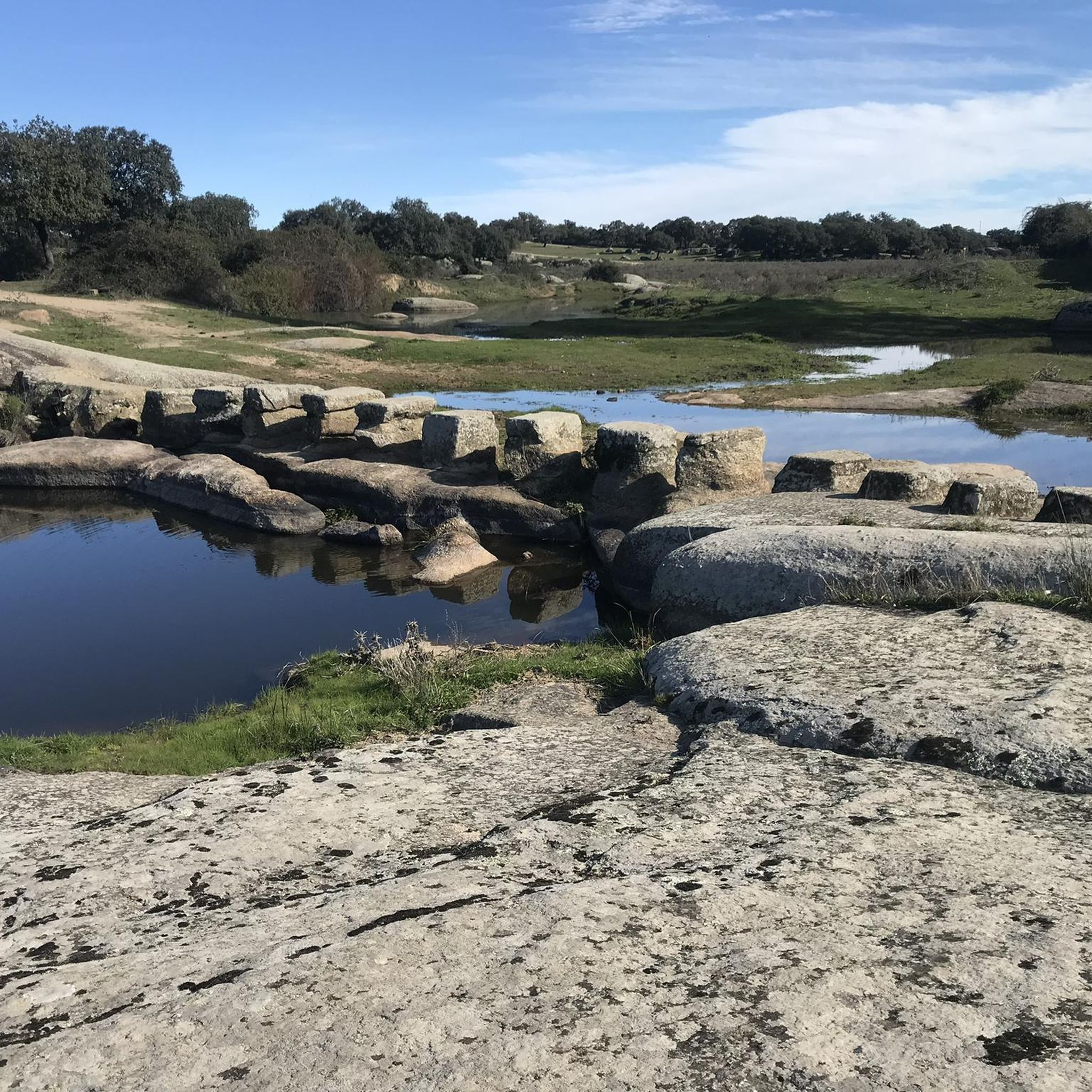
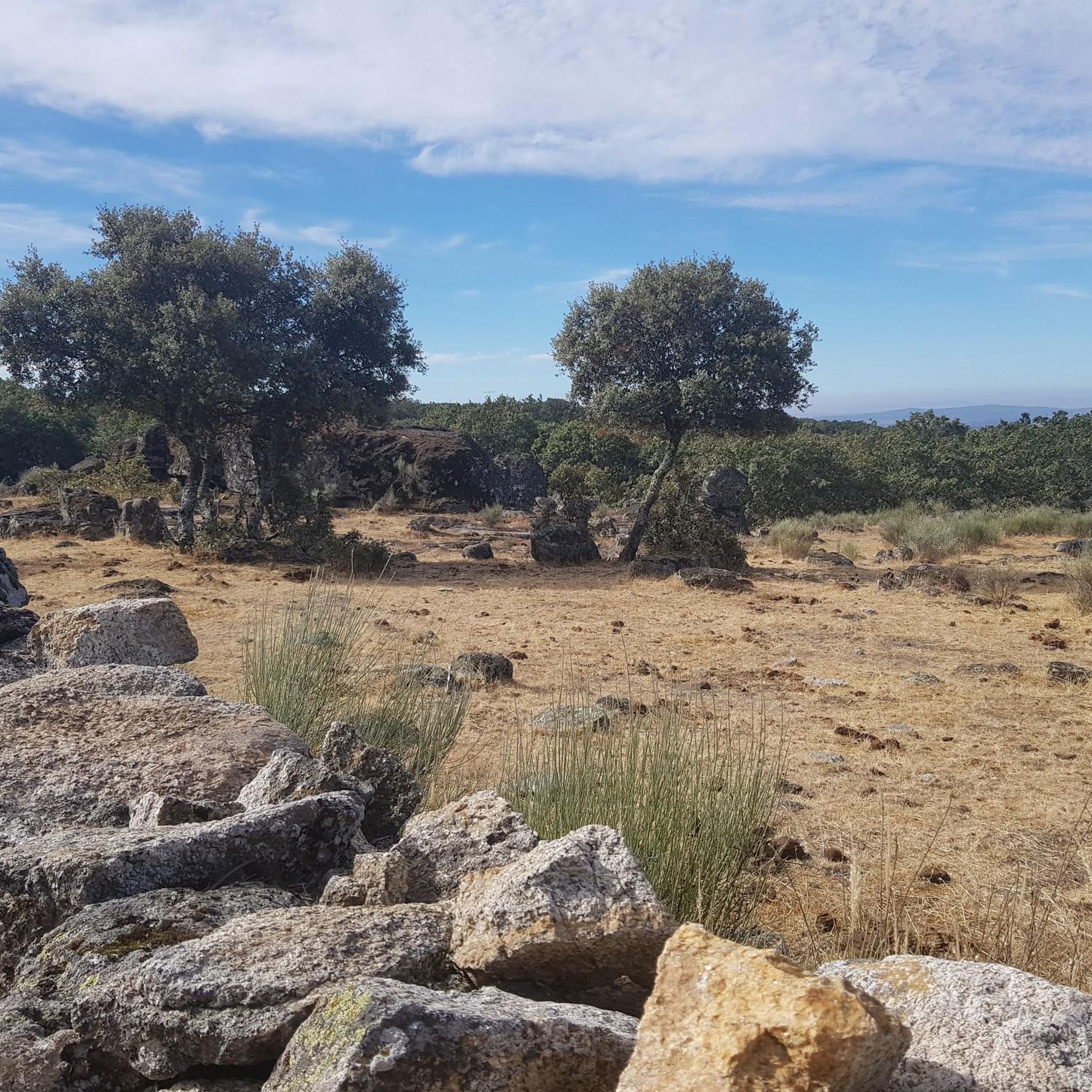
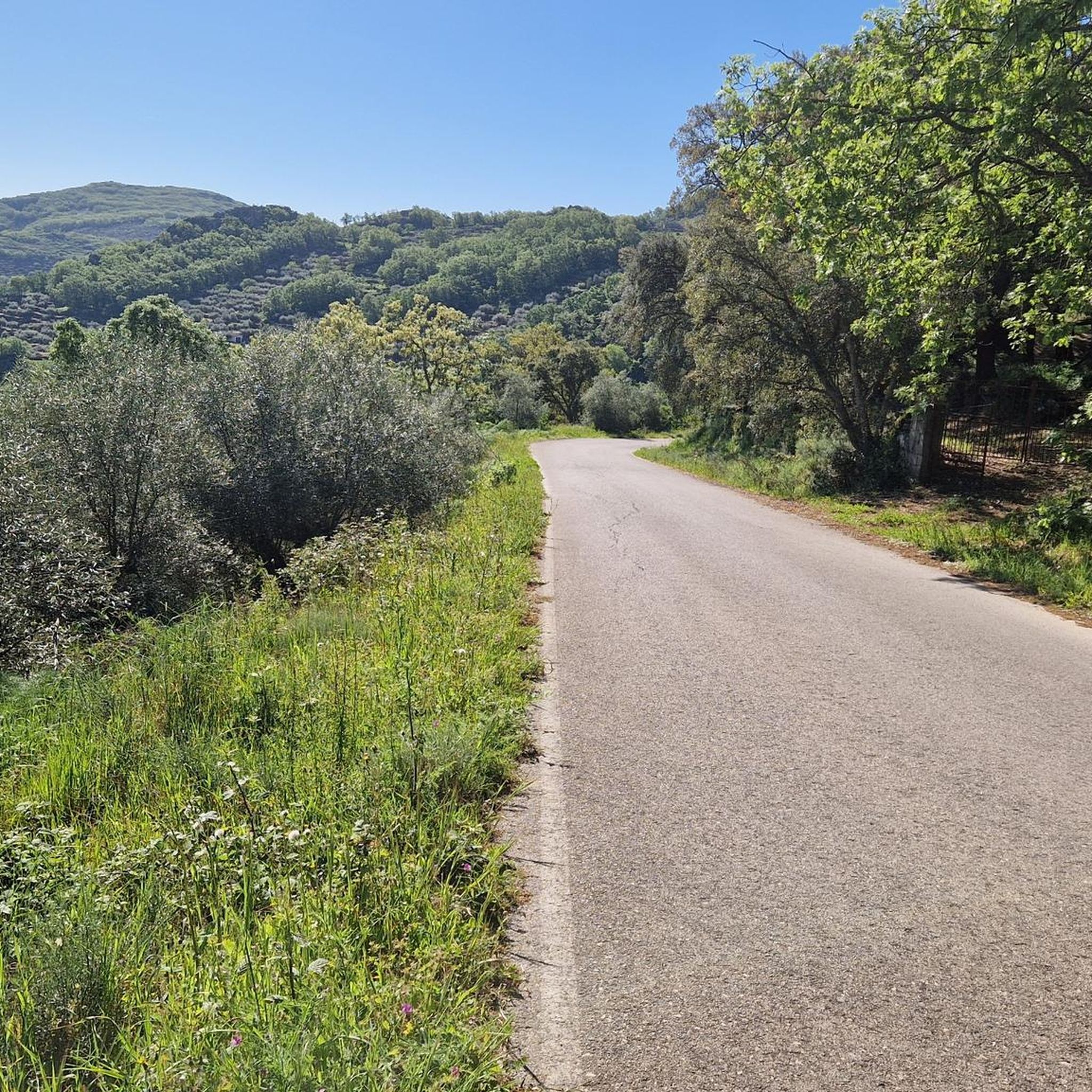

Tips from the Community

The Puente Romano crosses the Guadiana river and, with its 64 granite arches and a length of 800m, is one of the most striking remains from this period.
14
0
After Tarragona, Mérida has the most Roman remains, each one worth the effort. The city of Mérida is on the UNESCO World Heritage list.
12
0

It is located atop a hill in the Sierra de Montánchez, also known as the "balcony of Extremadura," at an altitude of approximately 700–900 meters above sea level. Founded on the site of an earlier Roman fortress, its main structure dates back to the Caliphate period of the 9th century (Almohad era). It preserves three underground cisterns built between the 11th and 13th centuries. Captured around 1156–1230, it passed to the Order of Santiago after being granted by Alfonso XI. Walls, a keep, and defensive enclosures were added. 17th century: A hermitage and an interior pond were added. In 1620, it served as a prison for Don Rodrigo Calderón.
1
0
Trujillo Castle (Cáceres, Extremadura) is one of Spain's most emblematic fortresses, boasting a fascinating history and architecture that blends Arab and Christian influences. Arab Origins (9th-12th centuries): It was built on Cabeza del Zorro hill during the Muslim period. The oldest remains are two Arab cisterns. Reconquest: In 1186, Alfonso VIII captured the city, although it fell under Almohad rule before being definitively incorporated into the Crown in 1232. Middle Ages: It played a key role in the border defense between Castile and Portugal and was the scene of conflicts such as the War of the Castilian Succession. Modern Era: It lost its military importance and became a stately residence.
7
0

Traffic-free climb to Montánchez, between farms. There are some difficult sections, but overall it's moderate.
0
0

The Plaza Mayor in Trujillo is an iconic and historic place in Extremadura. This Renaissance square, dating back to the 16th century, is known for its impressive architecture and vibrant social and cultural life. In the centre of the square is the equestrian statue of Francisco Pizarro, the famous conquistador born in Trujillo. The square is surrounded by historic buildings, such as the Palace of the Marquises of the Conquest and the Church of San Martín de Tours. In addition, it is a place where numerous cultural events and festivals are held throughout the year.
13
0
The city of Trujillo, a town located about 50 km east of Cáceres, sits on a huge granite batholith, on the old road to Madrid. It is an important urban complex formed by different periods and architectural-urban mentalities, whose testimonies have made it one of the most important towns in Extremadura, as far as architectural heritage is concerned.
16
0
Frequently Asked Questions
How many road cycling routes are available around Salvatierra De Santiago?
There are over 20 road cycling routes documented on komoot for the Salvatierra De Santiago area, offering a variety of options for different skill levels.
Are there road cycling routes suitable for beginners in Salvatierra De Santiago?
Yes, Salvatierra De Santiago offers at least one easy road cycling route. The region's varied terrain also includes many moderate options that can be suitable for cyclists looking for a slightly longer but not overly challenging ride.
What kind of terrain can I expect on road cycling routes in Salvatierra De Santiago?
The road cycling routes around Salvatierra De Santiago are characterized by open fields and rolling terrain. You'll find a mix of rural roads connecting small towns and historical sites, with varied elevations providing options for different fitness levels.
Are there any challenging road cycling routes for experienced cyclists?
Absolutely. For experienced cyclists seeking a challenge, there are 6 difficult routes available. One notable option is the Road through fields – Roman Theatre of Mérida loop from Valdefuentes, which spans over 110 km with significant elevation gain.
What are the typical distances for road cycling routes in this region?
Road cycling routes in Salvatierra De Santiago vary significantly in distance. You can find shorter routes, such as the Montánchez Castle – Plaza de España, Montánchez loop from Naturist Campsite Las Grullas at around 30 km, up to longer, more challenging rides like the Road through fields – Roman Theatre of Mérida loop from Valdefuentes, which is over 110 km.
Are there any circular road cycling routes around Salvatierra De Santiago?
Many of the routes in the area are designed as loops, allowing you to start and end in the same location. Examples include the Montánchez Castle – Montánchez Castle loop from Ruanes and the Beautiful Section – From Aldea del Cano to Albalá loop from Valdefuentes.
What historical sites or landmarks can I see while road cycling?
The region is rich in history. You can cycle past or near several interesting sites, such as Montánchez Castle, a prominent landmark. Other points of interest include the Canaleja de la Torre Spring and Ruins and the Parish of Santa María Magdalena of Albalá.
What do other road cyclists enjoy most about the routes in Salvatierra De Santiago?
The road cycling routes in Salvatierra De Santiago are highly rated by the komoot community, with an average score of 5.0 stars from 15 reviews. Cyclists often praise the varied terrain, the quiet rural roads, and the opportunity to combine cycling with exploring historical points of interest like Montánchez Castle.
When is the best time of year for road cycling in Salvatierra De Santiago?
The best time for road cycling in Salvatierra De Santiago is typically during the spring (April-May) and autumn (September-October) months. During these periods, the weather is generally milder and more pleasant, avoiding the intense heat of summer and the cooler, potentially wetter conditions of winter.
Are there any routes that offer scenic viewpoints or natural attractions?
Yes, many routes traverse scenic landscapes of open fields and rolling hills. While not a traditional viewpoint, the The Rock That Moves is a unique natural monument that can be explored in the wider area, offering a point of interest during your ride.
Are there any hidden gem road cycling routes in the area?
While specific 'hidden gems' are often discovered by individual exploration, routes like the Montánchez Castle – Plaza de España, Montánchez loop from Valdefuentes offer a challenging and rewarding experience through less-trafficked rural roads, providing a sense of discovery.
Most popular routes around Salvatierra De Santiago
Most popular attractions around Salvatierra De Santiago

Get inspired with the komoot mobile app


Explore more
Browse the best Road cycling routes in other regions.
