The best gravel rides around Cardeña
3.0
(1)
50
riders
2
rides
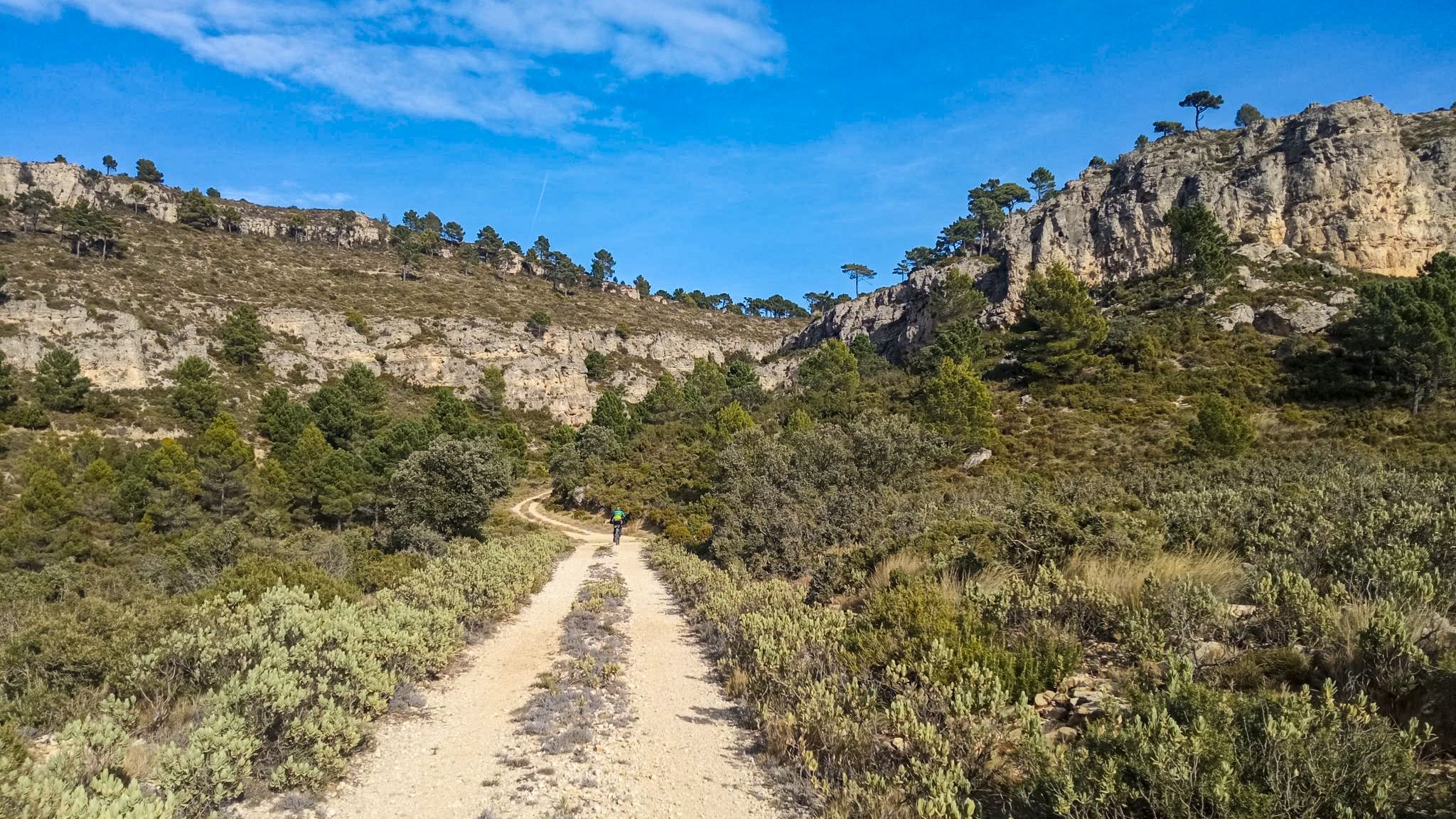
Gravel biking around Cardeña offers diverse terrain within the Sierra de Cardeña y Montoro Natural Park, characterized by rolling hills and low mountains. The landscape features extensive Mediterranean woodlands of holm oaks and cork oaks, alongside dehesa, an open agro-forestry system. Ancient granite outcrops and river valleys, including the River Yeguas, create varied riding conditions with both challenging climbs and scenic trails. This region provides a rich natural environment for gravel cyclists.
Best gravel bike trails around Cardeña
- The most…
Last updated: October 23, 2026
5
riders
40.4km
03:10
480m
480m
Hard gravel ride. Very good fitness required. Mostly paved surfaces.
25
riders
98.9km
08:27
1,540m
1,540m
Hard gravel ride. Very good fitness required. You may need to push your bike for some segments of this route.

9
riders
Hard gravel ride. Very good fitness required. Mostly paved surfaces.
3.0
(1)
6
riders
84.3km
06:40
1,230m
1,230m
Hard gravel ride. Very good fitness required. Mostly paved surfaces.
2
riders
Hard gravel ride. Very good fitness required. Mostly paved surfaces.
Our route recommendations are based on thousands of hikes, rides, and runs completed by other people on komoot.
Start today with a free account
Your next adventure awaits.


Tips from the Community

This settlement located in the Sierra de Cardeña y Montoro Natural Park is a nucleus of traditional architecture whose present is far from its origin, as most of the houses are intended for rural tourism. It is a Starlight reserve within an absolute haven of peace.
10
0

Although the exact date of its construction is unknown, tradition indicates that it was built in the mid-15th century, possibly thanks to a woman from Los Pedroches who promoted the construction of the first hermitage. According to legend, the image of the Virgin was found by a shepherd from Pedroche in a holm oak near the sanctuary at the beginning of the 15th century.
2
0
The Sanctuary of Our Lady of Luna is one of the most emblematic sites in the Los Pedroches Valley, deeply linked to the religious and cultural traditions of Pozoblanco and Villanueva de Córdoba. The sanctuary is located in the Dehesa de la Jara, in the municipality of Navarredonda, a natural holm oak grove characteristic of Los Pedroches. It is situated 15 km from Pozoblanco and 10 km from Villanueva de Córdoba.
2
0
Cardeña is a town in the north of the province of Córdoba with a population of just over 1,400 inhabitants, at an altitude of 821 meters above sea level. The municipality of this beautiful town includes the small towns of La Venta del Charco and Azuel. The population trend, as in most towns in Spain, has been declining, with a loss of almost 500 inhabitants since 1979. It's worth stopping by its bakeries selling bread and typical local pastries, as well as traditional cured meats, and of course, enjoying a few beers while enjoying its gastronomy.
0
0

Cardeña is a small but historically and naturally important municipality in the region. It is located in the northeast of the province of Córdoba and is part of the Parque Natural Sierra de Cardeña y Montoro, a protected natural area. Cardeña is an ideal place for a break by bike, good food and nature worth seeing. Perfect for a bike tour with a culinary break in picturesque surroundings! The region was sparsely populated for a long time and was strategically used as a border area between Christian and Muslim dominions in the Middle Ages. During the reign of Charles III (1759-1788), Spain encouraged the settlement of remote areas. As a result of this colonization policy, several small villages were created in the Sierra Morena, including Cardeña.
2
0
Aldea del Cerezo, a small, historic settlement in the Parque Natural Sierra de Cardeña y Montoro, offers excellent conditions for exceptional stargazing. The region is part of the Reserva Starlight Sierra Morena, which is known for its exceptionally clear night skies with little light pollution. This award guarantees optimal conditions for nighttime sky observation. The secluded location of Aldea del Cerezo, far from major cities, minimizes light pollution and allows an unobstructed view of the firmament. The surrounding landscape with its rolling hills and open spaces offers ideal vantage points for astronomy enthusiasts. In the area around Aldea del Cerezo, one can not only explore the impressive architecture and history of the settlement, but also take the opportunity to admire the clear night skies and observe the stars in an incomparable setting.
2
0
Frequently Asked Questions
What kind of terrain can I expect on gravel bike trails in Cardeña?
The gravel bike trails in Cardeña traverse a diverse landscape of rolling hills and low mountains within the Sierra de Cardeña y Montoro Natural Park. You'll encounter extensive Mediterranean woodlands with holm oaks and cork oaks, as well as open dehesa, a traditional agro-forestry system. The routes also feature ancient granite outcrops and follow river valleys like the River Yeguas, offering varied surfaces and elevation changes.
Are there challenging gravel bike routes in Cardeña?
Yes, the gravel biking routes in Cardeña are generally considered challenging. For example, the Gravel route through the Sierra de Cardeña Natural Park is rated difficult, as are other popular loops like the Hermitage of the Virgen de Luna – Dehesa de Los Pedroches loop from Villanueva de Córdoba, which covers nearly 100 km.
What natural features or landmarks can I see while gravel biking in Cardeña?
Cardeña's routes offer stunning natural beauty. You can expect to see ancient granite outcrops, lush riparian vegetation along rivers like the Yeguas, and extensive Mediterranean woodlands. Notable natural highlights include the Batanera Waterfall and the Polar Viewpoint – Aldea del Cerezo, which is also known for stargazing.
Are there any historical sites along the gravel routes in Cardeña?
Yes, the region has a rich history. You might encounter remains from the Neolithic period, such as megalithic tombs, and sites from Iberian and Roman times. Specific historical highlights include the La Batanera Rock Art Site and the Peñaescrita Cave Paintings.
What is the best time of year for gravel biking in Cardeña?
Given the Mediterranean climate, the best times for gravel biking in Cardeña are typically spring and autumn. These seasons offer milder temperatures, making for more comfortable riding conditions to explore the natural park's diverse landscapes and wildlife.
Can I spot wildlife while gravel biking in Cardeña?
Absolutely. The Sierra de Cardeña y Montoro Natural Park is a haven for Iberian fauna. Cyclists often encounter deer, wild boar, and various raptors like golden and imperial eagles. It's also one of the last refuges for the Iberian lynx and wolves, making wildlife spotting a potential highlight of your ride.
Are there any loop routes for gravel biking in Cardeña?
Yes, there are several excellent loop routes. A popular option is the Sanctuary of the Virgin – Hermitage of the Virgen de Luna loop from Villanueva de Córdoba-Los Pedroches, which is a long and rewarding ride through Mediterranean woodlands and open pastures.
What do other gravel bikers enjoy most about gravel biking in Cardeña?
The area is highly rated by the komoot community, with an average score of 3.0 stars. Reviewers often praise the diverse terrain, the immersive experience within the natural park, and the challenging yet scenic paths that showcase the region's unique Mediterranean woodlands and granite formations.
Are there visitor centers or information points in the Cardeña area?
Yes, the Venta Nueva Visitor Centre, located just outside Cardeña, provides valuable information about the Sierra de Cardeña y Montoro Natural Park. It features audiovisual shows and exhibitions focusing on the Iberian lynx and the Mediterranean woodland ecosystem, and has a recreational area for resting.
Where can I find accommodation or places to eat near the gravel trails?
The former agricultural hamlet of Aldea del Cerezo offers rehabilitated stone cottages for rural accommodation. The villages themselves, like Cardeña and Montoro, are known for their local cuisine, including Iberian acorn-fed ham and fried suckling pig, providing options for meals and refreshments.
How long are the typical gravel bike routes in Cardeña?
The gravel routes in Cardeña vary in length, catering to experienced riders seeking longer distances. For instance, the Gravel route through the Sierra de Cardeña Natural Park is about 40 km, while the Sanctuary of the Virgin – Hermitage of the Virgen de Luna loop from Villanueva de Córdoba-Los Pedroches extends to over 113 km.
Is there a specific viewpoint for birdwatching in the area?
Yes, there is a significant bird viewpoint located at the Tejoneras and Dehesa Yeguas reservoirs. This spot is a crucial resting place for various migratory birds, including herons, egrets, and grebes, offering excellent opportunities for birdwatching during your visit.
Most popular attractions around Cardeña

Get inspired with the komoot mobile app


Explore more
Browse the best Gravel rides in other regions.
