The best gravel rides around Rus
24
riders
12
rides
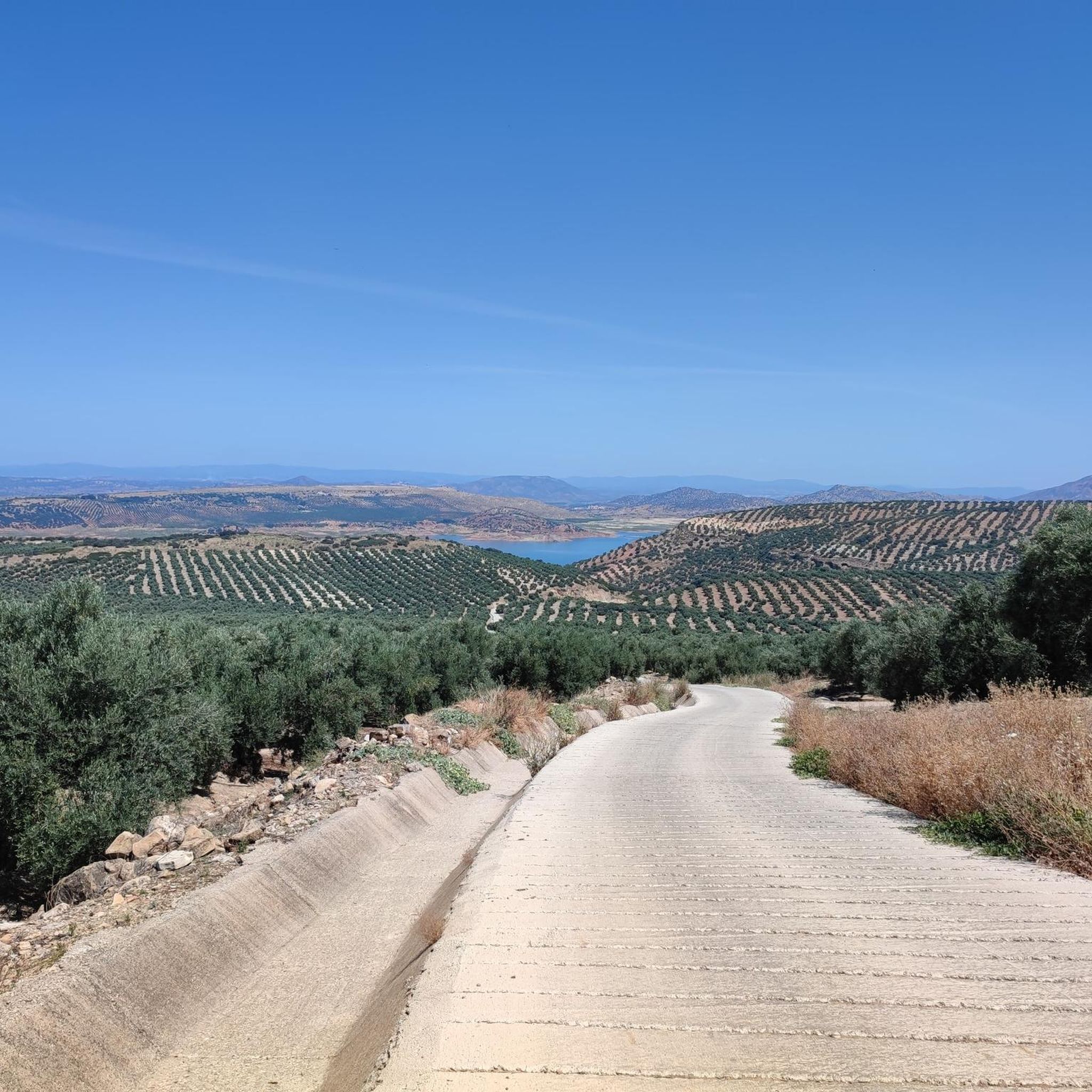
Gravel biking around Rus offers a network of routes through the region's varied terrain. The landscape is characterized by rolling hills, historic towns like Baeza and Úbeda, and scenic viewpoints. Routes often feature significant elevation gains, indicating a challenging yet rewarding experience for gravel bikers. The area provides opportunities to explore both cultural landmarks and the surrounding natural environment.
Best gravel bike trails around Rus
- The most popular gravel bike trail is Plaza de Toros Viewpoint – Church of the…
Last updated: May 25, 2026
4
riders
31.9km
02:27
380m
380m
Moderate gravel ride. Good fitness required. Mostly paved surfaces. Suitable for all skill levels.
4
riders
28.8km
01:46
290m
290m
Moderate gravel ride. Good fitness required. Mostly paved surfaces. Suitable for all skill levels.

Sign up for free
4
riders
Moderate gravel ride. Good fitness required. Mostly paved surfaces. Suitable for all skill levels.
2
riders
46.9km
03:32
630m
640m
Hard gravel ride. Very good fitness required. Mostly paved surfaces. Suitable for all skill levels.
2
riders
Hard gravel ride. Very good fitness required. Mostly paved surfaces. Suitable for all skill levels.
Get access to more routes and recommendations from other explorers.
Sign up for free
Already have an account?
Our route recommendations are based on thousands of hikes, rides, and runs completed by other people on komoot.
Start today with a free account
Your next adventure awaits.
Login or Signup
Tips from the Community

The Church of San Pablo was built in the 13th century on the site of a former mosque. This church is one of the oldest in the city and impresses with its blend of styles: a Romanesque portal, known as the Carpenters' Gate, a Renaissance-style side facade, and a late Gothic interior. The church is located in Plaza Primero de Mayo, also known as Paseo del Mercado (Market Square), as for centuries public markets were held here, as well as political events such as city council elections, religious services, and theatrical performances. Around the square, you can see the old Town Hall, the monument to Saint John of the Cross in the center, and at number 20, the house where Joaquín Sabina was born.
1
0
The Sacra Capilla de El Salvador is located at the far end of the Plaza Vázquez de Molina. It is the family mausoleum of Francisco de los Cobos, secretary to Emperor Charles V. Its façade and portal, both in the Plateresque style, are particularly noteworthy.
1
0
The Church of Santa María de los Reales Alcázares is located opposite the Palacio de las Cadenas, in Plaza Vázquez de Molina. Declared a National Monument and part of the UNESCO World Heritage Site, this collegiate church was built on the remains of the Great Mosque after the Reconquista (13th century). It is notable for its superimposition of styles, including Gothic, Mudéjar, Renaissance, Baroque, and Neo-Gothic. Visiting hours: Monday to Saturday, 10:00 AM to 2:00 PM and 5:00 PM to 8:00 PM; Sundays, 11:00 AM to 2:00 PM and 5:00 PM to 8:00 PM.
1
0
Declared a National Monument in 1931, the cathedral stands on the site of an ancient Roman temple, later transformed into a Visigothic structure and then into a mosque after the arrival of the Muslims. In 1227, it became the cathedral seat under the Marian patronage of the Nativity. It acquired its Renaissance character in the 16th century, after more than half of the building collapsed in 1567. Andrés de Vandelvira and other important Andalusian architects imbued the cathedral with the classical style then prevalent in religious art. Until the end of the century, the temple was transformed piecemeal. The main portal was designed in 1587 by Juan Bautista Villalpando, featuring a relief of the Nativity of the Virgin, sculpted by the Jesuit Jerónimo del Prado from Baeza. The Puerta de la Luna (Moon Gate) is one of the oldest elements of the cathedral, with its distinctive 13th-century polylobed arch. Above it stands the 14th-century Gothic rose window, one of the few elements that survived the collapse of the cathedral in 1567. Therefore, the reconstruction was entrusted to Andrés de Vandelvira, who contributed his mastery to give the cathedral the Renaissance richness it boasts today. The combination of Mudéjar, Gothic, and Renaissance styles allows one to observe the passage of time through its walls, telling its story through each of its architectural styles. In addition to visiting the interior of the cathedral, it is highly recommended to climb the tower, from where you will be rewarded with spectacular views of the town and its surrounding countryside.
1
0

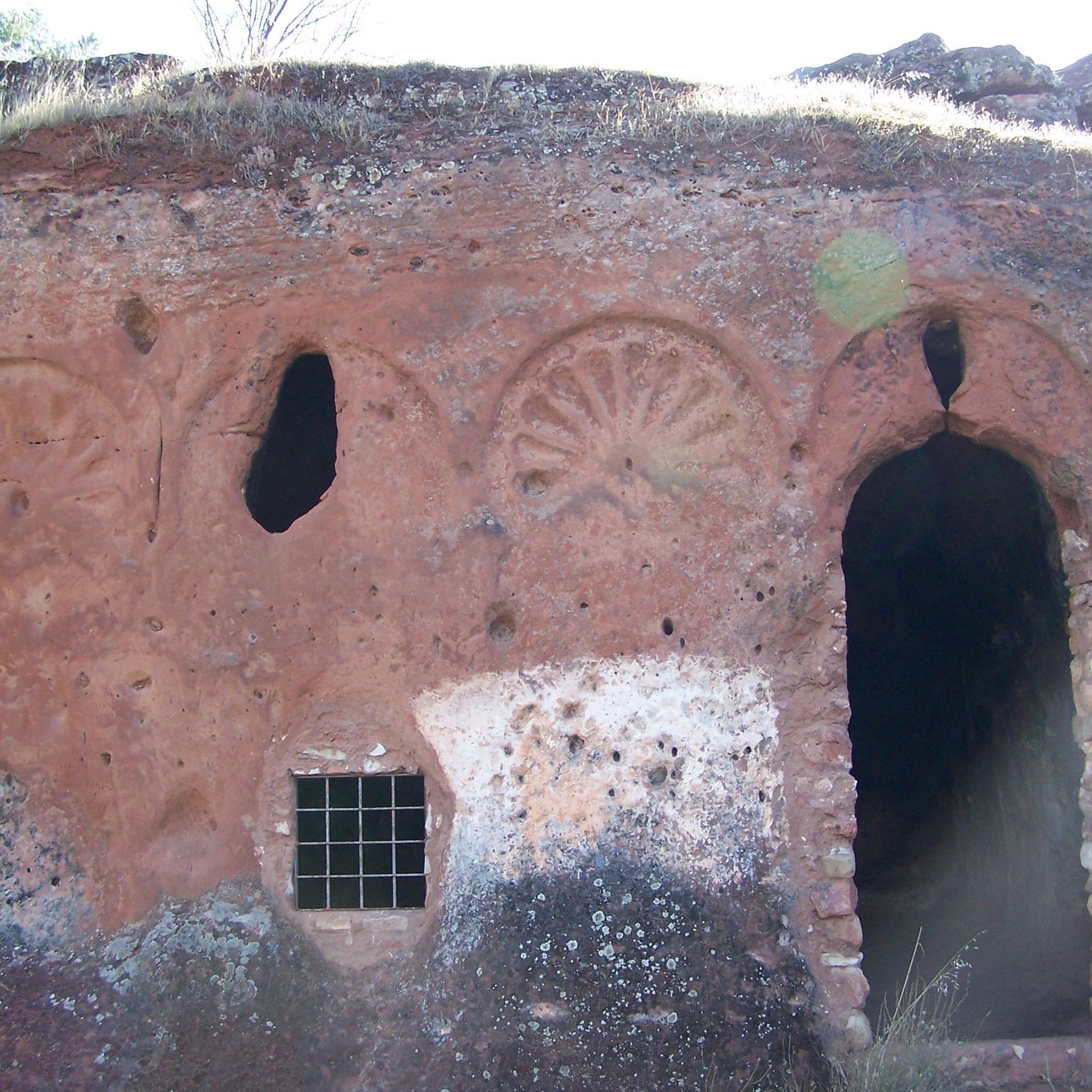
I recommend bringing a powerful light, the light only works in one of the tunnels.
0
0

In 1978, a space in the convent of San Miguel was converted into a museum dedicated to Saint John of the Cross, displaying artifacts related to his life and work. We also find a perfect adaptation of the house where the saint and poet lived.
20
0
Built in 1587, it is in the Baroque architectural style and dedicated to Christian worship. Its interior features a Latin cross layout with three naves, and the main altar features contemporary paintings alluding to the Archangel Saint Michael. Although it may seem strange, it is the only building in the town erected in honor of the patron saint of Ubeda.
20
0
A temple of Visigothic origin, built in the 17th century as a church dedicated to Catholic worship, it is part of the city's Renaissance architectural complex, which was declared a World Heritage Site by UNESCO in 2003.
20
0
Frequently Asked Questions
What are the typical difficulty levels for gravel biking in Rus?
Rus offers a range of gravel biking experiences. You'll find 1 easy route, 2 moderate routes, and 5 difficult routes, catering to various skill levels. The region's terrain often includes rolling hills and significant elevation gains, especially on the more challenging trails.
Are there any beginner-friendly gravel bike trails in Rus?
Yes, there is at least one easy gravel bike trail in Rus. While many routes feature challenging climbs, you can find options suitable for beginners. It's always recommended to check the route details on komoot for specific elevation profiles and distances to match your comfort level.
What kind of scenery can I expect on gravel bike trails in Rus?
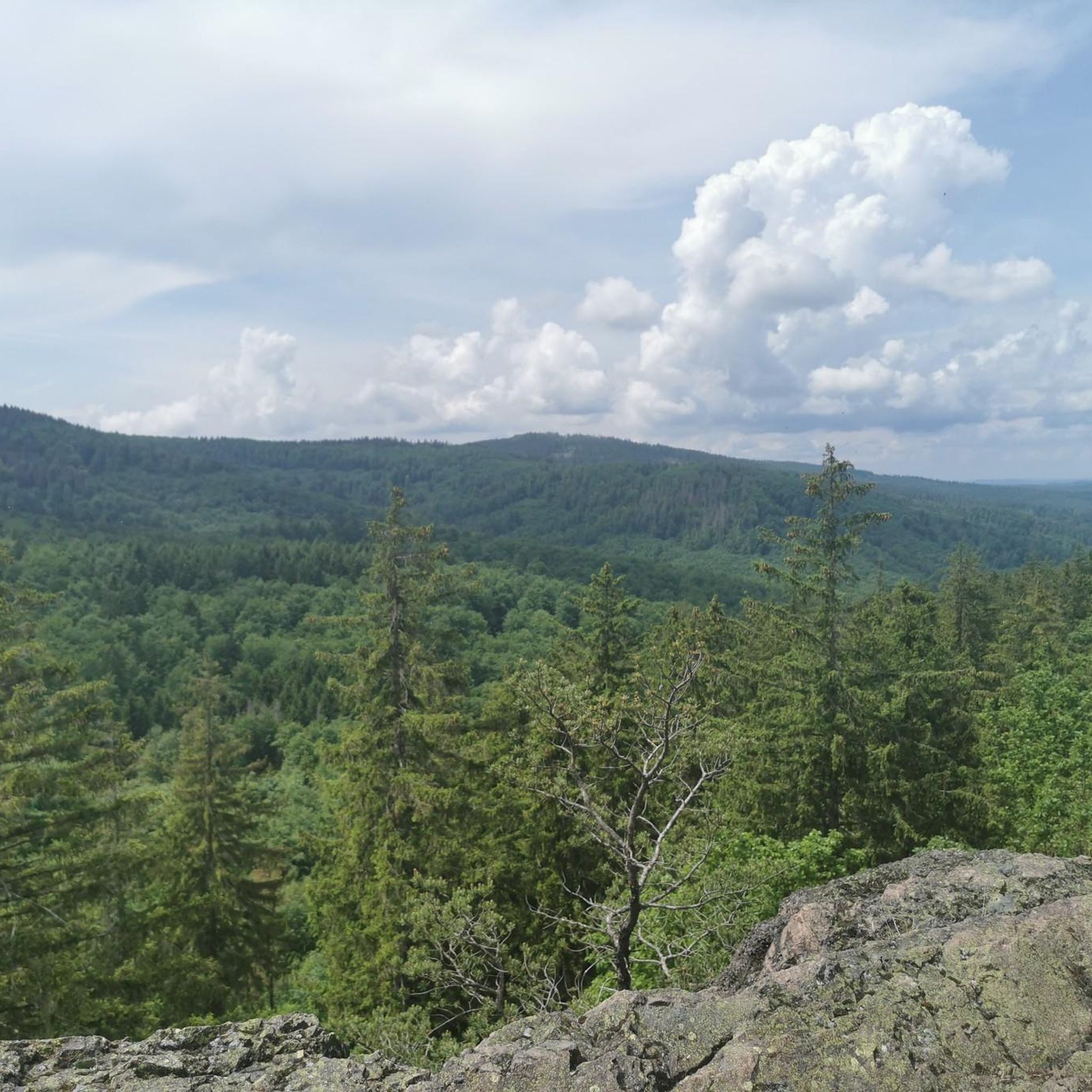
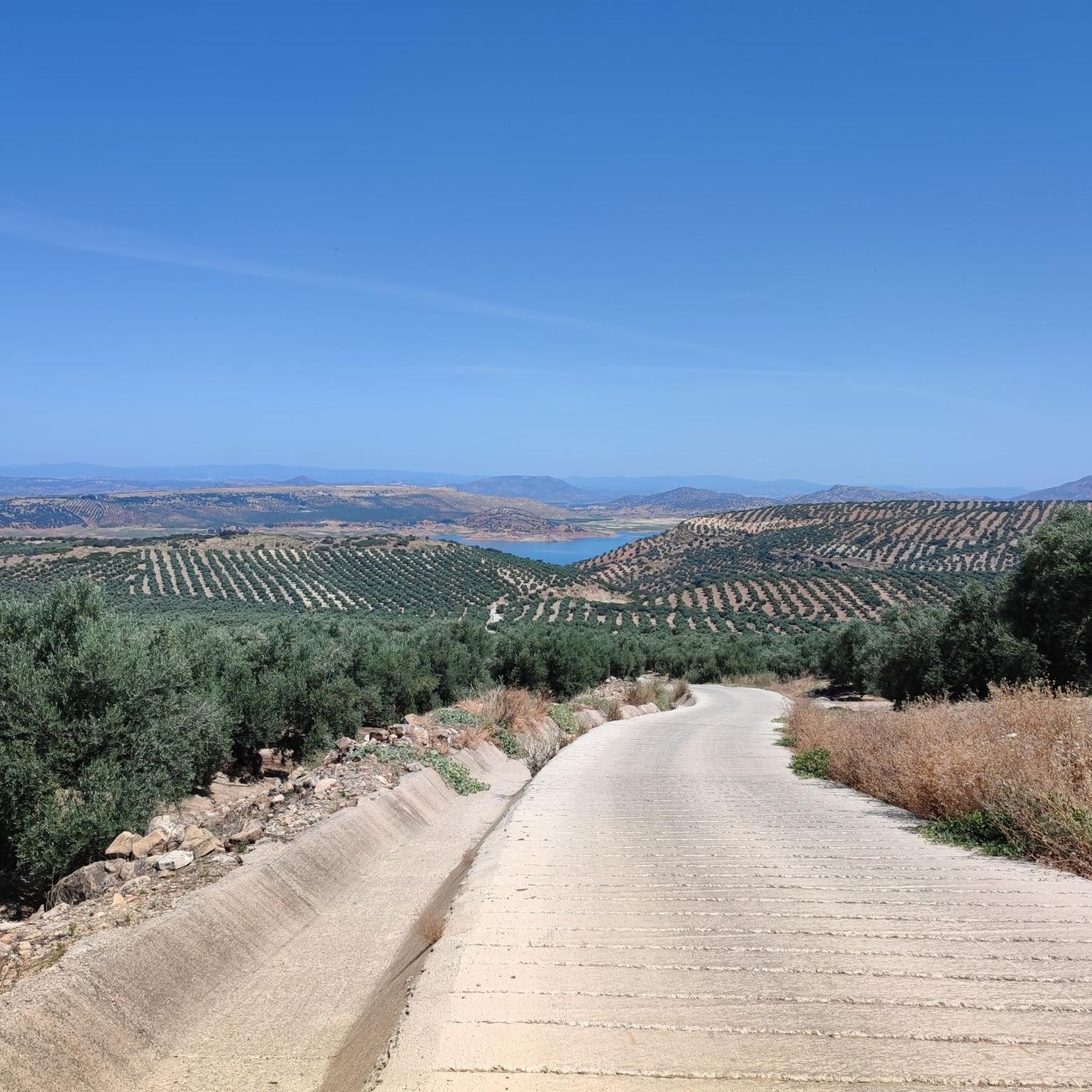
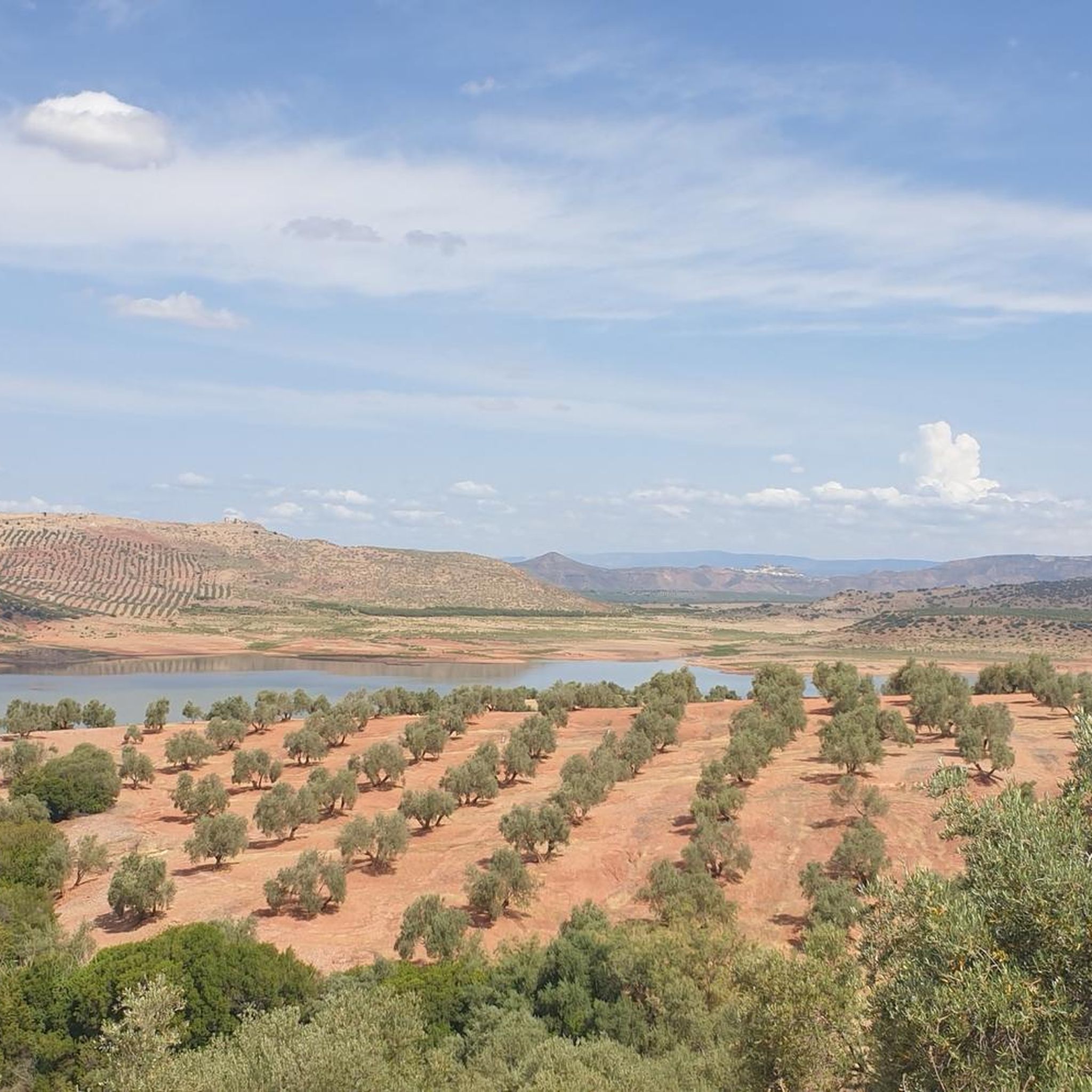
Gravel biking in Rus takes you through a diverse landscape characterized by rolling hills, historic towns like Baeza and Úbeda, and numerous scenic viewpoints. Many routes offer a mix of natural environments and cultural landmarks, providing a rich visual experience.
Are there any historical landmarks or attractions along the gravel bike routes?
Absolutely. The region is rich in history. Many gravel routes pass by or near significant historical sites. For example, you might encounter the Sacred Chapel of the Savior, Baeza Cathedral, or the San Pablo Church in Úbeda. The area also features impressive castles like Giribaile Castle and Castillo De Canena.
Where can I find the best viewpoints for gravel biking in Rus?
Many routes in Rus are known for their scenic viewpoints. For instance, the Plaza de Toros Viewpoint – Church of the Holy Cross loop from Baeza is specifically highlighted for its scenic vistas. The Views from the Alcázar District are also a notable highlight in the area, offering panoramic perspectives.
Are there circular gravel bike routes available in Rus?
Yes, many of the gravel bike routes around Rus are designed as loops, allowing you to start and finish in the same location. Examples include the Plaza del Pópulo, Baeza – Plaza de Toros Viewpoint loop from Baeza and the Plaza de Toros de Úbeda – Hotel Palacio de Úbeda. ***** loop from Antigua Estación de Úbeda.
What is the best time of year for gravel biking in Rus?
Given the Mediterranean climate of the region, spring (March to May) and autumn (September to November) are generally the most pleasant times for gravel biking in Rus. Temperatures are milder, and the landscape is often vibrant. Summers can be very hot, making early morning or late afternoon rides preferable if visiting during those months.
Is public transport available to access gravel bike trails in Rus?
Information regarding specific public transport links directly to trailheads is not readily available. However, towns like Baeza and Úbeda, which serve as starting points for several routes, are generally accessible by regional bus services. It's advisable to check local transport schedules for connections to these towns.
Are there cafes or places to refuel along the gravel bike trails?
While specific cafes directly on trails are not listed, many routes either start from or pass through historic towns like Baeza and Úbeda. These towns offer numerous opportunities for refreshments, including cafes, restaurants, and shops where you can refuel during your ride.
What do other gravel bikers enjoy the most about gravel biking in Rus?
The komoot community highly rates the gravel biking experience in Rus, with an average score of 4.0 stars. Riders often praise the varied terrain, the blend of natural beauty with historic towns, and the challenging yet rewarding climbs that characterize the region's routes.
Are there any long-distance gravel biking options in Rus?
Yes, Rus offers several longer gravel biking routes. For example, the Sacred Chapel of the Savior – San Pablo Church in Úbeda loop from Antigua Estación de Úbeda covers nearly 48 km, and the Cruz de la Asomada – Plaza del Pópulo, Baeza loop from Baeza is also around 47 km, providing substantial distances for those seeking longer rides.
Most popular attractions around Rus

Get inspired with the komoot mobile app


Explore more
Browse the best Gravel rides in other regions.
