Santuario De Mamíferos Marinos Bancos De La Plata Y Navidad
Santuario De Mamíferos Marinos Bancos De La Plata Y Navidad
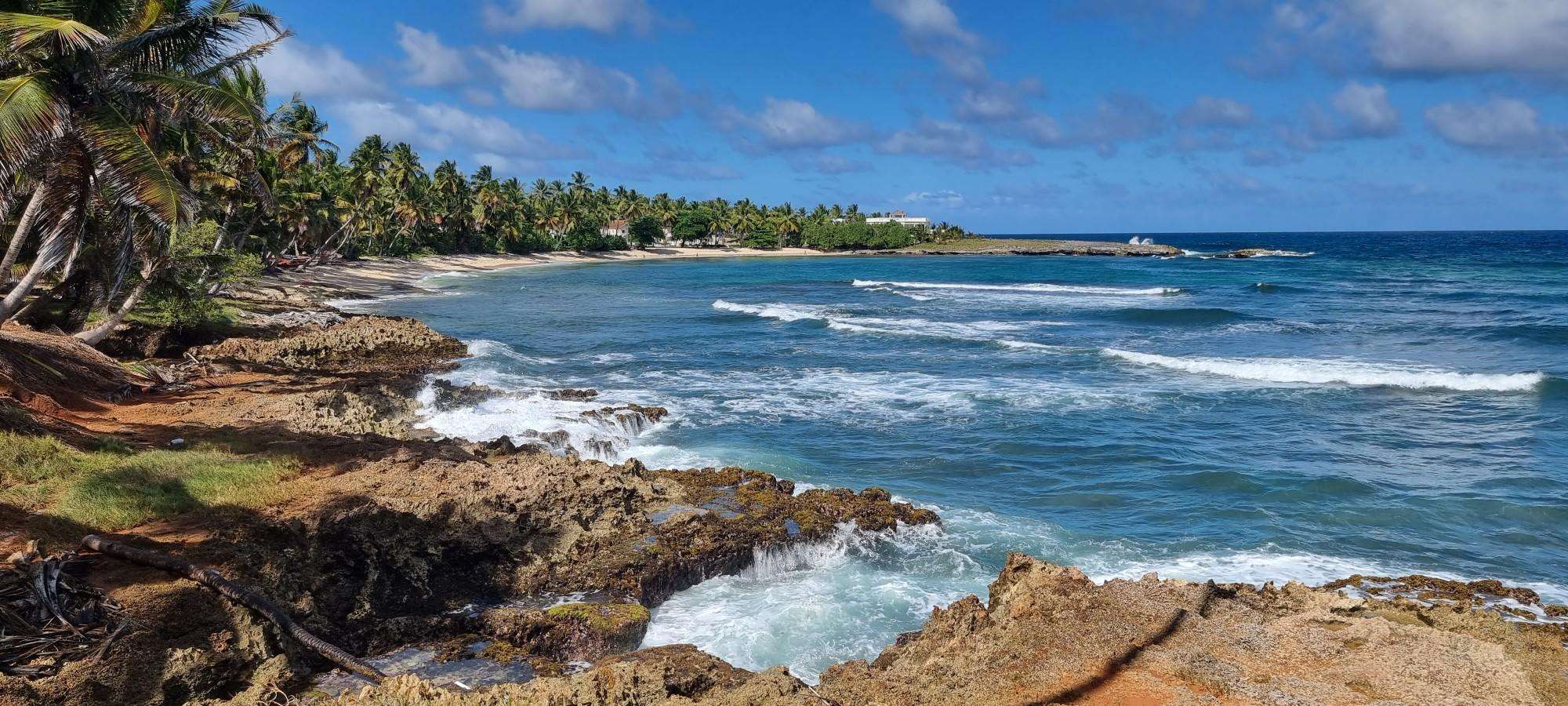
The best road cycling routes in Santuario De Mamíferos Marinos Bancos De La Plata Y Navidad
3.5
(3)
33
riders
6
rides
Road cycling in Santuario De Mamíferos Marinos Bancos De La Plata Y Navidad primarily encompasses the adjacent Samaná Peninsula and Puerto Plata province, offering diverse and scenic terrestrial landscapes. The region is characterized by rolling hills, coastal routes, and lush countryside, providing varied terrain for cyclists. Routes often feature significant elevation changes, traversing through verdant paths and offering panoramic ocean views. The area presents a mix of challenging climbs and more relaxed stretches, catering to different cycling preferences.
Best road…
Last updated: July 12, 2026
4.0
(2)
3
riders
85.5km
04:23
1,380m
1,380m
Hard road ride. Very good fitness required. Mostly well-paved surfaces and easy to ride.
3.0
(1)
5
riders
56.6km
03:04
1,080m
1,080m
Hard road ride. Very good fitness required. Some segments of this route may be unpaved and difficult to ride.

Sign up for free
5
riders
36.2km
01:52
490m
490m
Moderate road ride. Good fitness required. Some segments of this route may be unpaved and difficult to ride.
4
riders
15.9km
00:41
110m
110m
Easy road ride. Great for any fitness level. Mostly well-paved surfaces and easy to ride.
9
riders
30.6km
01:22
300m
300m
Moderate road ride. Good fitness required. Mostly well-paved surfaces and easy to ride.
Our route recommendations are based on thousands of hikes, rides, and runs completed by other people on komoot.
Start today with a free account
Your next adventure awaits.
Login or Signup
Popular around Santuario De Mamíferos Marinos Bancos De La Plata Y Navidad
Frequently Asked Questions
Where can I find road cycling routes near the Santuario De Mamíferos Marinos Bancos De La Plata Y Navidad?
While the sanctuary itself is marine, the primary areas for road cycling are the adjacent Samaná Peninsula and Puerto Plata province. These regions offer diverse terrestrial landscapes, from coastal roads to challenging inland climbs.
What types of terrain can I expect on road cycling routes in the Samaná Peninsula and Puerto Plata?
You'll encounter a mix of rolling hills, coastal paths, and lush countryside. The terrain varies from challenging ascents with significant elevation changes to more relaxed, flat stretches, catering to different cycling preferences.
Are there any easy road cycling routes for beginners in the area?
Yes, the region offers routes suitable for all skill levels. An easy option is the Playa Punta Popy – Playa Portillo loop from El Limón, which covers 27.8 km with moderate elevation gain.
What are some challenging road cycling routes for experienced cyclists?
For a more demanding ride, consider the Piscina Natural del Limón – Mirador de la Bahía loop from Atlantis Hotel parking, an extensive 86.3 km route with significant ascents and descents. Another difficult option is the Mirador de la Bahía – Mirador Mi Paraíso loop from Las Terrenas, spanning 56.6 km with substantial climbs.
What scenic attractions can I see along the road cycling routes?
Many routes offer panoramic ocean views and pass through abundant coconut plantations. You can also find beautiful beaches like Playa Rincón, Playa Punta Popy, and Playa Frontón. Some paths lead near mountain caves or offer views of natural wonders like the 27 Waterfalls of Damajagua in the Puerto Plata region.
Are there any circular road cycling routes available?
Yes, many routes are designed as loops. For example, the Mirador Mi Paraíso loop from Monte Placido is a moderate 36.2 km ride through rolling hills and scenic viewpoints.
What do other road cyclists say about the routes in this region?
The road cycling routes in the Samaná Peninsula and Puerto Plata are highly rated by the komoot community, with an average score of 4.0 stars. Cyclists often praise the varied terrain, stunning coastal views, and the lush, natural surroundings.
What is the best time of year for road cycling in the Dominican Republic, near the marine sanctuary?
The Dominican Republic generally offers good cycling conditions outside of the peak hurricane season (June to November). The cooler, drier months from December to May are often ideal, providing more comfortable temperatures for longer rides.
Are there opportunities to see wildlife while road cycling in the area?
While the marine sanctuary is known for humpback whales (especially during whale watching season in Samaná Bay), road cycling routes primarily traverse terrestrial landscapes. You might encounter local birdlife and other small animals in the lush countryside and coastal areas.
What should I bring for a road cycling trip in this region?
Given the tropical climate and varied terrain, it's advisable to bring plenty of water, sun protection (sunscreen, hat, sunglasses), light and breathable cycling apparel, a helmet, and basic bike repair tools. Cash for local vendors and a fully charged phone are also recommended.
Are there any UNESCO sites or significant cultural landmarks accessible by road bike?
While the marine sanctuary itself is a tentative UNESCO site for its natural significance, the surrounding regions offer cultural insights. For more information on the sanctuary's tentative UNESCO status, you can visit the UNESCO website.
Where can I find places to eat or get refreshments along the routes?
Towns like Las Terrenas and Santa Bárbara de Samaná, as well as coastal areas in Puerto Plata, offer various restaurants and cafes. Many routes pass through or near villages where you can find local eateries and small shops for refreshments.
Most popular routes in Santuario De Mamíferos Marinos Bancos De La Plata Y Navidad
Most popular attractions in Santuario De Mamíferos Marinos Bancos De La Plata Y Navidad

Get inspired with the komoot mobile app


Explore more
Browse the best Road cycling routes in other regions.
