The best cycling routes in Napo
4.0
(18)
37
riders
7
rides
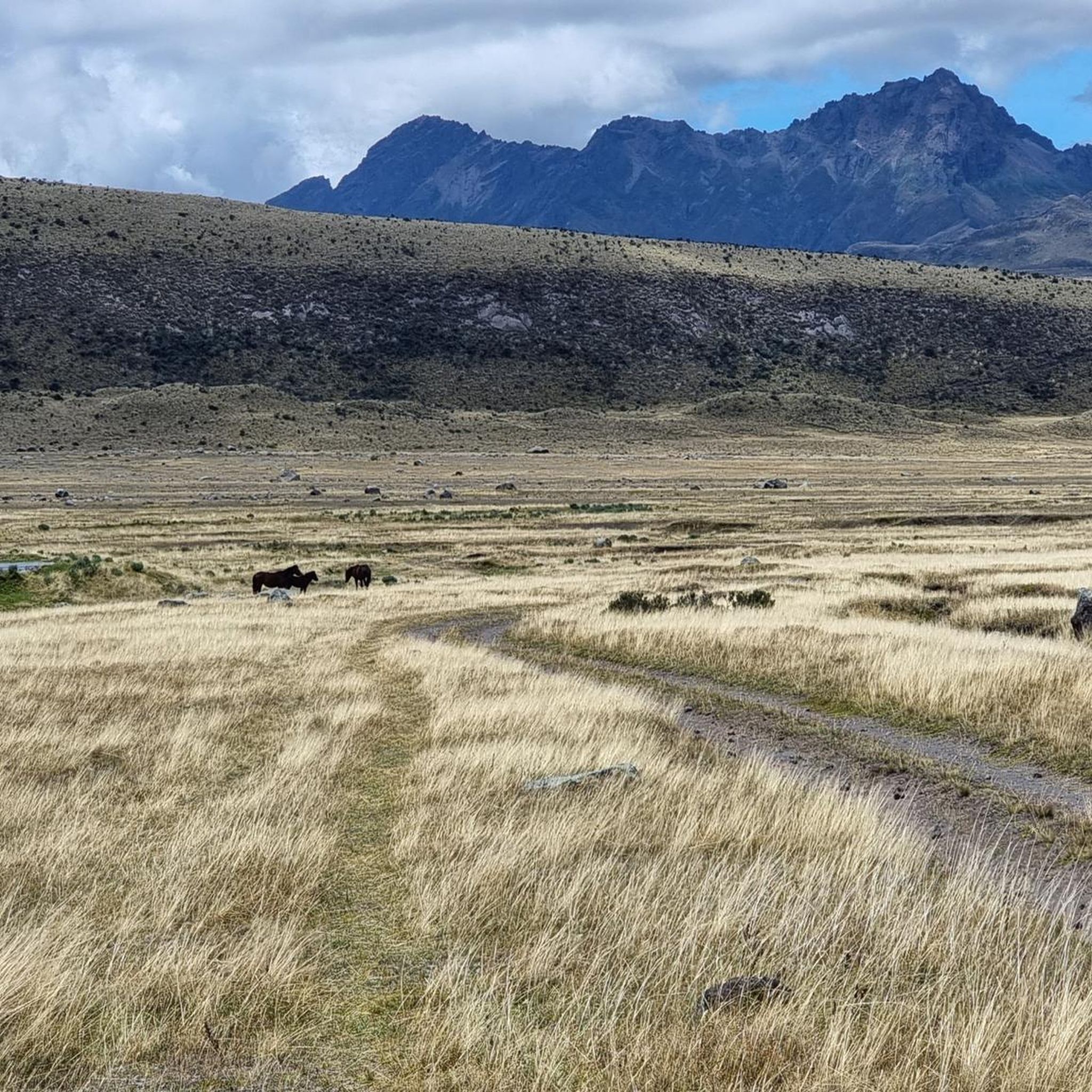
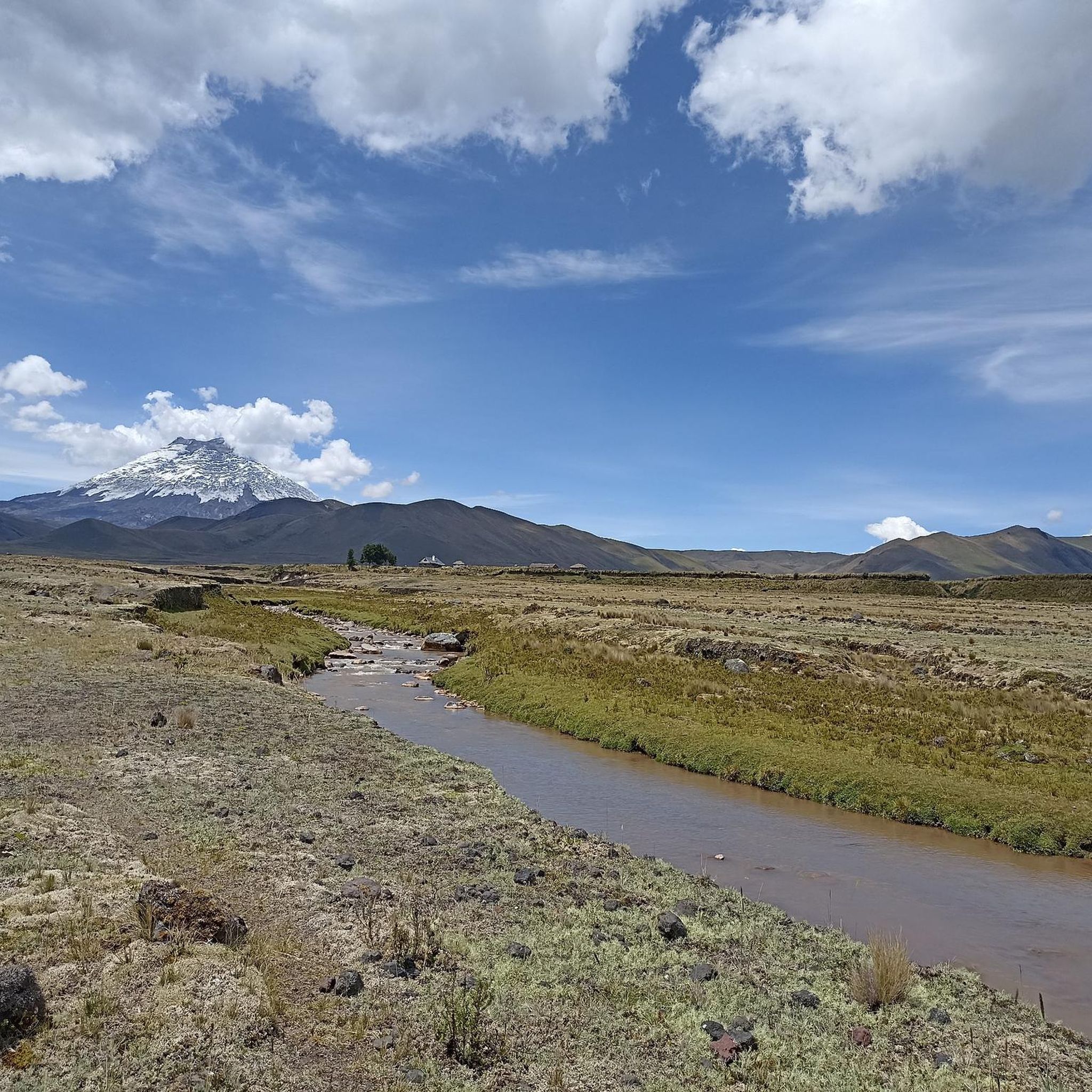
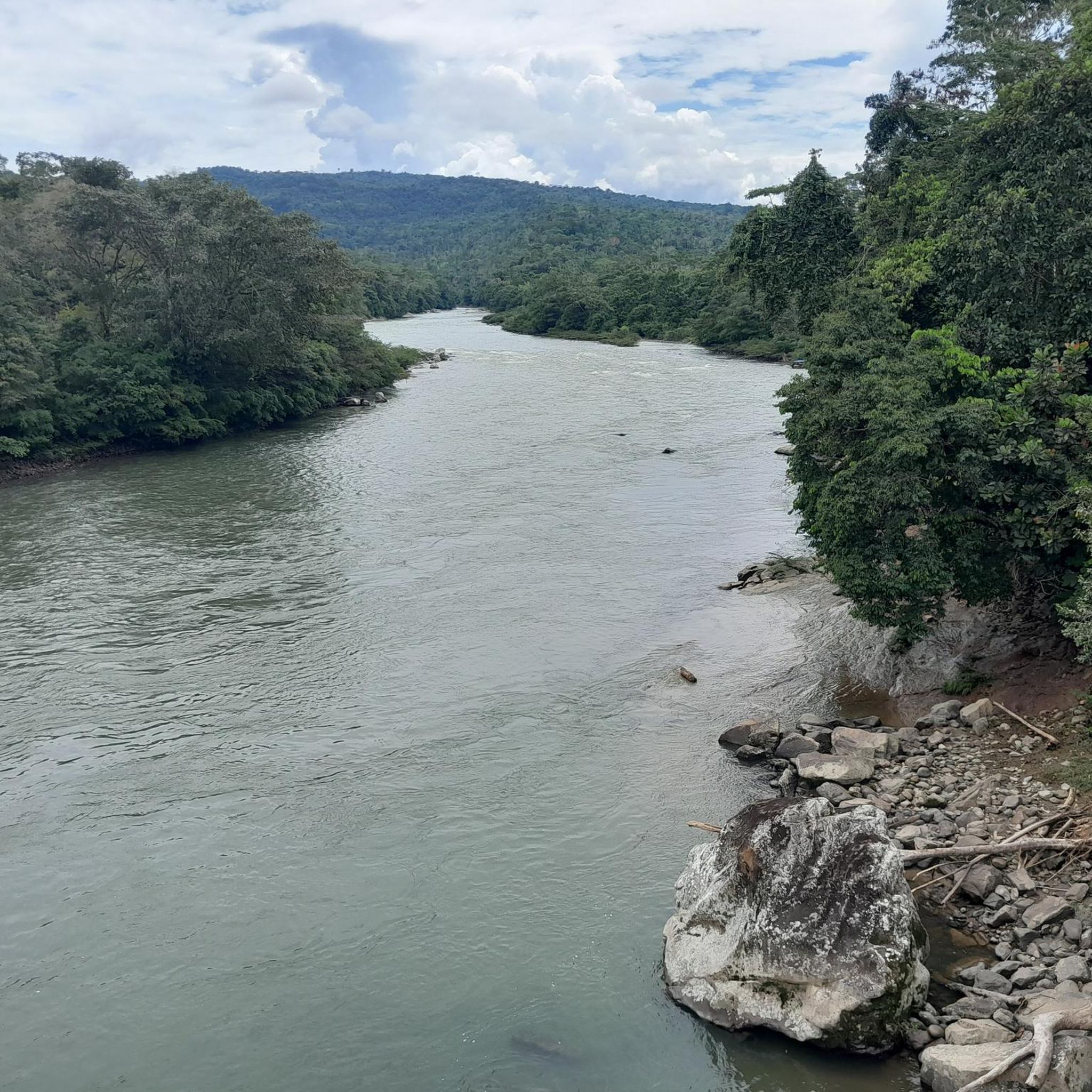
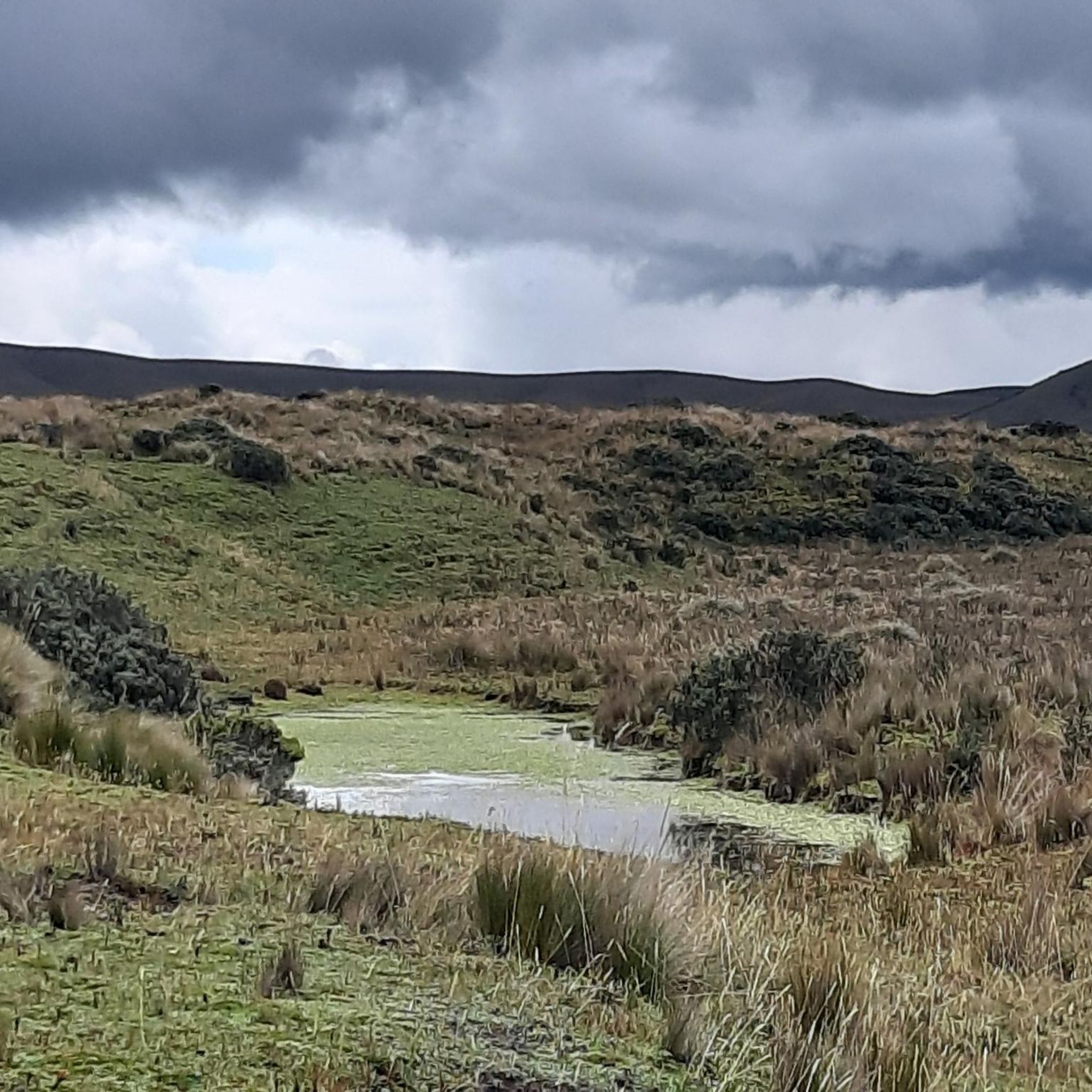
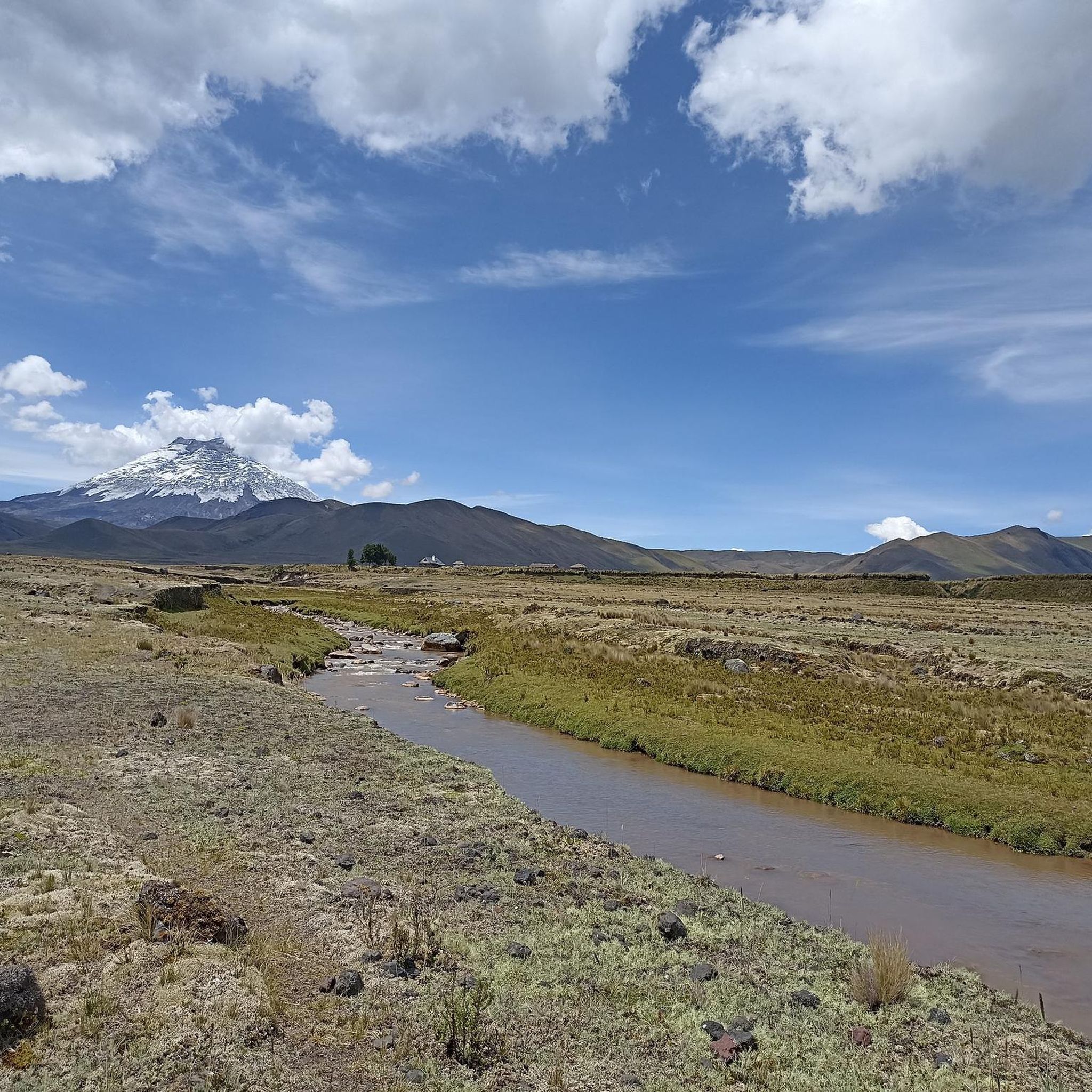
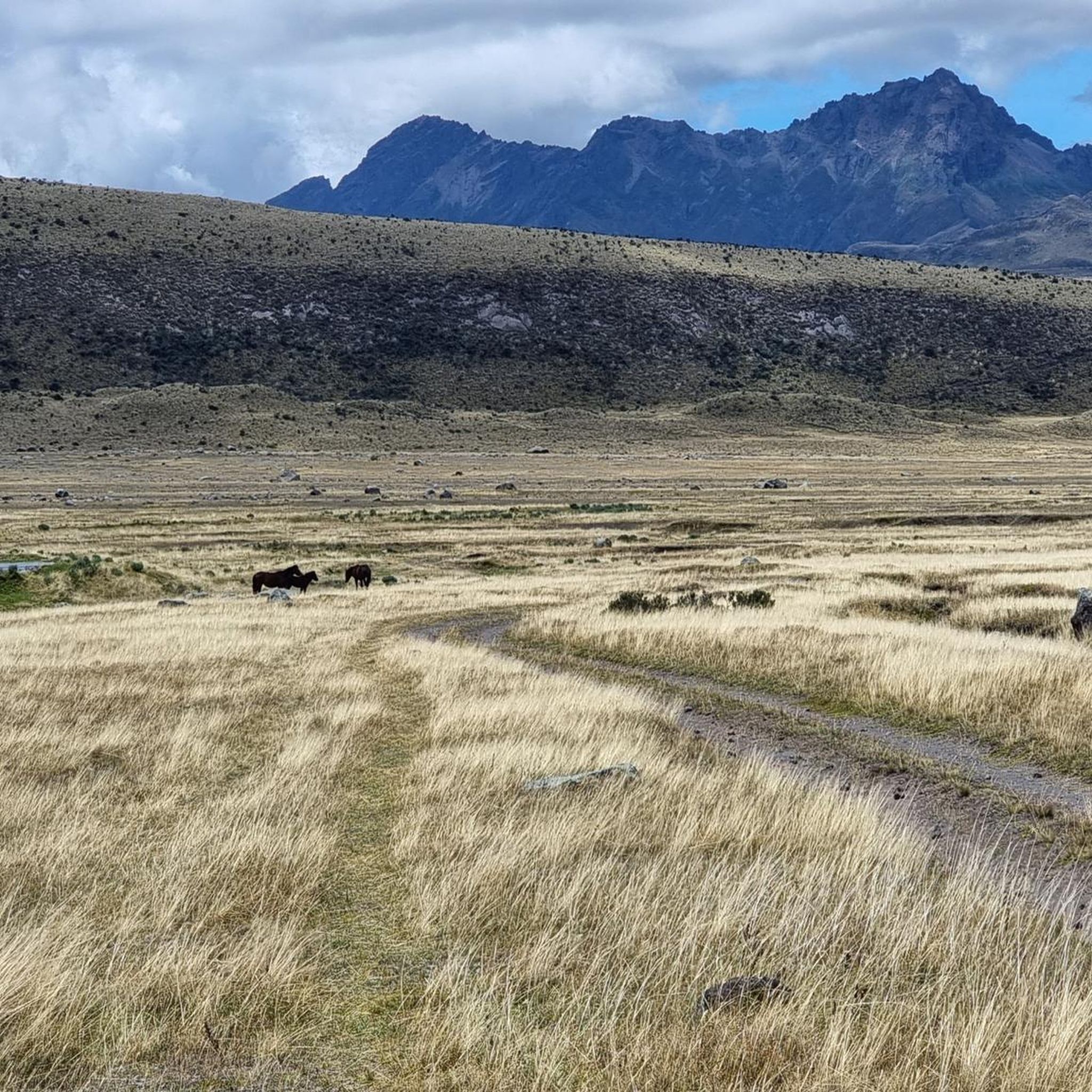
Touring cycling in Napo, Ecuador, traverses diverse landscapes ranging from lush Amazonian rainforests to the foothills of the Andes. The region is characterized by significant rivers like the Napo, Jatunyacu, and Misahuallí, which shape the terrain and offer varied cycling environments. Routes often feature a mix of elevations, transitioning from lower jungle areas to higher Andean slopes, providing a range of challenges for cyclists. This geographical diversity includes extensive rainforests, river valleys, and areas influenced by the nearby páramo.
Best…
Last updated: July 9, 2026
4.3
(12)
6
riders
28.1km
02:15
340m
340m
Moderate bike ride. Good fitness required. Mostly paved surfaces. Suitable for all skill levels.
4.0
(1)
4
riders
30.1km
02:10
370m
370m
Moderate bike ride. Good fitness required. Mostly paved surfaces. Suitable for all skill levels.

Sign up for free
4.0
(1)
2
riders
36.2km
02:49
530m
530m
Hard bike ride. Very good fitness required. Mostly paved surfaces. Suitable for all skill levels.
4.0
(1)
2
riders
49.6km
03:14
480m
480m
Hard bike ride. Very good fitness required. Mostly paved surfaces. Suitable for all skill levels.
1
riders
28.5km
01:51
280m
280m
Moderate bike ride. Good fitness required. Mostly paved surfaces. Suitable for all skill levels.
Get access to more routes and recommendations from other explorers.
Sign up for free
Already have an account?
Our route recommendations are based on thousands of hikes, rides, and runs completed by other people on komoot.
Start today with a free account
Your next adventure awaits.
Login or Signup




Tips from the Community

This route is nice for mountain bikes, but it is necessary to be accompanied, because there are desolate parts.
0
0
Frequently Asked Questions
How many touring cycling routes are available in Napo?
Napo offers a diverse selection of touring cycling routes, with over 9 options available. These routes cater to various skill levels, including easy, moderate, and difficult trails.
What kind of terrain can I expect on touring cycling routes in Napo?
Touring cycling in Napo features highly varied terrain, transitioning from lush Amazonian rainforests to the Andean foothills. You'll encounter significant rivers like the Napo, Jatunyacu, and Misahuallí, shaping the landscape. Routes often include a mix of elevations, from lower jungle areas to higher Andean slopes, providing a range of challenges. Expect verdant forests, river valleys, and areas influenced by the nearby páramo.
What is the best time of year for touring cycling in Napo?
December is a popular month for cycling in Napo. Generally, the region experiences a dry season and a wet season. While specific months for the dry season are not detailed, the varied elevations mean conditions can differ. It's advisable to check local weather forecasts closer to your travel dates, as the Amazonian climate can be unpredictable.
What do other cyclists say about touring cycling in Napo?
The touring cycling routes in Napo are highly regarded by the komoot community, holding an average rating of 4.0 stars from over 18 reviews. Cyclists often praise the region's diverse landscapes, from lush rainforests to Andean foothills, and the opportunities to experience unique natural and cultural environments.
Are there touring cycling routes suitable for beginners or families in Napo?
Yes, Napo offers routes suitable for beginners and families. For an easier experience, consider the Family Route – Misahuallí River Bridge loop from Tena, which is 14.1 miles (23 km) long and leads through riverine areas. There is at least one easy route available, ensuring options for less experienced cyclists.
Are there challenging touring cycling routes in Napo?
Absolutely. Napo features several challenging routes, particularly those ascending into the Andean foothills. An example is the Paso de Papallacta loop from Cochauco, a difficult 14.0-mile (23 km) trail with significant elevation gain. The region's transition from Amazon to Andes means some climbs can be steep, offering a rewarding challenge for experienced cyclists.
What natural attractions can I see while cycling in Napo?
Napo is rich in natural beauty. You can cycle through lush rainforests, alongside majestic rivers like the Napo and Misahuallí, and potentially detour to spectacular waterfalls such as Las Latas or Hollín Waterfalls. The region also features areas influenced by the páramo landscape in its higher elevations. Along the routes, you might encounter highlights like the Suspension Bridge Over the Río Misahuallí or the Jatun Sacha Rainforest Trail.
Can I expect to see wildlife on touring cycling routes in Napo?
Napo is renowned for its rich biodiversity. While cycling, you are in an excellent position to observe exotic wildlife, especially in the rainforest areas. The region is home to numerous bird species, monkeys (including capuchins near Puerto Misahuallí), and various other mammals. Keep an eye out, particularly in less populated areas, for opportunities to spot the diverse fauna.
Are there any cultural landmarks or unique experiences along the routes?
Yes, Napo offers opportunities for cultural engagement. Cycling routes can lead you through charming local villages and areas where you might encounter Indigenous Kichwa communities, offering insights into their customs and culture. The vibrant Puerto Misahuallí Town Square and Riverfront is a notable cultural hub where the Misahuallí River meets the Napo, serving as a starting point for Amazonian exploration.
Are there circular touring cycling routes in Napo?
Many of the touring cycling routes in Napo are designed as loops, allowing you to start and finish at the same point. Examples include the Paso de Papallacta loop from Cochauco, the Pakashka Sacha loop from Tena, and the Misahuallí River Bridge loop from Tena, providing convenient options for your cycling adventures.
What are some scenic viewpoints or natural features to look out for?
Napo's diverse landscape offers numerous scenic viewpoints. As you cycle through the Andean foothills, you'll gain elevated perspectives of the surrounding valleys and rainforest canopy. River valleys, particularly along the Napo, Jatunyacu, and Misahuallí rivers, provide breathtaking views. Keep an eye out for waterfalls and the unique páramo vegetation in higher altitudes, such as near the Shore of Laguna de la Mica.
Are there options for accommodation or places to eat near the cycling routes?
Yes, towns like Tena and Archidona, which serve as starting points for many routes, offer various options for accommodation and places to eat. You can find local restaurants and cafes to refuel after your rides. Some routes might also pass by lodges or huts, such as the Banana Lodge on the Río Misahuallí, providing convenient stops.
Most popular routes in Napo
Most popular attractions in Napo

Get inspired with the komoot mobile app


Didn’t find what you were looking for?
Check out more Cycling routes throughout Napo below and find the perfect route in your destination.
Explore more
Browse the best Cycling routes in other regions.
