Top 20 Lakes around Stretton
Best lakes around Stretton offer a variety of aquatic environments, ranging from historical reservoirs to tranquil park ponds. This region features a landscape shaped by both natural processes and industrial heritage, providing diverse settings for outdoor activities. Many lakes in the area are man-made, often repurposed from former quarries or created for water supply, now serving as popular spots for recreation and wildlife observation. The area provides opportunities for walking, fishing, and enjoying natural surroundings.
Best lakes around Stretton
- The…
Last updated: October 10, 2026
Mill Pond
Highlight • Structure
Tip by

Ogston Reservoir
Highlight • Viewpoint
Tip by

Sign up now to discover places like this
Get recommendations on the best single tracks, peaks, & plenty of other exciting outdoor places.
Pennytown Ponds Local Nature Reserve
Highlight • Lake
Lots of little wooden jetties to sit and …
Tip by

Walton Dam
Highlight • Trail
Tip by

Whitworth Park Pond
Highlight • Lake
Tip by

Sign up for free to discover even more lakes around Stretton.
Already have an account?
Start today with a free account
Your next adventure awaits.
Tips from the Community


"Spring has arrived – and the sun has melted the ice on the mill pond. Its rays reach to the bottom of the pond – and tickle awake the little water sprite, who has been hibernating with his mermaid parents. And what's the first thing a curious little water sprite does? Spring cleaning with his mother? Repairing the broken roof of the water sprite's house? Wrong! Of course, the little water sprite's first priority is to meet his old friend, Cyprinus the carp... The little water sprite isn't quite as cheeky here as in the 1955 original – but Daniel Napp's little spring story has been enchantingly illustrated. A magical, endearing, and ageless reading experience for children ages 4 and up." The Stiftung Lesen (Reading Foundation) reviews a four-volume sequel to the popular "The Little Water Sprite" by Otfried Preußler (1923 to 2013), which guides children through the seasons in this children's book series.
1
0

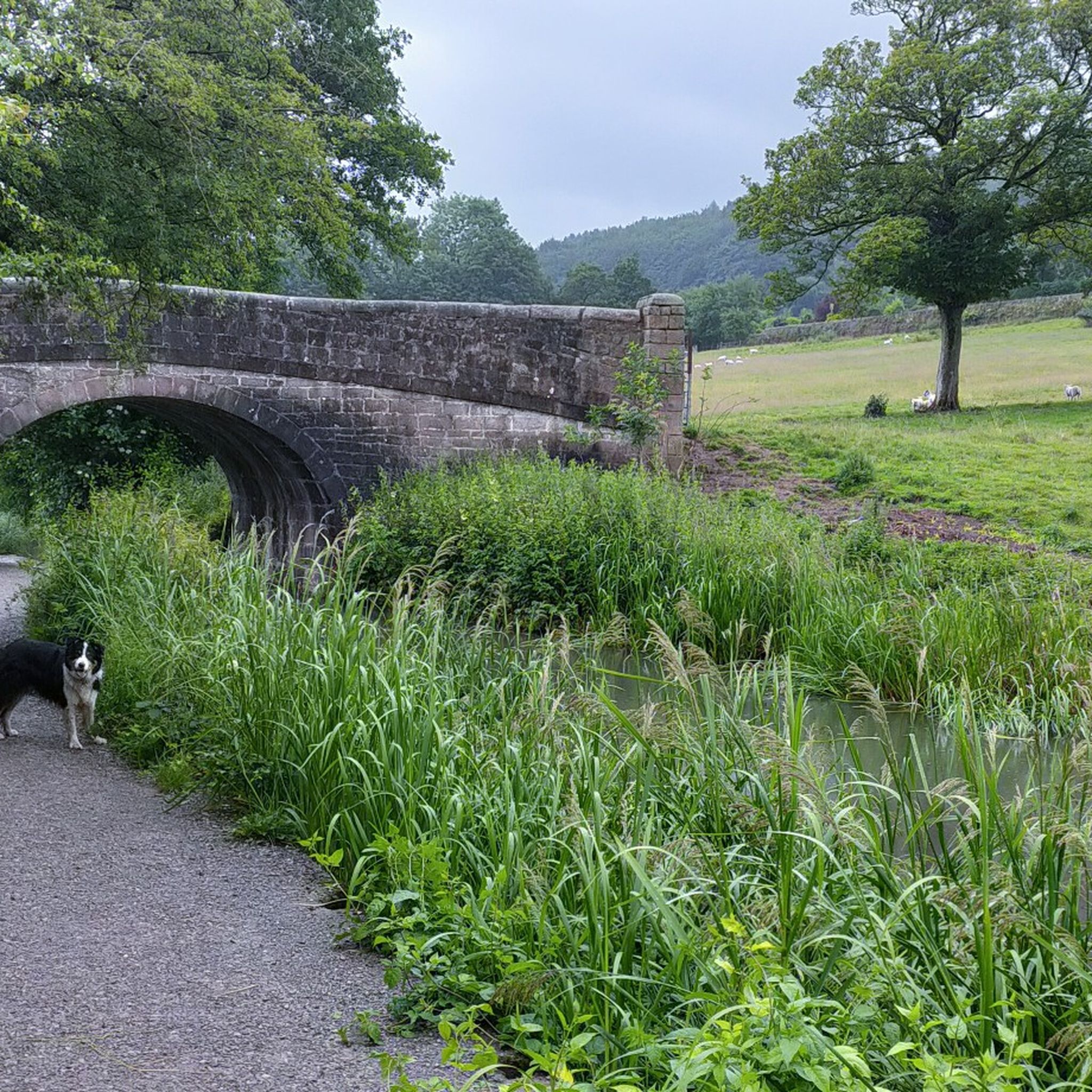
Walton Dam was built in the 18th century to provide a water supply for Walton Manor Corn Mill. The site was bought by Robinson’s in 1899, as a source of water for their cotton wool production. Later it provided an area for sporting and leisure activities for staff. Chesterfield Swimming Club also held events there.
0
0

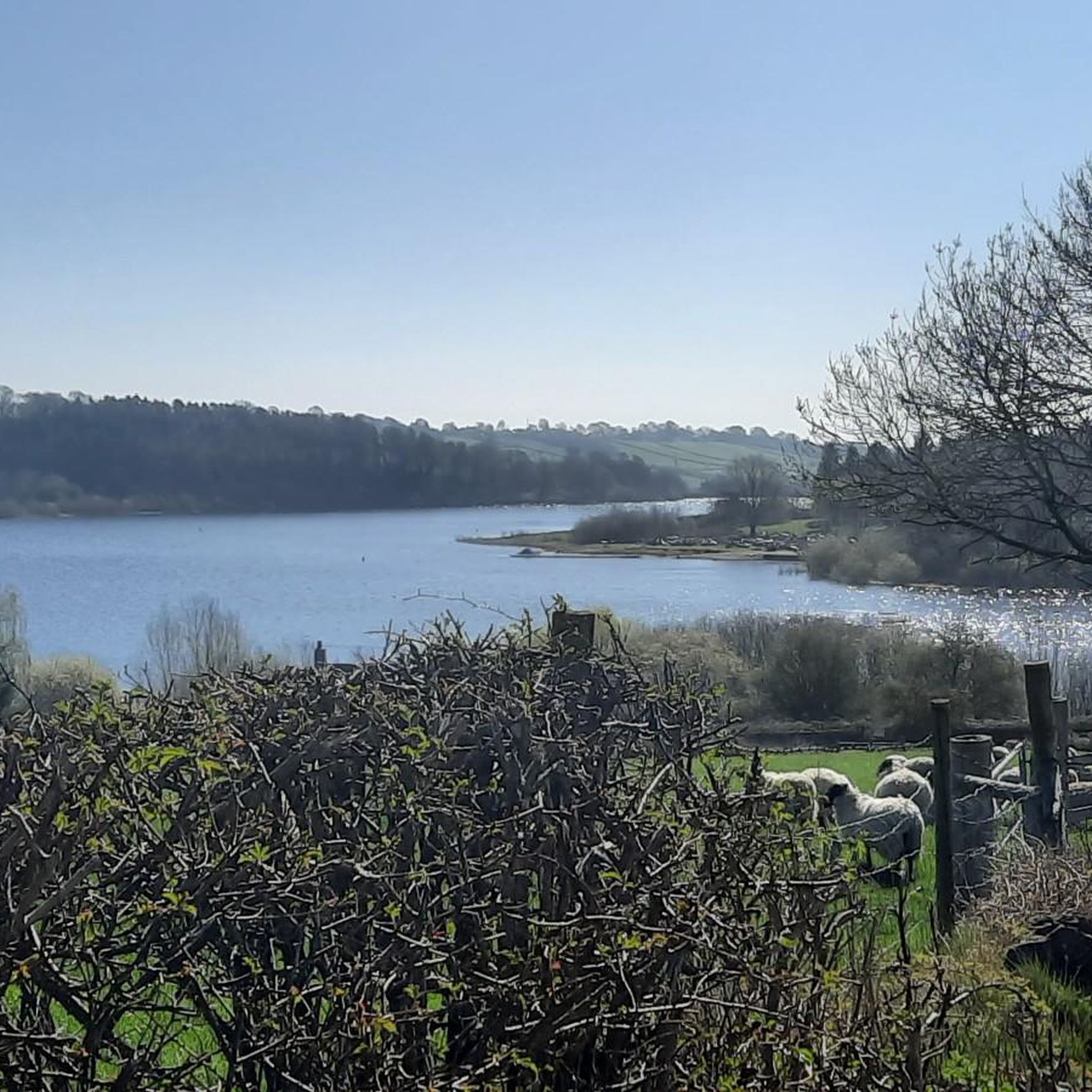
Not great to walk around unless you want to walk on the road a lot. There is no direct access to the reservoir because it is a conservation site. The car park is free and there are benches to sit on to watch the birds. Ognaston Bird Club conducts a guided bird walk on the first Saturday of each month and everyone is welcome. With them, you can access the reservoir surrounding areas to watch birds. If you want great views of the reservoir however you can combine a visit with a footpath walk up from the reservoir through fields and these are quite well signposted and accessible except from a slim squeeze with a holly hedge on one side and part of a footpath which is quite nettly - but will probably be okay by Autumn.
0
0
The Whitworth building and park are steeped in Victorian industrial history. Lady Louisa Whitworth, wife of the industrialist Sir Joseph Whitworth, had a vision of creating a place where people could meet for leisure, recreational and educational purposes. The Whitworth is unique in that it is the only surviving Whitworth foundation that continues to operate under the terms of its original endowment. Once a Victorian boating lake the ponds are now home to an abundance of wildlife all year round.
0
0
The Mill Pond (aka Lower Pond) was originally a quarry but was converted into a reservoir in 1850 to supply a continuous flow of water to power machinery.
1
0

White Peak Loop trail goes through the park behind The Whitworth. It's scenic but a bit stop-start when avoiding pedestrians and following the gates and signs. If I'm on my road bike, I just tend to use the quiet lane near the railway crossing and rejoin trail further up towards Rowsley.
1
0
The Cotes Parkland was sold off in small plots during the nineteenth century when the area was being mined for coal and ironstone. Three of the ponds were constructed during the nineteenth century as a result of mining operations, but it is thought that pond 3 is considerably older. In 1942 the area was re-landscaped for public use by Italian prisoners of war and subsequently became very popular for walking and picnicking. The creation of Cotes Park Industrial Estate in the 1970s has isolated the ponds within an industrial and residential landscape. They fell into disuse and decay and suffered from pollution. In the late 1980’s the borough council improved the ponds, which encouraged angling, walking and horse riding, there is an active friends group who have raised funds in partnership with Palmer Morewood Angling Club to install new paths and fishing pegs, the Borough Council have also improved the infrastructure and work with the Environment Agency to combat pollution.
0
0
Frequently Asked Questions
What are some of the most popular lakes to visit around Stretton?
Visitors frequently enjoy Walton Dam, which is part of the Hipper Valley Trail and offers a peaceful spot for wildlife observation and family cycling. Another favorite is Ogston Reservoir, known for its popular footpaths and sailing club, providing drinking water to the local area. Mill Pond is also popular, with a fascinating history as a former quarry converted into a reservoir.
Are there family-friendly lakes around Stretton?
Yes, several lakes are suitable for families. Walton Dam is ideal for family cycling and feeding ducks. Pennytown Ponds Local Nature Reserve offers a safe and peaceful environment with jetties for fishing or wildlife watching, and is a great place to take children. Whitworth Park Pond, once a Victorian boating lake, is now home to abundant wildlife and is part of a park with historical significance.
What kind of outdoor activities can I do near the lakes around Stretton?
The area around Stretton's lakes offers a variety of outdoor activities. You can find numerous hiking opportunities, including routes around Ogston Reservoir. For cyclists, there are road cycling routes like the 'Bolsover Castle – Hardwick Inn loop' and 'Halls Ice Cream, Matlock Bath – Cromford Pond loop'. Gravel biking is also popular, with trails such as the 'Trans Pennine Trail – Poolsbrook Country Park Lake loop'. You can explore more routes on the dedicated guides for hiking, road cycling, and gravel biking around Stretton.
Are there any lakes with historical significance in the Stretton area?
Yes, several lakes have interesting histories. Mill Pond, for example, was originally a quarry before being converted into a reservoir in 1850 to power machinery. Ogston Reservoir was created by flooding a local valley in 1958, covering a village, pub, and farmland. Pennytown Ponds Local Nature Reserve features ponds constructed during 19th-century mining operations, and the area was re-landscaped for public use by Italian prisoners of war in 1942. Whitworth Park Pond is part of a park steeped in Victorian industrial history, founded by Lady Louisa Whitworth.
What kind of natural features and wildlife can I expect to see at these lakes?
The lakes around Stretton offer diverse natural settings. At Walton Dam and Pennytown Ponds, you can enjoy peaceful wildlife observation. Whitworth Park Pond is home to an abundance of wildlife year-round. While the guide data doesn't specify particular species for all lakes, these areas generally support various birds, aquatic life, and local flora, providing tranquil spots to connect with nature.
Are there hiking trails around the lakes near Stretton?
Yes, there are several hiking opportunities. Ogston Reservoir has popular footpaths around its perimeter. You can find various hiking routes, including easy to moderate loops around Ogston Reservoir, with options ranging from 7 km to 11 km. For more details and route options, refer to the Hiking around Stretton guide.
What do visitors enjoy most about the lakes around Stretton?
Visitors appreciate the peaceful and tranquil atmosphere these lakes offer. Many enjoy the opportunity for wildlife watching, family outings, and the historical context of sites like Mill Pond and Ogston Reservoir. The blend of natural beauty with accessible trails for walking and cycling makes them popular spots for relaxation and recreation.
Is there parking available at the lakes?
Parking information varies by lake. For Ogston Reservoir, parking is available and free. For other locations, it's advisable to check local signage or specific site information upon arrival, as details may vary.
Can I go fishing at the lakes around Stretton?
Yes, fishing is a popular activity at several lakes. Pennytown Ponds Local Nature Reserve features large fishing ponds with jetties. Ogston Reservoir is also known as a popular trout fishing lake. For specific rules, permits, and fish stock, it's best to consult local information at each site.
Are there any lakes that are less crowded for a quieter experience?
While popularity can fluctuate, places like Pennytown Ponds Local Nature Reserve, despite being near an industrial estate, are described as very peaceful. Walton Dam also offers a quiet spot to enjoy nature. Visiting during off-peak hours or weekdays can generally provide a more serene experience at any of the lakes.
What is the terrain like for walking around these lakes?
The terrain around the lakes varies. For instance, the footpaths around Ogston Reservoir are generally popular and accessible, though some sections might involve walking on roads or through fields with varied conditions. Walton Dam, part of the Hipper Valley Trail, offers easy, family-friendly paths suitable for cycling and walking. Many paths are well-maintained, but some areas might be natural and unpaved.
Are there any specific birdwatching opportunities at the lakes?
Yes, birdwatching is a notable activity, especially at Ogston Reservoir. The Ognaston Bird Club conducts guided bird walks there on the first Saturday of each month, welcoming everyone. Pennytown Ponds Local Nature Reserve and Walton Dam also provide peaceful spots for observing local birdlife.
Most popular routes around Stretton
Most popular attractions around Stretton

Get inspired with the komoot mobile app


Explore more
Still not found your perfect lake around Stretton? Check out the guides of these regions to see even more beautiful places.
