The best gravel rides around Guadalcázar
5.0
(4)
93
riders
6
rides
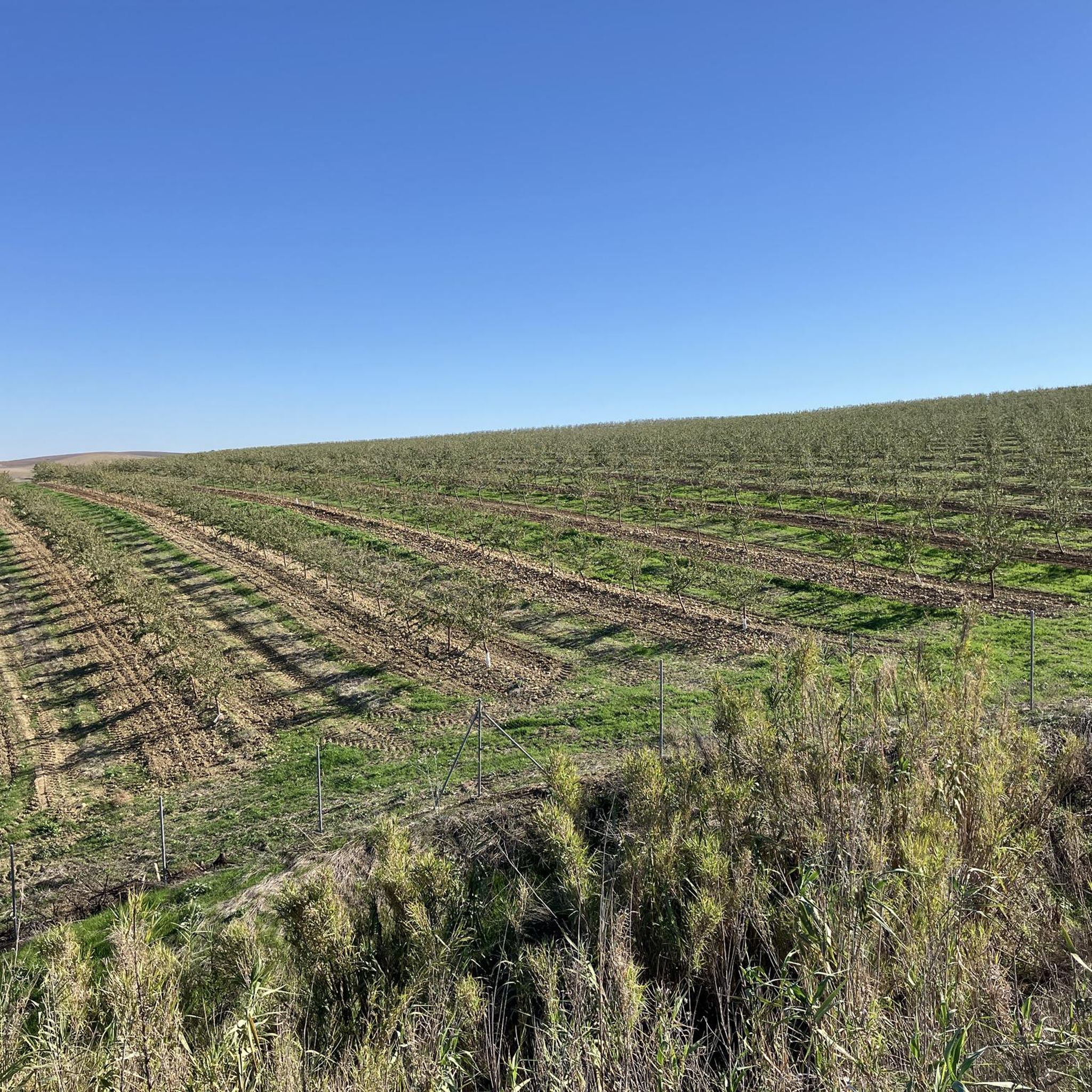
Gravel biking around Guadalcázar offers routes through diverse landscapes, from the sloping hillsides and rolling hills to the edges of the Chihuahuan Desert. The region features ancient trails and old mining transport routes, providing varied terrain for exploration. These paths traverse areas with geological formations and natural features, including sections near the Sierra Gorda mountains. The network of trails provides a mix of arid and mountainous environments suitable for gravel cycling.
Best gravel bike trails around Guadalcázar
- The most popular…
Last updated: May 16, 2026
5.0
(2)
41
riders
Hard gravel ride. Very good fitness required. Mostly paved surfaces. Suitable for all skill levels.
5.0
(1)
26
riders
76.2km
04:22
630m
630m
Hard gravel ride. Very good fitness required. Mostly paved surfaces. Suitable for all skill levels.

Sign up for free
10
riders
Moderate gravel ride. Good fitness required. Mostly paved surfaces. Suitable for all skill levels.
5.0
(3)
32
riders
64.5km
04:16
330m
330m
Moderate gravel ride. Good fitness required. Mostly paved surfaces. Suitable for all skill levels.
7
riders
47.8km
03:41
230m
220m
Moderate gravel ride. Good fitness required. Mostly paved surfaces. Suitable for all skill levels.
Our route recommendations are based on thousands of hikes, rides, and runs completed by other people on komoot.
Start today with a free account
Your next adventure awaits.
Login or Signup
Tips from the Community

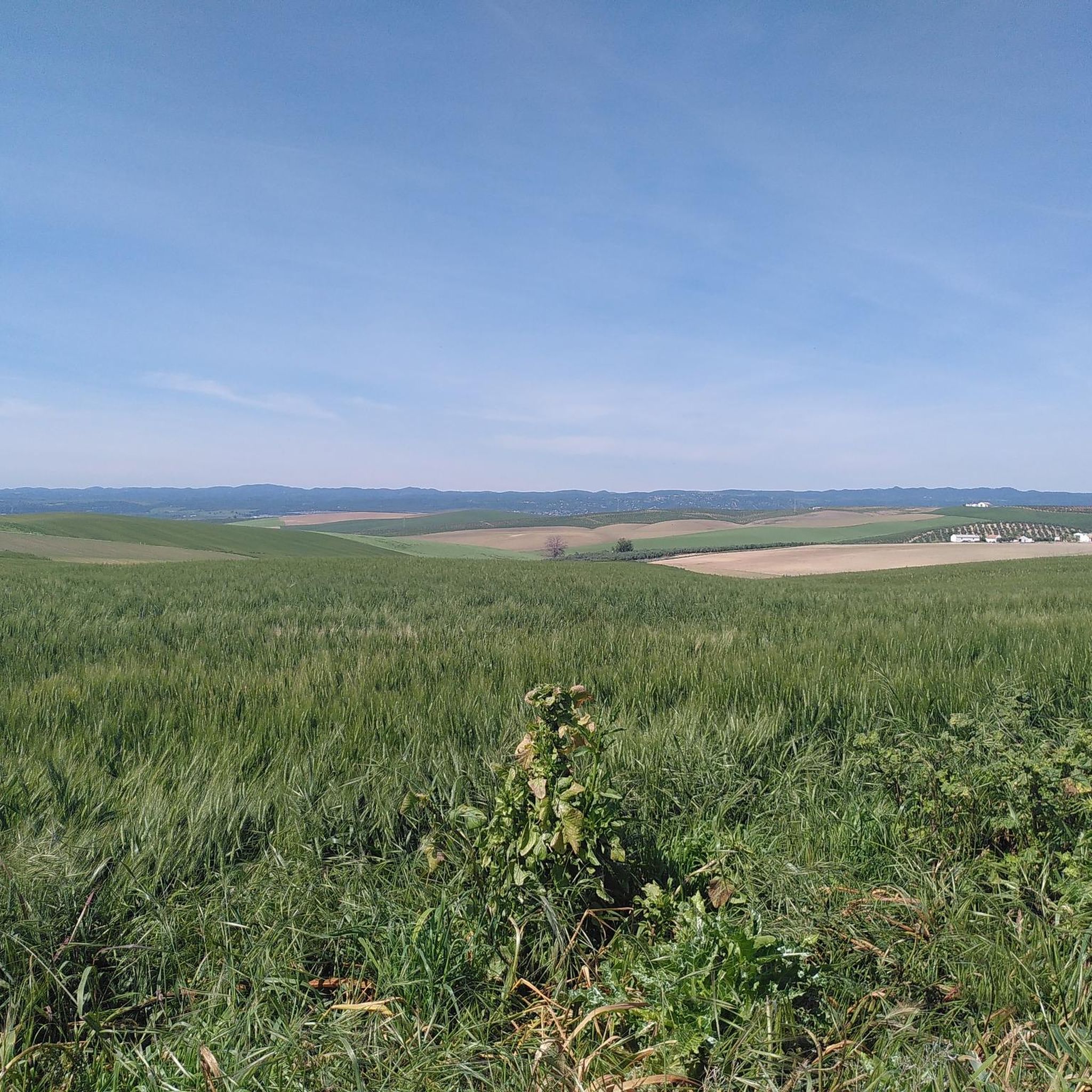
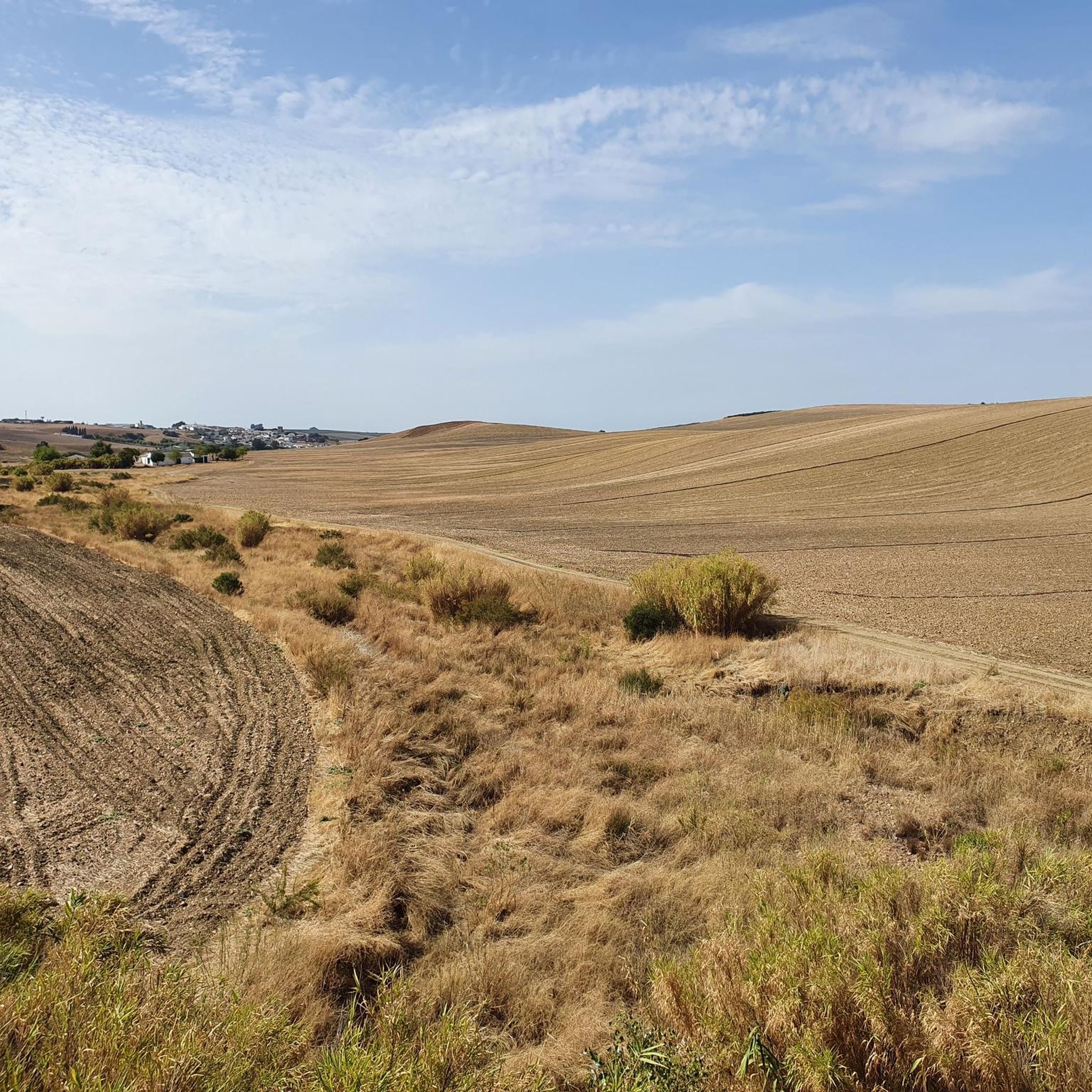
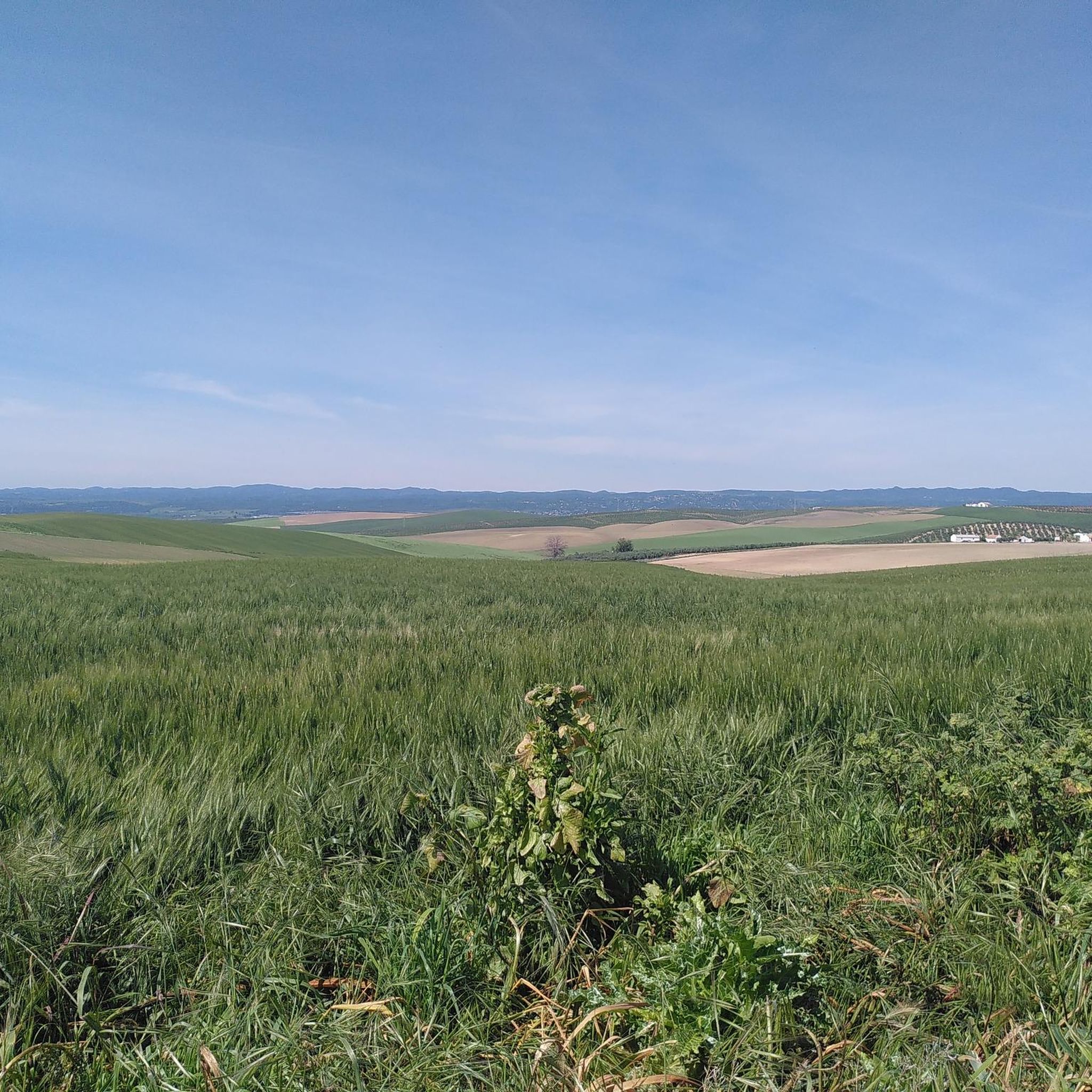
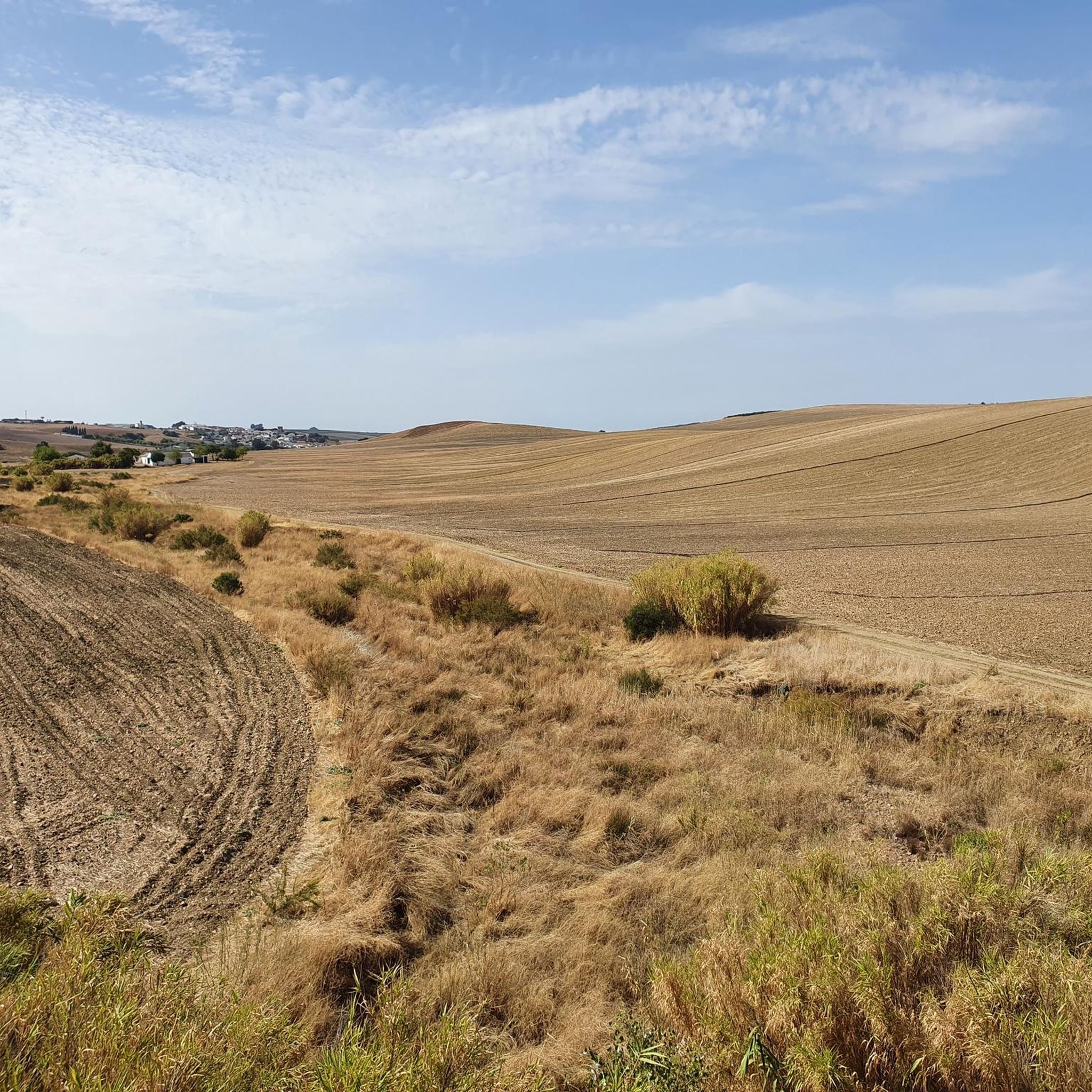
Circular route from Turruñuelos Park, Córdoba, passing through: - Torrehoria Viewpoint (19.5 km) - Torre del Beato (23.1 km) - Torre de las Siete Esquinas (24.5 km) - Bridge over the canal (29.5 km) The route begins along the Guadalmellato Canal, ascends through La Canchuela, Llanos de los Mesoneros, passes the El Cruce gas station, enters the "Fangor" forest, Torrehoria, Camino del Nuo Bajo, Torre del Beato, Torre de las Siete Esquinas, and from there descends to reach the start of the Trassierra Trail. Except for the descent from Siete Esquinas, the route, exceptionally beautiful given the recent rainfall in the mountains with runoff everywhere, follows paths without technical difficulty, making it even more appealing. It's a challenging distance but offers stunning views of the surrounding area and the city and its environs from the highest points.
0
0

Generations of stork families have made this location their home. You find them here every year during spring, refreshing their nests and rearing their young.
0
0

Dehesa area in the heart of the countryside
0
0

Córdoba, on the northern bank of the Guadalquivir, is one of the three largest cities in Andalusia, along with Seville and Granada, but is quieter than the other two. The beautiful city was once the heart of Roman Baetica and later one of the leading centres of Al-Andalus. The mosque-cathedral with red and white arches symbolises the enormous wealth of Spanish-Islamic civilisation. But the Mezquita, a UNESCO World Heritage Site, is certainly not the only thing the city has to offer. Churches and palaces, a maze of narrow streets and alleys, patios and balconies full of flowers: everything invites you to a romantic exploration full of surprises.
8
0

Córdoba is one of Spain's most beautiful cities, with a fascinating mix of Moorish, Jewish and Christian history. A must-see for lovers of history, culture and architecture. Córdoba is a bike-friendly city, ideal for exploring on two wheels. Many attractions are easily accessible by bike, and there are dedicated cycle paths and reduced-traffic zones.
8
0
The Medina Azahara Visitor Centre in Córdoba is an ideal opportunity to explore the remains of the once magnificent 10th century palace city. It offers comprehensive information and insight into the history and significance of this important archaeological site. In 2018, the Medina Azahara archaeological complex was declared a UNESCO World Heritage Site. Entry is free for citizens of the European Union. Visitors from non-EU countries pay a small entrance fee.
3
0
A beautiful stretch of this route that runs along part of the old Córdoba-Marchena railway line. The construction of this line was completed by the Andalusian Railway Company in October 1885. Due to the high operating deficit, the RENFE dismantled this line in 1971. Since 1993, the "Foundation of Spanish Railways", in collaboration with other organizations, has been converting these old railway lines into cycle tourist routes. The Vía Verde de la Campiña is a scenic cycle route that runs from Córdoba through the rural region of the Campiña to the town of Marchena. The route of the Via Verde also passes through landscapes on the banks of the Guadalquivir, mainly characterized by cereal cultivation. An easy and pleasant cycle route that offers the perfect way to explore part of the provinces of Córdoba and Seville on two wheels.
3
0
The Puerta de Sevilla in Córdoba is a valuable part of the old city walls that once surrounded the historic city. Although the name Seville refers to the neighboring city, this is one of the important city gates of Córdoba, which played a central role in the defense and access to the city in the past. The Puerta de Sevilla is an important remnant of the city walls of Córdoba and a fascinating monument that reflects the city's varied history. A testament to Roman, Moorish and Christian influences, it combines different architectural styles and tells the story of Córdoba as one of the most culturally and historically rich cities in Andalusia.
9
0
Frequently Asked Questions
How many gravel bike trails are available around Guadalcázar?
There are over 8 gravel bike trails around Guadalcázar, offering a variety of experiences for different skill levels. The komoot community has explored these routes over 100 times.
What is the general difficulty level of gravel biking routes in Guadalcázar?
Gravel biking around Guadalcázar features routes ranging from moderate to difficult. You'll encounter sloping hillsides, ancient trails, and old mining routes, providing a challenging and engaging experience.
Are there any circular gravel bike routes in the area?
Yes, many routes are designed as loops. For instance, the difficult Fuente Redonda de Las Pinedas – Guadalcazar Recreation Area loop from El Álamo covers 57.6 miles (92.8 km) with significant elevation changes. Another option is the Guadalcazar Recreation Area – Seville Gate loop from La Carlota, a 47.4 miles (76.2 km) trail.
What kind of terrain can I expect on gravel bike trails near Guadalcázar?
The terrain around Guadalcázar is diverse, characterized by sloping hillsides, rolling hills, and ancient trails. You'll also find old mining transport routes, offering a mix of surfaces suitable for gravel biking.
What are some notable landmarks or attractions I can see along the gravel bike trails?
Many routes offer views of historical and natural sites. You might pass by the Start of the Vía Verde de la Campiña, or the Service road of the Guadalmellato canal. Further afield, the Medina Azahara Archaeological Site and Almodóvar del Río Castle are significant points of interest in the wider region.
Are there any easy or moderate gravel bike trails suitable for beginners or families?
While many routes are difficult, there are moderate options available. For example, the Villarrubia Church – Vía Verde Near El Reventón loop from Villarrubia de Córdoba is a moderate 20.6 miles (33.1 km) trail, offering a less strenuous ride. Another moderate choice is the Roman Temple – Canal loop from Villarrubia de Córdoba.
What do other gravel bikers say about the routes in Guadalcázar?
The routes in Guadalcázar are highly rated by the komoot community, with an average score of 5.0 stars from over 6 reviews. Riders often praise the varied terrain and the challenging nature of the trails.
Is there public transport available to Guadalcázar that accommodates bikes?
While specific details on bike accommodation for public transport to Guadalcázar are not readily available, it's advisable to check with local bus or train operators in Córdoba for their policies regarding bicycles, especially for longer journeys.
Where can I find parking for gravel biking in Guadalcázar?
Parking options are generally available in and around Guadalcázar town center. For routes starting from specific areas like the Guadalcázar Recreation Area, designated parking might be available, but it's best to check local signage upon arrival.
Are there any specific rules or permits required for cycling in the Guadalcázar area?
Generally, no special permits are required for cycling on public trails in Andalusia. However, always respect local regulations, private property, and protected areas. Stay on marked paths and be mindful of other trail users.
What is the best time of year to go gravel biking in Guadalcázar?
The best time for gravel biking in Guadalcázar is typically during the spring (March to May) and autumn (September to November) when temperatures are milder. Summers can be very hot, and winters can be cooler and wetter, though often still rideable.
Are there any bike-friendly cafes or restaurants near the gravel trails in Guadalcázar?
Guadalcázar, being a local town, offers various cafes and restaurants where you can refuel. While specific 'bike-friendly' establishments aren't highlighted, most local eateries are welcoming. It's always a good idea to secure your bike if leaving it unattended.
Most popular routes around Guadalcázar
Most popular attractions around Guadalcázar

Get inspired with the komoot mobile app


Explore more
Browse the best Gravel rides in other regions.
