Top 12 Caves in Aveyron
Best caves in Aveyron are found within a diverse landscape characterized by deep gorges, limestone plateaus, and river valleys like the Tarn. The region's geology has created numerous natural shelters and underground formations. Many sites in Aveyron feature historical significance, with evidence of human occupation dating back millennia. These caves and troglodyte settlements offer insights into past human adaptation to the natural environment.
Best caves in Aveyron
- The most popular caves is Saint-Marcellin, a historical site built on the…
Last updated: July 1, 2026
Saint-Marcellin
Highlight • Historical Site
Translated by Google •
Tip by

Usclades Shelter No. 2 (Witch's Cave)
Highlight • Cave
Translated by Google •
Tip by
Sign up now to discover places like this
Get recommendations on the best single tracks, peaks, & plenty of other exciting outdoor places.
Sign up for free
Abri des Usclades
Highlight • Cave
Translated by Google •
Tip by
Peyre Troglodyte Village
Highlight • Settlement
Translated by Google •
Tip by

Paillasses Cave
Highlight • Cave
Translated by Google •
Tip by
Grotte du Loup
Highlight • Cave
Translated by Google •
Tip by
Baume du Figuier
Highlight • Cave
Translated by Google •
Tip by
Grotte des Résistants
Highlight • Cave
Translated by Google •
Tip by
Troglodyte dwelling
Highlight • Cave
Translated by Google •
Tip by

Aven de Puech Nègre
Highlight • Cave
Translated by Google •
Tip by

Sign up for free to discover even more caves in Aveyron.
Sign up for free
Already have an account?
Start today with a free account
Your next adventure awaits.
Login or Signup
Popular around Aveyron
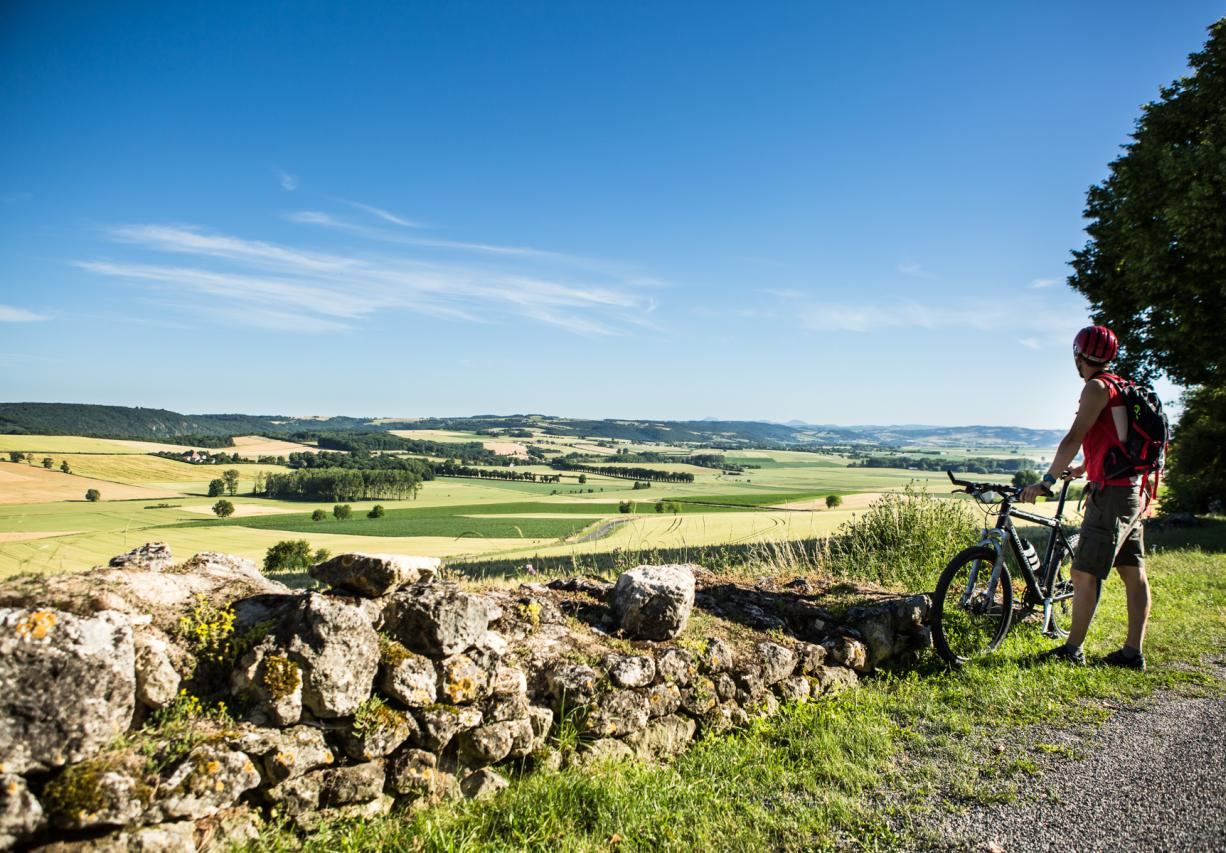
The Grande traversée du Massif Central by gravel bike
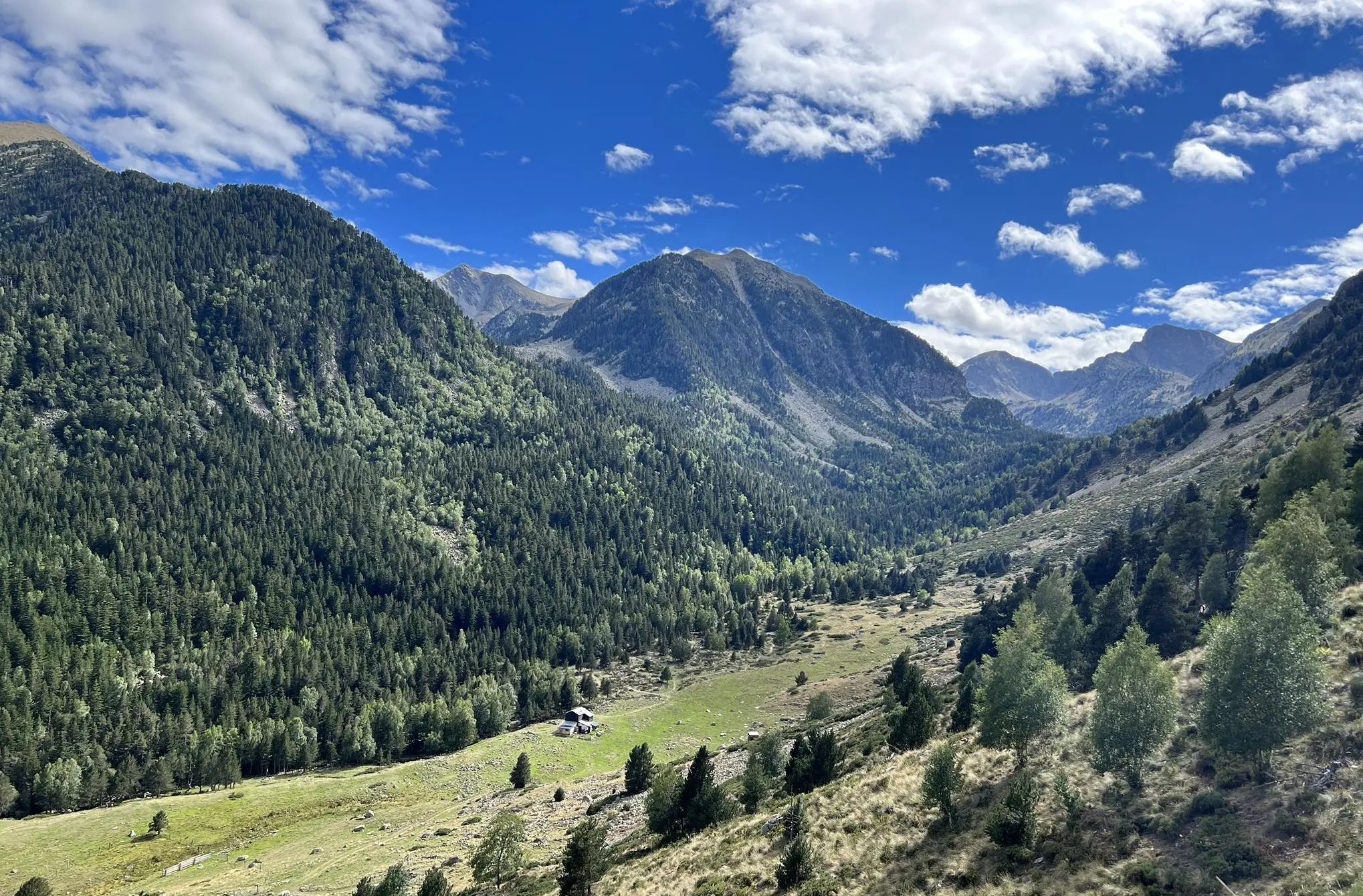
GR 36 long-distance footpath – Cross France from the Channel to the Pyrenees
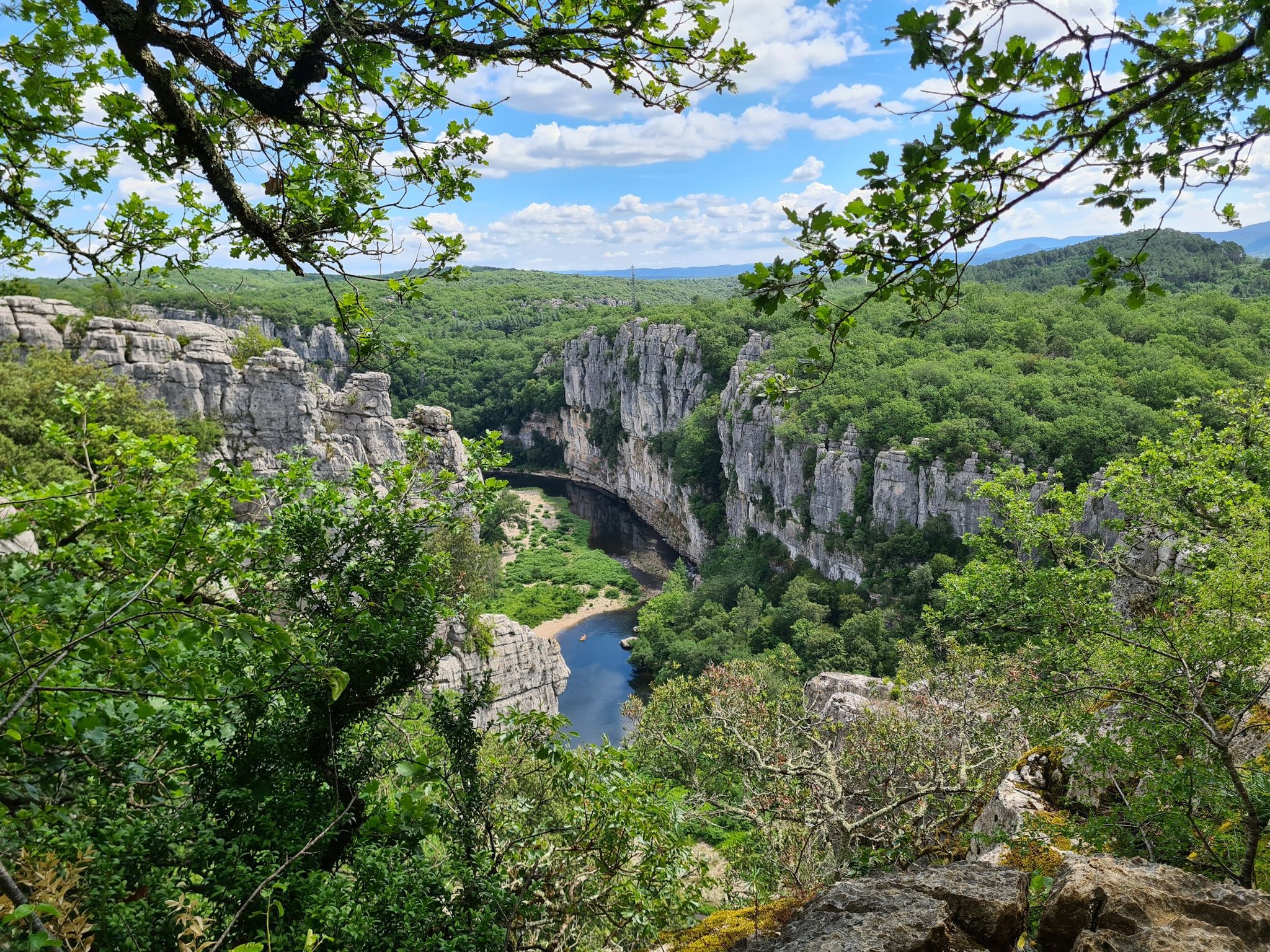
Hexatrek – The Cévennes to the Pyrenees between gorges and limestone plateau
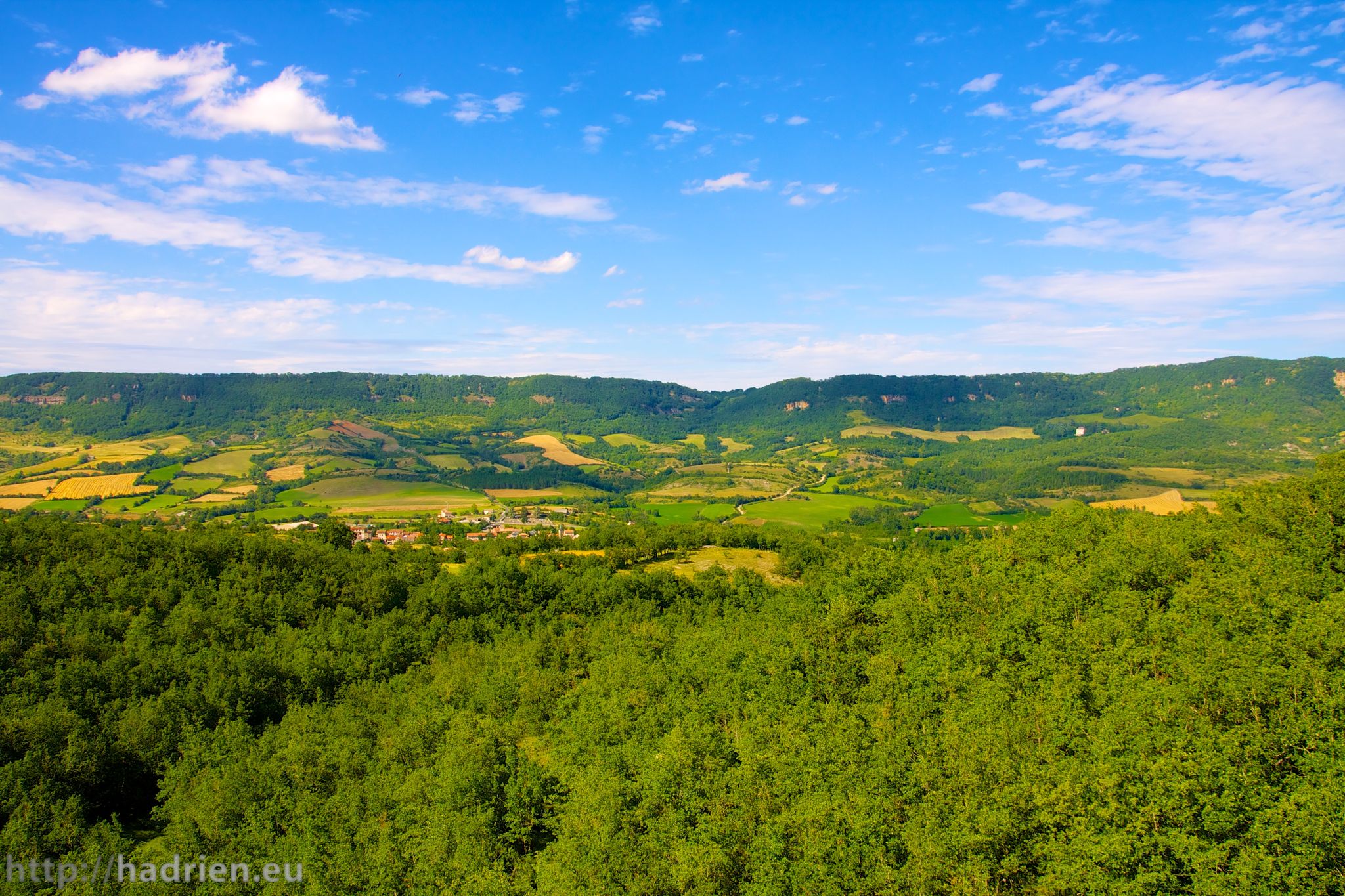
Tour of Aveyron — The mountains and valleys of Roquefort and Aligot
From the Alps to the Atlantic — GR 6
Rides between Toulouse and Figeac – liO train for bicycle transport
The most beautiful walks in Lozère
From L'Espérou to Lodève - Explore the Cevennes on the GR 71
Meyrueis to La Roque-Sainte-Marguerite – GR 62A in France
Trails de Légende in France – Festival des Templiers races
Other adventures in Aveyron


Tips from the Community

very nice hike but some difficult sections.
0
0

Balsams are natural cavities that open among the rock. Located in the cliffs, they first served as shelter for wild animals, prehistoric men and then shepherds. That of Figuier offers a majestic view of the valley it overlooks.
0
0
Impressive cave which extends over three floors. Populated since the Neolithic period, tools, pottery and bones dating from the Bronze Age have also been found there.
0
0

Built on the side of a cliff in a natural cirque, Saint-Marcellin, like Églazines, is a magnificent and emblematic site where humans have always adapted to nature to build their habitat. This troglodyte village thus preserves the remains of a rock fortification but also of jasses (caves converted into sheepfolds), a Caussenard house, a chapel, a bread oven...
1
0
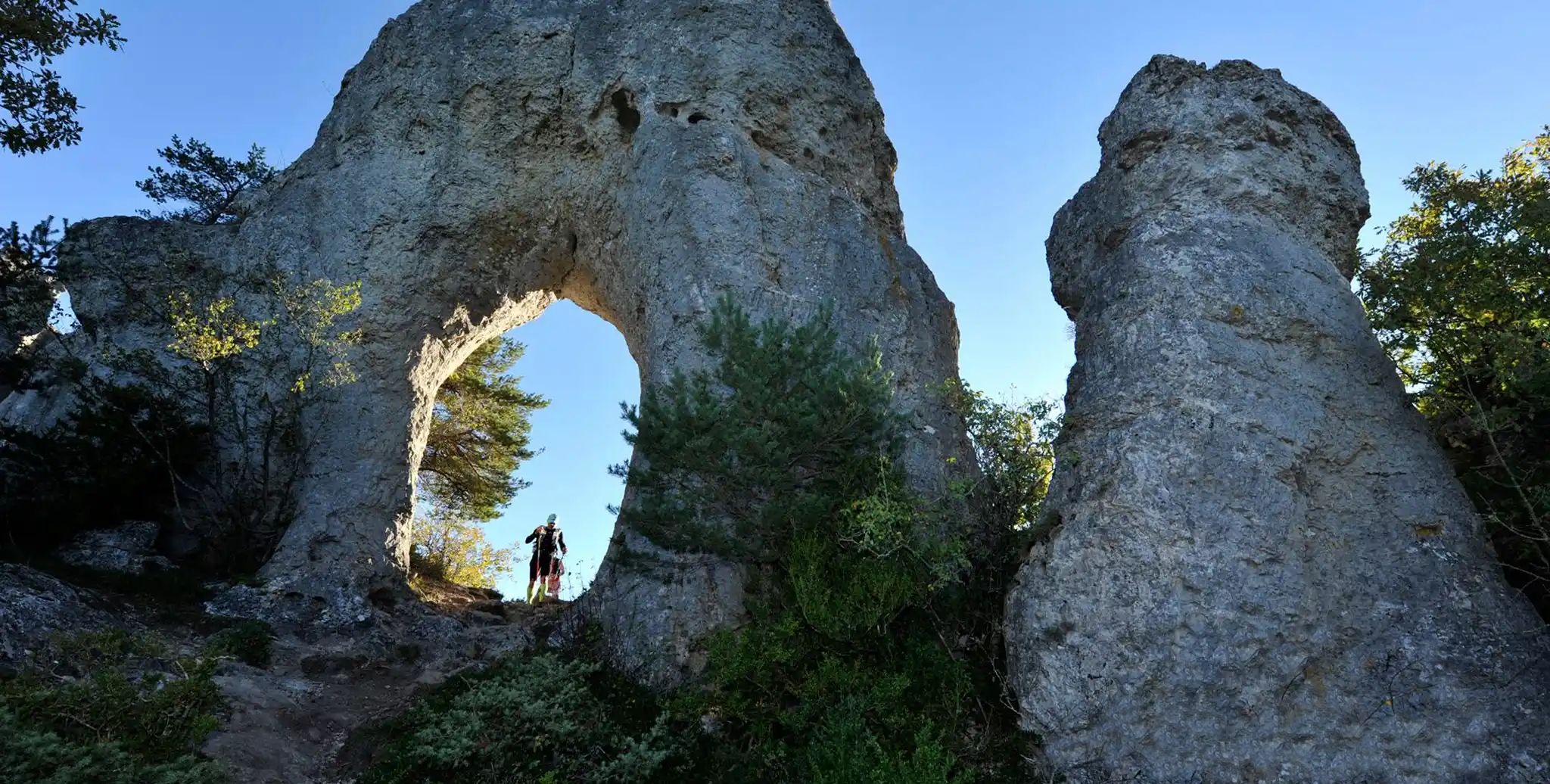
The Grotte du Loup, also known as the Saut du Loup, is a small cavity in an organ rock structure. Medieval legends say that a Cerberus lived there and protected pilgrims from brigands.
1
0
Unlike caves or balms, a cave is only accessible to speleologists via a well opening in the ground. So be careful.
0
0
Balms are cavities open to the outside and more or less deep. They have been frequented since the dawn of time, first by wild animals then prehistoric men, followed by shepherds... and now by tourists. That of the Fig tree is particularly photogenic.
0
0
The cave of the Resistance fighters, or cave of the Maquisards, was formerly called the Baoumasse and served as a summer sheepfold.
0
0
Frequently Asked Questions
What kind of geological formations can I expect to see in Aveyron caves?
Aveyron's geology, characterized by deep gorges and limestone plateaus, has created numerous natural shelters and underground formations. Many caves are classified as natural monuments, such as Paillasses Cave, which features a spring, and Grotte du Loup. You'll find a variety of cave types, from simple shelters to more complex systems.
What historical significance do the caves in Aveyron hold?
Many sites in Aveyron have significant historical value, with evidence of human occupation dating back millennia. For example, Saint-Marcellin is a troglodyte village with remains of rock fortifications and a chapel. Abri des Usclades shows traces of occupation from over 10,000 years ago, while Usclades Shelter No. 2 (Witch's Cave) suggests religious significance from the Mesolithic period.
Are there family-friendly caves in Aveyron?
While specific 'family-friendly' categories aren't always listed, many historical and natural cave sites in Aveyron offer accessible experiences for various ages. Sites like the Peyre Troglodyte Village provide an engaging historical context that can be interesting for families. It's always advisable to check the specific site for age recommendations or tour difficulty.
What is the typical difficulty level for exploring caves in Aveyron?
The caves in Aveyron generally offer intermediate difficulty levels, suitable for most visitors. However, some sites, like Aven de Puech Nègre, are classified as challenging, often requiring specialized equipment or experience. Always check the specific requirements for each cave you plan to visit.
What outdoor activities can I do near the caves in Aveyron?
The region around Aveyron's caves offers diverse outdoor activities. You can find numerous cycling routes, including easy loops like 'Forêt du Cade' or more challenging ones like 'Jonte Gorge'. Hiking is also popular, with trails such as 'Corniches du Méjean' and 'The Hermitage Saint Michel'. For more options, explore the Cycling in Aveyron, Mountain Hikes in Aveyron, and Hiking in Aveyron guides.
Do I need reservations to visit caves in Aveyron?
For many of the more developed or popular cave sites and troglodyte villages, especially during peak season, making reservations in advance is highly recommended. This ensures your entry and helps manage visitor flow. For less developed or natural shelters, reservations may not be required, but access might be restricted or require local guidance.
What should I wear when visiting caves in Aveyron?
Caves maintain a consistently cool temperature year-round, regardless of the weather outside. It's advisable to wear layers, including a light jacket or sweater. Sturdy, closed-toe shoes with good grip are essential, as paths can be uneven or damp. Some sites may also require helmets or headlamps, which are often provided.
Are Aveyron caves open in winter?
Opening hours for caves in Aveyron can vary significantly by season. While some larger, commercially operated caves might have limited winter hours or be closed, many natural shelters and historical sites may remain accessible, weather permitting. It's best to check the specific opening times for each cave you plan to visit before your trip, especially during the off-season.
Is parking available at the caves in Aveyron?
Most developed cave sites and popular troglodyte villages in Aveyron provide designated parking areas for visitors, often for a fee. For more remote or natural cave entrances, parking might be less formal, requiring you to park safely along a road or at a nearby trail head. Always look for official parking signs or information from the site.
Can I expect to see wildlife in Aveyron caves?
While large animals are uncommon, caves are home to unique ecosystems. You might encounter bats, various insects, or specialized cave-dwelling invertebrates. These creatures are often sensitive to disturbance, so it's important to respect their habitat and avoid making loud noises or touching cave formations.
Are there accessible caves in Aveyron for visitors with mobility challenges?
Accessibility varies greatly among the caves in Aveyron. Many historical and natural cave sites involve uneven terrain, stairs, or narrow passages, making them challenging for visitors with mobility issues. Some commercially developed caves may offer more accessible routes or facilities. It is recommended to contact specific cave sites directly to inquire about their accessibility features before planning your visit.
What makes the cave experiences in Aveyron unique?
The cave experiences in Aveyron are unique due to the region's blend of natural geological wonders and rich human history. You can explore ancient troglodyte villages like Saint-Marcellin, which showcase human adaptation to nature, alongside natural monuments like Paillasses Cave. The combination of historical occupation, archaeological findings, and diverse geological formations offers a distinct exploration opportunity.
Most popular routes in Aveyron
Most popular attractions in Aveyron

Get inspired with the komoot mobile app


Explore more
Extend your search for the best caves by checking out these guides of the top ones in Aveyron:
