Top 11 Castles around Buseno
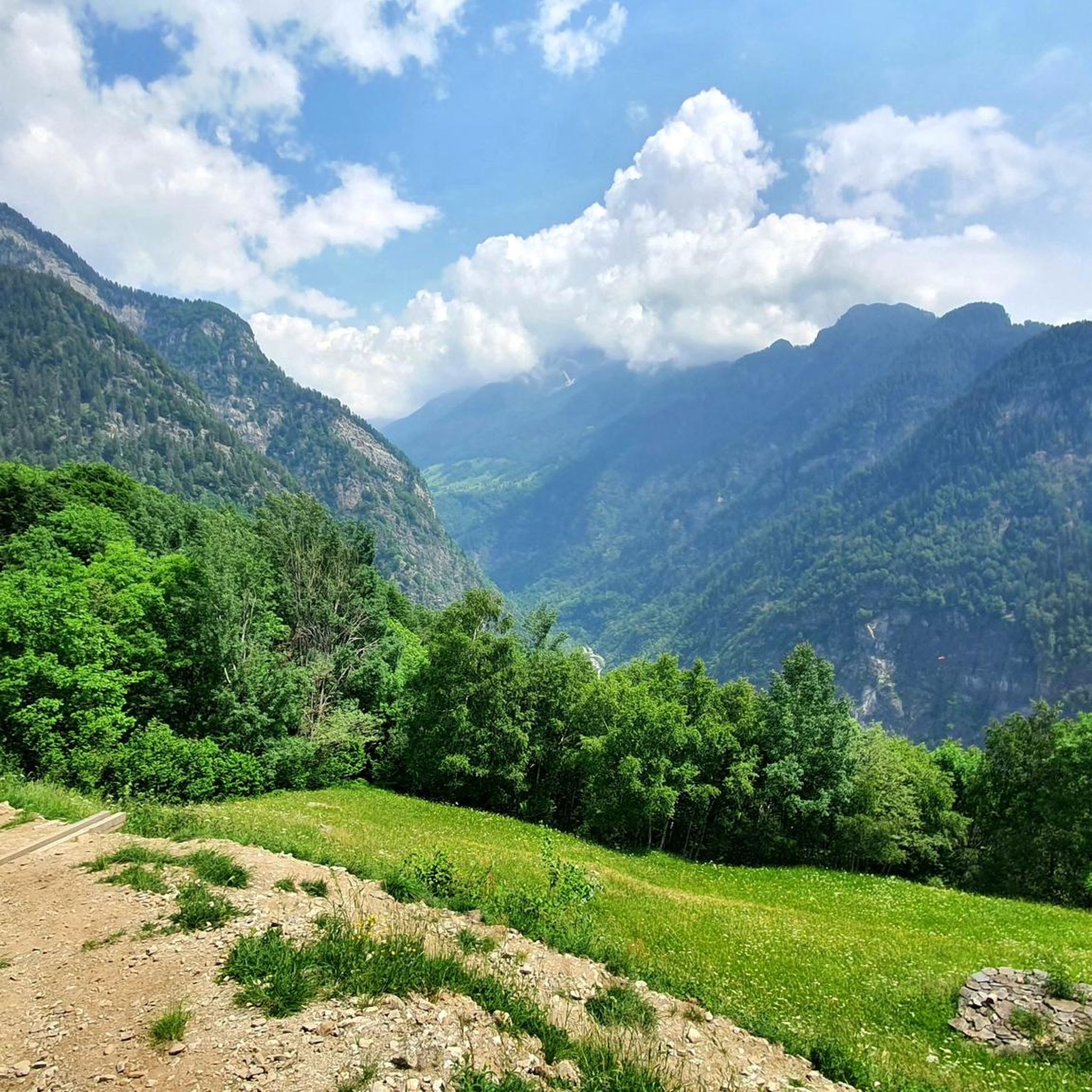
Castles around Buseno are primarily found in the broader region, with the village itself known for its traditional stone houses and natural charm above the Calancasca river. The most notable historical fortifications are the Castles of Bellinzona, a UNESCO World Heritage site located in Ticino. These medieval structures are significant for their strategic importance in controlling Alpine passes. The area offers a blend of natural landscapes and historical architecture.
Best castles around Buseno
- The most popular castles is Montebello Castle…
Last updated: November 21, 2026
Bellinzona: Old Town and Castles
Highlight • Historical Site
Once upon a time, there were knights and drawbridges. Where? In Bellinzona, of course! Take a journey back in time and visit the …
Translated by Google •
Tip by

Montebello Castle
Highlight • Castle
Here, the walls surrounding the old town and meeting with …
Translated by Google •
Tip by

Sign up now to discover places like this
Get recommendations on the best single tracks, peaks, & plenty of other exciting outdoor places.
Sasso Corbaro Castle
Highlight • Castle
Tip by

Old Town of Bellinzona
Highlight • Historical Site
With elegant churches, magnificent parks, and squares, Bellinzona's old town offers a fascinating insight into the region's history and culture. The remarkable post office building also reflects …
Translated by Google •
Tip by
Torre Fiorenzana, Grono
Highlight • Castle
Translated by Google •
Tip by

Sign up for free to discover even more castles around Buseno.
Already have an account?
Start today with a free account
Your next adventure awaits.
Tips from the Community

In Bellinzona's Old Town From the train station, the bus takes us to the stop at the end of Via Lugano. To the east is the Church of Santa Maria delle Grazie. On the other side of the railway line, we pass the Villa dei Cedri, nestled in a magnificent park and home to the municipal art collection. We head north along Via Pedotti to Piazza San Biagio, where the 13th-century church of the same name can be admired. The church, one of the most interesting in the region, has been restored and stripped of its Baroque additions. The remarkable frescoes date from the late Middle Ages. We return and follow Via Lugano north to Piazza Indipendenza, where we find the Church of San Rocco, a building dating back to 1330 and enlarged in 1478. This is where the actual old town begins. The town hall, with its elegant courtyard, was completely rebuilt in 1924, using materials from the previous 15th-century building. At Piazza Nosetto, with its beautiful porticoes, we turn left onto Via Teatro, passing the restored theater building from the previous century and reaching the government building. The oldest part consists of the former Ursuline convent, dating back to the 13th century and rebuilt in the previous century. Returning to Piazza Nosetto, we approach Piazza Collegiata, passing the Casa Rossa, a brick-clad building inspired by the Lombard style of the 15th century. The massive church of SS. Pietro e Stefano reflects the Renaissance style with Baroque elements. A lively market is held every Saturday in Piazza Collegiata. On Viale Stazione, we find ourselves in the city's commercial district. The post office building is noteworthy, a prime example of contemporary Ticino architecture. Text / Source: Agenzia turistica ticinese SA., Via C. Ghiringhelli 7, Bellinzona https://www.ticino.ch/de/commons/details/In-Bellinzonas-Altstadt/3156.html
14
0
The Fortress of Bellinzona and its Castles Once upon a time, there were knights and drawbridges. Where? In Bellinzona, of course! Take a journey back in time and visit the castles, which were declared UNESCO World Heritage Sites in 2000. Arm yourself with a camera and discover Castel Grande, Montebello, and Sasso Corbaro. Tin-reinforced walls, towers, and enormous gates: you'll be catapulted straight into the Middle Ages! Dream of the knights' heroic deeds and immerse yourself in life back then. The Fortress of Bellinzona offers visitors a hands-on experience of medieval history. You can purchase the Fortress Pass online, at the InfoPoint in Bellinzona, or at the ticket offices of the three castles. It allows you to visit the fortress and its walls, the Castel Grande Museum, the Archeologia Montebello exhibition trail, and the temporary exhibitions. Are you primarily interested in visiting the exhibitions? Then buy the new Expo Pass: a combined ticket that grants access to the temporary exhibitions at Castel Grande, Sasso Corbaro, and the Museo Villa dei Cedri! Text / Source: Bellinzona e Valli Tourism https://www.bellinzonaevalli.ch/de/discover/castles.html
14
0
In Bellinzona's Old Town From the train station, the bus takes us to the stop at the end of Via Lugano. To the east is the Church of Santa Maria delle Grazie. On the other side of the railway line, we pass the Villa dei Cedri, nestled in a magnificent park and home to the municipal art collection. We head north along Via Pedotti to Piazza San Biagio, where the 13th-century church of the same name can be admired. The church, one of the most interesting in the region, has been restored and stripped of its Baroque additions. The remarkable frescoes date from the late Middle Ages. We return and follow Via Lugano north to Piazza Indipendenza, where we find the Church of San Rocco, a building dating back to 1330 and enlarged in 1478. This is where the actual old town begins. The town hall, with its elegant courtyard, was completely rebuilt in 1924, using materials from the previous 15th-century building. At Piazza Nosetto, with its beautiful porticoes, we turn left onto Via Teatro, passing the restored theater building from the previous century and reaching the government building. The oldest part consists of the former Ursuline convent, dating back to the 13th century and rebuilt in the previous century. Returning to Piazza Nosetto, we approach Piazza Collegiata, passing the Casa Rossa, a brick-clad building inspired by the Lombard style of the 15th century. The massive church of SS. Pietro e Stefano reflects the Renaissance style with Baroque elements. A lively market is held every Saturday in Piazza Collegiata. On Viale Stazione, we find ourselves in the city's commercial district. The post office building is noteworthy, a prime example of contemporary Ticino architecture. Text / Source: Agenzia turistica ticinese SA., Via C. Ghiringhelli 7, Bellinzona https://www.ticino.ch/de/commons/details/In-Bellinzonas-Altstadt/3156.html
14
0
Bellinzona Old Town With elegant churches, magnificent parks, and squares, Bellinzona's old town offers a fascinating insight into the region's history and culture. The remarkable post office building also reflects contemporary Ticino architecture. Bellinzona undoubtedly deserves its reputation as the most authentic old town in Ticino. The popular "Viale Stazione" street, which leads directly from the train station and into the old town, makes access particularly easy and convenient. An absolute highlight that shouldn't be missed is the 15th-century Church of Santa Maria delle Grazie. It impresses with its elegance and houses a stunning Renaissance fresco that transports visitors back to a bygone era. Bellinzona's old town also offers a variety of charming shops, cafés, and restaurants where you can enjoy local cuisine and the Ticino ambiance. The picturesque alleyways invite you to stroll and continually offer new discoveries. Not to be forgotten are the well-preserved city walls and castles that surround the old town, offering an interesting insight into medieval defensive architecture. Text / Source: Bellinzona e Valli Turismo, Piazza Collegiata 12, Bellinzona https://www.myswitzerland.com/de/erlebnisse/old-town-of-bellinzona/
14
0


The cityscape of Bellinzona is reminiscent of the 17th century. The castles and city walls are a world heritage site.
0
0

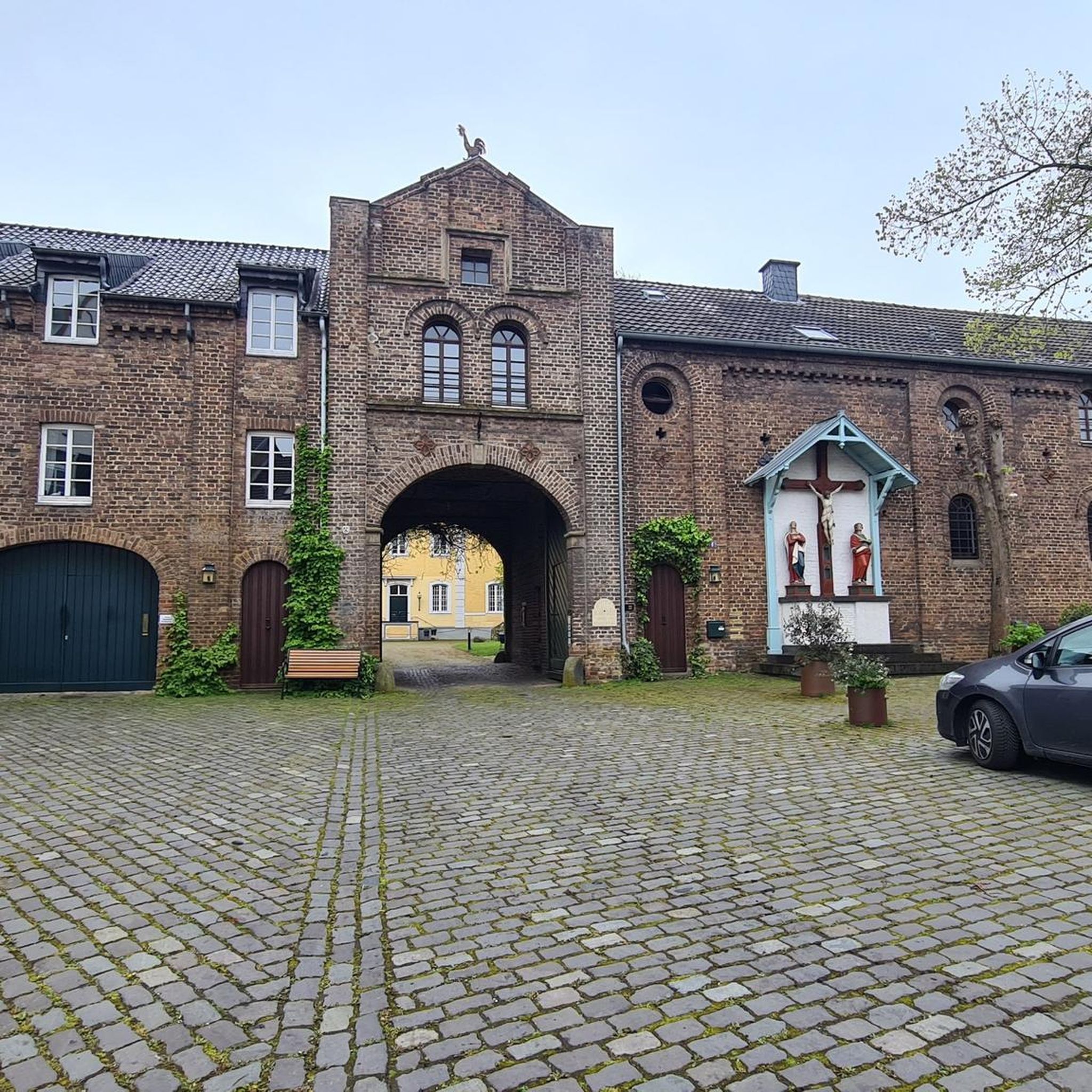
The Torre Fiorenzana is almost certainly the oldest building in Grono. The first records date back to 1286 and 1314. It was part of a complex of fortifications which also included a small church. A small detour is certainly worth it.
1
1

The Fiorenzana tower is almost certainly the oldest building in the village of Grono, once part of a fortified complex also including a small church.
1
0
Frequently Asked Questions
Where are the main castles located near Buseno?
While Buseno itself is known for its natural charm, the most significant historical fortifications are the Castles of Bellinzona. These UNESCO World Heritage sites are located in Bellinzona, the capital of Ticino, a short distance from Buseno.
What are the individual castles that make up the Bellinzona complex?
The Bellinzona fortress complex consists of three distinct castles: Castelgrande Bellinzona, which is the oldest and located in the town center; Montebello Castle, offering views of Castelgrande; and Sasso Corbaro Castle, strategically placed high above the city with panoramic views.
What historical significance do the Bellinzona Castles hold?
These castles are a testament to medieval military architecture, crucial for controlling the Alpine passes. They offer a tangible connection to the past, showcasing the strategic importance of the region and the lives of people in the Middle Ages. They were declared UNESCO World Heritage Sites in 2000.
Are there museums or exhibitions within the Bellinzona Castles?
Yes, the Bellinzona castles house museums and host temporary exhibitions. You can explore the Castel Grande Museum and the Archeologia Montebello exhibition, offering deeper insights into the region's history and culture.
Do the castles offer good viewpoints?
Absolutely. From their elevated positions, particularly Sasso Corbaro Castle and Montebello Castle, you can enjoy breathtaking panoramic views of the Calanca and Mesolcina valleys and the surrounding Alpine landscape.
Are the castles around Buseno family-friendly?
Yes, the Bellinzona Castles are considered family-friendly. They offer an engaging historical experience for all ages, and the extensive grounds provide space for exploration. Many visitors enjoy imagining the lives of knights within the castle walls.
Can I visit the castles with my dog?
Yes, both Castelgrande Bellinzona and Montebello Castle are dog-friendly, allowing you to explore the grounds with your canine companion.
Are any of the Bellinzona Castles wheelchair accessible?
Castelgrande Bellinzona offers wheelchair accessibility with lifts available for visitors who prefer not to use the stairs.
What outdoor activities can I do near the castles?
The region around Buseno and Bellinzona offers various outdoor activities. You can find numerous hiking trails, including routes like the 'Grono and Santa Maria in Calanca Historic Trail' or the 'Via Calanca Trail'. There are also running trails and road cycling routes available in the broader area.
How can I reach the Bellinzona Castles using public transport?
Bellinzona is well-connected by public transport. From the train station, local buses can take you to stops near the castles. For example, you can reach Castelgrande Bellinzona directly from the town center.
Is there parking available near the castles?
Yes, parking options are available in Bellinzona. For Sasso Corbaro Castle, it's recommended to park at the top and then walk to the other castles to potentially save on parking fees.
What is the best time to visit the castles around Buseno?
The castles can be visited year-round. Spring and autumn offer pleasant temperatures for exploring the outdoor areas and enjoying the views. Summer is also popular, though it can be warmer. Winter visits can be picturesque, especially if there's snow, but some facilities or access might be limited.
Most popular attractions around Buseno

Get inspired with the komoot mobile app


Explore more
Looking for the best castles somewhere else? Discover other guides around Buseno:
