Attractions and Places To See in Nord - Top 20
Best attractions and places to see in Nord include a diverse array of historical sites, natural landscapes, and cultural points of interest. This department in northern France features rolling hills, forests, and significant landmarks. Visitors can explore summits offering extensive views, historical monuments, and serene natural reserves. The region provides a variety of outdoor activities and cultural experiences.
Best attractions and places to see in Nord
- The most popular attractions is Mont des Cats, a viewpoint that offers extensive…
Last updated: June 22, 2026
Mont Noir (West)
Highlight • Summit
Translated by Google •
Tip by

Belgium–France Border at Grenspad and 1819 Border Marker
Highlight • Monument
Translated by Google •
Tip by

Sign up now to discover places like this
Get recommendations on the best single tracks, peaks, & plenty of other exciting outdoor places.
Sign up for free
Mont des Cats
Highlight • Viewpoint
Translated by Google •
Tip by
Mont des Cats Abbey
Highlight • Religious Site
Translated by Google •
Tip by

Dune Dewulf Nature Reserve
Highlight • Natural Monument
Translated by Google •
Tip by

Port of Wambrechies
Highlight • River
Translated by Google •
Tip by

Roubaix Velodrome
Highlight • Monument
Translated by Google •
Tip by

Belgium–France Border on the Canal de Roubaix
Highlight • Monument
Translated by Google •
Tip by
Canteraine Park
Highlight • Other
Translated by Google •
Tip by
Marguerite Yourcenar Departmental Park
Highlight • Forest
One of the works is "M for Marguerite", of course placed here in the …
Translated by Google •
Tip by

Sign up for free to discover even more attractions in Nord.
Sign up for free
Already have an account?
Start today with a free account
Your next adventure awaits.
Login or Signup
Popular around Nord
EuroVelo 3 – A cycling pilgrimage from Norway to France
From Amsterdam to London - along the North Sea and across the water
Routes in Hauts-de-France for cycling enthusiasts
Cycling routes in Hauts-de-France for beginners and families
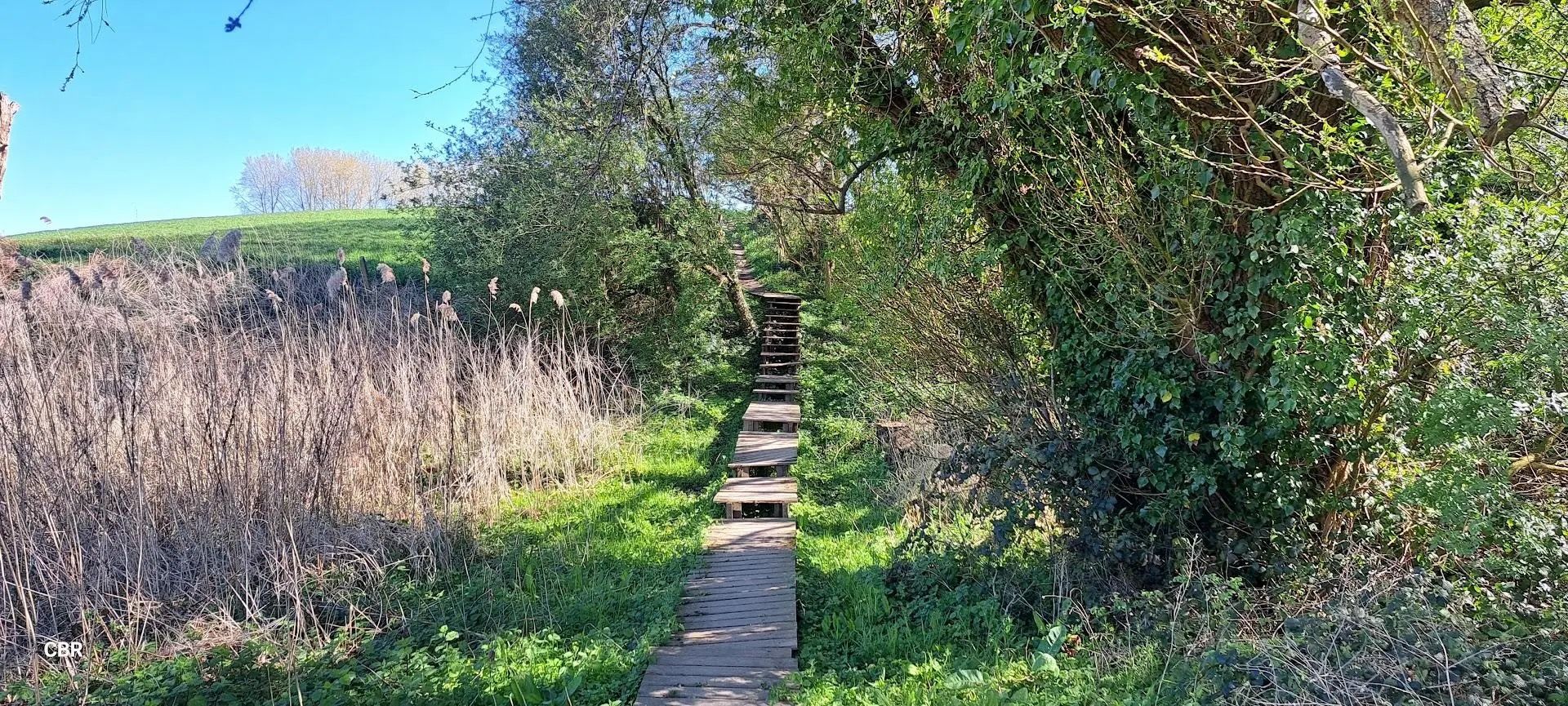
At the pace of the Westhoek - Streek-GR Heuvelland
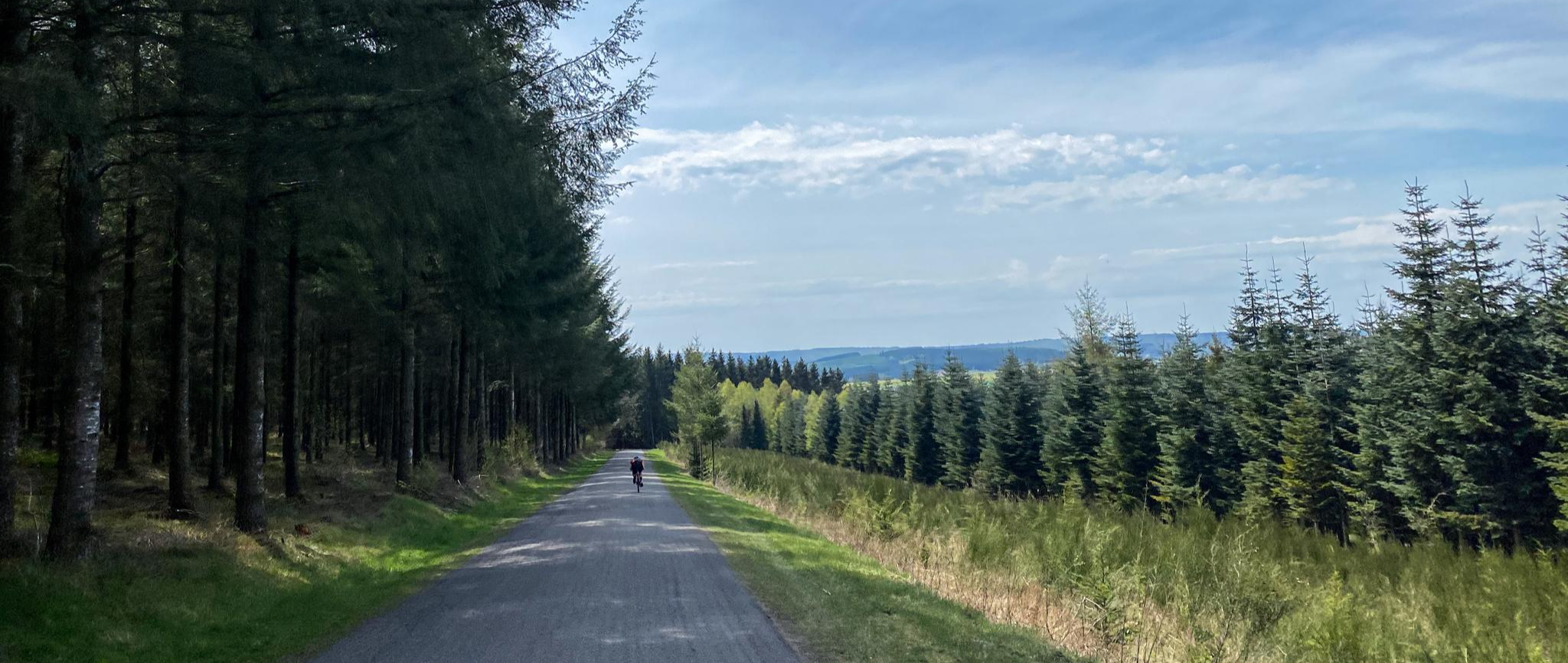
From Picardie to the Ardennes — Crossing Wallonia by Bike
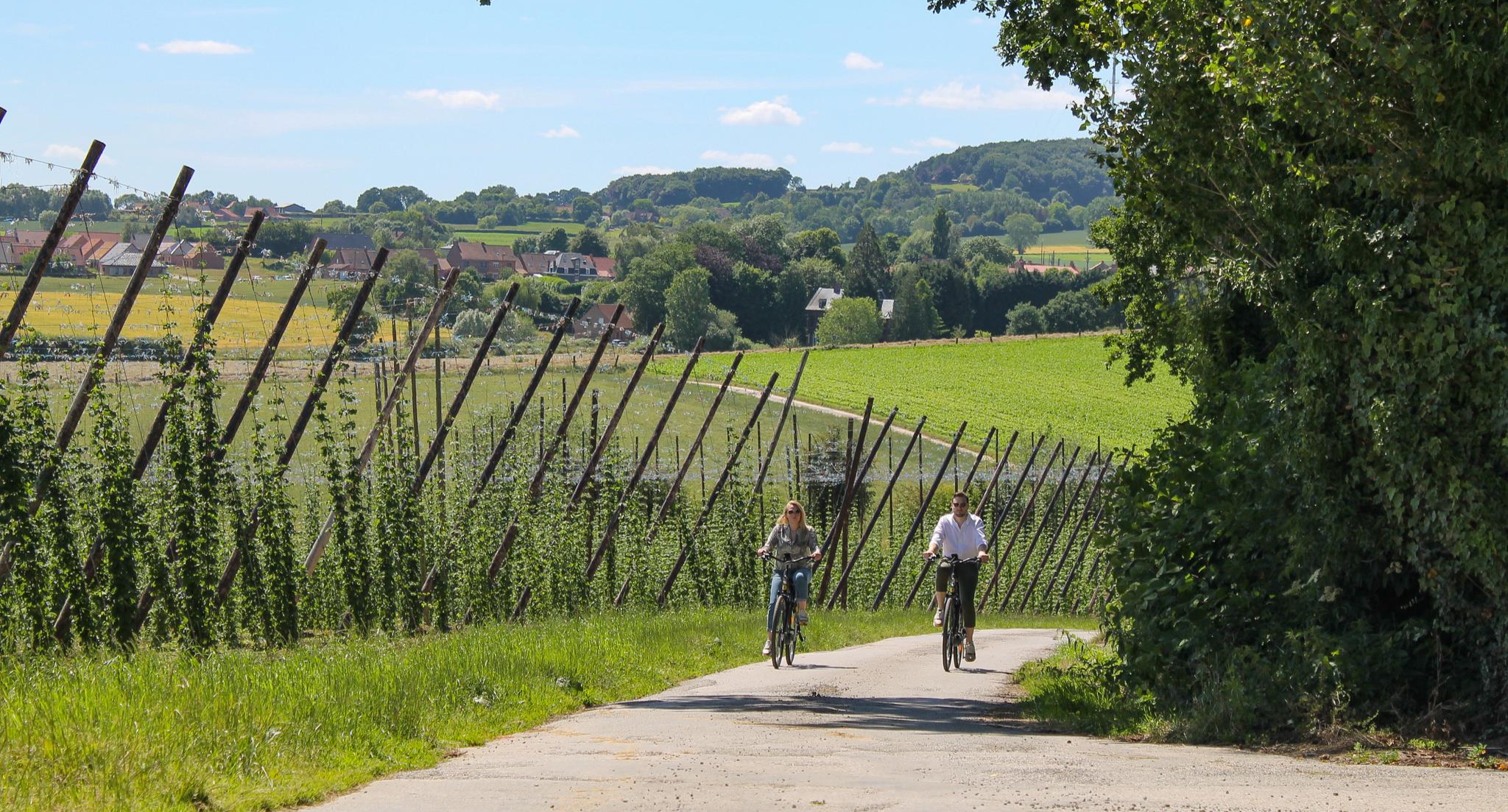
Flanders, Land of Cycling – Hills, Cobblestones and Estaminets
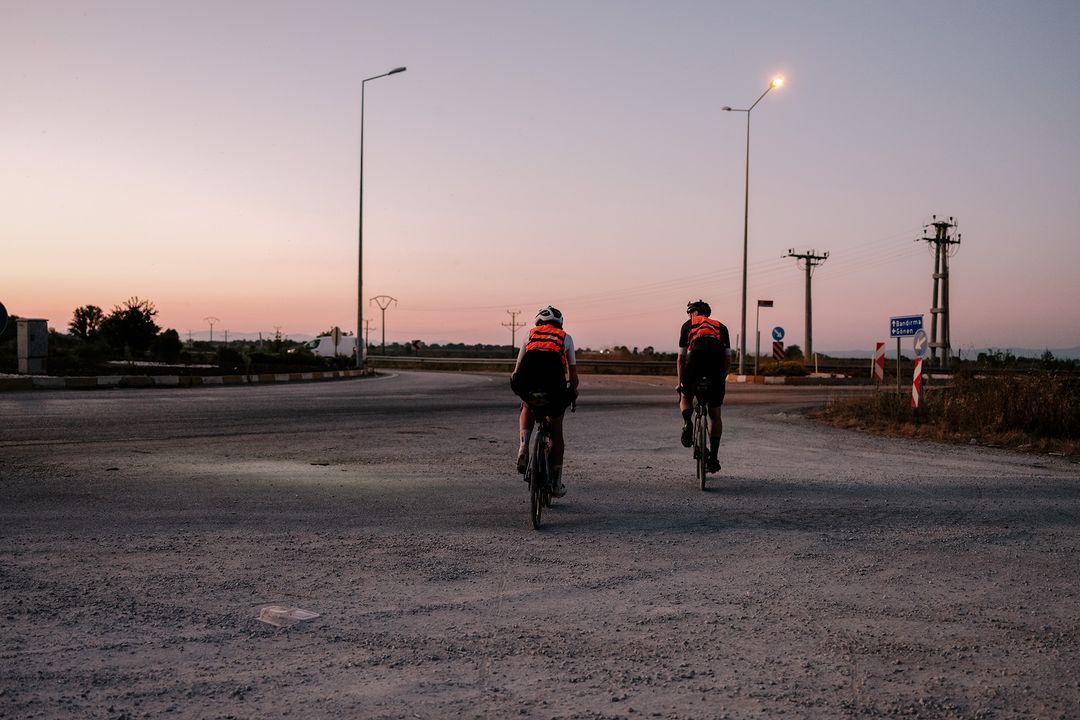
Transcontinental Race No10: crossing Europe from France to Turkey
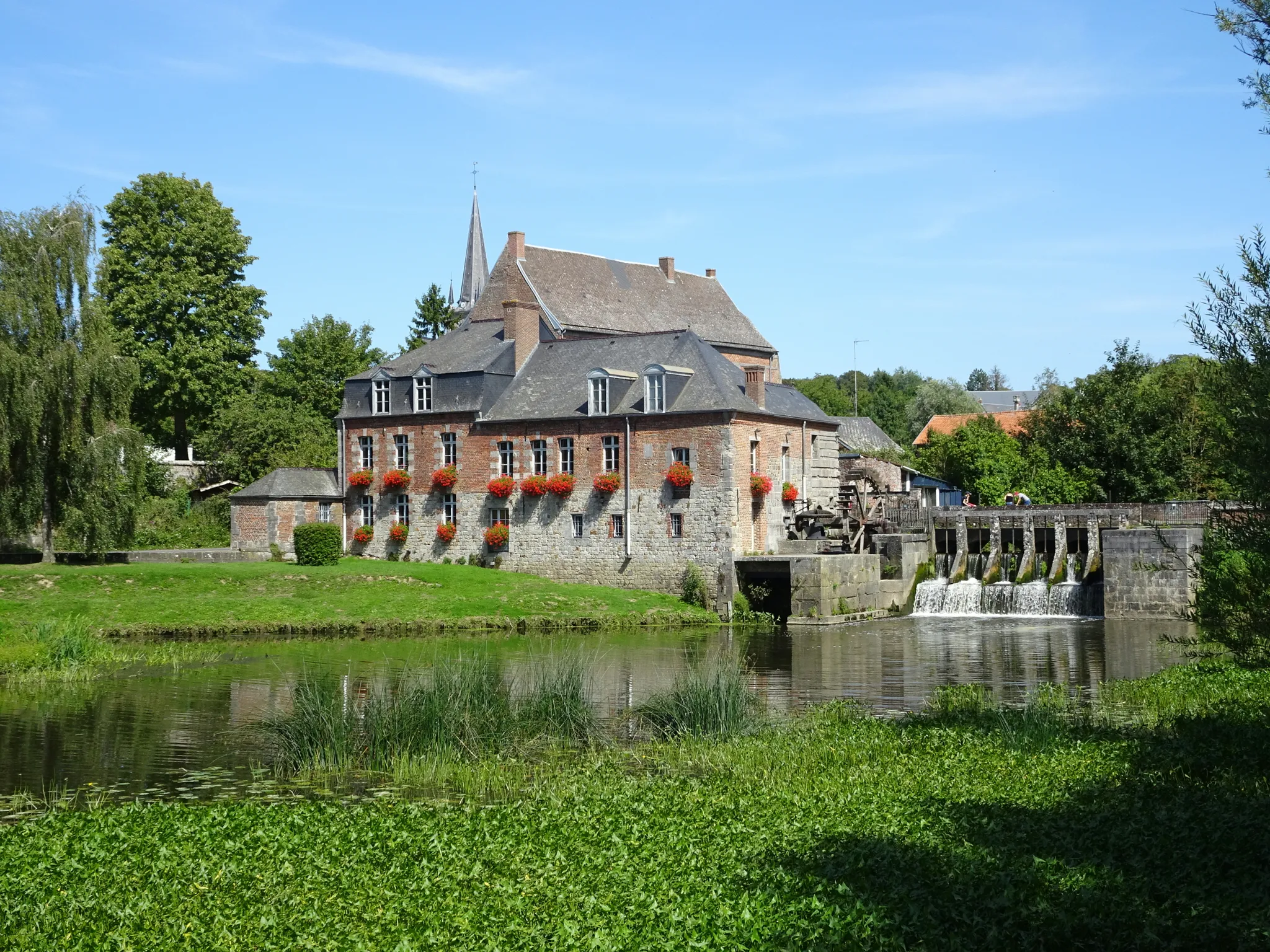
Countryside, cuisine and heritage – 4 bike Tours in the Avesnois
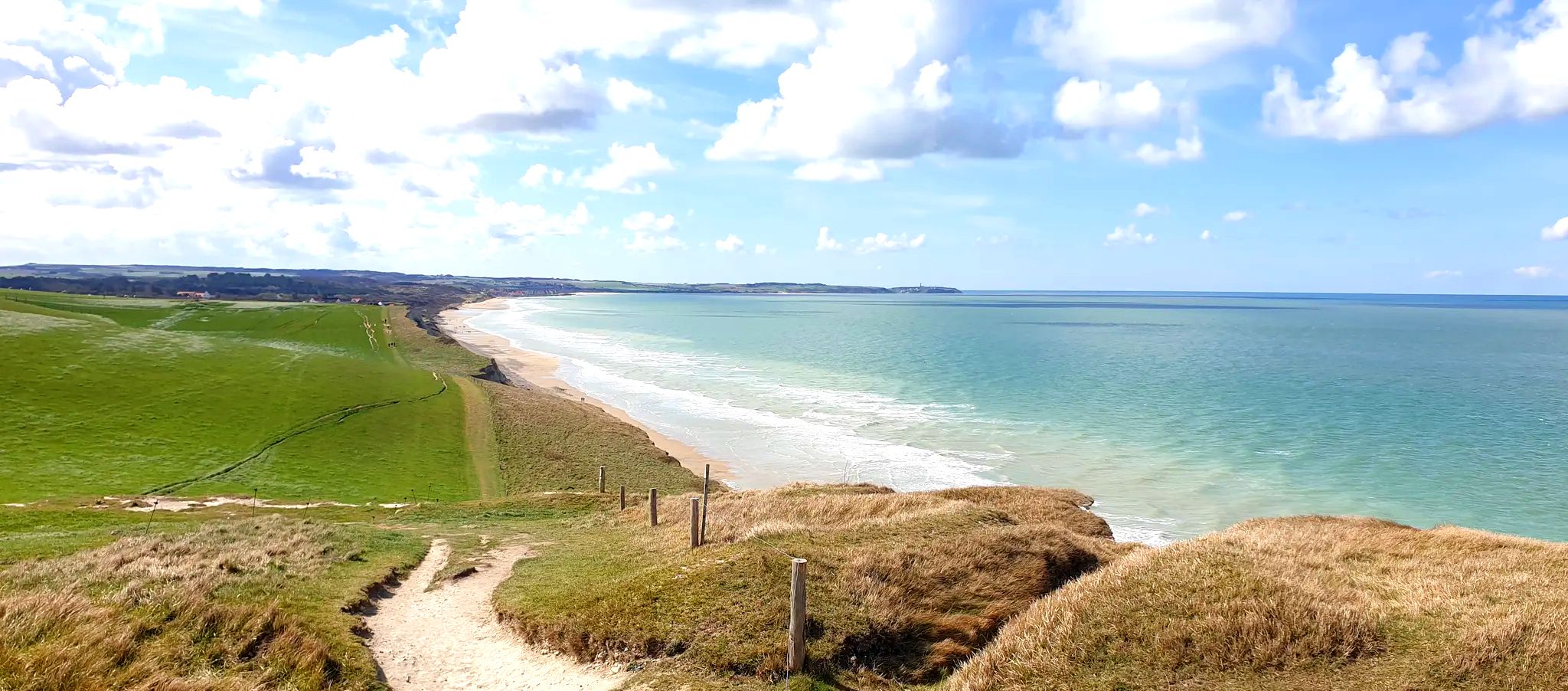
Journey from Flanders to the Somme – GR 120 coastal path
Other adventures in Nord


Tips from the Community

The Roubaix Canal, or the Espierres Canal, as it's called in French or Belgian, forms part of the link between the Deûle River in France and the Scheldt River in Belgium. In 1843, the two canals were connected between Leers, France, and Leers-Nord, Belgium. Despite damage sustained during the two world wars, the canal was the pinnacle of the region's textile industry for over a hundred years, transporting coal from Belgium to numerous French factories. In Leers-Nord, Belgium, the workers who pulled the coal-laden barges were called "satcheux" (sailors). Next to the lock keeper's house, a stone's throw from France, the crossing point between France and Belgium, a customs guardhouse was built. Customs officers were present to inspect the numerous goods transported by barge. After the decline of the textile industry in the 1970s and 1980s, the canal gradually lost its usefulness and was closed to shipping in 1983. In the early 2000s, the canal was the subject of a cross-border rehabilitation project to allow tourist boats to pass through again. As part of the Interreg Blue Links project, a collaboration between France, Flanders, and Wallonia, it was flooded again. The final works were completed in 2011, and navigation reopened. Since the early 20th century, the Roubaix/Espierres Canal has been a place of conviviality, walking, and fishing for cross-border residents and commuters. Consequently, strong public opposition has arisen to the plan to convert the canal into a motorway. Source: www.caue-nord.com
3
0

Unfortunately, the bike path here is no longer paved. Still, the scenery is beautiful.
0
0

First of all, this boundary marker on the beach is completely new, as an earlier one was irreparably damaged in 2021. The date and initials refer to the brief period from 1814 to 1830 when France bordered the Netherlands. The former boundary marker was first erected in 1819. Now, this boundary marker 2.0 marks the border between Belgium and France. The point also indicates the westernmost point of Belgium combined with the northernmost point of mainland France.
5
0


A beautiful, spacious park with grassy areas and clumps of woods. Plenty of space for a relaxing break.
3
0


Very rolling, doable by mountain bike.
3
0

a nice little walk...
1
2
Frequently Asked Questions
What are some of the best natural areas to explore in Nord?
Nord offers diverse natural landscapes. You can visit the Dune Dewulf Nature Reserve, known for its dunes and preserved environment. The Canteraine Park near Lille provides meadows and forests, ideal for walks. Further south, the Avesnois Regional Nature Park features rolling hills and traditional bocage. While primarily in Pas-de-Calais, the stunning Côte d'Opale with its cliffs and beaches is also easily accessible.
Where can I find scenic viewpoints in the Nord department?
For extensive views, head to Mont des Cats, a popular viewpoint and a challenging climb for cyclists. The nearby Mont des Cats Abbey also offers reflective spaces with views. Another excellent spot is Mont Noir (West), located on the French-Belgian border, known for its black pine forests and beautiful vistas.
What historical sites should I visit in Nord?
Nord is rich in history. In Lille, explore the historic center with the Old Stock Exchange of Lille (La Vieille Bourse) and the Grand Place. The Mont des Cats Abbey is a significant religious and cultural landmark. You can also visit the well-preserved Citadel of Lille or the Hospice Comtesse Museum to delve into the city's past. The region also features unique historical markers like the Belgium–France Border at Grenspad and 1819 Border Marker.
Are there any notable cultural attractions or museums in Nord?
Absolutely. Lille is home to the Palais des Beaux-Arts, one of France's largest fine arts museums. The Louvre-Lens Museum, an annex of the famous Louvre, is a major cultural draw nearby. You can also visit the Musée Matisse in Le Cateau-Cambrésis, dedicated to the renowned artist, or the Ecomusée de l'Avesnois in Fourmies, which showcases the region's industrial heritage.
What are some family-friendly activities in Nord?
Families can enjoy the Dune Dewulf Nature Reserve for walks and exploring nature. The Port of Wambrechies offers a peaceful setting by the river. While slightly outside the department, Parc Bagatelle, France's oldest amusement park, and Nausicaá, one of Europe's largest aquariums, are popular choices within easy reach.
What cycling opportunities are available in Nord?
Nord is a great region for cycling. You can challenge yourself on the climb to Mont des Cats, known for its steep gradients. The historic Roubaix Velodrome is a must-see for cycling enthusiasts. For more extensive rides, explore the various routes available, such as those found in the Cycling in Nord guide, which includes easy loops and moderate tours along canals and borders.
Are there hiking trails near the main attractions in Nord?
Yes, many attractions are surrounded by hiking opportunities. Near Mont des Cats and Mont Noir (West), you'll find trails through forests and hills. The Dune Dewulf Nature Reserve offers pleasant walks through its unique coastal landscape. For more specific routes, consider exploring the Waterfall hikes in Nord guide, which features easy to moderate trails.
What is Vieux-Lille like, and what can I do there?
Vieux-Lille, or Old Lille, is a charming neighborhood renowned for its well-preserved Flemish architecture, narrow cobblestone streets, and vibrant atmosphere. It's perfect for leisurely strolls, discovering boutique shops, and enjoying local treats. You'll find numerous cafes and restaurants, and it's home to landmarks like the Grand Place and the Old Stock Exchange of Lille.
Are there any unique border attractions in Nord?
Yes, the Nord department shares a border with Belgium, offering unique attractions. You can visit the Belgium–France Border at Grenspad and 1819 Border Marker, which is a historical point of interest. Mont Noir (West) is also situated directly on the border, providing both scenic views and a sense of its cross-cultural significance. Another interesting spot is the Belgium–France Border on the Canal de Roubaix.
What kind of outdoor activities can I do in Nord besides hiking and cycling?
Beyond hiking and cycling, Nord offers opportunities for gravel biking in areas like Canteraine Park, as detailed in the Gravel biking in Nord guide. The region's rivers and canals, such as the one at the Port of Wambrechies, are ideal for peaceful strolls by the water. The Avesnois Regional Nature Park is also excellent for general outdoor exploration and enjoying the rural landscape.
What do visitors enjoy most about the attractions in Nord?
Visitors particularly appreciate the extensive views from summits like Mont des Cats and Mont Noir (West), often highlighting them as great places to take a break. The historical and cultural significance of sites like the Mont des Cats Abbey and the Old Stock Exchange of Lille are also highly valued. The diverse natural landscapes, from dunes to forests, provide a refreshing escape and opportunities for various outdoor activities.
Most popular routes in Nord
Most popular attractions in Nord

Get inspired with the komoot mobile app


Explore more
Still not found the Highlight you’re looking for? See guides of the top attractions in other regions:
