Attractions and Places To See in Bouches-du-Rhône - Top 20
Best attractions and places to see in Bouches-du-Rhône include a diverse range of natural landscapes and historical sites within the Provence-Alpes-Côte d'Azur region of France. The department features dramatic limestone cliffs and turquoise coves of the Calanques National Park, the marshlands of the Camargue, and the Alpilles mountain range. Cultural and historical points of interest include ancient Roman structures in Arles and significant landmarks in Marseille. This area offers a variety of experiences from coastal exploration to historical city visits.
Best attractions and places to see in Bouches-du-Rhône
- The most popular attractions is En-Vau Calanque viewpoint, a viewpoint that offers expansive views of the bay and surrounding ridge. From this location, visitors can appreciate the enclosed nature of the En-vau cove.
- Another must-see spot is En-Vau Beach, a beach located within a picturesque landscape. Visitors can expect a bay with clear water, though it can be crowded, especially in peak season.
- Visitors also love Cathedral of Saint Mary Major, Marseille, an impressive religious building. This cathedral is situated directly on the harbor in Marseille.
- Bouches-du-Rhône is known for its natural coves, historical cathedrals, and ancient Roman sites. The region offers a variety of attractions to see and explore, from coastal areas to urban landmarks.
- The attractions in Bouches-du-Rhône are appreciated by the komoot community, with more than 1000 upvotes and nearly 200 photos shared across its highlights.
Last updated: August 16, 2026
En-Vau Calanque viewpoint
Highlight • River
Translated by Google •
Tip by

En-Vau Beach
Highlight • Beach
Translated by Google •
Tip by

Sign up now to discover places like this
Get recommendations on the best single tracks, peaks, & plenty of other exciting outdoor places.
Sign up for free
Port-Miou Marina
Highlight • Structure
Translated by Google •
Tip by

Cassis Harbour
Highlight • Settlement
Translated by Google •
Tip by

Cathedral of Saint Mary Major, Marseille
Highlight • Religious Site
Translated by Google •
Tip by

Morgiou Cove
Highlight • Canyon
Translated by Google •
Tip by
Notre-Dame de la Garde Basilica
Highlight • Viewpoint
Translated by Google •
Tip by

Old Port of Marseille
Highlight • Settlement
Translated by Google •
Tip by

Le Panier
Highlight • Restaurant
Translated by Google •
Tip by

Érevine Cove
Highlight • Beach
Translated by Google •
Tip by

Sign up for free to discover even more attractions in Bouches-du-Rhône.
Sign up for free
Already have an account?
Start today with a free account
Your next adventure awaits.
Login or Signup
Popular around Bouches-du-Rhône
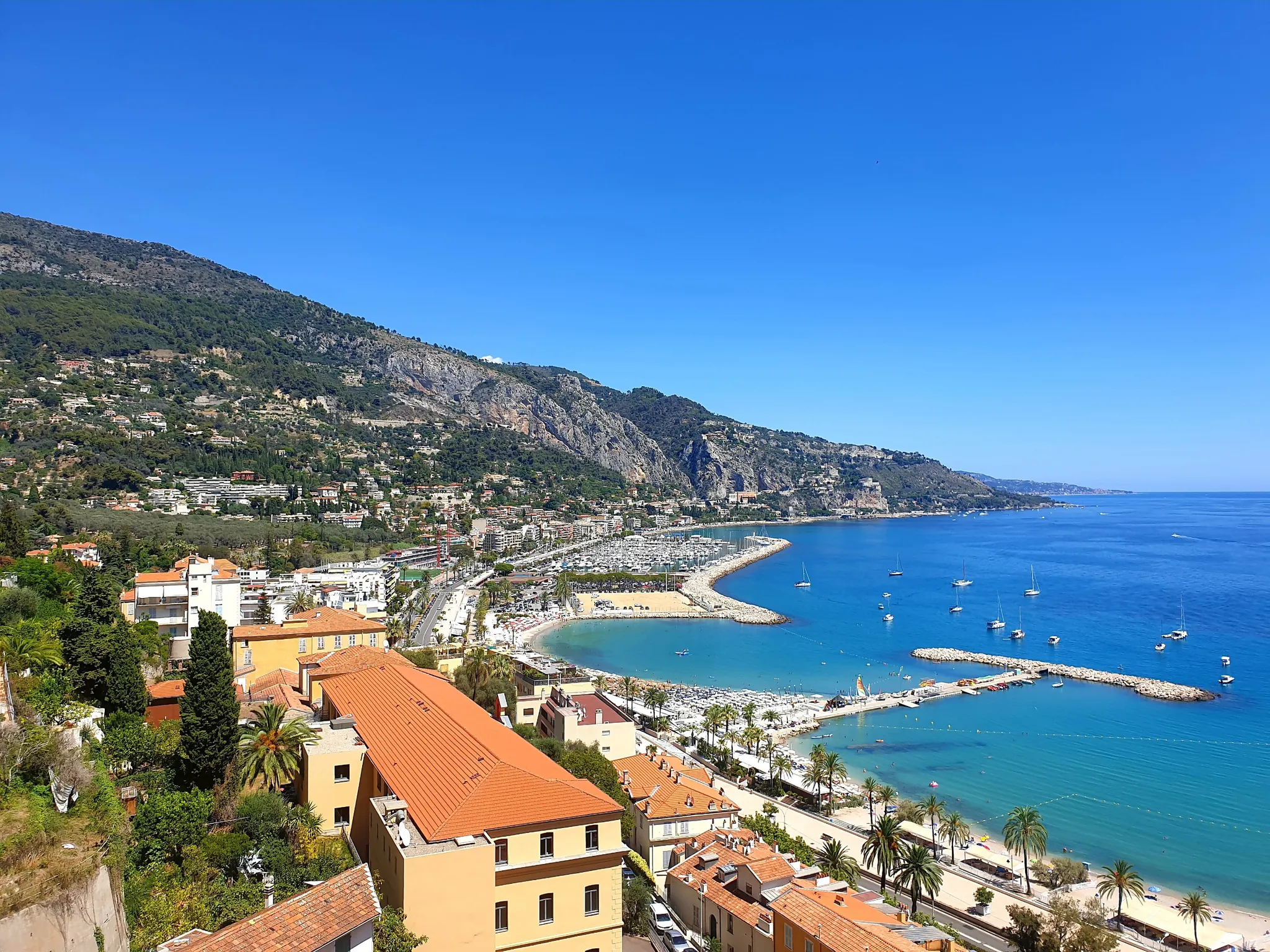
Between sea and mountains – other balcony of the Mediterranean
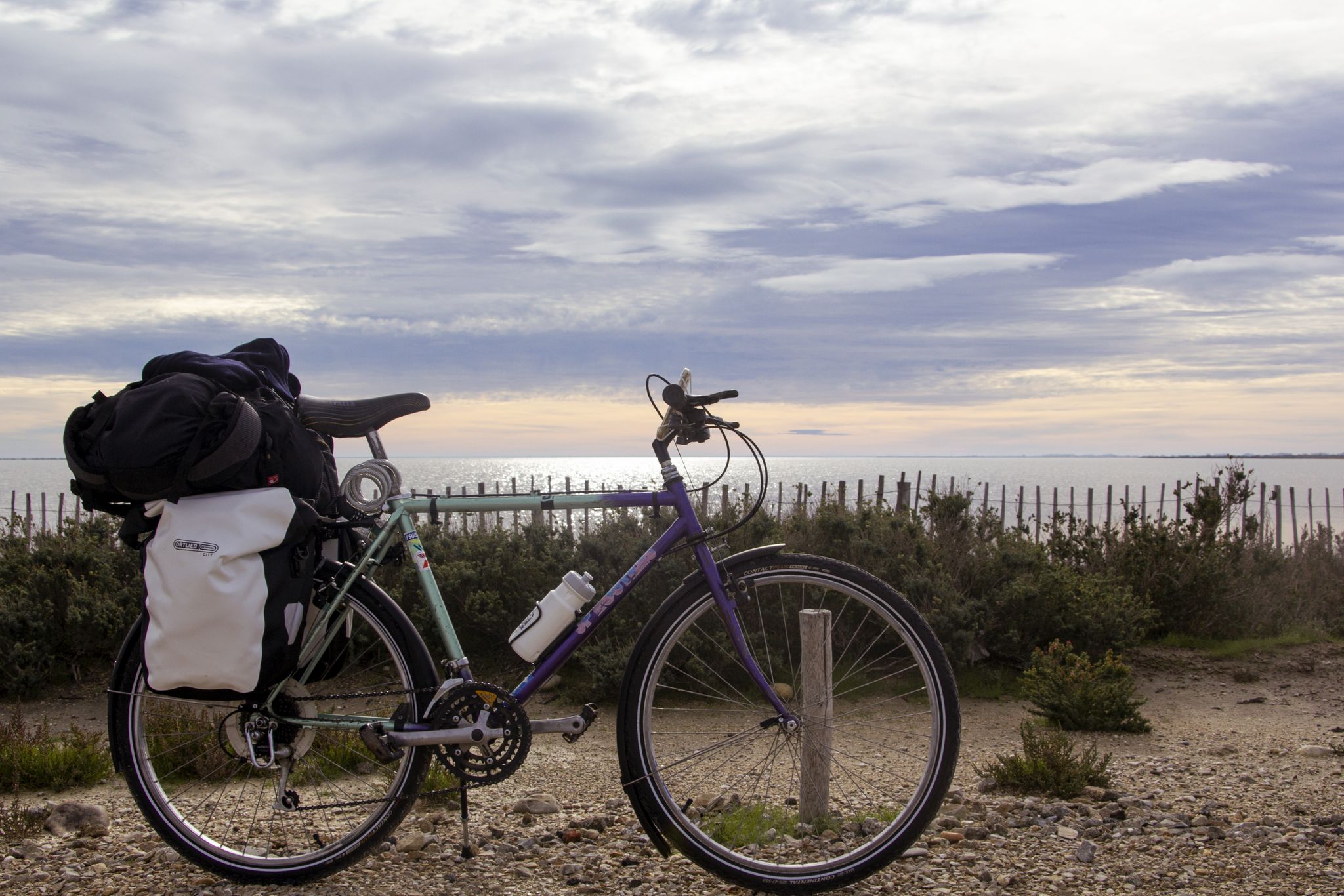
From Marseille to Montpellier — France's south coast by bike

Tarmac, trails and flow – Europe's best road to trail runs

Graffiti & Street Art Trails through Europe’s Coolest Cities
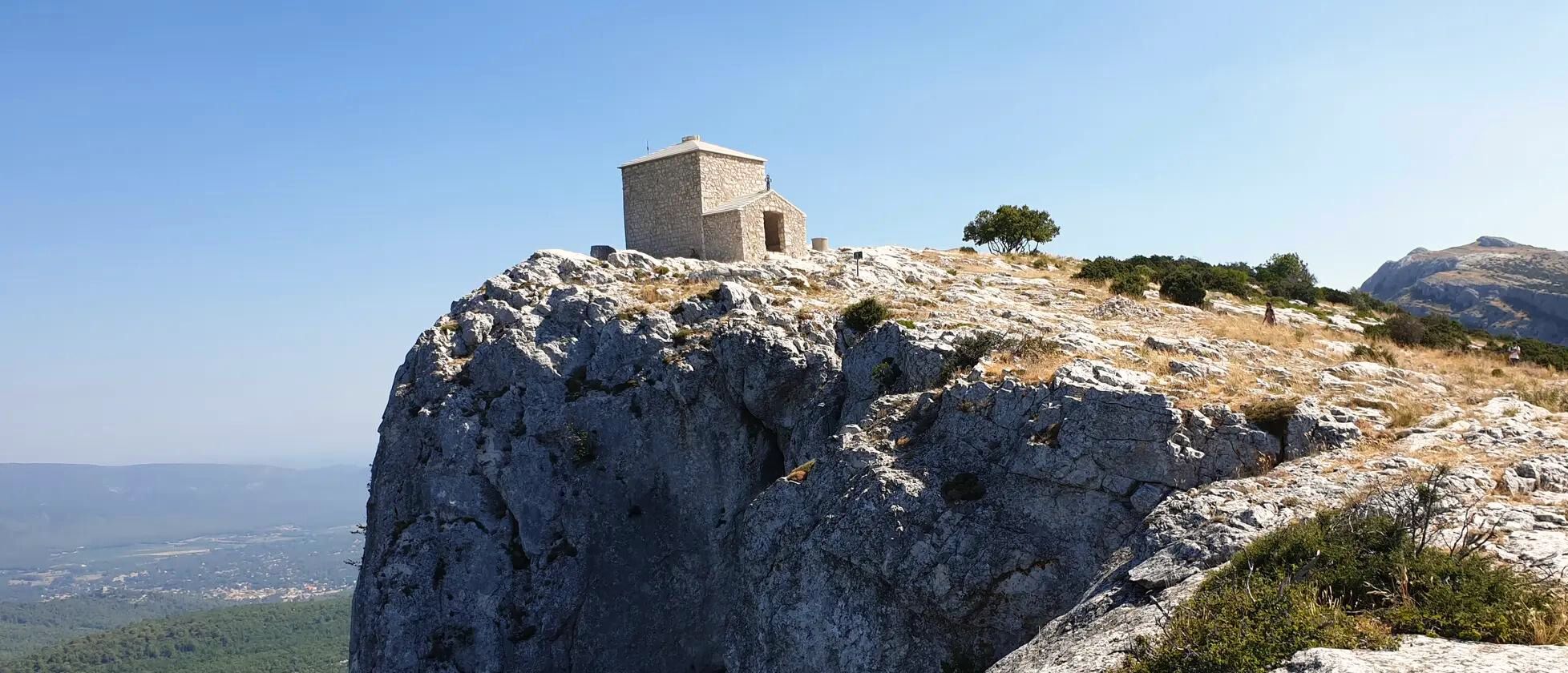
La Madrague to the Sainte-Baume – GR 98
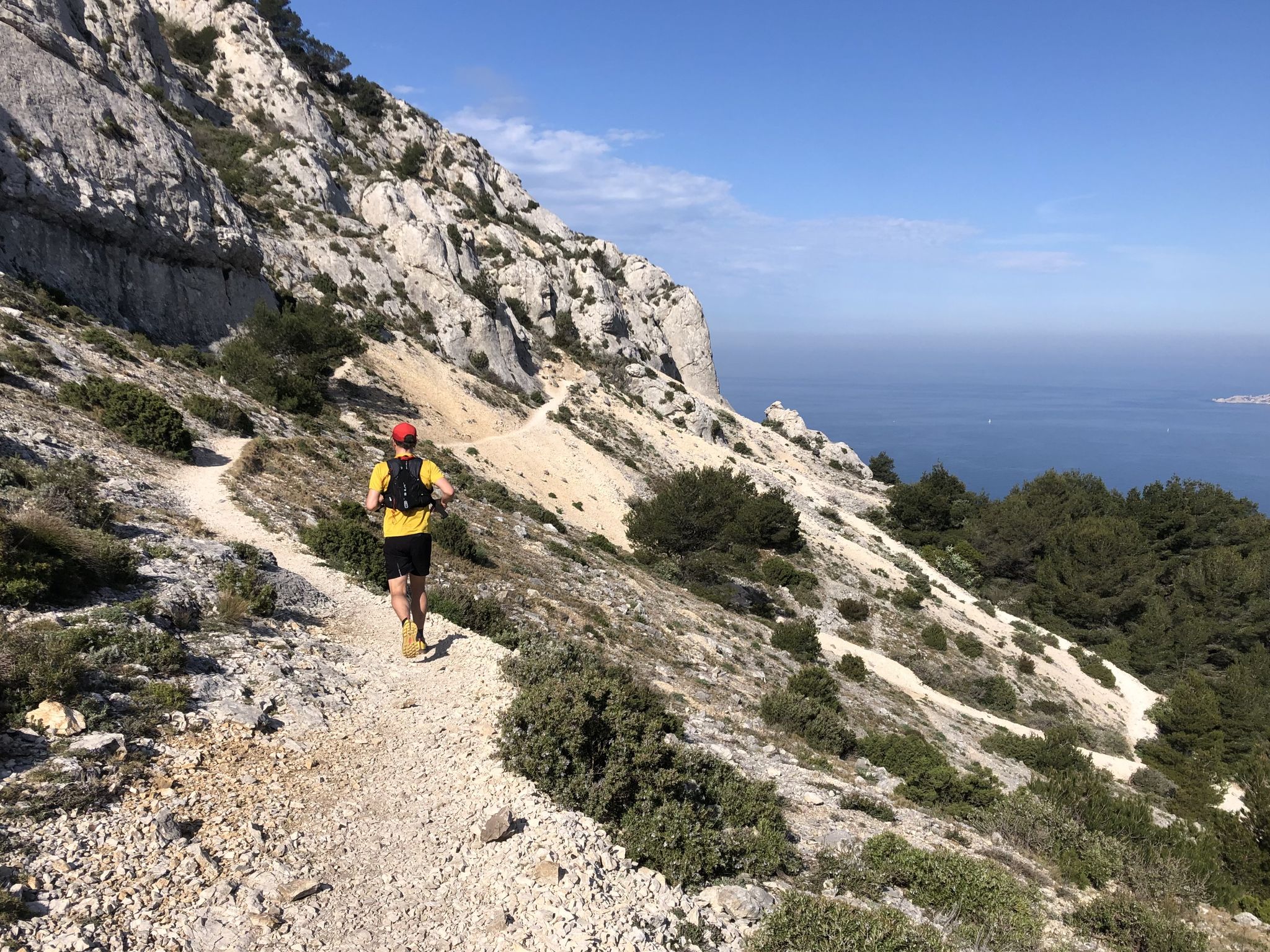
Cliffs, creeks and ridges – 10 sporty hikes in France’s Calanques
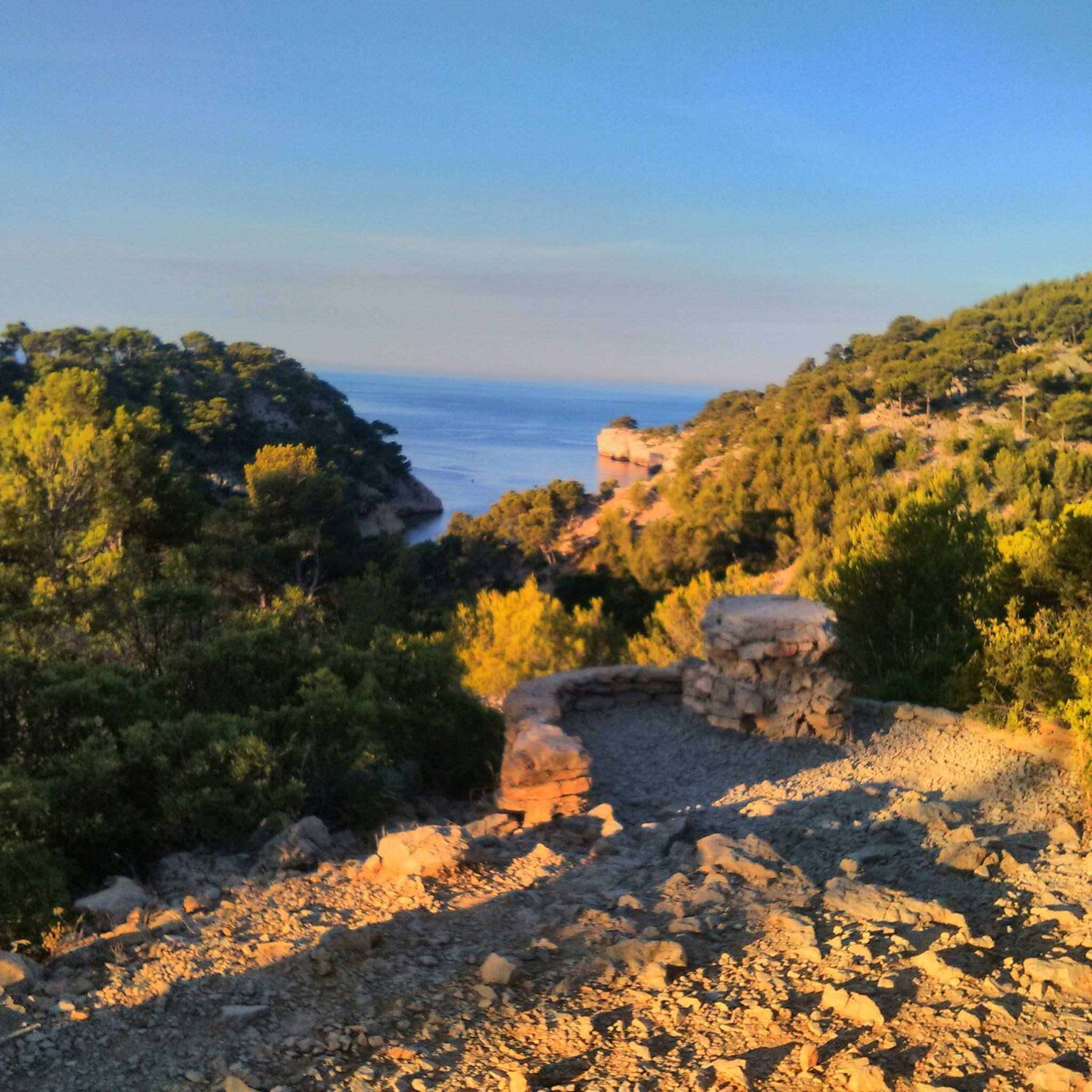
Hiking in Bouches-du-Rhône
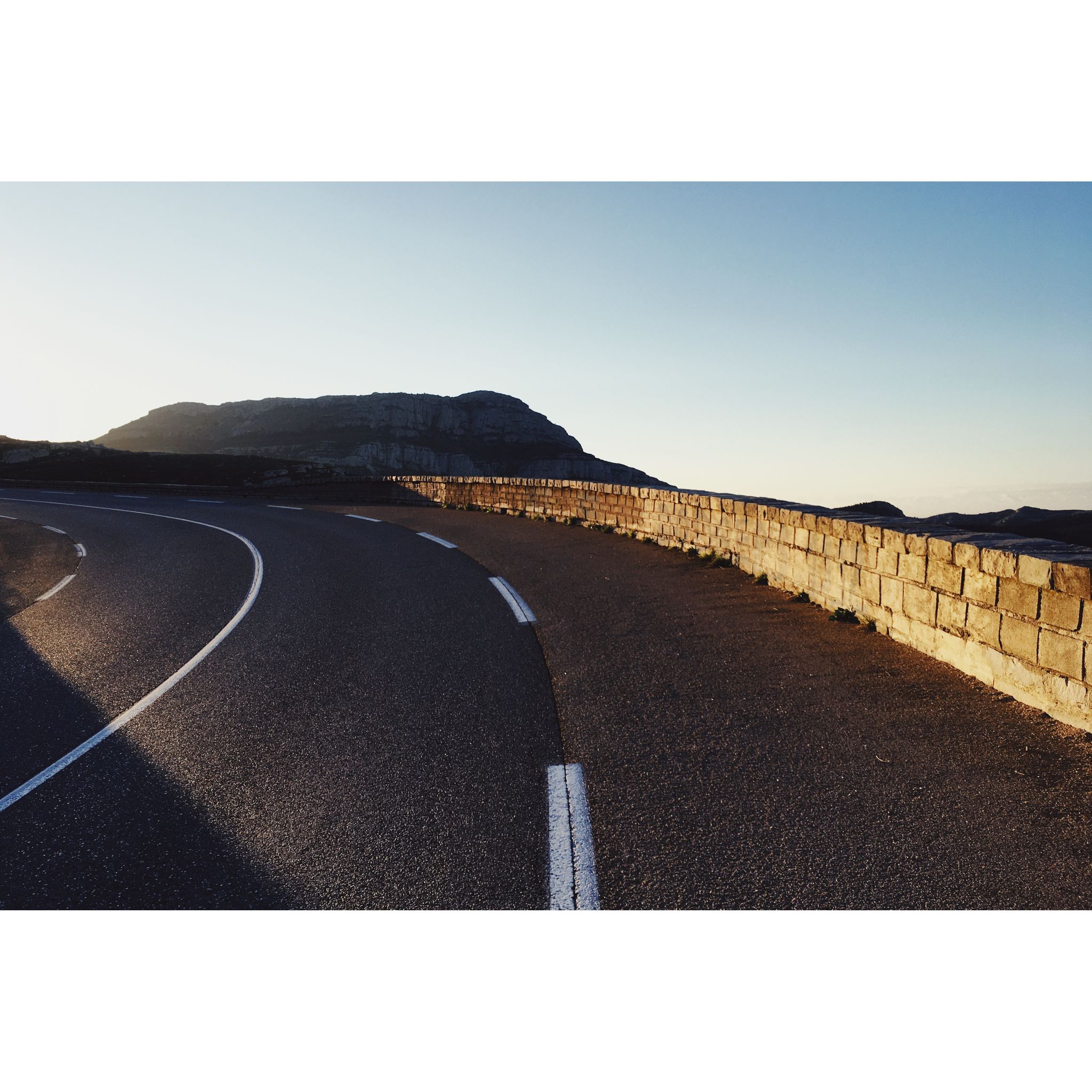
Road Cycling Routes in Bouches-du-Rhône
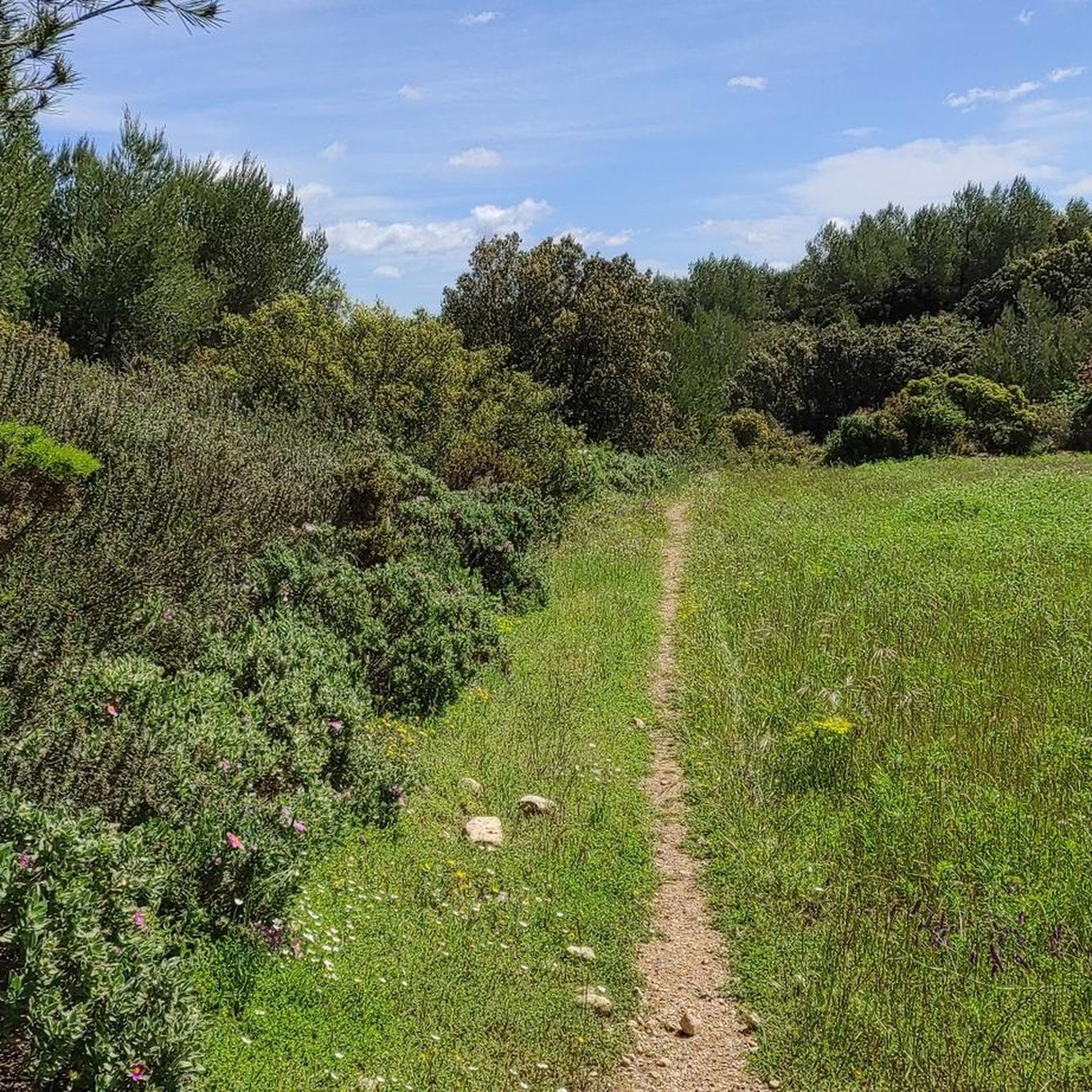
Running Trails in Bouches-du-Rhône
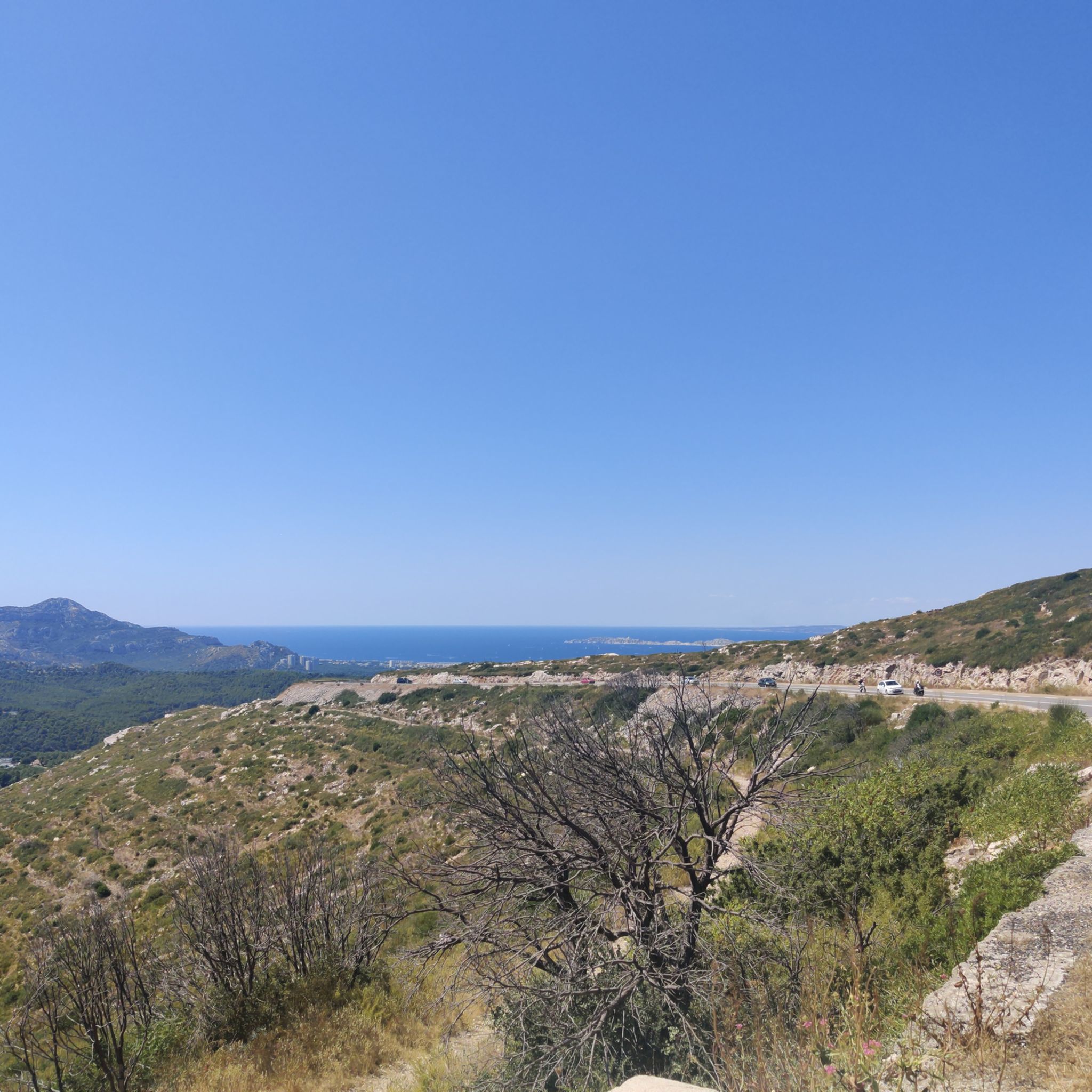
Cycling in Bouches-du-Rhône
Other adventures in Bouches-du-Rhône


Tips from the Community

One of the most beautiful harbors on the French Mediterranean coast with many old colorful fishermen's houses on the north and west side and therefore well protected from the Mistral.
4
0

Nice old town and great panorama at the harbor
0
0

In Cay Rademacher's crime novel "Dangerous Cote Bleue" (a Provence crime story featuring Captain Roger Blanc), a character named Claude Figaroli explains to a police officer transferred from Paris what CALANQUES means: "It comes from the Provençal word CALANCO, steep. The bays are nothing more than steep valleys that rivers carved into the limestone cliffs in prehistoric times. Since then, the sea level has risen, and the canyons have become fjords. But they have retained their shape underwater: narrow, steep, and confusing. What you and I find picturesque today was hell for sailors for a long time."
1
0

Very lively atmosphere with nice places to eat and have coffee, highly recommended
2
0
Steep descent for 20 minutes, be careful
2
0

Absolutely recommend when it's sunny
2
0

Beautiful bay, and the slightly more challenging path means you really deserve a break here. The small island offshore makes the view even more beautiful.
6
0

The port area of Marseille is large and there is a lot going on. Lots of cafes, restaurants, boats, shops.
2
0
Frequently Asked Questions
What natural features can I explore in Bouches-du-Rhône?
The region is famous for its stunning natural landscapes. You can discover the dramatic limestone cliffs and turquoise coves of the Calanques National Park, including popular spots like En-Vau Calanque viewpoint, En-Vau Beach, and Morgiou Cove. The vast marshlands of the Camargue offer unique biodiversity, while the Alpilles Regional Natural Park provides picturesque landscapes and olive groves.
Are there any historical sites or ancient Roman structures to visit?
Yes, Bouches-du-Rhône is rich in history. The city of Arles boasts remarkably well-preserved Roman structures, such as the Arles Amphitheatre and an antique theater. Marseille features the historic Fort Saint-Jean and the impressive Cathedral of Saint Mary Major. You can also visit the medieval village of Les Baux-de-Provence and the Château de Tarascon.
What kind of outdoor activities can I do near these attractions?
The region offers a wide range of outdoor activities. You can find numerous hiking trails, especially within the Calanques National Park, with options ranging from intermediate to challenging. For cycling enthusiasts, there are many road cycling routes and gravel biking trails available. Explore options like gravel biking or road cycling guides for more details.
Are there family-friendly attractions in Bouches-du-Rhône?
Absolutely. Many sites are suitable for families, such as the Cathedral of Saint Mary Major and the panoramic views from the Notre-Dame de la Garde Basilica in Marseille. The Carrières de Lumières near Les Baux-de-Provence offers immersive art experiences that can captivate all ages. For a more adventurous day, the OK Corral is a Western-themed amusement park.
Where can I find the best views in the region?
For breathtaking vistas, head to the En-Vau Calanque viewpoint, which offers expansive views of the bay and surrounding ridge. The Notre-Dame de la Garde Basilica in Marseille provides panoramic views of the city and the Mediterranean Sea. The village of Les Baux-de-Provence also offers stunning views of the Alpilles mountains.
What are some unique or hidden gems to discover?
Beyond the main attractions, consider visiting the beautiful Romanesque abbeys like Abbaye de Montmajour near Arles or Abbaye de Silvacane. The Érevine Cove is described as a 'little corner of paradise' with crystal clear waters, offering a rewarding experience after a slightly more challenging path. The charming village of Saint-Rémy-de-Provence, with its archaeological site of Glanum and Van Gogh's former asylum, offers a unique blend of history and Provençal charm.
Can I go swimming in the Bouches-du-Rhône region?
Yes, the region offers several beautiful spots for swimming. The calanques are particularly popular, with En-Vau Beach and Sugiton Cove being excellent choices for clear waters. Be aware that these areas can be crowded during peak season, and the water can be quite cold.
What is the best time to visit Bouches-du-Rhône?
The region is enjoyable year-round, but many visitors find spring (April-May) and autumn (September-October) ideal. During these seasons, the weather is pleasant for outdoor activities like hiking and exploring historical sites, and the crowds are generally smaller than in the peak summer months. Visiting the calanques in October, for example, can offer tranquility and comfortable temperatures.
Are there any easy hiking trails suitable for beginners?
While some calanque trails can be challenging, there are easier options available. The Alpilles Regional Natural Park offers picturesque landscapes and trails suitable for various fitness levels. For specific routes, you can explore mountain hiking guides which may include moderate options, such as the 'En-Vau Beach – View of the Calanque d'En-Vau loop from Cassis'.
What do visitors enjoy most about the attractions in Bouches-du-Rhône?
Visitors frequently praise the stunning natural beauty, particularly the dramatic coastal landscapes of the calanques and the clear, inviting waters for swimming. The rich history, from Roman ruins in Arles to the vibrant culture of Marseille, also receives high acclaim. Many appreciate the diverse experiences, from serene natural escapes to bustling city life, and the opportunities for outdoor activities like hiking and cycling.
How accessible are the attractions by public transport?
Major cities like Marseille and Arles are well-served by public transport, making their urban attractions easily accessible. For natural sites like the Calanques National Park, access points can sometimes be reached by bus, but often require a walk or hike from the nearest stop. Parking is generally available near popular attractions, though it can be limited and crowded during peak times, especially near the calanques.
Most popular routes in Bouches-du-Rhône
Most popular attractions in Bouches-du-Rhône

Get inspired with the komoot mobile app


Didn’t find what you were looking for?
Are you keen on exploring more awesome places nearby? Browse our guides:
Explore more
Still not found the Highlight you’re looking for? See guides of the top attractions in other regions:
