The best gravel rides around Solgne
4.8
(19)
71
riders
3
rides
Gravel biking around Solgne offers routes through a landscape characterized by dense forests, numerous ponds, and varied terrain. The region features extensive woodlands and wetlands, providing a mix of uncrowded minor roads and dirt tracks suitable for gravel cyclists. Elevation changes are generally moderate, with some routes featuring more significant climbs. The natural environment supports diverse wildlife and offers picturesque views along waterways like the Moselle.
Best gravel bike trails around Solgne
- The most popular gravel bike trail is Mountain…
Last updated: July 4, 2026
5
riders
28.4km
01:35
160m
160m
Moderate gravel ride. Good fitness required. Mostly paved surfaces. Suitable for all skill levels.
1
riders
28.5km
01:52
270m
270m
Moderate gravel ride. Good fitness required. Mostly paved surfaces. Suitable for all skill levels.

Sign up for free
2
riders
75.9km
04:43
770m
770m
Hard gravel ride. Very good fitness required. Mostly paved surfaces. Suitable for all skill levels.
4
riders
Moderate gravel ride. Good fitness required. Mostly paved surfaces. Suitable for all skill levels.
1
riders
Moderate gravel ride. Good fitness required. Mostly paved surfaces. Suitable for all skill levels.
Our route recommendations are based on thousands of hikes, rides, and runs completed by other people on komoot.
Start today with a free account
Your next adventure awaits.
Login or Signup
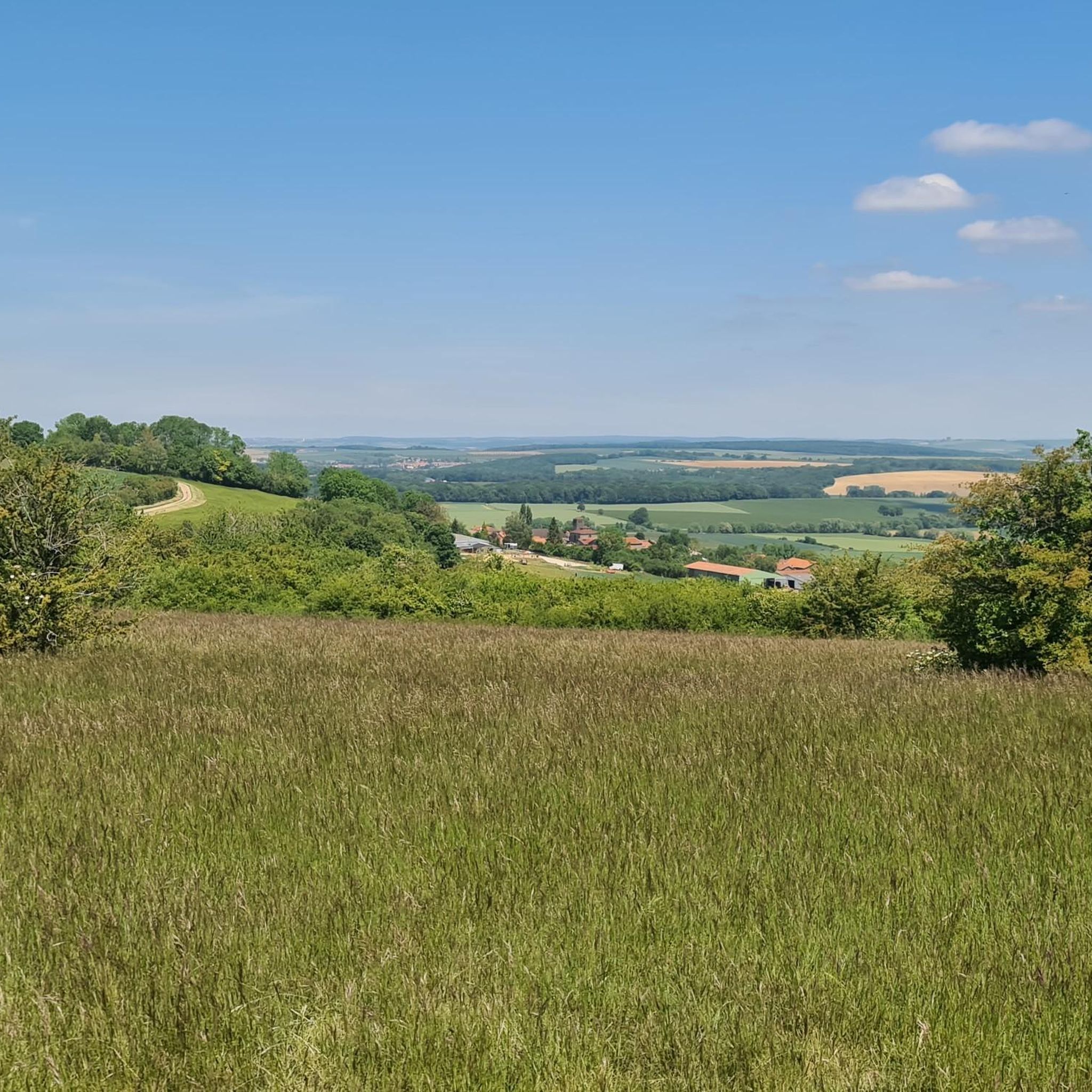

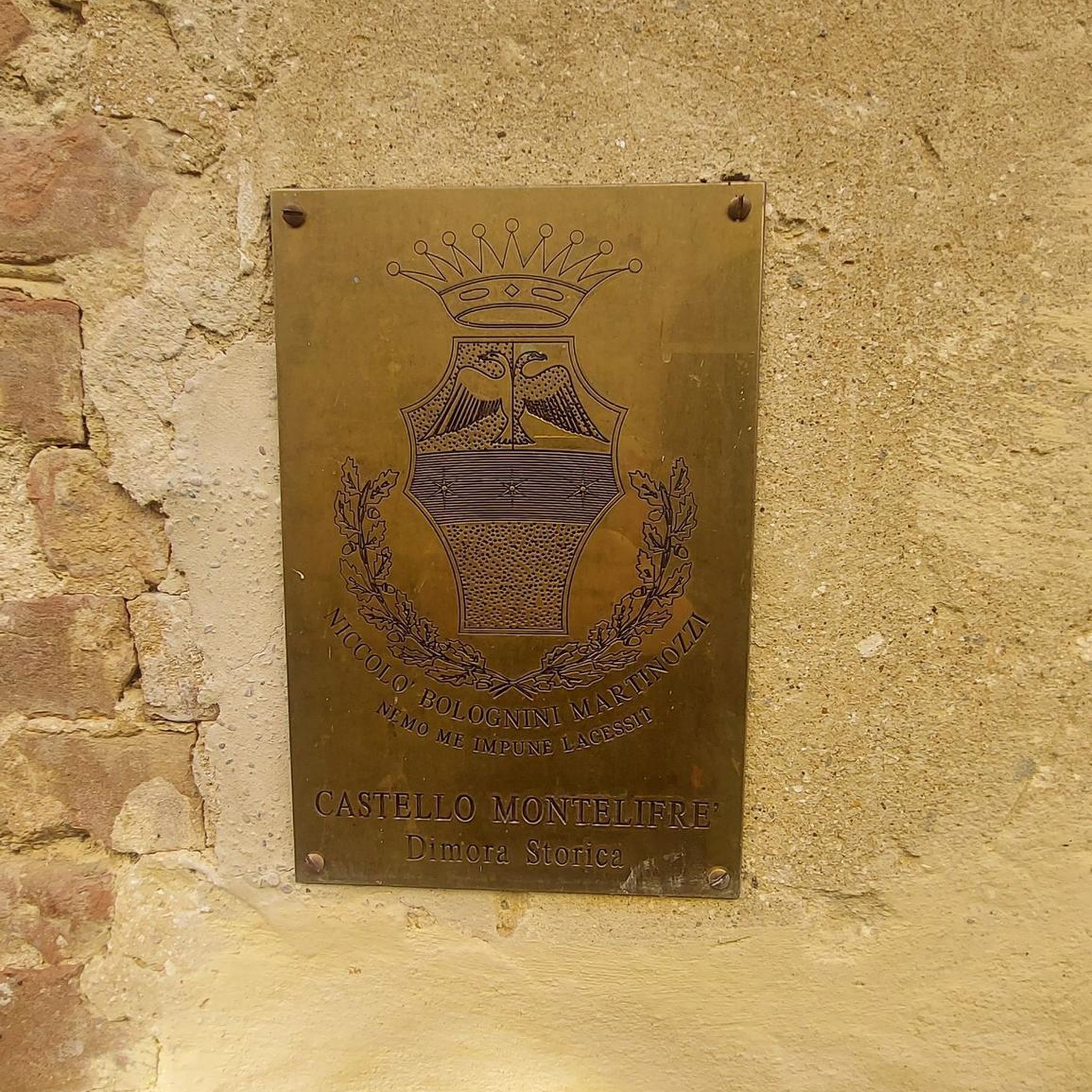
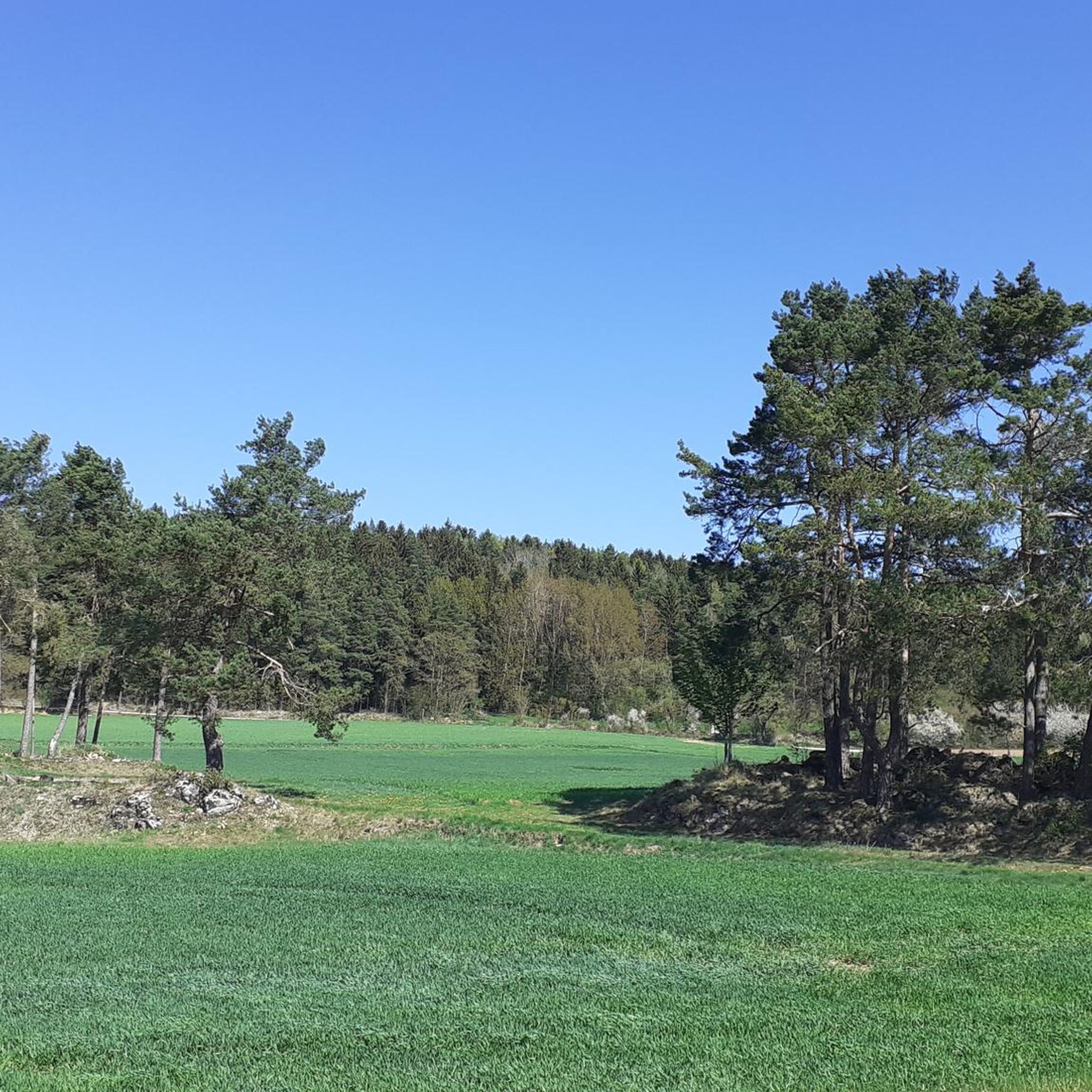
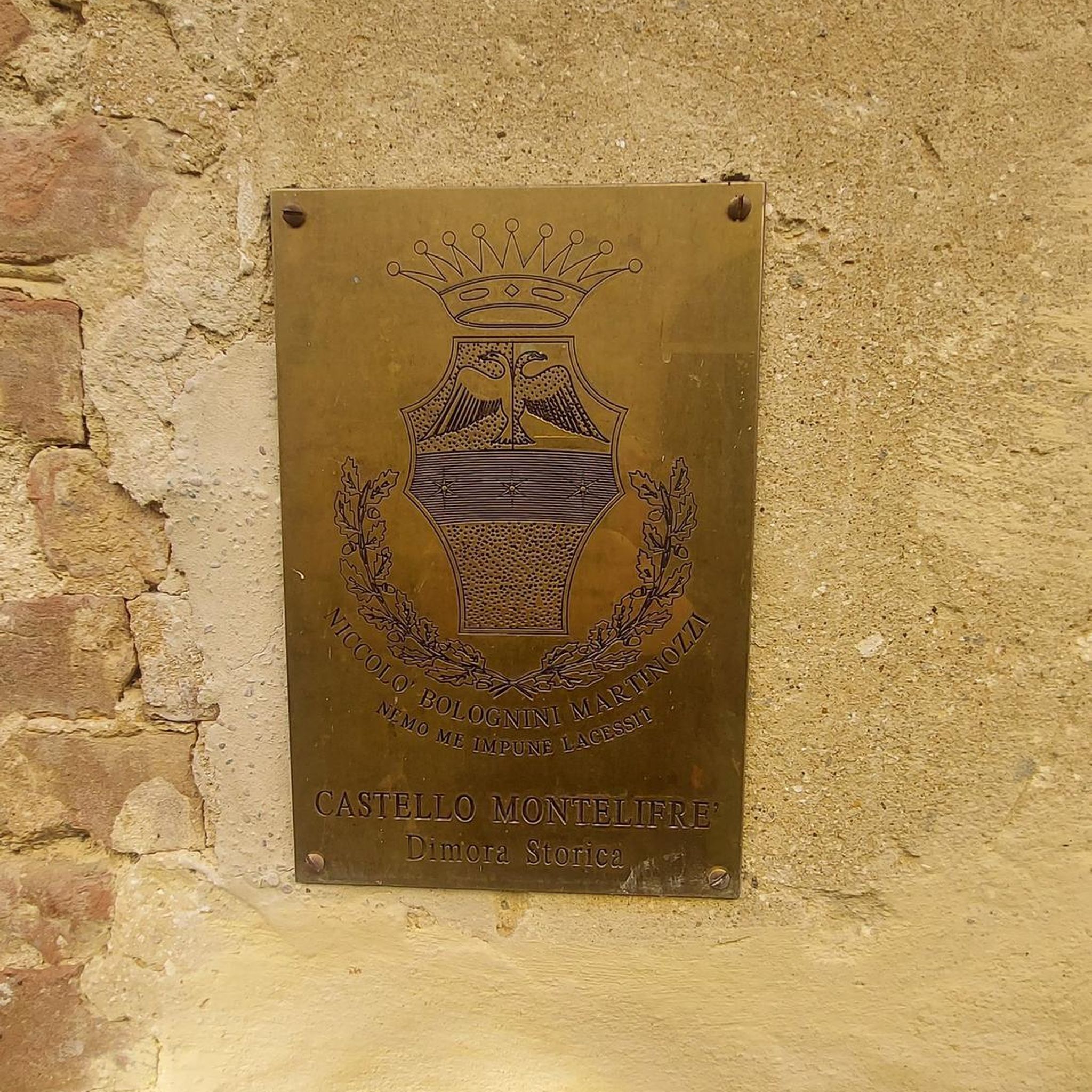
Tips from the Community

Memorial to the fallen of the two world wars and the Indochina War 🕊️.
0
0
Memorial to the fallen of the two world wars 🕊️
0
0
This beautiful rest area is located on the former railway line, at the old train station in Pange.
0
0

The origin of “Pont-à-Domangeville is lost in the mists of time. The Roman road from Metz to the Rhine already passed through there. Under the old regime, it was a tiny separate lordship, with a toll bridge. Usually blocked and padlocked, to cross it you had to pay a fee, depending on the livestock and products passed through. The lordship belonged in the 13th century to the Saint-Vincent de Metz abbey, then to the successive lords of Domangeville; in 1716, to the Laubrussels, then to the Leuryses, finally to the Thomas de Pange. It included, in addition to the bridge, the road - 50 toises on this side, 18 beyond - the bed of the Nied on both sides and, on the south-east bank, land with a hostelry (current Mayot farm) . In 1789, the community of Bazoncourt declared in its list of grievances “the enlightenment of the State and the kindness of the King will undoubtedly eliminate a right of final injustice perceived at Pont-à-Domangeville. However poor a plowman he may be, he pays three does and several pay without passing through.” After the revolution, the bridge had to be repaired. Paradoxically, the general council had the expenditure entered in the 1814 and 1815 rolls of the localities which had subscribed to the bridge in 1766. On this ordeal is inscribed: “This monument of our redemption was erected by the care of MM. De Pange, de Courten, Devaux and Dauphin, Commissioners responsible for the reconstruction of this bridge, in the year of our Lord 1816. During the reconstruction work and near the bridge, Joseph GRANDIDIER de Hernicourt and François ANIEL perished in the waters on July 20 from Domangeville, both attached to the service of the neighboring farm »
1
0

Two people died during the reconstruction of the bridge over the Nied Française in Domangeville in 1816.
1
0

Historical trenches of the war of 14.
0
0

Church having paintings dating from 1450 to 1550. Except the heart, made by a painter in 1700.
0
0

This typical castle of classicism was built in the 18th century. Property of the Pange family, it is entrusted to an association responsible for making it a house of arts, encounters and cultures. Besides the building, the gardens are also splendid. More information is available on the chateau website: http://www.chateaudepange.fr/.
1
0
Frequently Asked Questions
How many gravel bike trails are available around Solgne?
There are 3 gravel bike trails documented around Solgne, offering a variety of experiences through the region's forests and wetlands. These routes are highly rated by the komoot community.
What is the best time of year for gravel biking in the Sologne region?
The Sologne region, with its dense forests and numerous ponds, is enjoyable for gravel biking throughout much of the year. Spring and autumn offer pleasant temperatures and vibrant scenery, with autumn also providing opportunities for wildlife observation during the stag bellowing season. Winter can be ridden, but some paths might be muddier due to the wetlands.
Are there any family-friendly gravel bike routes near Solgne?
While specific 'family-friendly' routes are not explicitly categorized, the region's varied terrain includes many uncrowded minor roads and dirt tracks. Routes with moderate difficulty and shorter distances, such as the Chérisey church – Mountain biking in Sud Messin – Verny loop from Pournoy-la-Grasse (28.1 km), could be suitable for families with some biking experience, allowing them to enjoy the natural environment.
What kind of terrain can I expect on gravel bike trails in Solgne?
Gravel biking around Solgne is characterized by dense forests, numerous ponds, and varied terrain. You'll encounter a mix of uncrowded minor roads and dirt tracks. Elevation changes are generally moderate, though some routes might feature more significant climbs, offering a diverse riding experience through woodlands and past wetlands.
Are there any circular gravel bike routes in the Solgne area?
Yes, several routes around Solgne are designed as loops. For instance, the Mountain biking in Sud Messin – Verny – Seille spillway loop from Pournoy-la-Grasse offers a 38.3 km circular ride, allowing you to start and finish at the same point while exploring the local landscape.
What do other gravel bikers enjoy most about the trails in Solgne?
The gravel bike trails around Solgne are highly rated by the komoot community, with an average score of 4.9 stars from over 17 reviews. Riders often praise the immersive experience through dense forests and picturesque wetlands, as well as the variety of terrain that caters to different skill levels.
Are there opportunities for advanced gravel bikers in Solgne?
While the listed routes are generally moderate, the Sologne region's extensive network of dirt tracks and minor roads allows for longer, more challenging rides by combining segments or exploring less-traveled paths. The varied terrain, including some climbs, can provide a good workout for experienced riders looking to cover significant distances.
Can I find routes that offer scenic views or pass by natural features?
Absolutely. The Sologne region is renowned for its natural beauty, including thousands of ponds and dense forests. Many routes offer picturesque panoramas, especially along waterways and through wooded areas. The Pontoy – The Oak of the Bois de Fey loop from Luppy, for example, takes you through a rich natural environment, highlighting the region's characteristic landscapes.
What are the regulations for gravel biking in the Sologne region, particularly regarding permits or access?
The Sologne region is a vast natural area with extensive networks of paths and dirt tracks. Generally, public access is permitted on marked trails and public roads. However, some areas, particularly around private estates or nature reserves, might have specific regulations or require permits. It's always advisable to respect private property signs and local guidelines. For more general information on the region's natural heritage, you can visit Tourisme Val de Sully.
Are there options for public transport access to gravel trails around Solgne?
While specific public transport links directly to trailheads in Solgne are not detailed, the broader Sologne region is accessible by train to towns like Gien or Chambord. From these points, you might need to cycle to reach the starting points of gravel routes. Planning your route in advance and checking local transport options for bike carriage is recommended.
Are there any long-distance gravel bike routes available near Solgne?
While the provided routes are of moderate length, the Sologne region is known for its extensive network of trails. The 'Sologne trail' itself links significant locations, and by combining various dirt tracks and minor roads, it's possible to create longer, more extensive gravel biking adventures that delve deeper into the region's vast forests and wetlands.

Get inspired with the komoot mobile app


Explore more
Browse the best Gravel rides in other regions.
