The best gravel rides around Saint-Jean-D'Angle
4.2
(8)
15
riders
5
rides
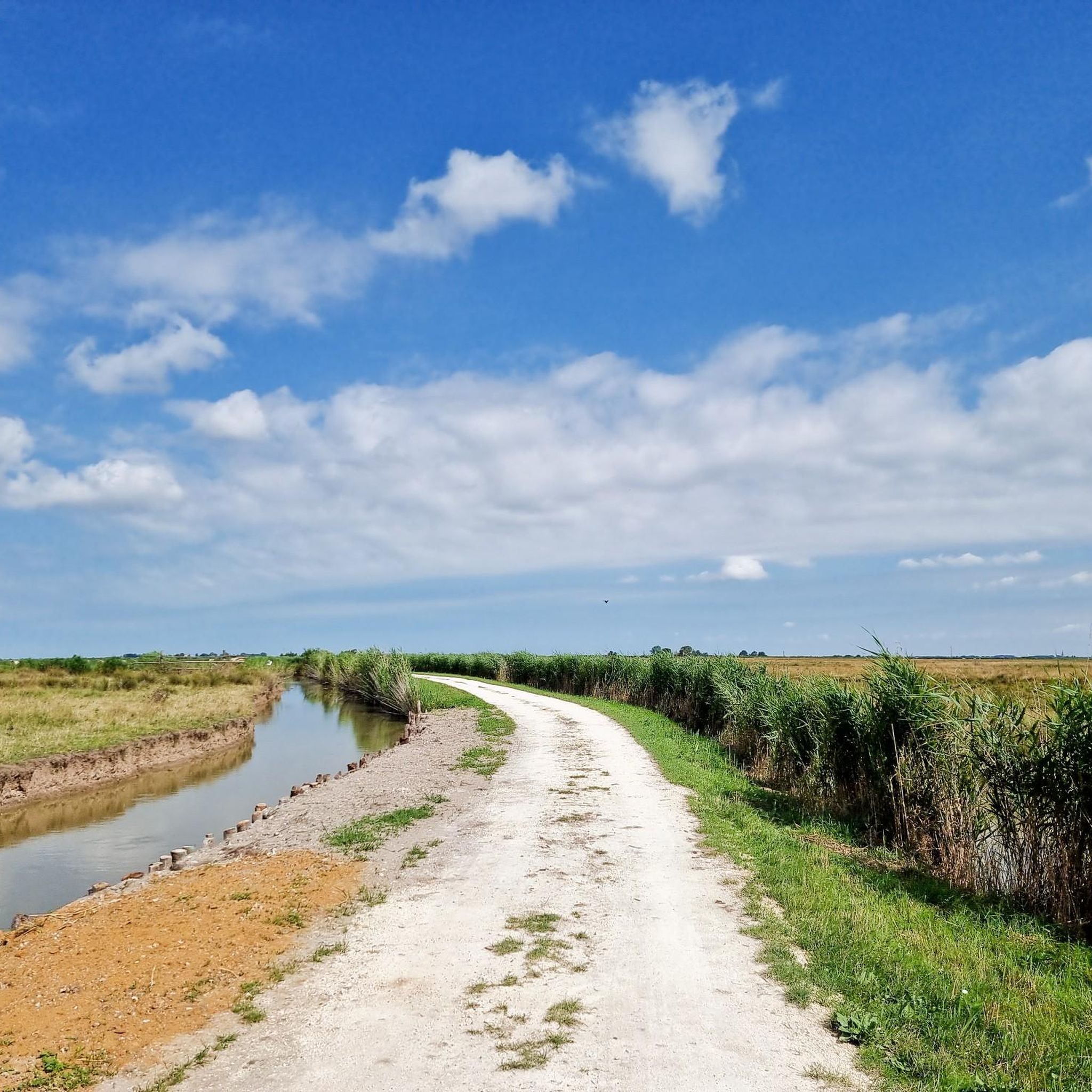
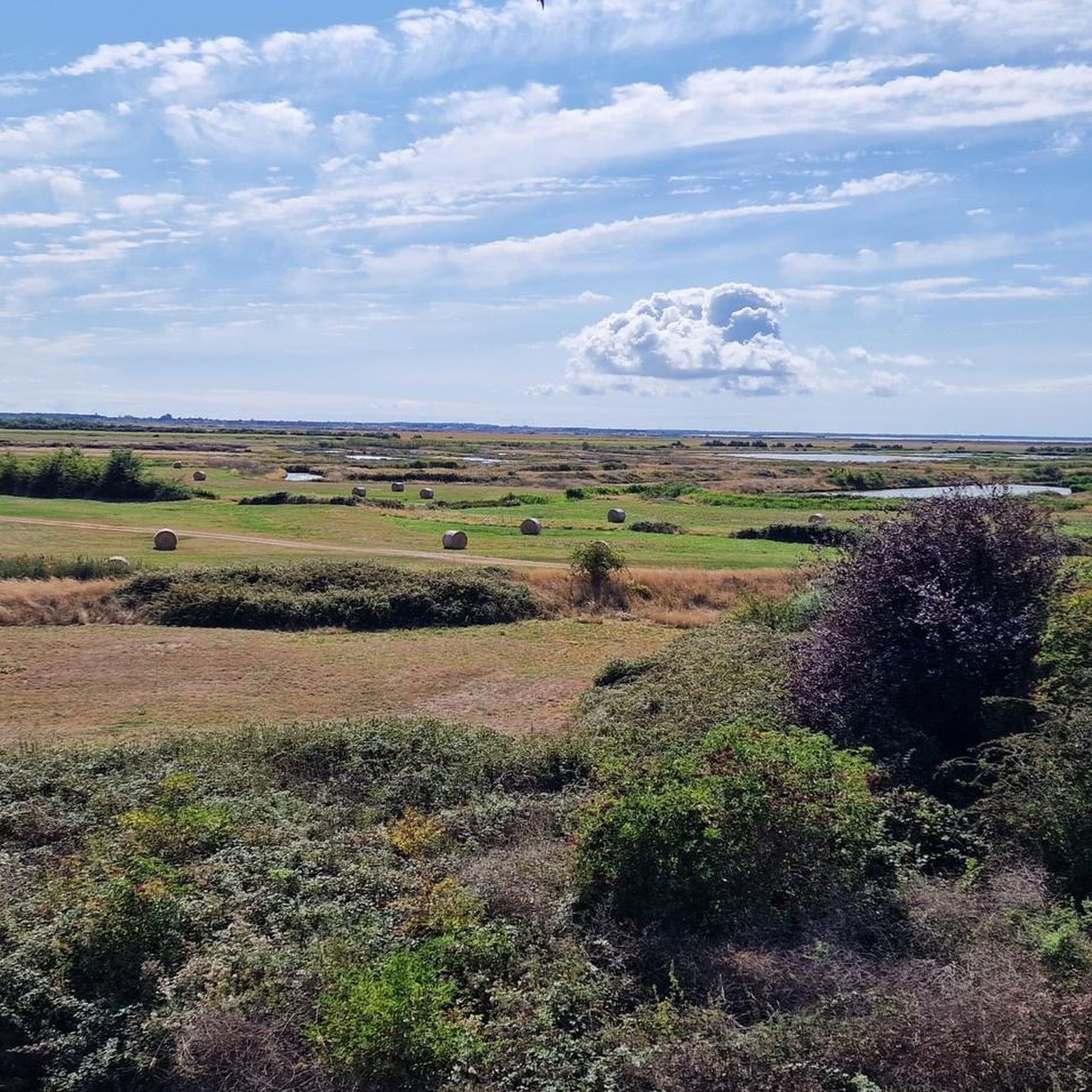
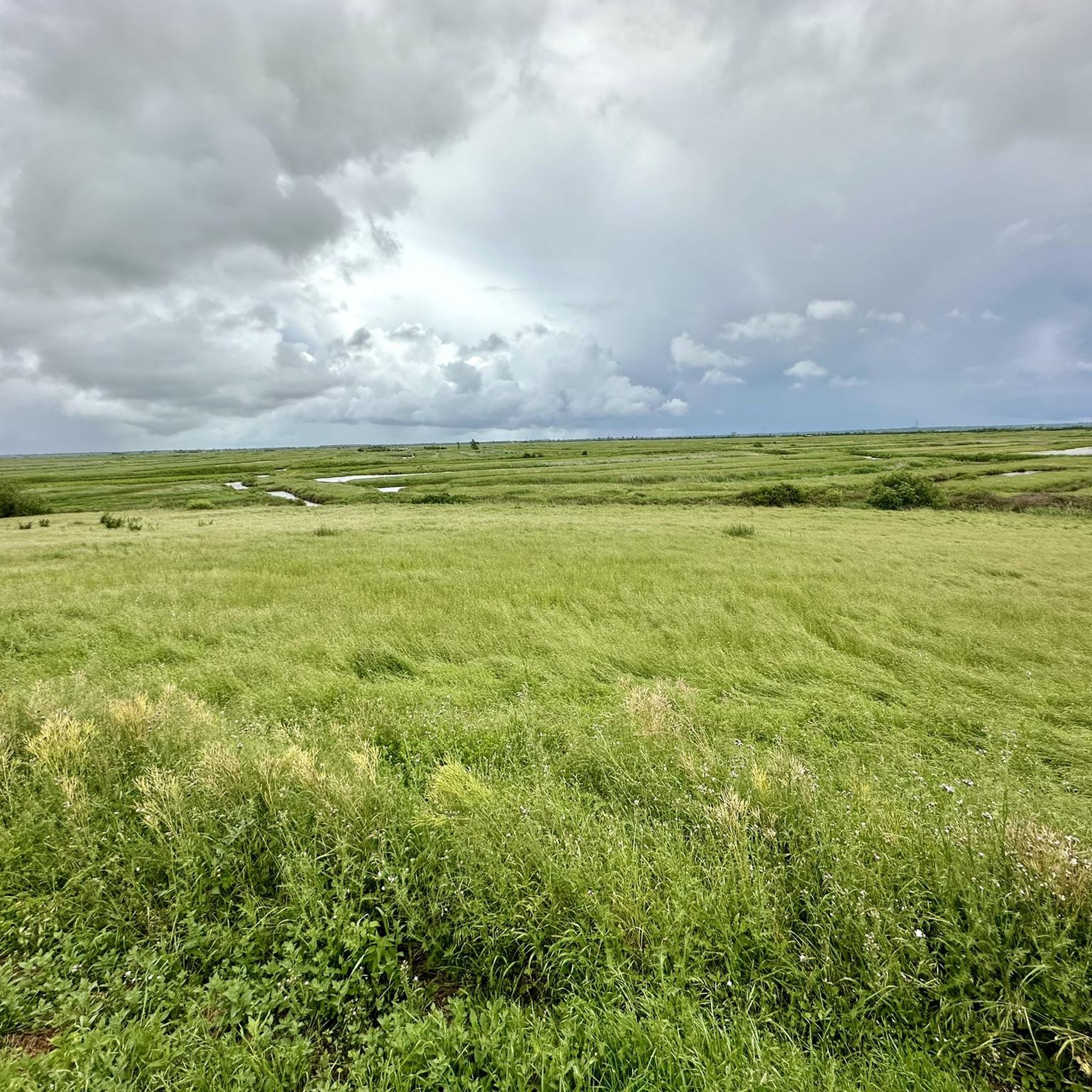
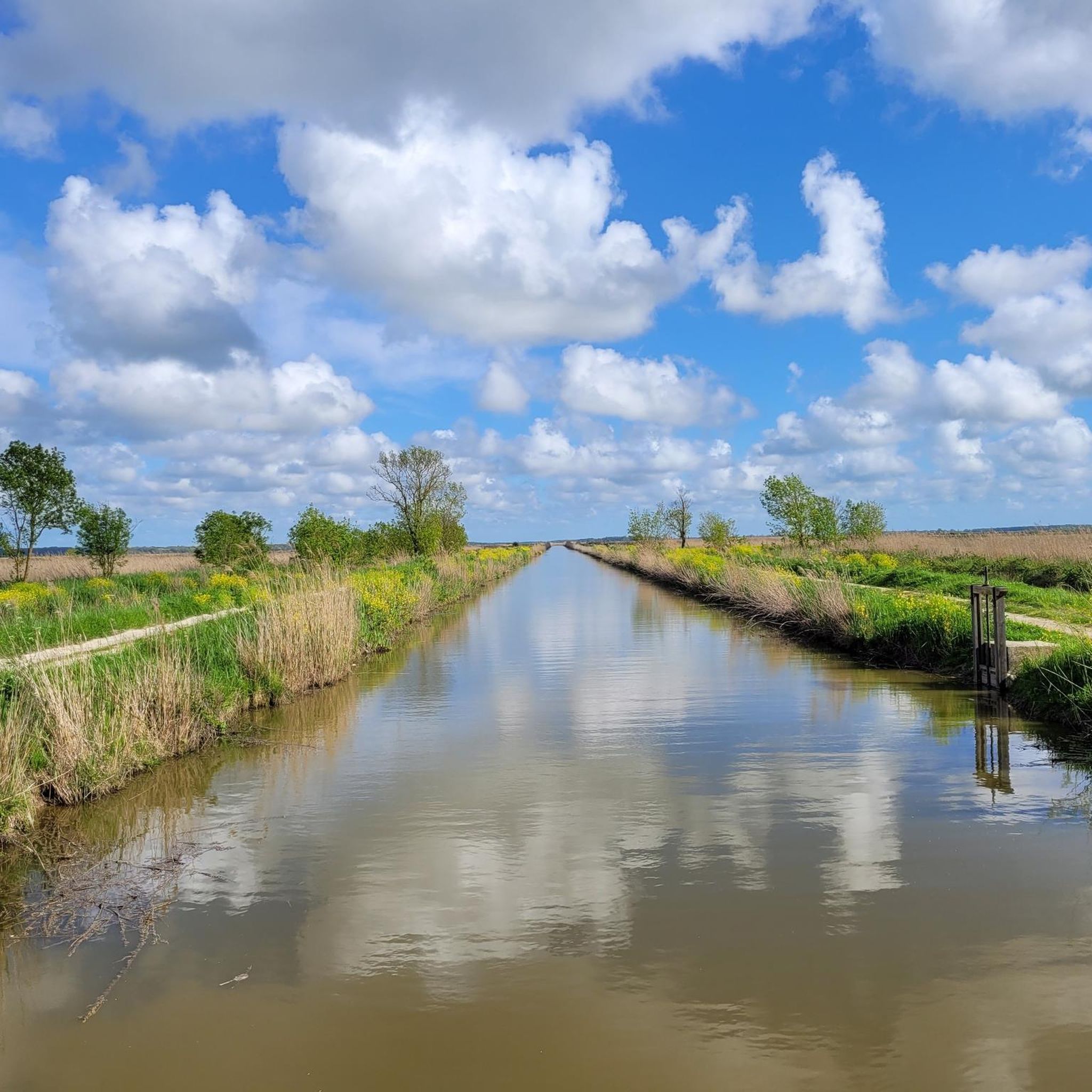
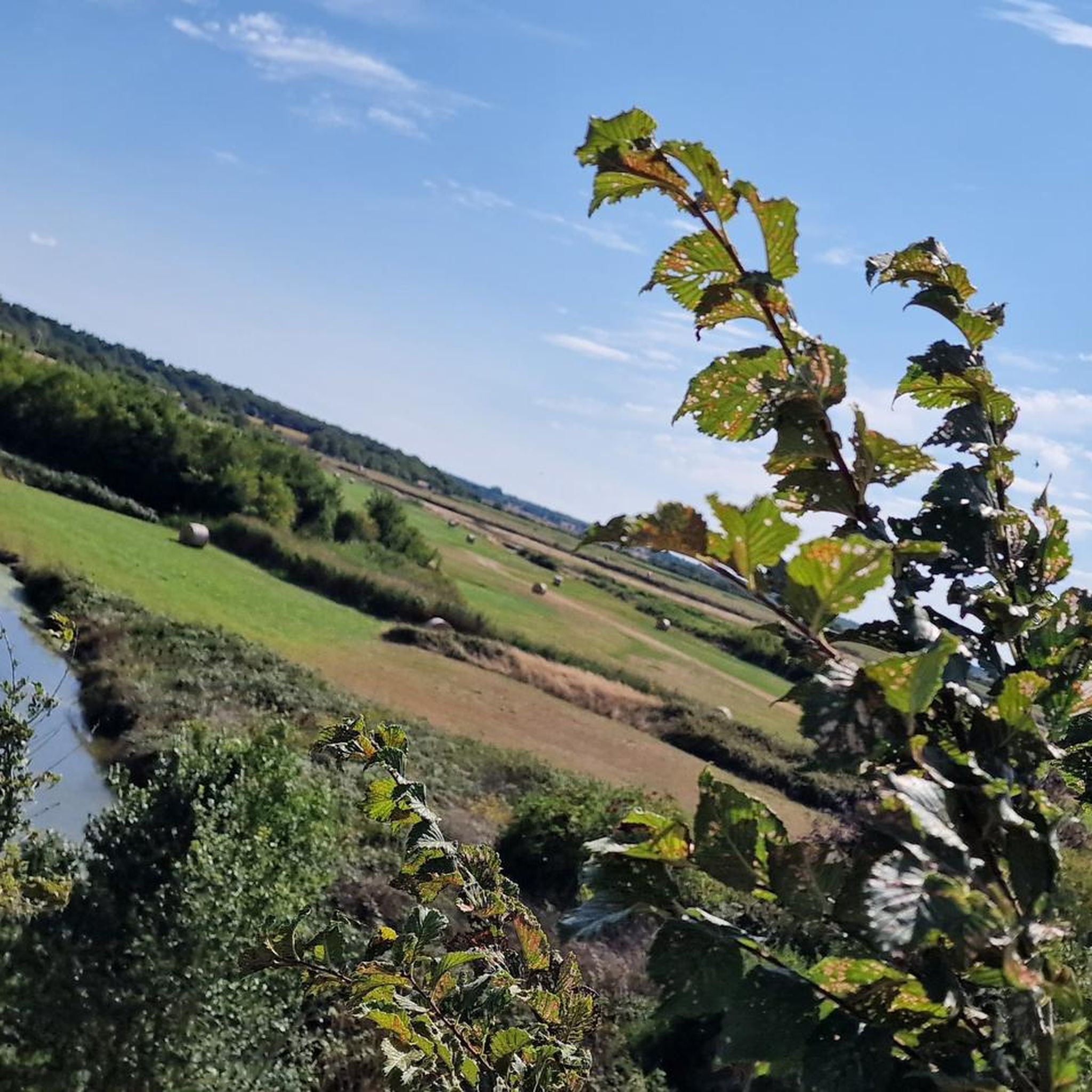
Gravel biking around Saint-Jean-D'Angle offers a diverse landscape combining historical charm with natural beauty across the Charente-Maritime department. The region features a mix of paved and unpaved surfaces, winding through marshlands, coastal areas, and forests. While generally flat, the terrain includes variations and exposure to wind, providing varied conditions for gravel cyclists. The area is characterized by extensive salt marshes with white gravel paths, agricultural lands, and pine forests, offering a dynamic cycling experience.
Best gravel bike trails around Saint-Jean-D'Angle
…Last updated: May 23, 2026
4.3
(3)
6
riders
Moderate gravel ride. Good fitness required. Mostly paved surfaces. Suitable for all skill levels.
4.3
(3)
3
riders
25.2km
01:29
60m
60m
Easy gravel ride. Great for any fitness level. Mostly paved surfaces. Suitable for all skill levels.

Sign up for free
4.0
(1)
2
riders
33.0km
02:11
110m
110m
Moderate gravel ride. Good fitness required. Mostly paved surfaces. Suitable for all skill levels.
2
riders
57.4km
03:11
190m
190m
Moderate gravel ride. Good fitness required. Mostly paved surfaces. Suitable for all skill levels.
4.0
(1)
1
riders
25.6km
01:36
100m
100m
Easy gravel ride. Great for any fitness level. Mostly paved surfaces. Suitable for all skill levels.
Our route recommendations are based on thousands of hikes, rides, and runs completed by other people on komoot.
Start today with a free account
Your next adventure awaits.
Login or Signup
Tips from the Community

The Capuchin Castle in Tonnay-Charente, built on a former convent founded in the 17th century by the Rochechouart-Mortemart family, served as a convent, a temporary town hall during the Revolution, and was then sold as national property. It has had several lives, including as property of the Red Cross, and today houses a medical-professional institute. Its current architecture dates from the late 19th century, with a rectangular plan flanked by towers, and it is only visible from the outside.
1
0

Impressive bridge. Well worth seeing!
1
0
A truly interesting bridge. It's worth a stop.
1
0

Almost obligatory passage to cross the Charente, but it’s worth the detour
0
0

Tonnay-Charente marina and view of the suspension bridge (One of the oldest suspension bridges in Europe - 1842)
0
0

It is another of the engineering jewels of the area.
0
0


Compensating for the needs of the Charentais who were formerly obliged to use the ferry to reach the other bank of the river, the bridge was built in 1842 with the constraint of not disrupting the passage of tall sailing ships to Tonnay-Charente in order to allow the port fluvial to continue its activity linked to the transport of salt, wines and spirits. With its 620 m long, it is one of the oldest suspension bridges in Europe. The deck, 204 m long and 5 m wide, is supported by 51 pointed arches and overlooks the river at a height of 23 m. Originally made of wood, it collapsed in 1884 and was replaced by a metal structure. The increase in road traffic eventually weakened the structure and it was closed to all traffic in the 1960s. After numerous rehabilitation works, it is now reopened, but reserved for pedestrians and cyclists. New restoration work is planned to begin at the end of 2023, because its structure remains fragile and its maintenance weighs heavily on the accounts of the small town of Tonnay-Charente.
0
0
Frequently Asked Questions
What kind of terrain can I expect on gravel bike trails in Saint-Jean-D'Angle?
The region offers a diverse landscape, primarily characterized by extensive salt marshes with unique white gravel paths, which provide flat and scenic riding. You'll also encounter varied agricultural lands, including vineyards, and some pine forests in the broader Charente-Maritime area. While generally flat, the terrain includes transitions between different surfaces and can be exposed to wind, adding a dynamic element to your ride.
How many gravel bike trails are available around Saint-Jean-D'Angle?
There are several gravel bike trails around Saint-Jean-D'Angle, with komoot featuring 3 distinct routes for you to explore. These range from easy loops to more moderate distances.
Are there any family-friendly gravel bike routes in the area?
Yes, for an easier and family-friendly option, consider the Porche de Pont l'Abbé – Trizay Abbey loop from Pont-l'Abbé-d'Arnoult. This route is rated as easy and covers a distance of about 15.9 miles (25.6 km), making it suitable for a relaxed outing.
What historical sites or natural attractions can I see while gravel biking near Saint-Jean-D'Angle?
The area is rich in history and natural beauty. You can cycle past the impressive Rochefort Transporter Bridge, explore the historic Brouage Citadel, or discover the medieval village setting of Saint-Jean-D'Angle itself. The salt marshes also offer unique natural landscapes to observe local flora and fauna.
Can I find circular gravel bike routes in Saint-Jean-D'Angle?
Yes, many of the gravel routes in the region are designed as loops, allowing you to start and end at the same point. For example, the Capuchin Castle loop from La Vallée is a popular circular route that takes you through varied local scenery.
What is the best time of year for gravel biking in Saint-Jean-D'Angle?
The Charente-Maritime region is enjoyable throughout much of the year. Spring brings blooming dunes and pleasant temperatures, while summer offers dry, fast surfaces. Autumn provides cooler weather and beautiful colors. Winter can be ridden, but be prepared for potentially wetter conditions and wind exposure, especially in the open marshlands.
Are there any routes that offer a good challenge for experienced gravel bikers?
For those seeking a more challenging ride, the Crazannes Castle – Saint-Vivien Church in Geay loop from Pont-l'Abbé-d'Arnoult is a moderate route covering over 32 miles (51 km) with some elevation gain, offering a good test of endurance and skill.
What do other gravel bikers enjoy the most about gravel biking in Saint-Jean-D'Angle?
The area is highly rated by the komoot community, with an average score of 4.4 stars. Reviewers often praise the serene marshlands, the blend of historical sites with natural paths, and the diverse terrain that offers something for various ability levels.
Is it possible to access trails using public transport?
While Saint-Jean-D'Angle itself is a smaller village, public transport options in the wider Charente-Maritime department might connect to larger towns from which you can cycle to trailheads. It's advisable to check local bus or train schedules for connections to towns like Rochefort or Saintes, and then plan your ride from there.
Where can I find parking for gravel bike trails in Saint-Jean-D'Angle?
Parking is generally available in the village of Saint-Jean-D'Angle, particularly near the Château Fort, which serves as a good starting point for exploring the surrounding area. Many trailheads originating from smaller towns or villages in the region will also have designated parking areas, often near local amenities.
Are there any routes that pass through unique natural areas like the salt marshes?
Absolutely. The salt marshes are a defining feature of the region. Many routes, particularly those around Rochefort Ocean, will take you directly through these transformed marshes on distinct white gravel paths, offering a unique cycling experience and a sense of being 'cut off from the rest of the world'.
Most popular routes around Saint-Jean-D'Angle
Most popular attractions around Saint-Jean-D'Angle

Get inspired with the komoot mobile app


Explore more
Browse the best Gravel rides in other regions.
