The best gravel rides around Vernoux-En-Gâtine
5.0
(2)
13
riders
5
rides
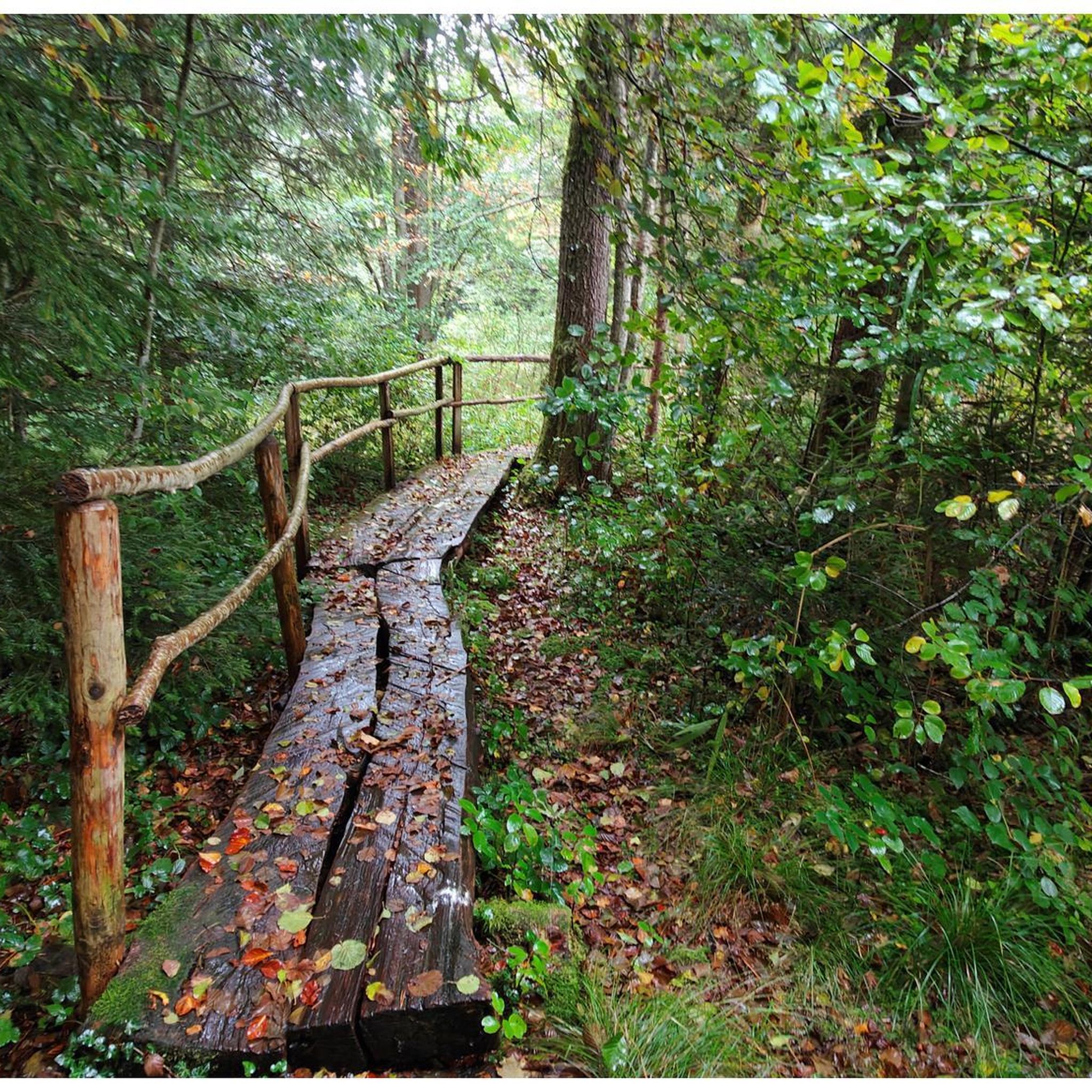
Gravel biking around Vernoux-En-Gâtine offers diverse landscapes within the Gâtine region of Deux-Sèvres. The area features rolling hills, lush bocage, dense forests, and winding streams, with elevations ranging from 115m to 241m. This varied topography, sometimes referred to as "petite Suisse," provides a mix of unpaved surfaces and scenic trails suitable for gravel cycling. Dedicated greenways, often converted from disused railway lines, further enhance the region's appeal for exploring off the beaten path.
Best gravel bike trails around Vernoux-En-Gâtine
- The…
Last updated: July 4, 2026
2
riders
Moderate gravel ride. Good fitness required. Mostly paved surfaces. Suitable for all skill levels.
4
riders
97.4km
05:55
720m
720m
Hard gravel ride. Very good fitness required. Mostly paved surfaces. Suitable for all skill levels.

Sign up for free
5.0
(1)
2
riders
28.5km
01:36
200m
200m
Moderate gravel ride. Good fitness required. Mostly paved surfaces. Suitable for all skill levels.
5.0
(1)
1
riders
37.4km
02:11
370m
380m
Moderate gravel ride. Good fitness required. Mostly paved surfaces. Suitable for all skill levels.
2
riders
34.0km
02:29
420m
420m
Moderate gravel ride. Good fitness required. Mostly paved surfaces. Suitable for all skill levels.
Our route recommendations are based on thousands of hikes, rides, and runs completed by other people on komoot.
Start today with a free account
Your next adventure awaits.
Login or Signup


Tips from the Community

Dating from the 15th century, this manor house in VieuxBeaurepaire, listed as a Historic Monument, is distinguished by successive constructions integrated into older buildings. It is particularly famous for having sheltered Abbot Pierre Proust during the Vendée Wars, who took refuge there to escape deportation and continue to keep the parish registers of Terves.
0
0

It is from Place de la Solidarité, near the village hall, and in the light of a sunny afternoon, that visitors can best admire Courlay's church, firmly anchored on a hilltop, built in the middle of the village. It is squat and austere, like a fortress, a half-Gothic, half-Romanesque building whose square bell tower dominates the surrounding houses. Crossing the square, created on the site of the former cemetery relocated in 1900 and now adorned with a beautiful fountain where water cascades over granite chirons, note: the square bell tower with two small bays on each side (11th and 12th centuries); to the east, the large wall of the church's apse; on the north facade, a small rectangular tower resting on the bell tower and housing the stone staircase providing access to the bells; on the south facade, the turret topped with a slate pinnacle, the modillions of the cornice, a small door at the top of a few steps, and the Romanesque portal or main gate.
0
0
The church was built in the late 15th and early 16th centuries. It was embellished in the 19th century in a flamboyant Gothic style and equipped with rich furnishings and stained glass windows.
0
0

The Château de la Roche-Faton, located in Lhoumois (Deux-Sèvres) in Nouvelle-Aquitaine, is an elegant castle listed as a Historic Monument, dating from the medieval period and enriched during the Renaissance. 🏰 History & Architecture Mentioned as early as 1179, burned down in 1417, it was rebuilt starting in 1544 by Mathurin Pidoux. It comprises three buildings around a courtyard, round towers, a gatehouse with drawbridges (now lost), and outbuildings built in the 17th century. The fortified entrance is flanked by machicolations, while the central building includes a 15th-16th-century main building, crowned by an authentic spiral staircase. 🖼️ Interiors & Decor Several intact fireplaces from the 15th and 18th centuries, as well as a large living room decorated with 18th-century stucco. The Saint-Nicolas Chapel contains the tombstones of Charles-Marie-Auguste de Beaumont, Marquis d'Autichamp, and his wife. 🌳 Gardens & Park An English-style landscaped park and French gardens – designed in the 17th century by the Lords of Vassé – surround the château. A pond from the former moat also remains. 🛡️ Protection & Visits Listed as a Historic Monument: facades and roofs of the main building registered in 1973, wings of the outbuildings in 1993. A private property belonging to the du Dresnay family, the château is open for guided tours of the exterior and for events such as European Heritage Days.
2
0

Small, quiet castle, a little hidden away!!
0
0

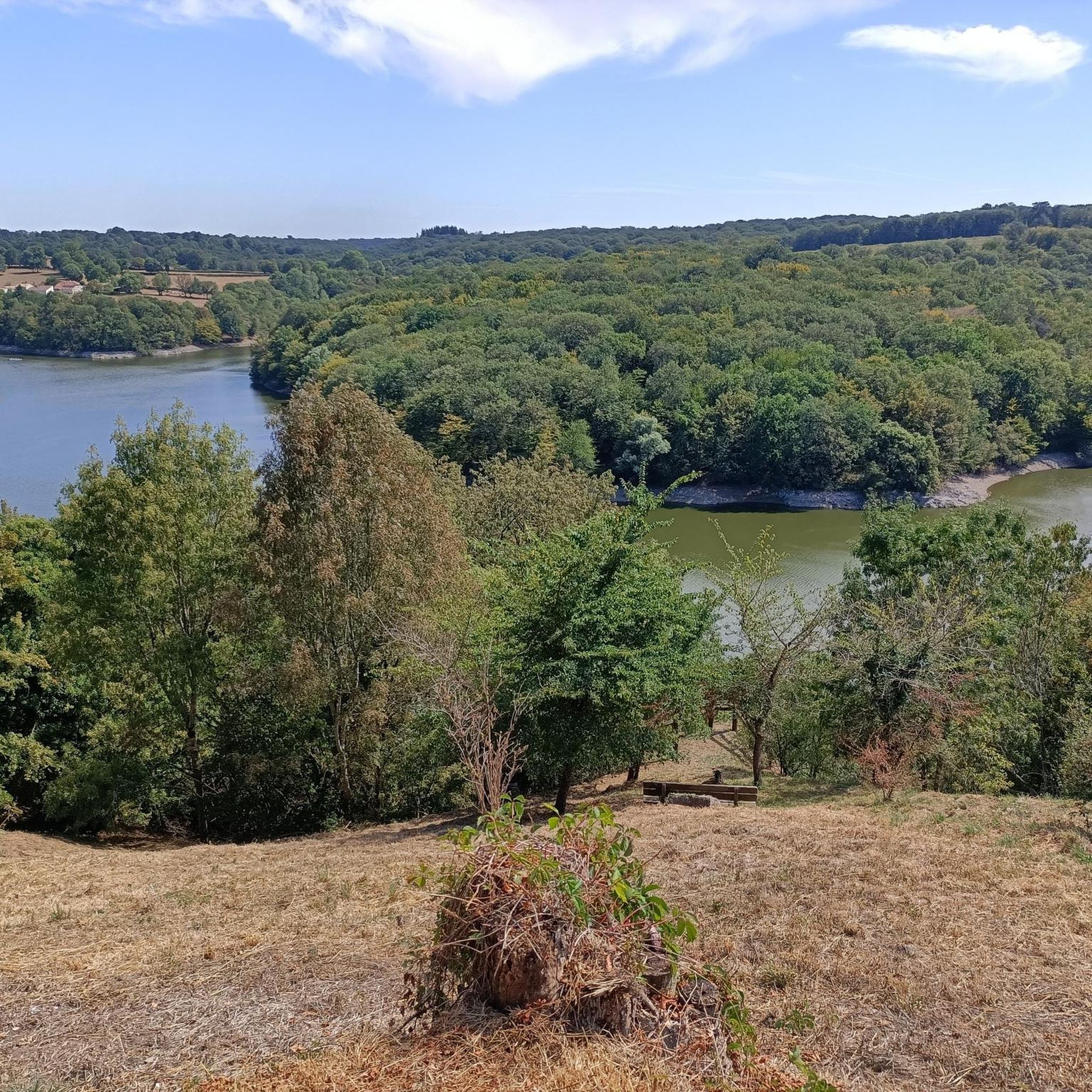
The stream of the same name flows into this pretty little body of water. A very pleasant path runs along part of it while the Étruyère campsite is located on the banks opposite.
0
0

This 11th century chateau and its parterre gardens can be hired for weddings and events. Its impressive moat and drawbridge give you an idea of its important defensive position.
3
0

Pescalis is a nature and fishing centre. Access to the site is free and there is a path that allows you to go around the pond. On site: campsite, restaurant, observatory, bike rental... https://www.pescalis.com/
1
0
Frequently Asked Questions
What kind of terrain can I expect on gravel bike trails around Vernoux-En-Gâtine?
The Vernoux-En-Gâtine area, part of the picturesque Gâtine landscape, offers diverse terrain. You'll encounter rolling hills, lush bocage, dense forests, and winding streams. The region's topography, sometimes called 'petite Suisse,' provides a mix of unpaved surfaces and scenic trails, including dedicated greenways often converted from old railway lines. Elevations range from 115m to 241m, ensuring varied cycling experiences.
Are there any family-friendly gravel biking options in the area?
Yes, the region's greenways, such as those utilizing disused train stations like the Old Clécé Station, provide dedicated, flatter routes suitable for families. While specific 'easy' rated gravel tours are not listed, many moderate routes can be adapted for family outings, especially those that stick to the less challenging sections of the greenways. Always check the route details for elevation and surface type before heading out with children.
What are some notable landmarks or attractions I can see along the gravel trails?
Many routes will take you through the scenic Gâtine landscape. You might pass by the serene Pescalis Ponds, a nature and fishing center, or the historic Old Clécé Station, now a greenway resting spot. The Stream Along the Voie Verte – Beaurepaire Castle loop from Le Breuil-Bernard, for instance, passes near historic sites. You could also explore the Faymoreau mining village with its unique Miners' Chapel, or the Lac des Effres de Secondigny.
What is the best season for gravel biking in Vernoux-En-Gâtine?
The Gâtine region is generally pleasant for gravel biking from spring through autumn. Spring brings lush greenery and comfortable temperatures, while autumn offers beautiful foliage. Summers are typically warm, but the forested sections of trails provide welcome shade. Winter cycling is possible, but be prepared for potentially wet and muddy conditions on unpaved paths.
Are there any challenging gravel routes for experienced riders?
Yes, the area offers routes that cater to more experienced gravel bikers. For example, the Vouvant – Medieval Village of Vouvant loop from Marillet is rated as 'difficult' and covers 33.4 miles (53.7 km) with significant elevation changes, leading through varied terrain including the Gâtine hills. This route is often completed in about 4 hours 9 minutes.
Can I find circular gravel routes in Vernoux-En-Gâtine?
Yes, many of the gravel routes in the Vernoux-En-Gâtine area are designed as loops, allowing you to start and finish at the same point. Examples include the Saint Remy Church – The Pescalis Ponds loop from Le Breuil-Bernard and the Oude kerk loop from Largeasse, both offering a complete circular experience.
What do other gravel bikers enjoy most about the trails here?
The gravel biking routes in Vernoux-En-Gâtine are highly rated by the komoot community, with an average score of 5.0 stars. Riders often praise the diverse landscapes, from rolling hills and forests to tranquil greenways, and the opportunity to explore off the beaten path. The blend of natural beauty and historical points of interest also contributes to a rewarding experience.
Are there places to eat or stay along the gravel routes?
While specific cafes or accommodations directly on every trail are not guaranteed, the villages and towns within and around Vernoux-En-Gâtine offer various options. It's advisable to plan your route and check for amenities in nearby settlements like Le Breuil-Bernard or Marillet, which serve as starting points for several tours. Packing snacks and water is always recommended for longer rides.
Is public transport available to access the gravel trails?
Public transport options directly to trailheads in this rural region may be limited. Most visitors typically access the trails by car, parking in or near the starting villages. The region's focus on greenways, often converted from old railway lines, suggests a historical connection to transport, but current public transport for trail access might require local inquiry.
Are there any specific rules or permits required for gravel biking in the Gâtine region?
Generally, no specific permits are required for cycling on public roads, designated greenways, or marked trails in the Gâtine region. However, always respect private property, follow local signage, and adhere to standard cycling regulations. When cycling through forests or natural areas, be mindful of wildlife and other users.
What are the typical surface types on gravel trails in Vernoux-En-Gâtine?
The gravel trails in Vernoux-En-Gâtine feature a variety of unpaved surfaces. You can expect well-maintained gravel paths, compacted earth tracks, and sometimes grassy sections, especially in the bocage and forest areas. Greenways often provide smoother, more consistent surfaces, while other trails might be rougher, requiring a gravel bike or mountain bike for comfort.
Can I bring my dog on the gravel trails?
Many natural areas and trails in France are dog-friendly, especially if dogs are kept on a leash. However, specific rules can vary by location, particularly in nature reserves or protected areas. It's always best to check local regulations for the specific trail you plan to ride. Ensure your dog is well-behaved and that you clean up after them to maintain the natural environment.
Most popular routes around Vernoux-En-Gâtine
Most popular attractions around Vernoux-En-Gâtine

Get inspired with the komoot mobile app


Explore more
Browse the best Gravel rides in other regions.
