The best gravel rides around Châtillon-En-Vendelais
4.8
(7)
66
riders
12
rides
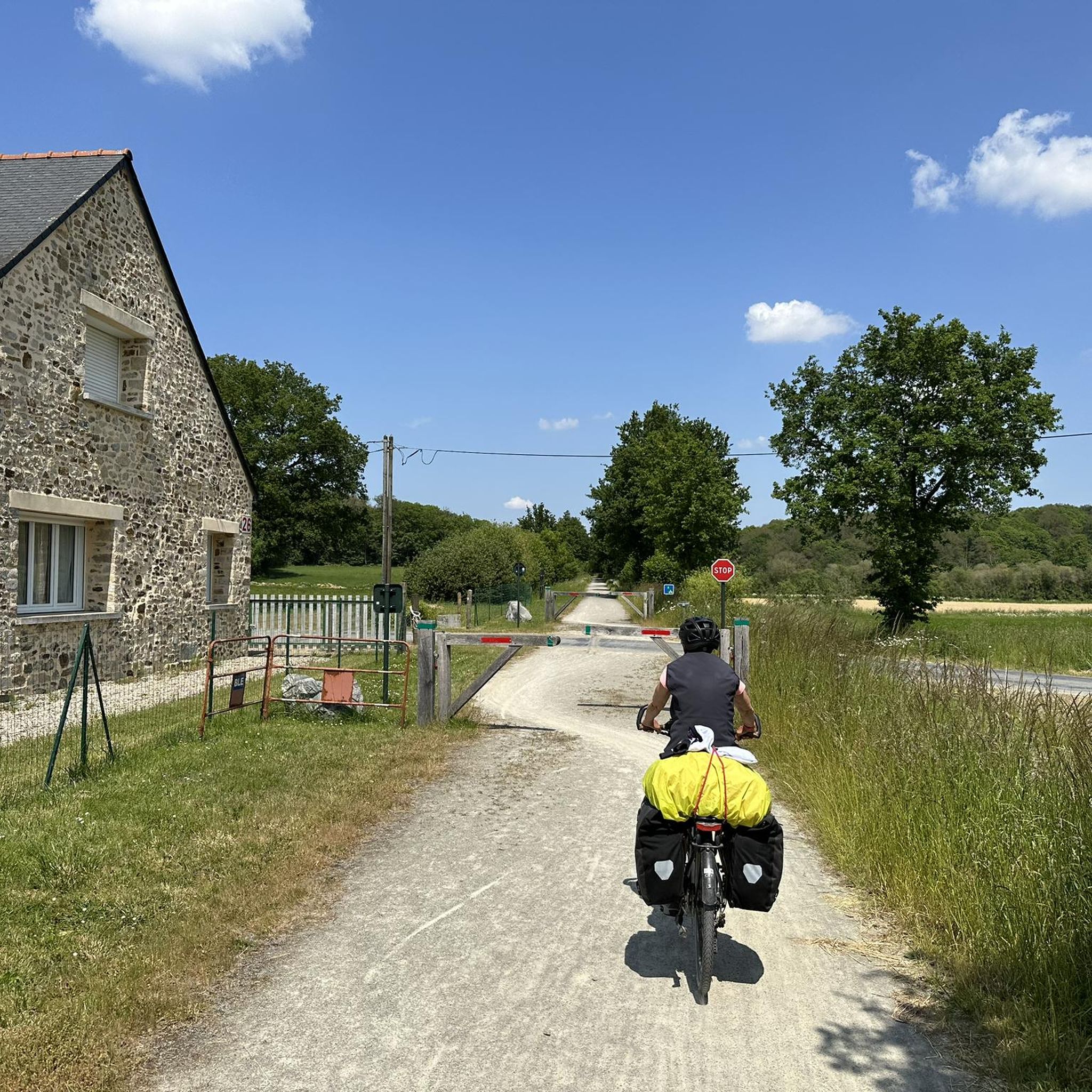
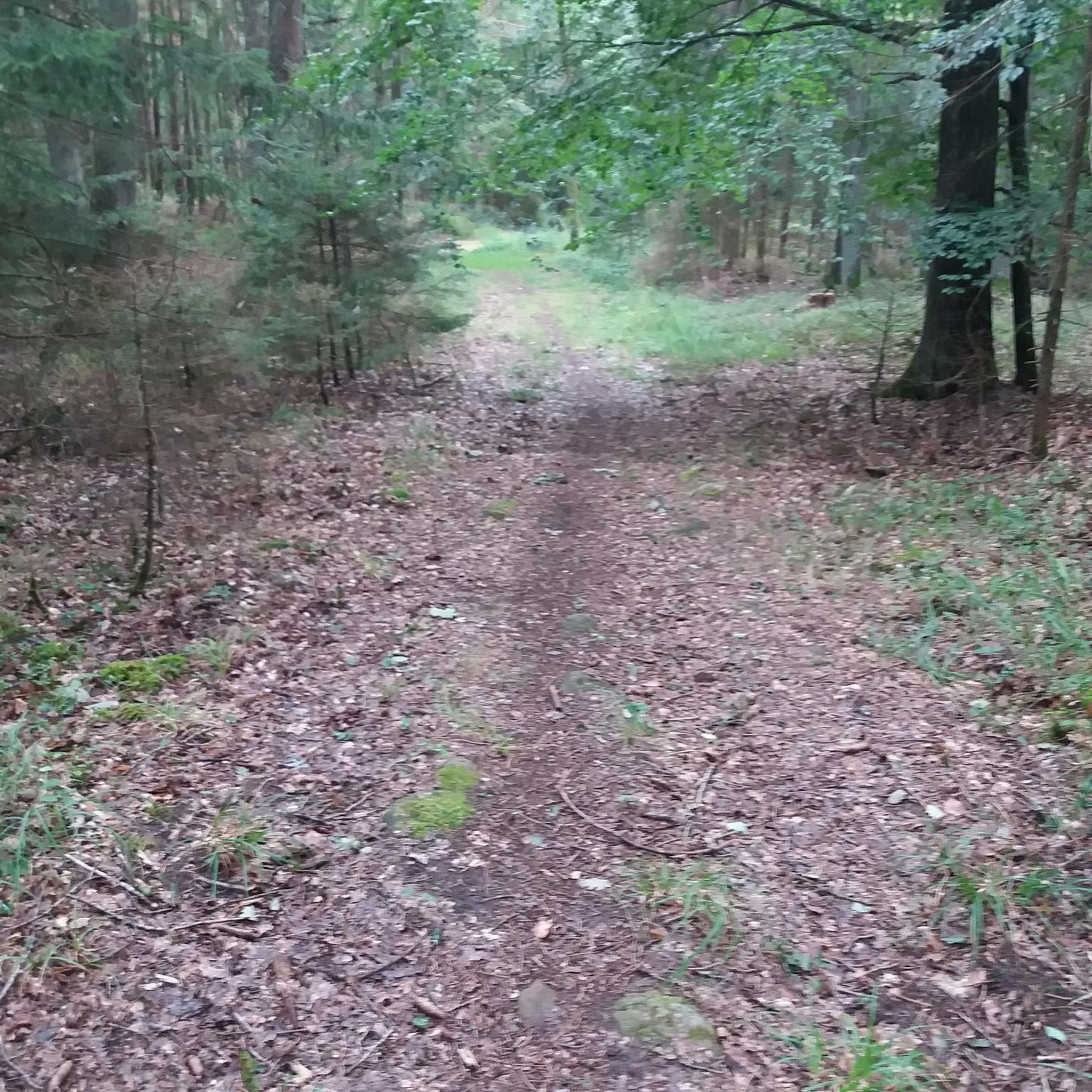
Gravel biking around Châtillon-En-Vendelais features a landscape characterized by tranquil ponds, such as the Étang de Châtillon-en-Vendelais, and sections of dedicated greenways. The terrain includes flat, smooth gravel paths, notably along the Fougères–Vitré Greenway, alongside more varied routes through agricultural lands and near smaller forests. Elevations are generally low, with gentle ascents and descents across the region.
Best gravel bike trails around Châtillon-En-Vendelais
- The most popular gravel bike trail is Cantache Pond – Cantache dam loop from Taillis, a…
Last updated: July 3, 2026
5.0
(2)
12
riders
Easy gravel ride. Great for any fitness level. Mostly paved surfaces. Suitable for all skill levels.
5.0
(2)
19
riders
41.3km
02:14
220m
220m
Moderate gravel ride. Good fitness required. Mostly paved surfaces. Suitable for all skill levels.

Sign up for free
10
riders
27.3km
01:27
160m
160m
Moderate gravel ride. Good fitness required. Mostly paved surfaces. Suitable for all skill levels.
8
riders
48.9km
03:03
480m
480m
Hard gravel ride. Very good fitness required. You may need to push your bike for some segments of this route.
4
riders
36.5km
02:13
300m
300m
Hard gravel ride. Good fitness required. You may need to push your bike for some segments of this route.
Get access to more routes and recommendations from other explorers.
Sign up for free
Already have an account?
Our route recommendations are based on thousands of hikes, rides, and runs completed by other people on komoot.
Start today with a free account
Your next adventure awaits.
Login or Signup

Tips from the Community

The Église Saint-Léonard was built in the 12th century and acquired its present form in the flamboyant Gothic style in the 15th and 16th centuries. During the French Revolution, the church was deprived of its sacred function, but in the 19th century, under architects such as Aristide Tourneux, it underwent extensive renovations, including a new main façade with a large rose window. Inside, 19th-century stained-glass windows depicting episodes from the life of Saint Léonard can be seen.
1
0
The cadastral records of the Château Fort de Fougères mention two towers—the Tour Raoul and the Tour Surienne (also called "tour de Surienne")—dated between 1480 and 1485. The tower was part of the fortifications that were reinforced or rebuilt in the 15th century.
1
0

A prosperous trading town since the Middle Ages, Vitré has preserved its well-preserved heritage. With its fortified castle, cobbled streets, and half-timbered houses, the town offers plenty to see and do, making it perfect for a stroll. It's the perfect place to soak up the Breton atmosphere.
0
0

The renowned landscape painter and avant-garde colorist Emmanuel de la Villéon, who associated with the greatest independent painters of his time, experimented with different styles and brushstrokes. This collection of oil, pastel, gouache, charcoal, and ink paintings traces his career through selected works. The museum is usually open during school holidays in Zone B. The museum is currently closed due to leaks!
1
0

Bird watching possible!
0
0
The Tour Surienne was named after Françoise de Surienne. In March 1449, in the midst of a truce between France and England, François de Surienne, a Spanish mercenary in the pay of the English, attacked in the dead of night with his 600 men. The inhabitants were slaughtered and the city plundered. In 1450, Surienne settled there and entrenched himself. Only after a two-month siege by Francis I, Duke of Brittany, who was aided by a plague epidemic, did Surienne surrender.
0
0
The largest fortress in Europe, the castle of Fougères stands on a rocky outcrop surrounded by marshland. The first castle of Fougères was built around the turn of the millennium to defend the north-eastern part of the border area of the Duchy of Brittany. Built at the crossroads of important trade routes, this primitive fortress had the main objective of monitoring the powerful neighbors and preventing their raids on Breton lands. To the north, Normandy belonged to the kings of England at the time.
4
1
The church tower can be visited in high season, where you can discover an incredible panorama of Fougères as well as its monuments and the surrounding countryside. Here you will have the opportunity to discover the secret interior of its tower, its impressively large bell and of course... a spectacular 360° view of the city, the castle and the valley!
1
0
Frequently Asked Questions
What kind of terrain can I expect on gravel bike trails around Châtillon-En-Vendelais?
The terrain around Châtillon-En-Vendelais is characterized by tranquil ponds, dedicated greenways, and agricultural landscapes. You'll find flat, smooth gravel paths, particularly along the Fougères–Vitré Greenway, alongside more varied routes with gentle ascents and descents.
Are there any easy gravel bike trails suitable for beginners or families?
While many routes are moderate to difficult, the Fougères–Vitré Greenway offers a flat route with smooth gravel, making it ideal for various skill levels, including families and beginner riders. It's an old railway line transformed into a dedicated bike path.
What natural features can I see along the gravel bike routes in this region?
The region is rich in natural beauty. A prominent feature is the Cantache Pond, which you can explore on routes like the Cantache Pond – Cantache dam loop from Taillis. The nearby Étang de Châtillon-en-Vendelais is also a sensitive natural area known for migratory birds, fishing, and pedal boating.
Are there any historical or cultural points of interest along the gravel bike trails?
Yes, the region offers several points of interest. You can visit the Notre-Dame Church, or explore the historic towns of Vitré and Fougères, which are connected by the Fougères–Vitré Greenway. The Vitré Castle is also a notable landmark.
Where can I find a good break spot or refreshment point during my ride?
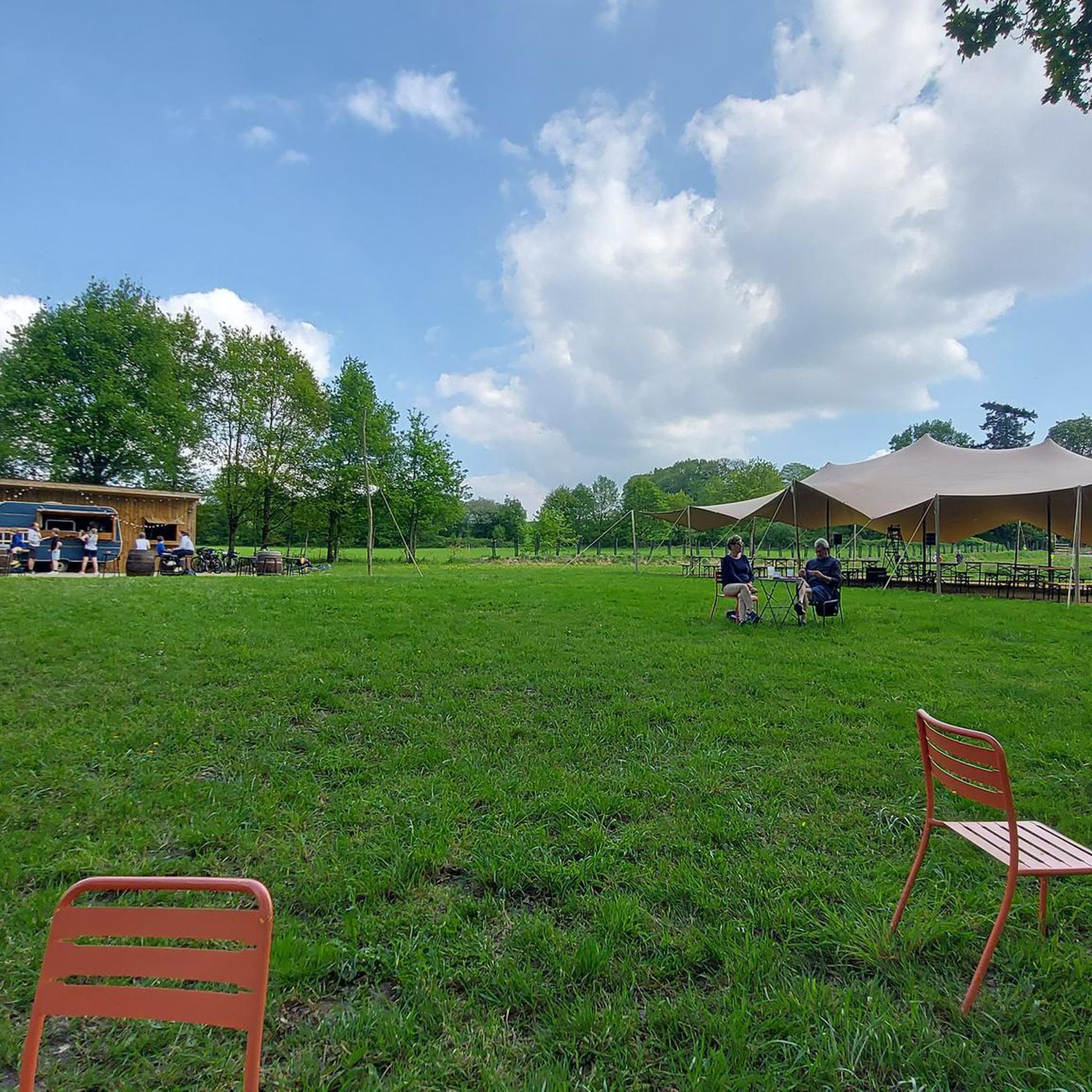
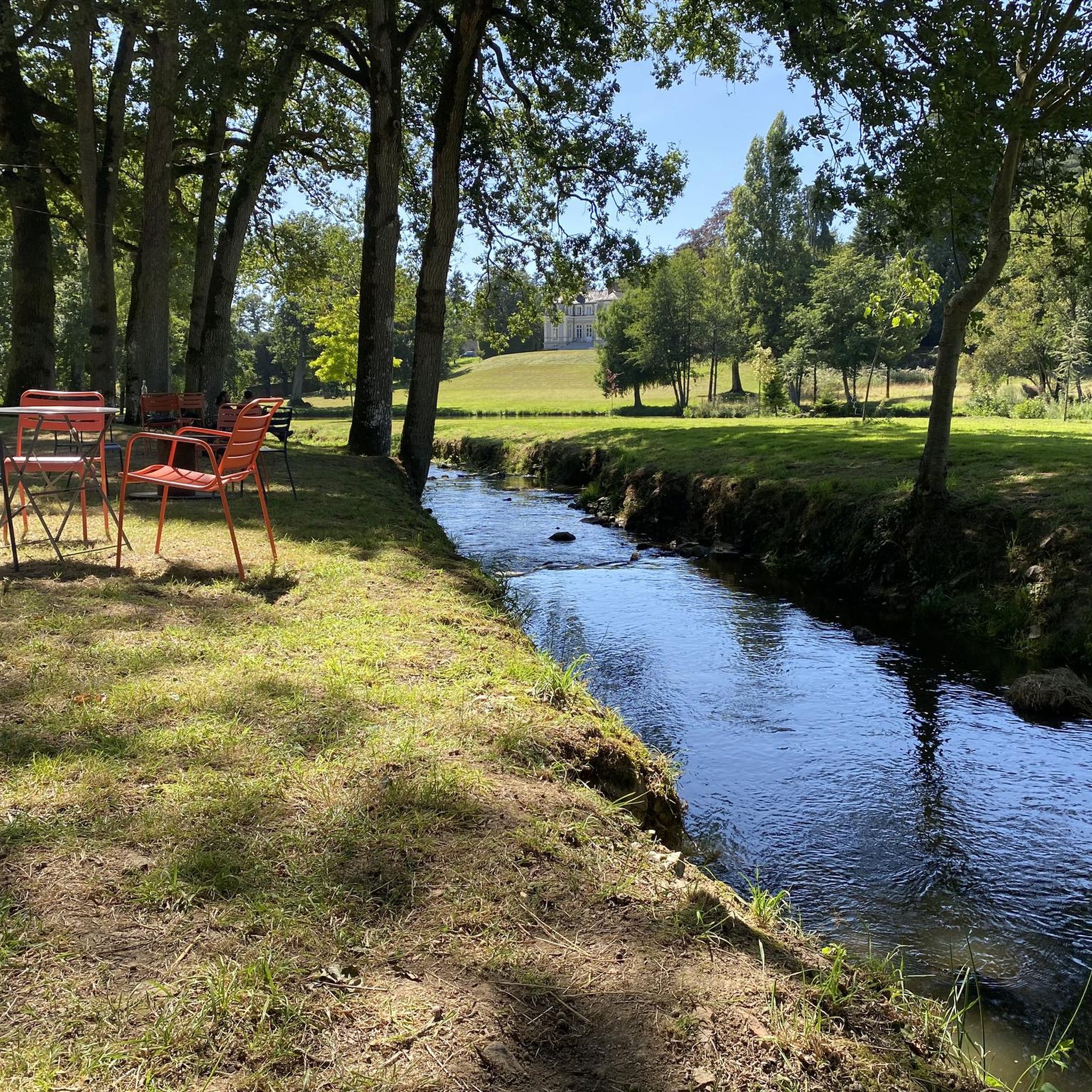
The Guinguette de Villanfray is a pleasant spot near the Château de Villanfray, offering drinks, snacks, and even pétanque. Additionally, picnic tables are available near the Étang de Châtillon, providing a convenient resting spot.
What do other gravel bikers enjoy most about gravel biking in Châtillon-En-Vendelais?
The area is highly rated by the komoot community, with an average score of 5.0 stars. Reviewers often praise the varied terrain, from smooth greenways to more challenging loops around the ponds, and the serene natural landscapes.
Are there any challenging gravel bike routes for experienced riders?
Yes, for experienced riders, routes like the Plan d'Eau de la Cantache – View on glass loop from Fougères-Vitré offer varied terrain and notable climbs. Another challenging option is the View on glass – Plan d'Eau de la Cantache loop from Princé.
How many gravel bike trails are available in Châtillon-En-Vendelais?
There are 7 gravel bike trails documented in this guide for Châtillon-En-Vendelais, offering a mix of moderate and difficult options to explore the region's diverse landscapes.
Can I find long-distance gravel routes in the area?
Yes, the Fougères–Vitré Greenway is part of the larger regional V9 cycling route, which spans over 200 kilometers, linking Mont Saint-Michel to the Loire by bike. For a significant local loop, consider the Fougères–Vitré Greenway – Saint Léonard Church loop from Balazé, which covers over 69 km.
Are there any circular gravel bike routes available?
Many of the gravel routes in the area are designed as loops. For example, the Cantache Pond – Inn at Vitré Castle loop from Taillis offers a circular experience around the Cantache Pond and towards Vitré.
What is the best time of year for gravel biking in Châtillon-En-Vendelais?
The region is generally pleasant for gravel biking from spring through autumn, when the weather is mild and the natural landscapes are at their most vibrant. The greenways and well-maintained paths are accessible in most conditions.
Is there public transport access to the gravel bike trails in Châtillon-En-Vendelais?
While specific public transport connections directly to trailheads are not detailed, the region's proximity to towns like Vitré and Fougères, which are accessible by train, suggests options for reaching the general area. From these towns, you can often connect to the greenways.
Where can I park my car when accessing gravel bike trails?
Parking is generally available in and around Châtillon-En-Vendelais, especially near popular natural sites like the Étang de Châtillon. When starting a route from a specific town, look for public parking facilities there.
Most popular routes around Châtillon-En-Vendelais
Most popular attractions around Châtillon-En-Vendelais

Get inspired with the komoot mobile app


Explore more
Browse the best Gravel rides in other regions.
