Top 14 Natural Monuments around Montigny-Le-Bretonneux
Best natural monuments around Montigny-Le-Bretonneux offer diverse natural areas integrated into the urban landscape, providing opportunities for recreation and biodiversity observation. These sites include extensive lakes, restored river valleys, and ancient woodlands. Visitors can find a balance between developed areas and natural preservation, making the region suitable for various outdoor activities. The natural monuments serve as valuable escapes within the city, highlighting the area's commitment to green spaces.
Best natural monuments around Montigny-Le-Bretonneux
- The most popular natural monuments is Rock…
Last updated: June 26, 2026
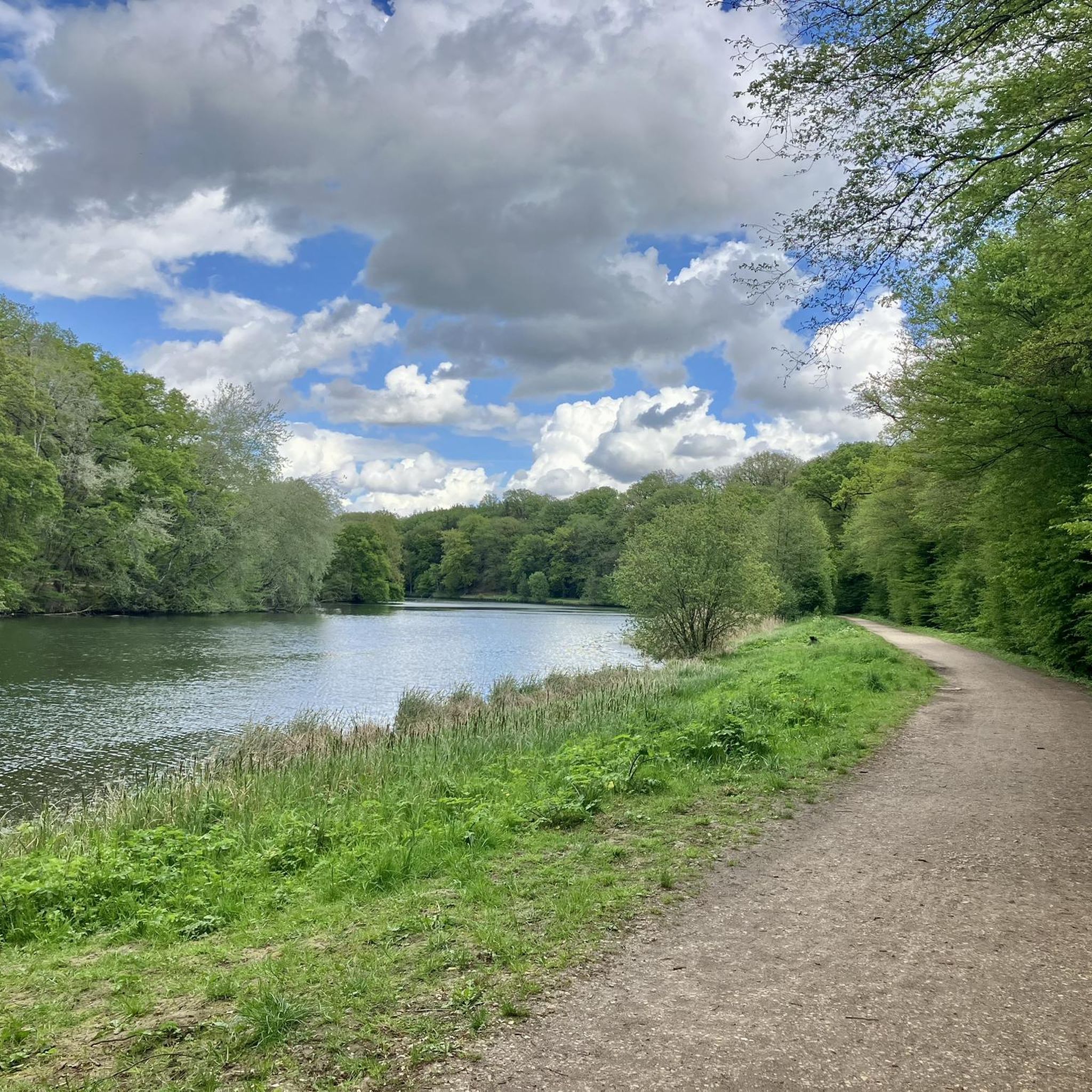
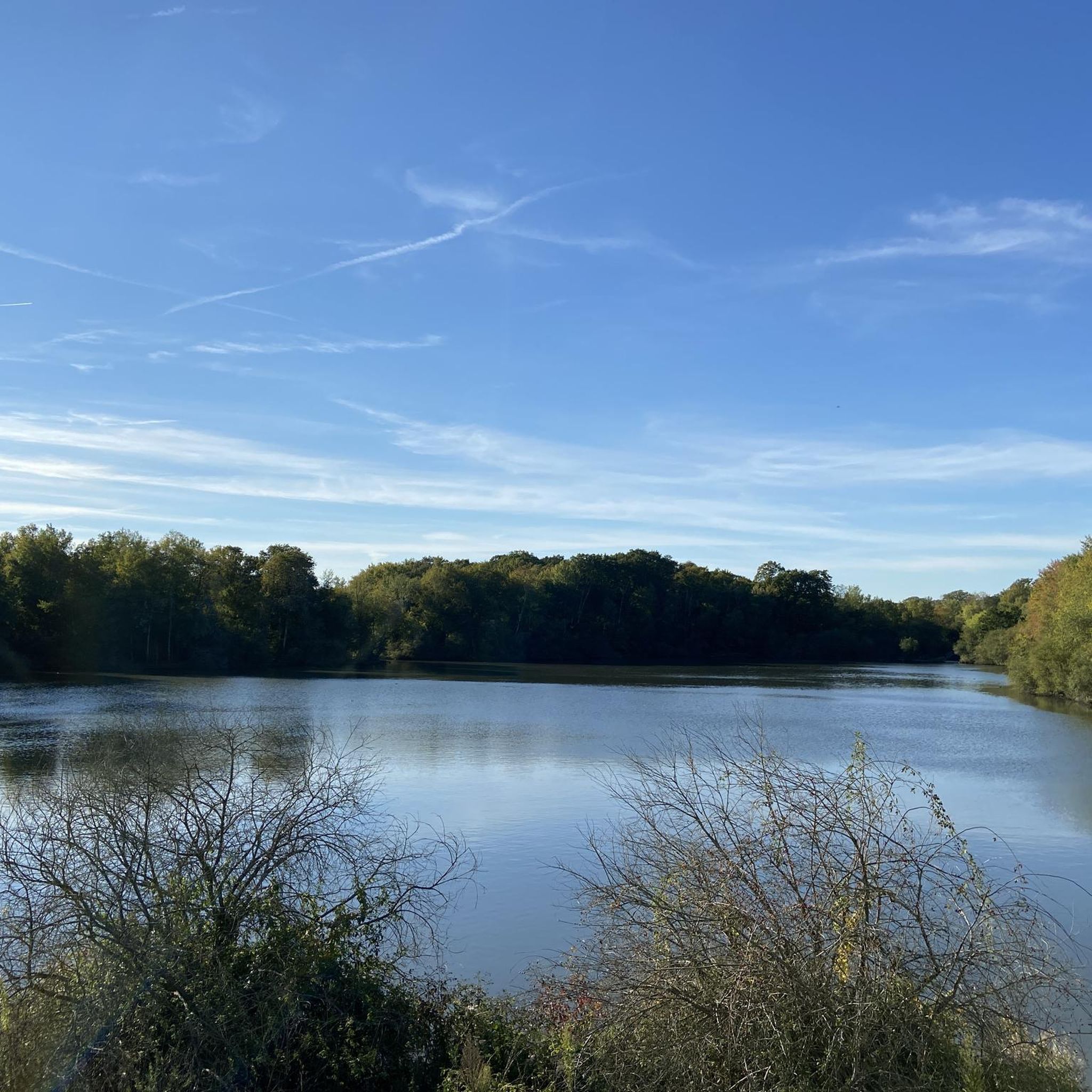
Ponds of Parc des Côtes Montbron
Highlight • Lake
Located in the town of Jouy-en-Josas, the Parc des Côtes Montbron, acquired by the Department for sensitive natural areas, has been …
Translated by Google •
Tip by

Latona Fountain
Highlight • Monument
Translated by Google •
Tip by

Sign up now to discover places like this
Get recommendations on the best single tracks, peaks, & plenty of other exciting outdoor places.
Sign up for free
Old Chestnut Tree at Place Audran
Highlight • Natural Monument
Translated by Google •
Tip by

Rock Formations Near Maincourt-sur-Yvette
Highlight • Natural Monument
Translated by Google •
Tip by

Bosquet of the Baths of Apollo
Highlight • Monument
Translated by Google •
Tip by
Sign up for free to discover even more natural monuments around Montigny-Le-Bretonneux.
Sign up for free
Already have an account?
Start today with a free account
Your next adventure awaits.
Login or Signup
Tips from the Community

Added to the collection: komoot.com/de-de/collection/3600632/-naturdenkmaeler-besondere-baeume-und-weitere-schaetze-der-natur
0
0

Viltain Farm then the singletrack further west is a little paradise. Landslide (04/2025) on the way back
0
0

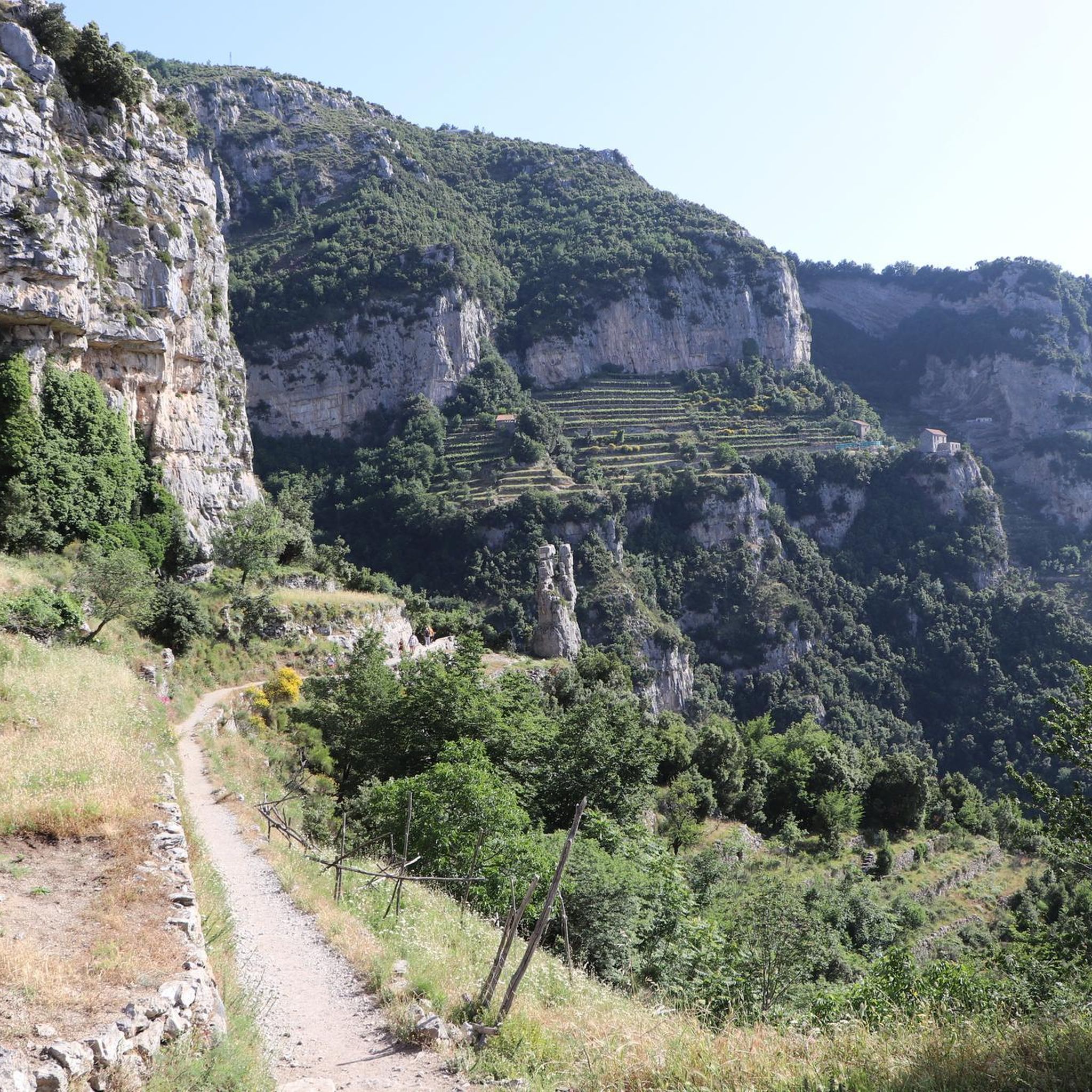
Near Maincourt-sur-Yvette, this wood has beautiful rock formations climbing up the first slopes of the Chevreuse valley, just a few meters from the river.
0
0

It is a beautiful place that is quite cool even in the heat because it runs along the Yvette and several ponds, but it concentrates a lot of people on Sundays on a fairly narrow path. In high season, prefer Saturday for this course
0
0

The current grove dates from the reign of Louis XVI, laid out between 1778 and 1781. Its center is occupied by a lake dominated by a huge fake rock embellished with waterfalls and hollowed out with a cave. This hosts the sculptures of the Horses of the Sun placed on either side of the group of Apollo served by the nymphs, created by François Girardon and Thomas Regnaudin. https://bienvenue.chateauversailles.fr/fr/jardins/bienvenue/304_bosquet-des-bains-d-apollon#!panel-46
6
0
The Latona basin results from the desire of Louis XIV to create, in the center of his Garden, a fountain which recounts the childhood of Apollo, the sun god he chose as his emblem. To create this fountain, Louis XIV transformed a pool dug by Louis XIII by gradually installing water features and decorations sculpted by the Marsy brothers. The Latona basin went through several states before adopting its current form. In 1667, it was the Toad Fountain. From 1668 to 1670, a first Latona basin appeared; Latona is then at the same level as the other figures and turned towards the Castle. From 1687 to 1689, Jules Hardouin-Mansart created the current pool, by making Latona turn around and hoisting her to the top of a marble pyramid. http://latone.chateauversailles.fr/page/le-bassin-de-latone/histoire-du-bassin
11
0

On the path along the Yvette very pretty passage to do by mountain bike or on foot there are beautiful rocks and very beautiful trees
0
0

Frequently Asked Questions
What are some notable natural landmarks around Montigny-Le-Bretonneux?
Montigny-Le-Bretonneux offers a variety of natural landmarks. The Étang de Saint-Quentin-en-Yvelines is the largest body of fresh water in Île-de-France, known for its national natural reserve and diverse activities. The Rock Formations Near Maincourt-sur-Yvette provide a unique landscape along the Yvette river, while the Ponds of Parc des Côtes Montbron offer an idyllic break with streams and ponds. The Parc des Sources de la Bièvre is another significant site, blending greenery with art and the restored Bièvre river.
Are there hiking routes near the natural monuments?
Yes, there are several hiking routes available. For example, you can explore the Parc des Côtes Montbron which has 2.5 km of trails, including a section of the GR® of the Ile de France region. The Bois du Manet also forms part of larger hiking trails. You can find more options in the Hiking around Montigny-Le-Bretonneux guide, which includes routes like the 'Saint-Quentin Pond loop' and 'Parc de la source de la Bièvre loop'.
What other outdoor activities are available near these natural monuments?
Beyond hiking, the Étang de Saint-Quentin-en-Yvelines is excellent for water sports like sailing and paddleboarding. The area also offers extensive cycling opportunities. You can find detailed routes in the Road Cycling Routes around Montigny-Le-Bretonneux guide and the Gravel biking around Montigny-Le-Bretonneux guide.
Are there family-friendly natural attractions in Montigny-Le-Bretonneux?
Absolutely. Many natural monuments are suitable for families. The Ponds of Parc des Côtes Montbron and the Old Chestnut Tree at Place Audran are both categorized as family-friendly. The Parc des Sources de la Bièvre features children's play areas and a plant labyrinth, making it ideal for a family outing. The Étang de Saint-Quentin-en-Yvelines also offers shaded paths for walking and cycling, suitable for all ages.
Can I spot wildlife in these natural areas?
Yes, wildlife spotting is a highlight in several areas. The national natural reserve within the Étang de Saint-Quentin-en-Yvelines is a crucial ornithological zone, home to numerous protected bird species. The Parc du Poirier-Saint-Martin is an official refuge of the League for the Protection of Birds (LPO), offering excellent opportunities for birdwatching. The wetland areas of the Parc des Sources de la Bièvre also attract various bird species.
What is the best time of year to visit the natural monuments?
Spring and autumn are generally ideal for visiting the natural monuments around Montigny-Le-Bretonneux, offering pleasant temperatures for outdoor activities and vibrant natural scenery. Spring brings blooming flora, such as the hyacinths at the Ponds of Parc des Côtes Montbron, while autumn showcases beautiful foliage. Summer is also popular, especially for water activities at the Étang de Saint-Quentin-en-Yvelines, though some paths might be busier.
Are the natural monuments dog-friendly?
Many natural areas around Montigny-Le-Bretonneux are dog-friendly, especially for walks on designated paths. The Bois du Manet and the walking paths around the Étang de Saint-Quentin-en-Yvelines are generally welcoming to dogs on a leash. Always check local signage for specific rules regarding pets in natural reserves or sensitive ecological zones.
How can I reach the natural monuments by public transport?
Several natural monuments are accessible by public transport. The Ponds of Parc des Côtes Montbron are accessible via the Petit Jouy station served by RER line C. The Étang de Saint-Quentin-en-Yvelines is also well-connected, often reachable via train or bus services to Saint-Quentin-en-Yvelines. For specific routes, it's best to consult local transport schedules.
Are there any historical natural monuments in the area?
Yes, some natural monuments have significant historical connections. The Étang de Saint-Quentin-en-Yvelines was historically created in the 17th century to supply water to the fountains of the Palace of Versailles. The Latona Fountain, while a man-made monument, is deeply integrated into the natural landscape of the Versailles gardens and recounts the childhood of Apollo. Similarly, the Bosquet of the Baths of Apollo is a historical site featuring a lake and artificial rock with sculptures.
Are there easy hiking trails suitable for everyone?
Yes, many natural monuments offer easy paths suitable for leisurely strolls. The 9-kilometer perimeter path around the Étang de Saint-Quentin-en-Yvelines is largely flat and shaded, perfect for easy walks. The Parc des Sources de la Bièvre also provides serene paths for relaxed exploration. For more options, look for 'easy' rated routes in the Hiking around Montigny-Le-Bretonneux guide, such as the 'Parc de la source de la Bièvre loop'.
Can I go cycling or mountain biking near these natural monuments?
Yes, cycling and mountain biking are popular activities. The paths along the Yvette river near the Rock Formations Near Maincourt-sur-Yvette are suitable for mountain biking. The Étang de Saint-Quentin-en-Yvelines has a perimeter path ideal for cycling. For dedicated routes, explore the Road Cycling Routes and Gravel biking around Montigny-Le-Bretonneux guides.
Are there any unique or hidden natural gems worth exploring?
The Parc du Poirier-Saint-Martin is a unique gem, recognized for its commitment to biodiversity as an official refuge of the League for the Protection of Birds (LPO). The Parc des Sources de la Bièvre, with its blend of natural beauty, contemporary art, and the restored Bièvre river, offers a distinctive experience. The ancient Old Chestnut Tree at Place Audran, estimated to be 330 years old, is another remarkable natural feature with a rich history.
Most popular routes around Montigny-Le-Bretonneux
Most popular attractions around Montigny-Le-Bretonneux

Get inspired with the komoot mobile app


Explore more
Extend your search for the best caves by checking out these guides of the top ones around Montigny-Le-Bretonneux:
