Top 12 Castles around Montelabbate
Best castles around Montelabbate are situated in the Province of Pesaro and Urbino, Italy, a region historically significant for its strategic fortifications. The area is characterized by rolling hills and offers a tangible link to medieval and Renaissance history, showcasing the architectural evolution from monastic defenses to powerful strongholds. Montelabbate itself is home to Il Castello di Montelabbate, an ancient fortification with origins tracing back to the 12th century, playing a role in the Malatesta Lordship territory.
Best castles around…
Last updated: August 21, 2026
Fiorenzuola di Focara
Highlight • Settlement
Translated by Google •
Tip by

Gradara
Highlight • Castle
The imposing structure is protected by two city …
Translated by Google •
Tip by

Sign up now to discover places like this
Get recommendations on the best single tracks, peaks, & plenty of other exciting outdoor places.
Sign up for free
Saludecio
Highlight • Settlement
Translated by Google •
Tip by

Mondaino
Highlight • Settlement
The external …
Translated by Google •
Tip by

Montegridolfo
Highlight • Settlement
Excellent refreshment point in the center of the town.
Translated by Google •
Tip by

Sign up for free to discover even more castles around Montelabbate.
Sign up for free
Already have an account?
Start today with a free account
Your next adventure awaits.
Login or Signup
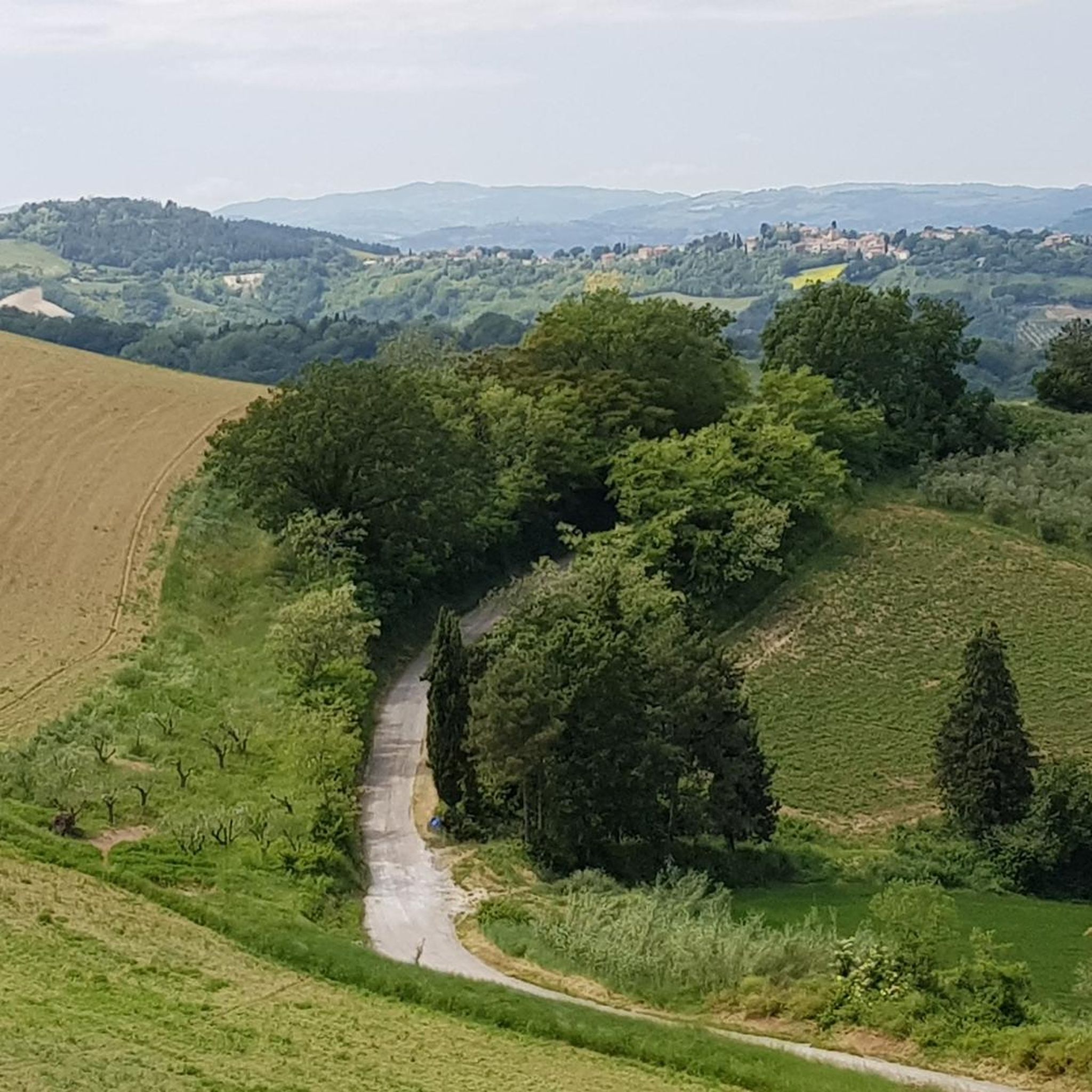
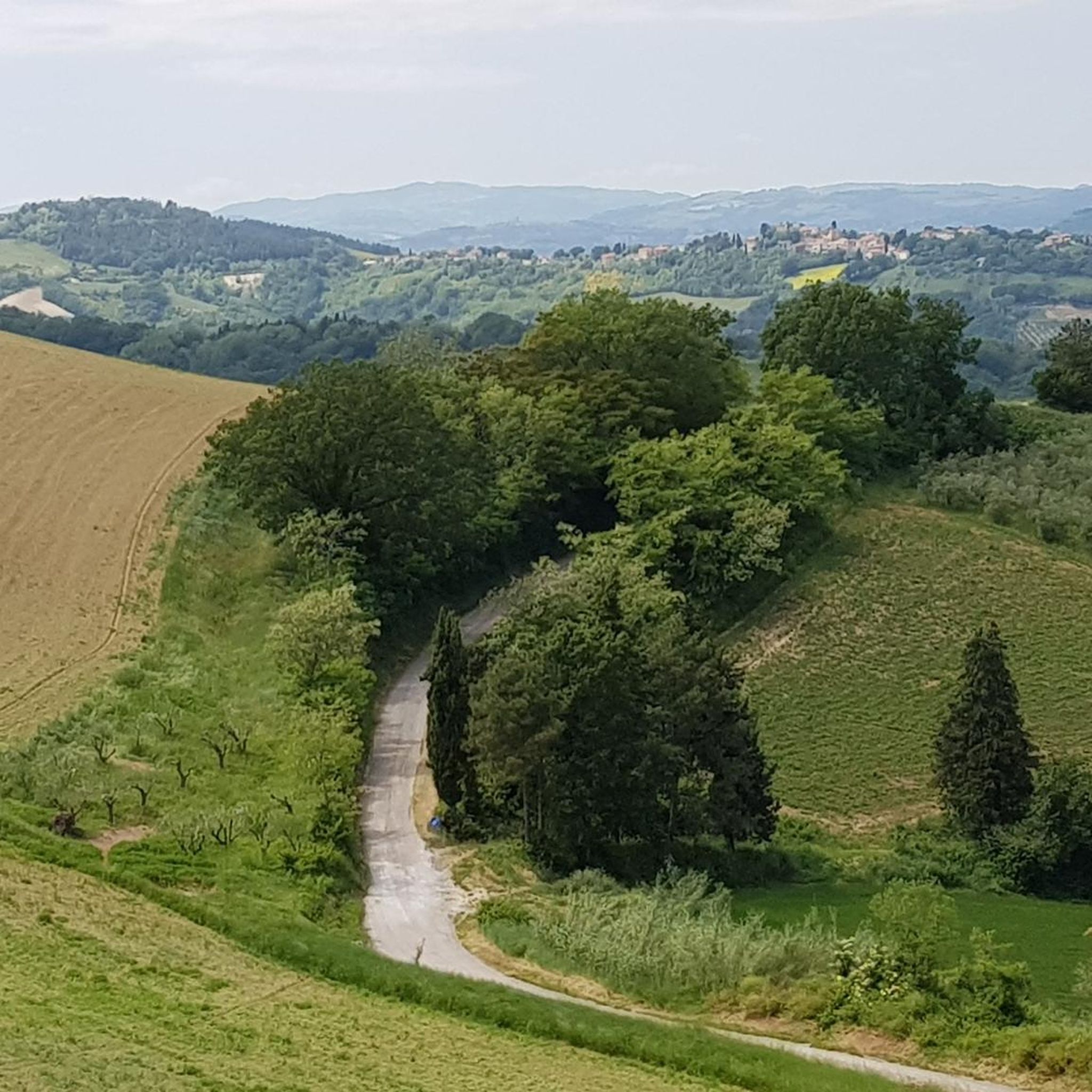
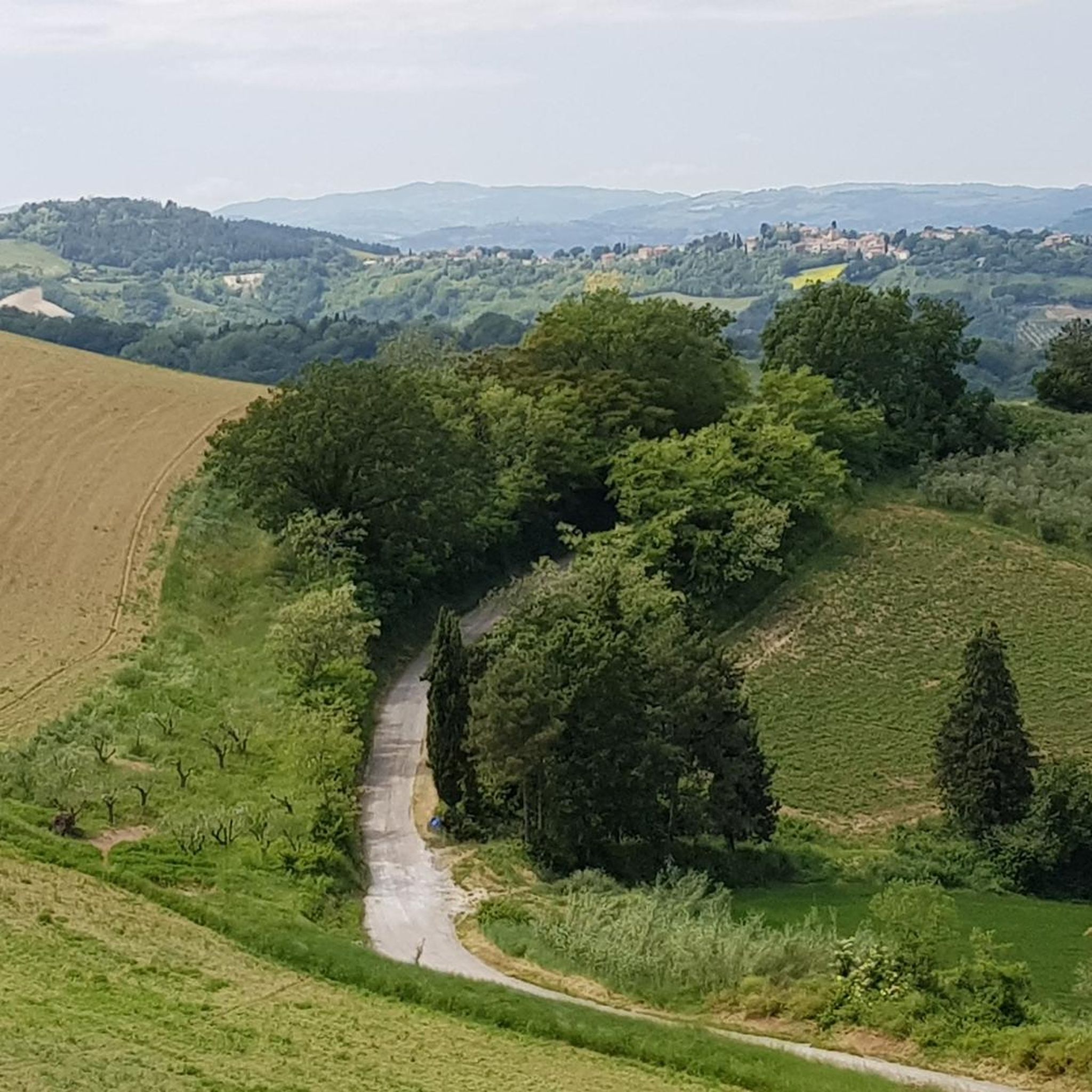
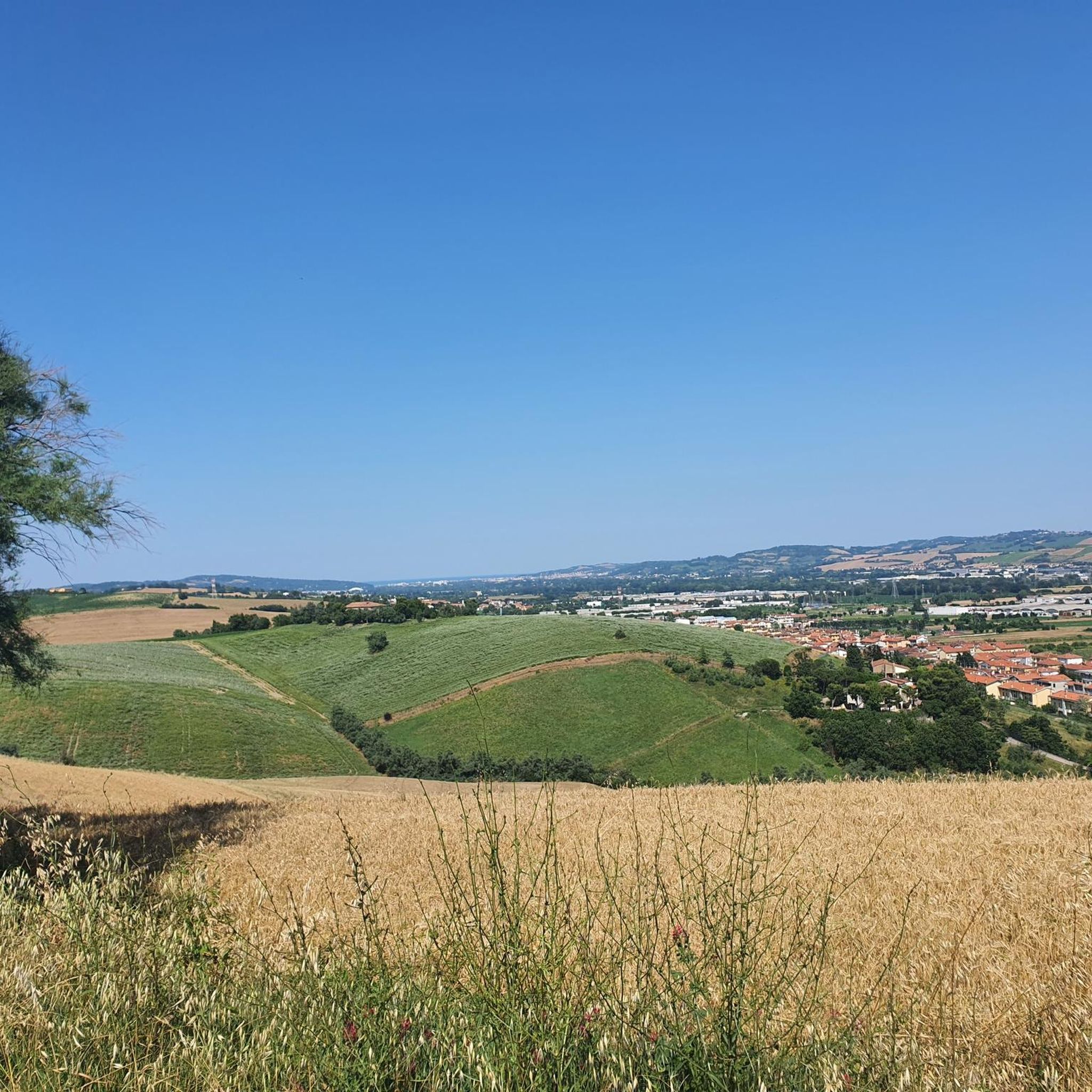
Tips from the Community

The castle preserves original furnishings, 15th-century frescoes, and a chapel with terracotta altarpieces. The structure is famous for its connection to the story of Paolo and Francesca, the two lovers mentioned by Dante in the Divine Comedy. The village is known for its double ring of walls and drawbridge, examples of medieval military architecture. The interior houses the courtyard of honor, the torture chambers, and the room attributed to the betrayal of the two young people.
1
0

Entering the medieval village of Gradara has its own charm...
1
0

Saludecio is registered in the Italian Association of Painted Villages because of the 50 splendid murals that color its streets.
0
0


Small village overlooking the sea
0
0

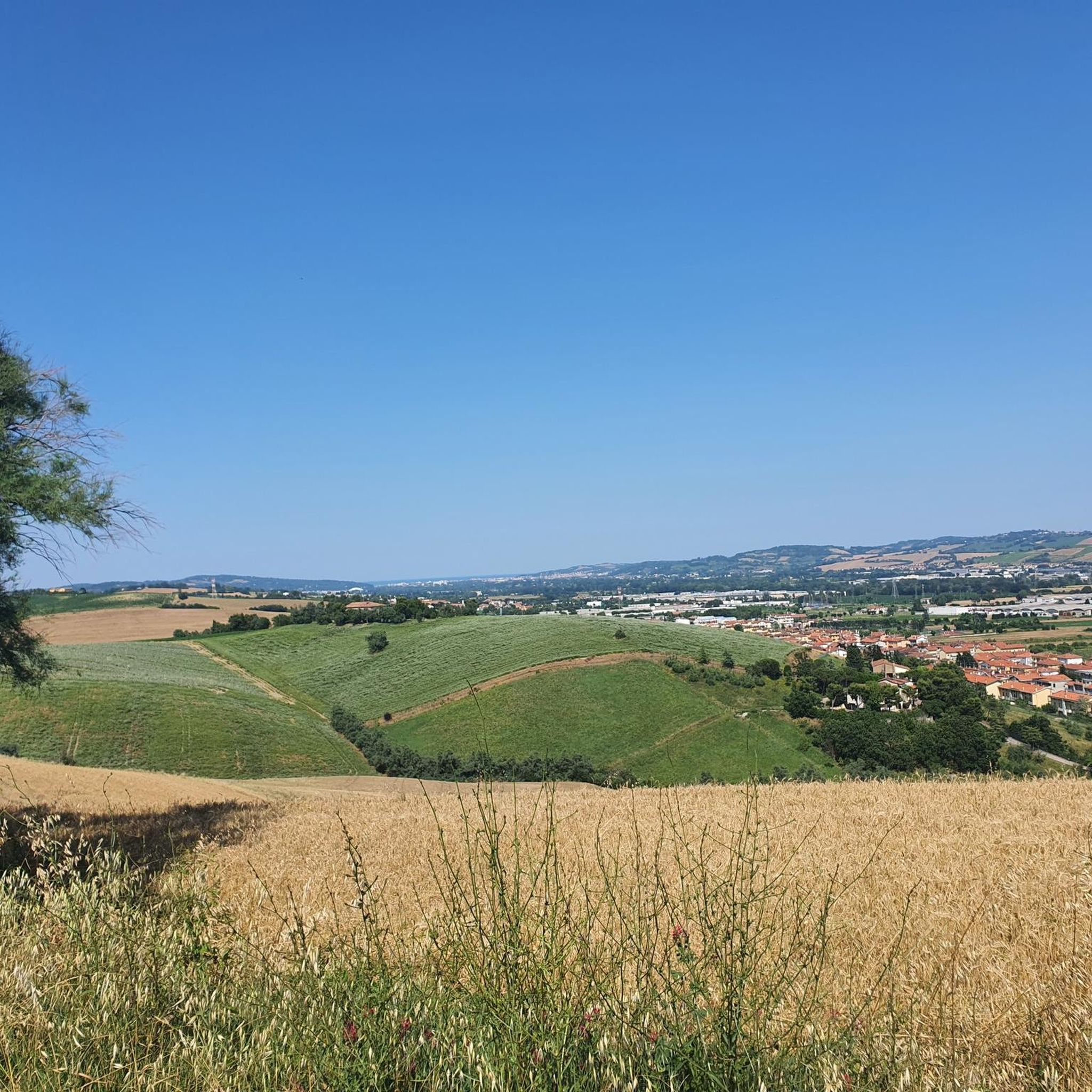
Montegridolfo is a beautiful village on the Romagna hills. It still keeps its ancient charm intact. In addition to the Malatesta Castle (14th century), you can visit the Museum of the Gothic Line, tangible evidence of the Second World War.
0
0

Beautiful village not far from the sea
0
0

It is one of the four castles (together with Casteldimezzo, Gradara and Granarola) built between the 10th and 13th centuries, in order to constitute an organic defensive system for the control of the Siligata pass, in the border area between the Church of Ravenna and the Pesaro Church first, and then between the Malatestas of Rimini and those of Pesaro. The village, originally called Fiorenzuola, took on the specification of Focara in 1889, probably due to the presence in ancient times of fires that signaled the position to sailors, or due to the presence of "fornacelle" where bricks and terracotta were cooked (from the Romagna dialect fuchèr or fughèr, i.e. fire to cook bricks). (Source: https://www.parcosanbartolo.it/luoghi/fiorenzuola-di-focara/ )
0
0
Frequently Asked Questions
What is the historical significance of Montelabbate's main castle?
The main castle in Montelabbate, Il Castello di Montelabbate, has a rich history dating back to the 12th century. It was initially built by Benedictine abbots for defense and later became a strategic stronghold under the Malatesta lordship. It played a role in the Battle of Monteluro in 1443 and was favored by Costanzo Sforza, who is credited with building its beautiful eastern keep. The castle showcases the architectural evolution from monastic defense to a Renaissance-era fortification.
What are some other notable castles to visit in the region around Montelabbate?
Beyond Montelabbate, the wider Pesaro Urbino region boasts several significant castles. You can explore the impressive Gradara Castle, known for its intact fortified citadel and the tragic love story of Paolo and Francesca. Other historical strongholds include Fortezza Albornoz, and the castles of Verucchio, Montebello, and Santarcangelo, each offering unique insights into the Malatesta lordship era.
Are there family-friendly castles or activities around Montelabbate?
Yes, several castles in the area are considered family-friendly. For instance, Fiorenzuola di Focara, Saludecio, Mondaino, Gradara Castle, and Montegridolfo are all categorized as suitable for families. These sites often offer historical exploration in charming village settings.
When is the best time to visit the castles around Montelabbate?
While specific seasonal weather for Montelabbate isn't detailed, generally, spring (April-June) and autumn (September-October) offer pleasant temperatures for exploring historical sites in Italy, avoiding the peak heat of summer and potential chill of winter. These periods are ideal for enjoying the outdoor aspects of the castles and the surrounding landscapes.
What outdoor activities can I do near these castles?
The region around Montelabbate offers various outdoor activities, particularly cycling and mountain biking. You can find numerous routes, such as the 'Gradara Castle – Monte San Bartolo Lighthouse loop' or the 'Cycle path to Pesaro – Cycle path between Pesaro and Fano loop'. For more options, explore the MTB Trails around Montelabbate, Gravel biking around Montelabbate, and Cycling around Montelabbate guides.
Can I visit the castles around Montelabbate with my dog?
While specific dog-friendly policies for each castle are not detailed, many outdoor areas and medieval villages in Italy are generally welcoming to dogs on a leash. It's advisable to check individual castle websites or local regulations for specific restrictions, especially for interior access. Exploring the surrounding trails and village exteriors with your dog is often possible.
What makes Fiorenzuola di Focara a unique castle destination?
Fiorenzuola di Focara is a medieval village nestled within the Monte San Bartolo natural park. It's renowned for its splendid panoramic views of the Adriatic Sea, especially from its scenic panoramic road. Its name is thought to be linked to ancient fires used for navigation, adding to its historical charm and unique coastal setting.
What can I expect when visiting Mondaino?
Mondaino features a fortress that was a crucial part of the Malatesta Lordship's defensive line. Visitors can observe its well-preserved external structure, supported by a powerful scarp wall and adorned with elegant Ghibelline battlements. The entire defensive system, including its 13 towers, was significantly strengthened by Sigismondo Malatesta during his rule, reflecting its strategic importance.
What is the historical significance of Saludecio?
Saludecio served as a vital Malatesta stronghold and a defensive bastion against Urbino. Its medieval structure, characterized by a maze of alleys and monumental access gates like the Marine Gate and Mountain Gate, clearly reveals its historical role. The town experienced alternating power between the Papal State and the Malatesta of Rimini during the 13th and 14th centuries.
Are there viewpoints around the castles in the Montelabbate area?
Yes, many castles in the region, including Fiorenzuola di Focara and Montegridolfo, are strategically located on hills, offering beautiful panoramic views of the surrounding landscapes and the Adriatic Sea. These historical sites were often chosen for their defensive advantages, which naturally provide excellent vantage points.
Is parking available at the castles around Montelabbate?
While specific parking details for every castle are not provided, most historical villages and castles in Italy typically have designated parking areas nearby, either paid or free. It's generally recommended to look for parking outside the historic centers, which are often pedestrian-only. For popular sites like Gradara Castle, specific parking lots are usually available for visitors.
Are the castles around Montelabbate ruins or restored?
The castles in the Montelabbate area present a mix of preserved structures and ruins. Il Castello di Montelabbate, for example, retains significant 15th-century walls and its main eastern keep, which underwent consolidation work in the early 1980s. Other sites like Gradara Castle are remarkably intact and well-preserved, offering a complete fortified citadel experience, while some annexed constructions might be in ruins.
Most popular routes around Montelabbate
Most popular attractions around Montelabbate

Get inspired with the komoot mobile app


Explore more
Looking for the best castles somewhere else? Discover other guides around Montelabbate:
