Top 6 Castles around Libourne
Best castles around Libourne are situated in a region known for its vibrant market town atmosphere and its position in the heart of a renowned wine region. Libourne is located near the confluence of the Isle and Dordogne rivers, offering a landscape rich in history and viticulture. The area features a blend of historical architecture, from medieval fortresses to elegant country estates. These structures provide insight into centuries of regional heritage and architectural evolution.
Best castles around Libourne
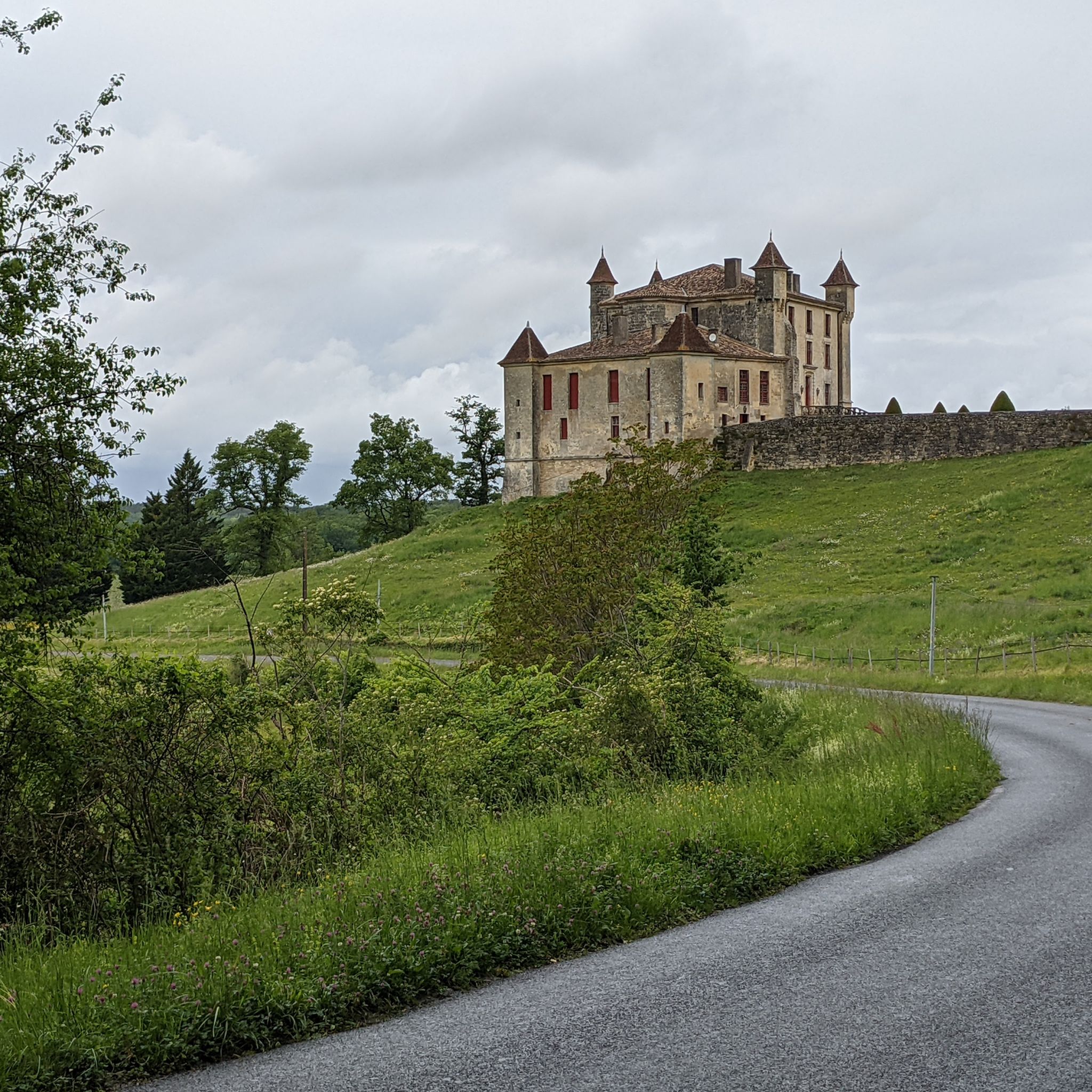
- The most popular castles is Château de Monbadon, a castle that is well hidden by relief and vegetation, revealing itself at the last moment. This 12th-century Romanesque church at its feet adds to its historical context.
- Another must-see spot is Château du Grand Puch, a historical site. This 14th-century castle offers insights into its architecture and history, with tours and tastings available by reservation.
- Visitors also love Château de Rauzan, a castle that was restored in the Gothic style after the Hundred Years War. Its polygonal enclosure, Gothic dwelling, and high cylindrical keep make it a notable historical site.
- Libourne is known for its fortified houses, medieval fortresses, and elegant country estates. Visitors can explore a variety of castles showcasing different architectural styles and historical periods.
- The castles around Libourne are appreciated by the komoot community, with 29 upvotes and 6 photos shared by visitors.
Last updated: August 25, 2026
Château Angélus
Highlight • Historical Site
Translated by Google •
Tip by

Rauzan Castle
Highlight • Castle
Translated by Google •
Tip by

Sign up now to discover places like this
Get recommendations on the best single tracks, peaks, & plenty of other exciting outdoor places.
Sign up for free
Château de Monbadon
Highlight • Castle
Translated by Google •
Tip by

Château du Grand Puch
Highlight • Castle
Translated by Google •
Tip by

Château Branda
Highlight • Castle
Translated by Google •
Tip by

Château Siran
Highlight • Castle
Translated by Google •
Tip by

Start today with a free account
Your next adventure awaits.
Login or Signup
Popular around Libourne
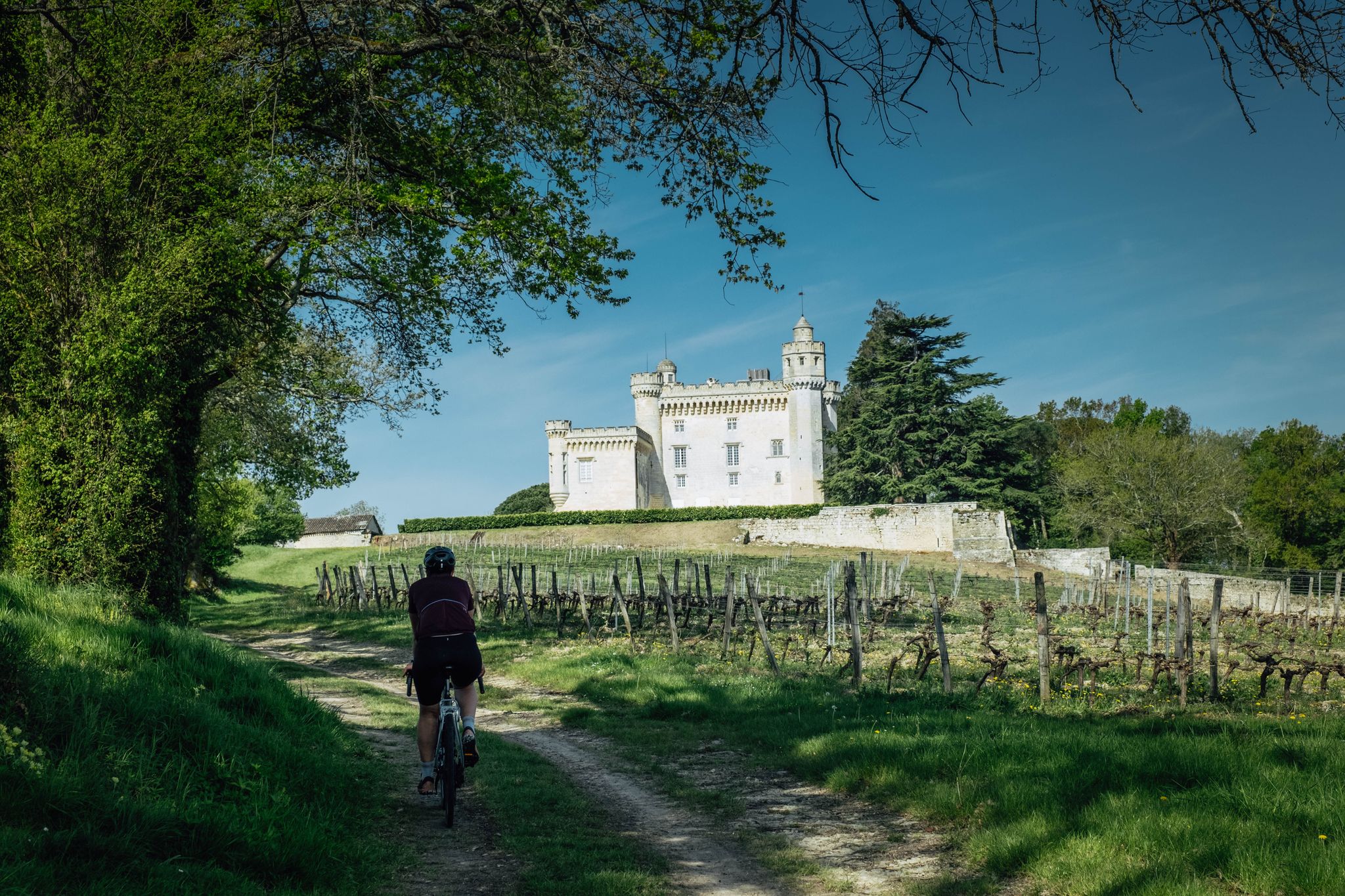
Exploring the Gironde – 10 gravel rides by train from Bordeaux
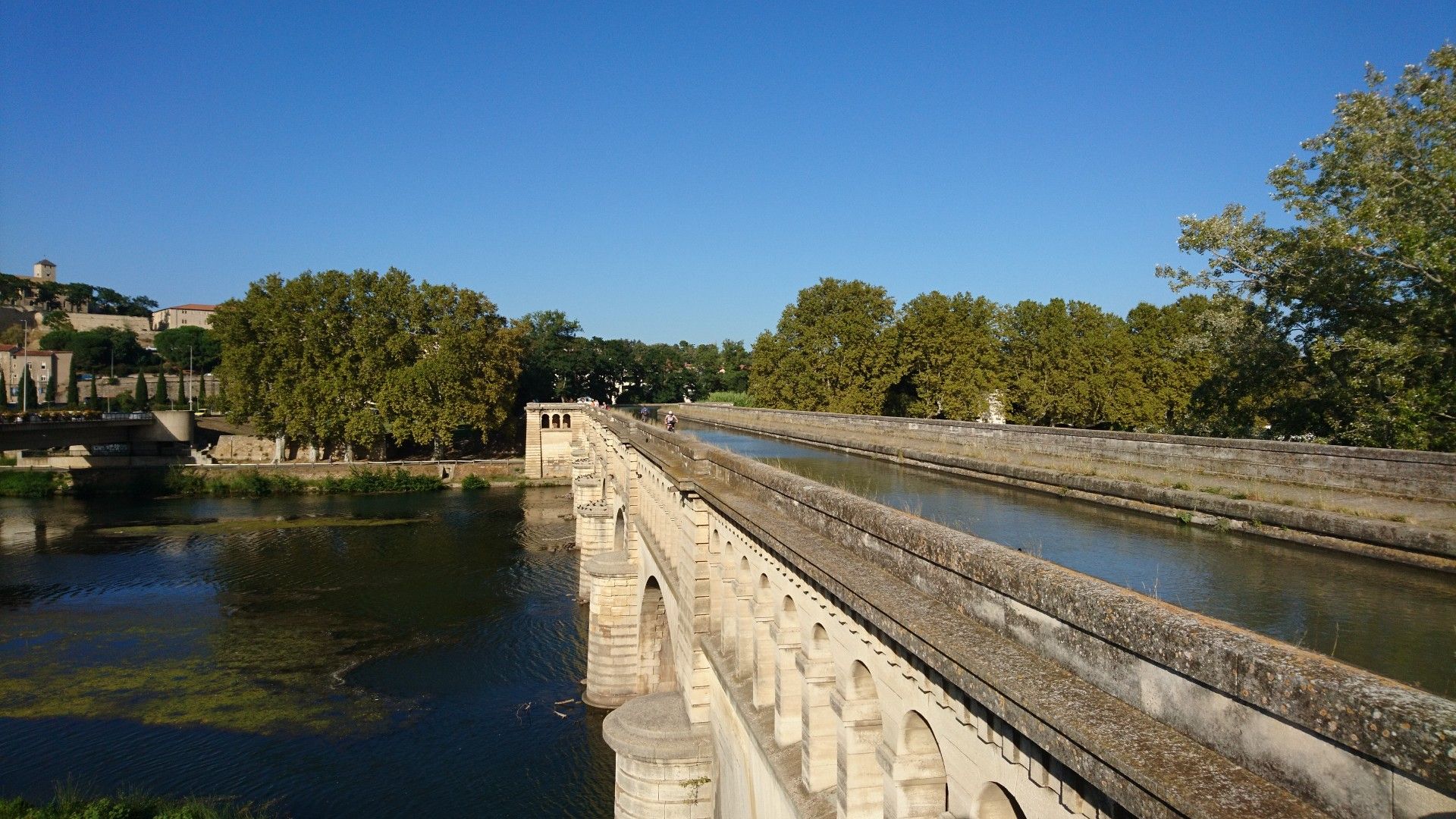
A river adventure – Canal des Deux Mers by bike
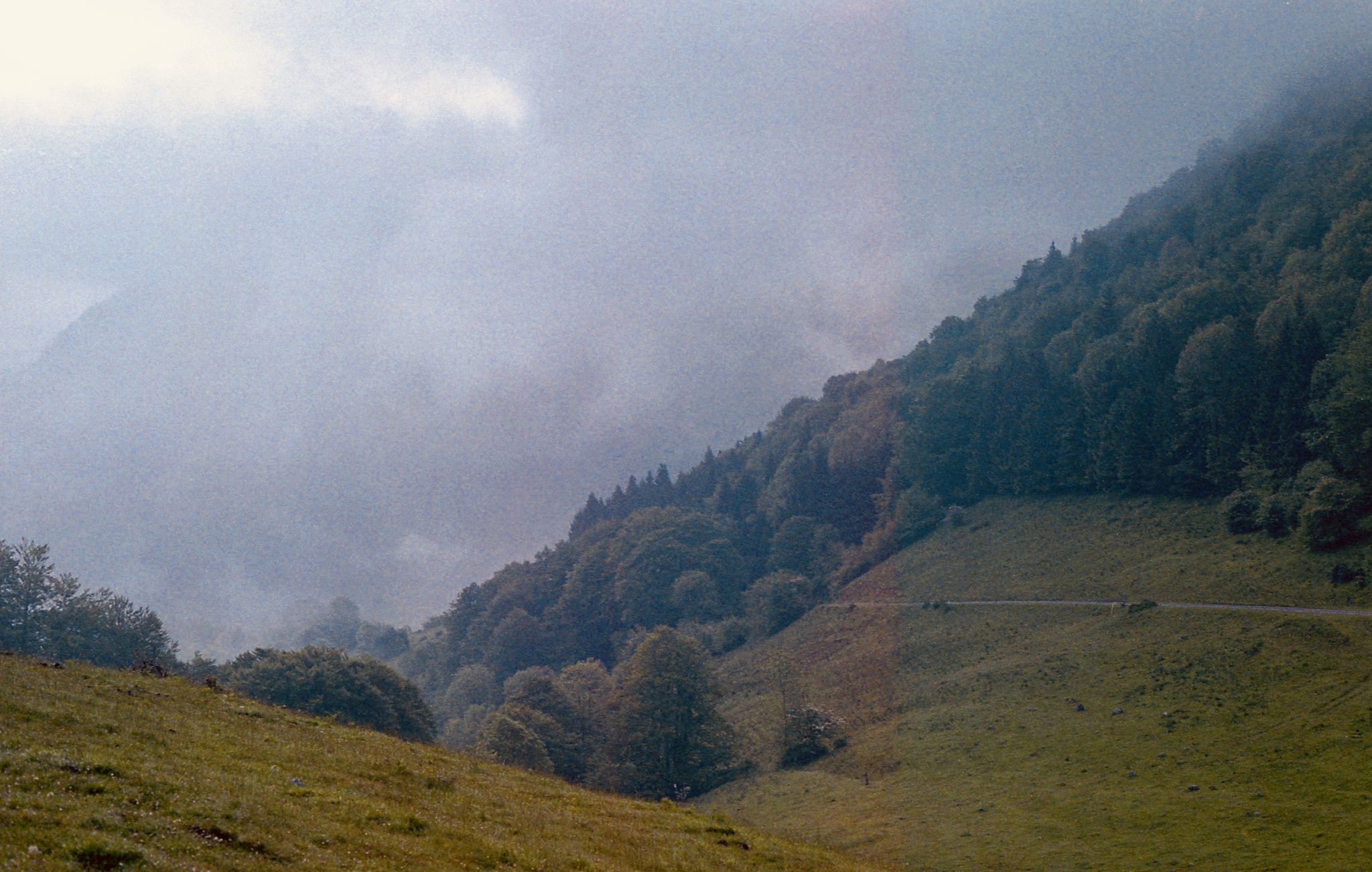
Tracing your route -- Solo from Paris to the edges of the Pyrenees
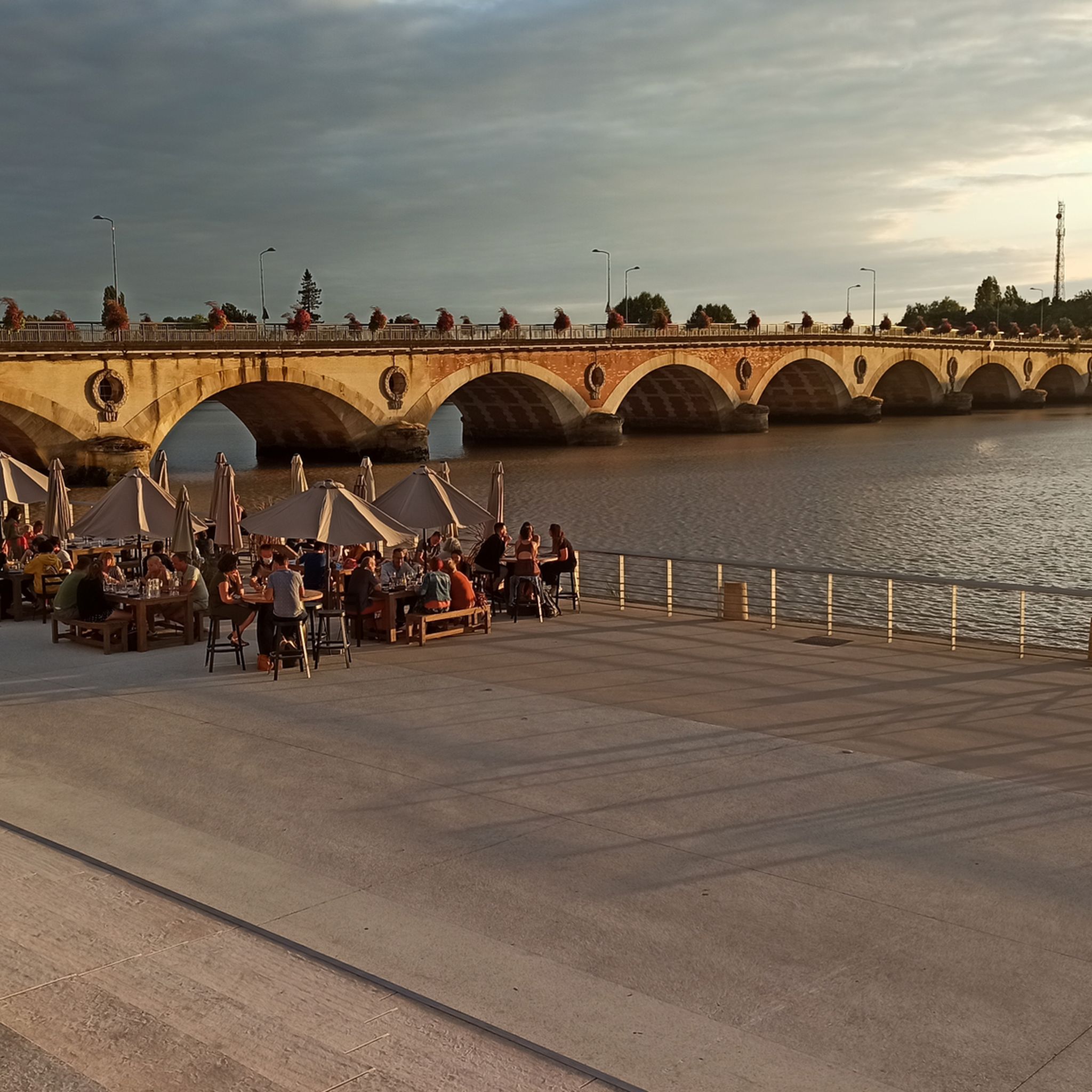
Cycling around Libourne
Road Cycling Routes around Libourne
Running Trails around Libourne
Hiking around Libourne

Gravel biking around Libourne
MTB Trails around Libourne
Other adventures around Libourne


Tips from the Community

Built by John Lackland, Duke of Normandy (1199-1204), Duke of Aquitaine (1199-1216) and King of England from 1199 to 1216, the castle was built on a rock occupied since antiquity. Witness to the Hundred Years' War, the castle of Rauzan was taken twice by the French, including by Bertrand Du Guesclin in 1377. Classified as a historic monument in 1862, it was only revived in people's minds from the 1970s onwards when the municipality of Rauzan, owner since 1900, and some enthusiasts of medieval architecture undertook clearing and restoration work. (sources Wikipedia)
1
0

Superb property of great classified growths.
1
1

This is the Château du Grand Puch, accessible via the Salleboeuf road. Opening hours: 9 a.m. to 6 p.m., Monday to Saturday. Plenty of information about the architecture and history of this 14th-century castle can be found on their website. Tours and tastings are available upon reservation; the price is €5.
0
0

Tarmac at first. No markings. We cross fields without really knowing if it's allowed.
0
0


Château Angélus, located in the heart of the prestigious Saint-Émilion vineyard, is a renowned wine estate that combines tradition and modernity. Surrounded by perfectly maintained vines, this iconic château offers a sumptuous setting where you can discover the art of winemaking for its Grands Crus Classés. The view of the vineyard from the château is simply magnificent, with its rows of vines stretching as far as the eye can see. Wine lovers will appreciate the guided tours and tastings.
2
0
Château Angélus, located in the heart of the prestigious Saint-Émilion vineyard, is one of the most famous Grands Crus Classés of Bordeaux. Nestled in the middle of perfectly maintained vines, a visit to the château allows you to discover the wine history of the region, its impressive cellars and its ultra-modern winery. Wine lovers will appreciate tastings of the refined vintages.
1
0

Interesting village for its medieval castle and the Célestine cave...
0
0
Frequently Asked Questions
Which castles near Libourne offer wine tasting experiences?
Several castles in the region combine historical visits with wine tasting. You can explore Château du Grand Puch, a 14th-century castle offering tours and tastings by reservation. Additionally, Château Siran is known for its beautiful garden and wine tasting opportunities. Château de Sales, located within the Pomerol appellation, also offers guided tours and tastings of its renowned Merlot-dominant wines.
Are there any family-friendly castles to visit around Libourne?
Yes, several castles cater to families. Château du Grand Puch and Château Siran are both listed as family-friendly. Château de Vayres, with its blend of architectural styles and impressive gardens, also offers a puzzle trail exploring the history of fortified castles, suitable for all ages.
What historical periods do the castles around Libourne represent?
The castles in the Libourne area span various historical periods. You can find medieval fortresses like the 13th-century Château de Rauzan and the 14th-century Château Branda. Château de Sales, originally a 15th-century fortified house, was transformed in the 17th century. Château de Vayres showcases a mix of medieval, Renaissance, and 17th-century architecture, while Château de Cadillac is a significant example of early 17th-century 'French style' architecture.
Can I find castles with unique architectural features or historical significance?
Absolutely. Château de Rauzan stands out with its polygonal enclosure and high cylindrical keep, restored in the Gothic style. Château de Vayres features a monumental double-helix staircase over the moat and a mix of medieval and Renaissance elements. Château de Roquetaillade is unique for having two fortresses within the same enclosure and features extraordinary 19th-century interior decorations by Viollet-le-Duc, considered early examples of Art Nouveau.
Are there any castles near Libourne known for their gardens or natural surroundings?
Yes, several castles boast beautiful gardens and natural settings. Château de Sales includes an 18th-century park with woods, an English garden, and a reflecting pool. Château de Vayres features elegant French gardens overlooking the Dordogne River. Château Siran is also noted for its beautiful garden. Château de Montaigne has a majestic park designed by the philosopher himself.
What outdoor activities can I do near these castles?
The region around Libourne offers various outdoor activities. You can find numerous road cycling routes, including the 'Saint-Émilion Vineyards and Châteaux Loop' and the 'Castle Loop'. For runners, there are 'Trails Through the Vineyards' and routes around local lakes. Mountain biking enthusiasts can explore trails like 'Boucle dans le Libournais'. You can find more details on these activities in the Road Cycling Routes around Libourne, Running Trails around Libourne, and MTB Trails around Libourne guides.
Which castles offer a glimpse into the life of famous historical figures?
Château de Montaigne, the family residence of the renowned Renaissance philosopher Michel de Montaigne, allows visitors to explore the Tower of Montaigne where he wrote his famous *Essays*. Château de Vayres has a long history, including ownership by King Henry IV. Château de Cadillac was built for the Duke of Épernon, a favorite of King Henri III, offering insight into the lives of French aristocracy.
Are there any hidden gem castles that are less known but worth visiting?
Yes, Château de Monbadon is described as a hidden gem, well concealed by relief and vegetation, revealing itself at the last moment like something from medieval dreams. It also has a 12th-century Romanesque church at its feet.
What are the typical opening hours or reservation requirements for visiting these castles?
Opening hours and reservation requirements vary by castle. For example, Château du Grand Puch is generally open from 9 a.m. to 6 p.m., Monday to Saturday, with tours and tastings available upon reservation. For Château de Sales, guided tours and tastings are available. It's always recommended to check the specific castle's website or contact them directly for the most current information, especially for guided tours or special events. For Château de Vayres, you can check their website for visiting hours and tour information: grandlibournais-tourisme.com.
Can I find castles that have been continuously inhabited by the same family for centuries?
Yes, Château de Sales has been owned by the same family for nearly five centuries, which is rare in the Bordeaux wine region. Château de Roquetaillade has been continuously inhabited by the same family for over 700 years, offering a unique sense of continuous heritage.
What kind of views can I expect from castles in the Libourne area?
Many castles offer picturesque views. Château de Vayres, situated on the banks of the Dordogne River, provides elegant French gardens overlooking the river. Château de Monbadon offers a great sight when approaching, revealing itself dramatically from the landscape. The region's position in a renowned wine area also means many castles are surrounded by vineyards, offering scenic vistas.
Are there any castles that have served different purposes throughout their history?
Château de Cadillac provides a fascinating example of a castle with a dual history. Built as a grand ducal palace in the early 17th century, it later served as a women's prison from the 19th century until the 1950s. This transformation is documented within the castle, offering a unique historical perspective.
Most popular routes around Libourne
Most popular attractions around Libourne

Get inspired with the komoot mobile app


Didn’t find what you were looking for?
Explore Libourne’s best castles region by region:
Explore more
Looking for the best castles somewhere else? Discover other guides around Libourne:
