Top 5 Castles around Hucking
Castles around Hucking offer a glimpse into centuries of history within the natural beauty of Kent. While Hucking itself is known for its woodlands and walking trails, the surrounding area features several significant historical fortresses. These sites provide diverse historical experiences, from grand estates to ancient ruins, set amidst the Kent Downs. The region combines historical exploration with opportunities for outdoor activity.
Best castles around Hucking
- The most popular castles is Leeds Castle, a castle described as the ‘loveliest…
Last updated: June 28, 2026
Leeds Castle
Highlight (Segment) • Castle
Tip by

Thurnham Castle Ruins
Highlight • Historical Site
Tip by
Sign up now to discover places like this
Get recommendations on the best single tracks, peaks, & plenty of other exciting outdoor places.
Sign up for free
Ruins of Sutton Valence Castle
Highlight • Viewpoint
Tip by
Leeds Castle Entrance Gate
Highlight • Castle
Tip by

View of Leeds Castle from Great Water Footpath
Highlight • Historical Site
The castle is a grade 1 listed building. It's been here …
Tip by

Start today with a free account
Your next adventure awaits.
Login or Signup
Tips from the Community

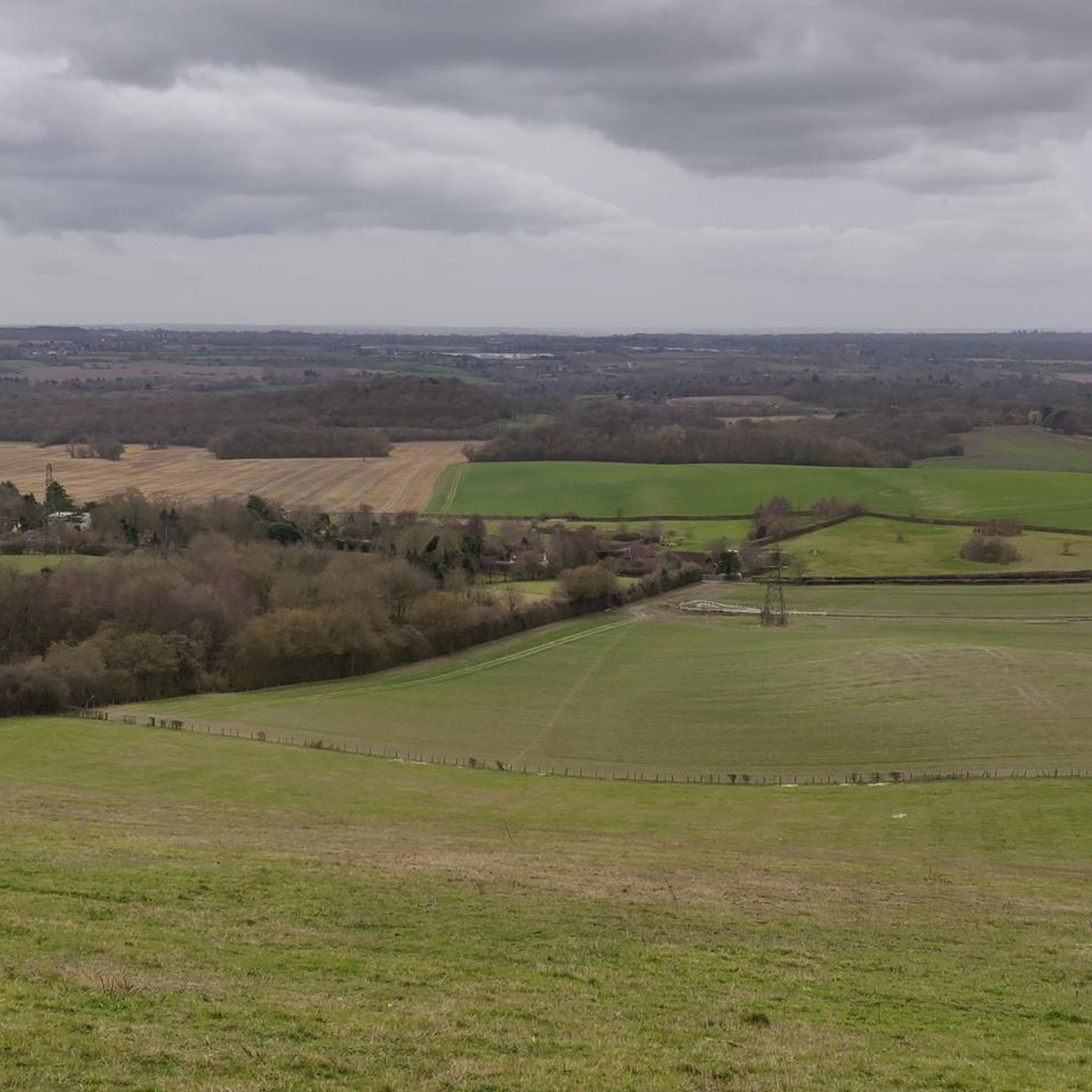
This footpath follows the southern shore of Great Water and offers wonderful, free to access views of Leeds Castle. The castle is a grade 1 listed building. It's been here since 857 and has been the favourite residence of several monarchs. The present castle is mostly 19th century. It was left to the public in 1976 and open for visits.
0
0

Has become expensive for a day out. The bridleway can take your through the grounds without paying but you’ll miss all the details.
0
0

Maybe obvious to others, but because some of the signage was missing/hidden when we visited didn't realise that the public footpath intersects with the castle grounds which is private and which you must pay in order to use. The grounds are very pretty, but the entry ticket seem very expensive to me. You can still get nice views of the castle and grounds from the public footpath as well.
1
1


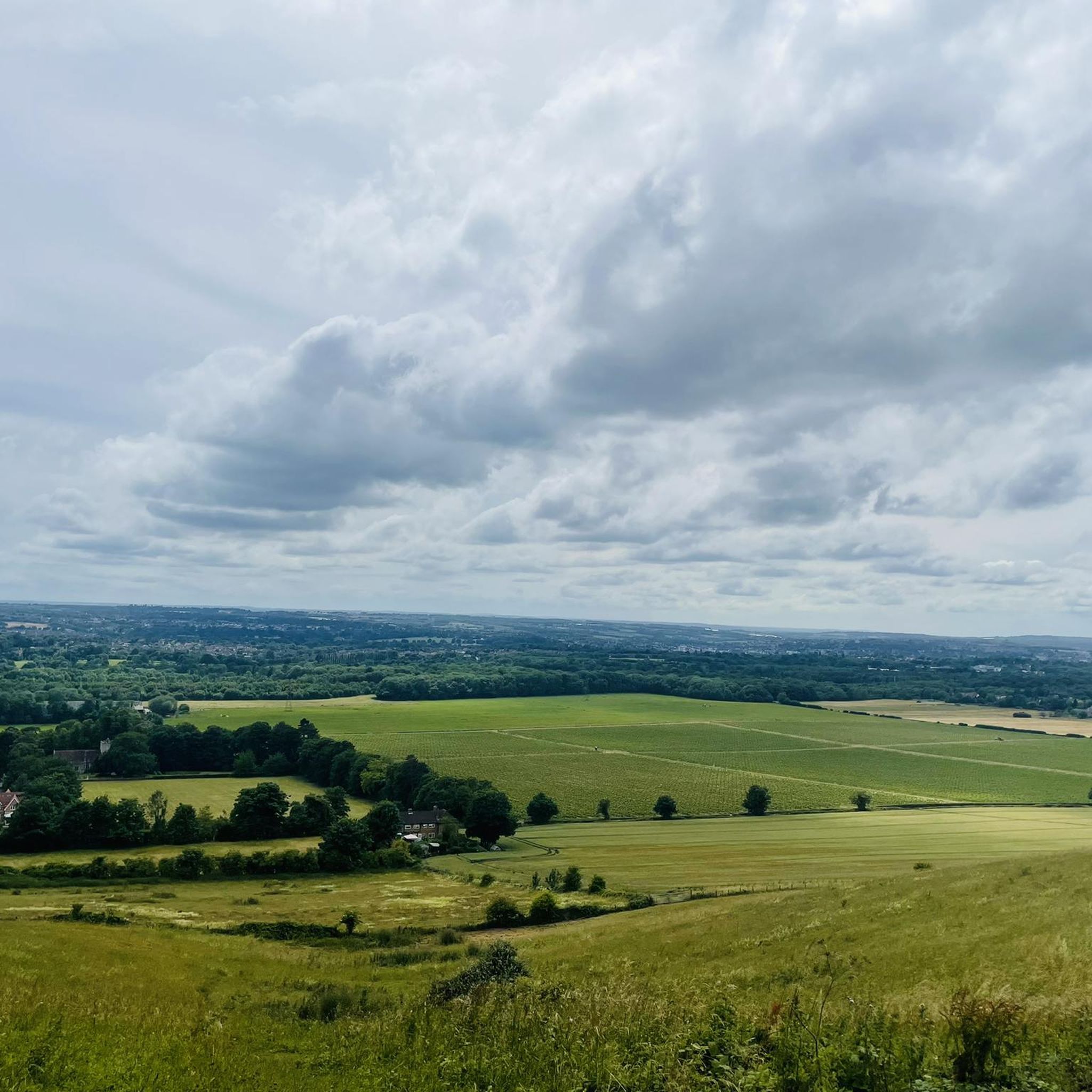
Sutton Valence Castle is a ruined Norman keep that was built in the 12th century. From 1238, the strongly-defended castle was owned by Simon de Montfort, who led the baronial rebellion against Henry VIII. When de Monfort was killed at the Battle of Evesham in 1265, Henry III gave the castle to his half-brother William de Valence, as a reward for his loyalty. From the castle, you get an incredible panorama over East Sussex and the Weald of Kent. The castle, which is owned by English Heritage, is free to enter during daylight hours.
2
0

Leeds Castle was in its long history a Norman stronghold, the private residence of 6 English queens of the Middle Ages (Eleanor of Castile, Margaret of France, Isabella of France, Joan of Navarre, Anna of Bohemia and Katharina de Valois), a palace of Henry VIII and his first wife, Catherine of Aragon, in Jacobean times a country estate and a Georgian mansion. In the 20th century the castle was an elegant retreat and today Leeds Castle is one of the most visited attractions in the UK. Leeds Castle has Norman foundations, a medieval gatehouse; The Gloriette was built by Edward I and expanded in the times of Henry III, there is a Tudor tower and a 19th century country house. The first castle was built by the Norman Baron Robert de Crevecoeur in 1119, at the time of Henry I, the son of William the Conqueror, on an island in the River Len. In 1278, one and a half centuries later, it came into the possession of Queen Eleanor, the wife of Edwards I. For the next 300 years, the castle was a royal residence and part of the Wittum of the English queens.
7
0
Described as the ‘loveliest castle in the world’, Leeds Castle is a grandiose fortress nestled in picturesque countryside and surrounded by water. It is not just rich in beauty, though. Leeds Castle has a very rich history. It has been a Norman stronghold; the private property of six of England’s medieval queens; a palace used by Henry VIII and his first wife Catherine of Aragon; a Jacobean country house; a Georgian mansion; an elegant early 20th century retreat for the influential and famous; and in the 21st century, it has become one of the most visited historic buildings in Britain. Entry costs £26 for adults, £17.50 for children, and children under four-years-old can visit for free. Once you have bought a ticket, you can visit as many times as you like in the following year. For opening times and more information, visit: https://www.leeds-castle.com.
3
0
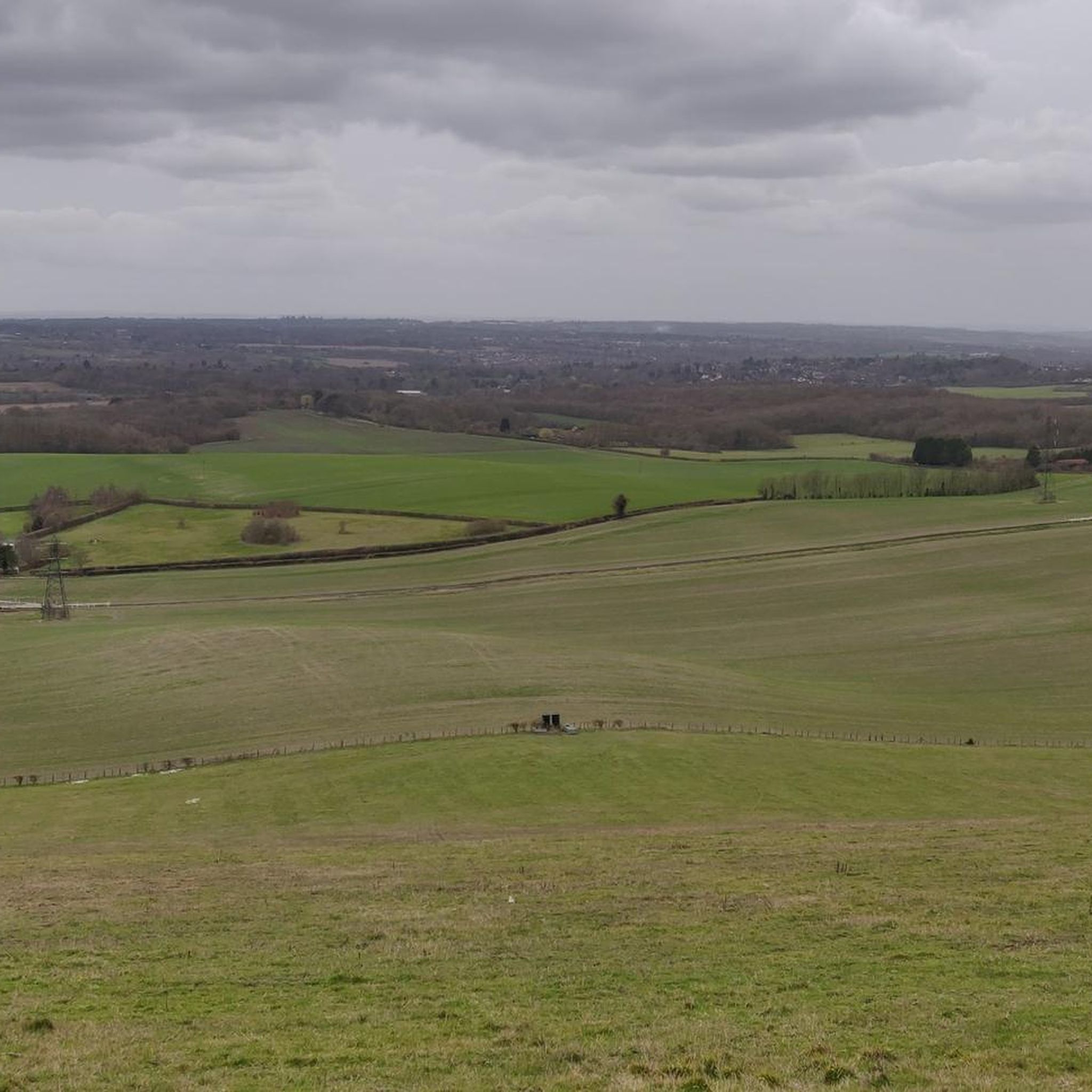
The ruins of Thurnham Castle are a wonderful place to explore. Whilst the remains of the low stone walls are much overgrown, you can really step back in time here. The site has been used as a fortification and watchtower since Roman times. The Saxons then developed the site into Godard Castle. During the 12th century, the fortress belonged to the de Say family and then the de Thurnhams. A Charter in 1215 mentions the lands within the walls of the castle, which may indicate that it was already in ruins by then.
2
0
Frequently Asked Questions
What historical castles can I visit near Hucking?
You can explore several historical castles. Leeds Castle, often called the 'loveliest castle in the world,' has a rich history as a Norman stronghold and royal residence. The atmospheric Thurnham Castle Ruins offer a glimpse into Roman and Saxon fortifications. Additionally, the Ruins of Sutton Valence Castle, a 12th-century Norman keep, provide panoramic views over the Kent Weald.
Are there family-friendly castles to visit around Hucking?
Yes, Leeds Castle is highly recommended for families. It offers extensive grounds, a maze, a grotto, and activities like Go Ape. The entry ticket allows multiple visits within a year, making it a great value for families. The Ruins of Sutton Valence Castle are also considered family-friendly and are free to enter during daylight hours.
Can I combine a castle visit with outdoor activities like hiking or cycling?
Absolutely. The area around Hucking is excellent for combining historical exploration with outdoor activities. You can find numerous hiking routes, such as the easy Hook & Hatchet Inn loop from Hucking, or explore cycling paths like the Bearsted Woodland Trust loop. Many routes pass near or offer views of the castles, especially the View of Leeds Castle from Great Water Footpath.
What is the best way to experience Leeds Castle without paying for entry?
You can enjoy wonderful, free-to-access views of Leeds Castle from the Great Water Footpath. This path follows the southern shore of Great Water, offering a picturesque perspective of the Grade 1 listed building.
Are there any hidden gem castles or lesser-known historical sites near Hucking?
While not exactly 'hidden,' the Thurnham Castle Ruins offer a more rugged and less commercial experience compared to Leeds Castle. These overgrown low stone walls provide a chance to step back in time and imagine its ancient past, having been used as a fortification since Roman times. It's a great spot for those interested in exploring history amidst nature.
What kind of views can I expect from the castles in the Hucking area?
From the elevated position of the Ruins of Sutton Valence Castle, you can enjoy an incredible panorama over East Sussex and the Weald of Kent. Leeds Castle, set within picturesque countryside and surrounded by water, offers stunning scenic views of its grounds and the surrounding landscape.
How long should I plan for a visit to the castles near Hucking?
A visit to Leeds Castle can easily take a full day, especially if you explore its extensive grounds, maze, and other activities. For the ruins like Thurnham Castle Ruins or Sutton Valence Castle, you might spend 1-2 hours exploring the site itself, often combined with a longer walk or hike in the surrounding Kent Downs.
Are the castle sites around Hucking accessible by public transport?
While Hucking itself is primarily known for its natural beauty and woodlands, accessing the castles often requires a combination of public transport and local travel. It's advisable to check specific routes and schedules for each castle, as direct public transport links might be limited, especially to the more rural ruin sites.
What is the best time of year to visit the castles near Hucking?
The castles are enjoyable year-round. Spring and summer offer lush greenery and pleasant weather for exploring gardens and grounds, while autumn brings beautiful foliage. Winter can provide a more atmospheric experience, especially at the ruins, though some facilities might have reduced hours. Always check specific castle websites for seasonal opening times.
Are there any dog-friendly options when visiting castles near Hucking?
While specific castle interiors might have restrictions, the outdoor areas and surrounding walking trails are generally dog-friendly. For instance, the Kent Downs area, where Thurnham Castle Ruins are located, offers many walking opportunities suitable for dogs. Always check individual castle policies regarding dogs on their grounds.
What are the historical highlights of Leeds Castle?
Leeds Castle has a remarkably rich history. It began as a Norman stronghold, served as the private property of six medieval English queens, and was a palace for Henry VIII and Catherine of Aragon. Over centuries, it transformed through various architectural styles, from a Jacobean country house to a Georgian mansion, making it one of Britain's most visited historic buildings today.
Can I find mountain biking trails near the castles around Hucking?
Yes, the region offers mountain biking opportunities. You can explore various MTB trails around Hucking, such as the 'Maidstone to Kings Hill loop' or the 'Lenham Cross – Pilgrims' Way loop'. These routes provide a great way to experience the natural landscape while being in the vicinity of historical sites.
Most popular attractions around Hucking

Get inspired with the komoot mobile app


Explore more
Looking for the best castles somewhere else? Discover other guides around Hucking:
