Top 10 Castles around Langemark - Poelkapelle
Best castles around Langemark - Poelkapelle offer insights into a region deeply marked by its World War I history. This area in West Flanders features historical structures that reflect significant reconstruction efforts following the conflict. Visitors can explore sites that combine historical significance with tranquil natural surroundings, such as pond parks and forests. The landscape provides a backdrop for understanding the resilience and renewal of the community.
Best castles around Langemark - Poelkapelle
- The most popular castles is Blankaart Castle…
Last updated: June 28, 2026
Blankaart Castle
Highlight • Castle
Translated by Google •
Tip by

Vredesmolen (Peace Mill) Klerken
Highlight • Monument
Translated by Google •
Tip by

Sign up now to discover places like this
Get recommendations on the best single tracks, peaks, & plenty of other exciting outdoor places.
Sign up for free
Polderhoek Château (Lost Castle)
Highlight • Historical Site
Translated by Google •
Tip by

Zonnebeke Castle Domain and Memorials
Highlight • Castle
Translated by Google •
Tip by

Castle of Beselare
Highlight • Historical Site
The decline began in the second half of …
Translated by Google •
Tip by
Sign up for free to discover even more castles around Langemark - Poelkapelle.
Sign up for free
Already have an account?
Start today with a free account
Your next adventure awaits.
Login or Signup
Popular around Langemark - Poelkapelle
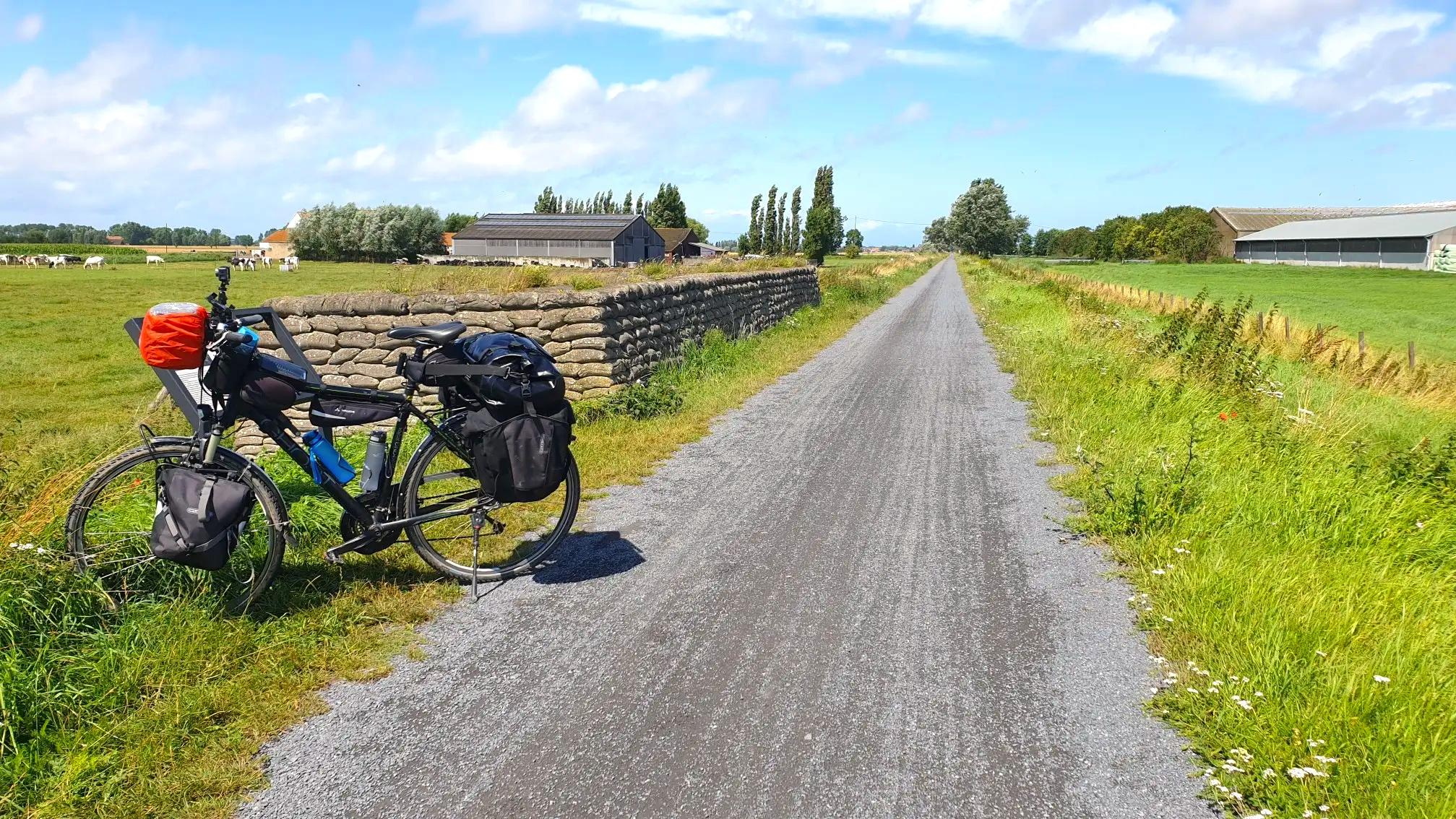
Cycling along the Belgian front - 14-18 Western Front Route
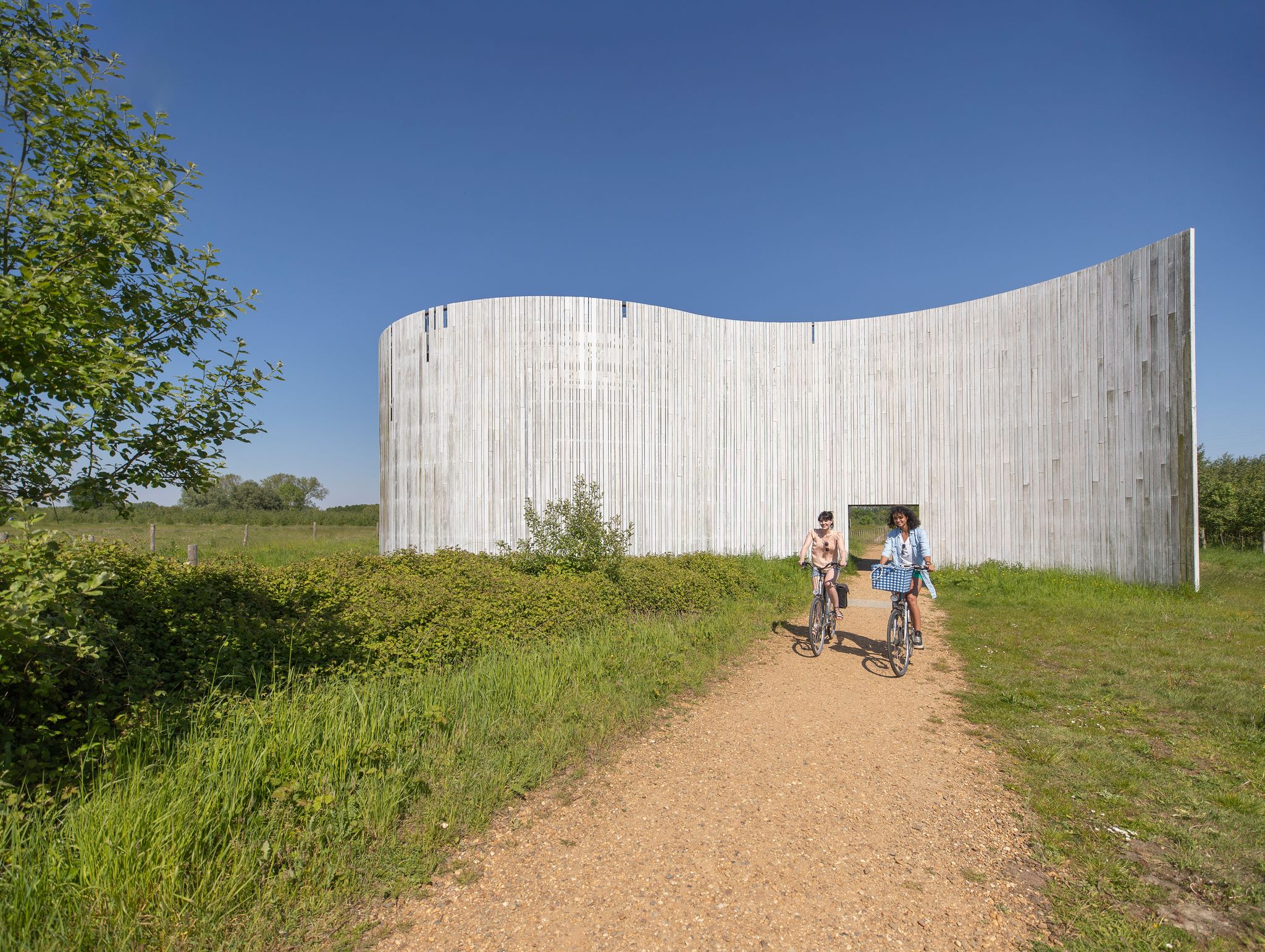
Flanders by bike – the Iconic Cultural Cycle Routes
MTB Trails around Langemark - Poelkapelle
Hiking around Langemark - Poelkapelle

Gravel biking around Langemark - Poelkapelle
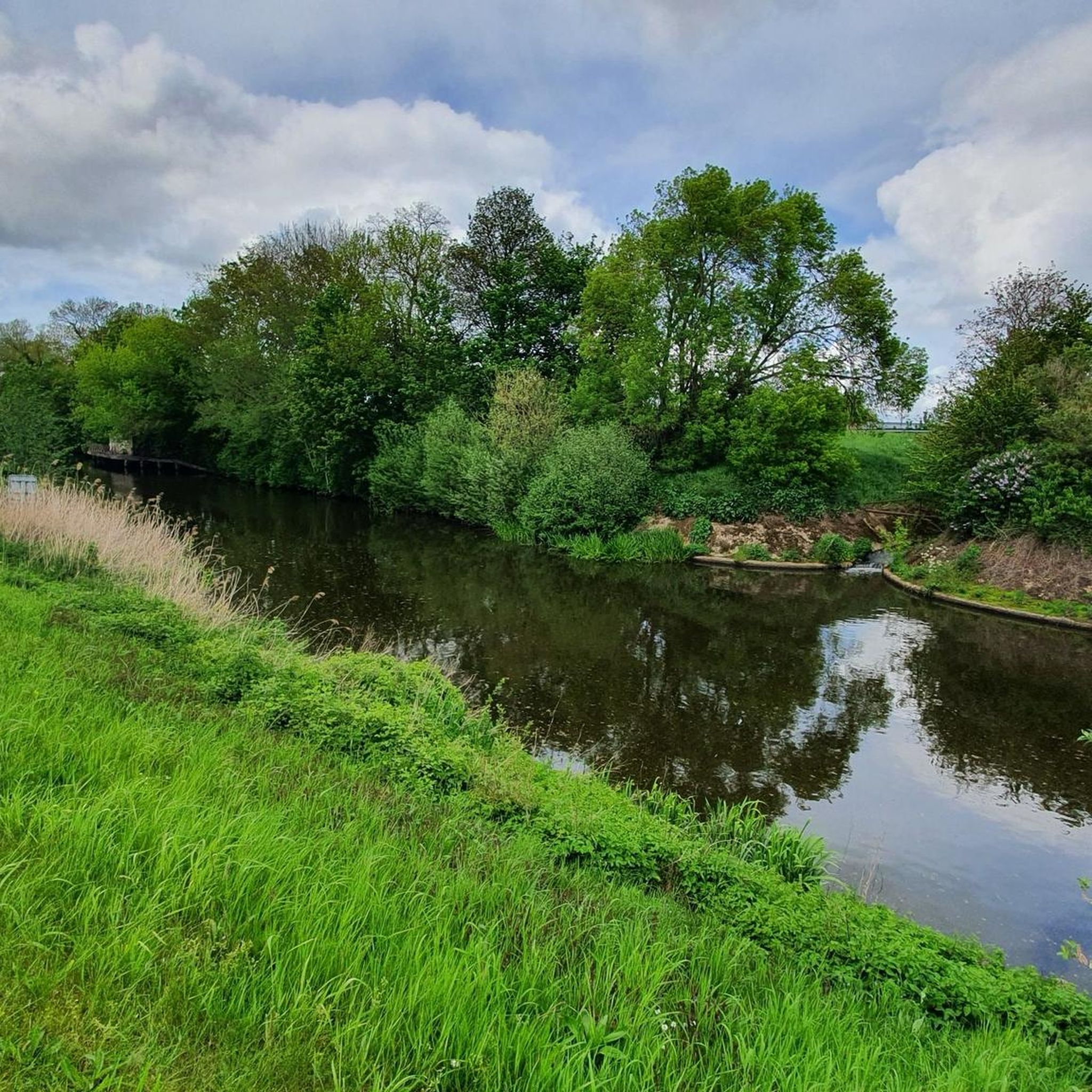
Cycling around Langemark - Poelkapelle
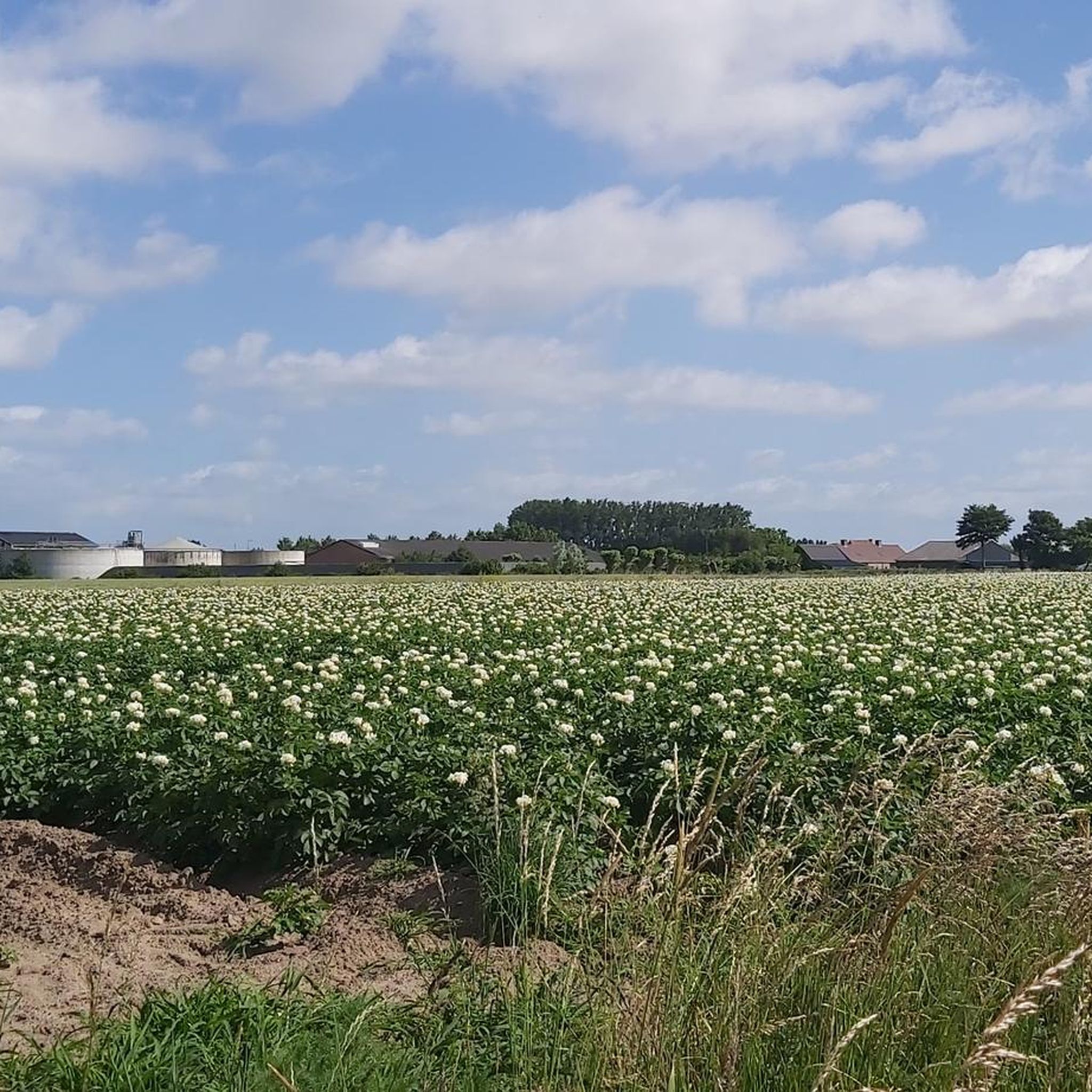
Road Cycling Routes around Langemark - Poelkapelle
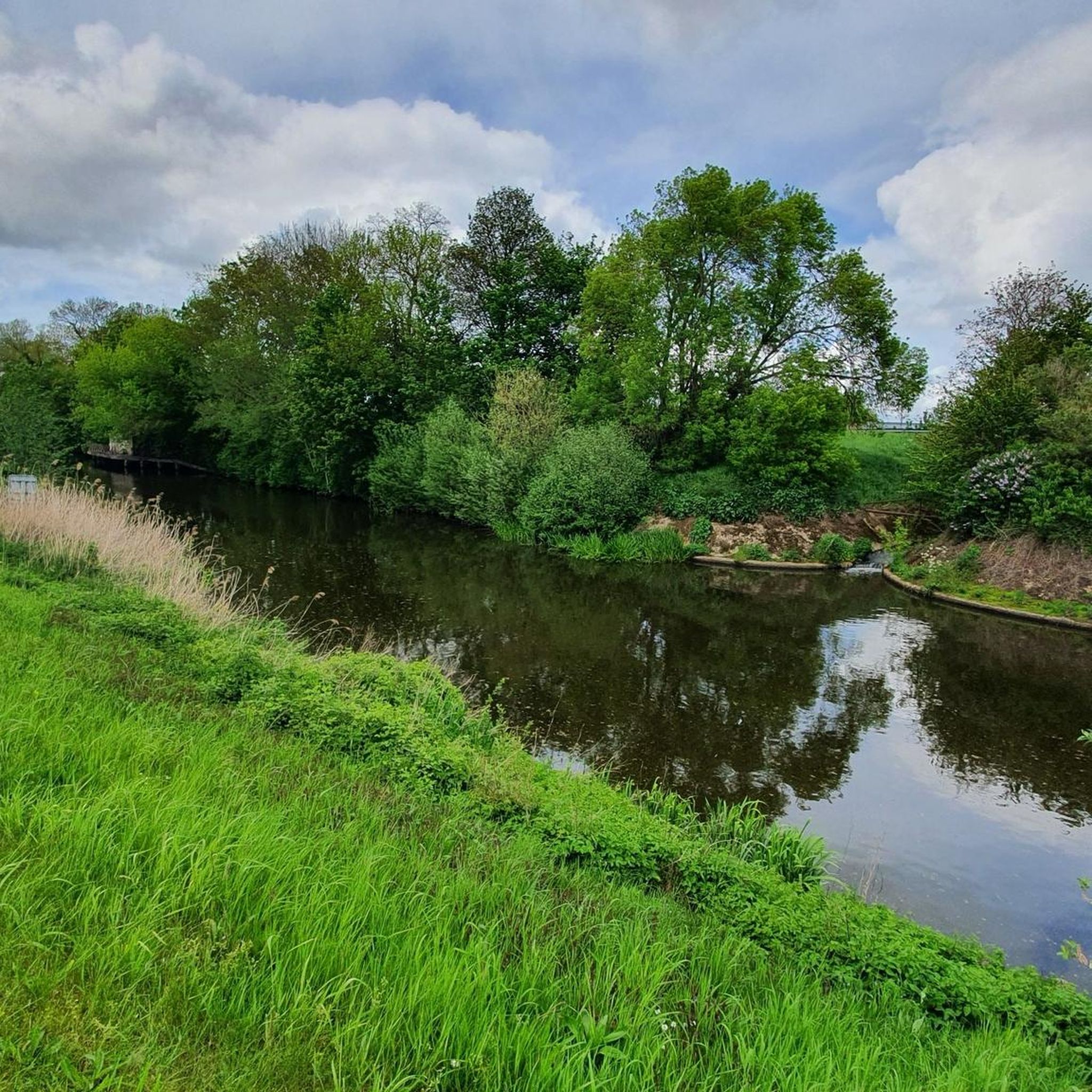
Running Trails around Langemark - Poelkapelle
Other adventures around Langemark - Poelkapelle


Tips from the Community

you should definitely go in there, if only for a cup of coffee. The place is an info about the plan map which only gives interesting facts
0
0

Zonnebeke, a charming municipality in West Flanders, is a place where history and nature come together. Known for its role in the First World War, it is home to impressive memorial sites such as Tyne Cot Cemetery, the largest British military cemetery in the world. In addition to its historical significance, Zonnebeke offers beautiful landscapes and recreational routes, ideal for a trip through the rolling Flemish countryside. The Zonnebeke Castle Estate is an absolute must, where you can not only enjoy the green surroundings, but also take a culinary break at Koklikoo, a charming place for lunch, coffee and sweet temptations.
7
0

The Polderhoek is currently a forgotten piece of land near the A19 motorway, next to the Witches Monument. It is almost unthinkable, but during the war there was a beautiful park in the Polderhoek valley. The southern Polderhoek Castle stood in the middle of the park. The Polderhoek Castle, popularly known as the “Flower Castle”, was one of the most beautiful castles in the region. The castle was built around 1850, was over 30 hectares in size and had Italian architectural influences. From the beginning of the First World War, the beautiful park was occupied by the Germans. In 1914, the front ran right through it and the park was then on German territory. On 4 October 1917, British troops succeeded in taking the northeastern part of the park. However, they did not get any further and the offensive was stopped on the ridge. The entire area was shot to pieces and the Reutelbeek, which flowed through the park, formed a wide swamp. Triggered? Want to know more about the war past? Click through to https://www.toerismezonnebeke.be/nl/zien-en-doen/polderhoek-chateau-verdwenen-kasteel/
1
0

The Blankaart is freely accessible from sunrise to sunset. The visitor centre (currently still in the castle, but will 'soon' move to a new building closer to the car park) is open at least every week from Wednesday to Sunday from 1:30 to 4:30 p.m.
3
0
The castle's coach house has been the workshop or studio for Natuurpunt volunteers who are involved in nature management on the Blankaart for years. Natuurpunt was able to purchase that site in 2011. Natuurpunt volunteers provide permanent staff in the visitors' centre in the castle. They provide reception, provide information to visitors and run a small cafeteria. This year, work will start on a new studio and a new reception in the visitors' domain. Because it also became apparent that restoring the studio was not feasible, we decided with Natuurpunt to demolish the studio and build something new there with a dual function: studio and reception. After all, the accessibility of the current visitors' centre is literally insufficiently accessible: you have to overcome quite a few (fairly high) stairs. The new building in a wooden frame is very close to the car park, will only be on the ground floor and visitors will be guided from the car park past the reception. Source: https://www.nieuwsblad.be/cnt/dmf20231005_95097412
3
0
Although the fame of this place as "Peace Mill" refers to the First World War (a monument value that only acquired its current form in the summer of 2013), the history of the mill goes back to the third quarter of the 18th century. In 1766, a wooden post mill was built here. In 1879, the then owner replaced the wooden mill with the stone tower mill, supplemented a year later with a steam engine (in an outbuilding), so that milling could also take place when there was no wind. The current outbuilding dates from after WWI (1920).
4
0

The Vredesmolen (also "Old mill", "Van Couillie's mill" or "Shooted mill") is a former windmill in the Belgian village of Klerken (Houthulst). The former wooden grain and oil mill is located at the highest point of the village (43 meters) and was therefore used as a lookout post by the Germans during the First World War. During the final offensive it was captured by the Allies, but the Germans had already left the mill via an underground passage. The mill is a rare example of a mill ruin and became a protected monument on April 1, 1999. On the same date it also received its official name "Peace Mill". source: https://nl.wikipedia.org/wiki/Vredesmolen
0
0

Frequently Asked Questions
What kind of historical sites can I expect to find around Langemark - Poelkapelle?
The region is rich in sites reflecting its World War I history and subsequent reconstruction. You'll find structures like Blankaart Castle, which was rebuilt after WWI, and the Vredesmolen (Peace Mill) Klerken, a former German lookout post now serving as a war memorial. The Kasteel Cotteau de Patin, now the town hall, also showcases the area's resilience after wartime destruction.
Are there any castles that offer insights into the post-WWI reconstruction period?
Yes, several sites highlight this period. Blankaart Castle was meticulously rebuilt between 1925 and 1929, respecting its original appearance. The Boskasteel, a protected monument, is a notable 'model reconstruction farm' that exemplifies the architectural and agricultural styles of the post-war era.
What natural features can I explore near these historical sites?
Many sites are integrated with natural beauty. Blankaart Castle is located within the recognized nature reserve De Blankaart, featuring a pond formed by peat extraction, a wide reed collar, and a willow forest, home to rare birds. The Kasteel Cotteau de Patin is surrounded by the tranquil Vijverpark (pond park), which is open to the public.
Can I find good viewpoints near the castles in Langemark - Poelkapelle?
Absolutely. The Vredesmolen (Peace Mill) Klerken, situated at the highest point of the village, offers expansive views of the Heuvelland, including the Kemmelberg, polders, and even the distant coastline on clear days. It functions as a lookout tower and war memorial.
Are there family-friendly historical sites or activities in the area?
Yes, the Zonnebeke Castle Domain and Memorials is a great option, offering beautiful landscapes and recreational routes suitable for families. The domain also hosts the Passchendaele Museum, providing an educational experience about WWI. The Vijverpark around Kasteel Cotteau de Patin also provides a pleasant green space for families.
What outdoor activities, like cycling or running, can I do near the castles?
The region offers various outdoor activities. For gravel biking, you can explore routes like the 'West-Vlaamse Heuvels Red MTB Loop' or 'The Palingbeek & Kemmelberg loop from Ypres'. If you prefer running, there are several trails, including a 'Running loop from Langemark-Poelkapelle' and a 'Trail between woods and fields' near the Guynemer Memorial. You can find more details on these routes in the Gravel biking around Langemark - Poelkapelle and Running Trails around Langemark - Poelkapelle guides.
Are there any castles that are now used for other purposes?
Yes, the Kasteel Cotteau de Patin, originally a 19th-century castle, was rebuilt after WWI and has served as the town hall of Langemark-Poelkapelle since 1959. This transformation reflects the community's recovery and adaptation.
What is the significance of the <a href="https://www.komoot.com/highlight/5430557" target="_blank" rel="noopener">Castle of Vlamertinge</a>?
The Castle of Vlamertinge is a 19th-century castle built in the Neo-Flemish Renaissance style. It sustained damage during World War I but was restored in 1920, showcasing the region's architectural heritage and resilience. It can be seen between the branches or during special events.
What do visitors enjoy most about the castles and historical sites in Langemark - Poelkapelle?
Visitors appreciate the deep historical context, especially the WWI impact and subsequent reconstruction efforts. The blend of historical significance with tranquil natural surroundings, such as pond parks and forests, is also highly valued. The komoot community has shared over 70 photos and given more than 280 upvotes for highlights in the area, indicating a strong positive reception.
Is there a 'lost castle' in the area with a significant history?
Yes, the Polderhoek Château (Lost Castle), also known as the 'Flower Castle,' was once one of the most beautiful castles in the region, built around 1850 with Italian architectural influences. It was completely destroyed during World War I, and today it is a forgotten piece of land, serving as a poignant reminder of the war's devastation.
Are there any specific MTB trails near the castles?
Yes, there are several MTB trails available. You can find routes like 'Surreal Architectural Mural – The Keuneleute Picnic Area loop' or 'Polygoonbos – Gravel field paths with scenic views loop' starting from Langemark-Poelkapelle. More detailed information on these routes can be found in the MTB Trails around Langemark - Poelkapelle guide.
Most popular routes around Langemark - Poelkapelle
Most popular attractions around Langemark - Poelkapelle

Get inspired with the komoot mobile app


Explore more
Looking for the best castles somewhere else? Discover other guides around Langemark - Poelkapelle:
