Top 20 Lakes around Bad Muskau
Best lakes around Bad Muskau are situated in a region known for its unique geological formations and the UNESCO World Heritage Muskau Park. This area features a landscape designed with interconnected water bodies and rivers, including the Neisse. The park, one of Central Europe's largest landscape parks, spans over 800 hectares, offering diverse natural and historical features. The surrounding area, part of the Muskauer Faltenbogen Geopark, presents a variety of lakes formed by natural processes and former mining activities.
Best…
Last updated: May 12, 2026
New Muskau Castle
Highlight • Castle
Translated by Google •
Tip by

Rakotz Bridge (Devil's Bridge)
Highlight • Bridge
Translated by Google •
Tip by

Sign up now to discover places like this
Get recommendations on the best single tracks, peaks, & plenty of other exciting outdoor places.
Sign up for free
Halbendorfer Lake Wakeboard Park
Highlight • Lake
Translated by Google •
Tip by

Muskau Park (Prince Pückler Park, Bad Muskau)
Highlight • Natural Monument
Translated by Google •
Tip by

Gieser Lake
Highlight • Lake
Translated by Google •
Tip by

Sign up for free to discover even more lakes around Bad Muskau.
Sign up for free
Already have an account?
Start today with a free account
Your next adventure awaits.
Login or Signup
Tips from the Community

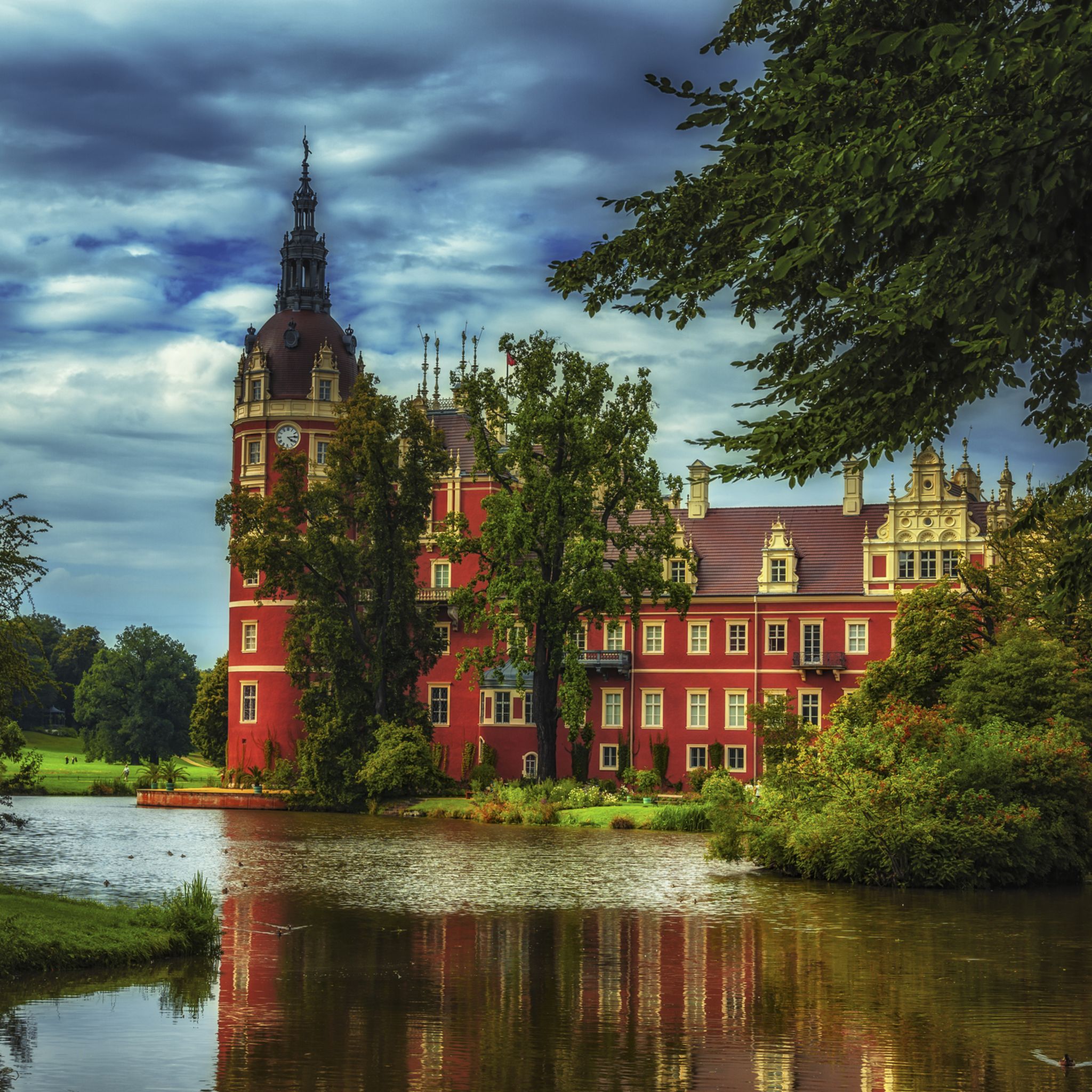
Anyone cycling through Bad Muskau and wondering whether landscape can be art should simply dismount. Because Muskau Park isn't a green space; it's a poem in trees, paths, and sightlines. Designed by the eccentric Prince Pückler, who wanted to impress with gardens more than with wars, it is now rightfully a UNESCO World Heritage Site. And you notice this with every pedal stroke. One-third of the park lies in Germany, two-thirds in Poland – a European masterpiece of garden design that knows no boundaries except those of good taste. There are no "signs with arrows" here, but rather sightlines that guide you. You cycle past ancient oaks, over gentle bridges, through light avenues. And then, suddenly, it appears: the New Palace. So red, so magnificent, so playfully baroque that you'd think a piece of cotton candy had become a listed building. Behind the palace, the building is reflected in the water like an embarrassed self-portrait, framed by flowers, bushes, and the stories of those who once strolled here – and now picnic. Those seeking open spaces will find it. Those seeking peace and quiet will too. And those who simply want to cycle have rarely had a more beautiful ride. The Prince Pückler Park is not a place you "visit" – you encounter it. And sometimes, when the light is right and the palace glows, you also encounter yourself a little bit anew.
0
0

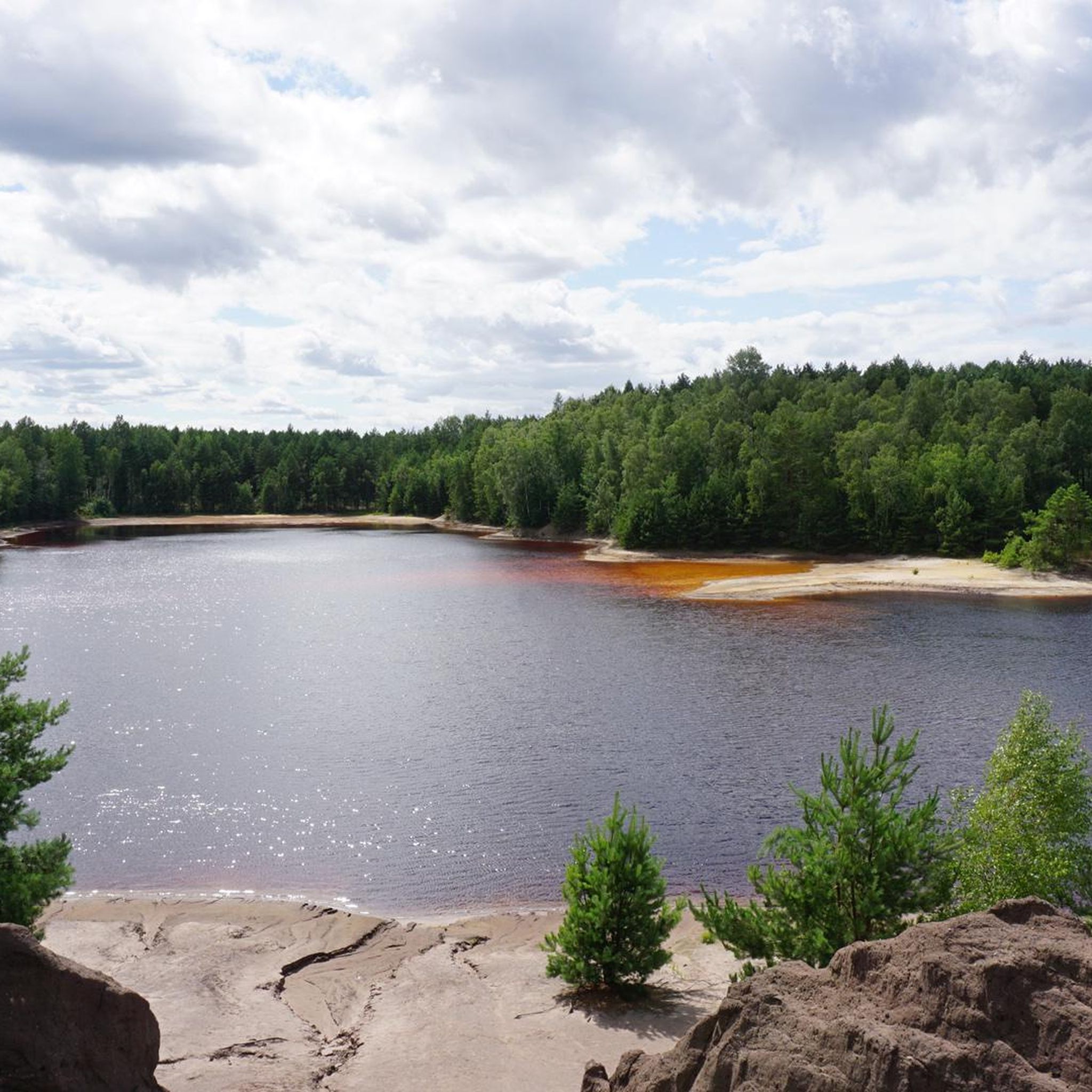
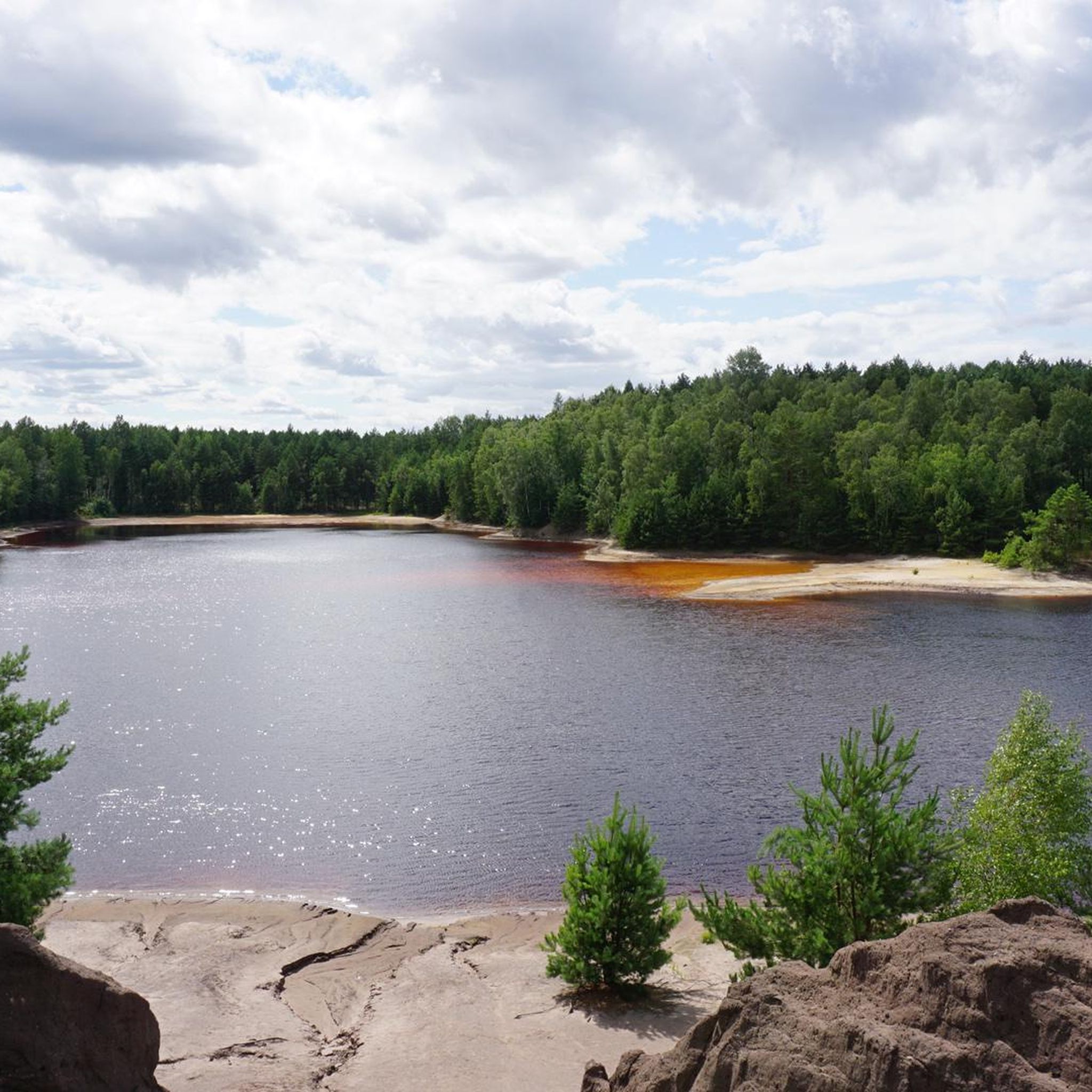
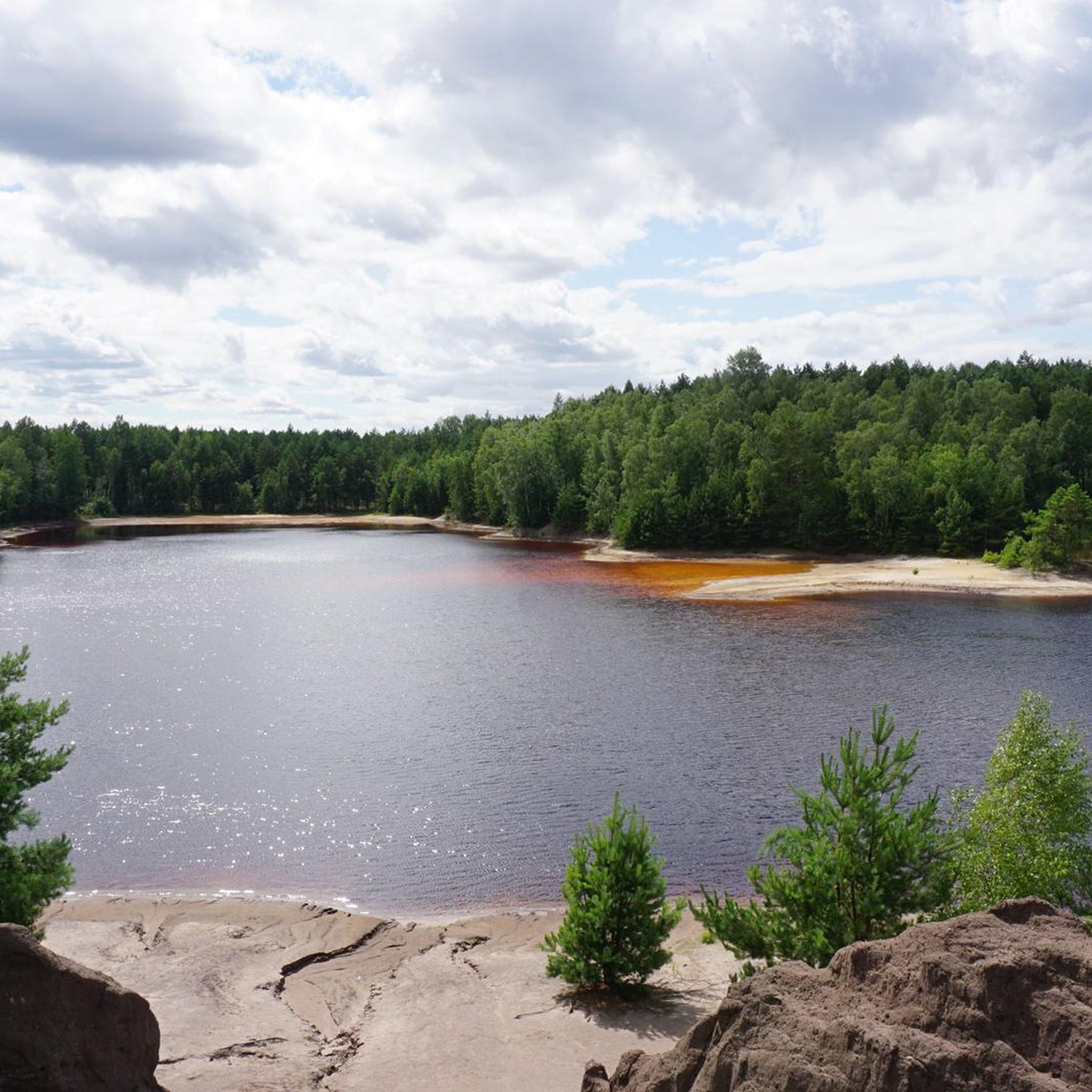
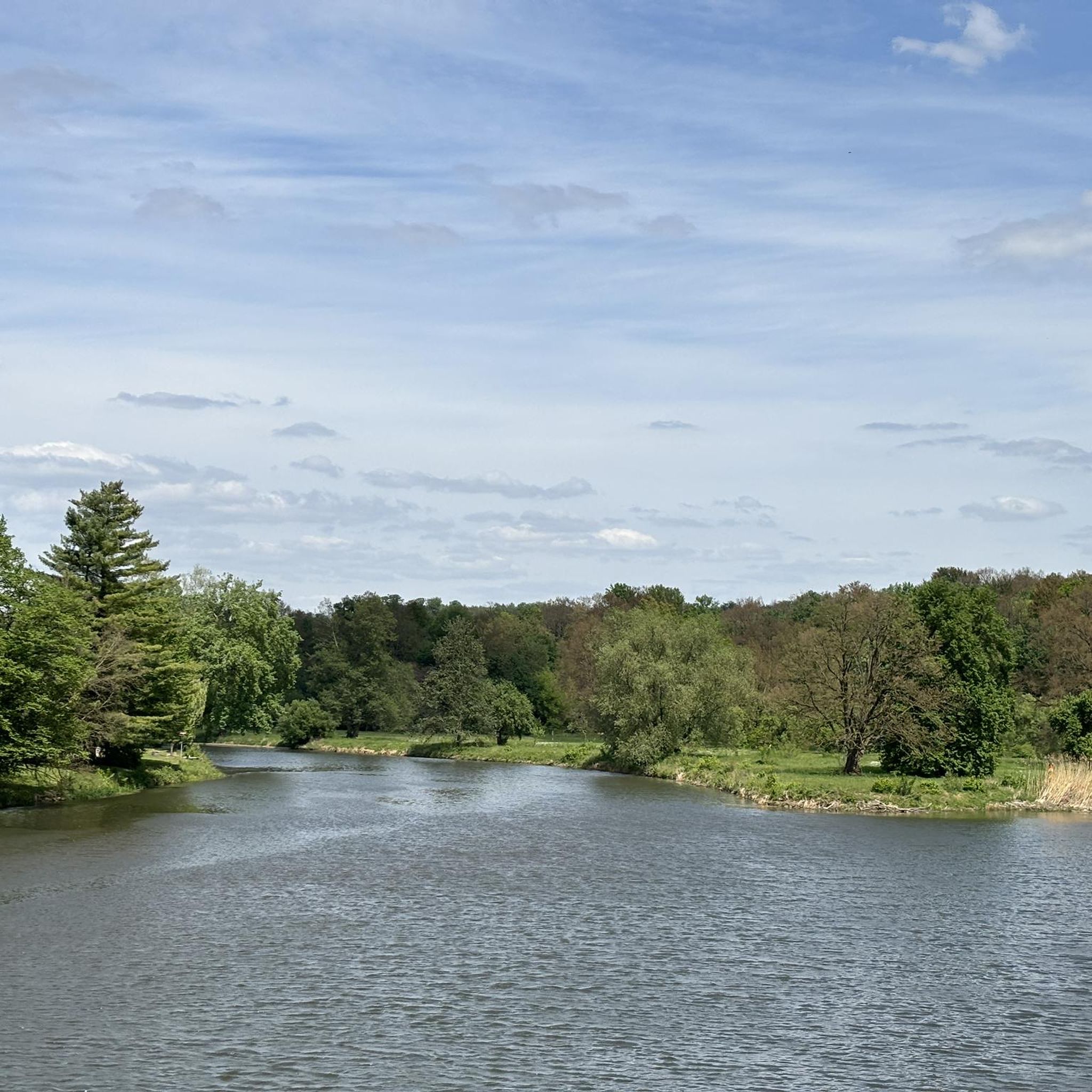
These lakes are post-mining landscape. So not a naturally created landscape, but only created by human activity. The mining of the lignite seams left depressions that filled with water over time after the open-cast mines were abandoned and now form a small lake district in the Moscow fold.
0
1

Not a UNESCO World Heritage Site for nothing! One third of the park on the German side, two thirds of the park on the Polish side. The extensive landscape park has a great stock of trees and impresses with generous visual axes. The New Castle of Prince Pückler has been wonderfully restored and shines from afar.
3
0


Halligalli Lake with lots of action. If you like that, you've come to the right place
4
0

The blue Barkas in the middle of the water is the eye-catcher of the wakeboarding and waterskiing facility on Lake Halbendorf. Information about swimming and leisure activities at: https://www.lausitzerseenland.de/de/die-seen/artikel-halbendorfer-see.html
7
0

Nice big park on both sides of the border. In the Polish part, the signage could be better. Due to the size, a bicycle makes sense, at least if you want to visit both sides.
4
0

The Rakotzbrücke has finally been completely renovated and has been accessible again since mid-July 2021. The bridge with the distinctive arch attracts photographers from all over the world. After the restoration of the ensemble in Kromlau, the community now has one problem child less.
10
0
Frequently Asked Questions
What are the most unique lakes to visit around Bad Muskau?
For a truly unique experience, visit the Rakotz Bridge (Devil's Bridge). It's famous for its construction that creates a perfect circular reflection in the water, especially captivating at sunset. Within the UNESCO World Heritage Muskau Park, you'll find several picturesque lakes and rivers that are integral to its artistic landscape design, offering serene environments for strolls.
Are there family-friendly lakes and activities in the Bad Muskau area?
Yes, several lakes and attractions are suitable for families. Muskau Park, with its expansive meadows and winding paths around its water features, is ideal for leisurely exploration. The Rakotz Bridge (Devil's Bridge) is also considered family-friendly for its unique visual appeal. For active fun, the Halbendorfer Lake Wakeboard Park offers wakeboarding facilities and beaches, providing great summer entertainment.
What kind of outdoor activities can I do near the lakes around Bad Muskau?
The region offers diverse outdoor activities. You can enjoy hiking around the lakes, with routes ranging from easy to difficult. For instance, there are moderate hiking trails around New Muskau Castle and within Muskau Park. Cycling is also popular, with options like gravel biking and mountain biking routes that pass by various lakes and natural features. You can find more details on routes in our guides for hiking, gravel biking, and MTB trails around Bad Muskau.
Are there historical or cultural sites near the lakes?
Absolutely. The most prominent is Muskau Park (Prince Pückler Park, Bad Muskau), a UNESCO World Heritage site known for its artistic landscape design and historical significance. Within the park, you can explore the grounds of New Muskau Castle. The Rakotz Bridge (Devil's Bridge) is also a historical landmark, renowned for its unique 19th-century construction.
What is the best time of year to visit the lakes around Bad Muskau?
The lakes around Bad Muskau offer beauty throughout the year. Spring and autumn are particularly popular for their vibrant colors, especially for photography at the Rakotz Bridge or enjoying the rhododendron blossom. Summer is ideal for water activities at places like Halbendorfer Lake Wakeboard Park and leisurely strolls. Even winter can be magical, with events like the 'Winterlichtfest' in Muskau Park.
Can I find easy hiking routes near the lakes?
Yes, there are many easy hiking routes available. Muskau Park offers expansive meadows and winding paths around its lakes, perfect for leisurely walks. The Large Lake on Waldseeweg near Weißwasser/O.L. also features accessible paths suitable for various fitness levels. You can explore more options in our hiking guide for Bad Muskau.
What kind of natural features can I expect to see at the lakes?
The region is part of the Muskauer Faltenbogen Geopark, offering a unique blend of natural and man-made landscapes. You'll find picturesque lakes, rivers like the Neisse, dense forests, and expansive meadows. Many lakes, such as Gieser Lake, are former mining lakes that have been reclaimed by nature, creating interesting geological formations and unique ecosystems. Muskau Park itself is an artistic landscape, integrating water bodies into its design for harmonious views.
Is there parking available near the main lake attractions?
Yes, parking is generally available near major attractions. For instance, New Muskau Castle, located within Muskau Park, has parking facilities. It's always advisable to check specific locations for detailed parking information, especially during peak seasons.
Are dogs allowed on trails and around the lakes?
Many areas around Bad Muskau's lakes are dog-friendly, particularly the extensive paths within Muskau Park. However, regulations can vary by specific location and protected areas, so it's always best to keep dogs on a leash and check local signage. For specific trails, our hiking guides may offer more detailed information on dog-friendly routes.
What do visitors enjoy most about the lakes around Bad Muskau?
Visitors frequently praise the extraordinary natural beauty and the serene environment. The unique reflection of the Rakotz Bridge is a highlight for photographers, while the vast, meticulously designed landscape of Muskau Park offers peaceful strolls and stunning views of the castle. Many also appreciate the blend of natural and historical elements, as well as the opportunities for cycling and relaxation.
Are there cafes or restaurants near the lakes?
Yes, you can find dining options, especially near popular attractions. Within Muskau Park, there are places to enjoy ice cream and coffee. The 'Schlossschänke' near New Muskau Castle is mentioned for good and affordable food. For other lakes, you might find cafes or pubs in nearby towns like Bad Muskau or Weißwasser/O.L.
What is the geological significance of the lakes in the Muskauer Faltenbogen Geopark?
The lakes in the Muskauer Faltenbogen Geopark are significant due to the region's unique geological formations, which are a result of glacial activity. Many of these lakes, including Gieser Lake, are former open-cast mining pits that have been naturally or artificially filled with water, creating distinct landscapes and often vibrant water colors due to mineral content. This blend of natural processes and human impact makes the area geologically fascinating.
Most popular routes around Bad Muskau
Most popular attractions around Bad Muskau

Get inspired with the komoot mobile app


Explore more
Still not found your perfect lake around Bad Muskau? Check out the guides of these regions to see even more beautiful places.
