Top 20 Caves around Beekdaelen
Best caves around Beekdaelen are found within the distinctive marlstone and limestone geology of the South Limburg region. This area is characterized by its rolling hills and unique landscapes, offering a combination of natural and historical underground sites. Centuries of quarrying have created extensive networks of passages and shelters, providing insight into the region's geological past. These locations also serve as protected habitats for various species and offer scenic viewpoints.
Best caves around Beekdaelen
- The most popular caves is Strooberg…
Last updated: November 19, 2026
Strooberg Quarry
Highlight • Cave
The green, sloping Bemelerberg has a marl wall on one side like on a postcard. Here the yellow limestone rises high into the air and …
Translated by Google •
Tip by

Geulhemmerberg Climb and Cave Dwellings
Highlight (Segment) • Climb
Translated by Google •
Tip by

Sign up now to discover places like this
Get recommendations on the best single tracks, peaks, & plenty of other exciting outdoor places.
Terborgh Castle
Highlight • Castle
Translated by Google •
Tip by

Bemelerberg Cave
Highlight • Cave
In the Middle Ages, not everyone was allowed to plant hedges. That is why small farmers made fences by means of a construction of posts, stuck planks in wickerwork …
Translated by Google •
Tip by

Däölkesberg Abri (Limestone Rock Shelter)
Highlight • Cave
Translated by Google •
Tip by

Sign up for free to discover even more caves around Beekdaelen.
Already have an account?
Start today with a free account
Your next adventure awaits.
Popular around Beekdaelen
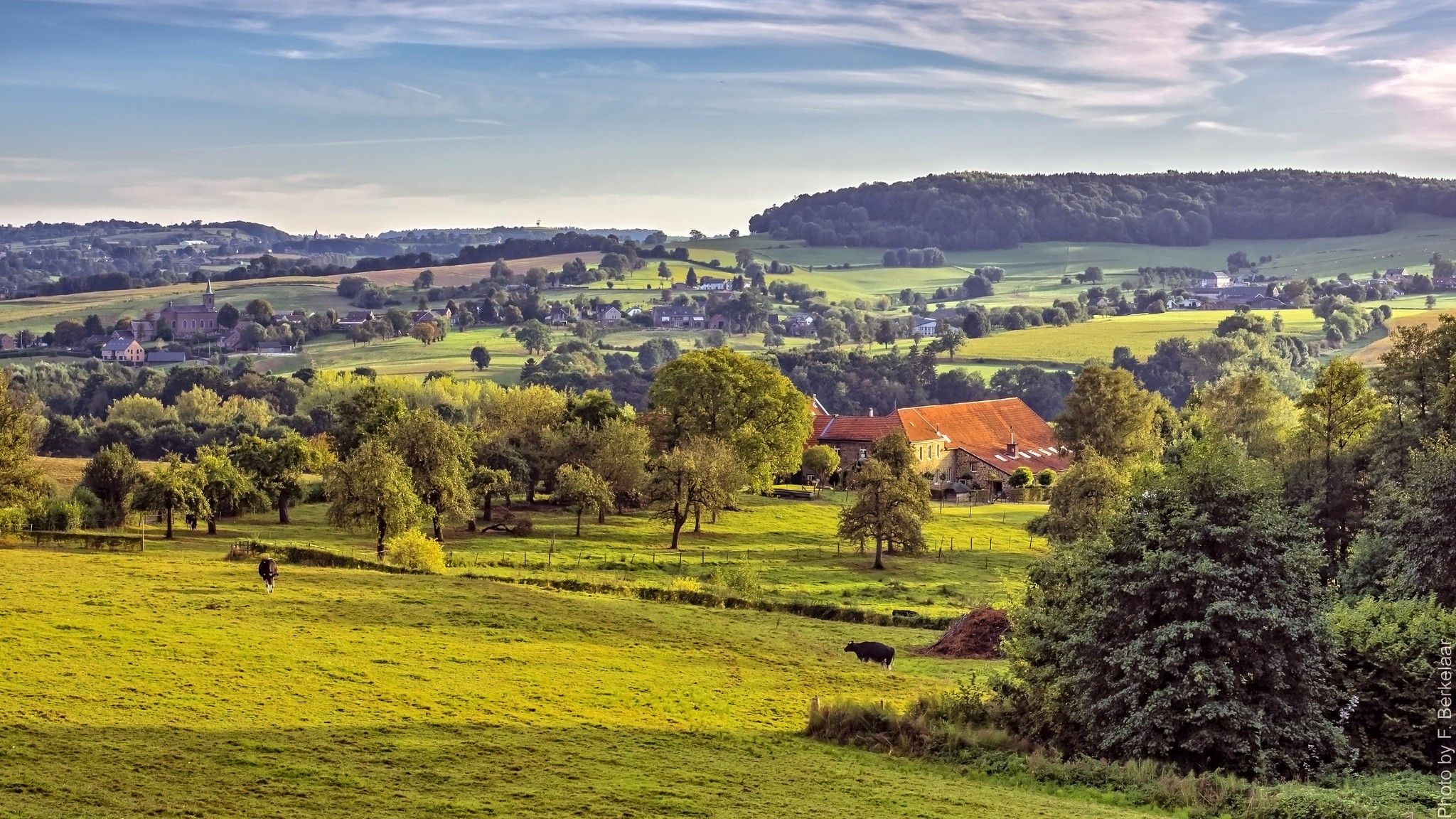
Pilgrim's Way part 2 — s-Hertogenbosch to Maastricht
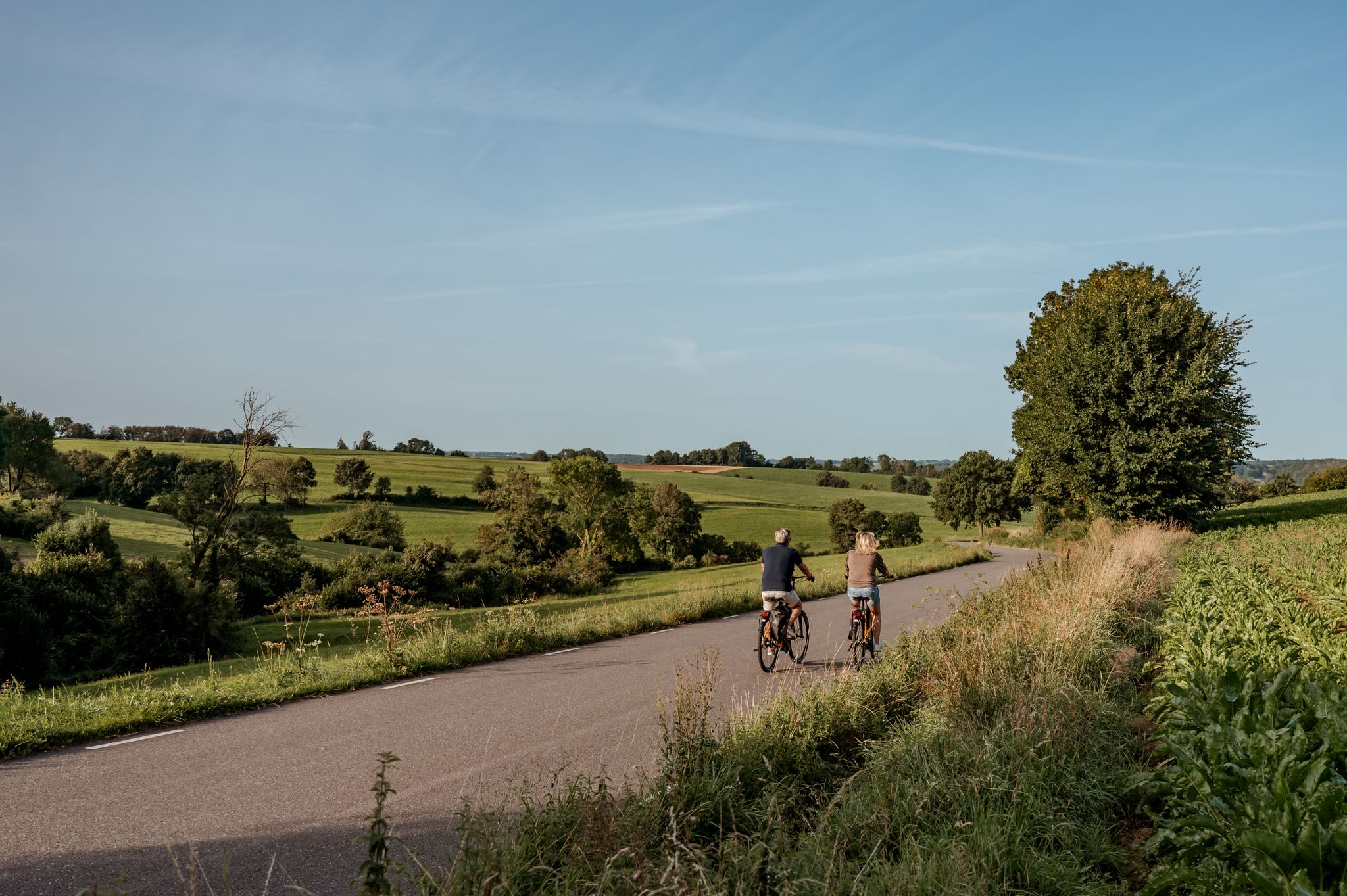
The best of South Limburg by bike
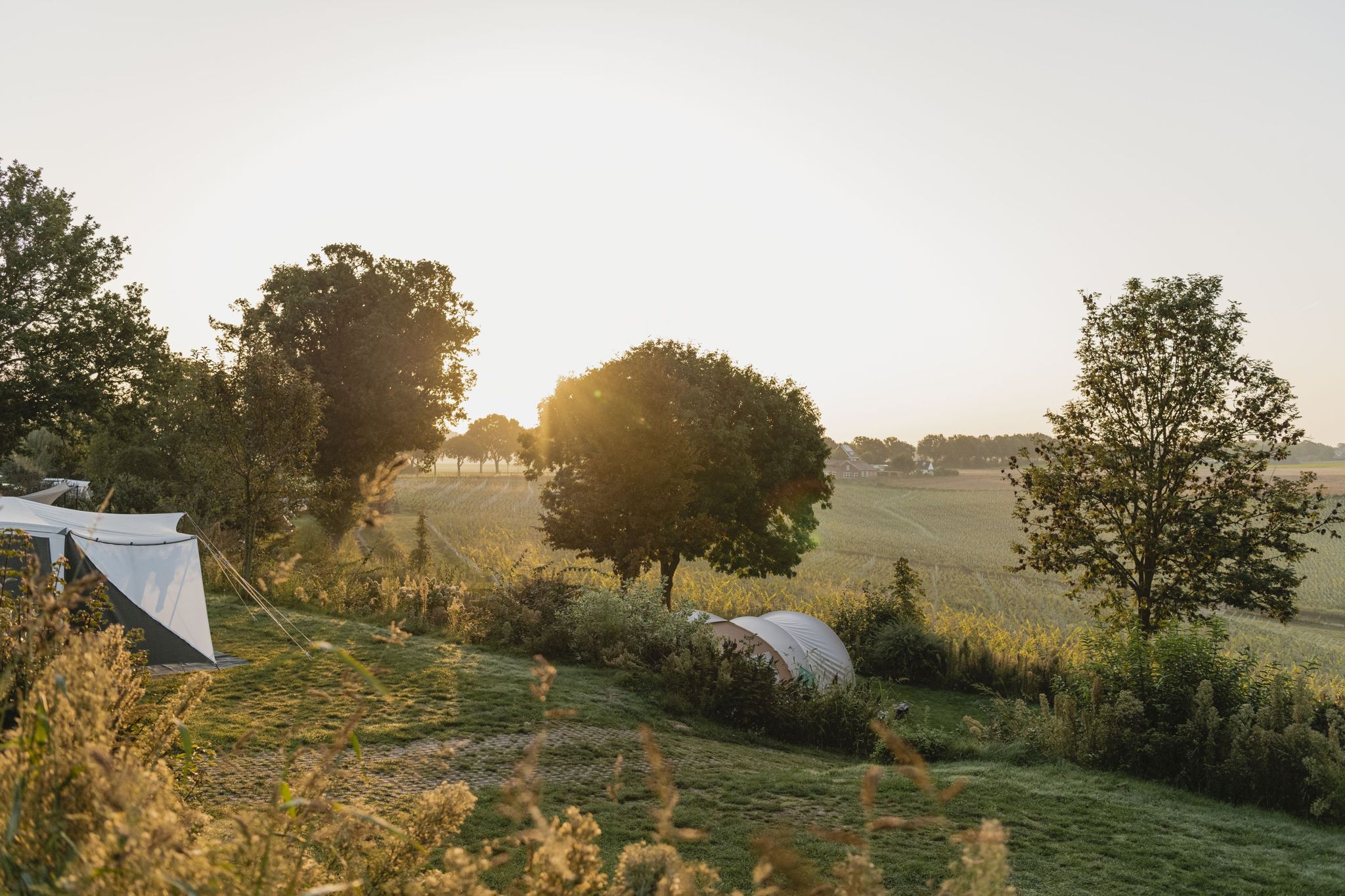
Five beautiful gravel routes from Natural Campsites
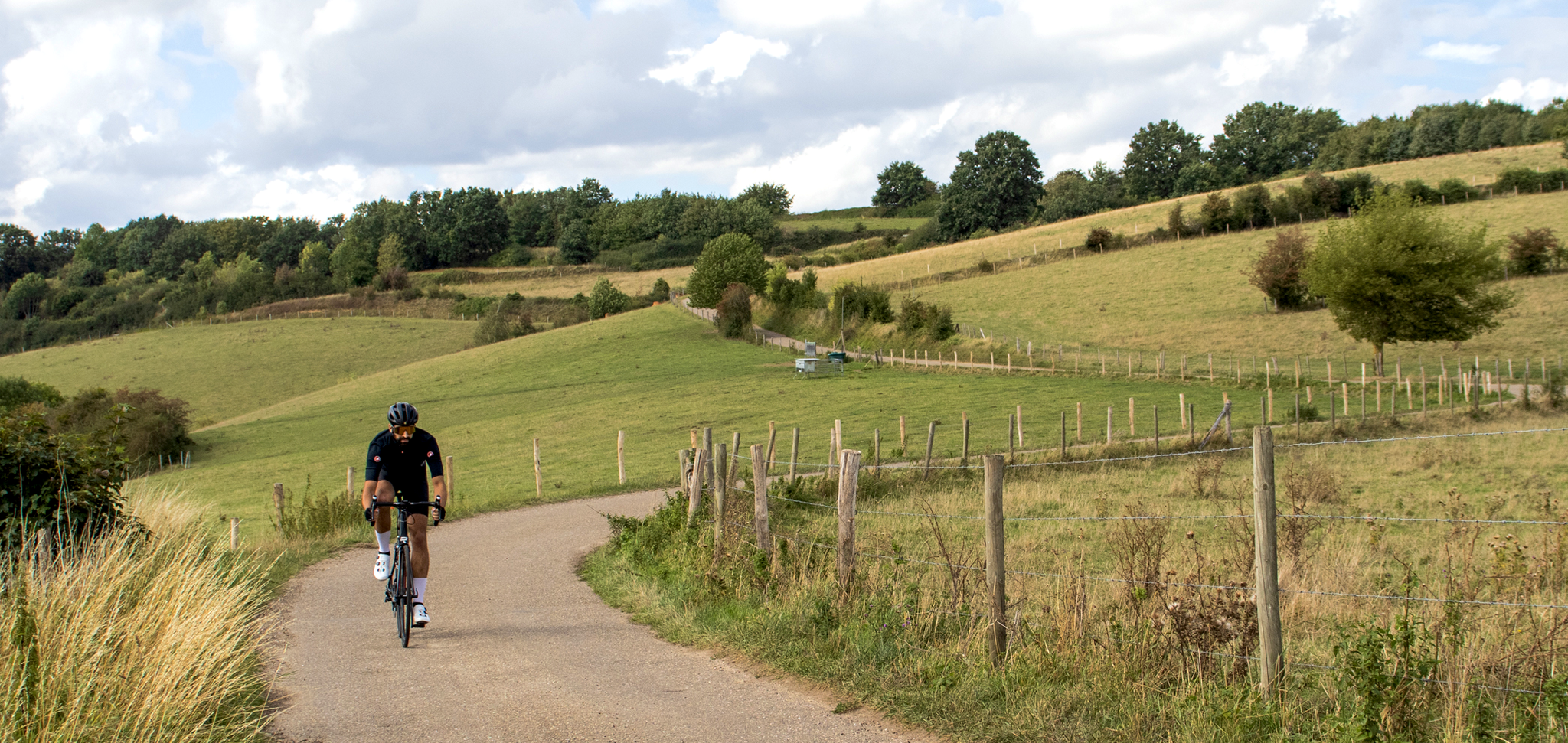
Cross-border cycling in South Limburg – the alternative routes
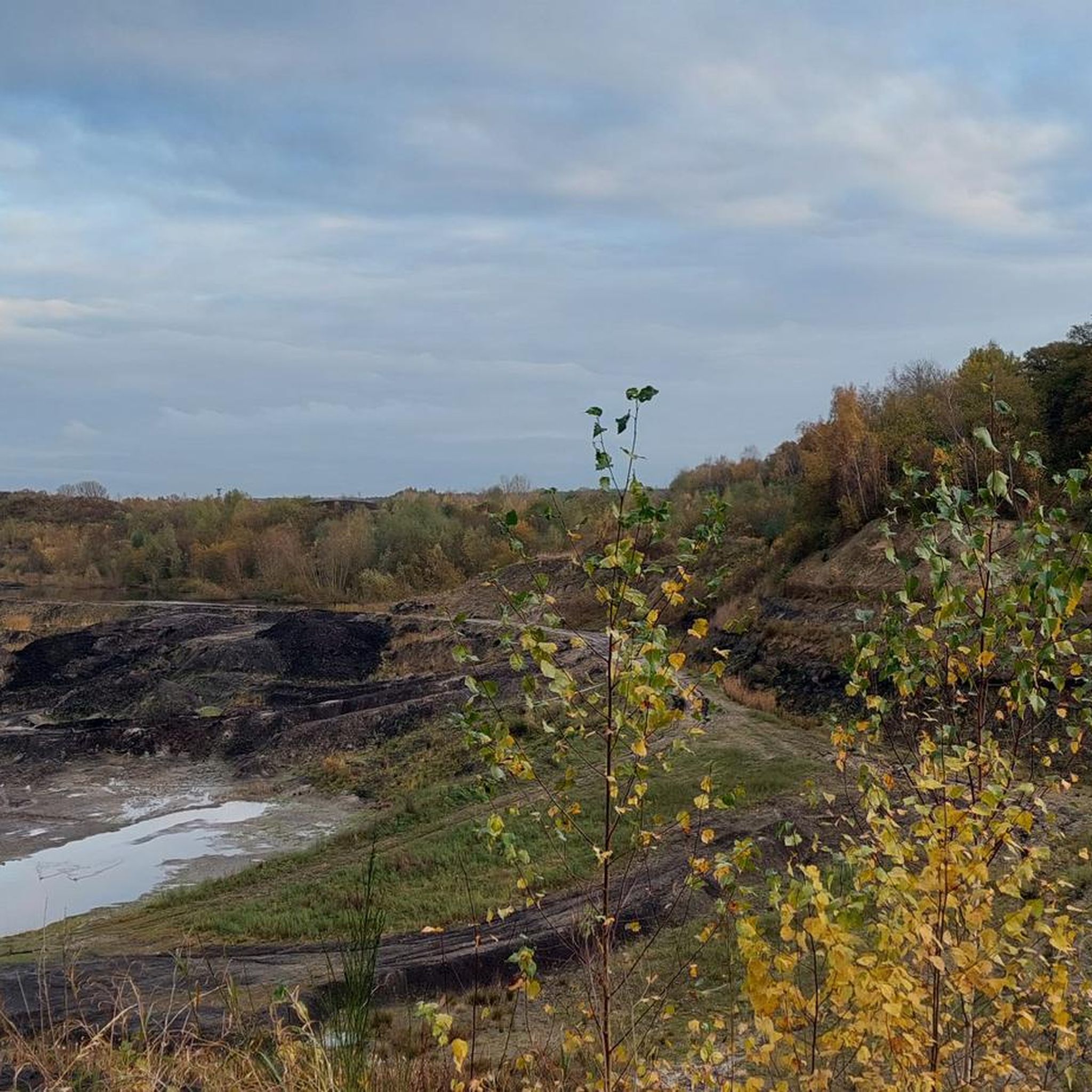
Hiking around Beekdaelen
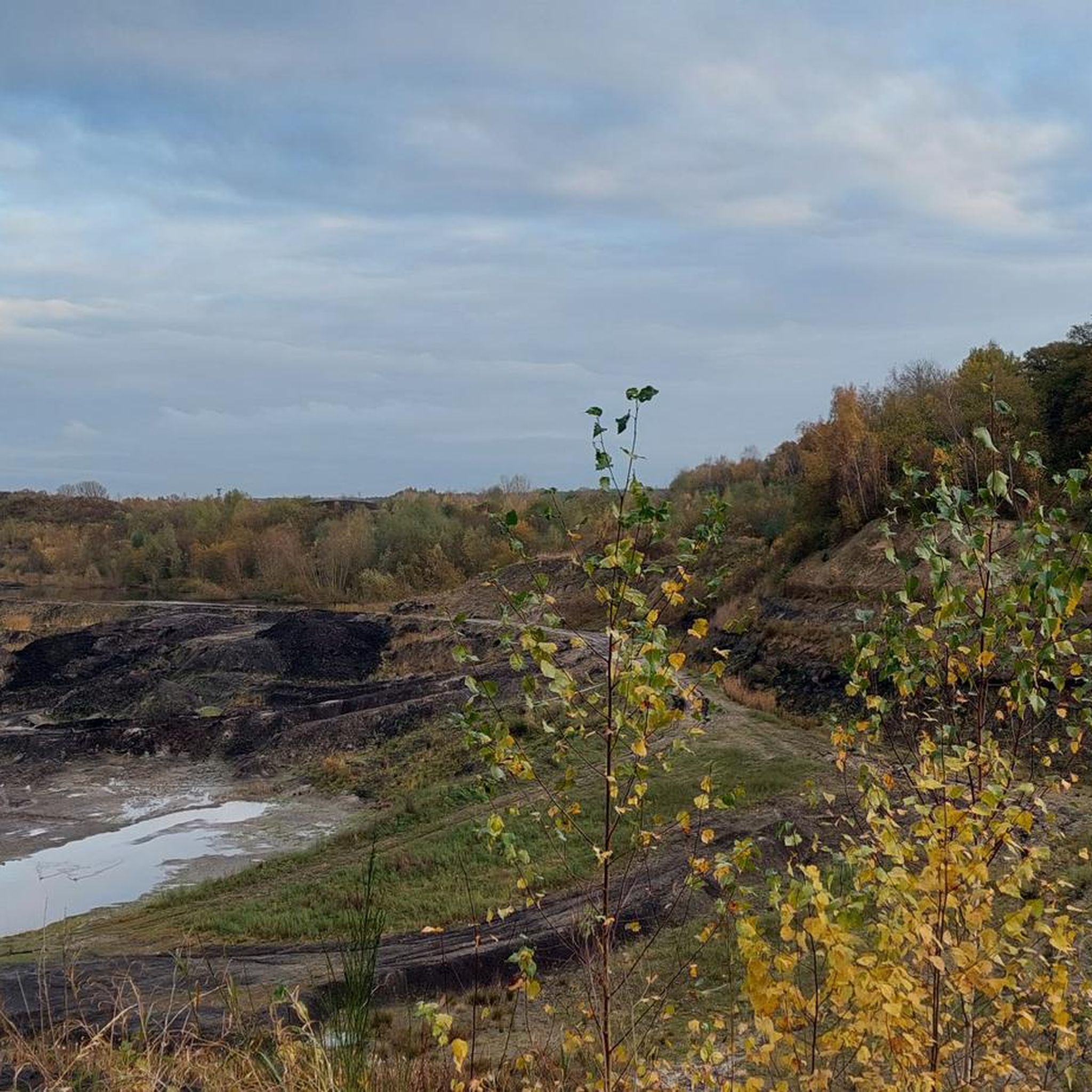
Cycling around Beekdaelen
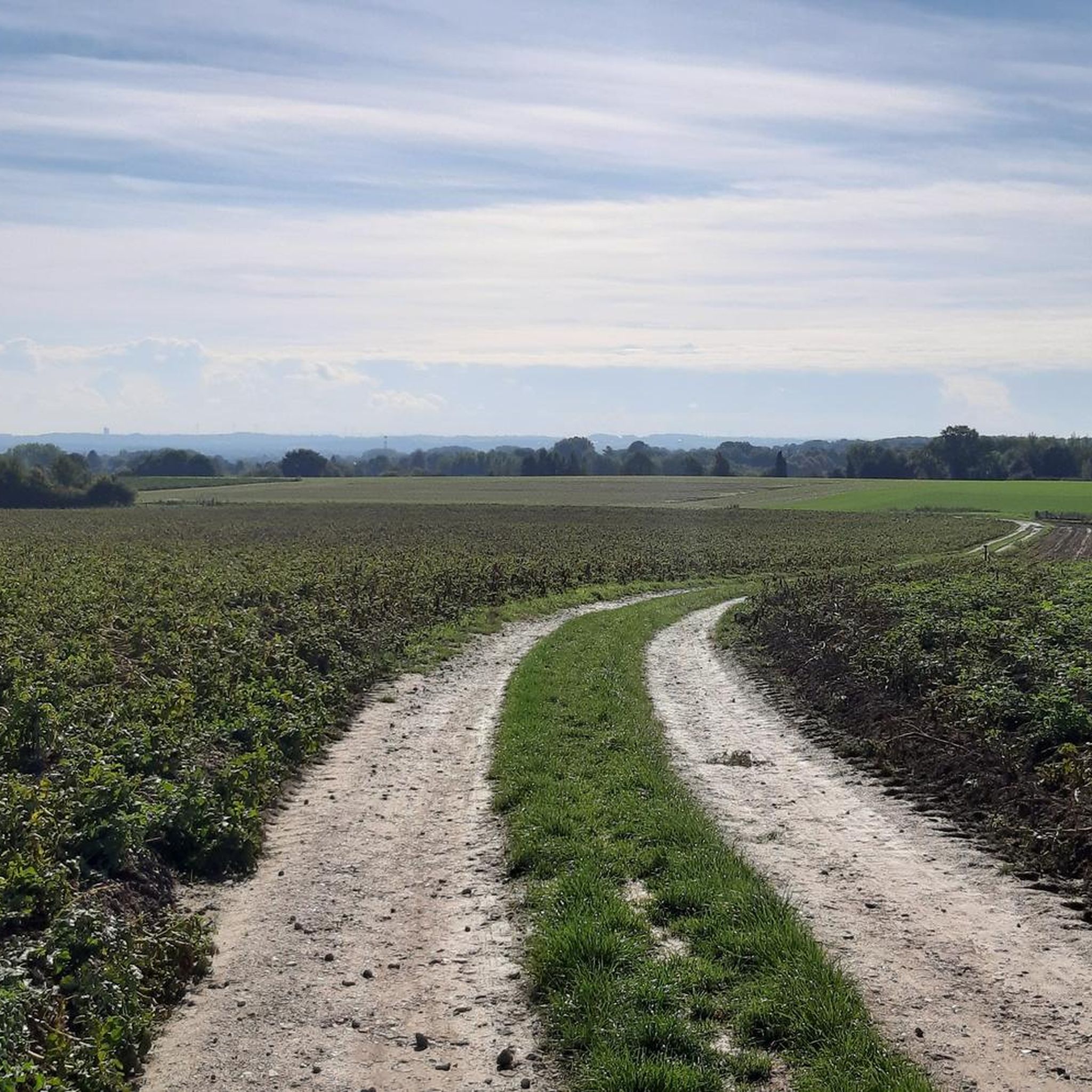
MTB Trails around Beekdaelen
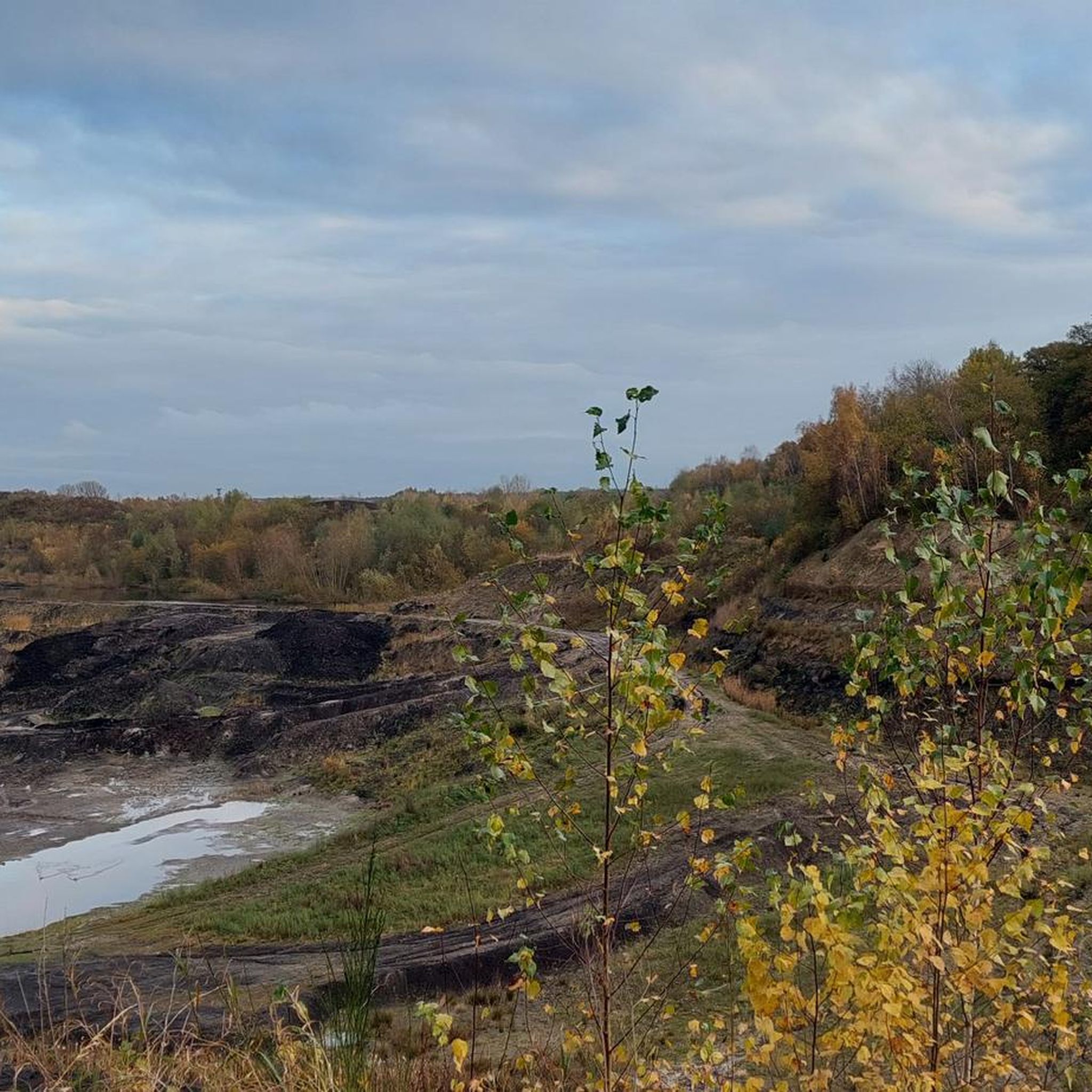
Road Cycling Routes around Beekdaelen
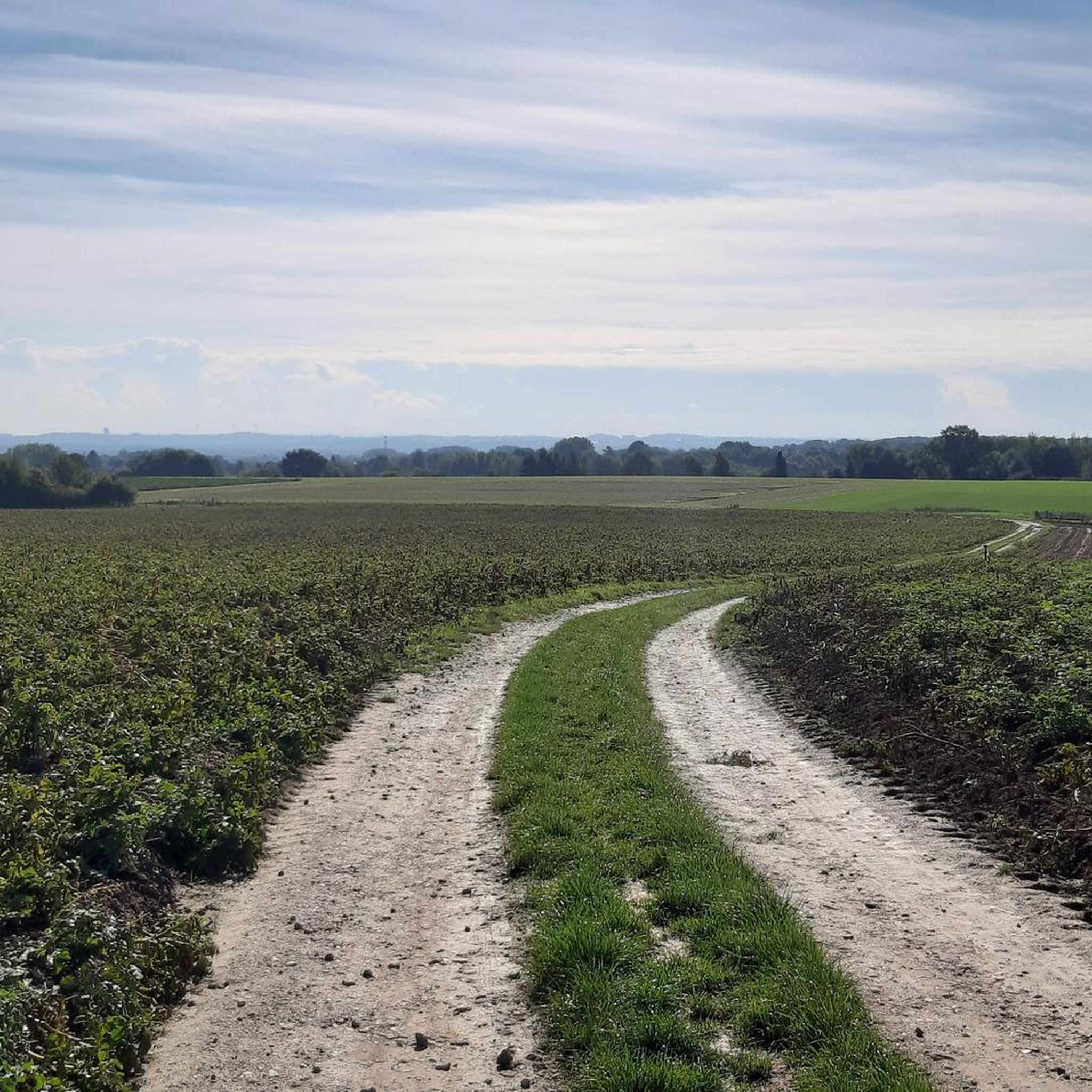
Running Trails around Beekdaelen
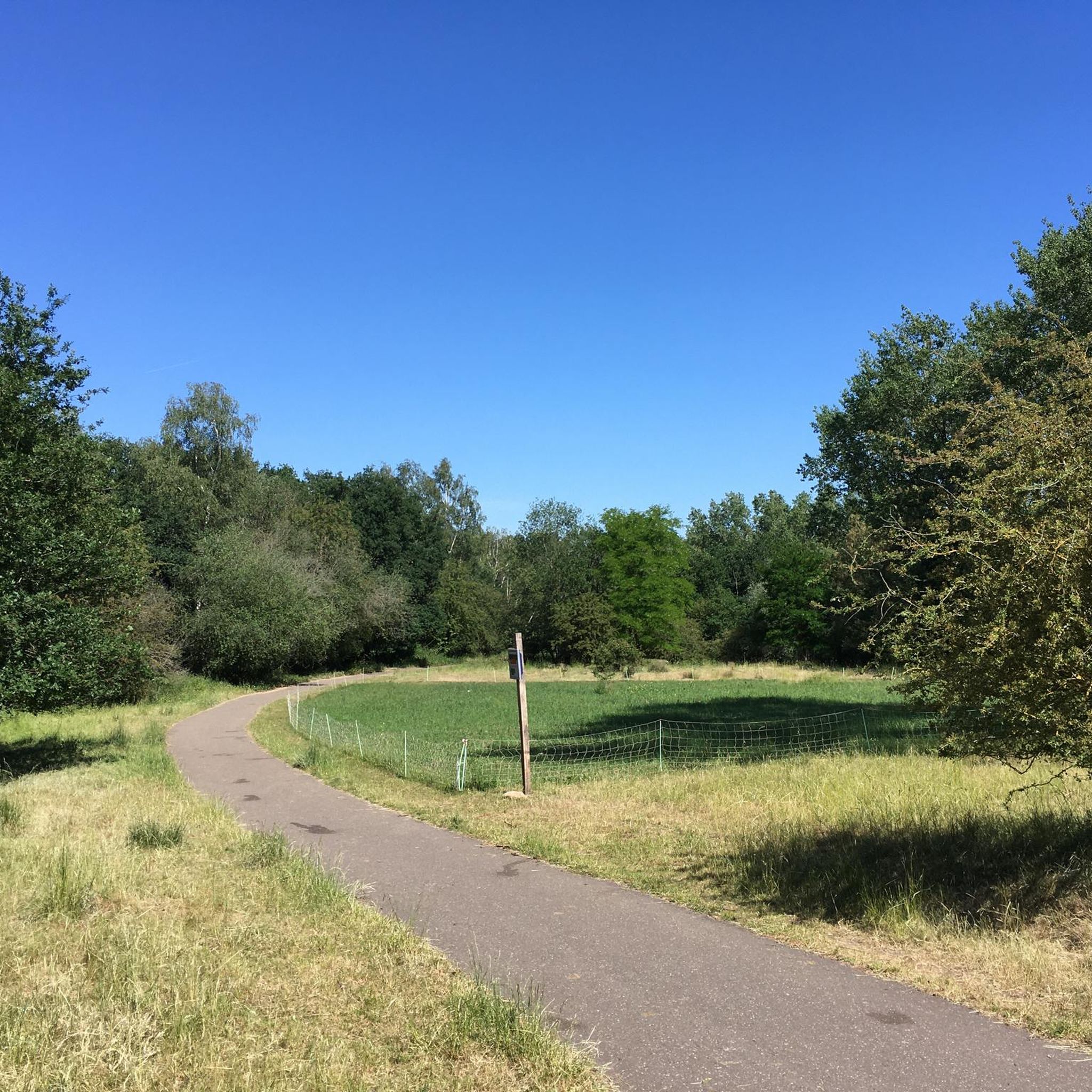
Gravel biking around Beekdaelen
Other adventures around Beekdaelen


Tips from the Community


we tried to return to Maastricht using the Arriva bus. However, it was a small bus and only 3 seats were available. My friends walked.
1
0

Here you have a view of old marl quarries. You can see a marl wall with meadows, cows, or sheep.
1
0

The Strooberggroeve is a Limburg marl quarry in the Dutch municipality of Eijsden-Margraten. The underground quarry is located north of Bemelen under the Bemelerberg on the north side of the mouth of the dry valley Koelbosgrub in the Meuse valley. The quarry is located on the western edge of the Plateau of Margraten in the transition to the Meuse valley. At this point, the plateau drops steeply for a few meters. https://nl.wikipedia.org/wiki/Strooberggroeve
3
0


TUYNHEG In the Middle Ages, not everyone was allowed to plant hedges. That is why small farmers made fences by means of a construction of posts, stuck planks in wickerwork of twigs. They called that a tuyn tuen or tuun The word tuin comes from it. Such a dead hedge, took up little space and could be easily moved. The disadvantage was that a lot of wood was needed, also for annual repairs Old craft Tuynen (gardens, tuunen, tunen) is an almost lost craft. Fortunately, a few elderly hedge weavers were able to pass on their knowledge to the members of the Vogelwerkgroep Bemelen. Thanks to this expertise, old tools such as klamatsch and picker could also be remade. If you look closely, you will see vertical sticks of (pruning) wood on both sides of the existing hedge. These are connected horizontally with 'binders' (long thicker sticks). All of this is pulled together. Together with the existing hedge, this becomes a barrier that no sheep or chicken can get through. Braided hedges, hedgerows and wooded banks are very important for the quality of the landscape and nature. The Tuynheggen are therefore real cultural heritage. Birds such as willow warbler, yellowhammer and wren use the hedge to shelter and build nests in. Native plants, including bittersweet, also grow there. The classic Tuynheg here was created in 2002. The maintenance, gardens or tuunge is on the programme of the Bemelen Bird Working Group every spring. In this way, the knowledge of the craft is preserved. More information or help? Bemelen Bird Working Group E-mail: ha.brouwer36@ziggo.nl
3
0

A beautiful view here over the hills of South Limburg
2
0

This hill must be included on your walk...
7
0
Frequently Asked Questions
What kind of caves can I explore around Beekdaelen?
The Beekdaelen region, part of South Limburg, is known for its distinctive marlstone and limestone geology. You'll find a variety of underground sites, including marl caves, historical limestone quarries, and unique rock shelters. These locations offer insights into the region's geological past and sometimes feature historical dwellings or protected habitats.
What are some popular caves to visit near Beekdaelen?
Near Beekdaelen, you can explore several interesting sites. The Strooberg Quarry features marl caves in the Bemelerberg, known for its yellow limestone wall and bird of prey habitats. Another popular spot is Geulhemmerberg Climb and Cave Dwellings, where you can see old rock dwellings. The Däölkesberg Abri (Limestone Rock Shelter) is the only known rock shelter in the Netherlands, believed to have provided shelter for prehistoric inhabitants.
Are there family-friendly cave experiences near Beekdaelen?
Yes, there are family-friendly options. While the direct highlights in Beekdaelen focus more on natural and historical aspects, the nearby Mergelrijk in Valkenburg offers an immersive experience into marlstone history, including sand sculptures and dinosaur exhibits that appeal to families. The Trichterberggroeve Limestone Quarry is also listed as family-friendly.
Do the caves around Beekdaelen have historical significance?
Absolutely. Many sites in the region have rich histories. For instance, the Geulhemmerberg Climb and Cave Dwellings features old rock dwellings once inhabited by blockbreakers. The Däölkesberg Abri is considered the oldest 'building' under Natuurmonumenten's management, with evidence of prehistoric inhabitants. Further afield, the Fluweelengrot in Maastricht is known for its secret passages and charcoal drawings from the French occupation.
What is the geological makeup of the caves in this region?
The caves and underground passages around Beekdaelen are primarily formed in marlstone and limestone. Marlstone is a soft, yellowish limestone that has been quarried for centuries, creating extensive networks. These formations often feature unique geological elements like marl walls, 'geological organ pipes' where limestone has dissolved, and vast chambers.
What outdoor activities can I do near these caves?
The region around Beekdaelen offers various outdoor activities. You can find numerous routes for mountain biking, cycling, and gravel biking. For example, there are MTB Trails around Beekdaelen, Cycling routes around Beekdaelen, and Gravel biking routes around Beekdaelen. These guides provide options for various difficulty levels, allowing you to combine cave exploration with active outdoor adventures.
Are there any unique natural features to observe in the caves or surrounding areas?
Yes, the region boasts several unique natural features. The Strooberg Quarry, for instance, has a prominent marl wall that serves as a protected habitat for birds of prey. The Trichterberggroeve Limestone Quarry features steep limestone walls and 'geological organ pipes' formed by rainwater dissolving the rock. The barren chalk grasslands around the hills are also home to rare species like wild orchids.
Can I visit a coal mine near Beekdaelen?
Yes, for a unique historical experience, you can visit the Steenkolenmijn Valkenburg (Valkenburg Coal Mine). Located in Valkenburg, it is the only publicly accessible coal mine in the Netherlands and provides a fascinating glimpse into the history of coal extraction and the challenging work of miners.
What are the famous caves in the nearby Belgian Ardennes?
If you're willing to venture a bit further, the Belgian Ardennes offer spectacular cave systems. The Caves of Han-sur-Lesse are among Europe's largest and most important, known for stunning concretions and vast chambers formed by the River Lesse. Another notable site is the Nichet Cave, just across the border in France, which is known for archaeological findings including bones of cave bears and human remains.
What do visitors enjoy most about the caves around Beekdaelen?
Visitors appreciate the combination of natural beauty and historical significance. The unique marlstone formations, the protected habitats for wildlife, and the insights into past human activity, such as cave dwellings and quarrying, are frequently highlighted. The scenic viewpoints and the opportunity to explore these distinctive landscapes also receive high praise from the komoot community.
Are there any specific tips for visiting the caves?
When visiting sites like the Strooberg Quarry, be aware that the marl wall provides a protected habitat for birds of prey. For sites with historical significance like the Geulhemmerberg Climb and Cave Dwellings, take time to observe the old rock dwellings. Always respect the natural environment and any signage regarding protected areas.
Most popular routes around Beekdaelen
Most popular attractions around Beekdaelen

Get inspired with the komoot mobile app


Explore more
Extend your search for the best caves by checking out these guides of the top ones around Beekdaelen:
