Top 7 Castles around Lambesc
Best castles around Lambesc are found in a region of Provence known for its historical and architectural estates. The area features a mix of significant properties, some with a long tradition of wine and olive oil production. These châteaux, while not always medieval fortresses, offer insights into the agricultural heritage and cultural landscape of the region. Visitors can explore various historical sites and estates set within the peaceful countryside.
Best castles around Lambesc
- The most popular castles is Château de…
Last updated: July 2, 2026
Château de Lourmarin
Highlight • Castle
Showing Translation
Tip by

Château de Cadenet
Highlight • Castle
Translated by Google •
Tip by

Sign up now to discover places like this
Get recommendations on the best single tracks, peaks, & plenty of other exciting outdoor places.
Sign up for free
Château de Charleval
Highlight • Castle
Translated by Google •
Tip by

Emperi Castle
Highlight • Historical Site
Translated by Google •
Tip by

View of the Castellas de La Fare-les-Oliviers
Highlight • Viewpoint
Translated by Google •
Tip by

Sign up for free to discover even more castles around Lambesc.
Sign up for free
Already have an account?
Start today with a free account
Your next adventure awaits.
Login or Signup

Tips from the Community

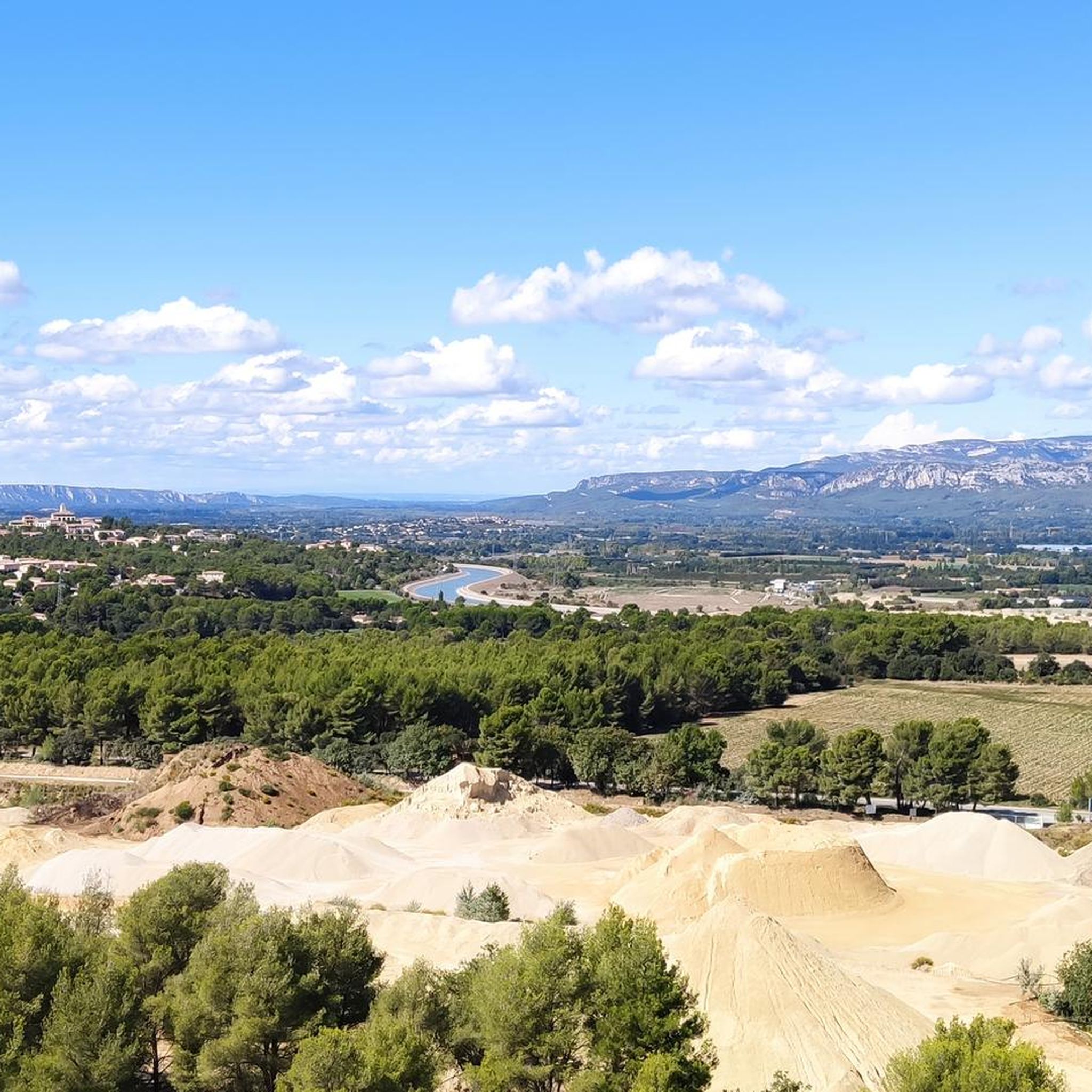
Built in the 15th century on the remains of a castle, the château received a Renaissance-style extension in the 16th century. Ownership changed frequently; almost 100 years ago, a private individual saved the château from decay. After his death, it was bequeathed to a foundation, which has used it for cultural events ever since. Albert Camus, for example, has performed here. The path to the château is worthwhile, even if you don't want to visit it, as it offers a fantastic view of Lourmarin.
3
0

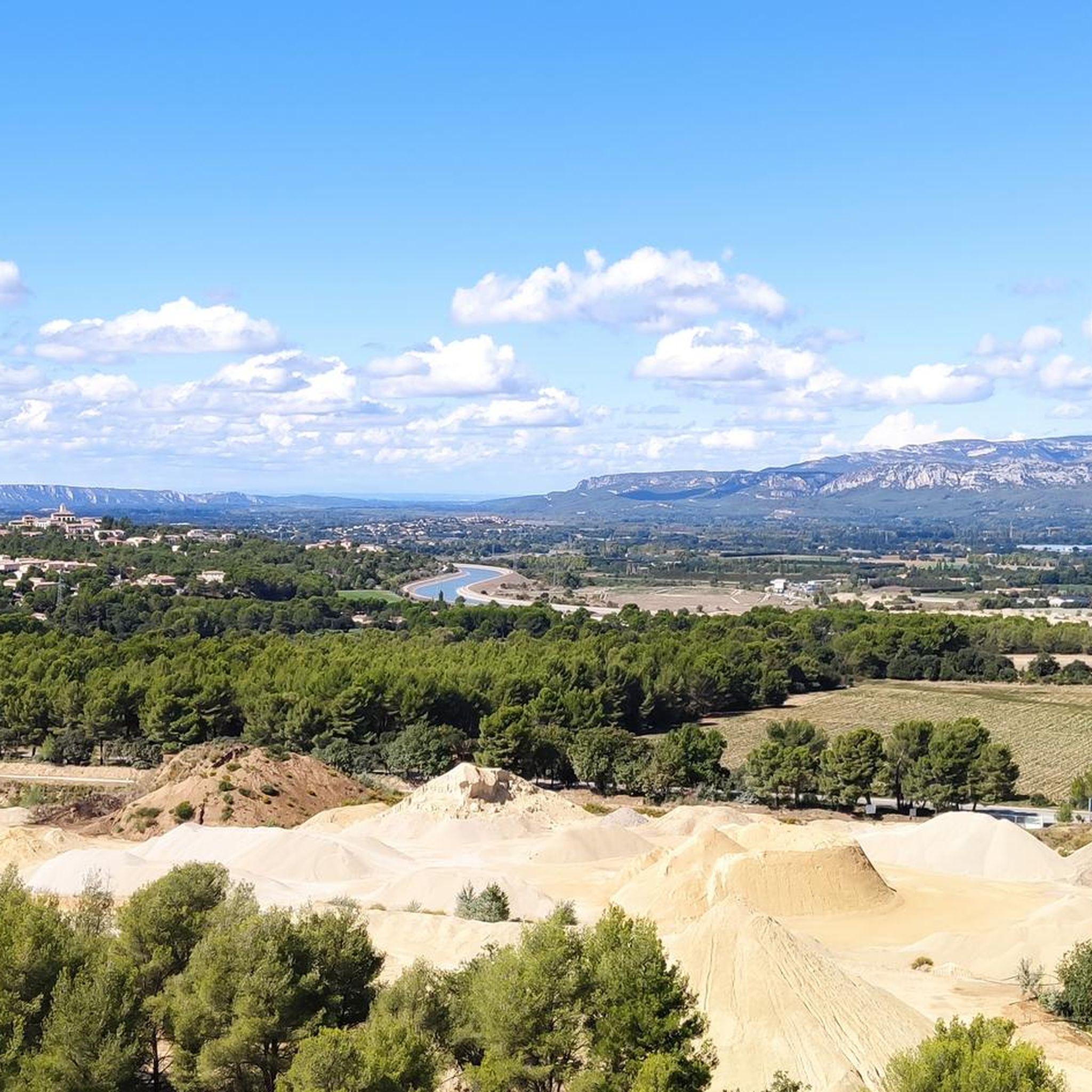
Château de Cadenet, located in Vaucluse, dates back to the 11th century, originally built by the first lords of Cadenet. Strategically perched on a plateau overlooking the Durance valley, it played a key role in the region's medieval trade. After the French Revolution, the castle fell into ruin and served as a stone quarry for local residents. Today, only vestiges remain, but they remain a site of heritage interest. The castle has been listed as a Historic Monument since 1947.
0
0
The Château de Lourmarin is the first Renaissance castle in the region, built on the ruins of a 12th century medieval fortress. The main body of the castle was built between 1480 and 1526 by the Agoult family in a late Gothic style. In 1920, the castle, which had fallen into ruins and was threatened with destruction, was saved and restored by Robert Laurent-Vibert, a Lyon industrialist passionate about history and art. Today, it belongs to the Academy of Sciences, Agriculture, Arts and Belles-Lettres of Aix-en-Provence and has become a major cultural center.
1
0

Good restaurant with inexpensive and plentiful lunch menu.
1
0

nice chateau and lourmarin is a good place to take a break
2
0

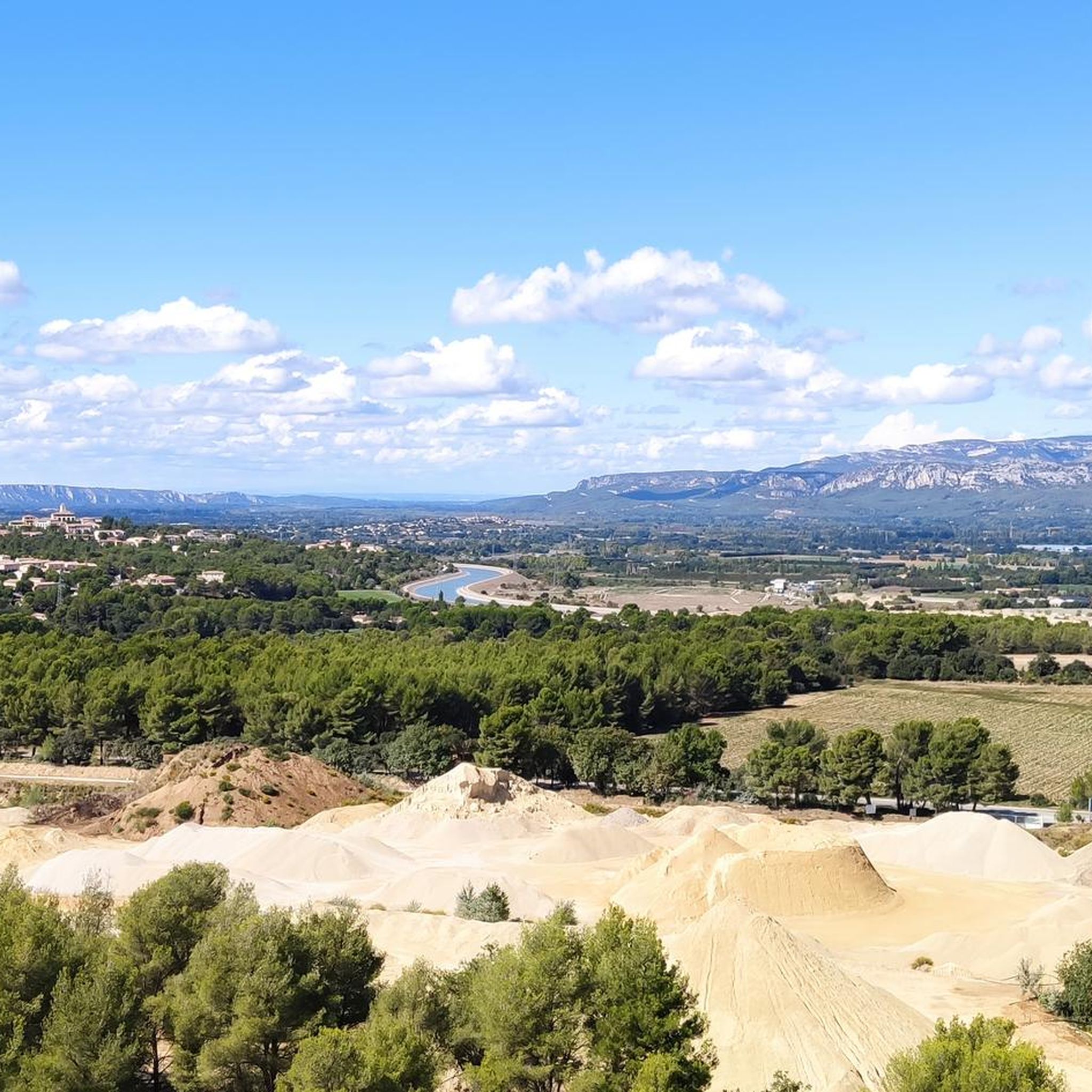
This castle built in the 19th century was recently restored and transformed into an art gallery open to the public since 2020.
1
0

The La Fare watchtower is not far away, go there and you will have a wider view of the surroundings: Sainte Victoire, etc.
3
0
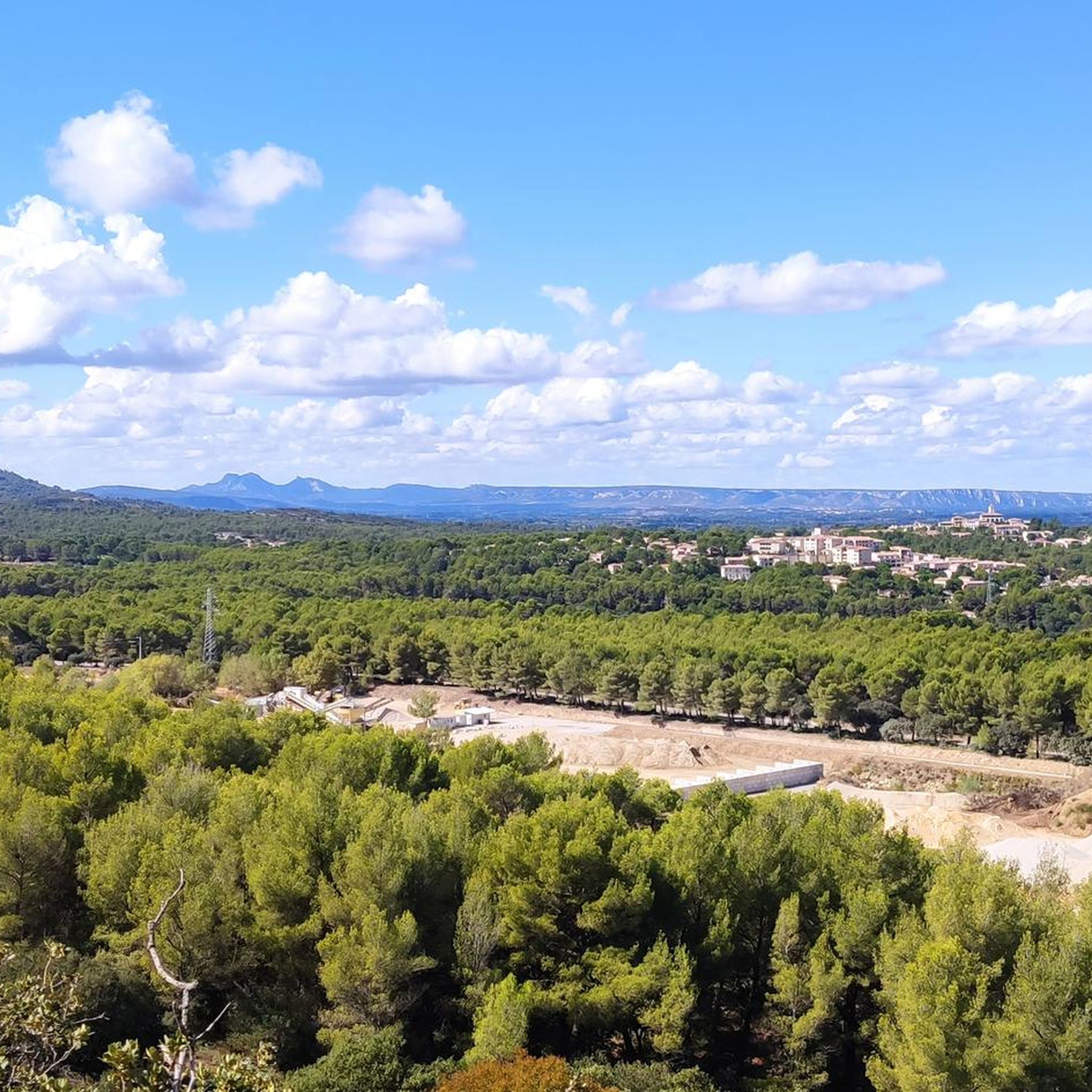
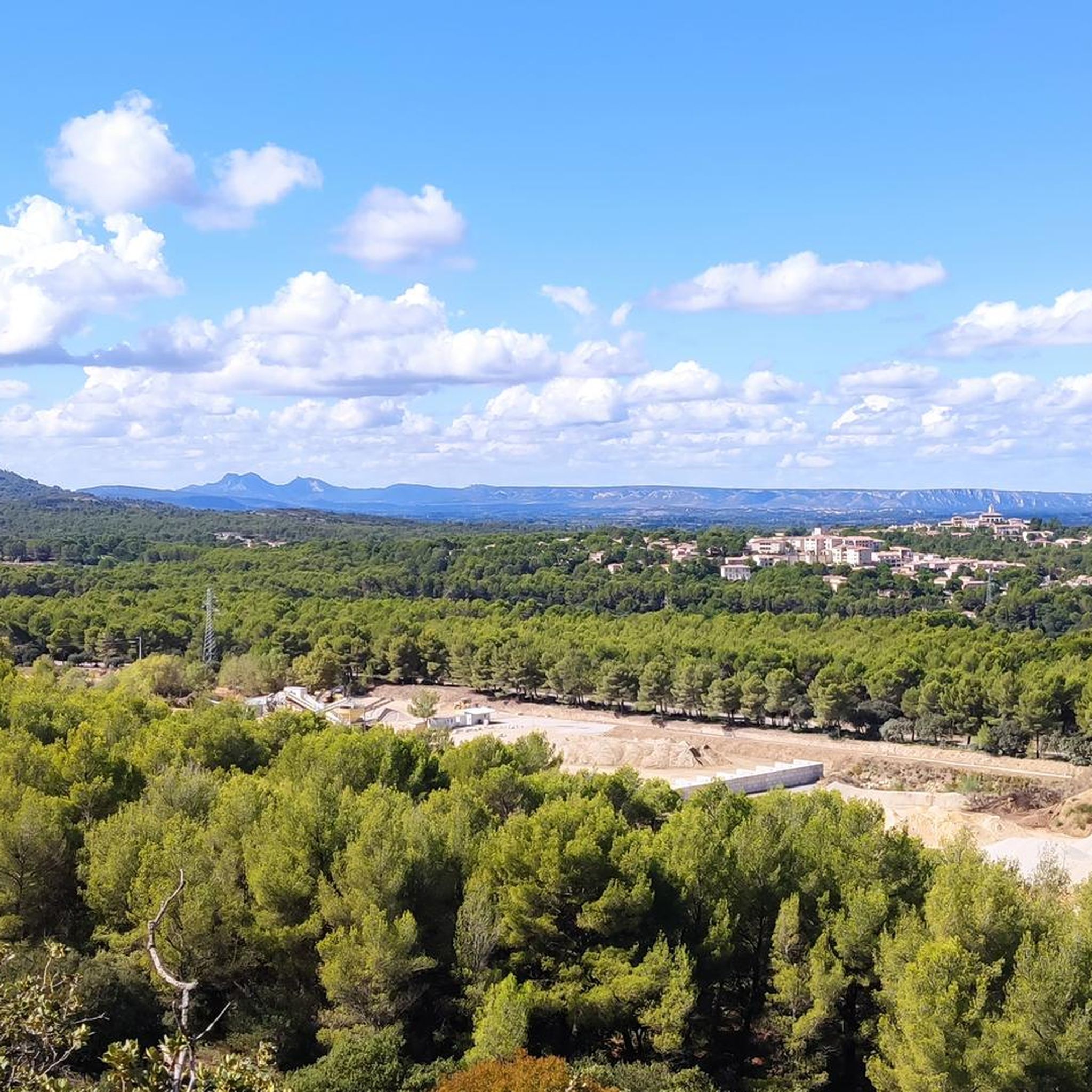
From here you can clearly see the Castellas de La Fare and you can also admire beautiful views of the Etang de Berre and the massifs to the south!
2
0
Frequently Asked Questions
What types of historical estates and châteaux can I find around Lambesc?
The Lambesc area features a diverse range of historical estates and châteaux. These include properties with a long tradition of wine and olive oil production, such as Château de Calavon and Château de Bonrecueil, as well as grand 18th-century estates like Château de Valmousse. You'll also find castles that have been transformed into cultural centers or art galleries, like Château de Lourmarin and Château de Charleval, offering a mix of historical and architectural experiences.
Are there castles around Lambesc known for wine production?
Yes, several châteaux in the region are renowned for their wine production. The Château de Calavon is known for its organic wines and offers guided tours and tastings. Similarly, the Château de Bonrecueil has been producing wine and olive oil since the early 19th century, showcasing the agricultural heritage of Provence.
Can I find family-friendly castles or activities near Lambesc?
Absolutely. Many of the castles and historical sites around Lambesc are suitable for families. For instance, Château de Lourmarin and Château de Charleval are categorized as family-friendly. The village of Cadenet, with its castle ruins and panoramic views, also offers an engaging historical experience for all ages.
What historical sites offer panoramic views near Lambesc?
For breathtaking views, consider visiting the village of Cadenet, where the remains of its medieval castle provide a panoramic vista of the Luberon. Additionally, Emperi Castle offers a stunning view of the city, and the View of the Castellas de La Fare-les-Oliviers provides wide views of the surroundings, including the Etang de Berre and various massifs.
Are there opportunities for outdoor activities like hiking or cycling near the castles?
Yes, the region around Lambesc offers numerous outdoor activities. You can find various running trails, road cycling routes, and gravel biking paths that often pass by or near historical sites and châteaux. For detailed routes and guides, explore the Running Trails around Lambesc, Road Cycling Routes around Lambesc, and Gravel biking around Lambesc guides.
Which castles serve as cultural centers or art galleries?
The Château de Lourmarin is a major cultural center, known as the first Renaissance castle in the region. The Château de Charleval, a 19th-century castle, has been restored and transformed into an art gallery open to the public.
What is the best season to visit the castles around Lambesc?
The Provence region, including Lambesc, generally enjoys a Mediterranean climate. Spring (April-June) and early autumn (September-October) are often considered ideal, offering pleasant temperatures for exploring the estates and engaging in outdoor activities without the intense heat of summer. Many sites remain open year-round, but it's always advisable to check specific opening hours.
Are there any castles that offer accommodation or event facilities?
Yes, the Château de Valmousse is an 18th-century estate that functions as a bed and breakfast, offering renovated rooms and extensive grounds. It also serves as a popular venue for weddings and events, featuring reception rooms, a covered terrace, and a chapel. The Château d'Ayguebelle also hosts private and professional events in a scenic setting.
What do visitors enjoy most about the castles and historical sites in the Lambesc area?
Visitors frequently appreciate the blend of history, culture, and natural beauty. Highlights like Château de Lourmarin are praised for being 'super great places' to take a break. The historical significance, architectural beauty, and the peaceful countryside settings are commonly highlighted, along with the opportunity to explore local traditions like winemaking.
Can I visit castle ruins or less crowded historical sites near Lambesc?
While the Château de Vernègues exists as a historical reference, it was destroyed by an earthquake and is not a standing structure to visit. However, the village of Cadenet offers well-preserved castle ruins that provide a rich historical experience and panoramic views, often less crowded than fully restored châteaux.
Are there any specific walking routes that include castles in the Lambesc region?
The Château de Bidaine (also known as Pavillon de Bidaine) is associated with a popular walking route in Provence, known for its picturesque surroundings. While specific routes are not detailed here, many of the local hiking and cycling guides on Komoot, such as those found in the Running Trails around Lambesc, often incorporate scenic paths that pass by or offer views of historical estates.
Most popular routes around Lambesc
Most popular attractions around Lambesc

Get inspired with the komoot mobile app


Explore more
Looking for the best castles somewhere else? Discover other guides around Lambesc:
