The best cycling routes in Frösåker
5.0
(1)
24
riders
4
rides
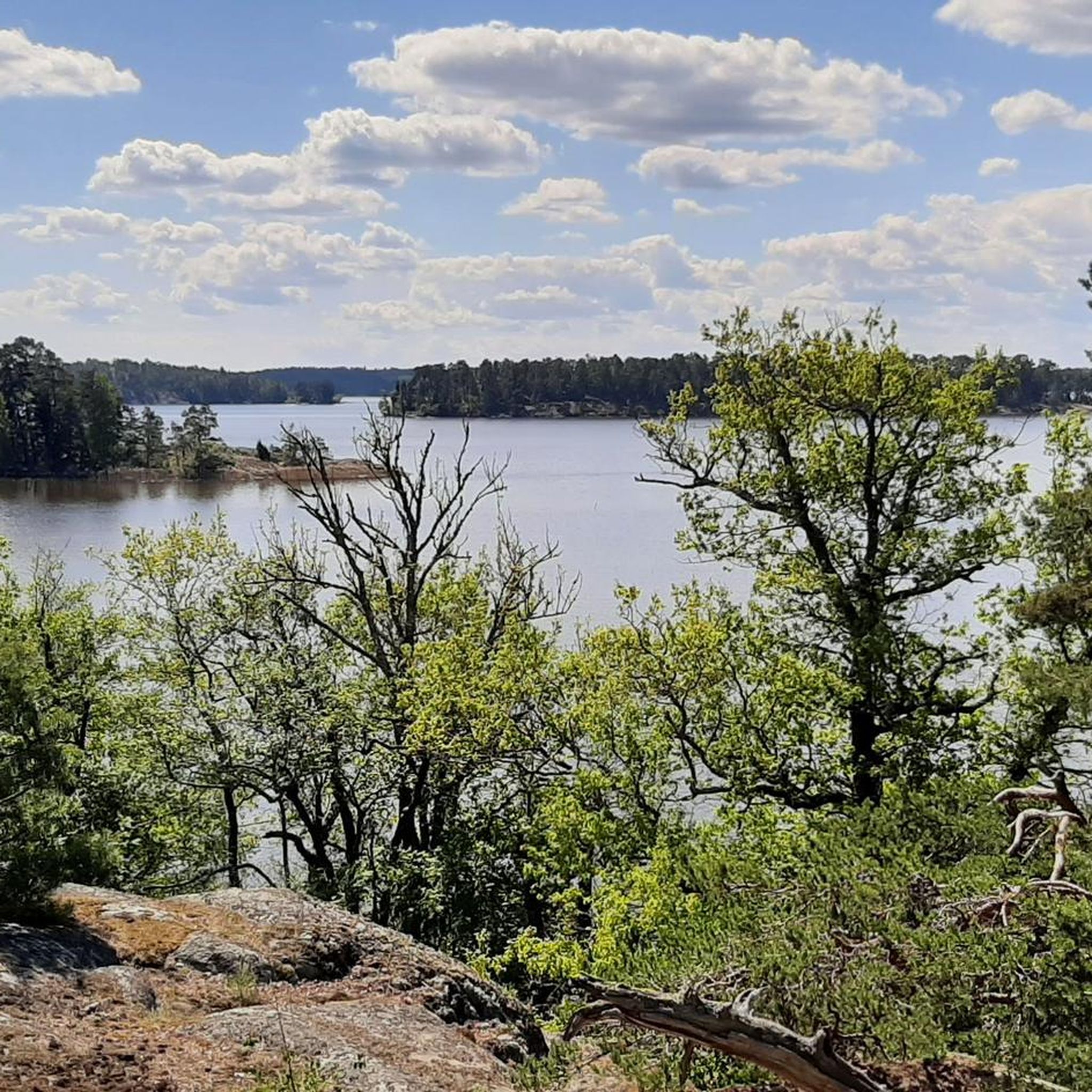
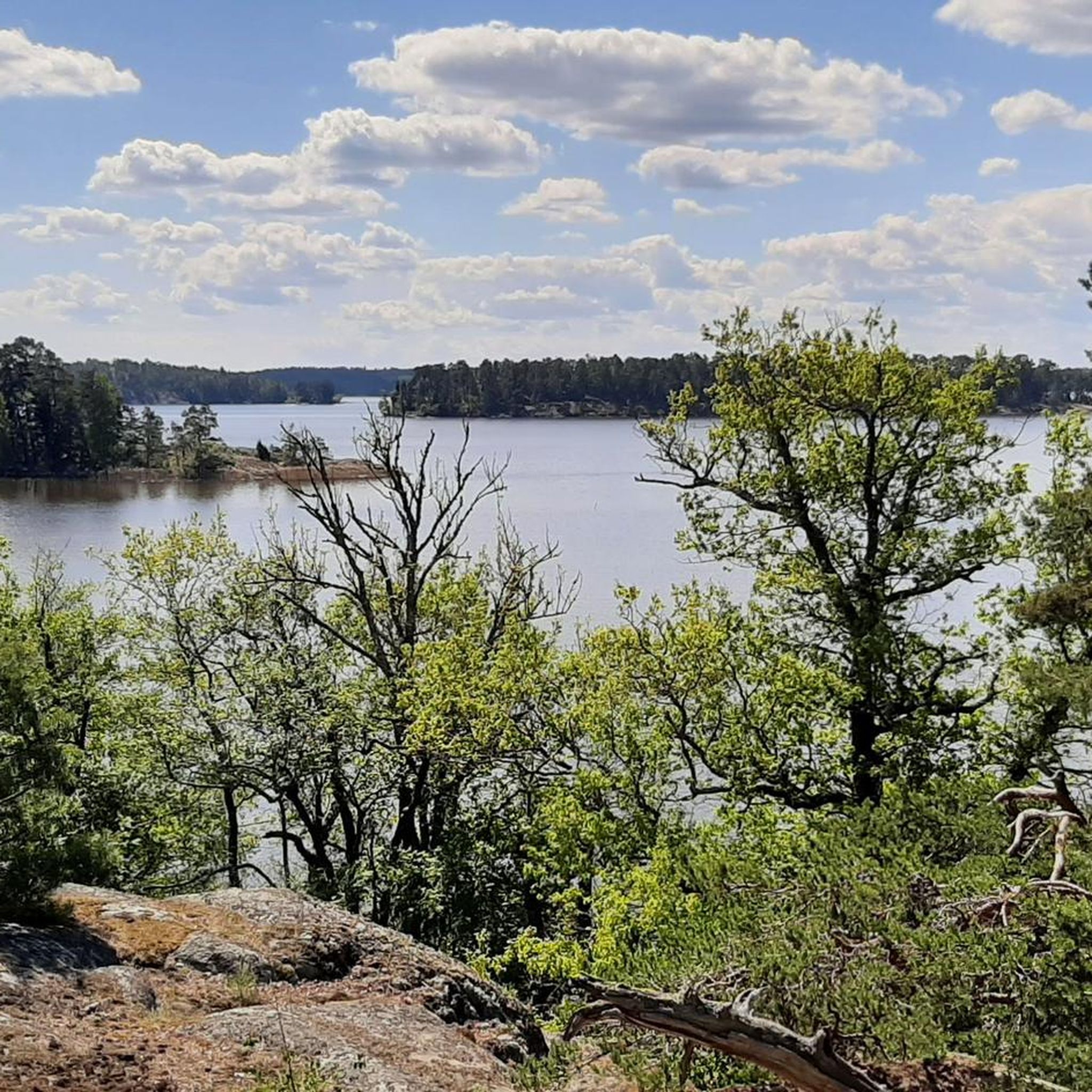
Touring cycling in Frösåker offers access to the scenic landscapes surrounding Lake Mälaren. The region is characterized by generally flat terrain, making it suitable for touring cyclists seeking less challenging routes. It serves as a base for exploring the broader Mälardalen region, including sections of the Mälardalsleden trail. The area provides varied views from tranquil waters to forests, integrating with Västerås's extensive cycling network.
Best touring cycling routes in Frösåker
- The most popular touring cycling route is Scenic Road on…
Last updated: July 4, 2026
10
riders
Moderate bike ride. Good fitness required. Mostly paved surfaces. Suitable for all skill levels.
4
riders
49.4km
03:32
230m
230m
Moderate bike ride. Good fitness required. Mostly paved surfaces. Suitable for all skill levels.

Sign up for free
5.0
(1)
4
riders
38.7km
02:15
190m
190m
Moderate bike ride. Good fitness required. Mostly paved surfaces. Suitable for all skill levels.
6
riders
20.7km
01:39
90m
90m
Easy bike ride. Great for any fitness level. Mostly paved surfaces. Suitable for all skill levels.
Our route recommendations are based on thousands of hikes, rides, and runs completed by other people on komoot.
Start today with a free account
Your next adventure awaits.
Login or Signup
Popular around Frösåker

Tips from the Community


One of the best paved countrysode roads around Mälaren!
0
0


There are mostly a lot of trees here that have been worked on by beavers, so be careful! :D
0
0

Fiholm is a castle-like manor house and former manor as well as fideicommission next to Sörfjärden by Mälaren in Jäder parish, Eskilstuna municipality, approximately 13.5 kilometers northeast of Eskilstuna. Of the castle complex planned by Axel Oxenstierna, only two wing buildings were completed, these were built in the 1640s according to drawings by the architect Simon de la Vallée. Fiholm was already built on in the Middle Ages and remains of the oldest manor can be found in the form of a cellar under the current gardener's residence. However, there has never been any significant building.[6] When Axel Oxenstierna inherited Fiholm in 1617, he planned to have a worthy manor house built for himself and his heirs. He hired the prominent French-Swedish architect Simon de la Vallée to design a large castle complex, while the then 25-year-old Nicodemus Tessin the elder led the construction. The planned castle complex was placed near Sörfjärgen, however, without direct sea contact. From the south, west and east, three avenues extend up to the main building. Stately avenues were a way for the high nobility to underline their social status. The drawings probably existed in the 1630s and the construction work itself was carried out in the early 1640s under the direction of the German mason Herman Floren. Some changes took place in 1642, mainly in the south wing, which was later used as a stable. When the builder Oxenstierna visited the work site in the summer of 1641, the northern wing was walled up while the foundation for the southern wing had been built. He found the houses far too narrow and decided to make the southern wing two cubits (equivalent to 118.76 cm) wider, the northern one had to remain.[7] The castle's two wing buildings were designed in the Franco-Dutch Renaissance style and were completed in 1642. They are two single-storey pink-plastered brick sections under hipped gable roofs, with a section of twenty window shafts. Despite their height, de la Vallée managed to give them harmonious proportions. The sandstone portals were decorated with family coats of arms for Oxenstierna and Bååt, these as well as the sandstone ornaments around the front fireplace and skylights were made by the Stockholm master Heinrich Blume.[8] The main building itself, the high castle, was designed in 1642 by Simon de la Vallée, but it was never built, despite the fact that a lot of building material was laid out, material that was instead used in the remodeling and extension of Jäder's church.[9] Only one shaft still gossips about the construction started. The high castle was to be placed on a slightly elevated courtyard adjacent to the east of the wings. On a depiction in Sueciaverket from the end of the 1690s, the intended main building is seen from the east, in a somewhat idealized form. The four independent wings on the lake side seem to be products of imagination, as does the lake yard. More realistically and without a main building, Fiholm is shown on Gripenhielm's Mälar map from 1688/1689. The entire castle complex would have become a model example of how de la Vallée imagined a man's seat should look and at the same time become a breakthrough in Swedish architecture.[10] From de la Vallée's surviving drawings for the high castle, a two-storey building with two fixed wings facing the courtyard appears. In a degree project in the subject of information design from 2018 at Mälardalen University, an attempt was made to reconstruct the never-built main building.[11] Tradition tells of the background to the interruption of construction as follows. Axel Oxenstierna had decided on Fiholm for his son Johan. When he returned from the Westphalian peace congress, the proud father would show how far the pretentious construction had progressed. But the son was not impressed and thought that the completed wings most resembled stable buildings that he had seen in Germany. "If this is a stable, you can build the farmhouse yourself," replied Axel Oxenstierna in annoyance, and the main building was never built.[7] In his will, Axel Oxenstierna wrote about Fiholm, that this was his "most important seat farm". He also believed that "such large houses bring little benefit to a householder but great expense" (so impractical and expensive).[12] Today, the south wing is inhabited by the owner, while the north wing is empty. The northern one was sometimes used as housing for the farm's workers. The facades are in poor condition pending renovation. (Wikipedia)
0
0

Very impressive church interior, brick Gothic at its finest, with numerous grave monuments including Princess Isabella, King Charles IX. And his wife. Christina of Schleswig-Holstein. In 2018, the grave insignia of the two, worth around €6 million, were stolen and found in a rubbish bin in 2019. In the back of the church there is a children's playroom and a church café is served.
1
0

Dont go there by bike. This trial is for hiking, there is no fun on the bike, its too hard.
0
0
Frequently Asked Questions
How many touring cycling routes are available in Frösåker?
Komoot features 4 touring cycling routes in Frösåker. These routes offer a variety of experiences, from easy loops to moderate distances, allowing you to explore the scenic landscapes around Lake Mälaren.
What is the typical terrain like for touring cyclists in Frösåker?
The Frösåker area is characterized by generally flat terrain, making it well-suited for touring cyclists seeking less challenging routes. You'll encounter a mix of lakeside paths, open agricultural lands, and sections through mixed forests, particularly along the shores of Lake Mälaren.
Are there any easy touring cycling routes suitable for beginners or families?
Yes, Frösåker offers easy routes perfect for beginners or families. For example, the Ängsö Castle loop from Ängsö naturreservat is an easy 20.7 km (12.9 miles) route that takes approximately 1 hour 39 minutes to complete, offering gentle gradients and scenic views.
Can I find circular touring cycling routes in Frösåker?
Many of the touring cycling routes in Frösåker are designed as loops, allowing you to start and end at the same point. Examples include the Scenic Road on Fogdön – Strängnäs Cathedral loop from Åsbyåsens naturreservat and the Bike loop from Ändesta, providing convenient circular journeys.
What kind of natural features and viewpoints can I expect along the routes?
Touring cycling in Frösåker offers diverse natural beauty. You can expect picturesque views over Lake Mälaren, especially from elevated points. Routes often pass through mixed forests of spruce, pine, oak, and hazel, and you might spot wildlife like deer and various bird species, including sea eagles. The peninsula of Kalven in Frösåker Nature Reserve offers excellent views over Granfjärden.
Are there historical landmarks or attractions to visit while cycling in Frösåker?
Absolutely. Frösåker is rich in history and attractions. You can visit Frösåkers Brygga, a Viking-themed attraction with a floating boat museum. The broader region also features historical sites like Ängsö Castle, which you can explore on the Ängsö Castle loop from Ängsö naturreservat. The Mälardalsleden, accessible from Frösåker, connects to numerous castles and cultural heritage sites around Lake Mälaren.
Is Frösåker suitable for cycling with dogs?
While specific routes may have local regulations, the natural environment of Frösåker, with its forests and open areas, generally welcomes dogs. It's always recommended to keep dogs on a leash, especially in nature reserves like Frösåker Nature Reserve, to protect wildlife and ensure a pleasant experience for everyone.
What is the best time of year to go touring cycling in Frösåker?
The best time for touring cycling in Frösåker is typically during the warmer months, from spring to early autumn (May to September). During this period, the weather is generally mild, and the natural landscapes are at their most vibrant. Sea eagles can often be spotted during winter, offering a different kind of scenic experience if you're prepared for colder conditions.
Where can I park my car when starting a touring cycling route in Frösåker?
While specific parking areas for each route are not detailed, Frösåker is part of the Västerås municipality, which has infrastructure for visitors. For routes starting near nature reserves or popular attractions like Frösåker Golf & Country Club or Frösåkers Brygga, you can often find designated parking facilities. It's advisable to check local signage upon arrival.
Is it possible to reach Frösåker's cycling routes using public transport?
Frösåker is located near Västerås, which has an extensive public transport network. While direct public transport to every specific trailhead might vary, Västerås serves as a convenient hub. You can often combine public transport to Västerås with cycling to reach the starting points of routes in the Frösåker area. Some sections of the Mälardalsleden are also accessible via public transport connections around Lake Mälaren.
Are there places to eat or stay overnight near the cycling routes?
Yes, Frösåker offers options for dining and accommodation. Frösåkers Brygga features a boutique hotel and a Viking-themed cafe. Frösåker Golf & Country Club also has dining facilities. Additionally, the nearby city of Västerås provides a wider range of cafes, restaurants, and accommodation choices for cyclists.
What do other touring cyclists say about their experience in Frösåker?
The touring cycling routes in Frösåker are highly rated by the komoot community, with an average score of 5.0 stars. Reviewers often praise the tranquil lakeside paths, the varied natural landscapes, and the generally flat terrain which makes for enjoyable and accessible cycling.

Get inspired with the komoot mobile app


Explore more
Browse the best Cycling routes in other regions.
