The best walks and hikes in Calarcá
3.5
(45)
206
hikers
Hiking in Calarcá, located in Colombia's Quindío department, offers access to diverse ecosystems within the Coffee Cultural Landscape UNESCO World Heritage Site. The region is characterized by lush mountains, Andean forests, and cloud forests, providing varied terrain for outdoor activities. Hikers can explore areas rich in flora and fauna, with elevations ranging from river valleys to higher Andean slopes, often featuring coffee plantations and bamboo forests.
Best hiking trails in Calarcá
- The most popular hiking route is Cascada Santa Rita desde Boquía — circular, a 4.7 miles (7.6 km) trail that takes 2 hours 20 minutes to complete. This moderate route leads through natural landscapes towards the Santa Rita waterfall.
- Another top favourite among local hikers is Salento Viewpoint Loop, an easy 2.2 miles (3.5 km) path. This trail offers views of the surrounding area near Salento.
- Local hikers also love the Salento – Calle Real loop from Salento, a 3.2 miles (5.1 km) trail leading through local streets and natural surroundings, often completed in about 1 hour 37 minutes.
- Hiking in Calarcá is defined by lush mountains, coffee farms, and Andean forests. The network offers options for different ability levels, from easy walks to moderate treks.
- The routes in Calarcá are highly rated by the komoot community with an average score of 3.8 stars from over 40 reviews. More than 200 hikers have used komoot to explore Calarcá's varied terrain.
Last updated: July 4, 2026
4.6
(40)
179
hikers
7.59km
02:21
250m
250m
Moderate hike. Good fitness required. Easily-accessible paths. Suitable for all skill levels.
1
hikers
3.49km
00:58
60m
60m
Easy hike. Great for any fitness level. Easily-accessible paths. Suitable for all skill levels.

Sign up for free
1.0
(2)
9
hikers
5.12km
01:37
200m
200m
Easy hike. Great for any fitness level. Easily-accessible paths. Suitable for all skill levels.
5.0
(3)
17
hikers
5.48km
01:29
80m
80m
Easy hike. Great for any fitness level. Easily-accessible paths. Suitable for all skill levels.
Our route recommendations are based on thousands of hikes, rides, and runs completed by other people on komoot.
Start today with a free account
Your next adventure awaits.
Login or Signup

Tips from the Community

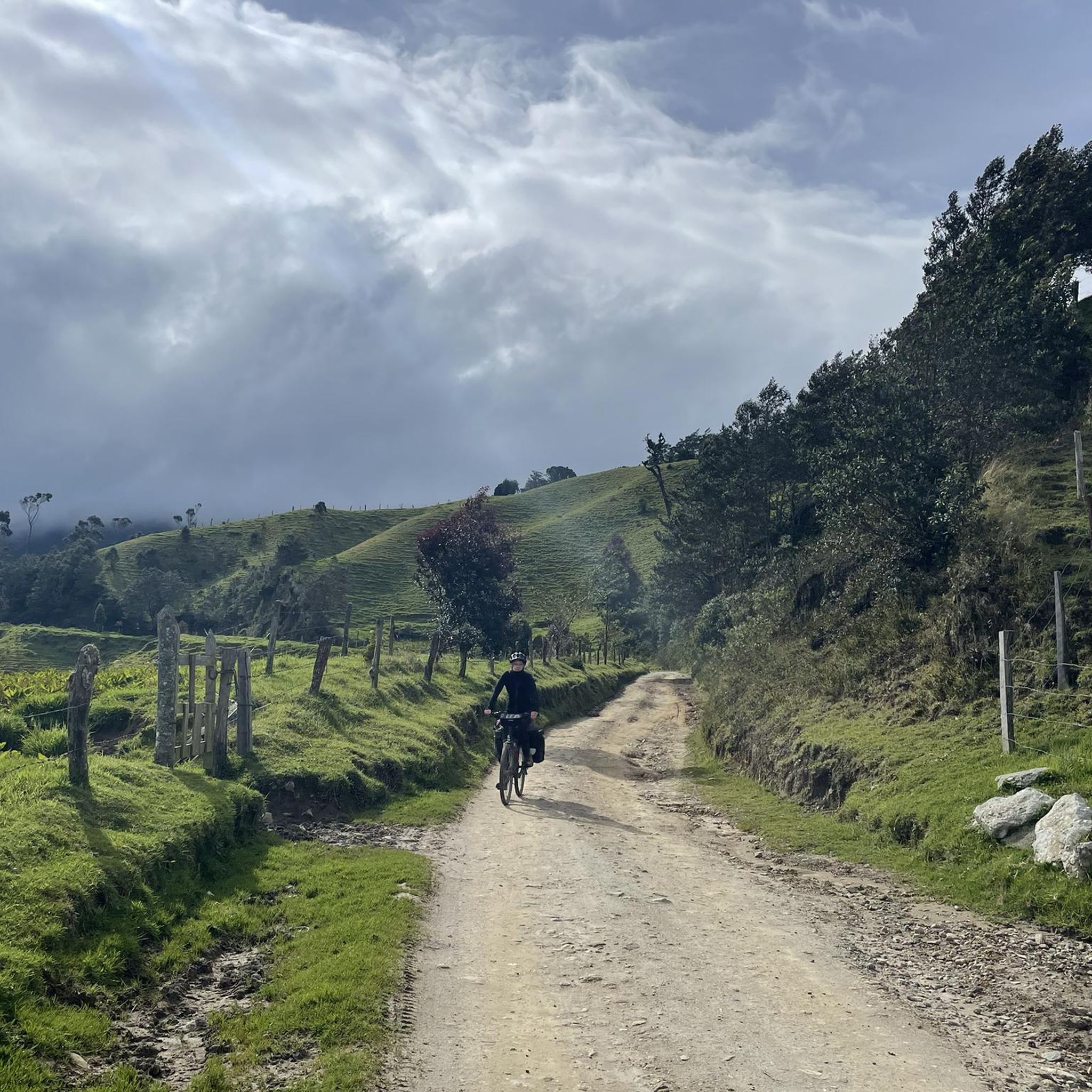
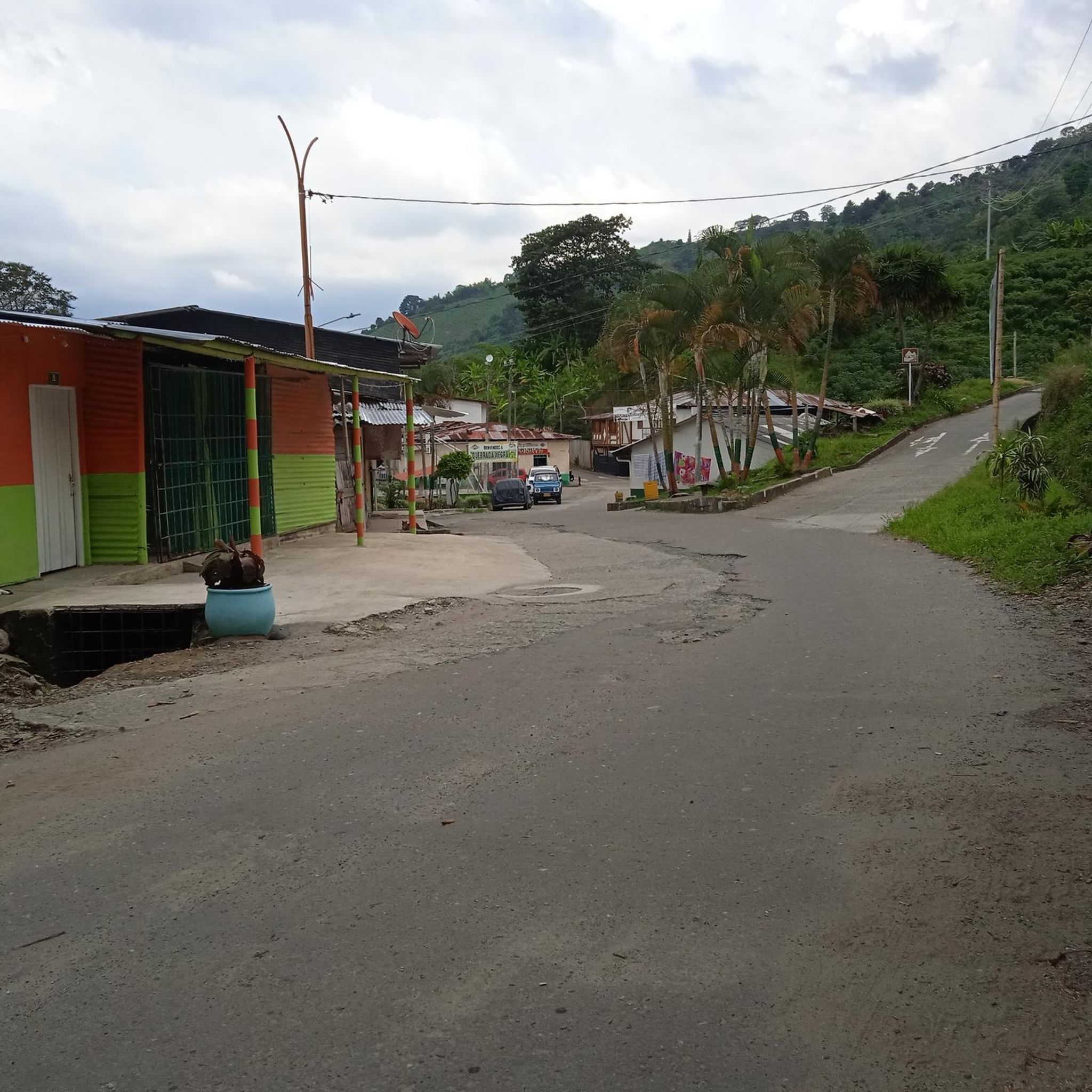
Boquía is a small town on the road between Armenia and Salento in the Quindío Department. Wanderziel: The path leads from this turn-off to the Santa Rita Nature Reserve (Reserva Natural Santa Rita). Sehenswürdigkeiten: Cascada Santa Rita: An approximately 20-meter-high waterfall with a natural swimming pool. Old Bridge & Tunnel: The path runs along old railway tunnels and a historic yellow bridge over the Rio Quindío. Eintritt: Since the waterfall is on private property, an entrance fee is charged at Finca Santa Rita (approx. 5,000-10,000 COP).
0
0
The Río Quindío is the main river of the Colombian department of Quindío. It originates in the Los Nevados National Park in the Andes and flows approximately 69 kilometers in a southwesterly direction. The river flows past the picturesque town of Salento and forms the eastern border of the provincial capital, Armenia. It is the vital drinking water source for the majority of the population in the Quindío region. The upper part of the river runs through the Cocora Valley, home to the Quindío wax palm, Colombia's national tree.
0
0
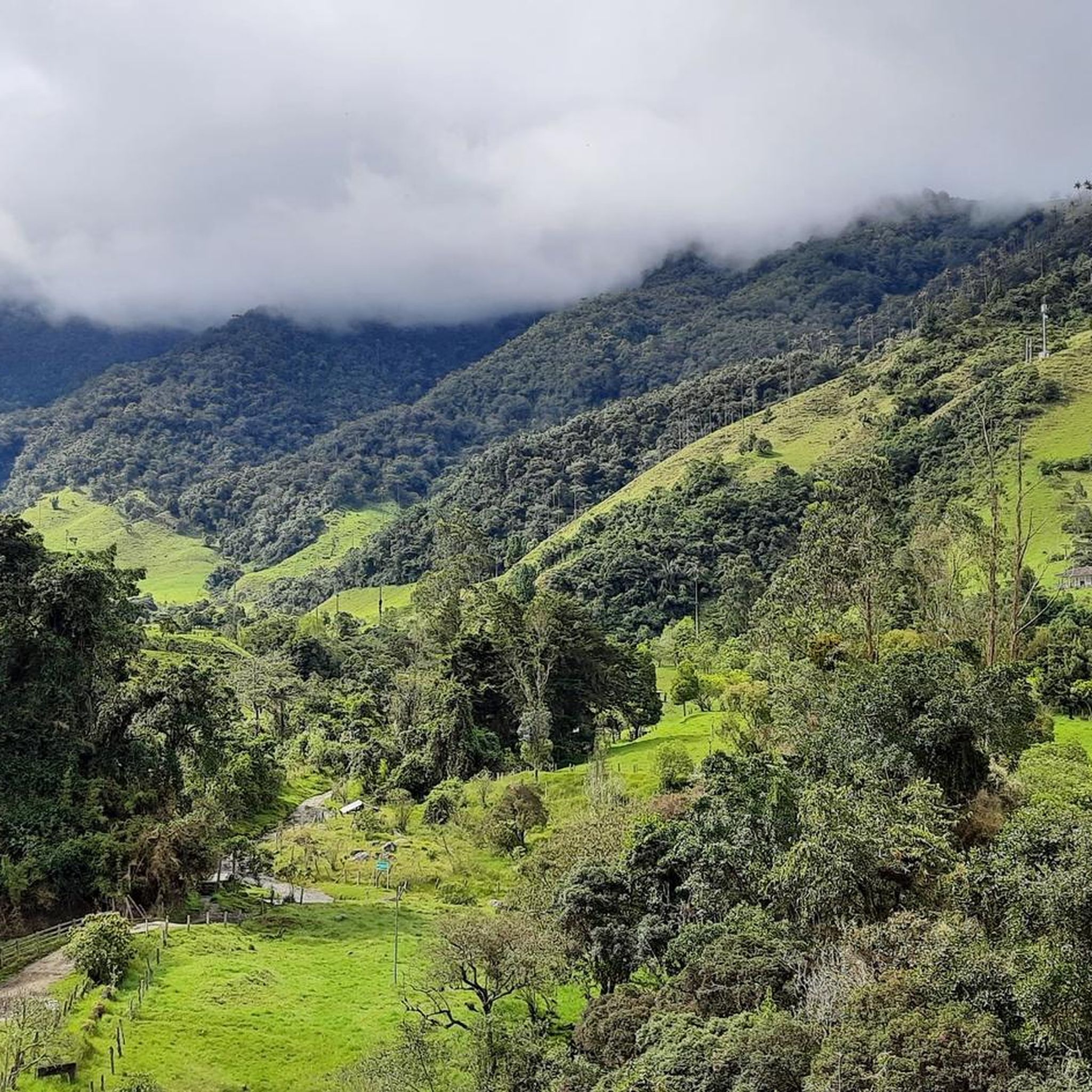
This viewpoint is located in the department of Quindío, in the heart of the Colombian Coffee Triangle. The Mirador is near Salento and offers a panoramic view of the green mountains and coffee plantations of the Quindío Valley.
0
0
The Calle Real (Carrera 6) is the pulsating heart of Salento and is considered one of the most photogenic streets in Colombia. The street is famous for its well-preserved colonial architecture. The two-story houses with their brightly painted balconies, doors, and window frames are the hallmark of the village. On the ground floors, you will find countless small shops selling traditional handicrafts, jewelry made from coffee beans, hand-woven ponchos (Ruanas), and of course, locally roasted specialty coffee.
0
0
This is the viewpoint in Salento, Colombia, which offers a breathtaking view over the valley and the surrounding area. The place is a popular starting point for an easy hike, often referred to as the "Salento Viewpoint Loop". The area is known for the nearby Cocora Valley, which is famous for its tall wax palms. Nearby, there are also traditional coffee farms that offer tours of the production process.
0
0
A colorful municipality in the Colombian coffee region (Eje Cafetero), known for its colonial architecture and natural wonders. Famous for the wax palms (national tree of Colombia) up to 60 meters high. Culture: Colorful house facades in the Calle Real and numerous traditional coffee farms (Fincas) offering tours.
1
0
The Cascada Santa Rita is a popular natural destination in the private nature reserve Reserva Natural Santa Rita in the Boquía sector. The hike to the waterfall is considered relatively easy and leads through a picturesque landscape with cow pastures, rivers, and old tunnels. A popular circular route is about 7.9 km long and takes an average of 3.5 to 4 hours. The approximately 20-meter-high waterfall plunges into a natural pool that invites swimming. Access to the private property is subject to a fee. The price is 11,000 Colombian pesos, with visitors gladly welcomed with a free coffee.
0
0

The viewpoint overlooking the Quindío Valley offers a sweeping panorama of the coffee-growing mountains and the verdant landscape that characterizes this region. It's an ideal spot to pause, enjoy the scenery, and take photos before continuing your journey.
0
0
Frequently Asked Questions
What kind of natural landscapes can I expect to see while hiking in Calarcá?
Calarcá, nestled in the Coffee Cultural Landscape, offers a diverse range of natural beauty. You'll encounter lush mountains, vibrant Andean forests, and enchanting cloud forests. Notable features include the iconic Peñas Blancas cliffs, the scenic Quindío River, and areas rich in unique flora and fauna like the La Nubia Trail.
Are there any hikes in Calarcá that feature waterfalls?
Yes, several popular hikes in Calarcá lead to beautiful waterfalls. For instance, the Cascada Santa Rita desde Boquía — circular route takes you through natural landscapes to the Santa Rita waterfall. Another option is the Natural Pools – Santa Rita Waterfall loop from Boquía, which explores both natural pools and the waterfall area.
Can I find circular hiking routes in Calarcá?
Absolutely. Calarcá offers several excellent circular routes. Besides the waterfall trails, you can enjoy the Calle Real loop from Salento, which combines local streets with natural surroundings, or the Quindío River – Quindío River loop from Salento, offering scenic views along the river.
What are some interesting landmarks or attractions near the hiking trails?
Beyond the trails themselves, you can explore several points of interest. The El Ocaso Coffee Farm offers insights into coffee production. The Boquía Crossing is a notable trail feature, and the nearby town of Salento with its charming Calle Real is also easily accessible.
Are there opportunities to visit coffee farms while hiking in the Calarcá region?
Yes, the region is famous for its coffee. Many trails are close to or pass through coffee plantations. You can visit working coffee farms like El Ocaso Coffee Farm to learn about the coffee production process and enjoy walks through the scenic plantations.
What is the best time of year to go hiking in Calarcá?
Calarcá generally enjoys a pleasant climate year-round due to its tropical mountain location. However, the drier seasons, typically from December to March and July to August, often offer the most comfortable hiking conditions with less rainfall and clearer skies, making them ideal for exploring the trails.
What do other hikers say about the trails in Calarcá?
The hiking routes in Calarcá are highly rated by the komoot community, with an average score of 3.8 stars from over 60 reviews. Hikers often praise the lush natural landscapes, the beauty of the waterfalls, and the immersive experience of the coffee region.
Are there any easy hiking routes suitable for beginners in Calarcá?
Yes, Calarcá offers routes suitable for various skill levels. For beginners, the Salento Viewpoint Loop is an easy option, offering pleasant views. Another accessible choice is the Calle Real loop from Salento, which is also rated as easy.
Can I spot any unique wildlife or plant species on the trails?
Calarcá's diverse ecosystems, including Andean and cloud forests, are home to a rich variety of flora and fauna. You might encounter unique species in areas like the Quindío Botanical Garden, or even spot Andean bears and hummingbirds in higher altitude regions such as the Páramo de Chili.
Is the famous Cocora Valley accessible from Calarcá for hiking?
While the Cocora Valley is located near Salento, it is easily accessible from Calarcá. This renowned valley is famous for its towering wax palms, the tallest palm trees in the world, and offers highly popular spots for hiking and bird watching, making it a worthwhile excursion from Calarcá.
What are the typical durations for hikes in Calarcá?
Hiking durations in Calarcá vary depending on the route and your pace. For example, the moderate Cascada Santa Rita desde Boquía — circular typically takes around 2 hours 20 minutes. Shorter, easy routes like the Salento Viewpoint Loop can be completed in just over an hour.
Most popular attractions in Calarcá

Get inspired with the komoot mobile app


Explore more
Browse the best Hikes in other regions.
