The best walks and hikes in Castlemaine Diggings National Heritage Park
4.6
(5)
65
hikers
11
hikes
Hiking in Castlemaine Diggings National Heritage Park offers exploration through a landscape shaped by both natural features and gold rush history. The park is characterized by rolling hills and extensive Box-Ironbark woodlands, providing habitat for diverse flora and fauna. Hikers can traverse areas featuring remnants of 19th-century gold mining, including eroded gullies from sluice mining. The Loddon River also flows through the park, offering additional natural features.
Best hiking trails in Castlemaine Diggings National Heritage Park
- The most popular hiking…
Last updated: August 23, 2026
11
hikers
Easy hike. Great for any fitness level. Easily-accessible paths. Suitable for all skill levels.
5.0
(1)
11
hikers
11.0km
03:02
190m
190m
Moderate hike. Good fitness required. Easily-accessible paths. Suitable for all skill levels.

Sign up for free
4.7
(3)
7
hikers
7.54km
02:19
270m
270m
Moderate hike. Good fitness required. Easily-accessible paths. Suitable for all skill levels.
1
hikers
8.50km
02:10
30m
30m
Moderate hike. Good fitness required. Easily-accessible paths. Suitable for all skill levels.
4
hikers
17.4km
04:42
240m
240m
Moderate hike. Good fitness required. Easily-accessible paths. Suitable for all skill levels.
Get access to more routes and recommendations from other explorers.
Sign up for free
Already have an account?
Our route recommendations are based on thousands of hikes, rides, and runs completed by other people on komoot.
Start today with a free account
Your next adventure awaits.
Login or Signup
Popular around Castlemaine Diggings National Heritage Park
Tips from the Community

Leanganook Track climbs through eucalypt forest and granite outcrops across Mount Alexander, following part of the wider Goldfields Track and Great Dividing Trail network. The route includes dirt bush track, rocky sections, and steeper climbs toward the summit areas, where large granite boulders and exposed viewpoints become more prominent. “Leanganook” is the Dja Dja Wurrung name for Mount Alexander, commonly translated as “his teeth,” reflecting the jagged granite formations along the mountain ridge.
0
0

Located in Victoria's Goldfields region, Casltemaine got its start with the Victoria Goldrush in 1851. The Dja Dja Wurrung have called this area home and who are part of the Kulin alliance made up of 16 nearby clans. Today Castlemaine is a popular destination due to its historic architecture, bustling arts scene, and abundance of outdoor activities. The town is also known for having a great food and wine scene with a wide variety ranging from pub fare to modern cafes, breweries, wineries, and cideries.
0
0
This wide, gravely shared-use path heads south from Castlemaine alongside its namesake creek. It's popular with gravel bikers, joggers, and hikers who enjoy getting out in nature for exercise or to commute to the southern reaches of town.
0
0
Castlemaine Station provides regular commuter service on the V/Line as well as the historic Victorian Goldfields Railway. This makes it a great option for history buffs and cyclists and hikers who want to do a long one-way journey and take the train the other way.
1
0


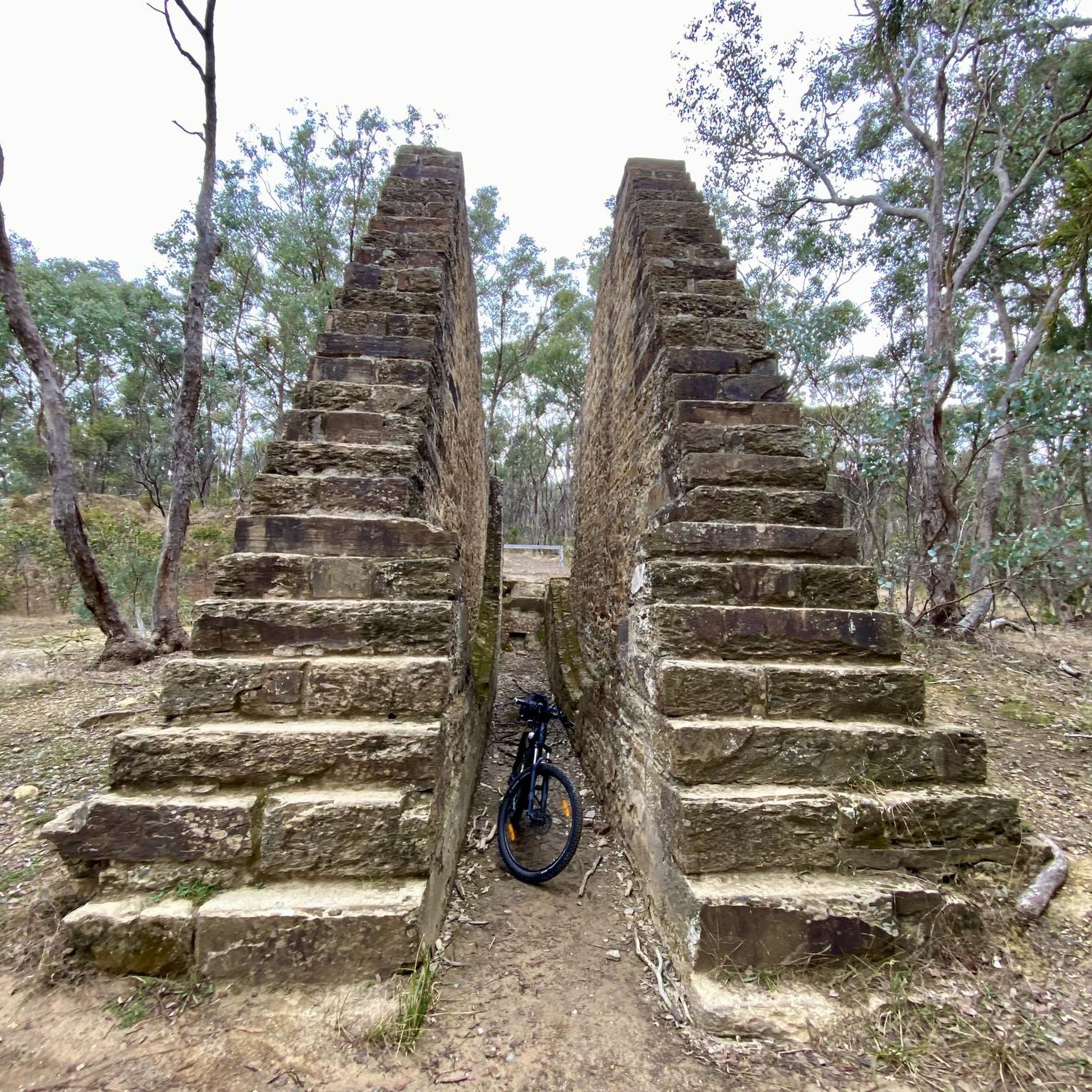
Eureka Reef boasts some of the earliest quartz mining relics in Victoria including a massive exposed quartz reef, foundations of Cornish crushing batteries and a mining village. Aboriginal rock wells are also present. A pleasant 1.8km walk takes you through 140 years of mining history. See the forest through the eyes of the Jaara people, alluvial gold diggers and quartz reef miners. In winter and spring there are many native wildflowers in the Eureka Reef forest. Source: http://parkweb.vic.gov.au/explore/parks/castlemaine-diggings-national-heritage-park/things-to-do/eureka-reef
0
0
Frequently Asked Questions
How many hiking trails are available in Castlemaine Diggings National Heritage Park?
There are 10 hiking routes available in Castlemaine Diggings National Heritage Park. These trails offer a mix of easy and moderate difficulty levels, allowing for diverse exploration of the park's gold rush history and natural landscapes.
What kind of historical sites can I expect to see while hiking?
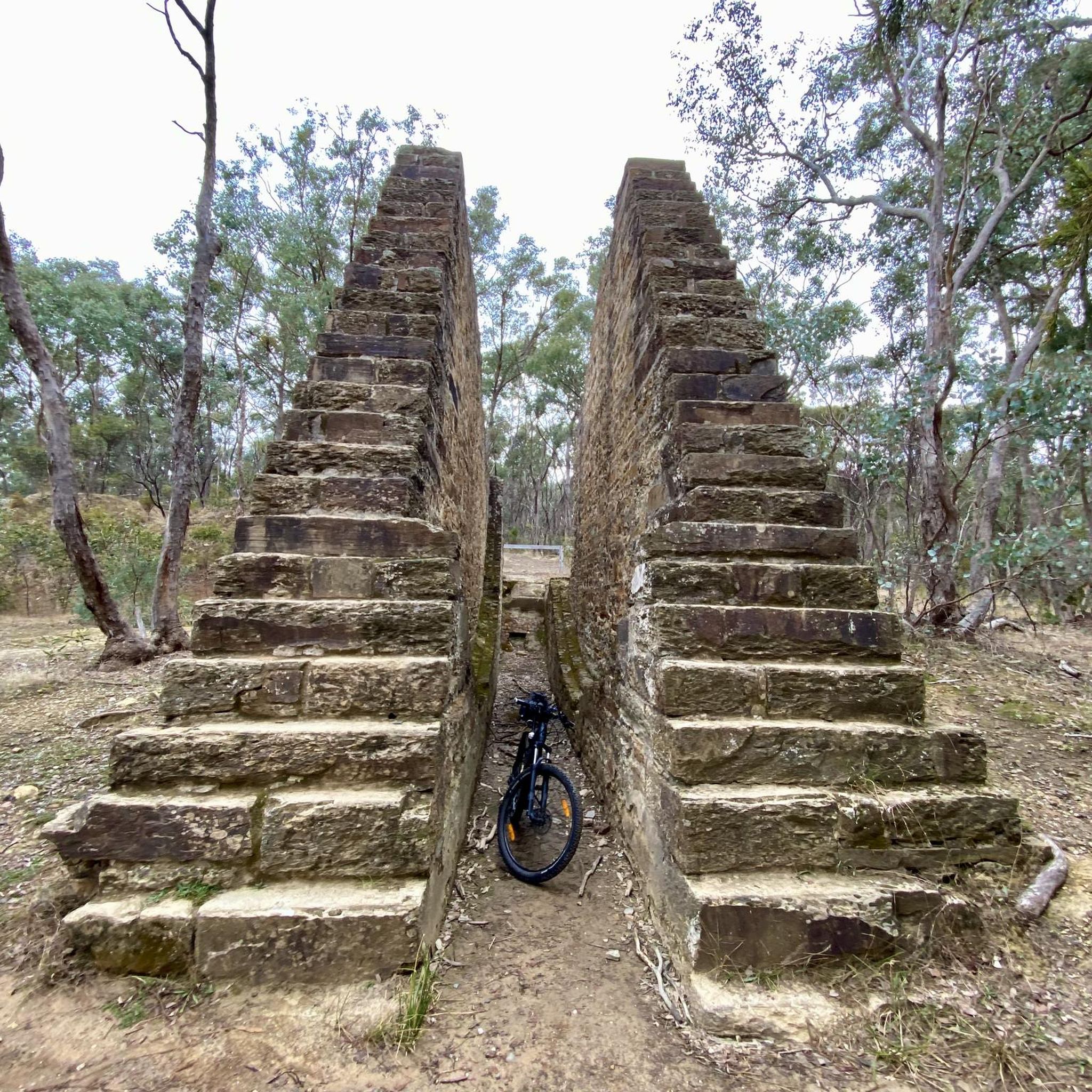
The park is rich with gold rush history. Hikers can discover abandoned mines and settlements, house sites, puddling machines, mine shafts, stone chimneys, and water races. Notable relics include the Garfield Water Wheel and sites like Eureka Reef and Forest Creek Gold Diggings, which offer a glimpse into the 19th-century gold prospecting era.
Are there any natural features or viewpoints to enjoy?
Yes, the park features extensive Box-Ironbark woodlands, rolling hills, and gullies eroded by sluice mining. The Loddon River flows through the park, offering tranquil spots. For scenic views and picnics, Kalimna Point is a prominent ridgeline within the park. Birdwatching is also popular along the Loddon River and around Eureka Reef.
Are there family-friendly hiking options in the park?
Yes, the park offers several easy trails suitable for families. An example is the Puddling Works – Ruined Miners Cottages loop from Shire of Mount Alexander, which is 5.3 km long and explores historical mining sites, making it an engaging walk for all ages.
Can I bring my dog on the hiking trails?
Dogs are generally permitted in Castlemaine Diggings National Heritage Park, but they must be kept on a leash at all times to protect wildlife and ensure the safety of other visitors. Always check specific trail regulations or signage for any restrictions.
What is the terrain like on the hiking trails?
The terrain varies, featuring rolling hills and paths through Box-Ironbark woodlands. You'll encounter areas with remnants of gold mining, including eroded gullies. Surfaces can range from well-defined tracks to more natural, uneven ground, reflecting both the natural landscape and historical human activity.
Are there circular hiking routes available?
Yes, many of the trails in Castlemaine Diggings National Heritage Park are circular, allowing you to start and end at the same point. For instance, the Trapps Hill – Burns Hill loop from Shire of Mount Alexander is a moderate 11 km circular path through woodlands, and the Dog Rocks – Ed's Seat loop from Ed's Seat is another popular circular option.
What is the best time of year to go hiking in the park?
The best time to hike in Castlemaine Diggings National Heritage Park is typically during spring (September to November) and autumn (March to May). These seasons offer milder temperatures, making for more comfortable hiking conditions and vibrant natural scenery. Summers can be hot, and winters can be cool and wet.
What do other hikers say about the trails in Castlemaine Diggings National Heritage Park?
The trails in Castlemaine Diggings National Heritage Park are highly rated by the komoot community, with an average score of 4.2 stars. Reviewers often praise the unique blend of gold rush history and natural beauty, highlighting the well-preserved mining relics and the peaceful Box-Ironbark woodlands.
Where can I find more information about the park's regulations or visitor facilities?
For detailed information on park regulations, visitor facilities, and any current alerts, it's best to consult the official Parks Victoria website for Castlemaine Diggings National Heritage Park: parks.vic.gov.au. You can also find a visitor guide there for planning your trip.
Are there any longer, more challenging hikes for experienced hikers?
While the park primarily features easy to moderate trails, some longer routes offer a greater challenge. For example, the Poverty Gully Reservoir – Cornish Chimney loop from Castlemaine is a moderate 17.4 km hike, providing a more extended exploration of the park's landscapes and historical features.
Most popular routes in Castlemaine Diggings National Heritage Park

Get inspired with the komoot mobile app


Explore more
Browse the best Hikes in other regions.
