Top 3 Castles around Shotwick
Best castles around Shotwick offer a glimpse into the region's strategic historical importance as a border defense between England and Wales. The area is characterized by its medieval fortifications, including the significant earthworks of Shotwick Castle, which showcase Norman military architecture. These sites provide a tangible connection to centuries of Anglo-Welsh conflict and the evolution of defensive structures. The landscape, once dominated by the River Dee, further highlights the strategic thinking behind these historical strongholds.
Best castles around Shotwick
- The…
Last updated: May 15, 2026
Flint Castle
Highlight • Historical Site
Fans of military architecture make a bee-line for Flint. The first castle to be founded as part Edward I’s campaign against …
Tip by

Ewloe Castle
Highlight • Castle
Tip by

Sign up now to discover places like this
Get recommendations on the best single tracks, peaks, & plenty of other exciting outdoor places.
Sign up for free
King Richard II and Mathe Sculpture at Flint Castle
Highlight • Monument
Tip by

Hawarden Castle
Highlight • Castle
Tip by

Start today with a free account
Your next adventure awaits.
Login or Signup
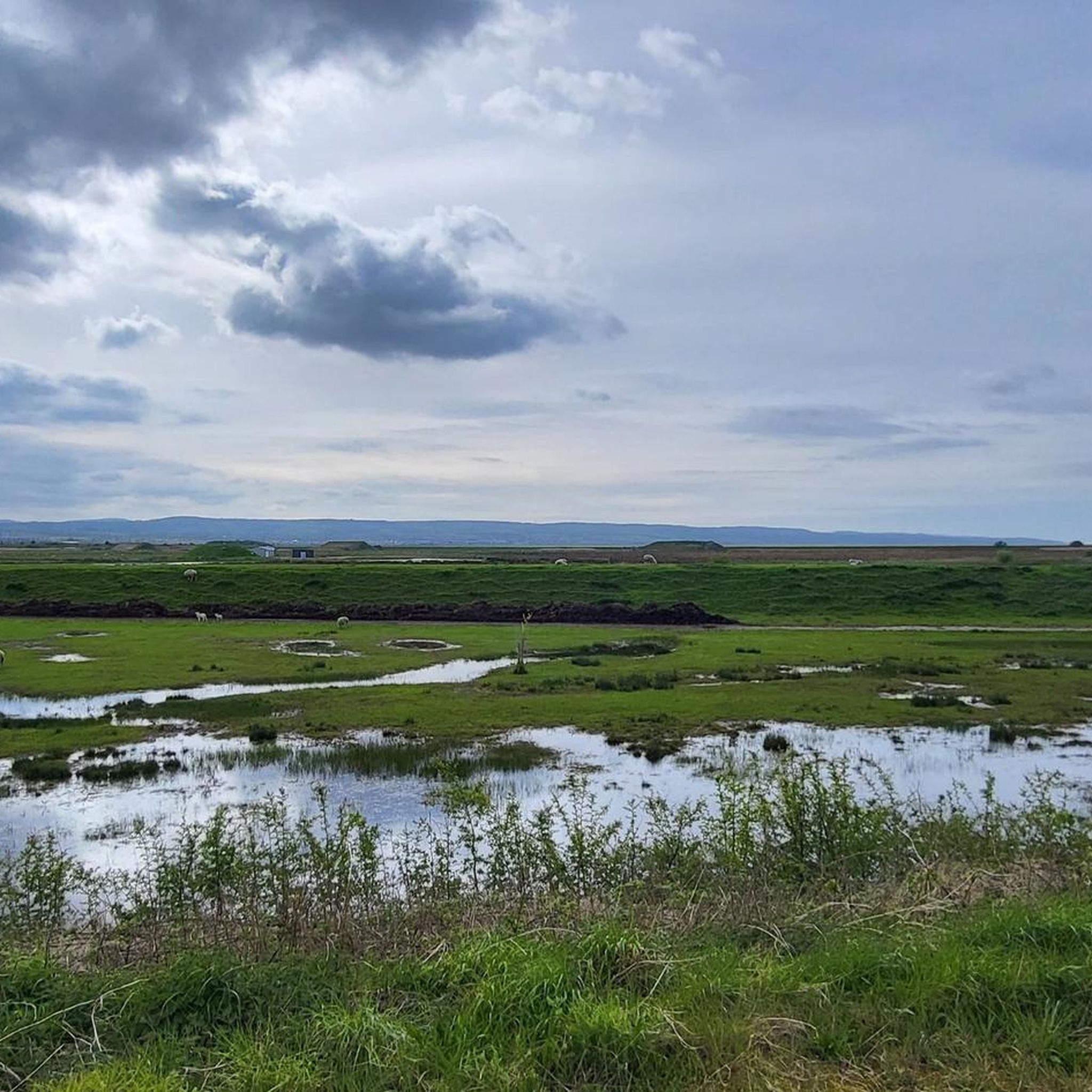

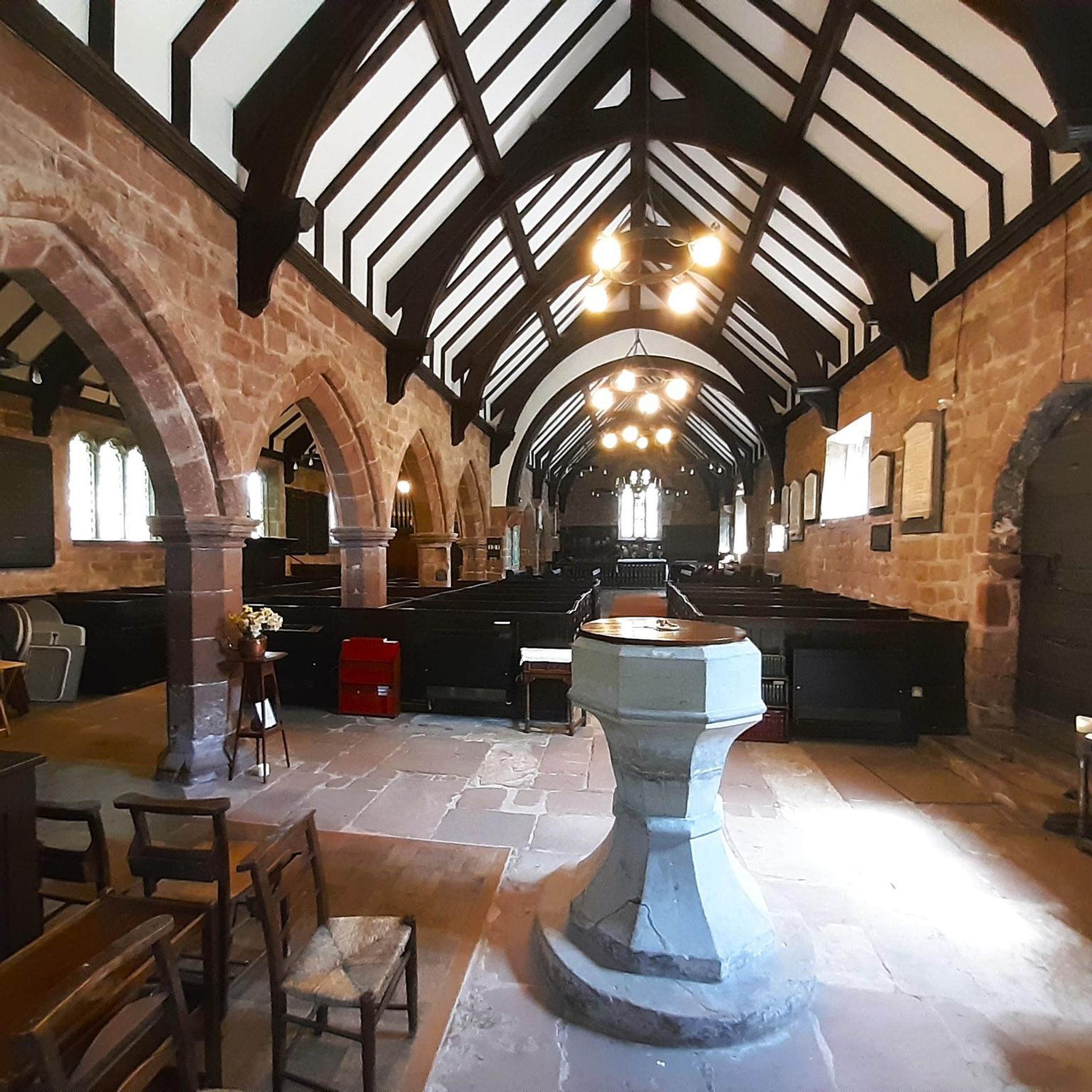
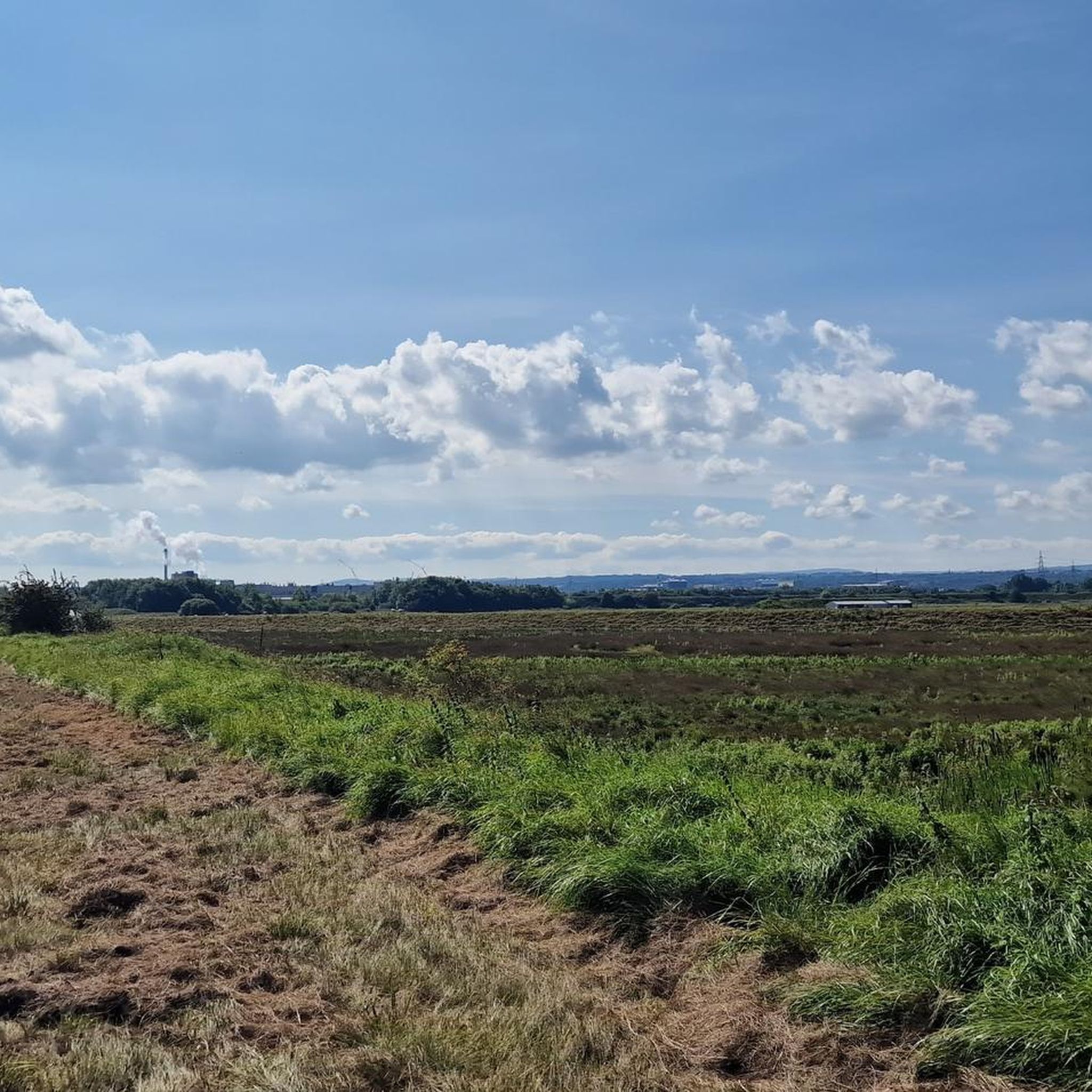

Tips from the Community

Great views from the towers looking south east towards Ellesmere. Also great looking north eastward to The Wirral across the River Dee to Neston and Parkgate.
0
0
Great views from the castle towers up a new spiral staircase. We walk north west along the coast through birch woodland. Many seabirds to observe from the headlands on the Dee mudflats. Check the tides for best viewing at low water.
0
0

Ewloe Castle is nestled in a beautiful wooded area and is a small yet intriguing medieval fortress. It was built in the 13th century by Llywelyn ap Gruffudd and refelcts the Welsh resistance against English conquest.
1
0

A great place to visit with Free entry and a free car park ! Also a great start or finishing plase for the North Wales Coastal path
1
0

Flint Castle in Flint, Flintshire, was the first of a series of castles built during King Edward I's campaign to conquer Wales. The site was chosen for its strategic position in North East Wales.
4
0

The remains of Hawarden Castle can be seen on the elevated hill, you can ride round one side but there is a high metal fence in place preventing full access all around the castle
0
0
The earliest and most unusual of Wales’ English-built castles Fans of military architecture make a bee-line for Flint. The first castle to be founded as part Edward I’s campaign against Llywelyn ap Gruffydd (Llywelyn the Last) in north Wales, it boasts a unique and unusually sophisticated design. Started in 1277 and largely completed by 1284, the castle is dominated by the great tower (or donjon) at its south-east corner. Surrounded by its own moat and accessed via a drawbridge, it’s essentially a castle within a castle. Built with exceptionally thick walls and equipped with all the facilities required to withstand a siege, it was presumably intended to be a final refuge in the event of an attack. Flint Castle is also famous as the location of a fateful meeting in 1399 between Richard II and his rival to the crown Henry Bolingbroke (later Henry IV), an event immortalised in Shakespeare’s Richard II.
8
0

Nice informative piece of art
0
0
Frequently Asked Questions
What historical significance do castles in the Shotwick area hold?
The castles in the Shotwick area, particularly Shotwick Castle itself, are rich in history. Shotwick Castle, built around 1093 by Hugh Lupus, served as a crucial Norman border defense against the Welsh. English monarchs like Henry II, Henry III, and Edward I visited and stayed there during military campaigns. While no masonry structures stand above ground today, its impressive earthworks and strategic location offer a tangible connection to medieval Anglo-Welsh conflicts and the evolution of defensive architecture.
Are there any castles around Shotwick that are particularly family-friendly?
Yes, Flint Castle is noted as family-friendly. Its unique design and historical significance, including its role in Edward I's campaign and the meeting between Richard II and Henry Bolingbroke, make it an engaging visit for all ages. The nearby King Richard II and Mathe Sculpture at Flint Castle also adds an informative artistic element to the experience.
Can I explore the remains of Shotwick Castle?
Yes, you can explore the site of Shotwick Castle. Although it is largely in ruins with no standing masonry, its well-defined motte-and-bailey earthworks are clearly visible. These impressive earthworks showcase the original defensive layout of this Norman fortification and provide insight into its strategic importance. The site is recognized as a scheduled monument.
What kind of views can I expect from the castles in this region?
From Flint Castle, you can enjoy lovely views by the estuary. Visitors often sit and have a picnic by the castle, observing seabirds from the headlands on the Dee mudflats. Hawarden Castle, though mostly ruins, is situated on an elevated hill, offering scenic perspectives of the surrounding area.
Are there hiking opportunities near these castles?
Yes, there are several hiking opportunities. For example, you can find routes like the 'Burton Marsh Boardwalk – Burton Marshes Boardwalk loop' (6.9 km, easy) or the 'Hawarden Bridge – River Dee Riverside Trail loop' (6.7 km, easy) near the castles. You can find more hiking trails in the Hiking around Shotwick guide.
What other outdoor activities can I do near the castles?
Beyond hiking, the area offers options for running and gravel biking. You can explore running trails such as the 'Alpaca Farm – Capenhurst Pinfold loop' (5.7 km, moderate) or find more options in the Running Trails around Shotwick guide. For gravel biking, routes like the 'Hadlow Road railway station – The Wirral Way loop' (33.6 km, moderate) are available, with more details in the Gravel biking around Shotwick guide.
What makes Ewloe Castle unique?
Ewloe Castle is a small yet intriguing medieval fortress nestled in a beautiful wooded area. Built in the 13th century by Llywelyn ap Gruffudd, it reflects the Welsh resistance against English conquest, offering a glimpse into a significant period of Welsh history.
What do visitors enjoy most about Flint Castle?
Visitors to Flint Castle appreciate its unique and sophisticated design, particularly the great tower (or donjon) which acts as a castle within a castle. Its strategic position by the estuary and the opportunity for walks or cycles along the coast are also highly valued. The castle's historical significance as the first of Edward I's Welsh castles and its connection to Richard II are also major draws.
Are there any castles that are more about ruins and historical context than standing structures?
Yes, both Shotwick Castle and Hawarden Castle fit this description. Shotwick Castle consists mainly of impressive earthworks, providing a deep dive into Norman history and medieval border defenses. Hawarden Castle also features significant ruins on an elevated hill, allowing visitors to appreciate its historical context and strategic placement.
What is the best time to visit the castles around Shotwick?
While there isn't a specific 'best' season universally, visiting during milder weather allows for more comfortable exploration of the outdoor sites like Shotwick Castle's earthworks and the grounds of Flint Castle. Spring and early autumn often provide pleasant temperatures for walking and enjoying the surrounding natural landscapes.
Most popular attractions around Shotwick

Get inspired with the komoot mobile app


Explore more
Looking for the best castles somewhere else? Discover other guides around Shotwick:
