Top 20 Lakes around Wurzbach
Best lakes around Wurzbach offer diverse natural and historical water experiences in the surrounding region. While the town itself is not known for large lakes, the wider area features significant reservoirs and former industrial sites transformed into natural attractions. These locations provide opportunities for exploring unique landscapes, from deep clear waters to historical slate quarries. The area's water bodies are often nestled within forested hills, providing scenic views and varied terrain.
Best lakes around Wurzbach
- The most popular lakes is…
Last updated: July 8, 2026
Göpelschacht Shaft Complex, Lehesten
Highlight • Monument
The Göpel shaft system was …
Translated by Google •
Tip by

Lehesten Slate Quarry Industrial Heritage Site
Highlight • Monument
Translated by Google •
Tip by
Sign up now to discover places like this
Get recommendations on the best single tracks, peaks, & plenty of other exciting outdoor places.
Sign up for free
Ködel Reservoir Water Intake Tower
Highlight • Monument
Translated by Google •
Tip by

Ködel Reservoir
Highlight • Lake
Translated by Google •
Tip by

Presswitzer Spitze at Hohenwarte Reservoir
Highlight • Viewpoint
Translated by Google •
Tip by

Sign up for free to discover even more lakes around Wurzbach.
Sign up for free
Already have an account?
Start today with a free account
Your next adventure awaits.
Login or Signup
Popular around Wurzbach
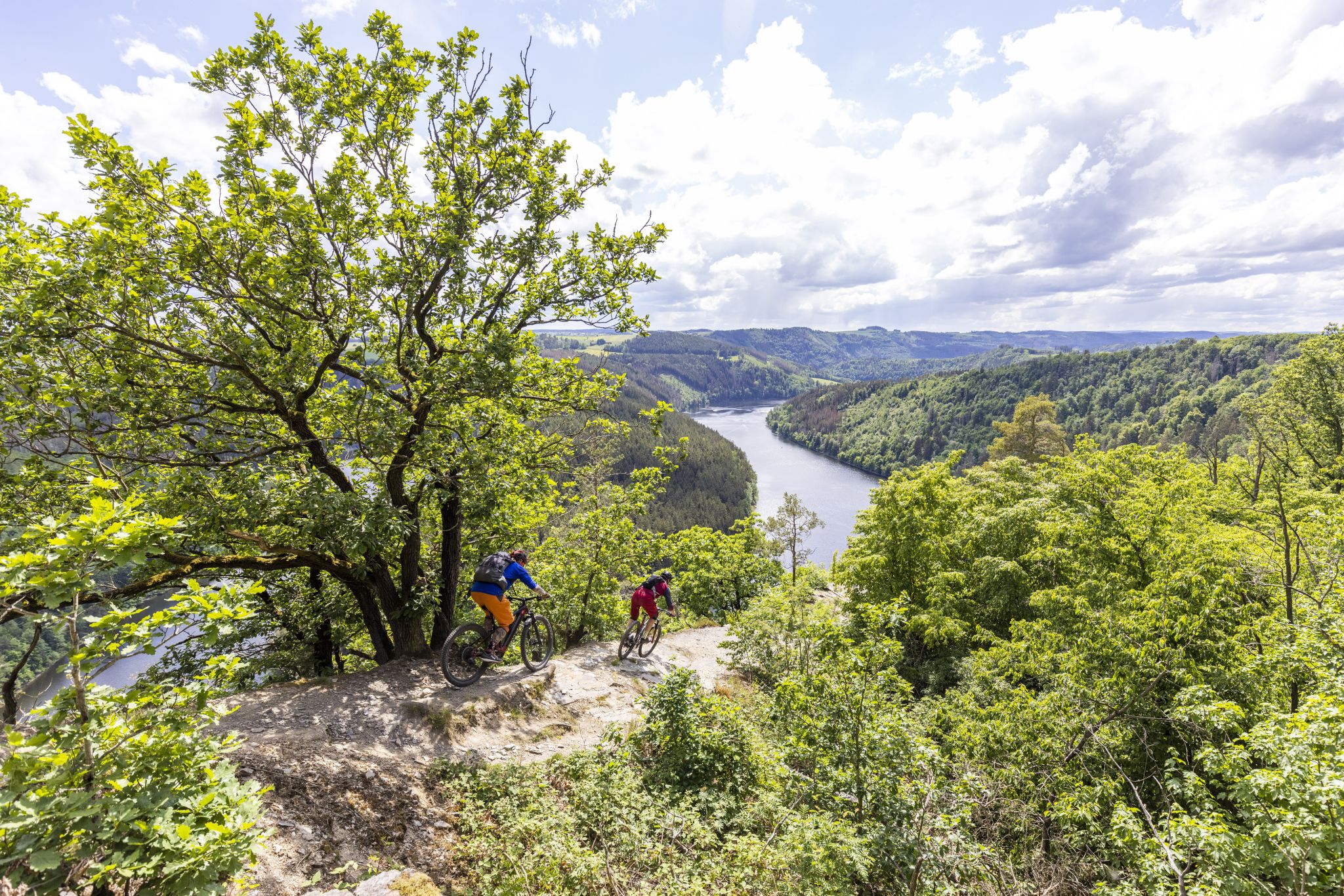
In the land of blue gold – Trail guide Thuringian Slate Mountains
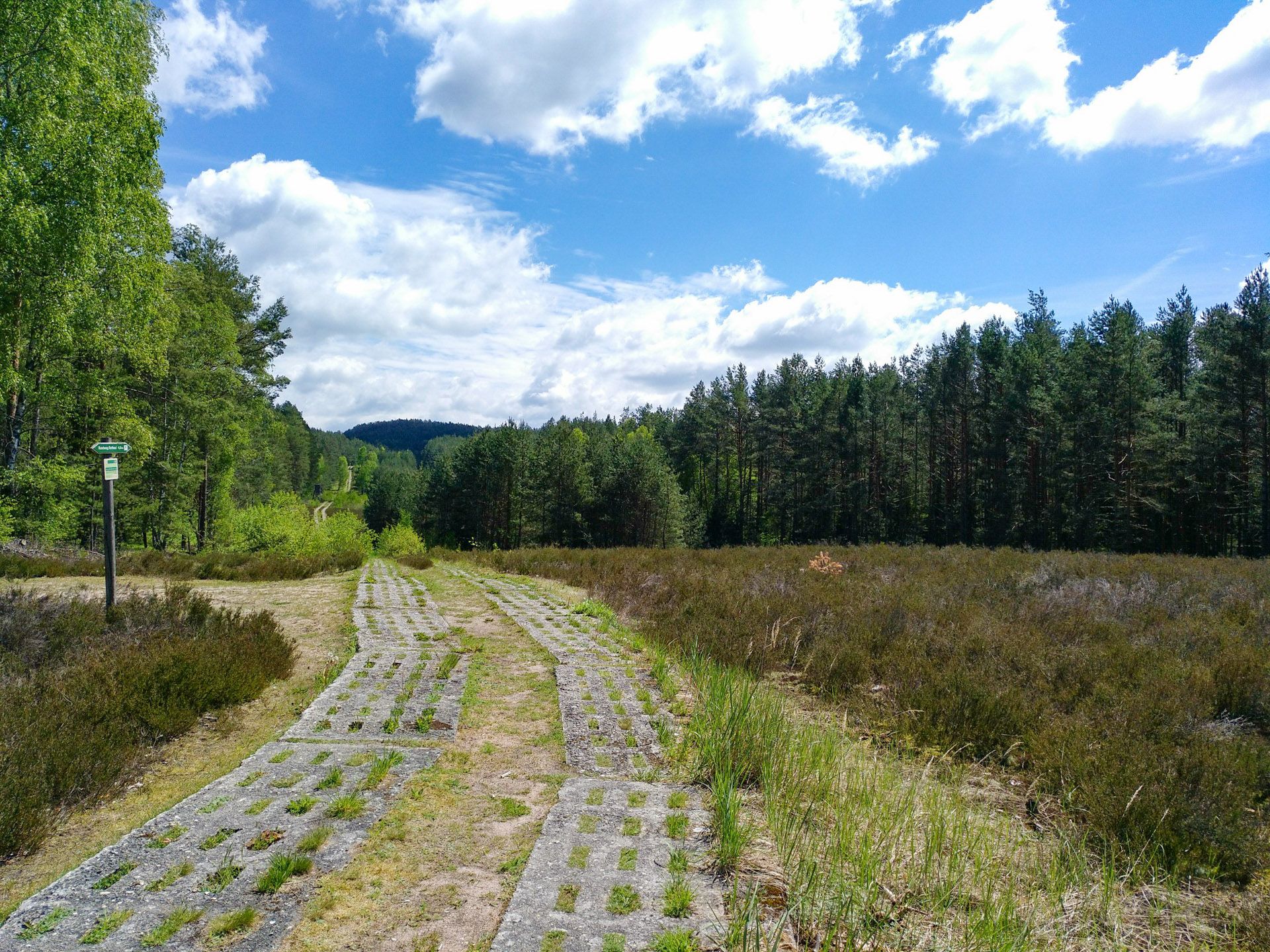
Discover the Green Belt in Germany’s Thuringian Slate Mountains with BUND
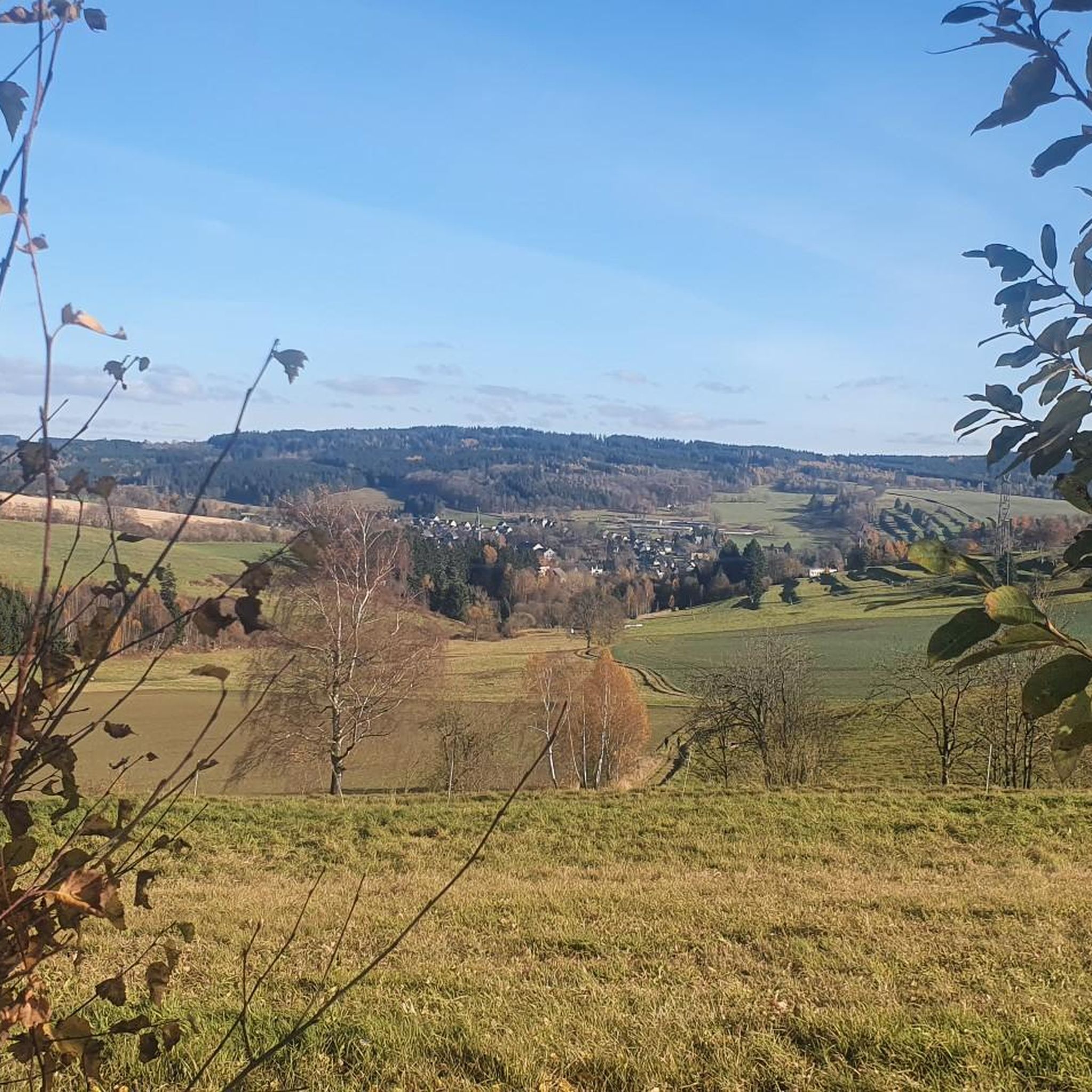
Hiking around Wurzbach
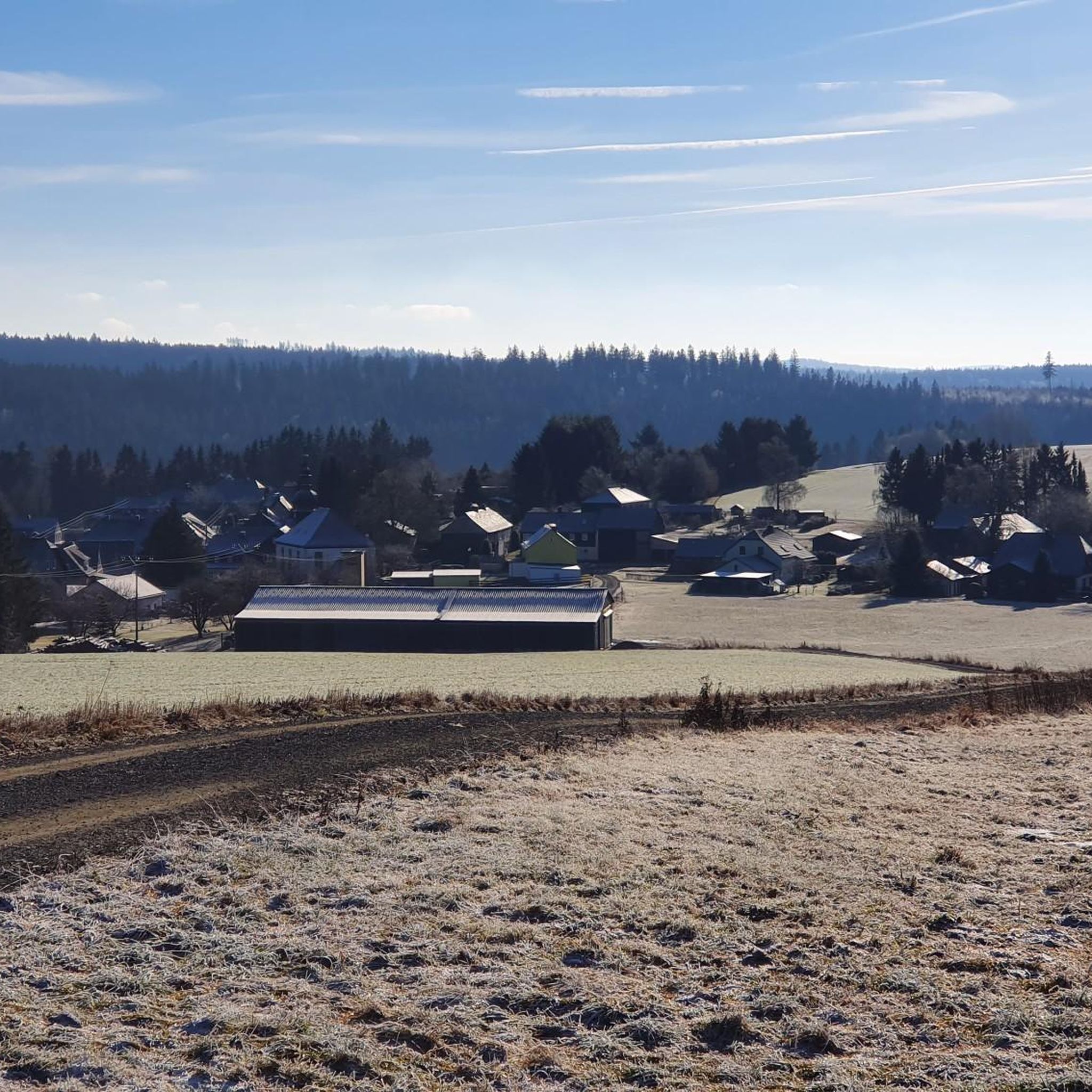
Cycling around Wurzbach
Running Trails around Wurzbach
MTB Trails around Wurzbach
Road Cycling Routes around Wurzbach

Gravel biking around Wurzbach


Tips from the Community

This is the former Lehesten roofing slate opencast mine. Its dimensions alone are impressive; along with the nearby Oertelsbruch, it was one of the largest slate quarries on the continent (approximately 800 m long, 300 m wide, and up to 80 m deep). Source: Wikipedia
10
1

A beautiful region 🤩 If you like, you can also take a detour to the Alvater Tower.
20
2

In the "Land of Blue Gold," as the slate is called here because of its distinctive color, the tradition of Thuringian-Franconian slate mining can still be experienced today. This extraordinary industrial complex, located at what was once one of Europe's largest open-cast slate mines, provides a hands-on experience of the history and processing of slate. The entire Staatsbruch Slate Park area is a nature reserve. 170 Red List species have now been confirmed to have settled in this partially inaccessible area.
23
1
The Göpel shaft system, unique in Europe, is the heart of the “Historic Lehesten Slate Mining” monument ensemble and the trademark of the slate park. The Göpel shaft system was built around 1850, five years after the open-cast mine opened. On the north-west edge of the now closed and flooded roofing slate open-cast mine, the Göpel shaft was used to lift mined slate rock and thus stabilize the production flow. The rock was transported to the adjacent double-slitting hut and processed.
23
1

Beautiful views around the dam.
3
1

Be sure to visit and take enough time with you.
10
1

The "Preswitzer Spitze" protrudes wonderfully into the reservoir like a small peninsula and so you have a great view on both sides.
8
0

The drinking water dam Mauthaus - called "Ködeltalsperre" - is one of the largest of its kind in Bavaria. Around the "Frankenwaldfjord" leads an approx. 11.5 km long paved path, which is ideal for hiking, cycling or inline skating. The drinking water dam Mauthaus is located in the valley of the Nurner Ködel, a tributary to the Rodach, about 20 kilometers northeast of Kronach. It was built from 1968 to 1972 to supply drinking water. As a secondary purpose, it serves to protect against flooding, raise low water levels and generate electricity from hydropower. It was put into operation in 1975 and was thus the first Bavarian drinking water dam. The body of water may not be used for water sports, which contributes significantly to the quality of drinking water. A bicycle rental is located in the Oberes Rodachtal tourist office in Steinwiesen, Kronacher Straße 75.
3
0
Frequently Asked Questions
What kind of lakes can I explore around Wurzbach?
The region around Wurzbach offers a diverse range of water bodies, including significant reservoirs, former industrial sites transformed into natural attractions, and even some natural lakes. You'll find deep, clear waters in flooded slate quarries and large drinking water dams.
Are there any historical sites or industrial heritage lakes to visit?
Yes, the area is rich in industrial heritage. You can visit the Lehesten Slate Quarry Industrial Heritage Site, which was once one of Europe's largest open-cast slate mines and is now a nature reserve with clear water. Another unique spot is the Göpelschacht Shaft Complex, Lehesten, a historical shaft system at the heart of the slate mining monument ensemble, featuring a closed and flooded roofing slate open-cast mine with crystal clear water.
Are there family-friendly lakes or activities suitable for children?
Many of the sites are considered family-friendly. The Lehesten Slate Quarry Industrial Heritage Site and the Göpelschacht Shaft Complex offer educational insights into history in a natural setting. The Ködel Reservoir Water Intake Tower and the Ködeltalsperre — Southern End feature easy, paved paths perfect for walks, cycling, or inline skating with the family.
What are the best lakes for hiking or cycling around Wurzbach?
The Ködeltalsperre is an excellent choice for both hiking and cycling. It features an 11 to 11.5 km long asphalt path around the reservoir, ideal for a leisurely tour. For more challenging trails with scenic views, consider the Singletrack Above Bleiloch Reservoir, which offers beautiful vistas of the Bleiloch Dam.
Can I find any accessible lakes or paths for wheelchairs?
The Ködel Reservoir Water Intake Tower is noted as wheelchair accessible, and the paved circuit around the Ködeltalsperre is generally suitable for wheelchairs and strollers, offering an enjoyable outdoor experience.
What kind of outdoor activities can I do near these lakes?
Beyond exploring the lakes themselves, the area around Wurzbach offers various outdoor activities. You can find numerous running trails, gravel biking routes, and general cycling paths that often incorporate scenic lake views or run alongside the reservoirs.
Are there any hidden gems or less-known lakes worth discovering?
While not a large tourist destination, the local 'spring lake' (also known as the snake lake or Strudlbrunn) near Wurzburg offers a tranquil natural setting. It's a small, spring-fed lake surrounded by diverse riparian vegetation, perfect for a quiet walk and enjoying local nature.
What do visitors enjoy most about the lakes around Wurzbach?
Visitors frequently praise the clear water, the unique combination of industrial history and natural beauty, and the well-maintained paths for outdoor activities. The scenic views, especially from spots like the Singletrack Above Bleiloch Reservoir, are also highly appreciated.
Is swimming allowed in the lakes?
While some lakes, particularly the flooded quarries like the Göpelschacht, feature crystal clear water, swimming and diving are generally prohibited due to safety reasons and to protect the natural environment or drinking water quality. For example, the Ködeltalsperre is a drinking water dam and not open for water sports.
Are there any viewpoints offering panoramic views of the lakes?
Yes, the Ködel Reservoir Water Intake Tower is a prominent viewpoint overlooking Bavaria's largest drinking water reservoir. Additionally, the Göpelschacht Shaft Complex offers incredible views of the flooded slate quarry, and the Singletrack Above Bleiloch Reservoir provides several beautiful perspectives of the Bleiloch Dam.
Can I bring my dog to the lakes?
Generally, dogs are welcome on trails and in natural areas around the lakes, but it's always best to keep them on a leash. Specific rules may apply in nature reserves or around drinking water reservoirs, so check local signage. The paved paths around the Ködeltalsperre are popular for walks with dogs.
Most popular routes around Wurzbach
Most popular attractions around Wurzbach

Get inspired with the komoot mobile app


Explore more
Still not found your perfect lake around Wurzbach? Check out the guides of these regions to see even more beautiful places.
