Top 20 Caves in Vicenza
Caves in Vicenza offer a blend of natural formations and historical, man-made subterranean spaces. The region, known for its geological features and rich history, includes areas like the Colli Berici and the foothills of the Altopiano dei Sette Comuni. Many sites showcase both natural cave systems and former stone quarries that have taken on cavernous characteristics. These locations provide insight into the area's natural landscape and industrial heritage.
Best caves in Vicenza
- The most popular caves is Gun Emplacement Tunnel…
Last updated: October 4, 2026
Street of Heroes
Highlight (Segment) • Trail
Translated by Google •
Tip by

Gun Emplacement Tunnel of Monte Cengio
Highlight • Historical Site
Translated by Google •
Tip by

Sign up now to discover places like this
Get recommendations on the best single tracks, peaks, & plenty of other exciting outdoor places.
Caves of the Hermitage of San Donato
Highlight • Cave
I would like to point out that in the second part of the descent from Monte Tondo the …
Translated by Google •
Tip by

Papalini Waterfall
Highlight • Waterfall
Translated by Google •
Tip by

Siesòn Cave (or Sciasòn Chasm)
Highlight • Cave
Translated by Google •
Tip by

Anguane's Cave
Highlight • Cave
Translated by Google •
Tip by

WW1 Command Gallery
Highlight • Historical Site
Translated by Google •
Tip by
San Bernardino Cave in Mossano
Highlight (Segment) • Cave
Translated by Google •
Tip by

Valle dei Mulini di Mossano
Highlight • Trail
Translated by Google •
Tip by

San Cassiano Hermitage
Highlight • Religious Site
Translated by Google •
Tip by
Sign up for free to discover even more caves in Vicenza.
Already have an account?
Start today with a free account
Your next adventure awaits.
Popular around Vicenza
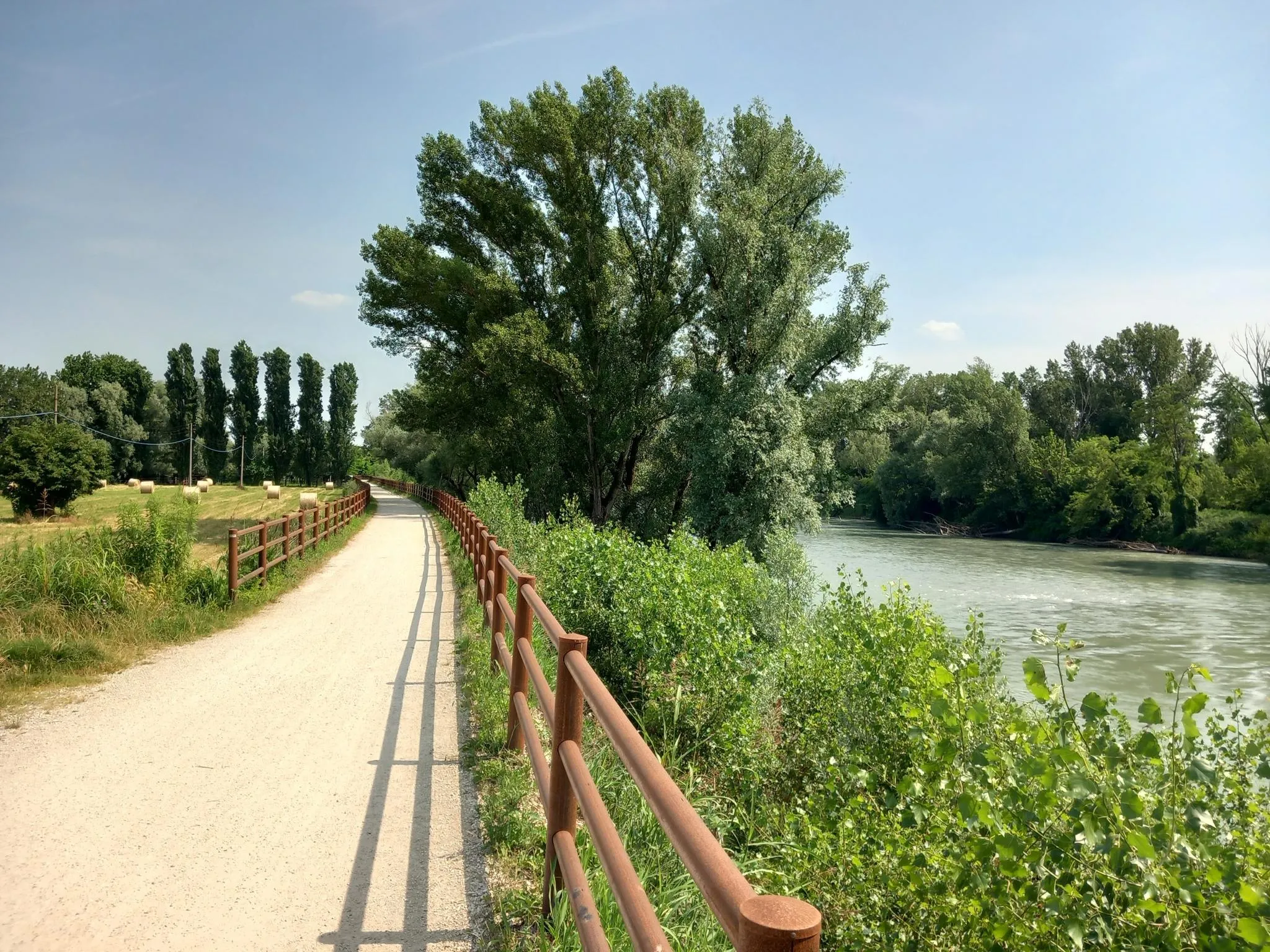
Via Postumia – Hike between the Tyrrhenian and Adriatic seas
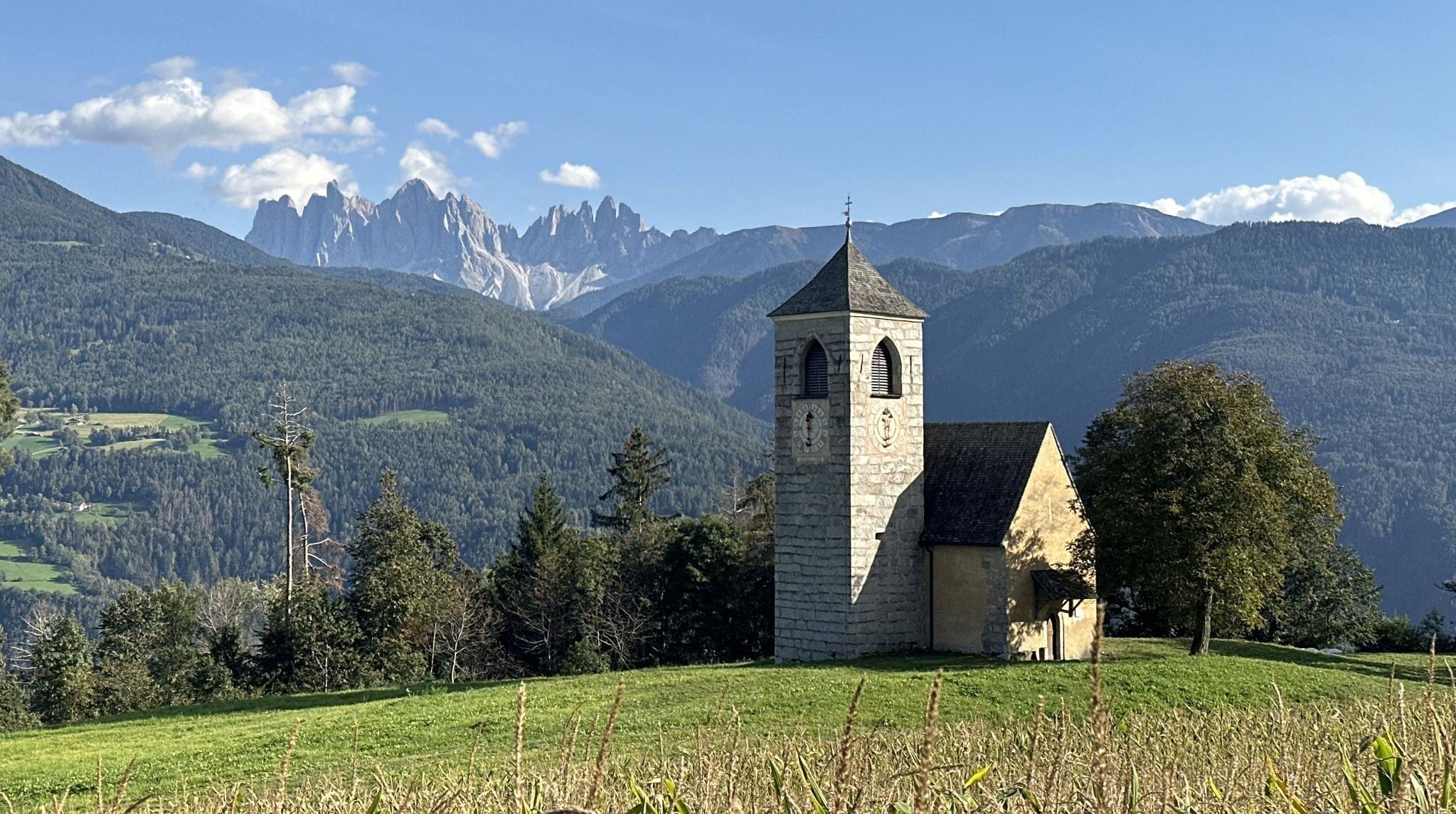
Via Romea Germanica – History, nature and spirituality

Road to BAM! 2026 – Condividi la strada
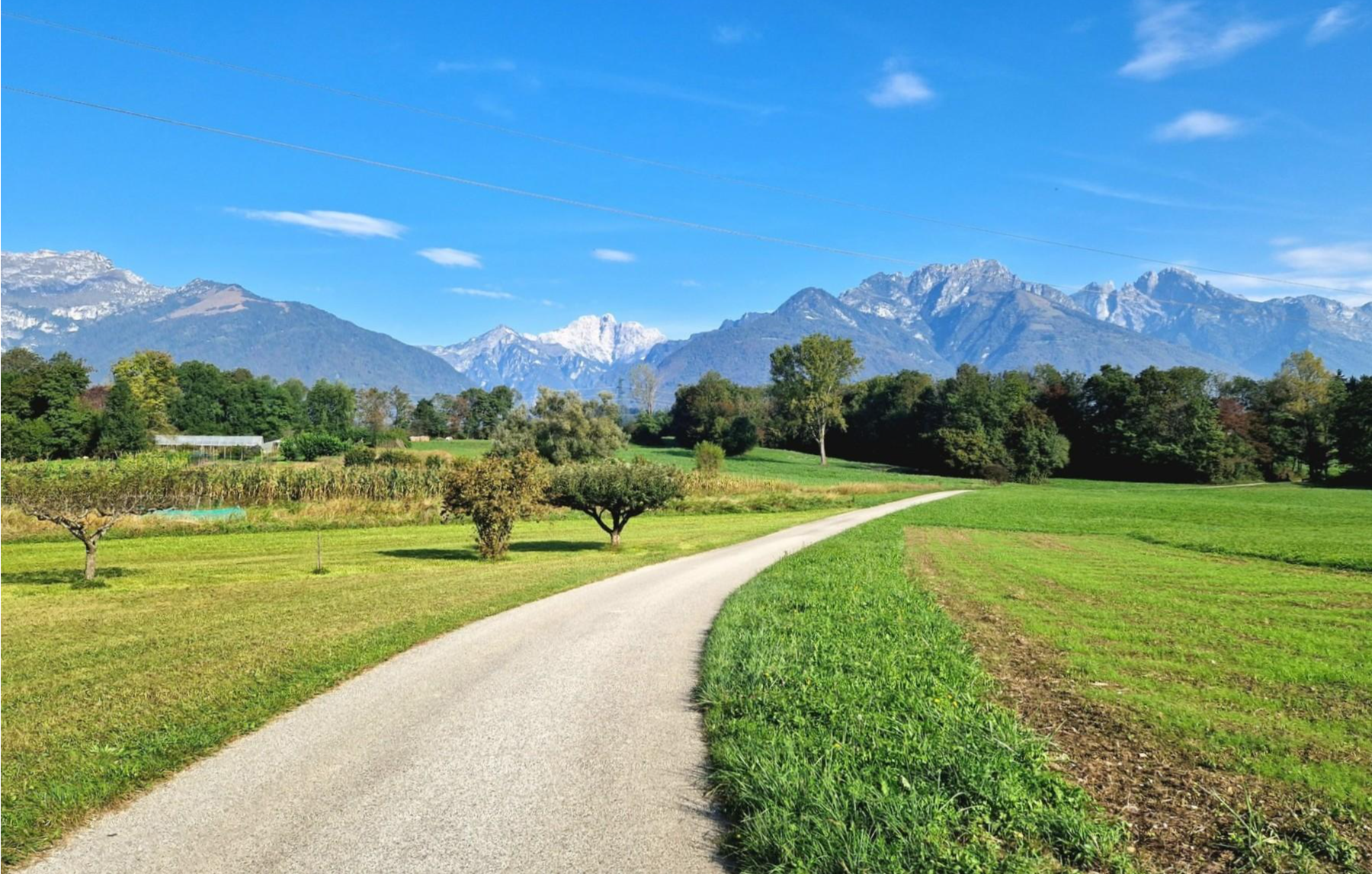
Veneto and Trentino by bike – between the Lagoon and the Dolomites
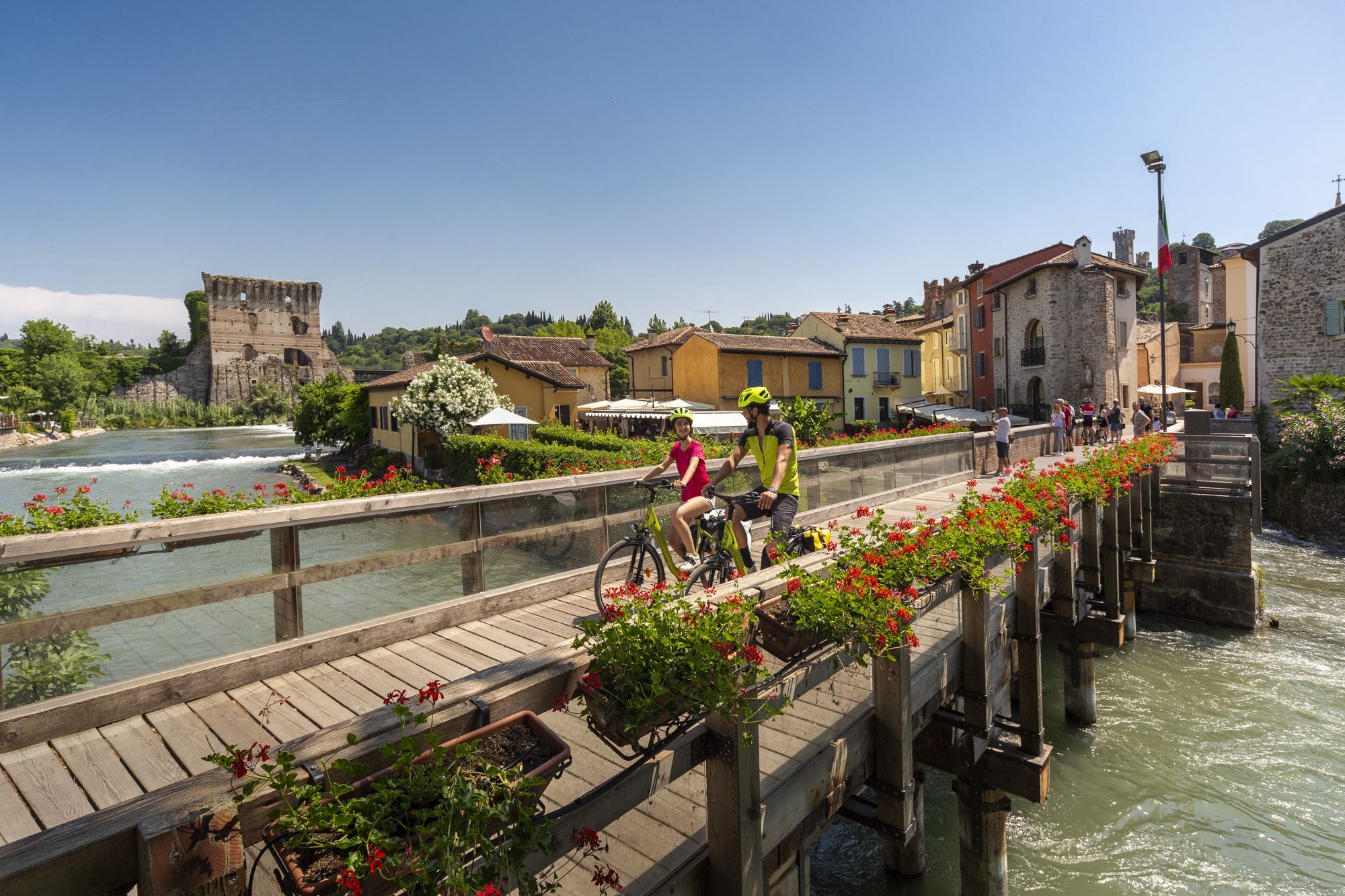
Explore Veneto at a slow pace – day trips by bike
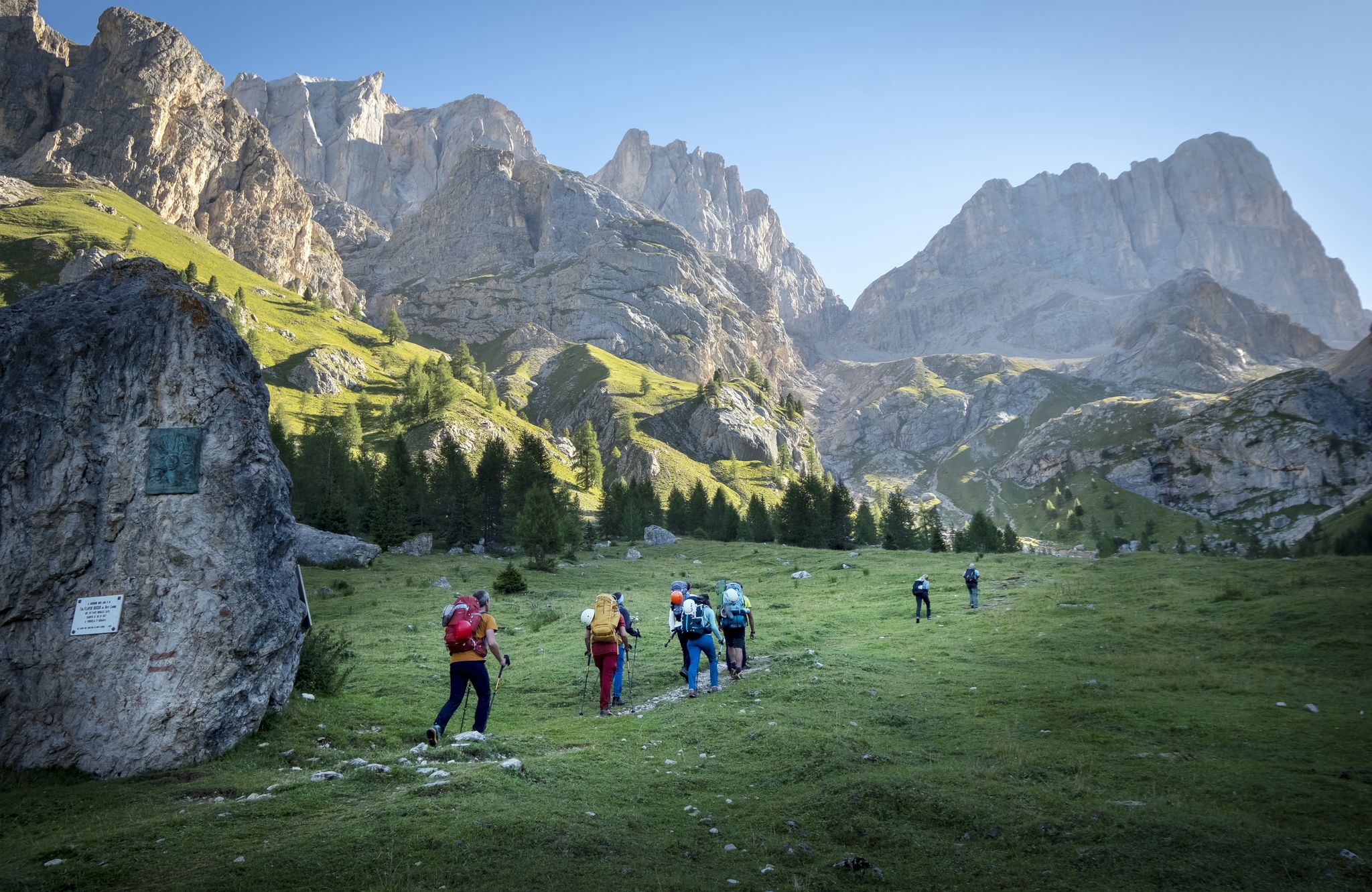
The Path of Peace – journey into Trentino's history
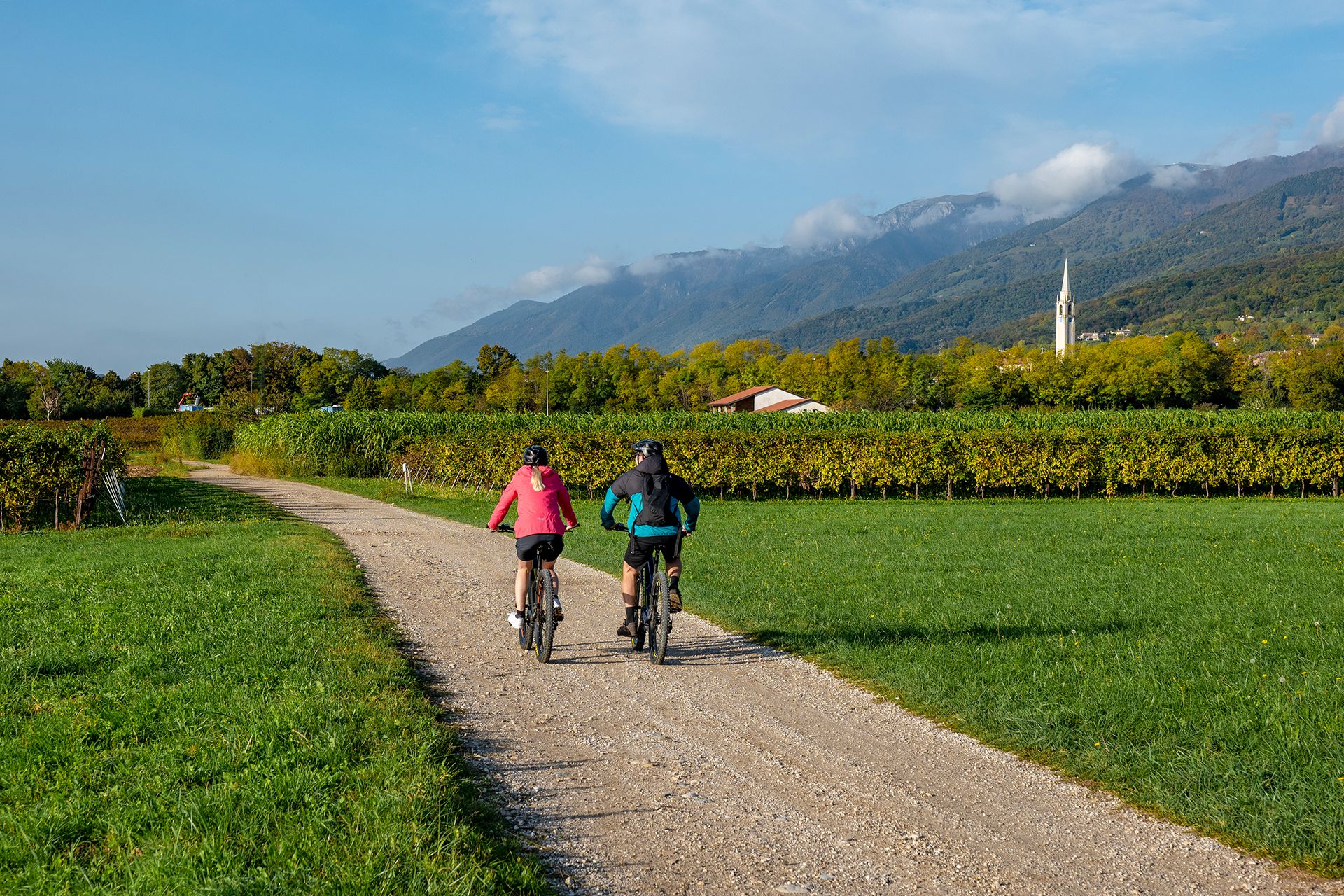
Cycling in the presence of Grappa – where nature and culture meet
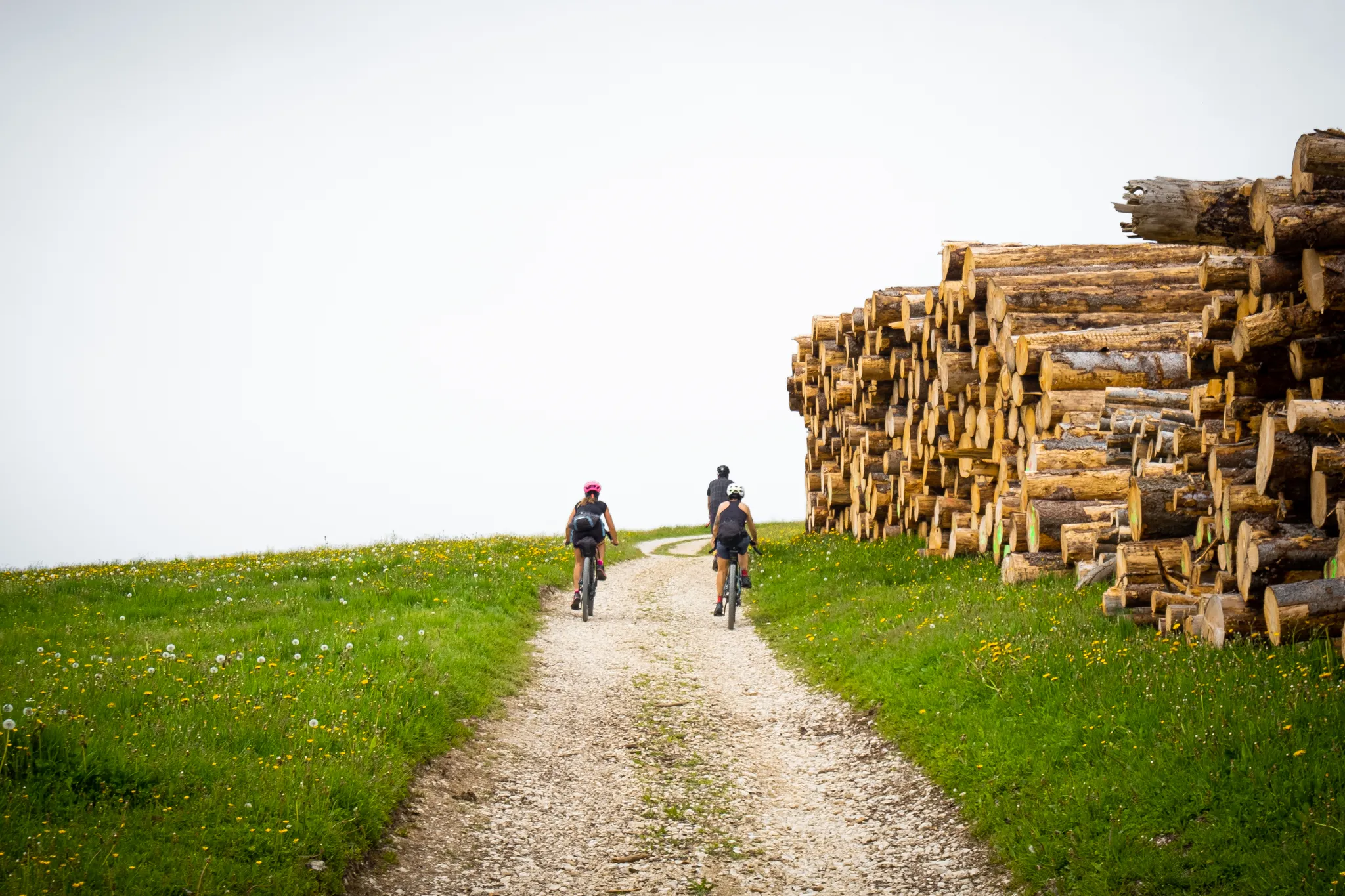
Via delle Prealpi – On the way with the MTB in the Venetian Prealps
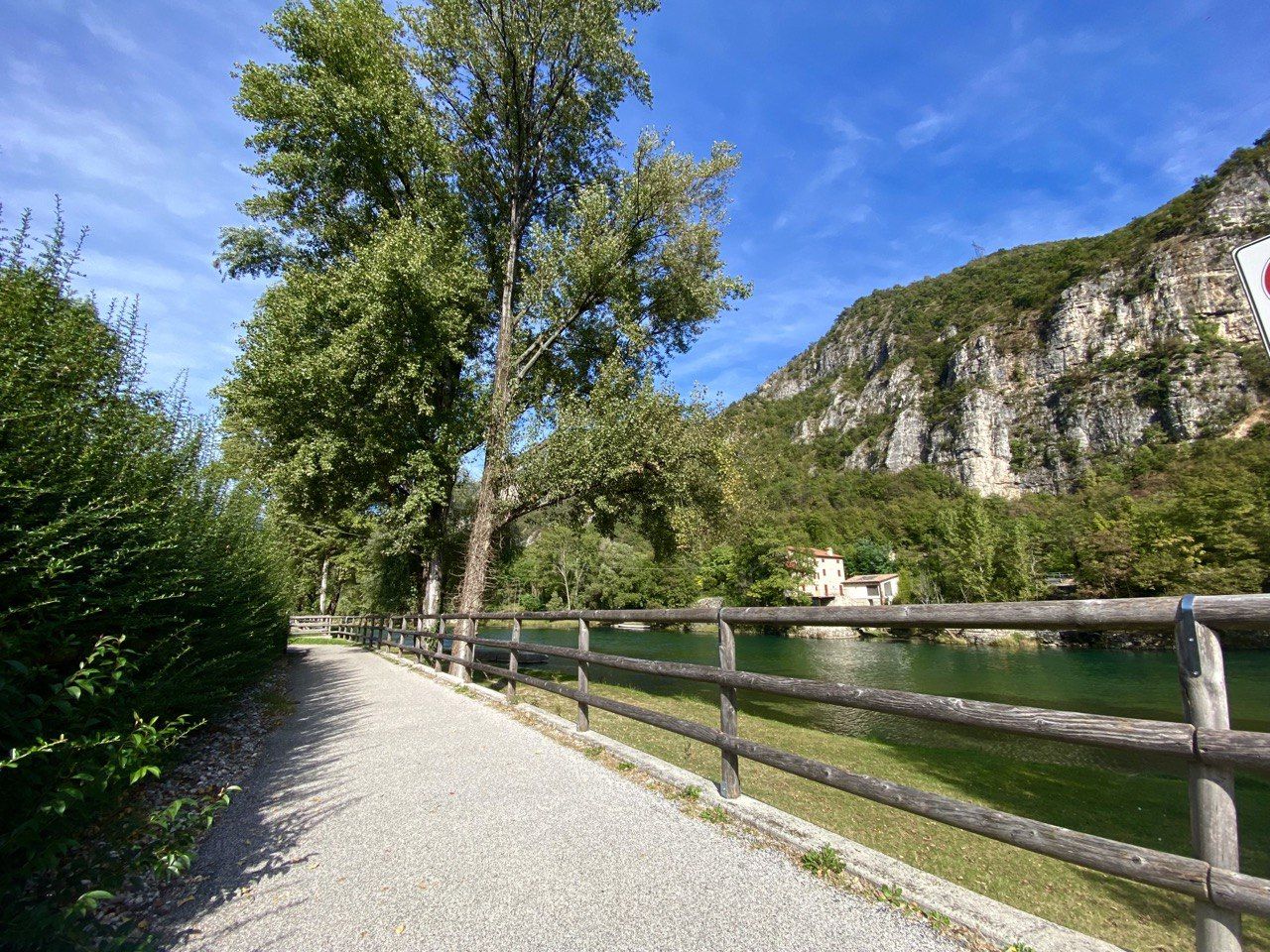
Cycle along Italy’s Brenta river – Brenta Cycle Route
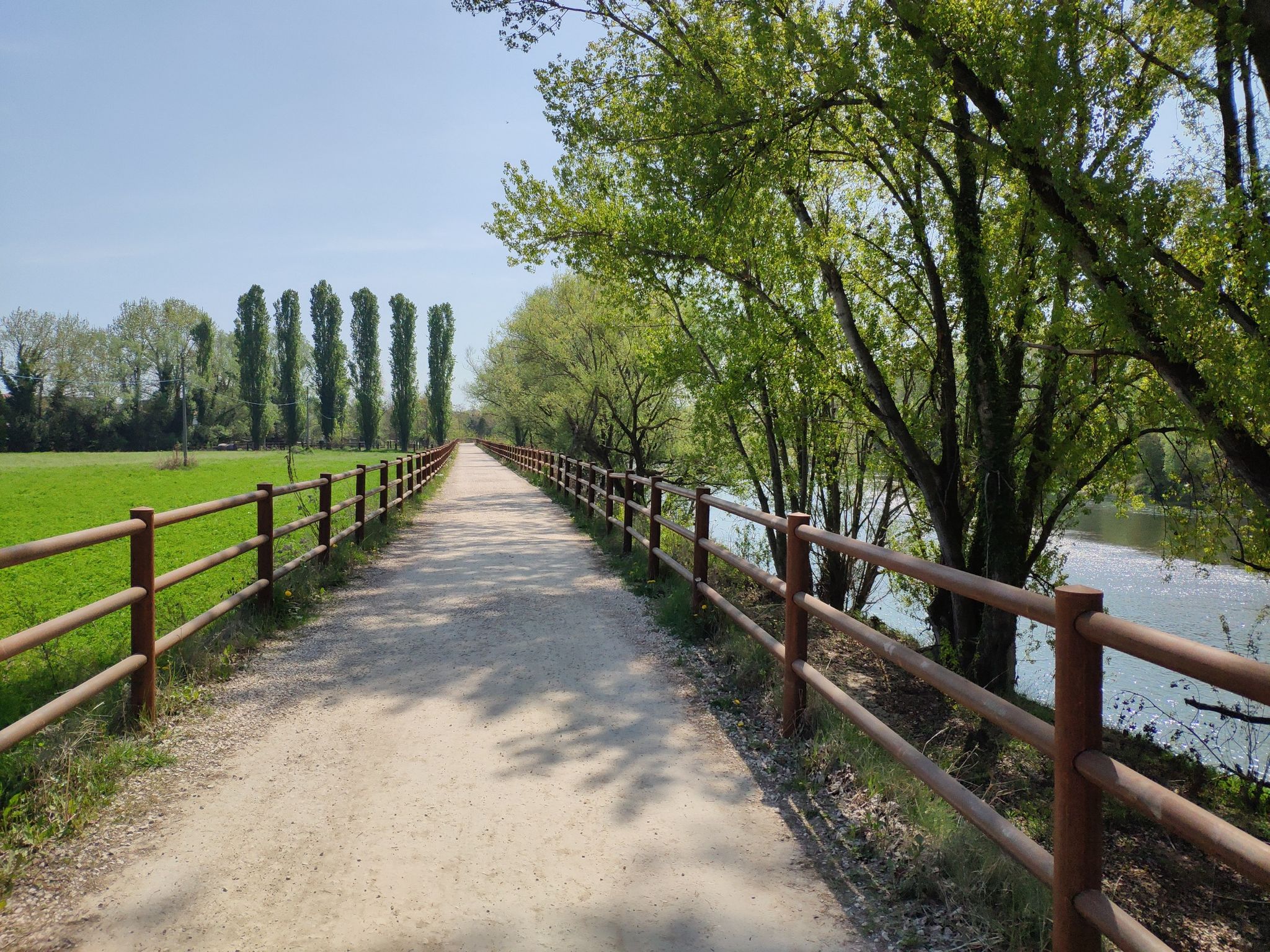
From the sea to the mountains – Veneto Gravel 2023
Other adventures in Vicenza


Tips from the Community

Some passages have been closed by the owners and it becomes difficult to resume the original track. Some sections to be walked
0
0

When you pass by and observe this place, try to imagine the work done by young people in their early twenties in prohibitive conditions.
0
0

It is very useful to bring a headlamp with you.
0
0

Bring a flashlight and go dark.
0
1

The Cascata dei Papalini suddenly appears in a small clearing in the heart of the forest, along the path: over time the falling water has formed a columnar deposit of gray limestone that descends like a drape and that partly acts as a springboard for the jet. But the peculiarity and spectacular nature of this waterfall is the possibility of seeing it even from behind the scenes: in fact, by climbing to the left on a short but steep path, you reach a natural roof of the rock from which you can observe the forest below through the curtain of water, without getting wet! The passage is not protected and is wet, so you need to pay particular attention. Like all torrential waterfalls, it is not always full and active: you need to look for the right period, perhaps after heavy rains, to visit it in all its thunderous splendor.
1
0

74 meter long tunnel with no exit and 4 final outlets where the artillery was positioned. A light was needed.
0
0
the sinkhole is quite impressive and quite intimidating
0
0
Frequently Asked Questions
Are there easy or family-friendly caves to visit in Vicenza?
Yes, several sites offer easier access or family-friendly experiences. The Valle dei Mulini di Mossano includes caves and historical elements within a family-friendly trail. While some natural caves can be challenging, historical sites like the Gun Emplacement Tunnel of Monte Cengio offer a more accessible exploration of man-made subterranean spaces.
What historical or man-made subterranean sites can I explore in Vicenza?
Vicenza is rich in historical subterranean sites. The Gun Emplacement Tunnel of Monte Cengio is a significant World War I military post with a wide gallery and munitions depots. You can also visit the WW1 Command Gallery. The region also features ancient stone quarries, known as 'priare,' like Cava di Cice, which now serves as a Museum of Vicenza Stone, showcasing the area's industrial heritage.
What unique natural geological features can I find in Vicenza's caves?
The region offers diverse natural formations. The Siesòn Cave (or Sciasòn Chasm) is an impressive karst sinkhole descending 96 meters, with ice often remaining at its bottom year-round. The Papalini Waterfall allows visitors to walk behind its veil of water, offering a unique perspective. Other natural cave systems, particularly at the foot of the Altopiano dei Sette Comuni, maintain a cool 12°C temperature and are ideal for observing wildlife and formations.
Are there any caves with religious or hermitage connections in Vicenza?
Yes, the Caves of the Hermitage of San Donato are located at the base of a long rocky wall, with remains of an ancient convent. The San Bernardino Cave in Mossano and the San Cassiano Hermitage also have historical and religious significance, often incorporating natural cave features into their structures.
What is the best time of year to visit caves in Vicenza?
Caves generally maintain a stable temperature year-round, making them a good option in any season. For natural caves, visiting during drier months might offer better accessibility, while the consistent cool temperature (around 12°C in some) can be a welcome escape during hot summers. Historical quarries and tunnels are typically accessible regardless of weather.
What should I wear for caving or exploring subterranean sites in Vicenza?
Given the cool, damp environment of most caves and subterranean sites, it's advisable to wear layers of clothing, even in summer. Sturdy, closed-toe shoes with good grip are essential, especially for natural caves or uneven quarry floors. A headlamp or flashlight is also highly recommended for better visibility.
Are there any hidden or less-known caves around Vicenza worth exploring?
Beyond the more prominent sites, the region has numerous abandoned white stone quarries in the Colli Berici, some active since Roman times. These often feature extensive underground labyrinths with supporting columns, offering a glimpse into ancient quarrying techniques. Exploring these might require local knowledge or guided tours.
What do visitors enjoy most about the caves and subterranean sites in Vicenza?
Visitors frequently appreciate the blend of natural beauty and historical significance. The impressive scale of sites like the Siesòn Cave and the unique experience of walking behind the Papalini Waterfall are often highlighted. The historical military tunnels and ancient quarries offer a fascinating insight into the region's past and human ingenuity.
What outdoor activities can I do near the caves in Vicenza?
The Vicenza region offers a variety of outdoor activities. You can find numerous running trails, including challenging routes like the Road of 52 Tunnels. For cycling enthusiasts, there are cycling routes such as The Rivera Berica and Lake Fimon loop. Mountain bikers can explore MTB trails like The Old Train Road and its malghe.
Are there specific caves in Vicenza known for photography?
Many caves in the Vicenza province, particularly those at the foot of the Altopiano dei Sette Comuni, are noted for their photographic opportunities due to their natural formations and consistent cool temperatures. The dramatic scale of the Siesòn Cave and the unique perspective at Papalini Waterfall also make for compelling subjects.
Can I find guided tours for caving or quarry exploration in Vicenza?
While specific beginner caving tours are not detailed, sites like Cava di Cice, which operates as a museum, often provide guided experiences to explain the history and geology of the former quarry. For more adventurous caving, it's recommended to seek out local speleological groups or specialized tour operators in the broader Veneto region.
Most popular routes in Vicenza
Most popular attractions in Vicenza

Get inspired with the komoot mobile app


Didn’t find what you were looking for?
Discover more caves in Vicenza region by region:
Explore more
Extend your search for the best caves by checking out these guides of the top ones in Vicenza:
