Top 20 Natural Monuments around Apelern
Best natural monuments around Apelern are found within the picturesque Weserbergland region, characterized by rolling hills and green forests. This area provides opportunities for outdoor activities such as hiking and cycling. The natural landscape includes geological formations and diverse woodlands, offering a range of natural features for exploration.
Best natural monuments around Apelern
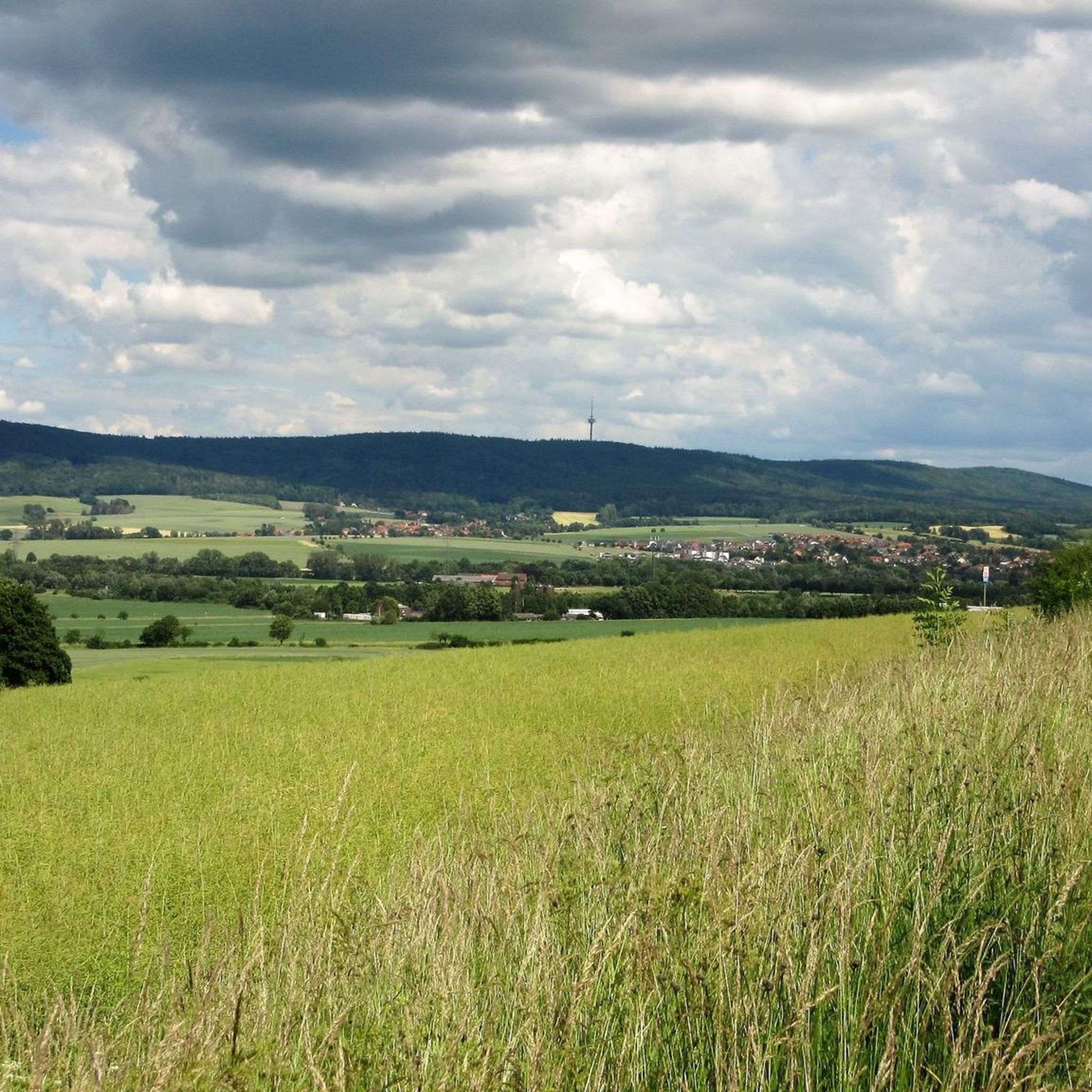
- The most popular natural monuments is Hohenstein Cliffs and Scenic Viewpoint, a viewpoint that features cliffs overlooking the Weser Valley. This site is known for its…
Last updated: August 20, 2026
Hohenstein Cliffs and Scenic Viewpoint
Highlight • Viewpoint
Translated by Google •
Tip by

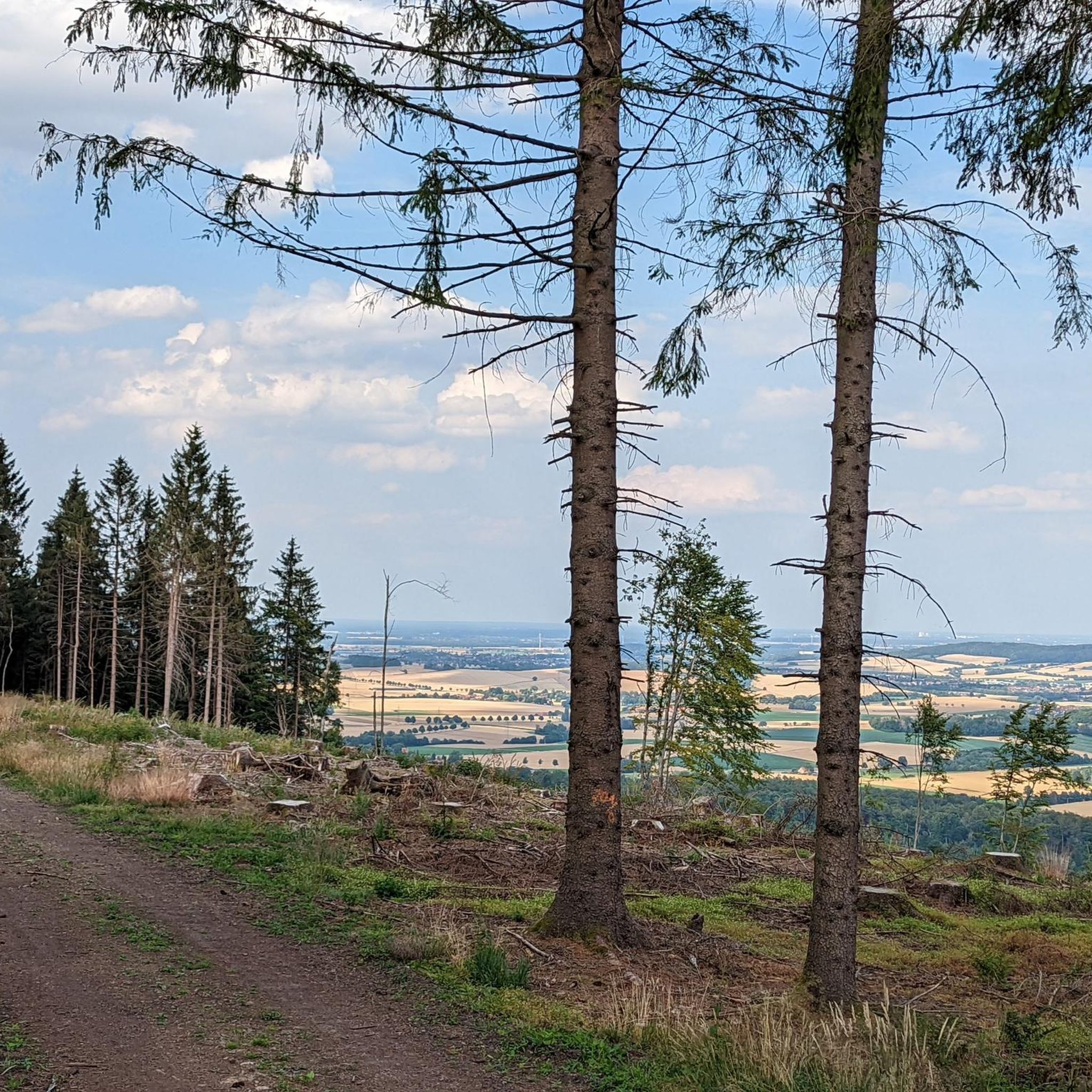
Green Altar Viewpoint
Highlight • Viewpoint
Translated by Google •
Tip by

Sign up now to discover places like this
Get recommendations on the best single tracks, peaks, & plenty of other exciting outdoor places.
Sign up for free
Old Baptismal Font
Highlight • Natural Monument
Translated by Google •
Tip by

Dinosaur Tracks in the Obernkirchen Sandstone Quarries
Highlight • Natural Monument
obernkirchen-info.de/bergstadt/dinosaurierwegen.htm
Translated by Google •
Tip by

Kreuzbuche Memorial and Shelter
Highlight • Monument
Translated by Google •
Tip by

Sign up for free to discover even more natural monuments around Apelern.
Sign up for free
Already have an account?
Start today with a free account
Your next adventure awaits.
Login or Signup
Tips from the Community

The old baptism is the subject of a local legend, which takes place at the time of Christianization. The stone's name may derive from the embellished idea that it was used as a baptismal font after the advent of Christianity. Forced baptisms are conceivable, but just as little documented as pagan human sacrifices in prehistoric times. Nonetheless, the idea of human sacrifice in the ancient baptism is considered as one of several explanations of the idiom "walking over the Deister." The idiom means "disappear" and possibly "die" - similar to "cross the Jordan" and "cross the Wupper". Other explanations of phraseologism do not draw on the sagas associated with the ancient baptism. Source: https://de.wikipedia.org/wiki/Alte_Taufe
4
0
The old baptism (formerly also wolf baptism or heathen baptism) is a cliff in the Deister in Lower Saxony. The cuboid made of Wealden sandstone with an edge length of around 3 meters and a deep trough on the top is located about 50 m away from the Deisterkamm, west of the Nordmannsturm in the municipality of Lauenau. The Old Baptism was regarded as an old Germanic sacrificial site for which there is no archaeological evidence. An excavation in the area of the stone has not yet been carried out. Detlef Schünemann tries to make a prehistoric processing and ritual use of the stones credible in comparison with other striking, large stones, which also have hollows (so-called sacrificial stones). The old baptism is the subject of a local legend, which takes place at the time of Christianization. The stone's name may derive from the embellished idea that it was used as a baptismal font after the advent of Christianity. Forced baptisms are conceivable, but just as little documented as pagan human sacrifices in prehistoric times. Nonetheless, the idea of human sacrifice in the ancient baptism is considered as one of several explanations of the idiom "walking over the Deister." The idiom means "disappear" and possibly "die" - similar to "cross the Jordan" and "cross the Wupper". Other explanations of phraseologism do not draw on the sagas associated with the ancient baptism. Source: https://de.wikipedia.org/wiki/Alte_Taufe
4
1
For decades, hikers who know the area have been amused by a sign on the cross beech tree that indicated the direction to the Hohenborstel district of Barsinghausen. In the course of renewing the signage in the Deister, the makers of the new wooden sign obviously felt a commitment to tradition. Source: https://deister-echo.de/neue-hinweisschilder-mit-schreibfehler-bleibt-die-tradition-gewahrt/
5
0

very slippery and muddy at this time of year (January). For me as a beginner, the section of the trail is very exciting. But I made it there and back safely.
4
0


Big intersection from here you can get everywhere. Shelter with trash can 🗑 available.
5
0

In addition to the cross, there is a spacious shelter at this intersection in case of rain and a bench for picnicking and watching who crosses the path.
10
0

The approximately 2700 footprints of different types of dinosaurs are in one of the Obernkirchen sandstone quarries. They were discovered in 2007 and 2008 and exposed by paleontologists from the Lower Saxony State Museum in Hanover. The traces were found within the 6 to 9 meter thick Obernkirchen sandstone, which lies under younger surface layers here. The trace fossils are attributed to the Berriasian (Lower Cretaceous, about 145.5 to 140.2 million years ago) and lie in two horizons. In the lower horizon there are mainly traces of smaller theropods, which are often referred to as "raptors" in the media. In the upper horizon, traces of animals from different ages that resemble Iguanodontipus and cf. Caririchnium dominate. The fact that the traces were so well preserved is due to the fact that the fresh prints were quickly superimposed by storm sands. Source: Wikipedia
5
0
Frequently Asked Questions
What are some of the most remarkable natural monuments to visit around Apelern?
The region around Apelern, within the picturesque Weserbergland, offers several unique natural monuments. A must-see is the Dinosaur Tracks in the Obernkirchen Sandstone Quarries, featuring 140-million-year-old fossilized footprints. Another significant site is the Hohenstein Cliffs and Scenic Viewpoint, known for its impressive cliffs overlooking the Weser Valley and popular for climbing and hiking. You can also explore the Green Altar Viewpoint, which offers expansive views of the Weserbergland.
Are there any natural monuments with historical significance near Apelern?
Yes, several natural monuments in the area also hold historical significance. The Green Altar Viewpoint is not only a scenic spot but also a historical site. Additionally, the Old Baptismal Font is an impressive natural monument, a large sandstone block around which several legends entwine, including its potential use as a sacrificial stone or baptismal font in ancient times. The Dinosaur Tracks in the Obernkirchen Sandstone Quarries offer a glimpse into prehistoric history, dating back 140 million years.
What kind of natural features can I expect to see in the Apelern area?
The Apelern region is characterized by rolling hills, green forests, and diverse geological formations. You'll find dramatic cliffs at the Hohenstein Cliffs, ancient fossilized footprints at the Dinosaur Tracks, and dense, near-natural mixed forests. The area also boasts unique botanical sights like the Süntel beeches, a rare tree species known for its distinctive growth habit, particularly along the Süntelbuchenallee near Bad Nenndorf.
Are there family-friendly natural monuments around Apelern?
Absolutely! The Dinosaur Tracks in the Obernkirchen Sandstone Quarries are particularly family-friendly, offering an exciting journey into prehistoric times with informative display boards. The site is freely accessible and provides a unique educational experience for all ages. The Kreuzbuche Memorial and Shelter is also considered family-friendly, providing a good spot for a break during a walk.
What is the best time of year to visit the natural monuments near Apelern?
The natural monuments around Apelern can be enjoyed throughout the year. For the Hohenstein Cliffs and Scenic Viewpoint, visitors often recommend early mornings, evenings, or the autumn/winter months for spectacular sunsets and fewer crowds. The Dinosaur Tracks are particularly visible after rain, as water collects in the fossilized imprints, highlighting their outlines. Generally, spring and autumn offer pleasant temperatures for hiking and exploring the forested areas.
Are there hiking opportunities near these natural monuments?
Yes, the region offers numerous hiking opportunities. The Hohenstein Cliffs are a popular spot for hikers. You can find a variety of trails, from easy to difficult, around Apelern. For more detailed hiking routes, explore the Hiking around Apelern guide, which includes routes like the 'Böger-Eichen Rest Area – Great Karl loop from Reinsdorf' and the 'Apple Path Apelern – Shelter at Kleiner Riesen loop from Apelern'.
What other outdoor activities can I do near the natural monuments around Apelern?
Beyond hiking, the rolling hills and green forests of the Weserbergland provide excellent opportunities for cycling and gravel biking. You can find various routes suitable for different skill levels. For cycling, check out the Cycling around Apelern guide, and for gravel biking, the Gravel biking around Apelern guide offers routes like the 'Nienstedter Pass – View of the Calenberger Land loop'.
Are there any accessible natural monuments for visitors with mobility challenges?
The Dinosaur Tracks in the Obernkirchen Sandstone Quarries are noted as being wheelchair accessible, making them a good option for visitors with mobility challenges. The site has been extensively developed for tourism and includes informative display boards along accessible paths.
What do visitors enjoy most about the natural monuments around Apelern?
Visitors frequently praise the stunning views, especially from viewpoints like the Hohenstein Cliffs and the Green Altar Viewpoint. The unique geological and historical aspects, such as the 140-million-year-old Dinosaur Tracks and the mysterious Old Baptismal Font, are also highly appreciated. Many enjoy the tranquility and the opportunity for outdoor activities like hiking and climbing in a beautiful natural setting.
Are there any shelters or facilities available at the natural monuments?
Yes, some natural monuments offer basic facilities. The Green Altar Viewpoint has a shelter where you can take a break. Similarly, the Kreuzbuche Memorial and Shelter provides a spacious shelter and a bench, making it a good spot to rest, especially in case of rain.
Can I bring my dog to the natural monuments and trails around Apelern?
While specific dog-friendly designations for each natural monument are not always explicitly stated, the general outdoor nature of the trails and monuments in the Apelern area makes them suitable for dogs, provided they are kept on a leash and owners adhere to local regulations. Many hiking routes in the Weserbergland are popular with dog owners.
Most popular routes around Apelern
Most popular attractions around Apelern

Get inspired with the komoot mobile app


Explore more
Extend your search for the best caves by checking out these guides of the top ones around Apelern:
