The best gravel rides around Montigny-Sur-Avre
4
riders
3
rides
Gravel biking around Montigny-Sur-Avre offers exploration through the Avre river valley, characterized by diverse ecosystems and scenic beauty. The terrain includes a mix of unpaved paths, forest roads, and sections along the Avre River, which originates in the Perche regional natural park. The area features gentle elevation changes, making it accessible for various skill levels, and passes by historical landmarks such as the Avre aqueduct and local châteaux. This region in the Eure-et-Loir department provides a tranquil setting for off-road…
Last updated: July 4, 2026
2
riders
21.5km
01:26
130m
130m
Easy gravel ride. Great for any fitness level. Mostly paved surfaces. Suitable for all skill levels.
1
riders
34.5km
02:10
160m
160m
Moderate gravel ride. Good fitness required. Mostly paved surfaces. Suitable for all skill levels.

Sign up for free
1
riders
22.5km
01:31
140m
140m
Easy gravel ride. Great for any fitness level. Mostly paved surfaces. Suitable for all skill levels.
Our route recommendations are based on thousands of hikes, rides, and runs completed by other people on komoot.
Start today with a free account
Your next adventure awaits.
Login or Signup
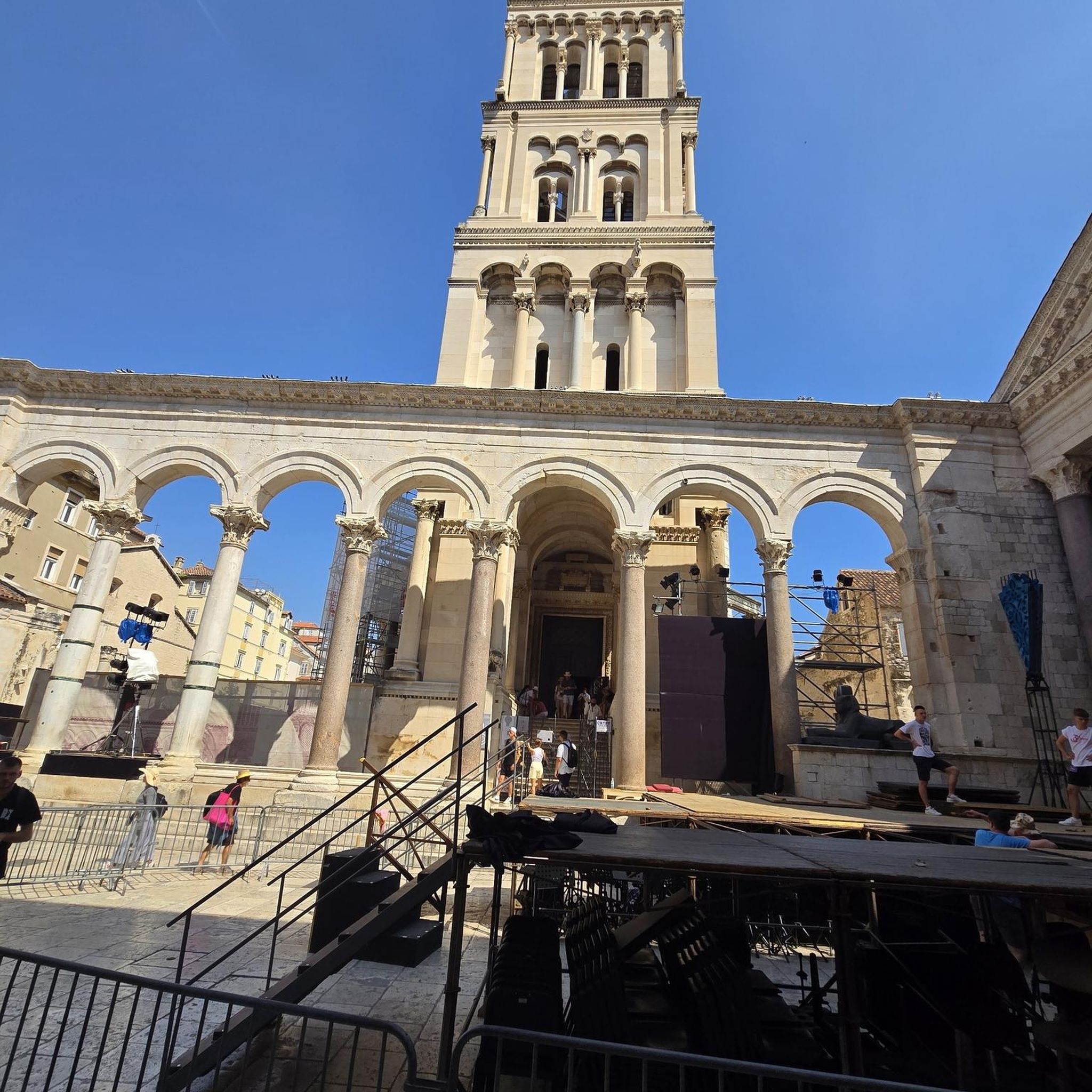
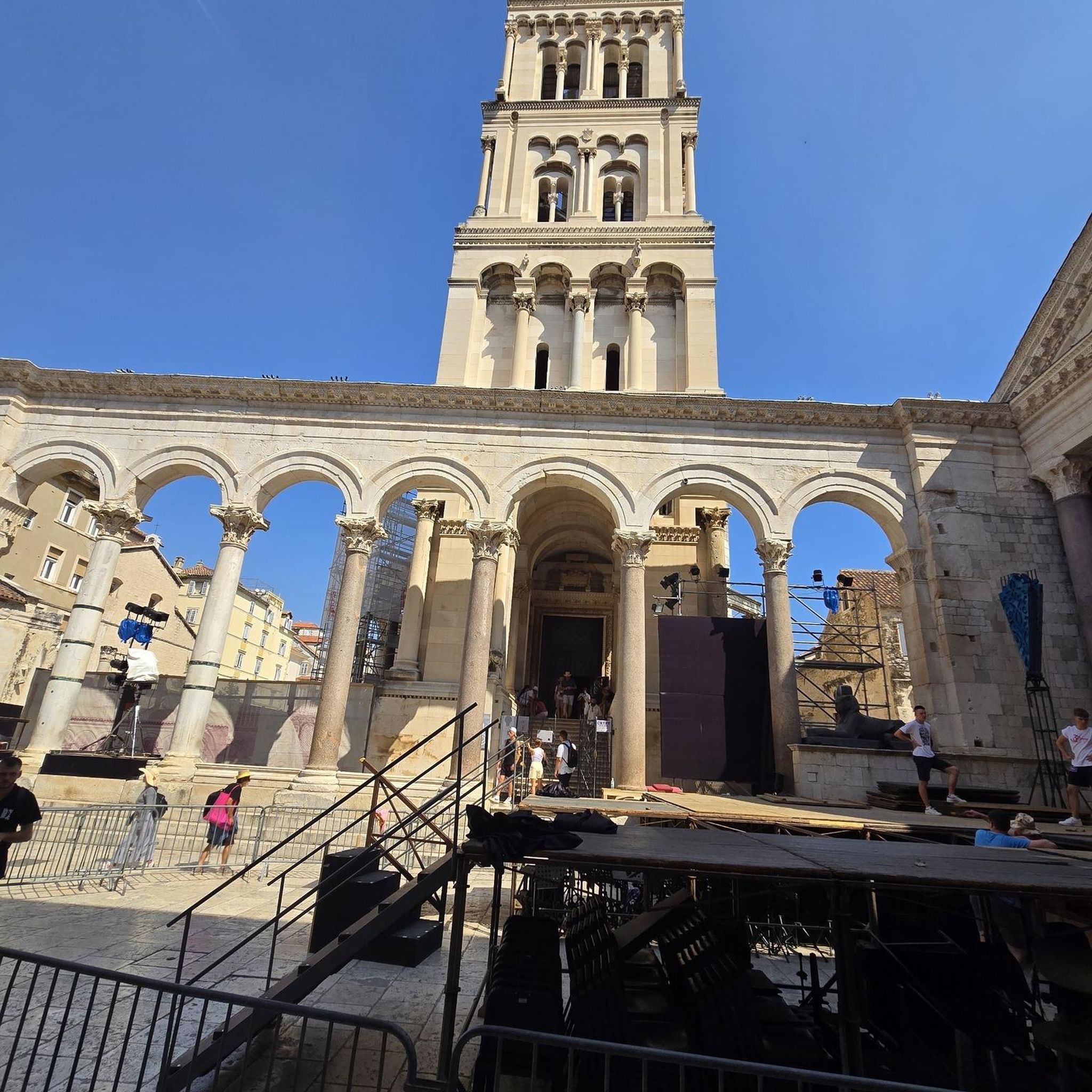
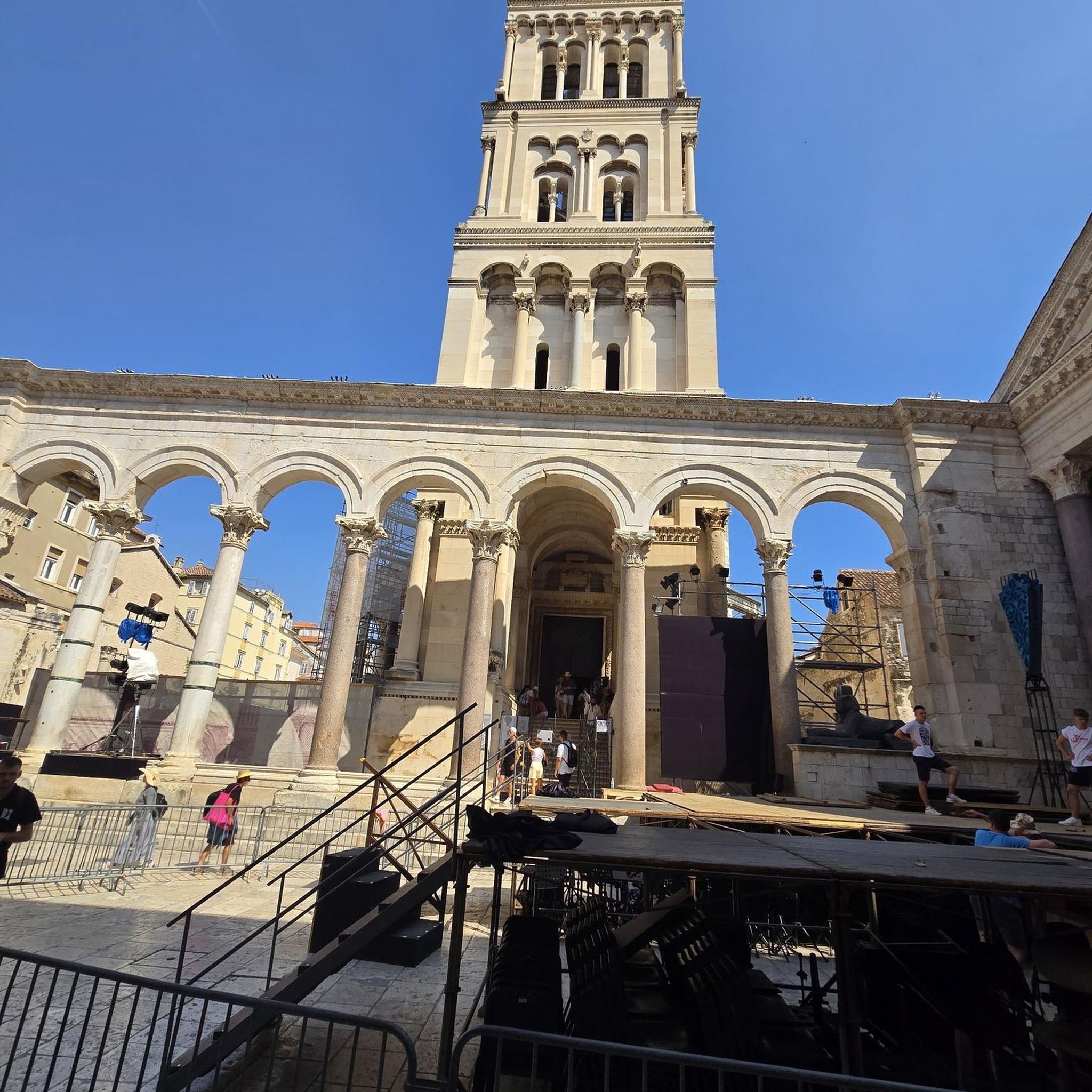

Tips from the Community

The first mention of the existence of the Church of Saint-Martin de Nonancourt is a 12th-century charter, but the original building probably dates back to the 7th or 8th century. The bell tower that now occupies the middle of the façade dates from the reconstructions of 1204. During the Hundred Years' War, the church was largely destroyed, like many buildings in the region. The side aisles, nave, and choir were rebuilt in the 16th century. The Chapel of the Virgin, also known as the Chapel of the Rosary, was also added. The Church of Saint-Martin contains numerous works of art, some of which are listed: neo-Gothic and Renaissance furnishings, including the centerpiece, the pulpit, a veritable wooden lacework; a variety of statuary, a 16th-century organ case and finally an enigmatic fresco discovered during recent works in 2001. The stained-glass windows of the church constitute a truly remarkable collection, both in terms of their number (26 in total) and their quality. The lower windows of the nave are the oldest pieces, dating from the 1500s, while the upper windows date from the 1520s and 1530s.
0
0
The current church was almost entirely rebuilt in 1542 on Gothic foundations. The Gothic church was reportedly destroyed in 1424 by the English. According to legend, Saint Lubin, Bishop of Chartres, came to rest in this place, which housed a recluse inhabited by a monk. A chapel was built there towards the end of the 6th century.
0
0
Construction of the church began in the 12th century, and the building was subsequently remodeled, particularly in the 16th century.
0
0
The church is located near a departmental road and is surrounded by a cemetery. Church oriented with a longitudinal plan composed of a single nave. The entrance to the building is via a porch body. An annex building is attached to the north side of the choir. The western facade of the porch body rises on two levels delimited by a projecting cornice. It is pierced by a low-arched door as well as a rose window in the upper part. The bell tower, of polygonal plan, is positioned on the ridge of the roof. It is covered with a polygonal spire surmounted by a ridge cross and has two roof eaves. The building is covered with a gable roof. That of the annex building ends in a hip. The side walls are pierced with arched bays and supported by buttresses. The annex building is pierced by a quadrangular window and door. The buttresses of the choir bear witness to the Romanesque origins of the church. The nave, built in the 16th century, was enlarged in the 19th century by a bay to the west. The bays of the building were re-pierced around 1822.
0
0

Église Saint Madeleine is a church where beautiful various statues of Saints, famous and less famous. The reason for so many different statues is that the school of sculpture was established here.
0
0
The parish church of Escorpain, dedicated to Saint Germain, is a very simple building, rectangular in plan and of modest dimensions. With a single nave, it ends with a flat chevet; a sacristy is attached to the north side of the choir; the gable wall of the façade is topped with a slate spire. The church is mentioned as early as the 12th century. The small rubble stonework, which also bears the traces of numerous alterations, and the small openings, three in number in the north wall and only one in the south wall, constitute the oldest remains of this building which was extensively restored in the 19th century. It was in fact from 1886, thanks to the generosity of the Firmin-Didot family that the building was raised, as evidenced by the gable wall of the façade. The nave was then covered with a panelled vault, replacing the previous framework: the 1886 inscription mentions previous work campaigns, in the 17th century in particular. The entire interior was redesigned, not without unity, in a neo-Gothic style. As for the two large bays in the south wall, probably pierced in the 16th century, they were greatly altered during this campaign. For the repair of the exterior masonry, the rendering of the façade, the roofs of the nave and a slope of the sacristy, the Sauvegarde de l’Art Français granted this unprotected church a subsidy of 80,000 F in 1994.
0
0
The church of Vitray is mentioned from the year 1116 “ecclesias de Vitriaco”.
0
0
Located on the edge of the plateau that dominates the Vigne valley to the north, the church of Rueil is of great interest both for its architecture and its furnishings. The construction of the nave dates back to the Romanesque period (11th-13th century) but this nave was modified in the 16th century by the opening of semi-circular windows and consolidated by powerful buttresses. The bell tower with a pyramidal spire on an octagonal base, pierced with louvers, is covered with slate like most of the bell towers of Thymerais and the Avre valley. Inside, one is struck by the size of the nave covered with a shingle vault resting on tie beams whose ends are sculpted into monsters' mouths.
0
0
Frequently Asked Questions
What kind of terrain can I expect on gravel bike trails around Montigny-sur-Avre?
The gravel bike trails in this region offer a varied experience, characterized by tranquil river valleys, gentle hills, and expansive woodlands. You'll encounter a mix of unpaved paths, forest roads, and sections along the Avre River. The terrain generally features gentle elevation changes, making it accessible for various skill levels.
Are there any easy gravel bike routes suitable for beginners or families?
Yes, Montigny-sur-Avre offers several easy routes. A great option is the Saint-Denis Church – Notre-Dame Church loop from Montigny-sur-Avre, which is 13.5 miles (21.7 km) long and starts directly from the village. This path features a mix of rural roads and unpaved sections, passing by local churches, and is well-suited for a relaxed ride.
What historical sites or natural landmarks can I see along the gravel routes?
The routes often connect historical churches and wind through diverse countryside. You might pass by the historic La Madeleine Church or the medieval town centre of Verneuil-sur-Avre if your route takes you slightly further afield. The region is also home to the aqueduct of the Avre and the Bois des Brouillets, offering both historical interest and natural beauty.
Are there any circular gravel bike routes available?
Yes, many of the routes are designed as loops. For example, the Saint-Denis Church – Notre-Dame Church loop from Montigny-sur-Avre is a popular circular option. Another is the Nonancourt, historic center – Escorpain Castle loop from Crucey-Villages, which offers a longer circular ride through varied countryside.
What is the best season for gravel biking in Montigny-sur-Avre?
The region's gentle hills and woodlands make it enjoyable for gravel biking across multiple seasons. Spring and autumn offer pleasant temperatures and beautiful scenery with changing foliage. Summer is also suitable, especially for rides along the river valleys, though it's always wise to check local weather conditions before heading out.
Where can I find parking for gravel biking in Montigny-sur-Avre?
While specific trailhead parking isn't detailed, Montigny-sur-Avre is a small commune. Parking is generally available within the village, especially near the local church or other public areas, providing convenient access to routes that start directly from the village, such as the Saint-Denis Church – Notre-Dame Church loop.
Are there any gravel routes that are less crowded or considered 'hidden gems'?
The entire Montigny-sur-Avre area is known for its tranquil setting, offering a peaceful experience away from more crowded destinations. Exploring the network of rural paths and greenways, particularly those venturing deeper into the Bois des Brouillets or along less-traveled sections of the Avre valley, can provide a sense of discovery and solitude.
What is the typical length of gravel bike trails in this area?
The gravel bike trails in Montigny-sur-Avre vary in length to suit different preferences. You can find routes like the Le Trianon Cinema – Saint-Hilaire Church loop from Verneuil-sur-Avre, which is around 13.9 miles (22.4 km), or longer options such as the Nonancourt, historic center – Escorpain Castle loop from Crucey-Villages at 21.2 miles (34.2 km).
Can I bring my dog on the gravel bike trails around Montigny-sur-Avre?
Many outdoor areas in France, including rural paths and forest roads, are generally dog-friendly, especially if your dog is well-behaved and kept on a leash. However, it's always recommended to check local signage for any specific restrictions, particularly within protected natural areas like the Natura 2000 site or private land. Ensure your dog is comfortable with the distance and terrain.
Are there any cafes or places to stop for refreshments along the routes?
Montigny-sur-Avre is a small village, so while specific cafes directly on the trails might be limited, you can find amenities within the village itself. For more options, the nearby town of Verneuil-d'Avre-et-Iton, which some routes pass close to or through, offers additional cafes and services.
Most popular routes around Montigny-Sur-Avre
Most popular attractions around Montigny-Sur-Avre

Get inspired with the komoot mobile app


Explore more
Browse the best Gravel rides in other regions.
