The best gravel rides around Buffières
2.2
(4)
92
riders
4
rides
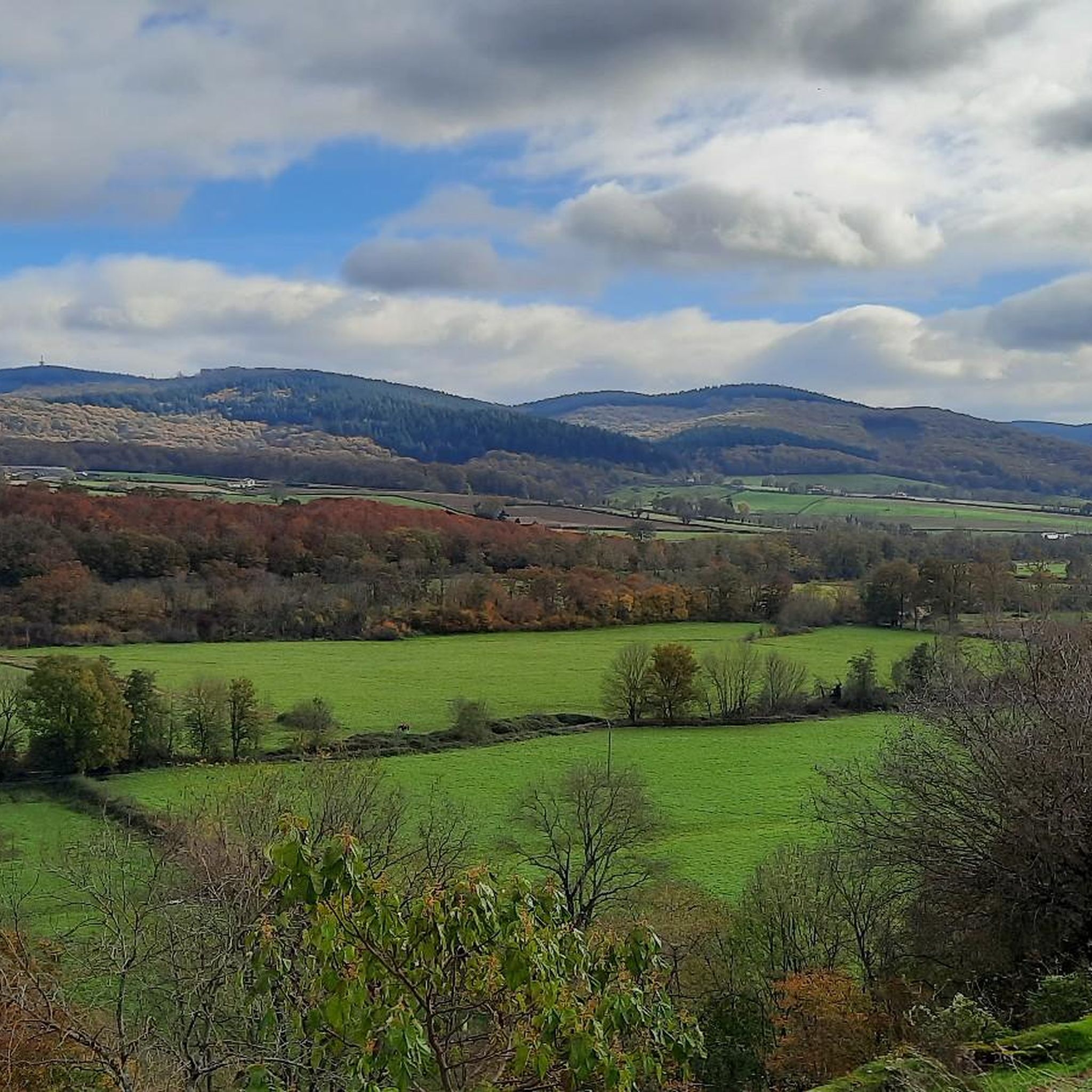
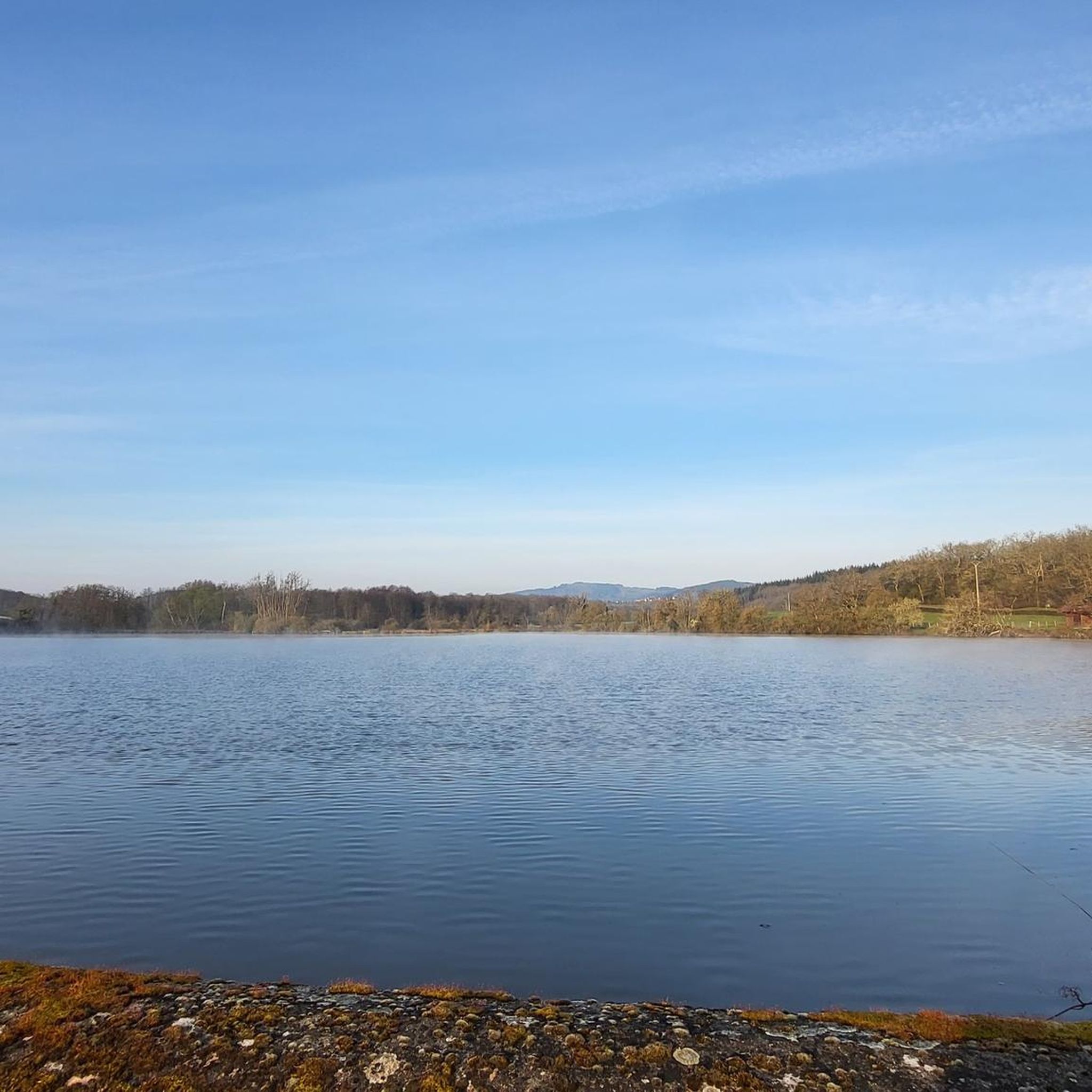
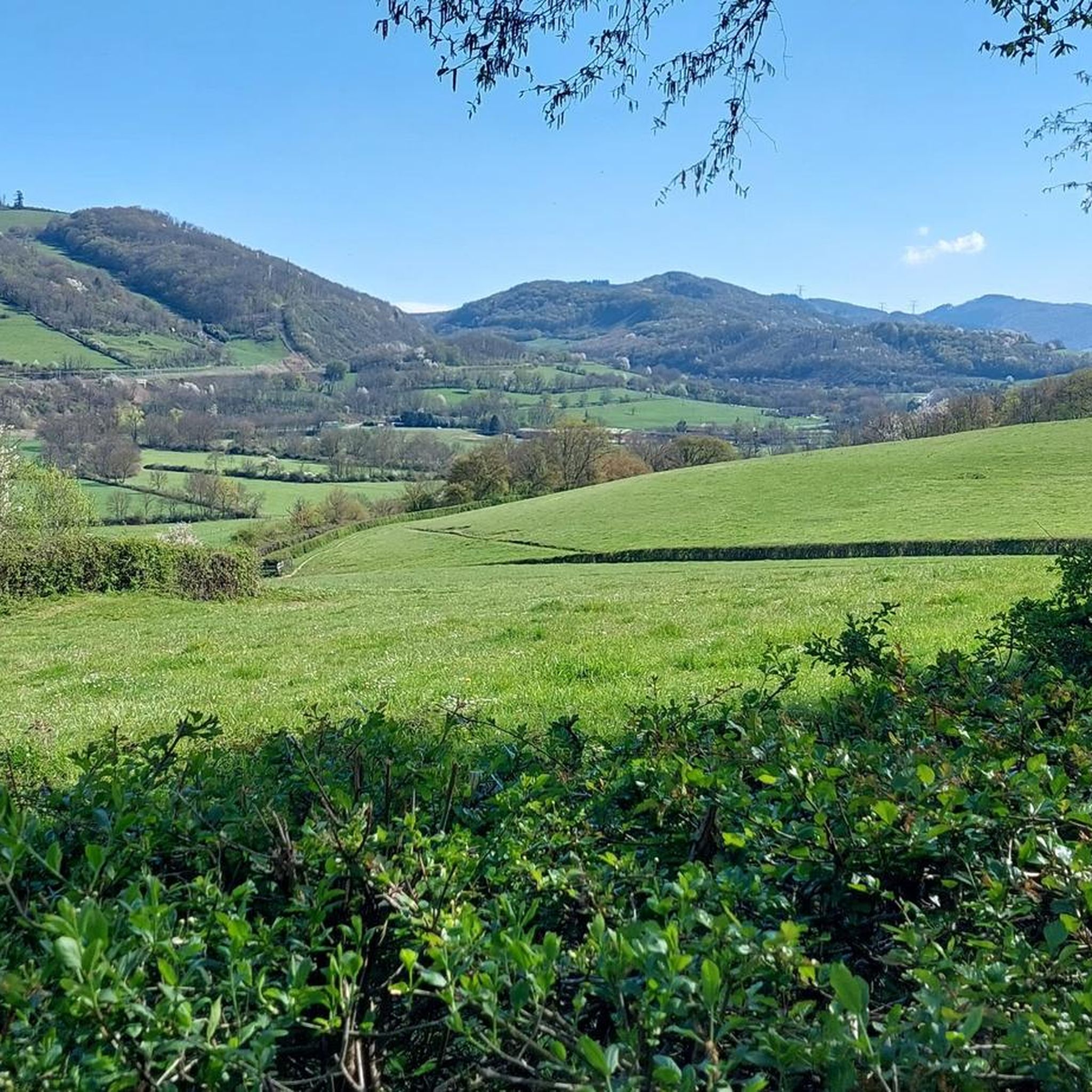
Gravel biking around Buffières offers varied terrain across forests, groves, hills, and valleys in the Saône-et-Loire department of Burgundy, France. The region features topographical diversity, with altitudes ranging from 250 meters to 543 meters, providing both gentle inclines and more demanding climbs. Unpaved sections are common, catering to mixed-terrain riding, often on granite soil. This landscape provides a setting for exploring away from heavily trafficked roads.
Best gravel bike trails around Buffières
- The most popular gravel bike trail is Cluny…
Last updated: July 4, 2026
3.3
(3)
75
riders
99.0km
07:59
2,010m
2,010m
Hard gravel ride. Very good fitness required. Mostly paved surfaces. Suitable for all skill levels.
12
riders
70.7km
06:07
1,500m
1,500m
Hard gravel ride. Very good fitness required. Mostly paved surfaces. Suitable for all skill levels.

Sign up for free
3
riders
15.9km
01:21
360m
360m
Moderate gravel ride. Good fitness required. Mostly paved surfaces. Suitable for all skill levels.
1.0
(1)
1
riders
25.1km
01:47
490m
490m
Hard gravel ride. Very good fitness required. Mostly paved surfaces. Suitable for all skill levels.
Our route recommendations are based on thousands of hikes, rides, and runs completed by other people on komoot.
Start today with a free account
Your next adventure awaits.
Login or Signup

Tips from the Community

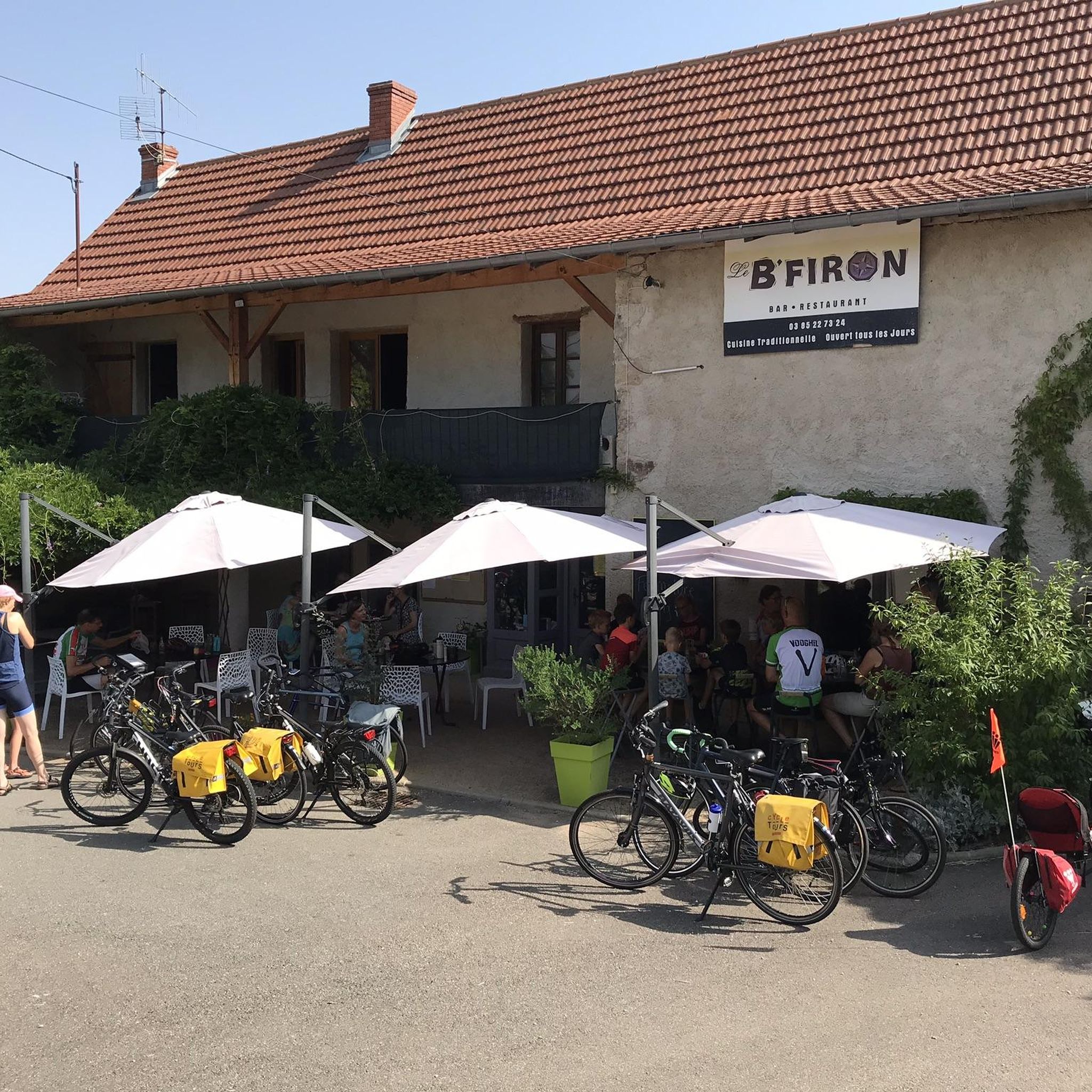
The former Cluny-Chalon-sur-Saône railway line has been decommissioned. The old station grounds now serve as the central bus stop ("Cluny Gare") for regional buses. Lines 701 and 709 of the Mobigo network connect the town to the TGV station in Mâcon in about 30 minutes. Directly at the old station runs the Voie Verte (an asphalted railway path cycle route). There is a large e-bike and bicycle rental service on site for tourists.
1
0
Founded in 910, the Benedictine abbey developed into the starting point of the Cluniac reform movement. In the High Middle Ages, it was one of the most influential religious and political centers in Western Europe. At its peak, the Cluny congregation comprised around 1,200 monasteries with over 20,000 monks across the continent. Cluny was independent of secular rulers and local bishops. It was directly subordinate to the Pope in Rome.
1
0
The Château de Berzé-le-Châtel (also known as Forteresse de Berzé) is the largest and best-preserved medieval castle in southern Burgundy. The site dates back to a 10th-century castrum and was strategically built on a rocky outcrop to protect the nearby powerful Abbey of Cluny. The fortress consists of three concentric walls and features 13 towers (including two keeps/donjons) as well as an imposing gatehouse. The heart inside is a remarkable Carolingian chapel.
1
0
The Château de Berzé-le-Châtel (also Forteresse de Berzé) is the largest and best-preserved medieval castle in Southern Burgundy. The complex dates back to a 10th-century castrum and was strategically built on a rocky outcrop to protect the nearby powerful Abbey of Cluny. The fortress consists of three ring walls and has 13 towers (including two keeps/donjons) as well as an imposing gatehouse. The centerpiece inside is a remarkable Carolingian chapel.
0
0

Very beautiful castle. Feel free to visit the monks' chapel of Berzé la ville, with very beautiful paintings from the abbey of Cluny
1
0
In the Middle Ages, the abbey was one of the most influential spiritual and cultural centers in Europe. Cluny was the mother house of the Cluniac Reform and headed a federation of over 1,200 monasteries. The third abbey church (Cluny was the largest church in the Christian world until the construction of St. Peter's Basilica in Rome). Of the once-mighty complex, only parts of the southern transept remain today, as the abbey was largely used as a quarry and demolished after the French Revolution.
1
0

The town of Cluny was based on the Benedictine monastery (Cluniac Abbey), founded in 910. The abbey was the starting point and center of the Cluniac reform at the beginning of the 10th century. Cluny reached its peak membership at the beginning of the 12th century with approximately 400 monks. The last abbey church (Cluniac 3) was the world's largest Romanesque basilica and, until the construction of today's St. Peter's Basilica in Rome, the largest church in Christendom. The church had seven towers. Although large parts of the building were destroyed, the remaining relics are absolutely remarkable and make a visit to Cluny an unforgettable experience!
2
0

A view that is worth it at the top of the hill!
1
0
Frequently Asked Questions
What kind of terrain can I expect on gravel bike trails around Buffières?
The region around Buffières offers a diverse mix of terrain, characterized by forests, groves, rolling hills, and valleys. You'll encounter both paved and unpaved sections, often on granite soil, providing a varied experience suitable for gravel biking. Altitudes range from 250m to 543m, ensuring a good balance of gentle inclines and more demanding climbs.
Are there any easy gravel bike routes suitable for beginners or families in Buffières?
While many routes offer varied challenges, the Cluny – Cluny Abbey loop from Cluny is a moderate 15.8 km path that explores the area around the historic Cluny Abbey. The wider region also features the Voie Verte of Southern Burgundy, known for its smooth, traffic-free paths that generally avoid steep climbs, making it accessible for various skill levels and families.
What are some notable landmarks or attractions I can visit while gravel biking near Buffières?
Several interesting points of interest are accessible from the gravel trails. You can visit the historic town of Cluny and its famous Cluny Abbey. A unique highlight is the Tunnel du Bois Clair, Europe's longest bicycle tunnel, which is part of the Voie Verte of Southern Burgundy. The Saint-Blaise Romanesque church loop from Mazille also offers cultural points of interest.
Is the Tunnel du Bois Clair always open for cyclists?
The Tunnel du Bois Clair is a unique experience, but it is closed during bat hibernation season, typically from October to April. When it's closed, a diversion route via road 14 is available. It generally reopens around April 14 and stays open until June 30.
Are there any long-distance or challenging gravel routes in the Buffières area?
Yes, for those seeking a longer and more challenging ride, the Cluny – Voie verte of Southern Burgundy loop from Mâcon is a difficult 99.1 km trail that incorporates sections of the "Voie Verte of Southern Burgundy" for a diverse riding experience. Another difficult option is the Saint-Blaise Romanesque church loop from Mazille, covering 25 km with significant elevation changes.
Can I find circular gravel bike routes around Buffières?
Yes, several routes are designed as loops, allowing you to start and end in the same location. Examples include the challenging Cluny – Voie verte of Southern Burgundy loop from Mâcon and the moderate Cluny – Cluny Abbey loop from Cluny. The Saint-Blaise Romanesque church loop from Mazille also offers a circular option.
What is the best time of year for gravel biking in Buffières?
The region's diverse landscapes are enjoyable throughout much of the year. Spring and autumn offer pleasant temperatures and beautiful scenery. Summer can be great, especially when the Tunnel du Bois Clair is open, providing a cool riding experience. Always check local weather conditions before heading out.
Are there options for combining gravel biking with other activities, like hiking?
Absolutely. Beyond cycling, Buffières offers beautiful walking trails across its 1200 hectares. The GR 76 long-distance hiking trail also passes through the village. Many of these trails can often be explored by gravel bike, depending on their technical difficulty, allowing for a varied outdoor experience.
How many gravel bike trails are available in the Buffières area?
There are several gravel bike trails documented around Buffières, catering to different skill levels. You can find a mix of moderate and difficult routes to explore the region's varied terrain.
What makes the Voie Verte of Southern Burgundy suitable for gravel biking?
The Voie Verte of Southern Burgundy is ideal for gravel biking because it utilizes former railway lines, resulting in smooth, traffic-free paths that generally avoid steep climbs or descents. This makes it accessible for various skill levels and provides a relaxed, scenic ride through picturesque countryside.
Most popular attractions around Buffières

Get inspired with the komoot mobile app


Explore more
Browse the best Gravel rides in other regions.
